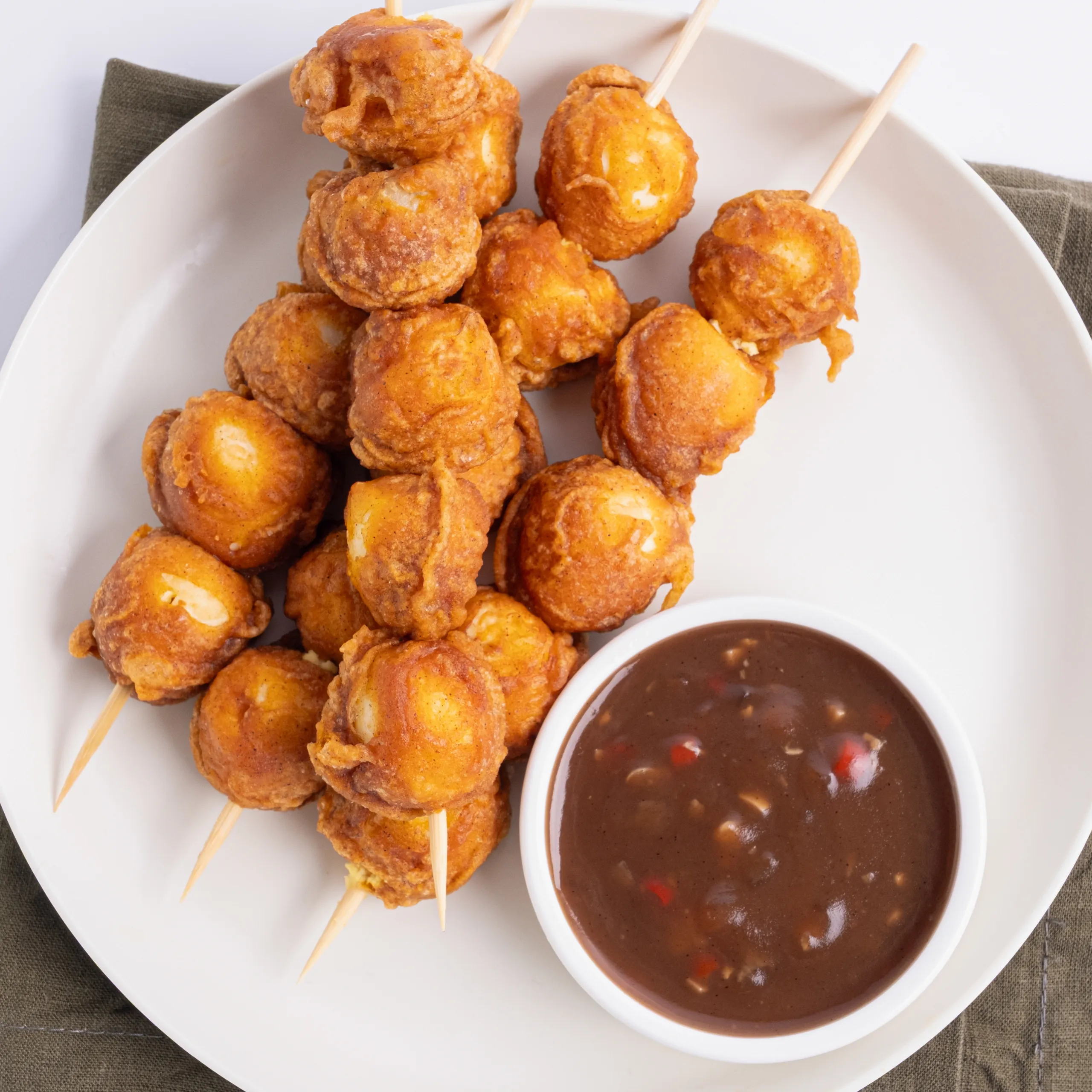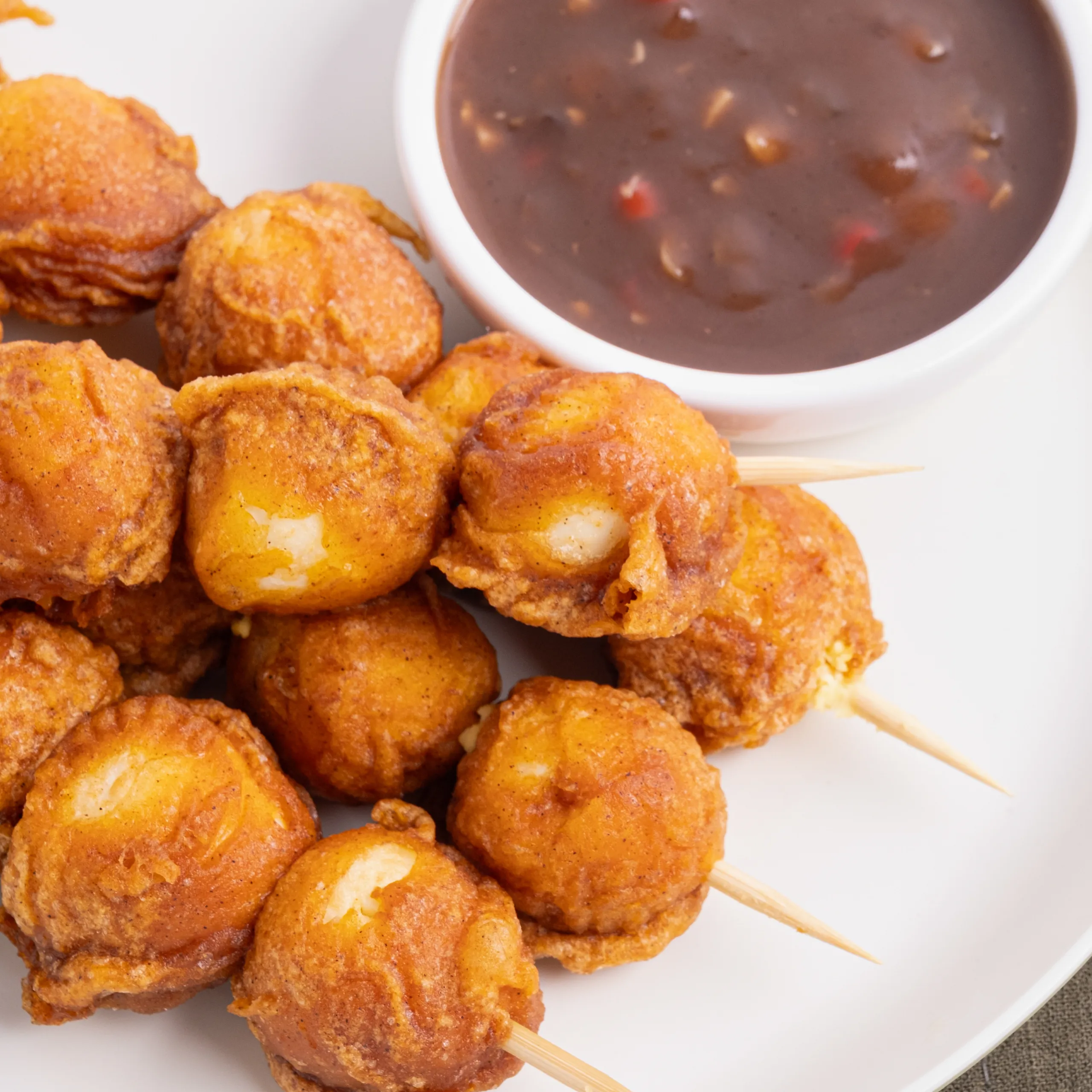
Kwek-kwek is one of the most recognizable and well-loved street foods in the Philippines. With its bright orange coating, crispy exterior, and soft, flavorful quail egg center, this simple snack has become a favorite among students, workers, families, and anyone looking for an affordable and satisfying treat. It is commonly sold by street vendors near schools, markets, busy sidewalks, and transport terminals, where the tempting smell of freshly fried kwek-kwek attracts hungry passersby.
For many Filipinos, kwek-kwek is more than just a quick snack. It brings back memories of walking home from school, spending time with friends, or enjoying an afternoon merienda with a small cup of dipping sauce. The experience is often just as memorable as the food itself: choosing a few freshly fried pieces, dipping them into a tangy and spicy sauce, and enjoying them while they are still warm and crunchy.
What makes kwek-kwek especially appealing is its simplicity. It uses boiled quail eggs coated in a seasoned orange batter and deep-fried until crisp. The eggs provide a soft and satisfying center, while the batter adds color, texture, and flavor. When paired with a vinegar-based sauce containing soy sauce, sugar, onions, and chilies, every bite offers a combination of savory, sour, slightly sweet, and spicy flavors.
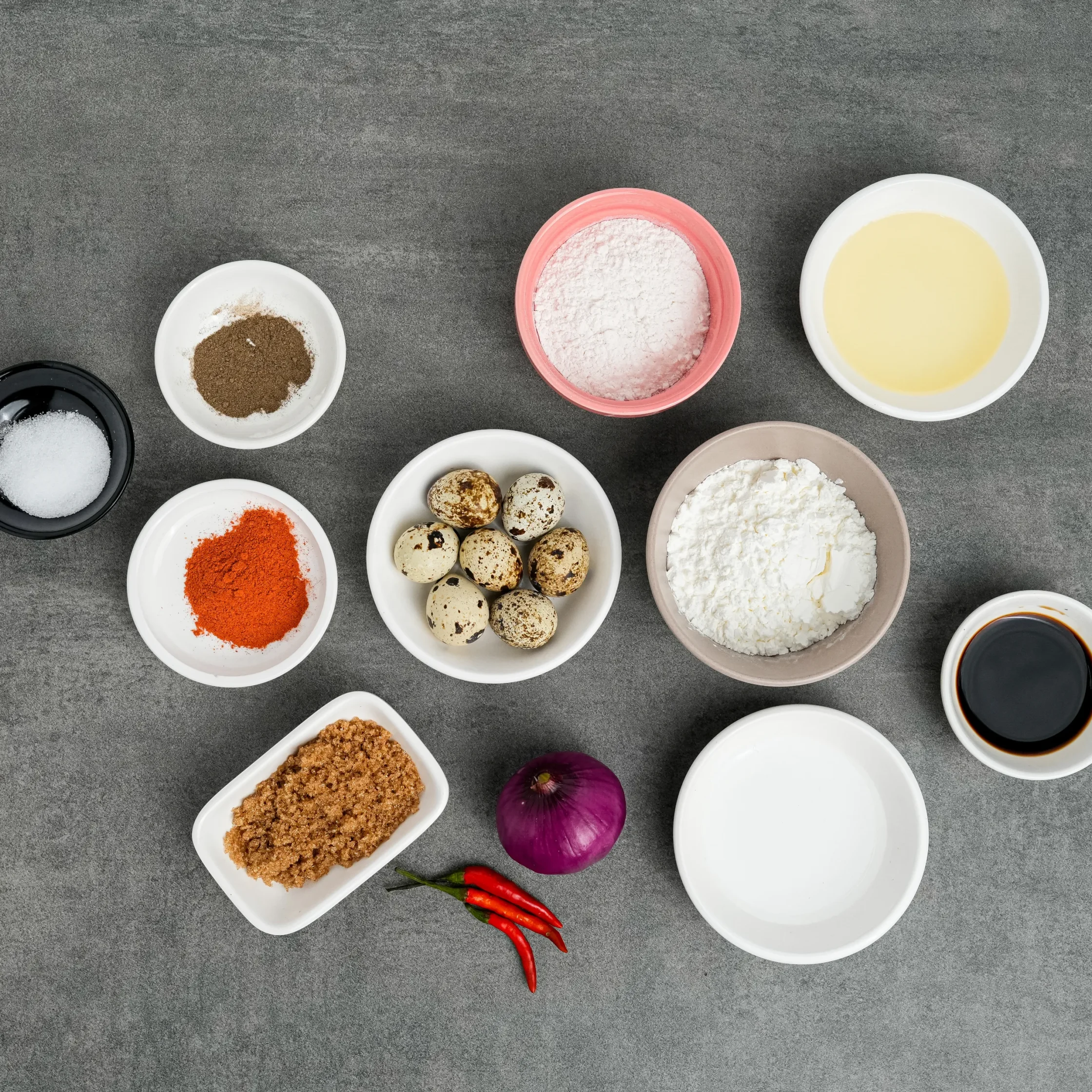
This homemade kwek-kwek recipe uses 30 boiled quail eggs, all-purpose flour, cornstarch, baking powder, annatto powder or orange food coloring, and simple seasonings. It also includes an easy homemade dipping sauce that complements the crispy coating.
Whether you are preparing kwek-kwek for your family, making snacks for a gathering, or planning to sell Filipino street food, this guide will help you understand the dish, prepare it properly, achieve a crispy coating, explore ingredient substitutions, and store it safely.
History and Origin of Kwek-Kwek
Kwek-kwek is a popular Filipino street food that has become part of everyday food culture in the Philippines. Although the precise origin of the dish is not consistently documented, it is widely associated with the growth of Filipino street vending and the local tradition of turning inexpensive, accessible ingredients into convenient snacks.
Street food has long played an important role in Filipino communities. Vendors offer affordable meals and merienda to people who need something quick while going to work, attending school, shopping, or traveling. Fried snacks became especially popular because they are easy to serve, satisfying to eat, and well suited to small street-side food stalls.
Kwek-kwek is generally made with boiled quail eggs dipped in an orange-colored batter and deep-fried. Its distinctive color makes it easy to recognize among other Filipino street foods. The coating provides a crisp exterior, while the egg inside remains tender.
The bright orange appearance is commonly achieved with annatto, also known as atsuete or achuete, or with food coloring. Annatto has a long history of use in Filipino cooking, where it adds an attractive reddish-orange hue to various dishes. In kwek-kwek, the color contributes to the snack’s familiar appearance and helps distinguish it from other battered and fried foods.
Kwek-kwek is often sold alongside other street-food favorites, including fish balls, squid balls, kikiam, and tokneneng. Tokneneng is a similar Filipino snack typically made with chicken or duck eggs, while kwek-kwek traditionally uses smaller quail eggs. Both are associated with orange batter, deep-frying, and dipping sauces.
As kwek-kwek became more popular, different vendors developed their own approaches to the batter and accompanying sauces. Some serve it with spicy vinegar, while others offer a thicker sweet-and-sour sauce or a combination of condiments. These differences give customers the freedom to enjoy the snack according to their preferences.
Today, kwek-kwek can be found throughout the Philippines, from neighborhood food carts to food parks and casual restaurants. It has also become a familiar recipe for home cooks who want to recreate the experience of Filipino street food in their own kitchens.
Its popularity demonstrates how a simple combination of eggs, flour, seasoning, and oil can become a much-loved part of a country’s culinary identity.
What Makes Kwek-Kwek Special?
Kwek-kwek may look simple, but several features make it stand out from other fried snacks.
- Its bright orange color: The colorful coating makes kwek-kwek instantly recognizable and gives it its signature street-food appearance.
- Its crispy exterior: A well-prepared batter develops a golden-orange crust that contrasts with the soft egg inside.
- Its satisfying center: Quail eggs provide protein and a creamy, tender texture.
- Its affordable ingredients: Eggs, flour, cornstarch, and seasonings are generally accessible, making kwek-kwek practical for home cooking and small food businesses.
- Its flavorful dipping sauce: The combination of vinegar, soy sauce, sugar, onions, and chilies balances the richness of the fried batter.
- Its convenience: Kwek-kwek is easy to portion, serve, and eat as a snack or part of a larger merienda spread.
The appeal of kwek-kwek comes from the contrast between its textures and flavors. The coating is crunchy, the egg is soft, and the sauce provides a refreshing burst of acidity and seasoning.
Recipe Tips for Perfect Kwek-Kwek
Making kwek-kwek at home is straightforward, but a few practical techniques can improve the final result.
Keep the eggs dry
Moisture on the egg surface can prevent the batter from adhering evenly. After peeling, gently pat the eggs dry with paper towels.
Aim for the right batter consistency
The batter should cling to the egg rather than slide straight off. If it is too thin, add a little flour. If it is too thick, add water a teaspoon or tablespoon at a time.
Avoid making large adjustments all at once, because a small amount of liquid can noticeably change the consistency.
Use cornstarch for a lighter crust
Cornstarch helps reduce the amount of gluten-forming flour in the batter and can contribute to a lighter, crisper coating. It works best when combined with the all-purpose flour rather than used as a complete replacement in this recipe.
Keep the oil temperature steady
A temperature around 170–180°C is a useful target. If the oil cools too much, the coating may absorb excess oil. If it becomes too hot, the outside may brown too quickly.
Fry in manageable batches
Thirty eggs should not be cooked in one crowded batch. Smaller batches make it easier to control the temperature and turn the eggs gently.
Season the batter evenly
Mix the salt, pepper, baking powder, and annatto thoroughly with the flour and cornstarch before adding water. This helps every piece have a consistent flavor and color.
Do not overuse food coloring
If using orange food coloring, follow the product’s instructions and use only an appropriate food-grade product. Excessive coloring does not improve the taste or texture.
Serve the sauce separately
Keeping the sauce separate prevents the crispy batter from becoming soggy. Dip each piece immediately before eating.
Use a rack when possible
A wire rack allows steam to escape from the freshly fried coating. This is generally more effective for maintaining crispness than leaving the pieces in a deep pile.
Ingredient Substitutions and Variations
Kwek-kwek is flexible enough to accommodate different ingredients, equipment, and taste preferences.
Can I make kwek-kwek without cornstarch?
Yes. You can use all-purpose flour alone, but the coating may be less crisp or more bread-like. If you have potato starch or tapioca starch, you can try replacing the cornstarch with one of these alternatives.
Can I use chicken eggs instead of quail eggs?
Yes. Larger boiled eggs can be coated and fried using a similar method, but they will no longer be the traditional small, bite-sized kwek-kwek. Depending on the size, you may find it easier to cut the cooked eggs into portions before coating them, although the cut surfaces may require more careful handling.
Can I use annatto instead of artificial coloring?
Yes. Annatto is a traditional coloring option in Filipino cooking. Depending on the form and concentration of the annatto, the batter may become a deeper golden-orange or reddish-orange rather than the vivid orange often associated with street-vendor kwek-kwek.
Can I make the sauce less salty?
Yes. Reduce the soy sauce and replace part of it with water, then adjust the vinegar and sugar to taste. You can also use reduced-sodium soy sauce.
Can I make kwek-kwek without deep-frying?
You can experiment with an air fryer or oven, but the result will be different from traditional deep-fried kwek-kwek. The batter may not set as evenly, and wet batter can drip before it becomes firm.
For air-frying, a thicker coating that adheres securely and a lightly oiled cooking surface may help. Follow your appliance’s instructions, cook in small batches, and check that the coating is fully cooked. Deep-frying remains the most reliable method for the familiar street-food texture.
Knowledge About Kwek-Kwek and Filipino Street Food
Kwek-kwek is part of a wider Filipino tradition of making inexpensive ingredients convenient, flavorful, and enjoyable to eat on the go.
Why are quail eggs used?
Quail eggs are small, making them convenient for bite-sized snacks. They have a delicate white and a rich yolk, and several pieces can be served together as one portion.
Their small size also allows them to be coated evenly and cooked quickly, making them practical for street vendors preparing multiple orders.
Why is the batter orange?
The orange coating is one of kwek-kwek’s defining characteristics. Annatto, a natural food coloring derived from the seeds of the achiote tree, is commonly used in Filipino cooking to produce orange and reddish hues.
Some recipes use orange food coloring instead. These options are mainly intended to create the familiar appearance of the dish rather than to change its flavor substantially.
What does baking powder do?
Baking powder releases gas when it reacts with moisture and heat. In a batter, this can help create a slightly lighter texture.
The amount in this recipe is relatively small, so the coating should remain crisp and substantial rather than becoming cake-like.
Why is cornstarch included?
Cornstarch changes the structure of the batter by reducing the proportion of wheat flour. This can help produce a lighter, less chewy coating.
The combination of flour and cornstarch is useful because the flour provides structure and adhesion, while the starch helps modify the crispness.
Why is kwek-kwek usually served with sauce?
The coating and egg have a mild flavor, so the dipping sauce adds contrast. Vinegar provides acidity, soy sauce adds saltiness and savoriness, sugar balances the sharper flavors, and onions and chilies contribute freshness and heat.
The sauce is an important part of the overall eating experience, although different vendors use different recipes.
Kwek-kwek versus tokneneng
These two Filipino snacks are similar but are traditionally distinguished by the eggs used.
- Kwek-kwek: Usually made with quail eggs.
- Tokneneng: Commonly made with larger chicken or duck eggs.
Both are often covered in orange batter and deep-fried, and both may be served with vinegar-based or other dipping sauces.
Health Benefits and Nutritional Considerations
Kwek-kwek provides several nutrients because its main ingredient is egg. However, the batter and deep-frying process also add carbohydrates, fat, and calories. Its nutritional value depends on portion size, oil absorption, and the exact ingredients used.
Potential nutritional benefits
1. Protein from quail eggs
Quail eggs provide complete protein, which contains the essential amino acids the body needs for normal growth, tissue repair, and muscle maintenance.
2. Vitamin B12
Eggs contain vitamin B12, which is important for normal nerve function and red blood cell formation.
3. Iron and other minerals
Quail eggs contain minerals such as iron and phosphorus. The amount contributed by a serving depends on how many eggs are eaten.
4. Choline
Eggs are a source of choline, a nutrient involved in normal brain function, cell membranes, and other important bodily processes.
5. Energy
The carbohydrates from the batter and the fat from frying provide energy. This can make kwek-kwek a filling snack, although it is more energy-dense than plain boiled eggs.
Nutritional considerations
Deep-frying adds fat and calories. The amount of oil absorbed depends on the batter, temperature, cooking time, and draining method.
The batter adds refined carbohydrates. All-purpose flour provides carbohydrates, but it is not a particularly rich source of dietary fiber.
The sauce may contain substantial sodium. Soy sauce can contribute a significant amount of sodium, so portion size and seasoning adjustments matter for people who need to limit their salt intake.
Chili can cause discomfort for some people. If you are sensitive to spicy foods, you can reduce the chilies or serve them separately.
Is kwek-kwek healthy?
Kwek-kwek can be enjoyed as part of a balanced diet, but it is best treated as an occasional fried snack rather than a substitute for a varied meal.
If you want a lighter version, consider the following:
- Use a moderate amount of batter instead of a very thick coating.
- Maintain the correct oil temperature to reduce excessive oil absorption.
- Drain the fried eggs on a rack.
- Reduce the sodium in the dipping sauce.
- Serve with fresh vegetables or other fiber-rich foods.
Quail eggs are nutritious, but they are not automatically healthier than chicken eggs in every respect. Both provide valuable nutrients, and the overall healthfulness of kwek-kwek depends heavily on preparation and serving size.
How to Store Kwek-Kwek Properly
Proper storage is important because kwek-kwek contains cooked eggs and a cooked flour-based coating. The dipping sauce also needs suitable handling, especially after chopped onions and fresh chilies have been added.
Storing freshly fried kwek-kwek
If you have leftovers, allow the pieces to stop steaming, then transfer them into a clean, shallow, airtight container and refrigerate promptly.
- Refrigerate within 2 hours of cooking or serving, or within 1 hour if the ambient temperature is above 32°C.
- Keep the refrigerator at 4°C or below.
- Eat refrigerated leftovers within 3–4 days.
- Do not leave the snack sitting out for extended periods, especially in hot weather.
The coating will usually soften during refrigeration. This is a texture change and does not necessarily mean the food has spoiled.
How to store the dipping sauce
Place leftover sauce in a clean, covered container and refrigerate it promptly. For this homemade sauce, use it within about 3–4 days for best quality, and always use clean utensils when serving it.
Although vinegar is acidic, the sauce should not be assumed to be shelf-stable. Its safety depends on the full recipe, handling, and storage conditions.
If you serve sauce in a communal bowl, avoid returning used dipping sauce to the storage container.
Can kwek-kwek be frozen?
Yes, although freezing is generally more successful for the cooked eggs or the fried pieces than for maintaining the exact texture of freshly fried kwek-kwek.
For better results:
- Let the fried pieces cool briefly.
- Refrigerate them promptly before freezing.
- Place them in a freezer-safe, airtight container or bag.
- Label the container with the date.
- For best quality, use within about 1–2 months.
Thaw frozen leftovers in the refrigerator rather than leaving them on the counter. Reheat thoroughly until the center reaches 74°C.
How to reheat kwek-kwek
An oven or air fryer is usually preferable to a microwave when you want to restore crispness.
- Air fryer: Reheat in a single layer until hot throughout and the coating becomes crisp.
- Oven: Place on a rack or baking tray and heat until thoroughly warmed.
- Microwave: Convenient for warming, but the coating will generally become softer.
Always ensure reheated leftovers reach 74°C internally. Avoid repeatedly cooling and reheating the same batch.
Can I prepare kwek-kwek ahead of time?
Yes. For the best results, boil and peel the quail eggs in advance, then refrigerate them in a covered container. You can also prepare the dry batter ingredients ahead of time and mix them with water closer to cooking.
The sauce can be prepared ahead and refrigerated separately.
For the crispiest result, coat and fry the eggs shortly before serving. This keeps the batter from becoming soggy and allows you to serve the snack while its texture is at its best.
Final Words About Kwek-Kwek
Kwek-kwek is a wonderful example of how simple ingredients can create a snack that is full of character. Its orange coating, crispy exterior, soft quail egg center, and tangy dipping sauce have made it a beloved part of Filipino street-food culture.
Preparing it at home is also an opportunity to recreate familiar food memories. You can enjoy it as an afternoon merienda, serve it during family gatherings, share it with friends, or include it in a homemade Filipino street-food spread.
The secret to excellent kwek-kwek is not simply following the ingredient measurements. It is learning to recognize the right batter consistency, keeping the eggs dry, maintaining the correct oil temperature, frying in small batches, and pairing the finished snack with a sauce that balances its richness.
Do not be afraid to adjust the recipe to your taste. You can make the sauce sweeter, reduce the salt, increase the chili, or experiment with annatto to achieve your preferred color. Once you understand the basic method, it becomes easier to create a version that suits your family or customers.
Most importantly, remember that great food does not always need expensive ingredients or complicated techniques. Sometimes, a bowl of carefully prepared batter, a handful of quail eggs, and a well-balanced dipping sauce are enough to create something truly satisfying.
Kwek-kwek is more than a crispy orange snack. It is a small but meaningful taste of Filipino everyday life, bringing together familiar flavors, simple cooking, and the happiness of sharing good food.