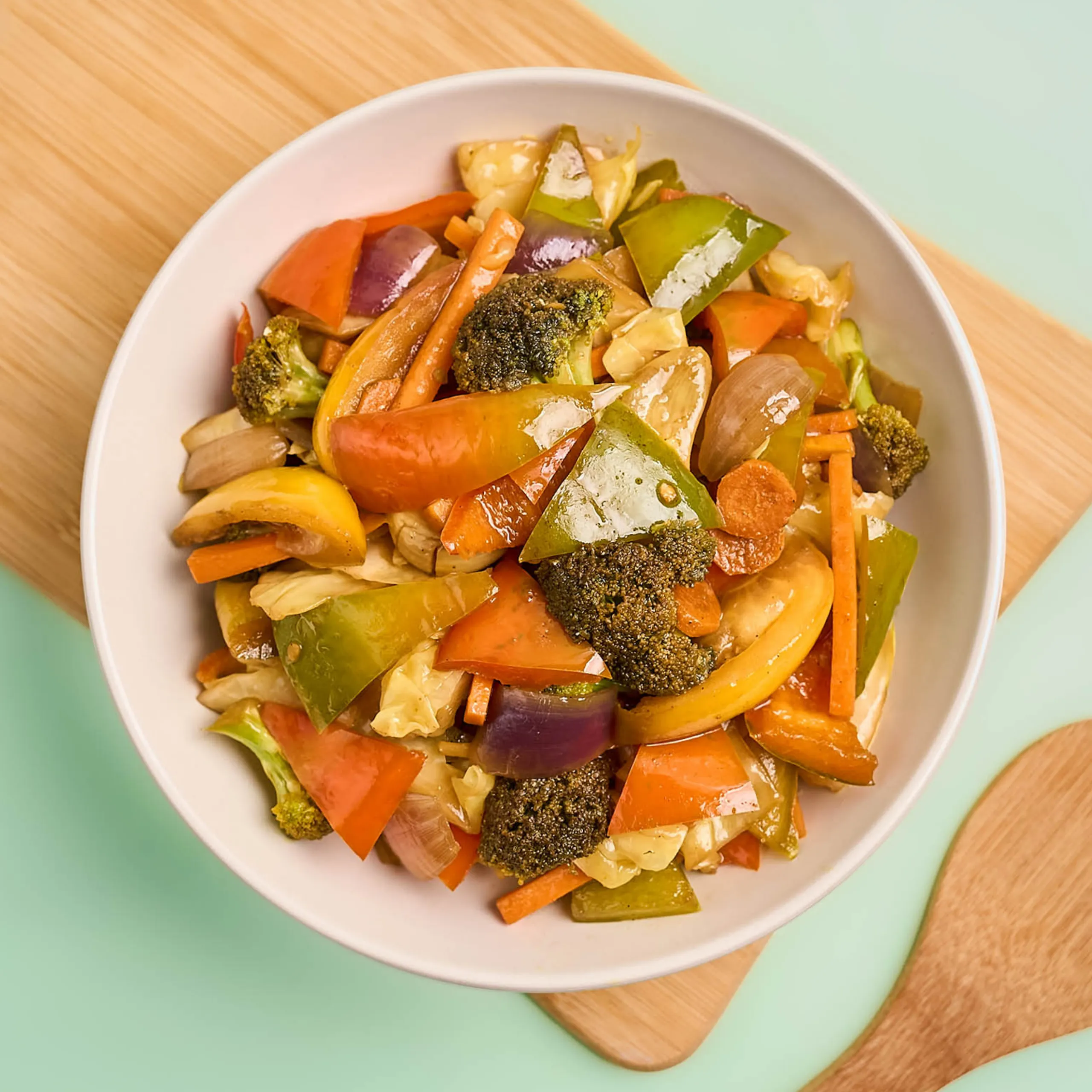


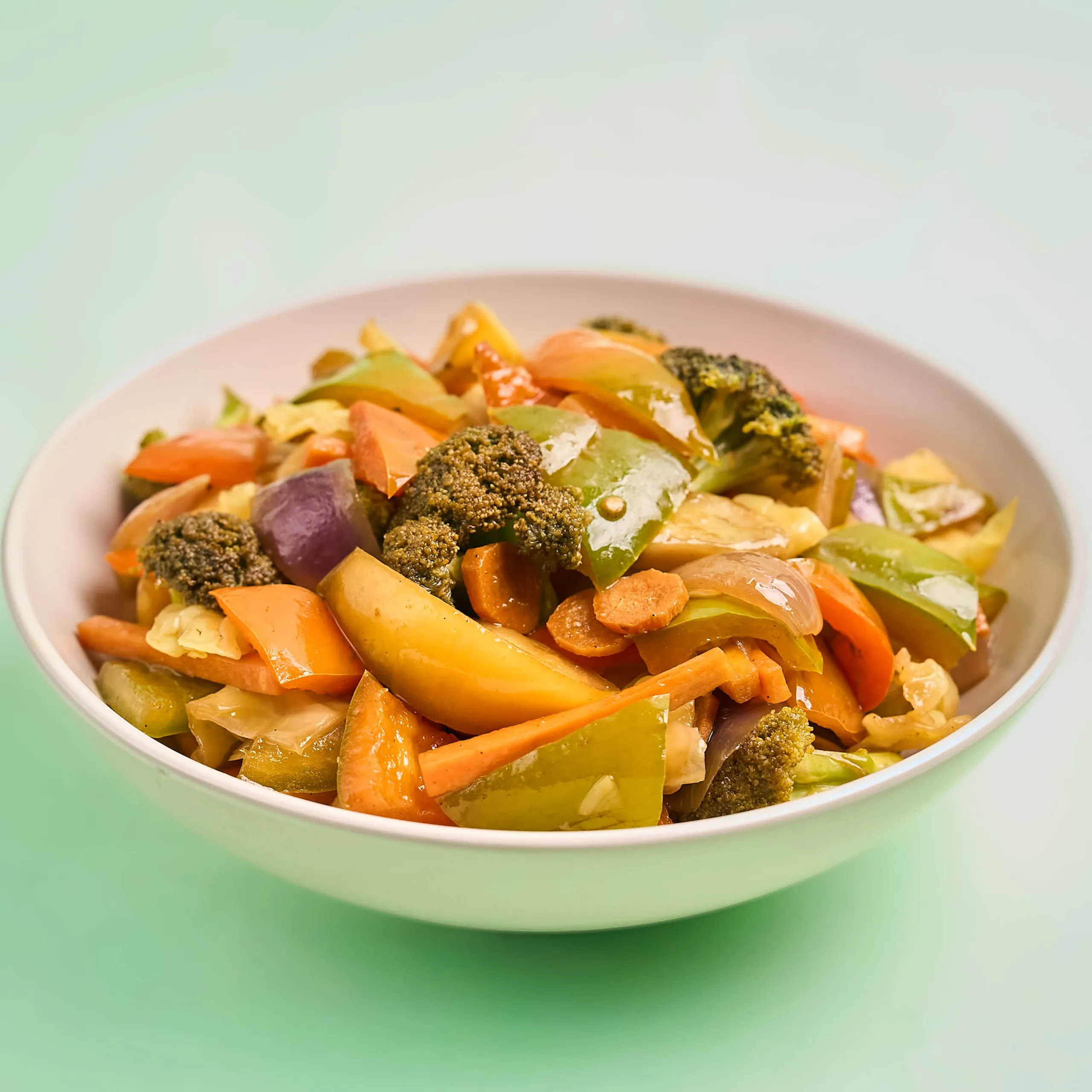
There are days when you want a vegetable dish that is quick, colorful, and full of flavor without feeling too heavy. Luyang Dilaw Stir-Fried Vegetables is exactly that kind of meal. It takes a simple assortment of everyday vegetables and gives them a warm, earthy character with fresh turmeric, garlic, onion, and a savory splash of soy sauce or oyster sauce.
The beautiful golden color from the turmeric makes the dish look inviting even before you take the first bite. Broccoli provides a pleasant bite, carrots bring natural sweetness, bell peppers add freshness, and cabbage softens beautifully in the hot pan. Together, they create a vegetable dish that is easy enough for a busy weekday meal but flavorful enough to put on the table when you’re feeding family or guests.
It is also highly adaptable. You don’t need to use exactly the vegetables listed here. This is the kind of recipe where you can open the refrigerator, see what needs to be used, and turn those ingredients into a delicious stir-fry.
A Little History of Luyang Dilaw and Stir-Fried Vegetables
Stir-frying is a cooking technique strongly associated with East and Southeast Asian cuisines. It involves cooking small pieces of food quickly over relatively high heat while tossing or stirring them frequently.
The technique became popular because it is efficient: vegetables can be cooked quickly while retaining much of their color, texture, and fresh flavor.
Filipino cooking has its own long tradition of sautéing vegetables with garlic, onion, and savory seasonings. Dishes such as chopsuey and various vegetable guisados demonstrate how Filipino cooks have embraced combinations of vegetables cooked with aromatic ingredients.
Luyang dilaw, or turmeric, has also been used in Philippine cooking, particularly in areas where fresh turmeric is readily available. Its earthy flavor and vivid yellow color make it useful in soups, stews, rice dishes, marinades, and vegetable preparations.
This particular Luyang Dilaw Stir-Fried Vegetables recipe is best understood as a modern Filipino-inspired vegetable stir-fry, combining the familiar technique of sautéing vegetables with the distinctive flavor of fresh turmeric.
It doesn’t require a complicated sauce or a long cooking process. The vegetables remain the main attraction.
Recipe Tips for Better Stir-Fried Vegetables
Cut everything before cooking
Stir-frying happens quickly.
Trying to chop vegetables while garlic is already frying can lead to burnt aromatics.
Prepare everything first.
Use high enough heat
Medium-high heat helps vegetables cook quickly while maintaining texture.
Don’t overcrowd the pan
If you’re cooking a large quantity, work in batches.
Crowding traps moisture and can turn a stir-fry into steamed vegetables.
Add vegetables according to cooking time
Hard vegetables should go in first.
Softer vegetables should be added later.
This simple technique helps everything finish cooking at roughly the same time.
Don’t overcook the cabbage
Cabbage can quickly become soft and watery.
Cook it just until it reaches the texture you like.
Use thin turmeric slices
Thin slices distribute the flavor better and cook more quickly.
Taste before adding salt
Both soy sauce and oyster sauce can be salty.
Always taste first.
Keep the sauce light
This is a vegetable stir-fry, not a heavy stew. A small amount of sauce is enough to season the vegetables while allowing their natural flavors to remain noticeable.
Ingredient Substitutions
Fresh turmeric
If fresh turmeric isn’t available, you can use ground turmeric.
Start with approximately ½–1 teaspoon, then adjust according to taste.
Fresh turmeric has a more vibrant flavor, while dried turmeric tends to taste deeper and earthier.
Broccoli
You can replace broccoli with:
- Cauliflower
- Bok choy
- Green beans
- Snow peas
- Kangkong
Carrots
Try:
- Squash
- Sweet potato
- Corn
- Chayote
- Daikon
Bell peppers
You can substitute:
- Green beans
- Snow peas
- Mushrooms
- Young corn
- Zucchini
Cabbage
Use:
- Napa cabbage
- Bok choy
- Pechay
- Kangkong
- Spinach
Leafy vegetables should generally be added toward the end because they cook quickly.
Soy sauce
Soy sauce gives the dish a savory, salty flavor.
For a lighter sodium option, use reduced-sodium soy sauce.
You can also use tamari if you want a soy-based alternative, although its flavor will be somewhat different.
Oyster sauce
Oyster sauce provides a deeper, slightly sweet savory flavor.
If you don’t have it, soy sauce works perfectly well.
For a vegetarian version, use vegetarian mushroom oyster sauce.
Optional Additions
Ginger
Fresh ginger pairs naturally with turmeric.
Add a few thin strips along with the onion and turmeric for a warmer, more aromatic dish.
Chili
Add sliced chili peppers if you enjoy heat.
Siling haba works particularly well for a Filipino-style version.
Mushrooms
Mushrooms add savory depth and a meaty texture.
They can be added after the harder vegetables have started cooking.
Tofu
For a more substantial vegetarian meal, add cubes of pan-fried tofu.
Cook the tofu separately until golden before adding it to the vegetables.
Sesame oil
A small drizzle of sesame oil at the very end can add a toasted aroma.
You don’t need much because sesame oil has a strong flavor.
What Is Luyang Dilaw?
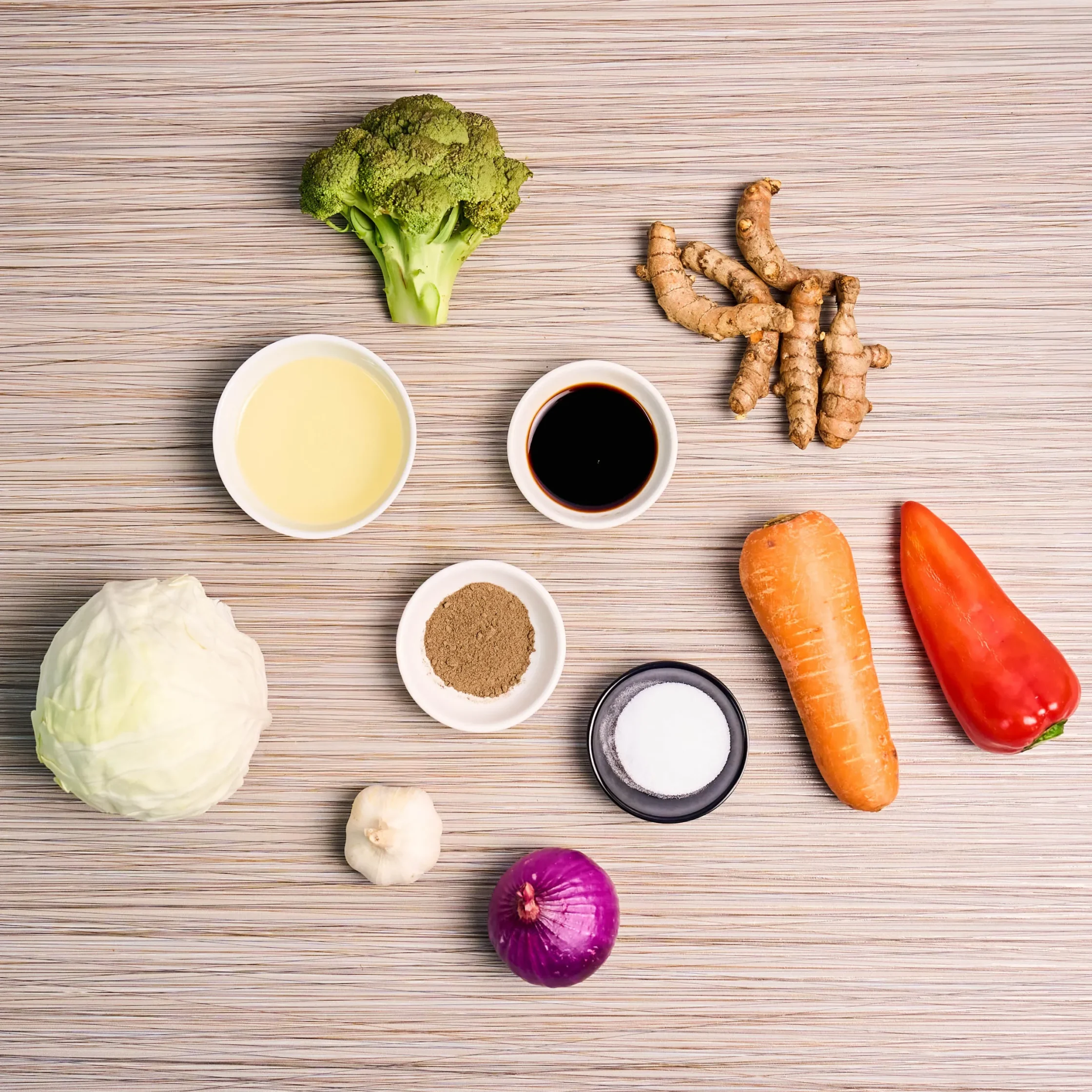
Luyang dilaw is turmeric, a rhizome related to ginger.
Fresh turmeric has thin brownish skin and vibrant orange-yellow flesh.
When cut or grated, it can leave intense yellow stains on hands and kitchen equipment.
Its flavor is earthy, warm, slightly bitter, and mildly peppery.
Turmeric is widely used in Asian cooking for both flavor and color.
It is particularly valuable in recipes where you want a golden appearance without relying on artificial coloring.
Understanding the Ingredients
Turmeric
Turmeric gives the dish its golden color and earthy flavor. It contains naturally occurring curcuminoids, including curcumin.
Broccoli
Broccoli provides fiber, vitamin C, vitamin K, folate, and various plant compounds.
Carrots
Carrots add sweetness, crunch, and beta-carotene.
Bell Peppers
Bell peppers provide color and freshness. They are also a good source of vitamin C.
Cabbage
Cabbage provides fiber, vitamin C, vitamin K, and other micronutrients while adding volume to the dish.
Garlic
Garlic provides a powerful savory aroma and contains sulfur-containing compounds.
Onion
Onions become slightly sweet when sautéed and form an important aromatic base.
Soy Sauce
Soy sauce contributes saltiness and umami, allowing a small amount to flavor a large quantity of vegetables.
Oyster Sauce
Oyster sauce provides a richer savory flavor with slight sweetness.
Health Benefits of the Dish
One of the best things about this recipe is that it naturally contains a wide variety of vegetables.
Rich in vegetables
Broccoli, carrots, bell peppers, and cabbage provide different vitamins, minerals, fiber, and plant compounds.
Eating a variety of vegetables helps diversify the nutrients and plant compounds in your diet.
Fiber
The vegetables provide dietary fiber, which supports normal digestive health and contributes to feelings of fullness.
Vitamin C
Broccoli and bell peppers are particularly useful sources of vitamin C.
Vitamin C supports normal immune function and also helps the body absorb iron from plant foods.
Beta-carotene
Carrots are rich in beta-carotene, which the body can convert into vitamin A.
Vitamin A supports normal vision and immune function.
Turmeric’s plant compounds
Turmeric provides curcuminoids, including curcumin, which have been studied for their antioxidant and anti-inflammatory properties.
However, the turmeric used in everyday cooking should be viewed primarily as a flavorful food ingredient rather than a medical treatment.
Lower in calories than many heavy vegetable dishes
Because this recipe uses only a small amount of oil and doesn’t rely on cream or large amounts of cheese, it can be a relatively light side dish.
The overall calorie and sodium content will depend largely on the amount and type of sauce used.
How to Make It Even Healthier
Increase the vegetables
You can easily increase the recipe to four or five cups of vegetables without changing the basic cooking method.
Reduce the sauce
Use less soy sauce or oyster sauce and rely more on garlic, turmeric, ginger, onion, black pepper, and chili for flavor.
Choose reduced-sodium soy sauce
This can help reduce the overall sodium content.
Add protein
For a complete meal, add:
- Tofu
- Tempeh
- Chicken
- Shrimp
- Fish
- Eggs
Serve with an appropriate rice portion
Steamed rice makes an excellent pairing, and you can also choose brown rice or another whole grain if you prefer more fiber.
Final Words
Luyang Dilaw Stir-Fried Vegetables is a wonderful reminder that vegetables don’t have to be complicated to be exciting.
The fresh turmeric brings a beautiful golden color and earthy aroma, while garlic and onion create the savory foundation. Broccoli, carrots, bell peppers, and cabbage each contribute their own texture and flavor, so the finished dish feels colorful and lively rather than heavy.
It’s also one of those recipes that rewards flexibility. You can use whatever vegetables are in season or already sitting in your refrigerator. Add mushrooms for savoriness, ginger for warmth, chili for heat, tofu for protein, or a squeeze of calamansi for brightness.
Most importantly, don’t be afraid to let the vegetables remain slightly crisp. Good stir-fried vegetables should still taste like vegetables—fresh, colorful, and full of texture.
Whether served as a simple side dish with rice or turned into a complete meal with tofu, chicken, fish, or another protein, this golden turmeric stir-fry is an easy way to bring more vegetables and a little Filipino-inspired creativity to the table.
Pinakro (Bicol) / Ginataang Saging Ingredients 6 pieces ripe saba bananas, peeled and cut in half 2 cups thick coconut milk (gata) ¼ cup brown sugar (adjust according to your preferred sweetness) 1 pandan leaf, tied into a knot (optional, for extra aroma) A pinch of salt – Give me longer versions but humanize introductions, history of the dish, longer procedures, recipe tips, ingredients substitutions, knowledge about the food, health benefits and ingredients, FAQs and final words about the dish.