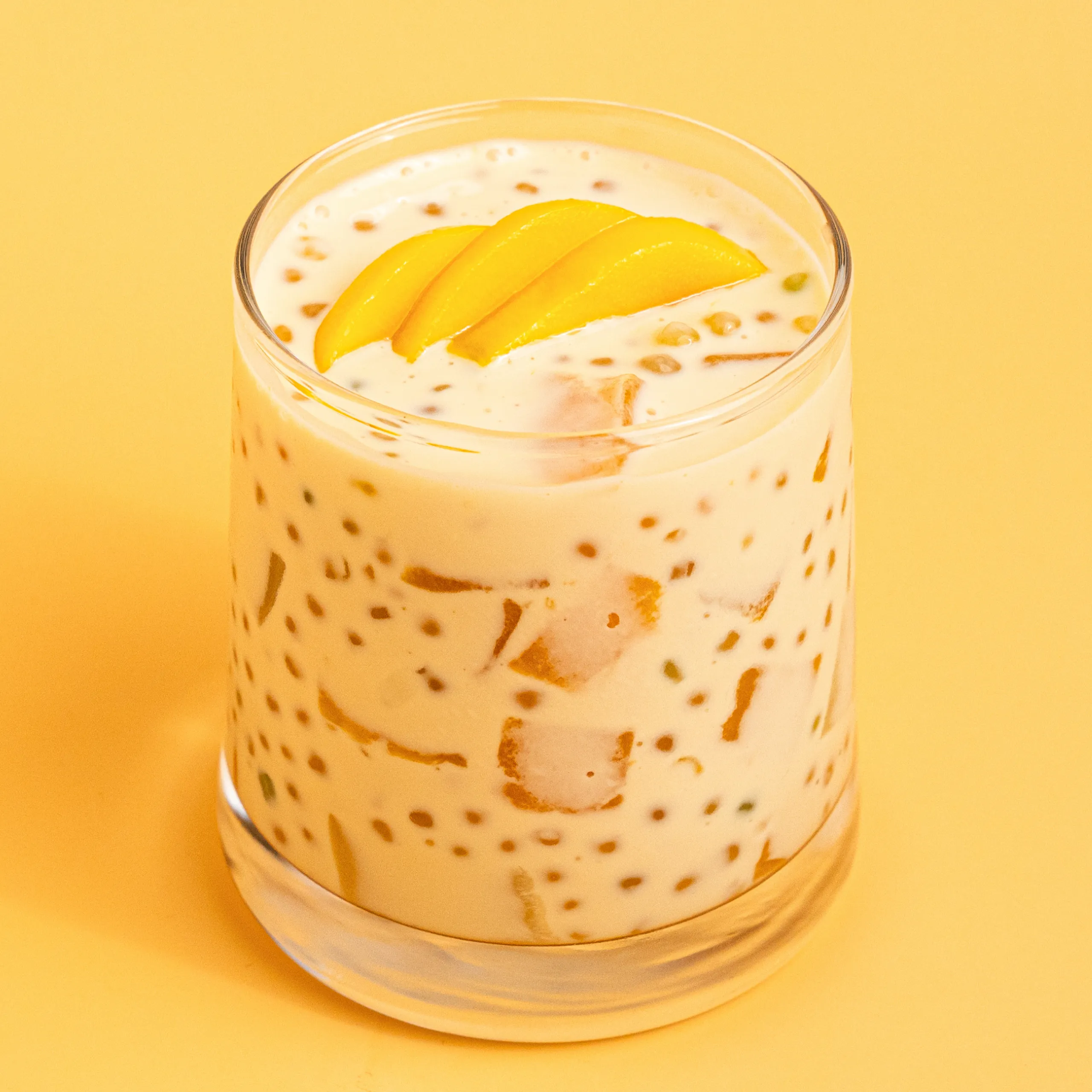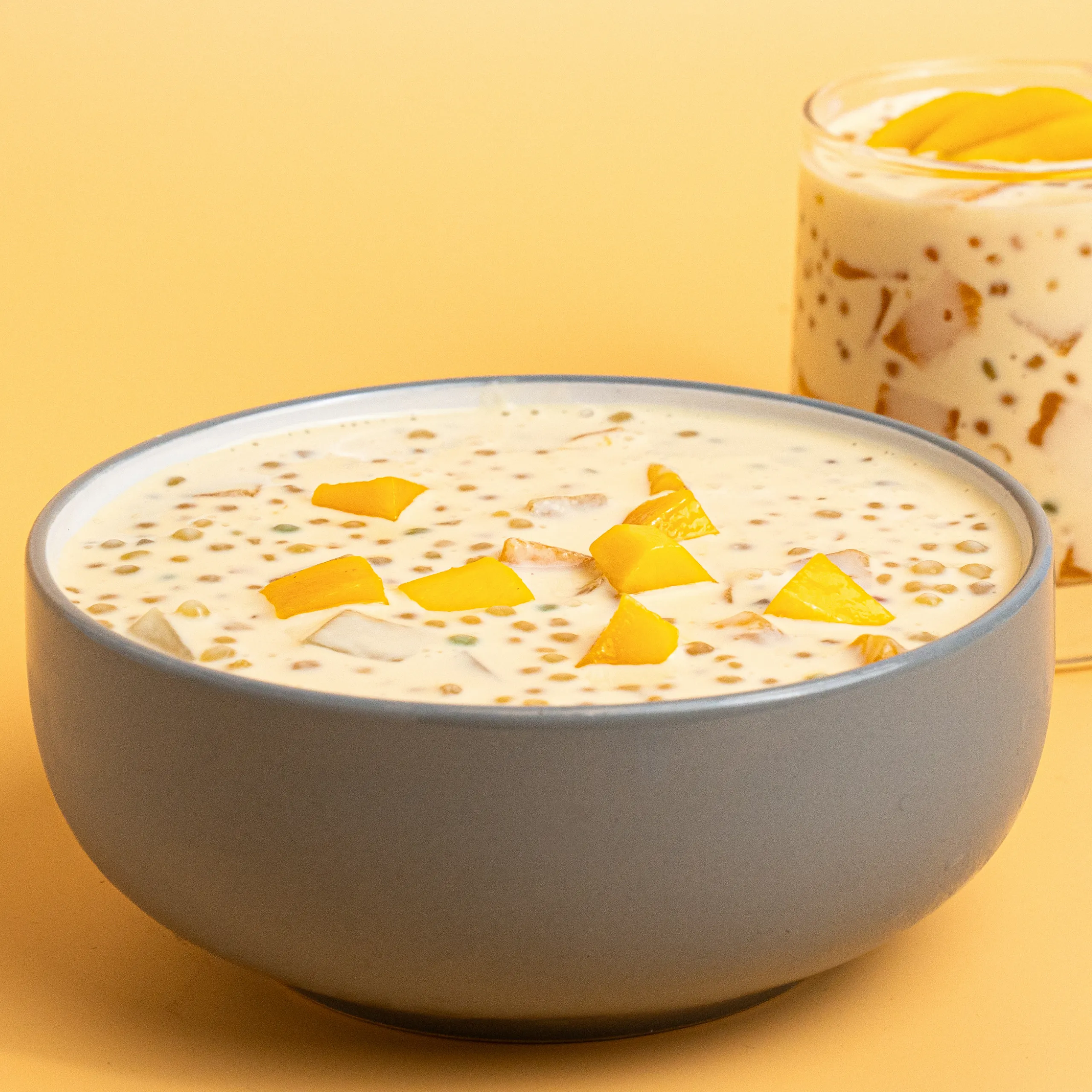
There is something special about a dessert made with ripe, juicy mangoes. Their natural sweetness, bright yellow color, and tropical aroma can turn even the simplest ingredients into something delicious. One dessert that perfectly captures this tropical goodness is Mango Sago, a creamy and refreshing treat made with fresh mangoes, chewy tapioca pearls, sweetened cream, and nata de coco.
Mango Sago is an excellent dessert for warm afternoons, family gatherings, birthdays, celebrations, or whenever you crave something cold and sweet. Every spoonful offers a delightful combination of textures: soft mango cubes, smooth mango cream, chewy tapioca pearls, and tender pieces of nata de coco. The sweetness of the mango blends beautifully with the richness of the cream, creating a dessert that is both satisfying and refreshing.
What makes this recipe even more appealing is its simplicity. You do not need an oven, complicated equipment, or advanced cooking skills. With a few readily available ingredients and some time to chill in the refrigerator, you can prepare a dessert that looks beautiful and tastes wonderful.
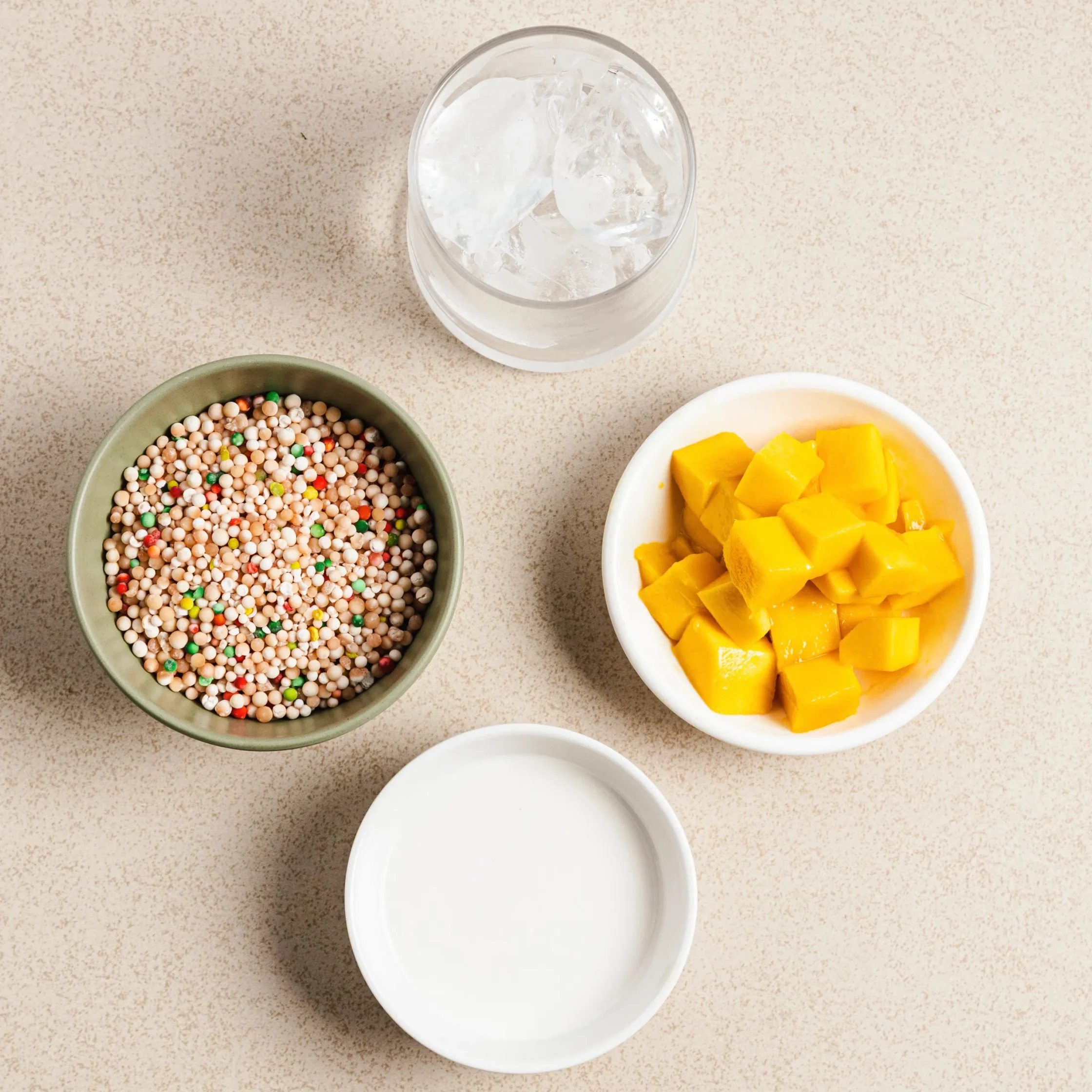
This version uses three large ripe mangoes, small tapioca pearls, nata de coco, all-purpose cream, condensed milk, and mango juice or puree. These ingredients work together to create a thick, creamy dessert with a fruity flavor and a pleasant chewy texture.
Whether you are preparing it for your family or making it to share with friends, Mango Sago is a recipe worth keeping. It is easy to customize, convenient to prepare ahead of time, and especially enjoyable when served cold.
History and Origin of Mango Sago
Mango Sago is commonly associated with Hong Kong-style dessert culture, where mango-based sweets and chilled desserts have become popular favorites. It combines tropical fruit with small tapioca pearls, creating a dessert that balances fruity sweetness with a soft, chewy texture.
A related and particularly famous dessert is Mango Pomelo Sago, which is widely associated with Hong Kong dessert restaurants. It typically contains mango, sago, pomelo pulp, and a creamy or coconut-based mixture. Its popularity helped make the combination of mango and tapioca pearls recognizable throughout parts of East and Southeast Asia.
Although the exact history of Mango Sago is not firmly documented, its development reflects a broader tradition of combining fresh fruit, sweet liquids, and starch-based pearls in Asian desserts. Tapioca pearls themselves are made from cassava starch, a product derived from a tropical root crop that is widely used in many parts of the world.
As mango desserts became popular in different countries, home cooks and dessert businesses adapted the basic idea to suit local ingredients and tastes. In the Philippines, for example, mangoes are widely loved, particularly the sweet and fragrant varieties grown in the country. Cream, condensed milk, and nata de coco are also familiar dessert ingredients, making them natural additions to a Filipino-style Mango Sago.
This recipe is a creamy variation rather than a strict traditional Hong Kong preparation. It leaves out pomelo and instead uses nata de coco, all-purpose cream, and condensed milk to create a sweeter, richer dessert.
Today, Mango Sago can be found in different forms, from restaurant-style fruit desserts to homemade chilled mixtures served in bowls, cups, or individual containers. Its popularity comes from its versatility: the ingredients can be adjusted depending on availability, budget, and personal preference.
What Makes Mango Sago Special?
Mango Sago stands out because of the combination of flavors and textures that make every spoonful enjoyable.
Fresh mangoes
Mangoes provide the dessert’s main flavor, natural sweetness, bright color, and fruity aroma. Ripe mangoes also contribute a soft texture that complements the chewy pearls. Using sweet, fragrant mangoes is one of the easiest ways to make the dessert more flavorful without adding too much condensed milk.
Tapioca pearls (sago)
Small tapioca pearls create the signature chewy texture. Once properly cooked, they become soft and mostly translucent, adding an enjoyable contrast to the creamy mixture. They also help make the dessert more interesting than an ordinary fruit-and-cream mixture.
Nata de coco
Nata de coco consists of tender, chewy jelly cubes produced through the fermentation of coconut water. It provides a different kind of chewiness from the tapioca pearls and adds variety to the dessert’s texture.
All-purpose cream
Cream gives Mango Sago its smooth, rich consistency. It balances the fruit’s sweetness and creates a silky mouthfeel that makes the dessert especially satisfying when chilled.
Sweetened condensed milk
Condensed milk adds sweetness and a creamy dairy flavor. It helps bring the ingredients together, although the amount can be adjusted depending on how sweet the mangoes are.
Mango juice or puree
Mango juice makes the mixture looser and lighter, while mango puree creates a thicker consistency with a stronger fruit flavor. Both options work well, depending on your preferred texture.
The magic of Mango Sago lies in the balance of these ingredients. The fruit keeps the dessert fresh and flavorful, while the cream and condensed milk make it rich and indulgent. Meanwhile, the tapioca pearls and nata de coco provide the chewy textures that make the dessert unique.
Recipe Tips for the Best Mango Sago
Small details can make a big difference in the flavor, consistency, and appearance of your dessert.
- Choose sweet, ripe mangoes. Ripe fruit gives the dessert a naturally rich flavor and reduces the need for additional sugar. Fragrant, golden-fleshed varieties are excellent choices.
- Cook the tapioca pearls properly. The cooking time depends on the pearl size. Test a few pearls before draining; there should be no hard center.
- Avoid using too little cooking water. Tapioca pearls release starch as they cook. Plenty of boiling water and regular stirring help reduce clumping.
- Adjust the sweetness gradually. Condensed milk is already sweet, so avoid adding the full amount automatically if your mangoes are particularly sugary.
- Use chilled ingredients. Cold cream and properly chilled mango puree help the dessert become refreshing more quickly.
- Keep some mango pieces whole. A combination of smooth puree and fresh cubes gives the dessert both a creamy consistency and a satisfying fruit texture.
- Drain the nata de coco well. Too much syrup can make the dessert overly sweet and watery.
- Chill before serving. Mango Sago generally tastes better after a few hours in the refrigerator than immediately after mixing.
- Do not freeze it as your main storage method. Freezing can change the texture of the cream, fresh mango, and tapioca pearls, making the dessert less smooth after thawing.
One of the most important tips is to remember that Mango Sago is easy to adjust. If the mixture is too thick, add a little chilled liquid. If it is too thin, add more mango puree or chill it longer. If it is too sweet, use additional unsweetened mango puree or cream to balance the flavor.
Ingredient Substitutions and Variations
Not every kitchen has the exact ingredients required, and some people prefer desserts that are less sweet, lighter, or dairy-free. Fortunately, Mango Sago can be adapted in several ways.
Fresh mangoes versus frozen mangoes
Fresh mangoes are ideal when they are in season and naturally sweet. However, frozen mango chunks are useful when fresh fruit is expensive or unavailable.
Thaw the frozen mangoes in the refrigerator before blending, and drain any excess liquid if you want a thick dessert. Frozen mangoes can also be used as toppings, although they may be softer after thawing.
Tapioca pearls versus other toppings
Small tapioca pearls are the classic choice for this recipe’s texture. If you only have larger pearls, you can still use them, but cook them according to their packaging instructions. They may require considerably more time than small sago pearls.
If tapioca pearls are unavailable, small pieces of coconut jelly can add chewiness, although the result will no longer have the same characteristic sago texture.
All-purpose cream versus coconut cream
All-purpose cream creates a mild, rich flavor that allows the mango to stand out. Coconut cream produces a more pronounced tropical taste that works particularly well with mango.
If you use coconut cream, choose a product intended for food preparation and adjust the quantity according to its thickness. For a lighter dessert, evaporated milk can replace some of the cream, but the finished mixture will be less rich.
Condensed milk versus less-sweet alternatives
Sweetened condensed milk gives Mango Sago much of its familiar sweetness and creamy consistency. For a less-sweet version, reduce the quantity gradually and add more mango puree if needed.
You may also use sweetened condensed coconut milk for a dairy-free variation, provided that the other ingredients are compatible with your dietary needs. Ordinary all-purpose cream contains dairy, so it must also be replaced for a fully dairy-free dessert.
Mango juice versus mango puree
Mango juice creates a looser, more drinkable consistency, while mango puree makes the dessert thicker and more intensely fruity.
For the best balance, choose puree when your mangoes are not very juicy or when you prefer a spoonable dessert. If using sweetened commercial mango juice, reduce the condensed milk to prevent excessive sweetness.
Optional additions
You can experiment with these variations:
- Mango Sago with coconut milk: Add a small amount of coconut milk for a tropical aroma.
- Mango Sago with pomelo: Add fresh pomelo segments for a citrusy flavor and a texture associated with Hong Kong-style Mango Pomelo Sago.
- Mango Sago with other fruits: Add small amounts of dragon fruit or other suitable fruits that complement mango.
- Mango Sago pops: Freeze a suitable blended mango-and-cream mixture in molds for a different frozen treat. For better texture, leave out the tapioca pearls and nata de coco.
Nutritional Knowledge and Health Benefits
Mango Sago is primarily a dessert, so its main purpose is to provide enjoyment rather than serve as a complete or balanced meal. Nevertheless, some of its ingredients contribute useful nutrients.
Mangoes: Vitamins, fiber, and antioxidants
Mangoes contain vitamin C, which supports normal immune function and collagen formation. They also provide vitamin A precursors, particularly beta-carotene, which the body can convert into vitamin A as needed. Vitamin A supports normal vision and immune function.
Fresh mangoes also provide dietary fiber, which contributes to digestive health, along with various plant compounds that act as antioxidants.
The amount of these nutrients in a serving depends on how much mango is used and how large the serving is.
Tapioca pearls: A source of carbohydrates
Tapioca pearls are made primarily from cassava starch. Their main nutritional contribution is carbohydrates, which provide energy.
However, tapioca pearls generally contain little fiber, protein, or many essential vitamins and minerals. They contribute texture more than substantial nutritional variety.
Cream: Fat and some nutrients
All-purpose cream contributes fat and energy, which create the dessert’s rich mouthfeel. Depending on the product, it may also provide small amounts of calcium and other nutrients.
Because cream is energy-dense, the amount used can significantly influence the overall calorie content of the dessert.
Condensed milk: Sweetness and dairy nutrients
Sweetened condensed milk provides carbohydrates in the form of sugar and contributes some protein and calcium from milk. However, it is also a concentrated source of sugar.
Using less condensed milk can reduce the added sugar in the recipe while allowing the natural sweetness of ripe mangoes to remain prominent.
Nata de coco: Texture with limited nutritional value
Nata de coco is a chewy product made through the fermentation of coconut water. It is valued mainly for its texture and ability to carry sweet flavors.
Its nutritional content varies by product and syrup preparation. It should not automatically be considered a rich source of vitamins, minerals, or fiber.
Is Mango Sago healthy?
Mango Sago can be part of a varied diet when enjoyed in reasonable portions. It provides fruit along with the pleasure of a creamy dessert, but its condensed milk and cream can make it high in added sugar, saturated fat, and calories.
Here are some ways to make the recipe more balanced:
- Reduce the condensed milk and let ripe mangoes provide more of the sweetness.
- Use more fresh mango and slightly less cream.
- Choose unsweetened mango puree instead of sweetened juice.
- Serve moderate portions in small dessert cups.
- Enjoy it alongside a generally balanced eating pattern rather than treating it as a substitute for a complete meal.
People who need to monitor blood sugar, added sugar, or saturated fat may wish to adjust the ingredients and portion size to their individual dietary needs.
A note about nutrition: Exact calories, sugar, and nutrient values cannot be determined reliably from the ingredient list alone. They depend on the brands used, the amount of mango flesh obtained, the preparation method, and the number of servings.
How to Store Mango Sago Properly
Proper storage is important because Mango Sago contains fresh fruit and dairy-based ingredients. It is best enjoyed fresh, when the mangoes are flavorful and the tapioca pearls still have a pleasant chewy texture.
Refrigerating Mango Sago
Follow these steps to store the finished dessert safely:
- Transfer the dessert into a clean, food-safe container.
- Cover it tightly with a lid to protect it from other odors and contamination.
- Refrigerate promptly at 4∘C or below.
- Use a clean spoon whenever you serve the dessert.
- For the best quality, consume it within 1–2 days.
Although the dessert may remain acceptable for some time under consistently safe refrigeration, the pearls can gradually become firmer or softer, and the mixture may release liquid. Fresh mango pieces may also lose their texture.
For food safety, do not leave Mango Sago at room temperature for more than two hours, or more than one hour when the temperature is above 32∘C. Discard it if it has been left out longer than these limits.
Can Mango Sago be frozen?
Freezing is generally not recommended for the finished dessert. The cream may separate after thawing, mango pieces can become mushy, and the tapioca pearls may become unpleasantly firm or soft.
If you need to prepare ingredients ahead of time, a better option is to freeze mango puree separately and prepare the tapioca pearls closer to serving time.
How to store the ingredients separately
- Fresh mangoes: Store ripe, uncut mangoes in the refrigerator. Keep cut mangoes in a covered container and refrigerate promptly.
- Cooked tapioca pearls: Drain and cool them promptly, then refrigerate in a clean, covered container. Their texture is best when freshly cooked, so prepare them close to serving time whenever possible.
- Nata de coco: Follow the package instructions. Refrigerate after opening and keep the product in a clean, covered container.
- All-purpose cream: Keep it refrigerated according to the manufacturer’s instructions and use opened packages within the recommended period.
- Condensed milk: Follow the label’s storage directions after opening and refrigerate if instructed.
- Mango juice or puree: Refrigerate opened products and follow their stated storage limits.
When preparing Mango Sago for a party, you can blend the mango and cream base ahead of time and keep it chilled. Add the cooked tapioca pearls and final mango toppings as close to serving as practical to preserve the best texture.
Serving Suggestions and Presentation Ideas
Mango Sago is versatile enough for casual family desserts and special occasions. A few simple presentation choices can make it look even more appetizing.
Individual dessert cups
Divide the dessert into small transparent cups for birthdays, family celebrations, parties, or gatherings. This makes serving easier and helps control portion sizes.
Family-style serving
Place the dessert in a large bowl and let everyone scoop their preferred portion. This is a convenient choice for family meals and casual get-togethers.
Layered mango dessert
Alternate the mango cream with small portions of mango cubes in a clear glass. The different layers create a simple but attractive presentation.
Takeaway portions
Use food-safe cups with tight-fitting lids to help prevent spills and protect the dessert during transport. Keep the cups chilled until serving.
For a simple yet elegant finish, keep the garnish minimal. A few golden mango cubes on top are often enough. The natural color of the fruit already makes the dessert appealing, so there is no need to add too many decorations.
Final Words: A Dessert Worth Sharing
Mango Sago is more than a combination of mangoes, tapioca pearls, cream, and condensed milk. It is a simple reminder that delicious food does not always require complicated techniques or expensive ingredients. Sometimes, a handful of familiar ingredients can create something memorable when they are prepared with care.
The sweetness of ripe mangoes, the smoothness of the cream, the chewiness of the tapioca pearls, and the tender texture of nata de coco make every spoonful enjoyable. It is a dessert that can be prepared for an ordinary afternoon at home or served at a special gathering with family and friends.
Another wonderful thing about this recipe is how easily it can be personalized. You can make it richer, lighter, fruitier, or less sweet depending on your preferences. You can serve it in a large bowl for sharing or divide it into individual cups for convenient portions. With the right balance of ingredients, it can become a favorite dessert that you return to whenever mangoes are in season.
For the best results, always begin with ripe, flavorful mangoes, cook the tapioca pearls until properly tender, adjust the sweetness to your liking, and allow the finished dessert enough time to chill. Store it safely in the refrigerator and enjoy it while the fruit and pearls still have their best texture.
Most importantly, have fun with the process. Cooking is not only about following measurements; it is also about learning what you enjoy, experimenting with flavors, and sharing the results with people who matter to you.
Make a batch of Mango Sago, serve it cold, and enjoy a little taste of the tropics in every spoonful.