Advertisement

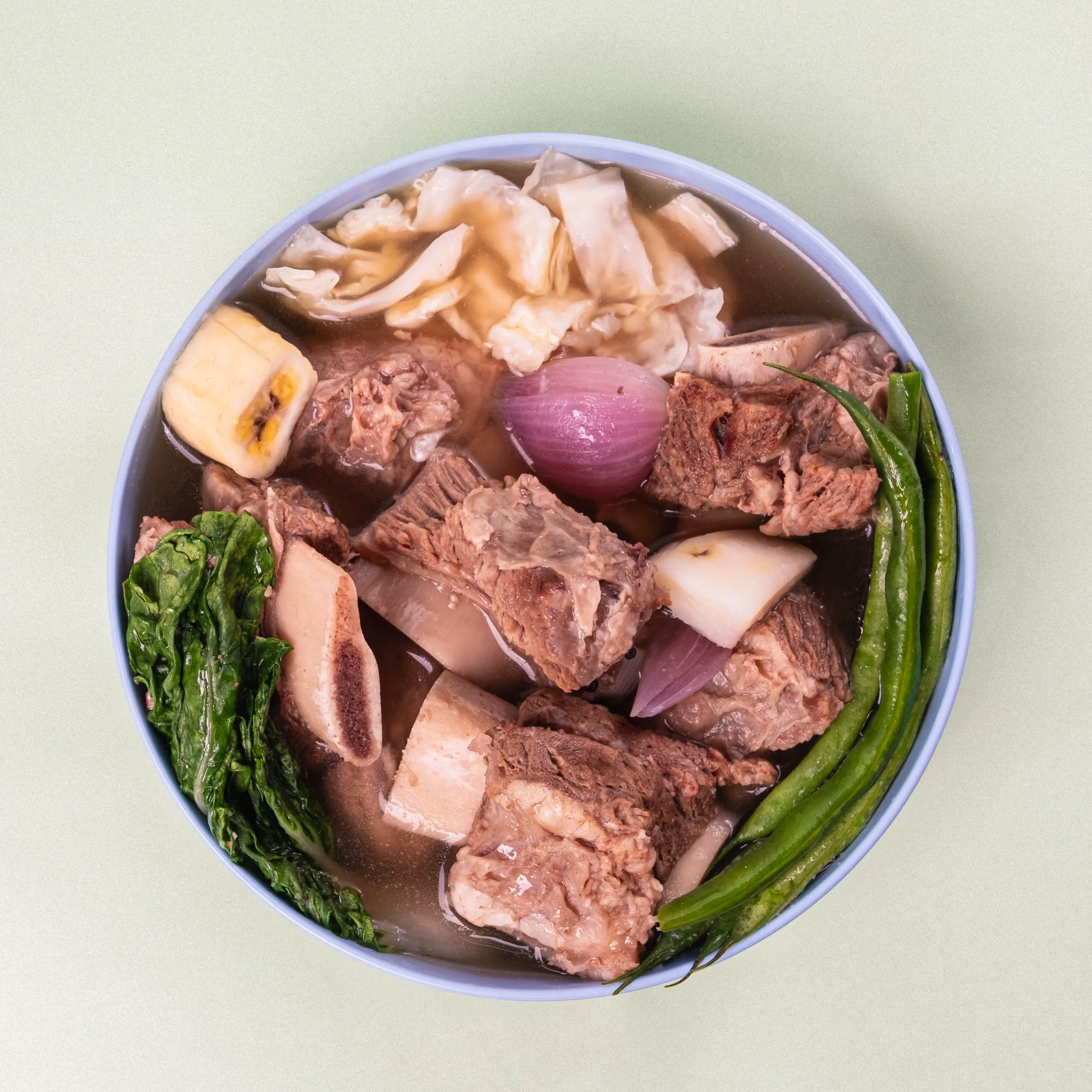
Nilagang Baka Recipe

PHOTO: ED SIMON
YIELDS:
4 SERVING(S)
Prep Time:
15 MINS
Total Time:
1 HR 45 MINS
Cal/Serv:
230

Nutritional Information

Calories 921 kcal
Fat 53 g
Saturated fat 24 g
Trans fat 3 g
Cholesterol 133 mg
Sodium 1014 mg
Carbohydrates 70 g
Fiber 13 g
Sugar 12 g
Protein 44 g
Vitamin D 0 µg
Calcium 228 mg
Iron 10 mg
Potassium 2190 mg

Note: The information shown is Edamam's estimate based on available ingredients and preparation. It should not be considered a substitute for a professional nutritionist's advice.

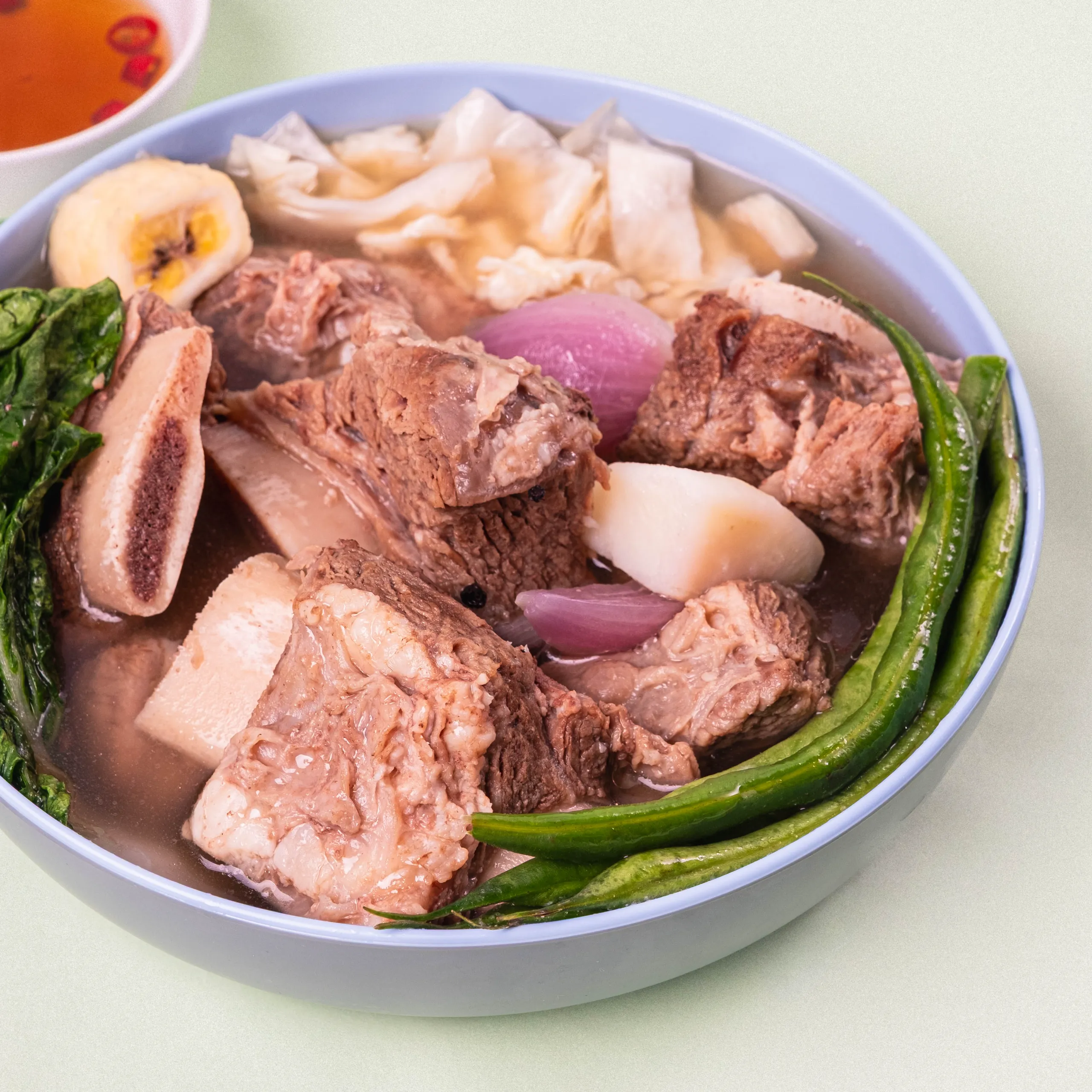
Nilagang Baka is a classic comfort food in the Philippines known for its light yet deeply satisfying broth. Tender beef is slowly simmered with vegetables like potatoes, cabbage, bok choy, and saba bananas, creating a hearty one-pot meal that’s perfect for rainy days or family dinners. Unlike richer stews, nilagang baka highlights the natural flavors of the beef and vegetables with simple seasonings and a clean, soothing broth.

Recipe tips: 

Simmer the beef gently over low heat for a clearer and more flavorful broth. Skimming the foam during boiling helps keep the soup clean-tasting. Add leafy vegetables near the end of cooking so they stay fresh and vibrant. Saba bananas add natural sweetness that balances the savory broth. For extra richness, use beef shanks or include some bone-in beef cuts.

Substitutions: 

Beef brisket: Substitute with beef shank, short ribs, or chuck. Baguio beans: Green beans or snap peas work well. Bok choy: Napa cabbage or pechay can be used instead. Fish sauce: Soy sauce or salt may be used if unavailable. Saba bananas: Plantains are the closest alternative.
What to serve with nilagang baka: 

Steamed white rice. Fish sauce with calamansi and chili. Fried fish. Garlic rice. Ensaladang talong (eggplant salad). Crispy fried tofu.

Ingredients

  • 700 Gram beef ribs, cut into cubes
  • 6 Cup of water
  • 1 Large onion, quartered
  • 1 Teaspoon black peppercorn
  • 2.5 Tablespoon fish sauce
  • 2 Medium potatoes, wedge
  • 2 Piece Saba banana, cut into 3
  • 1 Cup baguio beans
  • 1 Small cabbage, quartered
  • 1 bunch bok choy
  • Salt and pepper to taste
Keep screen awake

Directions

Step 1

In a large, clean cooking pot, place the beef ribs and add enough water to fully cover the meat. Add the sliced onion and black peppercorns to the pot, allowing these ingredients to begin infusing their flavors into the broth as the beef cooks. Place the pot over medium-high heat and bring the mixture to a boil. As the water heats, the beef ribs will slowly release their natural flavors, while the onion and peppercorns add a fragrant and savory aroma to the broth. Allow the mixture to reach a steady boil, preparing the beef for the next stage of slow cooking. This initial boiling process helps create a flavorful base while beginning to tenderize the meat.

Step 2

As the beef ribs begin to boil, observe the surface of the broth and remove any foam or scum that naturally rises to the top. Using a spoon, ladle, or fine strainer, gently skim off these impurities and discard them. This step helps keep the broth clean, clear, and more appealing while allowing the natural flavors of the beef, onion, and peppercorns to shine through. Continue checking the surface occasionally during the cooking process and remove any additional foam that appears. Taking the time to skim the broth properly will result in a smoother, richer, and more flavorful soup base.

Step 3

After removing any foam or scum from the surface of the broth, lower the heat to maintain a gentle simmer. Cover the pot with a lid and allow the beef ribs to cook slowly for about 1 to 1½ hours, or until the meat becomes tender and easy to pierce with a fork. Slow simmering allows the beef to gradually soften while giving the flavors from the onion, peppercorns, and broth enough time to develop fully. Check the pot occasionally and stir gently to ensure that the ingredients are cooking evenly and that the broth remains well blended. Once the beef reaches the desired tenderness, add the fish sauce to enhance the savory flavor of the soup. Stir carefully to distribute the seasoning throughout the broth without breaking apart the tender beef pieces. Allow the flavors to combine before continuing with the next step of preparation.

Step 4

Once the beef ribs have become tender and the broth is well-seasoned, carefully add the prepared potatoes and saba bananas into the pot. Stir gently to help the ingredients settle into the broth and become evenly distributed. Allow the mixture to simmer for about 8 to 10 minutes, giving the potatoes and saba bananas enough time to cook and absorb the rich flavors of the soup. During this stage, the potatoes should begin to soften while the saba bananas release their natural sweetness into the broth, adding a subtle depth of flavor to the dish. Cook them until they are partially tender but still firm enough to maintain their shape, as they will continue cooking with the remaining ingredients. Avoid stirring too vigorously to prevent the vegetables and bananas from breaking apart.

Step 5

Once the potatoes and saba bananas have become partially tender, add the Baguio beans, cabbage, and bok choy to the pot. Gently stir the vegetables into the broth, making sure that they are evenly distributed and fully exposed to the flavorful soup. Allow the vegetables to cook for another 3 to 5 minutes, or until they become tender while still maintaining their fresh texture and vibrant color. Avoid overcooking the vegetables, as this may cause them to become too soft and lose their natural flavor and nutrients. Cooking them briefly helps preserve their crispness and allows them to absorb the savory flavors of the broth while keeping the dish balanced and appealing. Once the vegetables are cooked to the desired tenderness, the dish is ready for the final seasoning and serving step.

Step 6

Before serving, taste the broth to check the overall balance of flavors and adjust the seasoning according to your preference. Add salt and pepper as needed, then stir gently to ensure that the seasonings are evenly distributed throughout the soup. Allow the flavors to blend for a few moments before turning off the heat. Once the broth has reached the desired taste, carefully ladle the hot soup into individual serving bowls, making sure each portion contains a good balance of tender beef ribs, vegetables, saba bananas, and flavorful broth. Serve the dish while it is still warm to fully enjoy its comforting aroma and rich flavors. Pair it with freshly steamed rice to complement the savory soup, and prepare a small dish of fish sauce mixed with calamansi on the side for an extra layer of salty and tangy flavor that can be added according to individual preference.

Nilagang Baka
PHOTO: ED SIMON

Alexander Villarante

Recipe Developer

Alexander Villarante is a passionate culinary professional with more than 15 years of experience in the hospitality industry, having built his career in prestigious five-star luxury hotels abroad. He studied Culinary Arts at the Singapore Boston Business School, where he developed a strong foundation in both classical and modern culinary techniques. Throughout his career, he has worked alongside talented chefs from diverse cultural backgrounds, refining his skills and gaining extensive experience in creating exceptional dining experiences. His dedication to excellence has earned him recognition in the competitive culinary scene. Alexander participated in the Philippine Culinary Cup, where he received several citations for his creativity, technical expertise, and commitment to his craft. These achievements reflect his passion for continuous learning and his pursuit of culinary excellence.


Frequently Asked Questions

The beef needs more simmering time. Tough cuts like brisket become tender when cooked slowly over low heat.

Yes. The broth becomes even more flavorful after resting overnight in the refrigerator.

Absolutely. Corn on the cob is a popular addition that adds sweetness to the soup.

Store cooled nilagang baka in an airtight container in the refrigerator for up to 3 days. Reheat gently before serving.

0 0 votes
Total of Ratings
guest
Rating
Ratings for Article
0 Comments
Oldest
Newest Most Voted

To provide a customized ad experience, we need to know if you are of legal age in your region.

By making a selection, you agree to our Terms & Conditions.