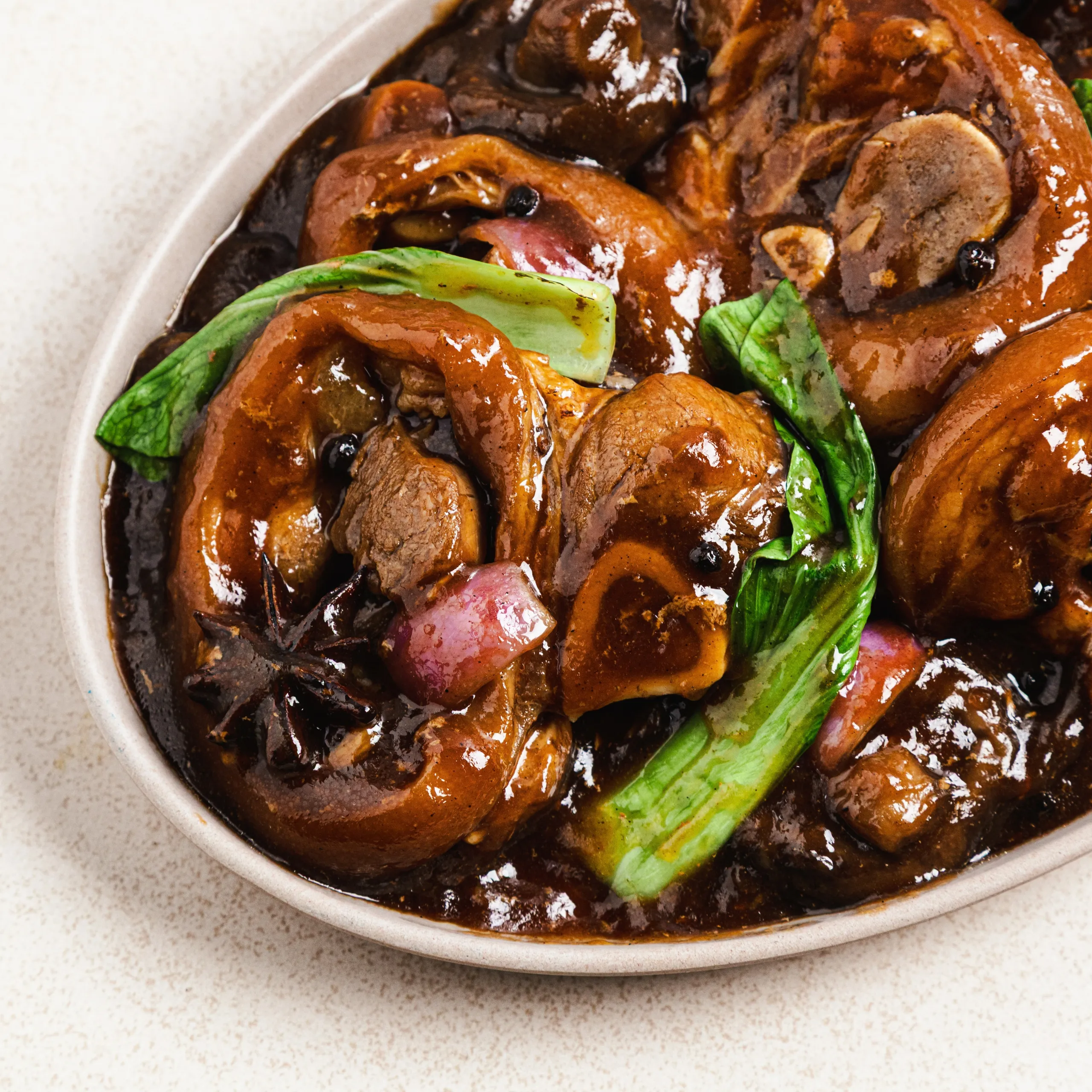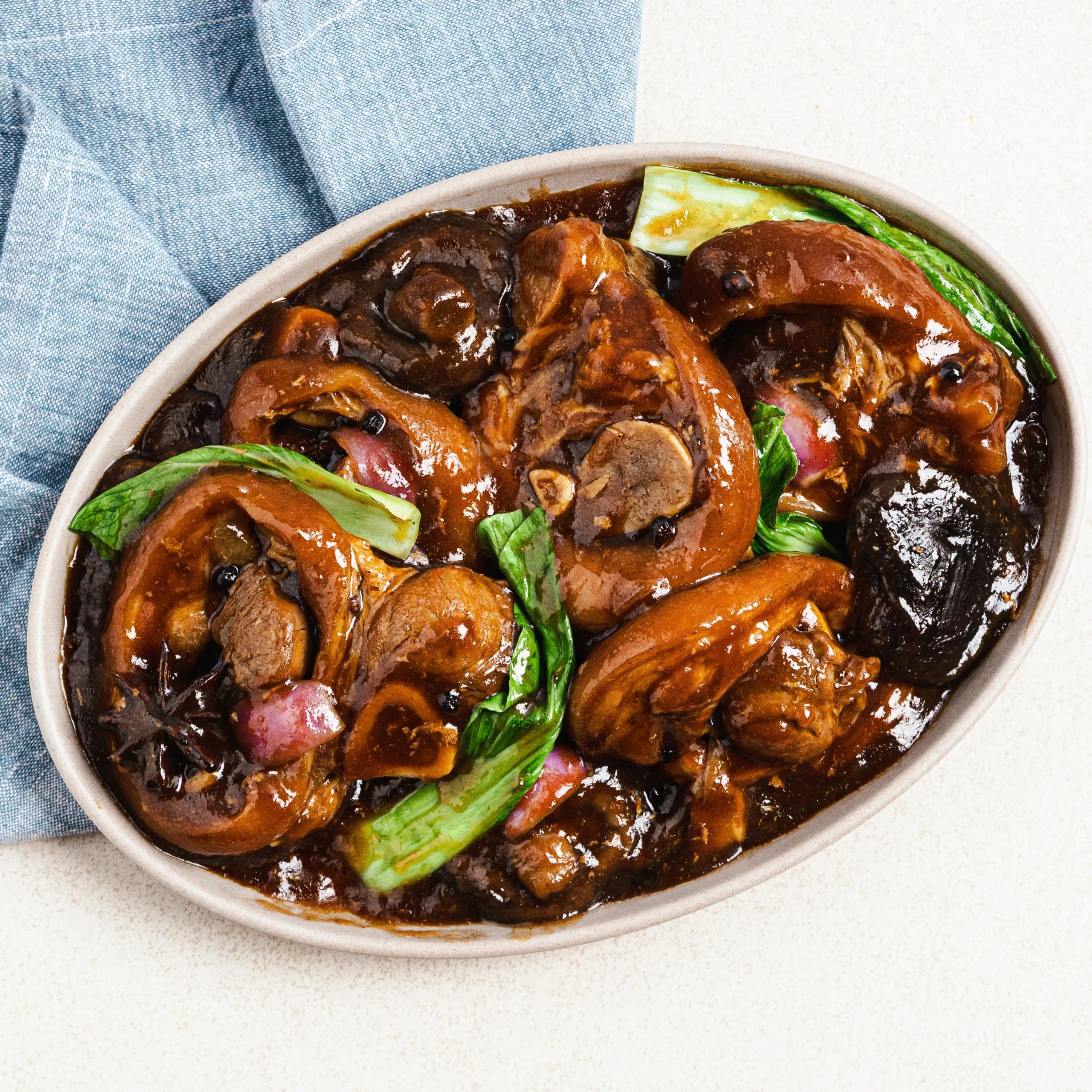
There is something especially comforting about a dish that takes its time to cook. Pata Tim is one of those dishes. Made from pork pata (pork leg or hock), this Filipino favorite is slowly braised until the meat becomes incredibly tender and almost falls away from the bone. The sauce is rich, savory, slightly sweet, and deeply aromatic, making every bite feel like a special home-cooked meal.
Pata Tim is often associated with family gatherings, celebrations, Sunday lunches, and festive occasions. It may require patience, but the reward is worth it: soft, flavorful pork surrounded by a glossy sauce infused with soy sauce, oyster sauce, Chinese cooking wine, garlic, spices, and brown sugar.
For many Filipino families, dishes like Pata Tim are more than just food. They are part of the experience of gathering around the table. The aroma filling the kitchen while the pork slowly simmers can be just as memorable as the meal itself.
A Brief History of Pata Tim
Pata Tim is a Filipino dish strongly influenced by Chinese-Filipino cooking traditions. The name itself refers to the pork leg preparation, while the cooking style reflects the long history of Chinese culinary influence on Filipino food.
Chinese cuisine has influenced Philippine cooking for centuries through trade, migration, and cultural exchange. Ingredients and techniques such as soy sauce, oyster sauce, star anise, Chinese cooking wine, and slow braising eventually became familiar components of many Filipino dishes.
Pata Tim shares similarities with Chinese-style braised pork dishes, particularly in its use of aromatic spices, soy-based seasoning, sweetness, and slow cooking. However, Filipino cooks have developed their own versions according to local ingredients, family traditions, and personal preferences.
There is no single recipe that represents every version of Pata Tim. Some cooks make it sweeter, others emphasize the savory flavor, while some add mushrooms, banana blossoms, pineapple, or other vegetables. Some versions are prepared in a large pot, while modern cooks may use a pressure cooker or electric multicooker to shorten the cooking time.
This adaptability is part of what makes Pata Tim special: the basic idea remains recognizable, while individual families can make the dish their own.
What Makes Pata Tim Special?
The main ingredient is pork pata, which contains meat, skin, connective tissue, and bone. These different components are important because slow cooking allows the connective tissues to soften and contribute body to the sauce.
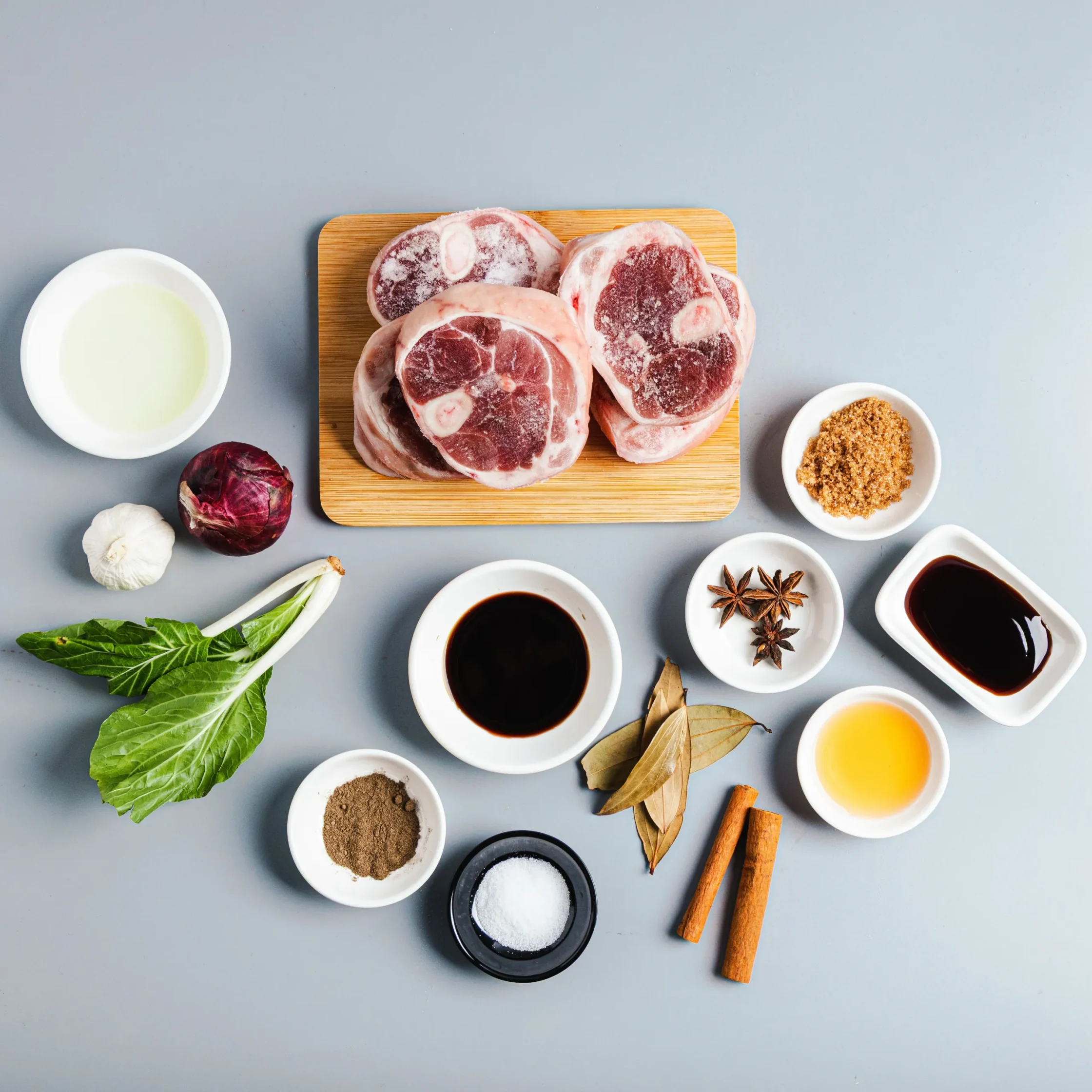
The pork is cooked together with flavorful ingredients such as:
- Garlic for its savory aroma
- Onion for sweetness and depth
- Soy sauce for saltiness and umami
- Oyster sauce for additional savory richness
- Brown sugar for a gentle sweetness and color
- Chinese or Shaoxing wine for aroma and complexity
- Star anise for its warm, distinctive spice
- Cinnamon for subtle sweetness and fragrance
- Bay leaves for herbal aroma
- Black peppercorns for mild heat and spice
The finished sauce is usually reduced and thickened slightly, creating a glossy coating that clings beautifully to the pork.
Recipe Tips for Better Pata Tim
1. Choose a good piece of pata
Look for pork pata with a good balance of skin, meat, and connective tissue. The skin is an important part of the dish because slow cooking gives it a soft, rich texture.
2. Brown the pork first
Searing is not absolutely required, but it adds another layer of flavor and gives the finished dish a more appealing appearance.
3. Keep the simmer gentle
A hard boil can make the cooking liquid evaporate too quickly and may cause the meat to cook unevenly.
A gentle simmer is ideal.
4. Taste the sauce before adding salt
Soy sauce and oyster sauce already contain salt. It is much easier to add more salt later than to correct an overly salty sauce.
5. Give the pork enough time
If the pata is still tough after the recommended cooking time, keep cooking it. Cooking time can vary depending on the size, thickness, and age of the pork and the temperature of the simmer.
6. Let the dish rest
After cooking, allow the pata to rest for several minutes before serving. This also gives you time to adjust the sauce.
7. Make the sauce your own
If you prefer a sweeter Pata Tim, add a little more brown sugar. If you want it more savory, adjust the soy sauce or oyster sauce carefully.
Ingredient Substitutions
Sometimes you may not have every ingredient in the pantry. Fortunately, Pata Tim is flexible.
Chinese or Shaoxing Wine
If you do not have Shaoxing wine, you can use another Chinese cooking wine. In a pinch, dry sherry can provide a somewhat similar cooking function.
For an alcohol-free version, you can simply replace it with additional water or unsalted broth. The flavor will be slightly different, but the dish will still work.
Brown Sugar
Brown sugar can be replaced with white sugar, muscovado sugar, or another granulated sweetener.
Muscovado will give the sauce a deeper caramel-like flavor.
Oyster Sauce
If oyster sauce is unavailable, a little extra soy sauce can provide saltiness, although it will not completely reproduce the richness of oyster sauce.
For a vegetarian-style substitute, mushroom-based vegetarian oyster sauce can be used.
Soy Sauce
Regular Filipino or Asian soy sauce can be used. Keep in mind that different brands vary considerably in saltiness, so adjust according to taste.
Pechay
Pechay can be replaced with:
- Bok choy
- Chinese cabbage
- Napa cabbage
- Green beans
- Spinach
Pechay remains a particularly good choice because its mild flavor balances the richness of the pork.
Cornstarch
If you do not have cornstarch, you can reduce the sauce naturally by simmering it uncovered until it thickens.
Arrowroot or another suitable starch can also be used according to its package directions.
Interesting Food Knowledge
Why Does Pata Tim Become So Tender?
Pork pata contains connective tissue and collagen.
During long, gentle cooking, collagen gradually breaks down and contributes gelatin to the cooking liquid. This is one reason slow-braised pork can develop such a rich texture.
The process takes time, which is why simply boiling the pata rapidly is not necessarily the best approach.
Why Is the Sauce Glossy?
The glossy appearance comes partly from the reduction of the braising liquid and partly from gelatin and fat released from the pork.
Cornstarch is then used in this recipe to give the sauce additional thickness and a smooth appearance.
Why Are Star Anise and Cinnamon Used?
Both are warm spices commonly associated with Chinese-influenced braised dishes.
Star anise has a distinctive sweet, licorice-like aroma, while cinnamon contributes warmth and subtle sweetness.
They should be used moderately because too much spice can overpower the pork.
Health and Nutrition Considerations
Pata Tim can be part of a balanced meal, but it is also a rich dish.
Pork provides protein and several micronutrients, while the vegetables provide fiber, vitamins, minerals, and other beneficial plant compounds.
The skin and fatty portions of pork, however, can contribute significant amounts of fat and calories. Soy sauce and oyster sauce can also make the dish relatively high in sodium.
For a lighter meal, you can:
- Use a smaller portion of pork.
- Remove some visible fat after cooking.
- Serve plenty of pechay or other vegetables.
- Use less sauce when serving.
- Reduce the amount of added sugar.
- Choose lower-sodium soy sauce if appropriate.
- Pair it with a reasonable portion of rice.
One useful trick is to refrigerate the cooked dish before serving. Some of the fat may solidify on the surface, making it easier to remove. Keep in mind that removing fat does not eliminate all calories or sodium from the dish.
People who need to limit sodium, saturated fat, or calories for medical reasons should adjust the recipe according to their dietary needs or follow advice from their healthcare professional.
How to Store Pata Tim Properly
Because Pata Tim contains cooked pork, proper storage is important.
Refrigeration
Allow the food to cool somewhat after cooking, then transfer it into a clean, shallow, airtight container.
Refrigerate promptly rather than leaving the dish at room temperature for an extended period.
For best quality, consume refrigerated leftovers within 3–4 days.
Freezing
Pata Tim can also be frozen.
Place the pork and sauce in an airtight freezer-safe container or suitable freezer bag. Remove as much excess air as practical before sealing.
Label the container with the date.
For best quality, use frozen leftovers within a few months.
Reheating
Reheat only the amount you intend to eat.
You can reheat Pata Tim gently in a saucepan over low to medium heat. Add a small amount of water if the sauce has become too thick.
Make sure the pork is heated thoroughly before serving.
If reheating in a microwave, use a microwave-safe container and heat in intervals, stirring or turning the food as appropriate.
Avoid repeatedly cooling and reheating the entire batch.
Final Words
Pata Tim is the kind of dish that reminds us that good food does not always have to be rushed. The pork needs time, the sauce needs time, and the flavors need time to come together.
What begins as a simple piece of pork pata becomes something much more luxurious after hours of gentle braising. The tender meat, soft skin, aromatic spices, savory sauce, and fresh pechay create a satisfying contrast that makes the dish especially enjoyable with a bowl of warm rice.
More than its ingredients, Pata Tim represents the way Filipino cooking often brings together different culinary influences and makes them part of the local food tradition. Its Chinese-inspired elements have become familiar in Filipino kitchens, where cooks continue to adjust the recipe according to their own tastes and family traditions.
Whether you are preparing Pata Tim for a celebration or simply making a comforting weekend meal, the most important ingredient is patience. Let the pork cook slowly, taste the sauce as you go, and make adjustments according to your preference.
In the end, Pata Tim is not just about tender pork and a rich sauce. It is about the pleasure of preparing something slowly and eventually gathering around the table to enjoy it together.