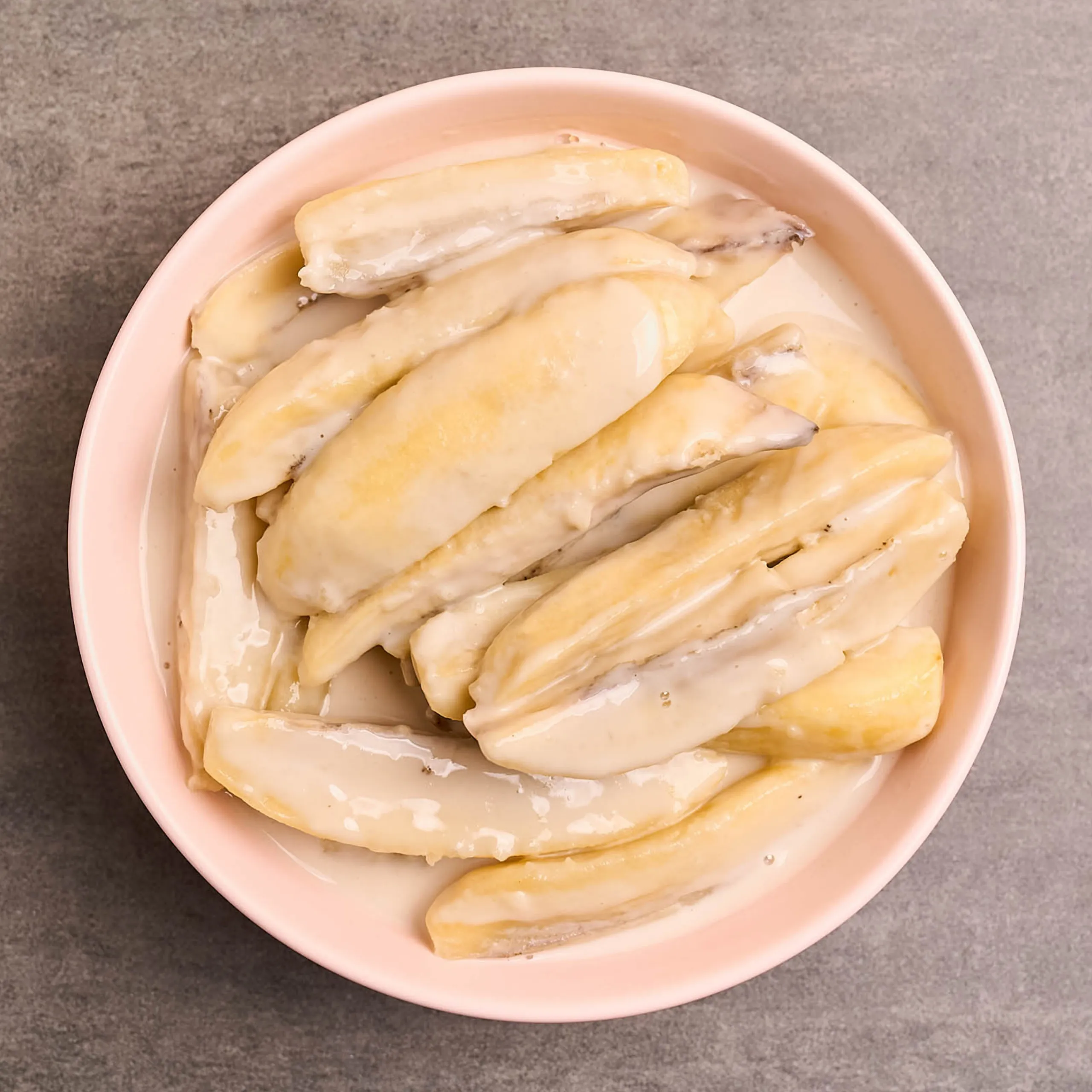


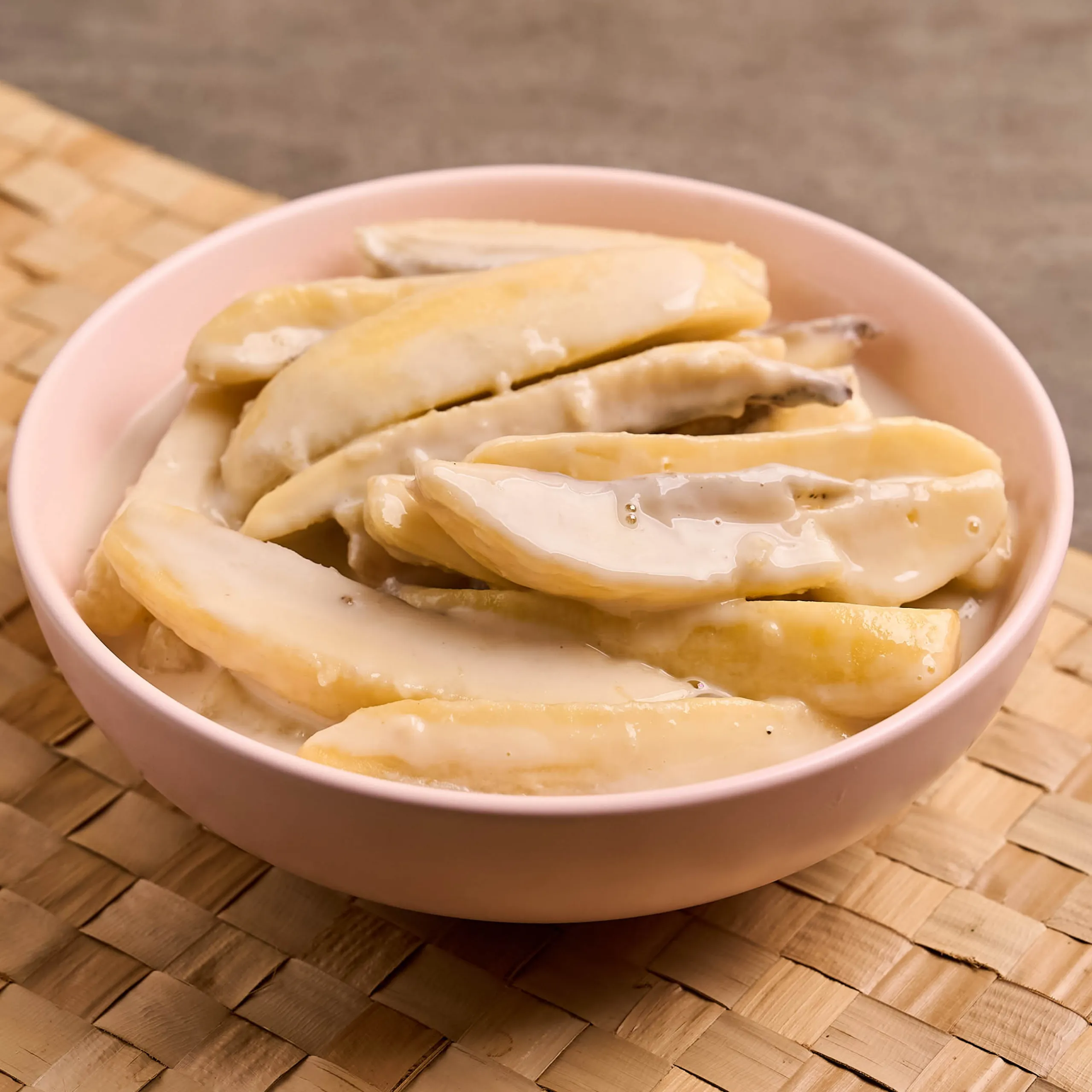
There are desserts that feel fancy because they require many ingredients, and then there are desserts that remind you how much can be done with a few humble ones. Pinakro, also known as Ginataang Saging, belongs to the second group. With just ripe saba bananas, coconut milk, brown sugar, pandan, and a pinch of salt, you can create a warm, creamy, fragrant dessert that feels wonderfully homemade.
The first spoonful gives you several flavors at once: the natural sweetness of the saba, the richness of coconut milk, the caramel-like character of brown sugar, and the gentle aroma of pandan. It is simple food, but that simplicity is exactly what makes it comforting.
This is also the kind of Filipino dessert that can bring back memories of home kitchens, afternoon merienda, rainy days, and family members gathering around a pot of something sweet and warm.
A Little History of Pinakro
Pinakro is associated with Bicolano cooking, a food culture famous for its generous use of coconut milk and its love of bold, comforting flavors.
The Bicol Region has an environment where coconut is abundant, making gata an important ingredient in many local dishes. Coconut milk appears in both savory and sweet preparations, and it is often used to transform simple local ingredients into rich and satisfying dishes.
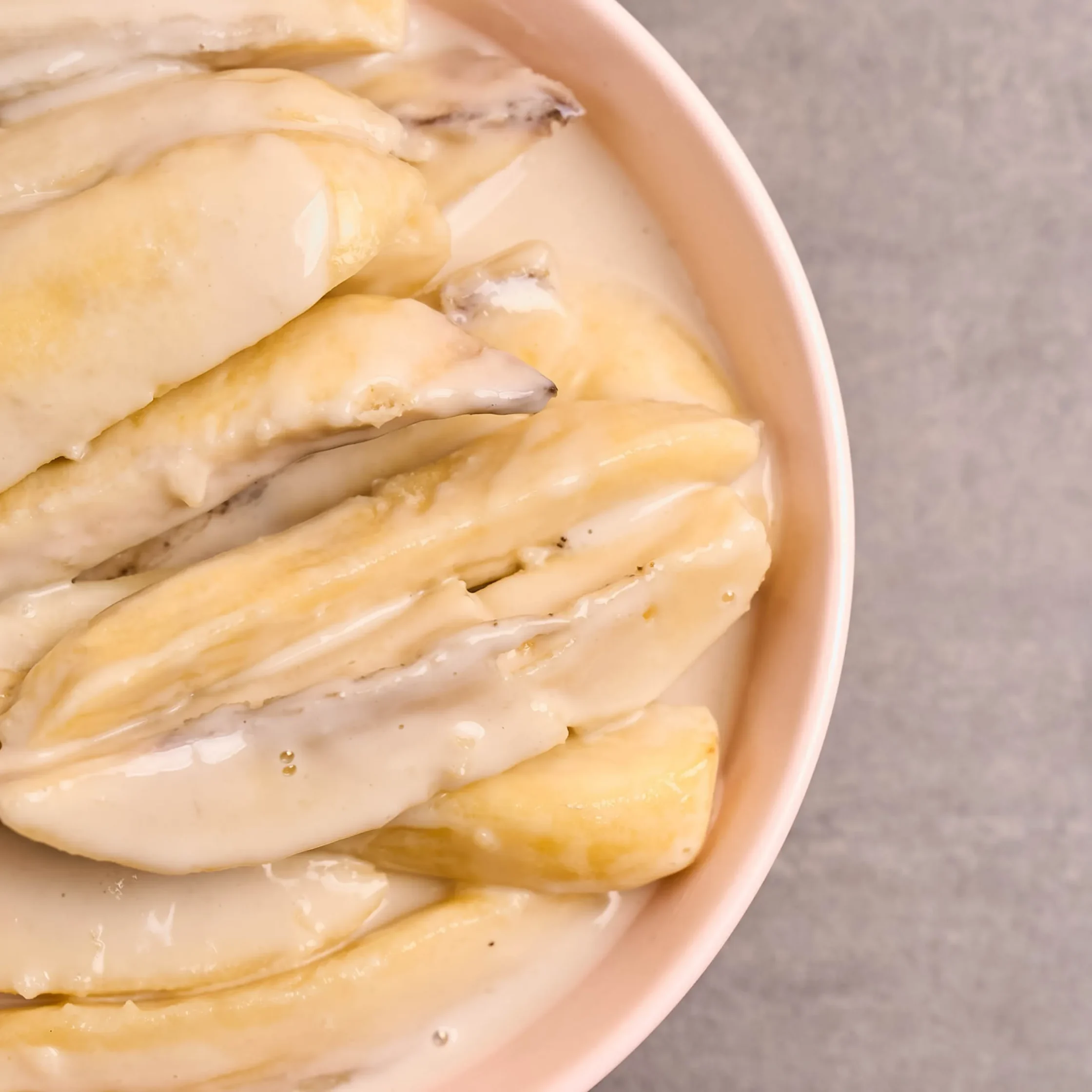
Pinakro is part of that tradition. At its heart, the dish is a preparation of bananas cooked in coconut milk, with sweetness adjusted according to the cook’s preference.
The name and exact preparation can vary between households and communities. Some versions may be thicker, sweeter, or contain additional ingredients, while others keep things extremely simple.
That flexibility is typical of Filipino home cooking. Recipes are often passed from one generation to another through practice rather than exact measurements. One grandmother might add more gata, another might prefer extra sugar, and someone else might include pandan or other aromatic ingredients.
This recipe keeps the preparation straightforward while highlighting the classic combination of saba, gata, and sugar.
Recipe Tips for Better Pinakro
Choose firm-ripe saba
This is perhaps the most important tip.
Very soft bananas can disintegrate in the coconut milk.
Don’t boil aggressively
Keep the heat low to medium-low.
Strong boiling can cause the bananas to break apart and can make the coconut milk separate more quickly.
Don’t stir too much
Use a spoon or spatula to gently move the bananas.
Avoid vigorous stirring.
Adjust sweetness gradually
Different saba bananas have different levels of natural sweetness.
Start with the recommended amount of brown sugar and adjust near the end.
Add a pinch of salt
Salt might seem unusual in a sweet dessert, but a tiny amount makes the sweetness and coconut flavor more pronounced.
Use thick coconut milk
Thick gata produces a richer, more luxurious sauce.
If using thinner coconut milk, you may need to simmer it a little longer to reach the desired consistency.
Don’t over-reduce the sauce
Remember that the sauce will thicken somewhat as it cools.
If it looks perfect in the pan, it may become even thicker once served.
Ingredient Substitutions
Saba bananas
Saba is strongly recommended because it has a firm, starchy texture that holds up well during cooking.
If saba is unavailable, you can use another firm cooking banana, but the texture and flavor may be different.
Avoid very soft dessert bananas because they can break down too quickly.
Brown sugar
You can substitute:
- White sugar
- Muscovado sugar
- Coconut sugar
- Palm sugar
Muscovado gives the dessert a deeper molasses-like flavor.
Coconut sugar provides a more caramel-like character.
Coconut milk
Fresh coconut milk gives excellent flavor, but canned coconut milk is convenient and works well.
If the canned coconut milk is very thick, you can adjust the consistency with a little water.
Pandan
If pandan isn’t available, simply leave it out.
You can use a tiny amount of vanilla extract as an alternative aromatic, although it will produce a different flavor.
Salt
Don’t skip the salt entirely if possible. Even a tiny pinch can make a noticeable difference in a sweet coconut dessert.
Optional Additions and Variations
Pinakro with Langka
Add strips of ripe jackfruit during the last few minutes of cooking.
Jackfruit adds a fragrant, fruity sweetness that pairs wonderfully with banana and coconut.
Pinakro with Tapioca Pearls
Cook small tapioca pearls separately, then add them to the finished dessert.
They provide a chewy texture and make the dessert more substantial.
Creamier Pinakro
Use a combination of coconut milk and coconut cream.
The result will be richer and thicker.
Because coconut cream contains more fat, you may want to reduce the sugar slightly.
Pinakro with Cinnamon
A small cinnamon stick can add a warm spice note.
This isn’t necessary for a traditional-style preparation, but it can make an enjoyable variation.
Vanilla Pinakro
A small amount of vanilla extract added after cooking can give the dessert a softer, more dessert-like aroma.
What Makes Saba Bananas Special?
Saba is one of the most useful bananas in Filipino cooking.
Unlike very soft dessert bananas, saba has a firmer, starchier texture that makes it suitable for cooking.
It can be:
- Fried
- Boiled
- Grilled
- Added to stews
- Used in desserts
- Cooked with coconut milk
- Turned into banana cue
- Used in turon
- Added to soups and other dishes
When cooked, ripe saba develops a pleasant sweetness while retaining enough structure to work well in recipes like Pinakro.
Understanding the Ingredients
Saba Banana
Saba provides the main flavor, sweetness, carbohydrates, and texture.
It also contributes nutrients such as potassium and vitamin B6.
Coconut Milk
Coconut milk gives Pinakro its creamy consistency and characteristic richness.
It contains fat and provides the tropical flavor that defines many Bicolano dishes.
Brown Sugar
Brown sugar provides sweetness and a deeper caramel-like flavor.
Because ripe saba is naturally sweet, the amount of sugar can be adjusted according to taste.
Pandan
Pandan contributes a sweet, floral, almost vanilla-like aroma.
Even a single leaf can perfume the entire coconut sauce.
Salt
A tiny amount of salt balances the sweetness and helps the coconut and banana flavors stand out.
Health Benefits and Nutrition
Pinakro is a dessert, so it is naturally more sugar- and energy-dense than a vegetable-based dish. However, its main ingredients also provide useful nutrients.
Saba provides potassium
Bananas are well known for their potassium content. Potassium is an essential mineral involved in normal muscle function and fluid balance.
Bananas provide vitamin B6
Saba and other bananas provide vitamin B6, which plays a role in normal metabolism and nervous-system function.
Bananas provide carbohydrates
The carbohydrates in saba provide energy.
The amount and type of carbohydrate changes as bananas ripen, with ripe bananas generally tasting sweeter and having a softer texture.
Coconut milk provides fat
Coconut milk provides energy and contributes the rich mouthfeel of the dessert.
It is relatively high in saturated fat, so portion size is worth considering if you’re limiting saturated fat.
Pandan contributes aroma
Pandan is mainly used for flavor and fragrance in this recipe.
It allows the dessert to taste more complex without requiring additional sugar.
How to Make Pinakro More Balanced
You can enjoy Pinakro as part of a balanced diet without needing to completely change its character.
Reduce the sugar
Start with less brown sugar and allow the natural sweetness of the ripe saba to do more of the work.
Use ripe saba
The sweeter the fruit naturally is, the less added sugar you may need.
Keep portions moderate
Because the dessert contains coconut milk and sugar, a moderate serving can be a satisfying way to enjoy it without making it overly heavy.
Add fruit
If serving chilled, you can pair a smaller portion of Pinakro with fresh fruit for a more varied dessert plate.
How to Serve Pinakro
Pinakro is wonderfully versatile.
Warm
Serve it shortly after cooking while the coconut sauce is still warm and fragrant.
This is especially comforting on rainy afternoons.
Chilled
Refrigerate it and serve cold for a refreshing dessert.
As merienda
A small bowl makes a lovely afternoon snack.
With extra coconut cream
For an indulgent version, spoon a little coconut cream over the top before serving.
With toasted coconut
A sprinkle of toasted coconut adds a pleasant contrast between the soft banana and crunchy topping.
Final Words
Pinakro is a beautiful example of how Filipino cooking can turn a few simple ingredients into something deeply comforting.
The saba banana provides natural sweetness and a satisfying texture. Coconut milk gives the dessert its unmistakable richness, brown sugar adds a warm caramel-like sweetness, pandan brings fragrance, and a tiny pinch of salt ties everything together.
What makes this dessert particularly special is its simplicity. You don’t need an elaborate pastry technique, an oven, or a long list of ingredients. A pot, a few minutes of gentle cooking, and some good saba bananas are enough to create a dessert that feels warm and homemade.
And, like many Filipino recipes, Pinakro leaves room for personal touches. Some people may prefer it sweeter, others creamier. You can add jackfruit, tapioca pearls, pandan, cinnamon, or simply enjoy the classic combination of banana and gata.
In the end, Pinakro is more than just bananas cooked in coconut milk. It reflects a beautiful part of Filipino food culture—the ability to take humble, locally available ingredients and transform them into food that brings people together.
Serve it warm, share it with family, and don’t be surprised if someone asks for another bowl.