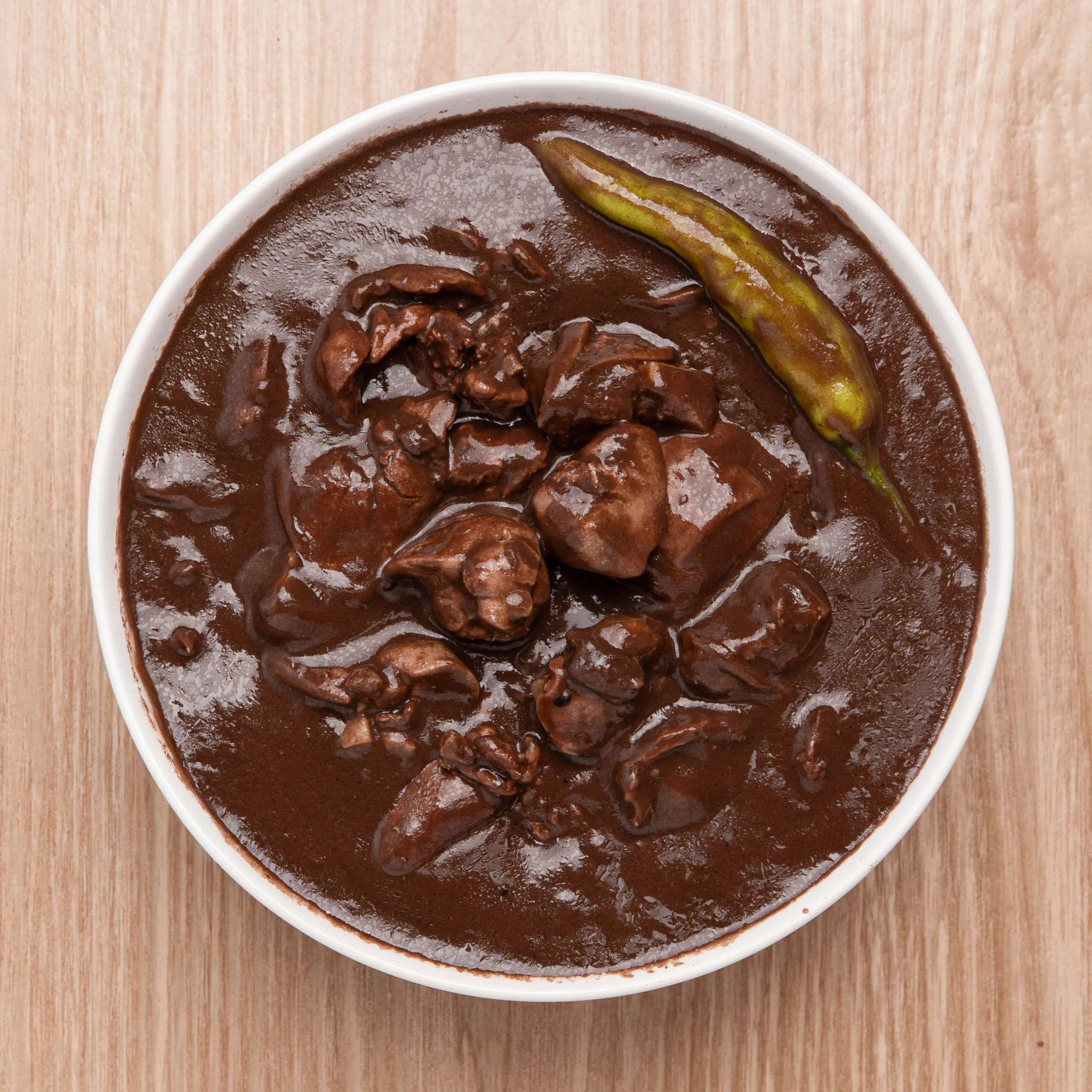


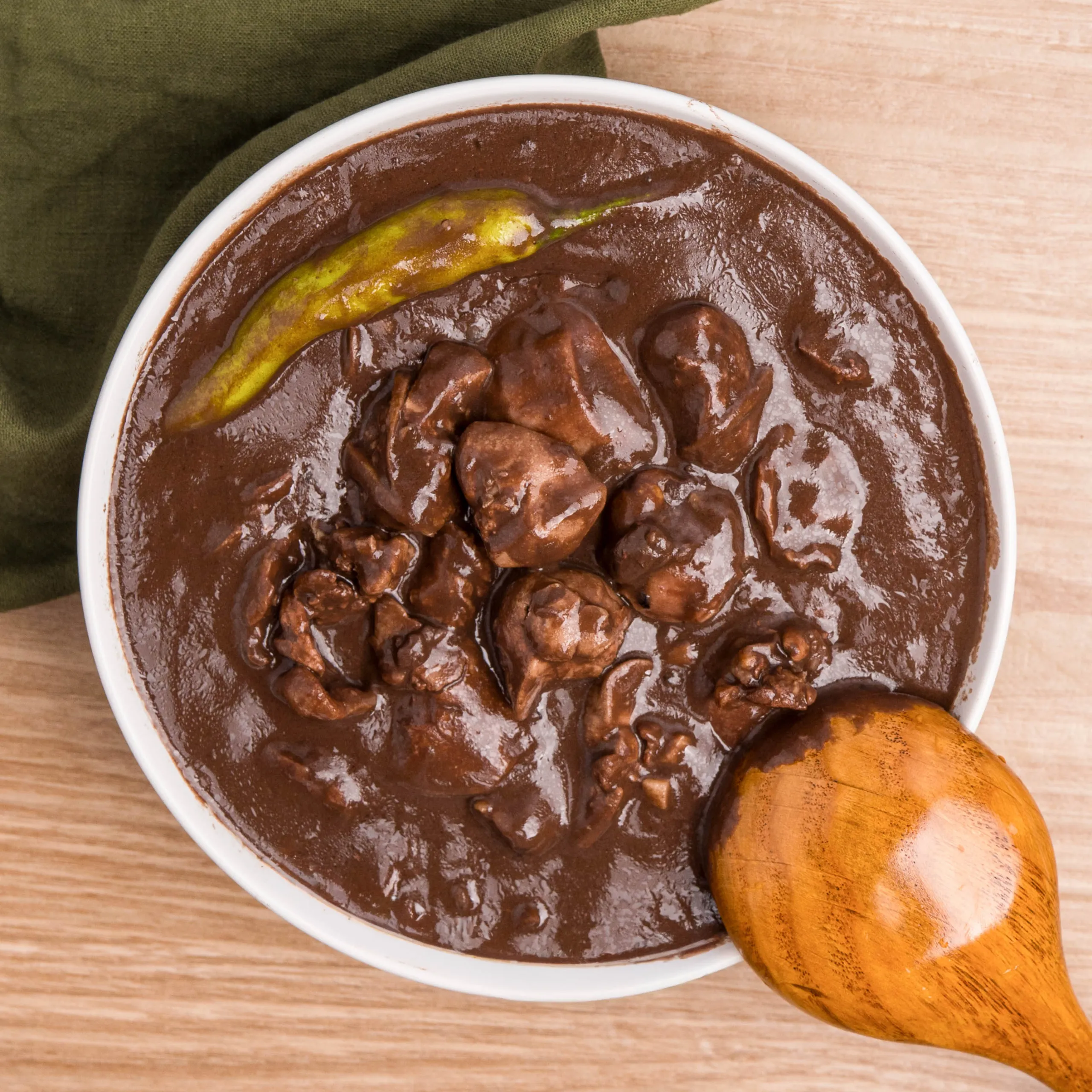
Pirihil is a hearty traditional-style dish from Luzon that highlights an ingredient combination that may be unfamiliar to many modern diners but has long had a place in Filipino home cooking: chicken innards cooked with aromatics, vinegar, chili, and fresh animal blood. At first, the list of ingredients may seem simple, but the finished dish is rich, savory, slightly tangy, and deeply satisfying. It is the kind of food that reflects the Filipino ability to turn humble and often overlooked ingredients into something flavorful and comforting.
What makes pirihil especially interesting is its use of different parts of the chicken in a single dish. Gizzard provides a firm, pleasantly chewy texture, hearts contribute a tender and meaty bite, while liver gives the dish a soft texture and a rich, distinctive flavor. Garlic, onion, and ginger form the aromatic foundation, while vinegar adds acidity and helps balance the richness of the organ meats. The blood creates the dish’s characteristic dark, thick sauce, giving pirihil a unique appearance and texture.
Like many traditional Filipino dishes, pirihil is also the kind of food that can bring back memories of family kitchens, local gatherings, and occasions when people made sure that no useful part of an animal went to waste. It is a dish that rewards patience, careful preparation, and an appreciation for flavors that are more rustic and intense than those found in many contemporary dishes.
History and Cultural Background
The culinary history of the Philippines is filled with dishes that developed from the practical use of locally available ingredients. Before modern refrigeration and supermarkets made food easily accessible year-round, Filipino households and communities had strong traditions of using an entire animal rather than wasting valuable edible portions. Organ meats, blood, bones, skin, and other parts that might be discarded in other culinary traditions could become important ingredients in flavorful regional dishes.
Pirihil belongs to this broader tradition of resourceful cooking. Its combination of innards, vinegar, aromatics, chilies, and blood reflects several characteristics commonly found in Filipino cuisine. Vinegar, for example, has long been valued not only for its sharp flavor but also for its usefulness in preserving and preparing food. Garlic, onion, ginger, and chili are likewise common ingredients used to create aromatic and flavorful dishes.
The precise history and regional variations of pirihil are not as extensively documented as some of the country’s more internationally recognized dishes, and recipes may differ between families and communities. This is important because Filipino traditional dishes are often passed down orally rather than through a single standardized recipe. A grandmother’s version may use different proportions from a neighbor’s recipe, while another household might substitute pork blood, adjust the amount of vinegar, or add more chilies.
Rather than treating one preparation as the only authentic version, pirihil can be appreciated as part of Luzon’s wider tradition of cooking with strong local flavors and utilizing ingredients economically. The dish demonstrates how Filipino cooks have historically transformed inexpensive or less commonly requested cuts into meals that are flavorful enough to serve alongside rice and other dishes.
Understanding the Ingredients
Chicken gizzard
The gizzard is one of the most distinctive ingredients in the dish because it has a naturally firm and muscular texture. Unlike softer cuts of chicken, gizzard benefits from longer cooking because gentle simmering allows it to become more tender.
Its flavor is relatively mild compared with liver, which means it readily absorbs the flavors of vinegar, garlic, ginger, and the other ingredients.
Chicken hearts
Chicken hearts are small but flavorful pieces of dark meat. They are rich in protein and have a pleasantly firm texture when cooked correctly. Because hearts are muscular, they should be cleaned carefully and cooked until tender without being left excessively dry.
Chicken liver
Liver gives pirihil much of its richness and characteristic taste. It is softer than gizzard and hearts and can break apart slightly as it cooks, helping contribute body to the sauce.
Because liver cooks faster than gizzard, it is helpful to pay attention to the cooking sequence so that it does not become unnecessarily tough or dry.
Vinegar
Vinegar is essential because its acidity provides contrast to the rich organ meats and blood. The sharpness gradually becomes less aggressive as the dish cooks, leaving behind a pleasantly tangy flavor.
The type of vinegar can influence the final taste. Cane vinegar gives a distinctly Filipino character, while coconut vinegar can provide a somewhat gentler and more rounded acidity.
Chicken or pork blood
Fresh cooking blood gives pirihil its distinctive color, richness, and thick texture. It should be obtained from a reliable food source and handled with appropriate food-safety precautions.
Blood should not be treated as a garnish or added merely for color; it is a major component of the dish and contributes substantially to its texture and flavor.
Ginger, garlic, and onion
These three aromatics help build the foundation of the dish. Garlic provides a savory aroma, onion contributes sweetness as it cooks, and ginger adds warmth and freshness that helps balance the strong flavors of the organ meats.
Long green chilies
Long green chilies add a mild peppery aroma and gentle heat. They can be left whole for a more subtle flavor or sliced if you want the chili flavor to spread throughout the dish.
Recipe Tips
- Cook the gizzard patiently. Of the three main organ meats, gizzard usually requires the most attention because it can remain tough if rushed.
- Do not overcook the liver. Liver can become dry and grainy when cooked for too long, so add it after the gizzard and hearts have had time to tenderize.
- Use good-quality vinegar. Since vinegar is one of the defining flavors, a pleasant-tasting Filipino cane or coconut vinegar can make a noticeable difference.
- Balance the vinegar rather than eliminating it. The acidity is supposed to be noticeable because it cuts through the richness of the dish.
- Add blood gradually. Slowly incorporating the blood while stirring helps produce a smoother sauce.
- Be cautious with salt. Depending on the blood and other ingredients, the dish may already have considerable savory intensity.
- Adjust the texture with water. If the sauce becomes too thick before the meat is fully tender, add small amounts of water and continue simmering.
- Use moderate heat. Gentle cooking is particularly helpful for organ meats because very high heat can make them tough or dry.
- Let it rest. A short resting period gives the sauce time to settle and allows the flavors to become more integrated.
- Serve it fresh and hot. Pirihil is especially enjoyable with newly cooked rice, where the sauce can be spooned generously over the grains.
Ingredient Substitutions
Chicken blood or pork blood
The recipe allows either chicken or pork blood. Pork blood tends to have a somewhat richer character, while chicken blood can provide a lighter profile. Use whichever is safely and reliably available.
Chicken gizzard
If you cannot find chicken gizzard, pork gizzard can be used, although the texture and cooking time will change. You can also increase the amount of hearts or another suitable meat, but this will change the traditional character of the dish.
Chicken hearts
Chicken hearts can be replaced with additional gizzard or another poultry organ meat. However, hearts provide a particular firm and meaty texture, so the finished dish will be somewhat different without them.
Chicken liver
If chicken liver is unavailable, pork liver can be used, although its flavor can be stronger. Beef liver is another possibility, but it is considerably more robust and may dominate the other flavors.
Long green chilies
Long green chilies can be replaced with other mild green peppers. For more heat, Filipino siling labuyo can be added, but use it carefully because it is considerably hotter.
Vinegar
Cane vinegar is an excellent choice for a Filipino-style version. Coconut vinegar can also work very well. If neither is available, a mild white vinegar can be used, although it may produce a sharper and less rounded flavor.
Ginger
Fresh ginger is strongly recommended because it provides a cleaner and more aromatic flavor. If necessary, a small amount of dried ground ginger can be used, but it should be added cautiously because the flavor is more concentrated.
Knowledge About Pirihil and Filipino Food Culture
One of the most valuable things about dishes such as pirihil is that they challenge the idea that good food must be made from expensive cuts of meat. Filipino cuisine contains many examples of resourcefulness, where cooks use ingredients that might otherwise be overlooked and transform them through careful seasoning and cooking.
The use of vinegar is another important feature. Across many Philippine regional cuisines, vinegar is used in dishes because its acidity provides a powerful contrast to fatty, rich, or strongly flavored ingredients. It also became particularly valuable historically in a tropical environment where food preservation could be challenging.
The combination of vinegar and blood may also seem unusual to people who are unfamiliar with Filipino cuisine, but blood-based dishes exist in numerous food cultures around the world. Blood can provide body, color, minerals, and a deep savory character when properly prepared.
Pirihil also demonstrates the importance of texture in Filipino cooking. The dish is not simply about flavor. The contrast between chewy gizzard, firm hearts, tender liver, and thick sauce creates a much more interesting eating experience.
Health Benefits and Nutritional Information
Pirihil contains several nutritionally valuable ingredients, particularly protein-rich chicken organs. Gizzard and hearts provide substantial protein, while liver is especially rich in several micronutrients.
Chicken liver
Chicken liver is a particularly nutrient-dense food. It contains vitamin A, vitamin B12, riboflavin, folate, iron, and other nutrients. Vitamin B12 is important for normal red blood cell formation and neurological function, while iron is essential for transporting oxygen throughout the body.
Because liver is so nutrient-dense, it does not necessarily need to be consumed in very large quantities to contribute significant amounts of certain nutrients.
Chicken hearts
Chicken hearts provide protein along with nutrients such as iron, zinc, selenium, and several B vitamins. They are also relatively rich in naturally occurring compounds involved in normal energy metabolism.
Chicken gizzard
Gizzard contributes protein and minerals while providing a firm texture that makes the dish satisfying. It is also relatively lean compared with many fattier cuts of meat, although the exact nutritional content depends on preparation.
Ginger
Ginger contains naturally occurring bioactive compounds such as gingerols and contributes aromatic complexity without requiring much oil or salt.
Garlic and onion
Garlic and onion provide flavor while also contributing various plant compounds. Using generous aromatics can make a dish more flavorful without relying entirely on additional salt.
Vinegar
Vinegar contributes acidity and flavor without adding significant calories. Its biggest culinary benefit in pirihil is its ability to balance the richness of the organ meats and blood.
Important nutritional considerations
Although pirihil contains nutrient-rich ingredients, it is still best enjoyed as part of a balanced diet. Organ meats, especially liver, are extremely rich in certain nutrients, including vitamin A, so very large or very frequent servings may not be appropriate for everyone.
The dish can also become relatively high in sodium depending on how much salt is used and what other ingredients are added. Serving it with vegetables and a moderate portion of rice can create a more balanced meal.
Pregnant individuals should be especially cautious with very high intakes of liver because excessive preformed vitamin A can be harmful during pregnancy. People with specific dietary restrictions or medical conditions should follow advice from their healthcare professional.
Most importantly, the blood and organ meats must be thoroughly cooked. Proper food handling, refrigeration, and cooking are essential because raw poultry organs and fresh blood can carry harmful microorganisms.
Final Words
Pirihil is a good example of why Filipino cuisine deserves to be explored beyond its most internationally familiar dishes. Its ingredients may appear humble, but the combination of chicken gizzard, hearts, liver, vinegar, blood, garlic, ginger, onion, and chilies creates a dish with considerable depth and character.
There is also something meaningful about the philosophy behind food like pirihil. It reflects a tradition of respecting ingredients and making the most of what is available. Instead of treating organ meats as something to be discarded, Filipino cooks have developed ways to turn them into dishes that are flavorful, filling, and culturally significant.
The key to preparing a satisfying pirihil is patience. Give the gizzard enough time to become tender, cook the liver carefully, allow the vinegar to mellow, and incorporate the blood gradually while maintaining gentle heat. When everything comes together, the result is a rich and rustic dish that pairs beautifully with hot rice.
Ultimately, pirihil is more than a recipe made from unusual ingredients. It represents resourcefulness, regional food traditions, and the ability of home cooks to create something deeply comforting from simple ingredients. For anyone interested in discovering the lesser-known dishes of Luzon and understanding the diversity of Filipino cuisine, pirihil offers a fascinating and flavorful place to begin.