


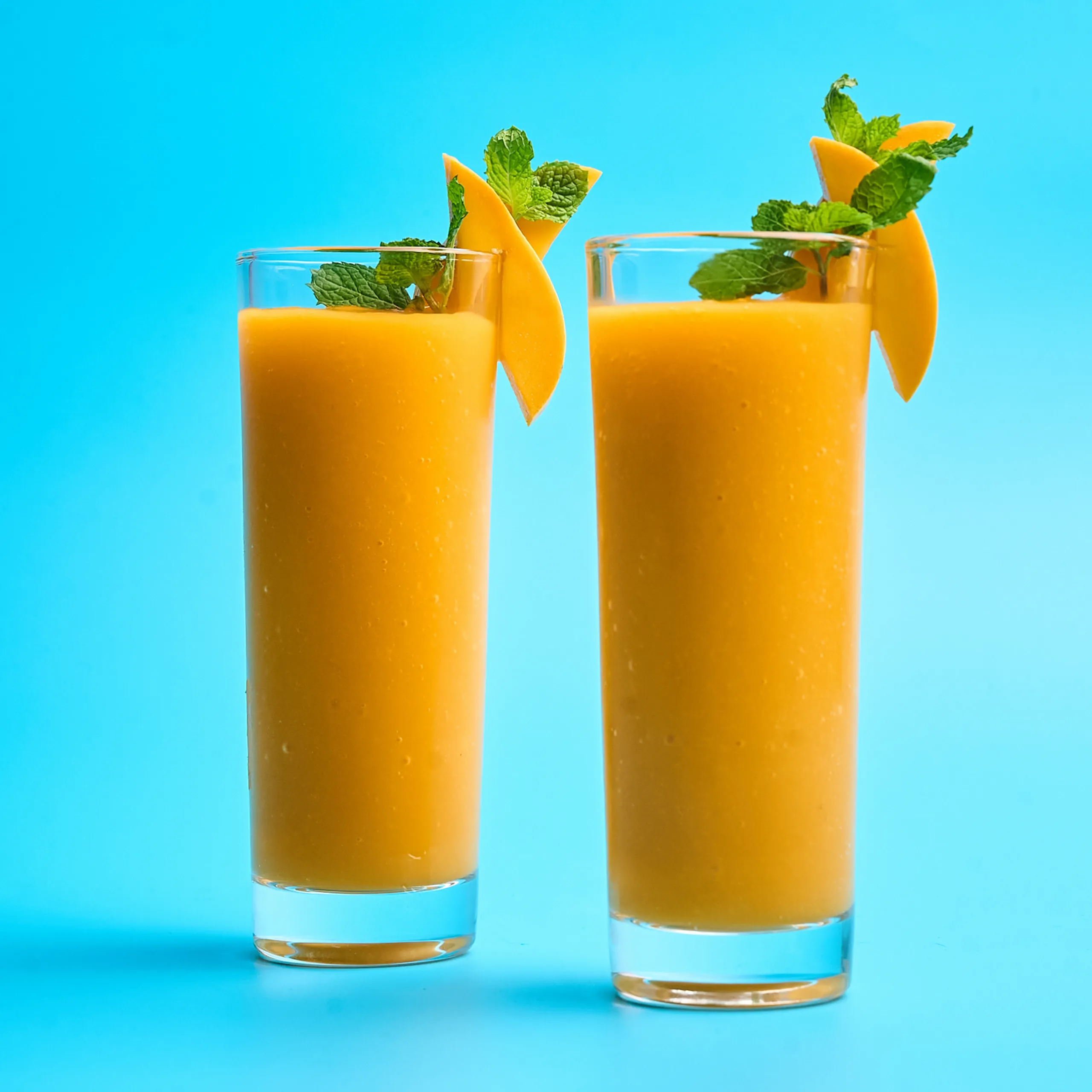
There are few things as refreshing on a hot day as a tall glass of ice-cold mango shake. When the weather is warm, the sun is shining, and you are looking for something sweet to cool you down, a ripe mango shake feels almost like summer in a glass.
For many Filipinos, mangoes are more than just another fruit. They are part of childhood memories, family gatherings, afternoon snacks, and warm summer days. A perfectly ripe mango, soft and fragrant with its golden flesh, is already delicious on its own. But blend it with ice, a little water, and condensed milk, and it becomes a creamy and refreshing drink that is hard to resist.
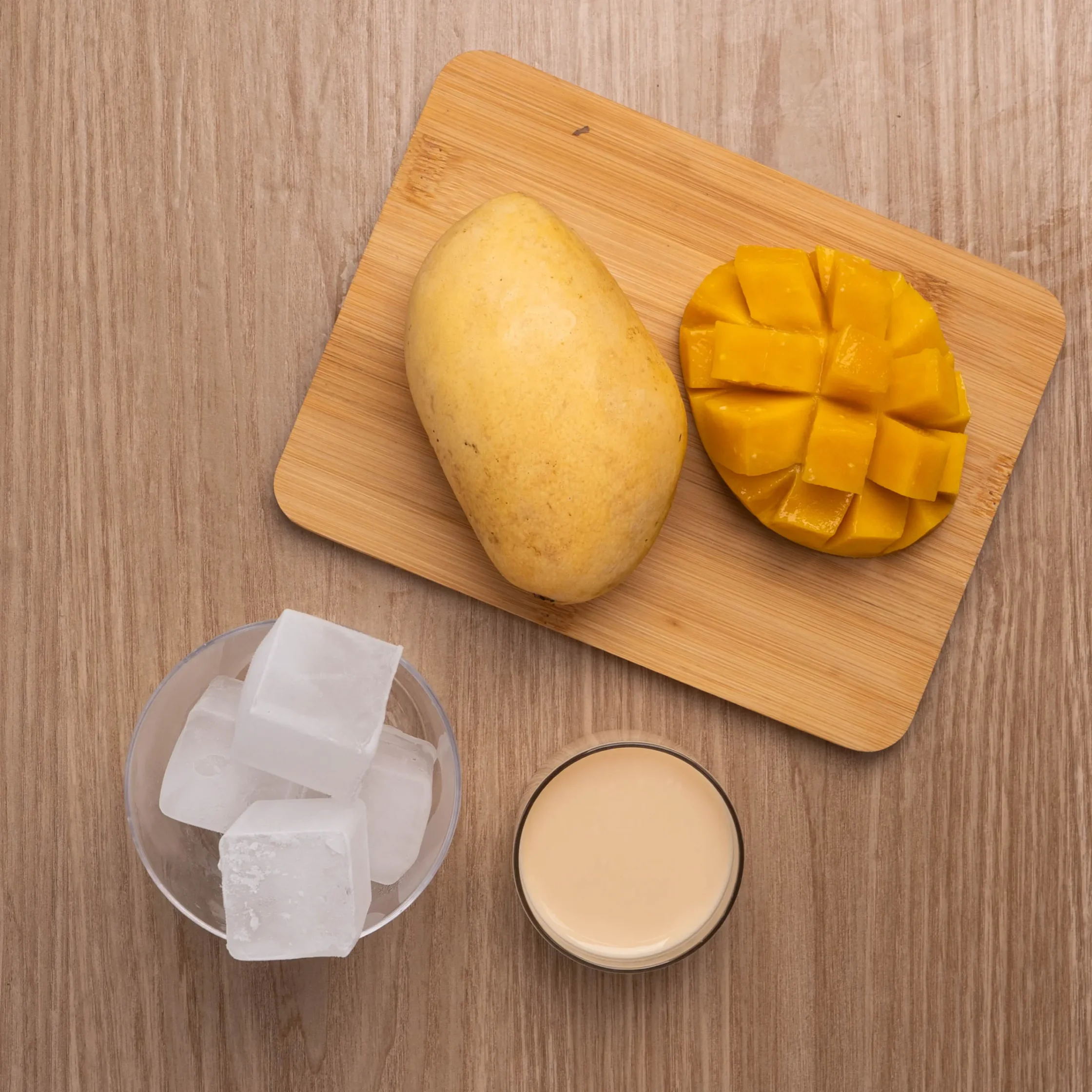
The beauty of a ripe mango shake is its simplicity. You do not need a long list of ingredients or complicated preparation. The mango provides most of the flavor, natural sweetness, beautiful golden color, and creamy texture. Condensed milk adds richness and sweetness, while ice turns everything into a wonderfully cold drink.
This recipe is especially useful during mango season when ripe mangoes are abundant. It is also an excellent way to turn very ripe, soft mangoes into something delicious instead of letting them go to waste.
Whether you are preparing a quick afternoon drink for yourself, making refreshments for your family, or serving something special during a gathering, this mango shake is an easy recipe worth keeping in your kitchen.
A Little History of Mangoes and Mango Drinks
Mangoes have a long history in tropical and subtropical regions of Asia. The mango tree is believed to have originated in South Asia, where mango cultivation has been practiced for thousands of years. From there, mangoes spread to many parts of the world through trade, travel, and cultivation.
The Philippines has developed a particularly strong relationship with mangoes. The tropical climate is well suited to mango production, and the fruit has become an important part of Filipino food culture.
Filipinos enjoy mangoes in many forms. They may be eaten fresh with a little salt, added to salads and desserts, turned into jams and preserves, dried, or blended into refreshing beverages.
The mango shake is a natural extension of this love for the fruit. It combines the sweetness and fragrance of ripe mangoes with ice and milk or condensed milk, creating a drink that is especially appealing in the country’s warm climate.
Mango shakes have also become common in restaurants, cafés, food stalls, resorts, and homes throughout the Philippines.
While there is no single person or exact date credited with inventing the mango shake, its popularity reflects a broader food tradition: taking fresh tropical fruit and turning it into something cold, refreshing, and easy to enjoy.
The drink is simple, but that simplicity is exactly what makes it special.
Choosing the Best Mangoes
The quality of your mango shake depends heavily on the mangoes you use.
Choose mangoes that are fully ripe, fragrant, and soft enough to yield slightly when gently pressed.
A ripe mango should have juicy flesh and a strong, pleasant aroma. The flesh should be golden or orange depending on the variety.
Avoid mangoes that have extensive bruising, mold, leaking juice, or a fermented smell.
If the mango is still very firm and sour, allow it to ripen at room temperature before making the shake.
If the mango is extremely soft and ripe but still smells fresh and tastes good, it can be excellent for blending.
Recipe Tips for the Best Mango Shake
Use Very Ripe Mangoes
The riper the mango, the more naturally sweet and flavorful your shake will be.
This can also reduce the amount of condensed milk you need.
Chill the Mangoes First
For an extra-cold shake, refrigerate the mangoes before blending.
This can help reduce the amount of ice required and give the drink a stronger mango flavor.
Freeze Mango Pieces
For an especially thick shake, peel and cut mangoes ahead of time and freeze the pieces.
Frozen mango can replace some of the ice, resulting in a richer mango flavor without making the drink watery.
Don’t Add Too Much Water
Water is useful for helping the blender work, but too much will dilute the mango flavor.
Start with the amount in the recipe and adjust only if needed.
Taste Before Adding More Condensed Milk
Mangoes naturally vary in sweetness.
A very ripe mango may already be sweet enough that you need less condensed milk.
Use Smaller Ice Cubes
Smaller cubes are often easier for household blenders to process.
They can also produce a smoother texture.
Serve Immediately
Freshly blended mango shake has the best texture and flavor.
If it sits for too long, the ice melts and the mixture can become thinner.
Ingredient Substitutions
Condensed Milk
You can substitute condensed milk with:
- Regular sugar
- Honey
- Maple syrup
- Sugar syrup
- A sugar-free sweetener suitable for beverages
If you replace condensed milk with sugar, the drink will lose some of the creaminess provided by the condensed milk.
Water
Water can be replaced with milk for a richer shake.
Evaporated milk works particularly well if you want a creamy Filipino-style drink.
You can also use coconut milk for a tropical variation.
Ice
Instead of regular ice cubes, use frozen mango chunks.
This is one of the best ways to make the shake thicker while preserving a strong mango flavor.
Fresh Mango
If fresh mangoes are unavailable, frozen mango pieces can be used.
Canned mango may also work, but drain it well and remember that canned fruit may already contain added sugar.
Different Ways to Customize Your Mango Shake
Once you have mastered the basic recipe, you can experiment with different variations.
Creamy Mango Shake
Replace some or all of the water with evaporated milk or fresh milk.
For an extra-rich version, add a small amount of all-purpose cream.
Mango-Calamansi Shake
Add a small squeeze of fresh calamansi juice.
The acidity can help balance the sweetness of very ripe mangoes.
Mango-Banana Shake
Add half or one ripe banana.
Banana creates a thicker, creamier texture and adds another layer of natural sweetness.
Mango-Coconut Shake
Use coconut milk instead of water.
This creates a tropical combination of mango and coconut.
Mango Yogurt Shake
Add plain or vanilla yogurt for a thicker, tangier beverage.
Extra-Mango Shake
Reserve some mango pieces and add them to the finished drink.
This gives you small pieces of fresh fruit to enjoy with every sip.
What Makes Mangoes So Special?
Mangoes are often called one of the world’s favorite tropical fruits, and it is easy to understand why.
They have a distinctive combination of sweetness, fragrance, acidity, and soft texture.
A ripe mango can taste floral, fruity, honey-like, and slightly tangy depending on the variety and ripeness.
Different mango varieties also have different characteristics.
Some are very sweet and soft, while others are firmer and more fibrous.
The texture of the mango matters when making a shake. Mangoes with smooth, relatively fiber-free flesh generally create a silkier beverage.
The fruit also contains naturally occurring sugars, which contribute to its sweetness.
Health Benefits and Nutrition
Mangoes are a nutritious fruit and provide several vitamins, minerals, and beneficial plant compounds.
They are particularly known for providing vitamin C and vitamin A precursors such as beta-carotene.
Vitamin C contributes to normal immune function and helps protect cells from oxidative stress.
Vitamin A-related compounds are important for normal vision and other body functions.
Mangoes also contain dietary fiber, although the amount of fiber in a shake depends on how much fruit is used and whether the fruit is consumed whole rather than strained.
However, it is important to remember that this mango shake also contains sweetened condensed milk, which contributes added sugar and calories.
The drink can therefore be nutritious because of the fruit while still being a sweet treat.
If you want to make it lighter, reduce the condensed milk and use naturally sweet ripe mangoes.
Using fresh milk or an unsweetened milk alternative can also allow you to control the sweetness more easily.
How to Store Mangoes Properly
Proper storage can help you enjoy mangoes at the right stage of ripeness.
Unripe Mangoes
If your mangoes are still firm and unripe, allow them to ripen at room temperature.
Keep them away from excessive heat and direct sunlight.
Once they become fragrant and yield slightly when pressed, they are generally ready to eat.
Ripe Mangoes
Once mangoes are fully ripe, place them in the refrigerator if you are not going to use them immediately.
Refrigeration can slow further ripening.
Cut Mangoes
Once a mango has been peeled and cut, place the pieces in a clean, airtight container and refrigerate them.
For best quality, use cut mango relatively soon.
Frozen Mango
If you have more ripe mangoes than you can eat, freezing is an excellent option.
Peel the mangoes, remove the seeds, cut the flesh into pieces, and freeze them in a single layer first.
Once the pieces are frozen, transfer them to a freezer-safe bag or container.
Frozen mango pieces are especially convenient for future smoothies and shakes.
How to Store Mango Shake
Fresh mango shake is best consumed immediately.
If you have leftovers, transfer them to a clean, covered container and refrigerate promptly.
The texture may change as the ice melts, and the drink may separate slightly.
Give it a good stir before drinking.
For the best quality, consume refrigerated leftovers within a short period rather than keeping the prepared shake for several days.
Freezing the finished shake is generally not ideal because the texture can change considerably after thawing.
A better strategy is to freeze mango chunks and prepare a fresh shake whenever you want one.
Food Safety Tips
Always wash fresh mangoes before cutting them.
Use clean knives, cutting boards, blender jars, and glasses.
Refrigerate leftover shake promptly rather than leaving it at room temperature for an extended period.
If the shake develops an unusual smell, flavor, appearance, or signs of spoilage, discard it.
Because this recipe is so quick to prepare, making only the amount you expect to drink is often the best approach.
Serving Suggestions
A of a Filipino-inspired meal, it pairs particularly well with savory dishes because its sweetness and cool temperature provide tall chilled glass is all you really need to serve a mango shake.
For a more attractive presentation, place the glass in the refrigerator for a few minutes before serving.
You can decorate the rim with a small amount of condensed milk and diced mango, although this is completely optional.
For parties, serve the shake in smaller glasses and garnish each one with a small cube of fresh mango.
If you are preparing the drink as part of a Filipino-inspired meal, it pairs particularly well with savory dishes because its sweetness and cool temperature provide a refreshing contrast.
Final Words
Ripe Mango Shake is one of those recipes that proves you do not need complicated ingredients to make something truly satisfying.
At its heart, the drink celebrates the mango itself. When the fruit is naturally ripe, fragrant, and sweet, there is very little you need to do to make it delicious.
A little condensed milk adds richness, water helps create the right consistency, and ice turns the whole mixture into a cold and refreshing treat.
There is also something wonderfully nostalgic about making a mango shake at home. It can remind us of hot afternoons, trips to the market, family meals, and the simple pleasure of enjoying way you like it. You can make it thick or light, very creamy or refreshingly simple, intensely mango-flavored or gently sweet. You can even freeze extra mangoes so that you can enjoy the fresh tropical fruit while it is in season.
The recipe is flexible enough to make exactly the way you like it. You can make it thick or light, very creamy or refreshingly simple, intensely mango-flavored or gently sweet. You can even freeze extra mangoes so that you can enjoy the drink long after mango season has passed.
Most importantly, do not be afraid to taste and adjust. Cooking and preparing drinks at home is not always about following measurements perfectly. Sometimes the best version comes from looking at the mangoes you have, tasting them, and making small adjustments until the drink feels just right.
So the next time you have a few ripe mangoes sitting in your kitchen, instead of wondering what to do with them, reach for your blender.
Add some ice, a little condensed milk, and let those golden mangoes do what they do best.
Sweet, creamy, cold, and bursting with tropical flavor, a homemade Ripe Mango Shake is a simple reminder that sometimes the most refreshing pleasures are the ones made from the freshest ingredients.