

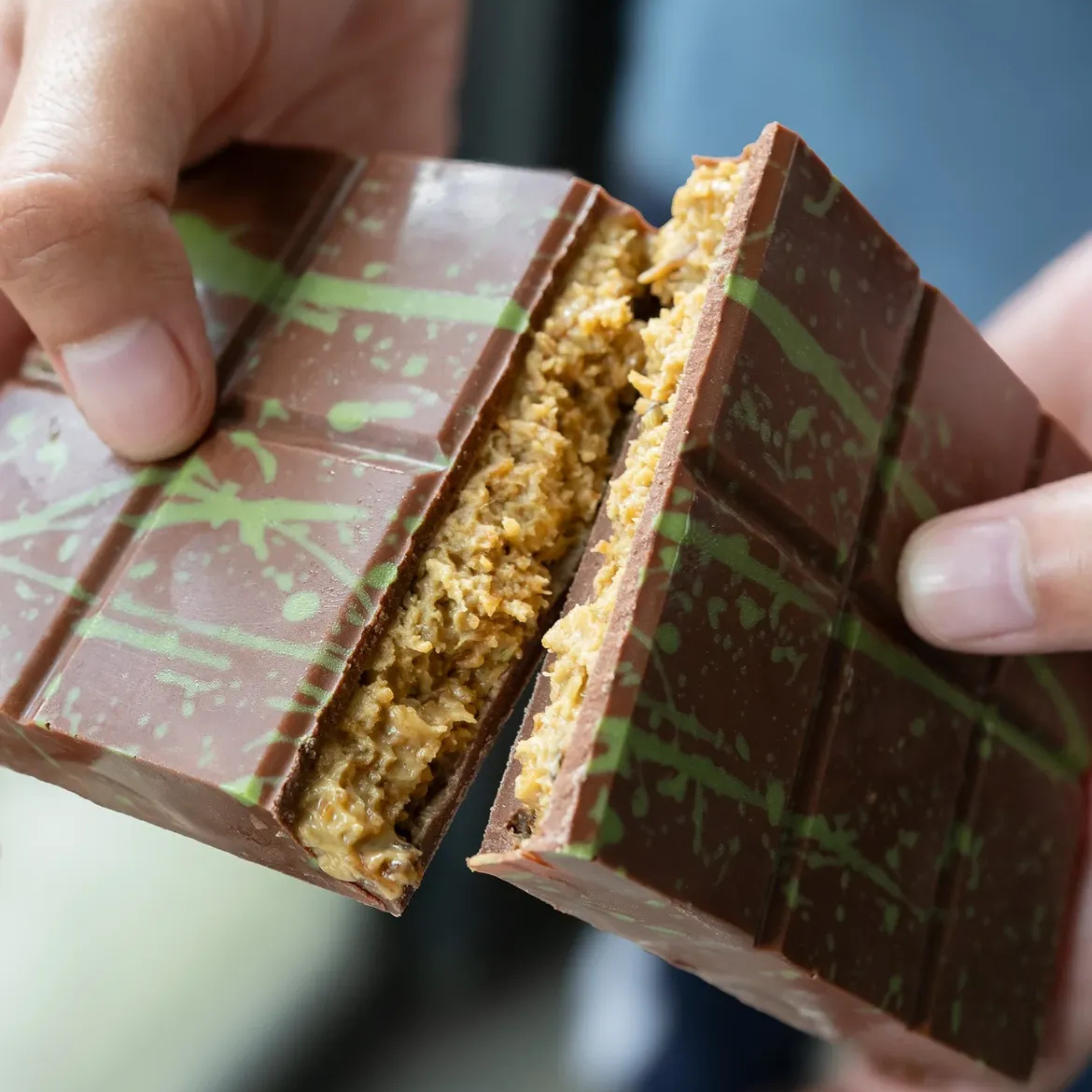
Chocolate cravings shouldn’t require a passport—especially when the Philippines has plenty of good stuff to offer!
With International Chocolate Day as the perfect excuse to indulge, it’s time to give some love to the local chocolate makers turning homegrown cacao into some seriously delicious bars and treats. From rich, single-origin chocolates to playful creations featuring familiar Filipino flavors, there’s plenty to discover beyond the ones on your supermarket shelf.
So, whether you like your chocolate dark and intense, smooth and creamy, or packed with unexpected flavors, here are five Filipino chocolate brands worth getting to know—and, more importantly, worth getting your hands on.
1. Nico Cacao
Nico Cacao is putting Philippine cacao front-and-center by letting the beans do the talking. The Negros Oriental-based brand handles its chocolate-making locally, carefully taking cacao through the bean-to-bar process to create chocolates with plenty of depth and character.
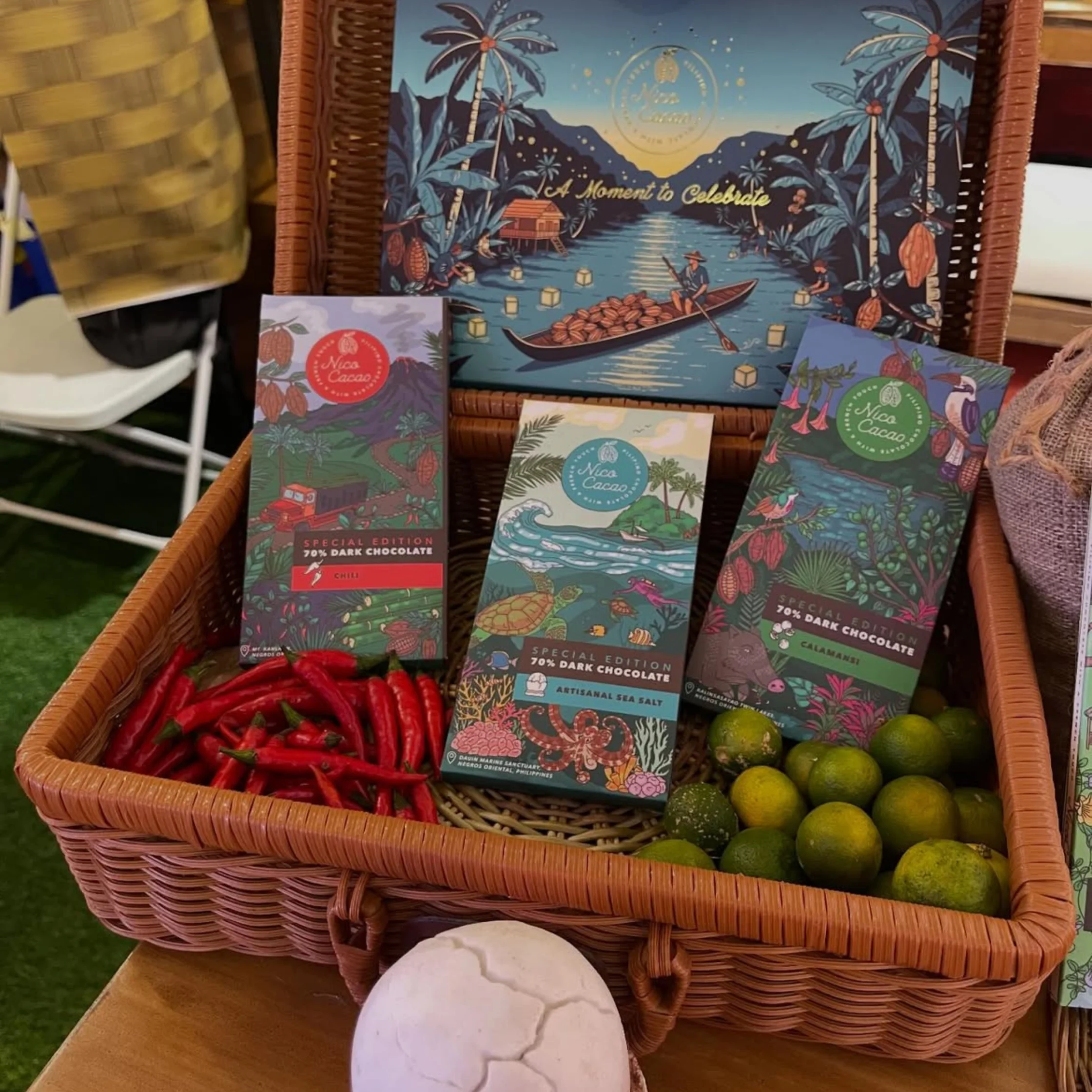
The result is a lineup that includes 60%, 70%, and 80% cacao bars, alongside Filipino-inspired combinations like calamansi, chili, and asin tibuok—which all make for interesting bites.
2. Pâtisserie Le Choux-Colat
Pâtisserie Le Choux-Colat is proof that Filipino chocolate can dress up for the occasion. Award-winning pastry chef Ely Salar combines French pastry techniques with Filipino flavors, creating chocolates, pralines, entremets, cakes, and eclairs that look almost too good to eat.

The chocolate itself keeps things proudly local, made with ethically sourced Philippine cacao that Salar transforms from bean to bar. Add Filipino flavors and French finesse to the mix, and you’ve got chocolate that’s all dressed up with somewhere delicious to go.
3. Auro Chocolate
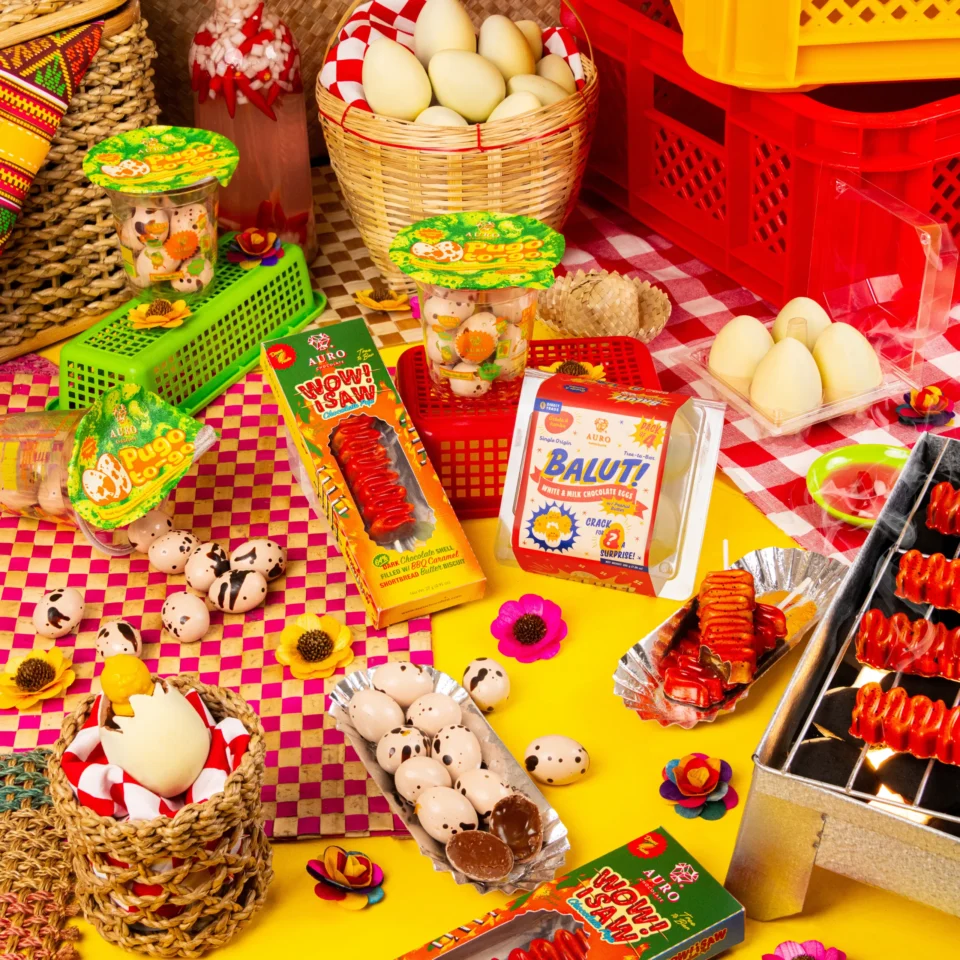
Consider this your golden ticket to some seriously good Filipino chocolate. Auro Chocolate is an internationally awarded tree-to-bar brand that works directly with local farmers to transform Philippine cacao into fine chocolates with bold, tropical flavors.

And while there’s no chocolate factory tour involved, there’s plenty to unwrap. Its playful lineup pairs local ingredients with chocolate in unexpected ways, proving that Philippine cacao can be a little fancy, a little adventurous, and very hard to put down.
4. Cacao Culture
If Davao is the Chocolate Capital of the Philippines, Cacao Culture is one sweet reason why. The homegrown brand works with local farmers and its own cacao farm to transform Philippine-grown cacao into chocolate right where it’s grown.

Fruity, nutty, crunchy, chocolatey—take your pick. There’s a little something for every kind of chocolate lover, all with Davao-grown cacao at the heart of it.
5. 1919 Chocolate
Good things take time—and 1919 Chocolate has had quite a head start. The Filipino tree-to-bar brand gets its cacao from a family estate in Batangas, where century-old Criollo trees have been producing beans for generations.

What started in 2019 with a few cacao beans has grown into an internationally celebrated chocolate brand, with small-batch creations that bring plenty of personality to the bar. It’s a little bit of family history, a whole lot of cacao, and a very sweet legacy to carry on.
Turns out, you don’t have to travel far for good chocolate. From Davao to Batangas and beyond, Philippine cacao is making its way into some seriously delicious creations, thanks to local farmers, chocolatiers, pastry chefs, and makers who are putting their own spin on the humble bean.
So this International Chocolate Day, skip the usual suspects and give local chocolate a chance to steal the spotlight. Your sweet tooth gets a treat, Filipino cacao gets the recognition it deserves, and everyone goes home happy.
That’s what we call a pretty sweet deal.

Frequently Asked Questions
Some Filipino chocolate brands worth exploring include Nico Cacao, Pâtisserie Le Choux-Colat, Auro Chocolate, Cacao Culture, and 1919 Tree-To-Bar Chocolate.
Filipino chocolate is made from cacao grown in the Philippines. Depending on the brand and product, the chocolate may feature cacao from regions such as Davao, Negros Oriental, or Batangas.
Tree-to-bar chocolate refers to chocolate makers who have greater control over the process from cacao sourcing and fermentation through chocolate production, rather than simply buying finished chocolate.
Cacao is grown in several parts of the Philippines, including Davao, Batangas, Negros Oriental, and other cacao-producing regions across the country.
International Chocolate Day is celebrated annually on September 13.