
Advertisement

Tablea Barako Brownies Recipe (Coffee Chocolate Brownies)

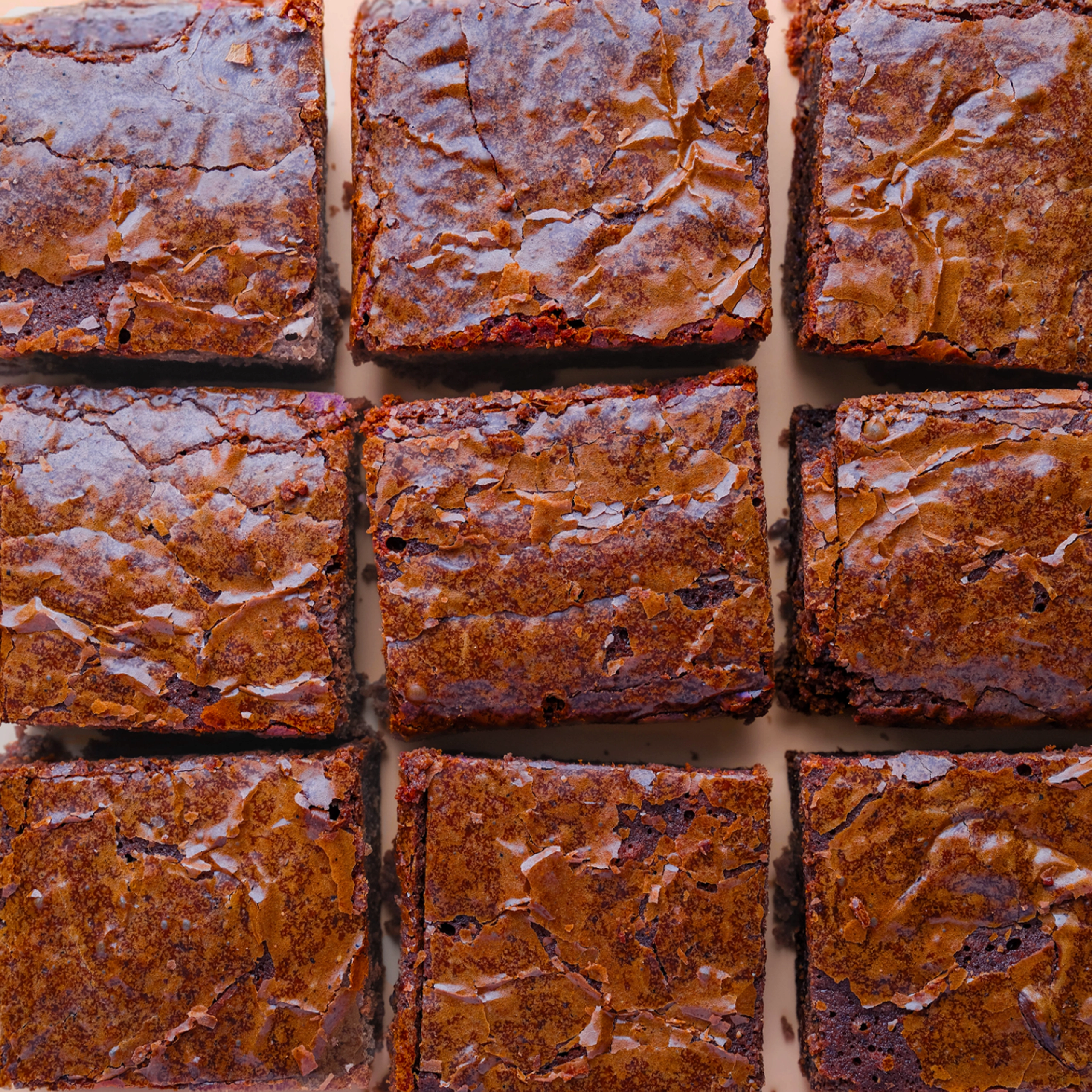
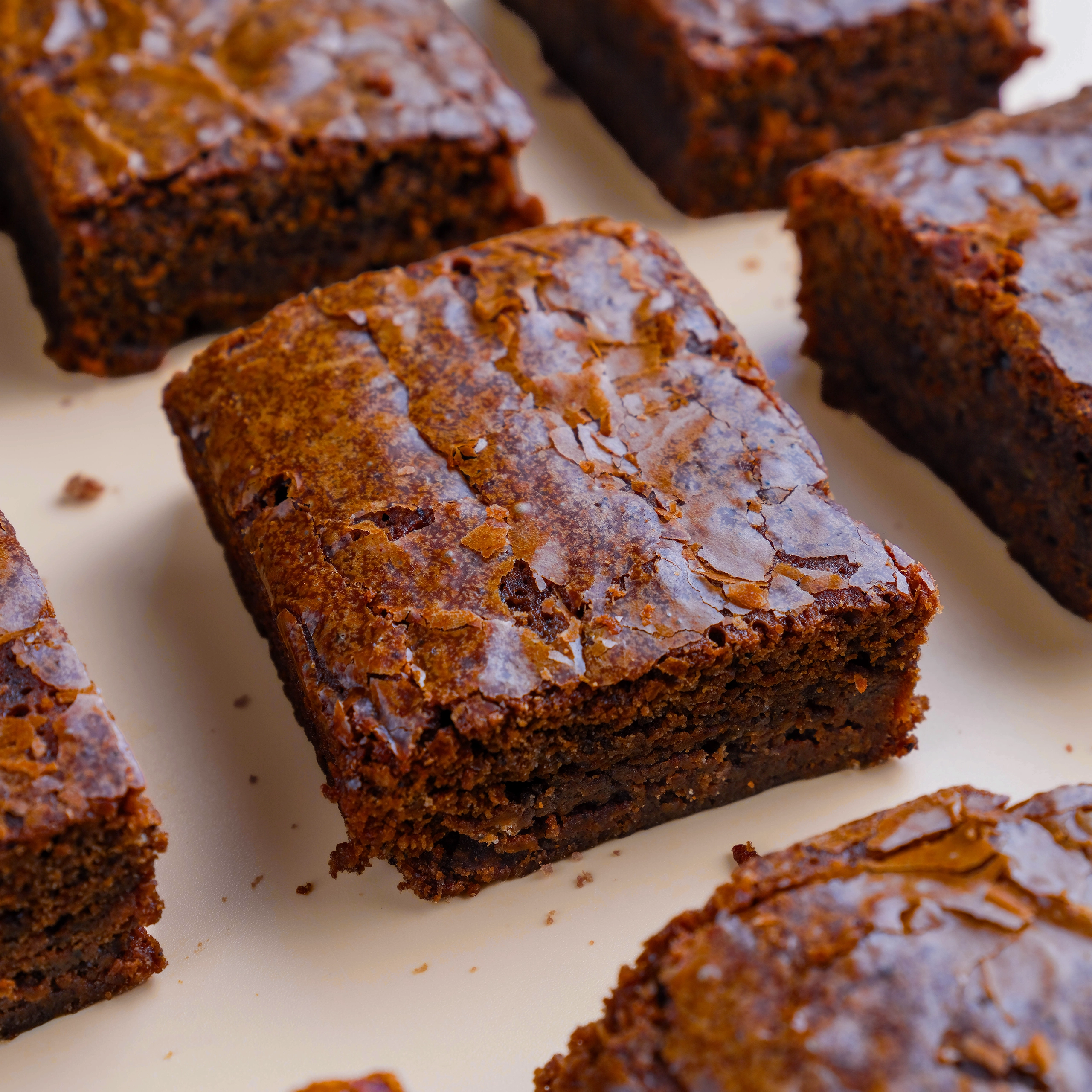
Good ol’ brownies get a bolder and more intense flavor with the addition of two endemic ingredients
PHOTO: ED SIMON
YIELDS:
12 SERVING(S)
Prep Time:
7 MINS
Total Time:
35 MINS
Cal/Serv:
28

Nutritional Information

Calories 336 kcal
Fat 23 g
Saturated fat 14 g
Trans fat 0 g
Cholesterol 81 mg
Sodium 119 mg
Carbohydrates 29 g
Fiber 2 g
Sugar 18 g
Protein 4 g
Vitamin D 0 µg
Calcium 28 mg
Iron 3 mg
Potassium 149 mg

Note: The information shown is Edamam's estimate based on available ingredients and preparation. It should not be considered a substitute for a professional nutritionist's advice.

Good ol’ brownies gets a bolder and more intense flavor with the addition of two endemic ingredients.

What is tablea?

Derived from the Spanish word tabilla, tablea is 100% cacao beans that have been dried, roasted, ground then formed into pucks. It’s unsweetened and void of any additives. Since it is purely made of cacao, it becomes a good source of antioxidants and fiber.

What is barako coffee?

Also referred to as kapeng barako or Batangas coffee, this Philippine-grown coffee varietal is a type of liberica and is recognized as having a distinct aniseed-like aroma and a bold flavor. Due to low demand and production, kapeng barako is included in the international catalogue of endangered heritage food by the Slow Food movement, called the Ark of Taste.

Ingredients

  • 1 Cup unsalted butter, cubed
  • 1 Piece tablea, chopped
  • 1 Cup semi-sweet dark chocolate chips
  • 1 Cup all-purpose flour
  • 1.5 Tablespoon barako coffee powder
  • 0.5 Teaspoon salt
  • 0.5 Cup white sugar
  • 0.5 Cup brown sugar
  • 3 Large eggs, room temperature
  • 1 Teaspoon vanilla extract
Keep screen awake

Directions

Step 1

Preheat your oven to 350°F (175°C). Line a 6×12-inch baking pan with parchment paper, leaving some overhang on the sides. This makes it much easier to lift the brownies out of the pan once baked.

Step 2

Place the cubed butter in a small saucepan over low to medium heat. Stir frequently as it melts. Continue cooking until the butter smells nutty and you see tiny brown bits forming at the bottom—this is brown butter, which adds a rich, deep flavor to your brownies. Be careful not to burn it. Once browned, remove the pot from the heat.

Step 3

Add the chopped tablea and chocolate chips to the still-hot brown butter. Stir until everything is completely melted and smooth. Set this mixture aside to cool slightly while you prepare the dry and wet ingredients.

Step 4

In a medium bowl, sift together the flour, kapeng barako (Barako coffee) powder, and salt. Sifting helps prevent lumps and ensures an even distribution of flavors. Set this bowl aside.

Step 5

In another large bowl, combine the eggs, granulated sugar, and brown sugar, along with vanilla extract. Beat the mixture until it’s light and fluffy—this helps make your brownies soft and slightly airy.

Next, pour in the melted butter and chocolate mixture. Gently fold until fully combined. The batter will start to thicken and become rich and glossy.

Step 6

Gradually add the dry ingredients into the chocolate-butter-egg mixture. Stir until just combined—don’t overmix, or your brownies could turn out dense.

Pour the batter into the prepared baking pan and spread it evenly. Bake in the preheated oven for 30–35 minutes, or until a toothpick inserted in the center comes out clean or with just a few moist crumbs. Slice and serve.

Step 7

Allow the brownies to cool completely in the pan. Once cooled, gently lift them out using the parchment overhang and place on a cutting board. Slice into squares and serve.

Optional: Dust with powdered sugar or drizzle with more melted chocolate for an extra special touch.

Step 8

These brownies are rich, fudgy, and infused with a subtle coffee-chocolate flavor—perfect for pairing with a cup of coffee or enjoying on their own!

Yummy brownies made with tablea and kapeng barako
PHOTO: ED SIMON
angelo comsti delish ph editor in chief

Angelo Comsti

Chief of Editorial Content

Angelo Comsti has had his finger in many pies—quite literally. Over the years, he has built a multifaceted career around his passion for food, seamlessly moving between writing, styling, consulting, recipe development, and hospitality. A respected food writer and editor, he has spent years documenting the stories behind Filipino cuisine, championing local ingredients, regional food traditions, and the people who shape the country's culinary landscape. Beyond publishing, Angelo works as a food and prop stylist, restaurant consultant, and recipe developer for both corporate clients and independent food businesses. He has also hosted television, radio, and live culinary events, bringing his expertise and enthusiasm for food to wider audiences. Today, he serves as the Chief of Editorial Content of Delish Philippines, where he leads the magazine's editorial vision and storytelling. Outside the newsroom, Angelo is also a restaurateur and the author of several bestselling cookbooks, further cementing his place in the Philippine food industry. Whether he's crafting a feature, developing a new dish, styling a magazine cover, or helping build a restaurant concept, Angelo remains driven by one goal: telling meaningful stories through food and celebrating the richness and diversity of Filipino cuisine.

Frequently Asked Questions

To get that signature shiny, crackly crust, ensure you beat the eggs and sugars until the mixture is light and fluffy before adding the fats. This process dissolves the sugar and incorporates air, creating a meringue-like layer. For the fudgy center, strictly follow the bake time of 30–35 minutes and remove them when a toothpick has moist crumbs, as overbaking leads to a cakey texture.

While you can use espresso powder, Kapeng Barako provides a distinct, bold earthiness that complements the rustic profile of Filipino tablea. If substituting, use 1 tablespoon of espresso powder for every 2 tablespoons of Barako to avoid overpowering the chocolate. Avoid using 3-in-1 instant coffee mixes, as the added sugar and creamer will negatively alter the recipe’s chemical balance and moisture levels.

Browning the butter (beurre noisette) evaporates the water content and toasts the milk solids, providing a nutty, toasted aroma that bridges the gap between the bitter tablea and the floral coffee. This technique adds a layer of “umami” and aromatic complexity that standard melted butter lacks. It also results in a denser, more decadent crumb by reducing the overall moisture typically found in raw butter.

Store these brownies in an airtight container at room temperature for up to 4 days, or refrigerate them for up to a week for an extra chewy texture. If you want to store them longer, wrap individual squares tightly in plastic wrap and freeze them in a heavy-duty freezer bag for up to 3 months. To serve from the freezer, thaw at room temperature or warm slightly in the microwave for 15 seconds.

Tablea is less processed than commercial baking chocolate and contains more cacao solids, which can make it stubborn to melt. To ensure a smooth batter, finely chop or grate the tablea disks before adding them to the hot browned butter. If you still see small bits, use a whisk to vigorously combine the mixture while it’s still warm, or briefly return the saucepan to very low heat until the texture is glossy.

0 0 votes
Total of Ratings
guest
Rating
Ratings for Article
0 Comments
Oldest
Newest Most Voted

To provide a customized ad experience, we need to know if you are of legal age in your region.

By making a selection, you agree to our Terms & Conditions.