

Following their successful gastronomic exhibitions on coconut and cacao, Gallery by Chele in Manila now offers a Michelin-starred, 10-course tasting menu centered on Cordillera rice varieties.
We eat so much rice that it’s basically ingrained into our everyday routines. It’s always there, on the side of every meal, showing up the same way–steamed, plain–every time.
Rinse and repeat—it’s not just how we cook rice, it’s how we’ve come to think about it too. That’s exactly what I had in mind as I walked into Gallery By Chele.
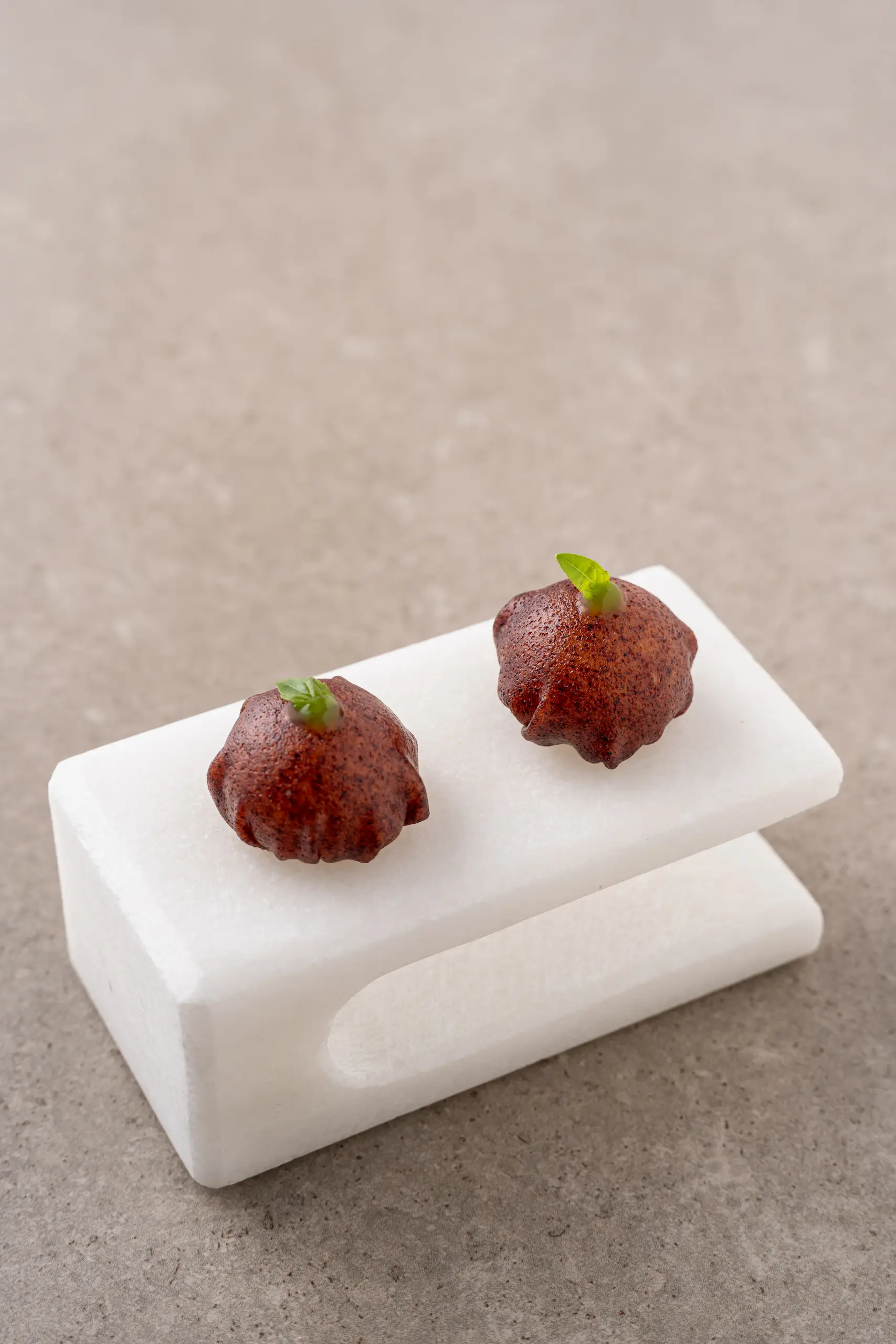
Before I sat down for the first course, I was led through their space—moving through different parts of the restaurant, getting a glimpse of how things are made behind the scenes. Along the way, small, yet intentional bites were served to set the tone for what was about to come.
How Rice Mirin Transforms Traditional Kinilaw
When their Mirin KinilawKinilawA Filipino dish of raw fish or seafood cured in vinegar and citrus, mixed with ginger, onions, and chilies. Often compared to ceviche, kinilaw predates Spanish colonization and is prizedGo to Kinilaw Glossary arrived, I paused because rice isn’t traditionally on kinilaw’s ingredient list. It also didn’t look anything close to other kinilaws I’ve had in the past–with bright, vibrant colors, and edible flowers on top. It was a dish I thought I already understood, but chef Chele’s version was different.
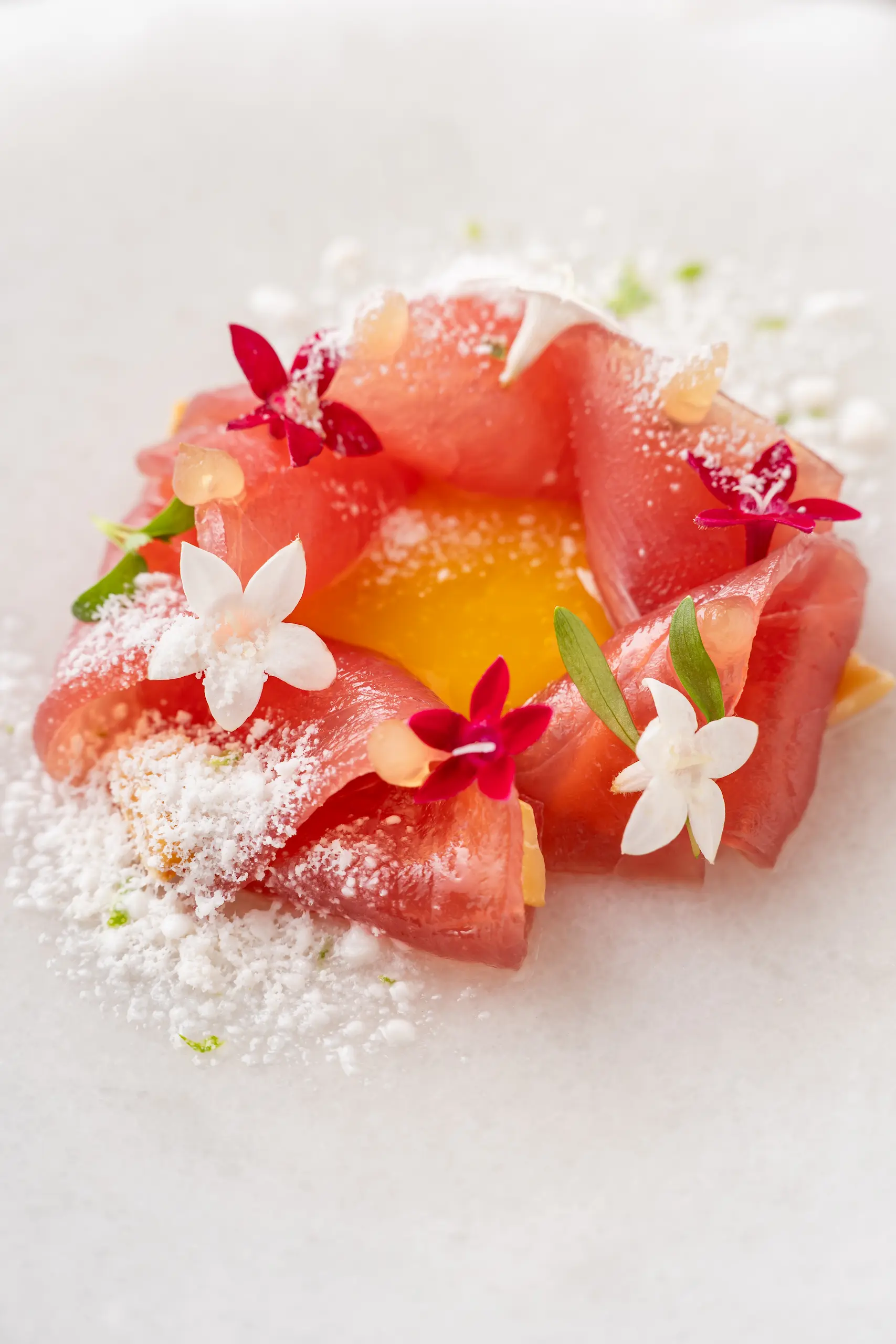
Tangy, yet subtly sweet—it created balance by using mangoes and the restaurant’s homemade mirin (typically made with steamed glutinous rice, koji and shochu) instead of the usual vinegar. It’s a small detail, but by using rice as a part of the dish itself, instead of just making it a side, it completely transformed how I saw and appreciated both the dish and rice.
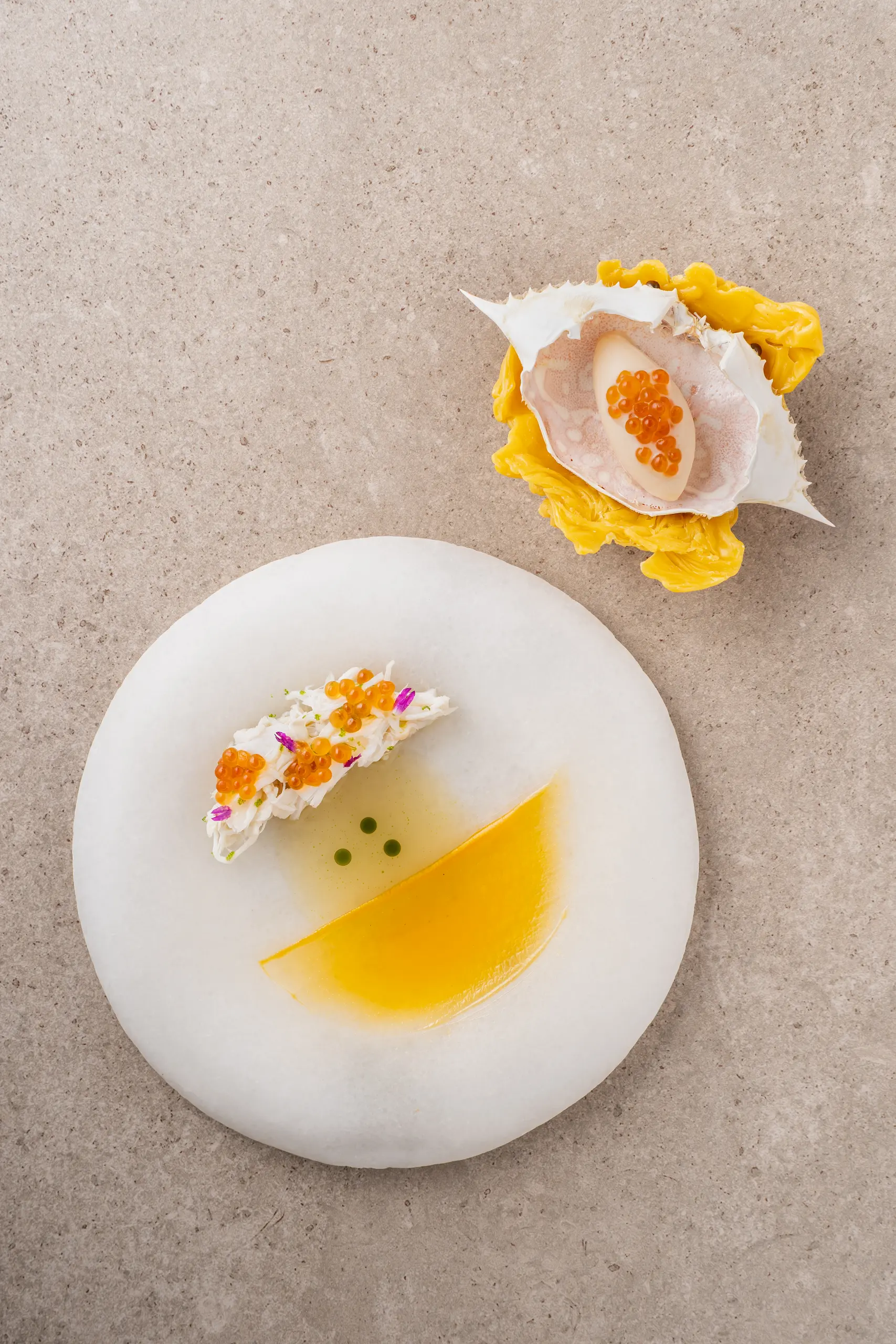
Fermented Rice and Buro Crab: A Flavor Review
Their Buro Crab was tender, rich, and savory. But what surprised me the most was the buro or fermented rice ice cream on the side. I wouldn’t normally associate it with rice, but it was funky and unexpected, helping me realize how creative you can be with rice.
The Diversity of Cordillera Heirloom Rice Grains
Chef Chele González later told me that this is the result of wanting to do things differently. “I needed a break,” he said. “And I felt there was an opportunity to discover something completely new.”
When he started the restaurant, focusing on local ingredients wasn’t the norm. “Everybody expected imported products,” he said. “But I felt a bit rebellious—how can we live in a country with so much biodiversity and still import everything?”
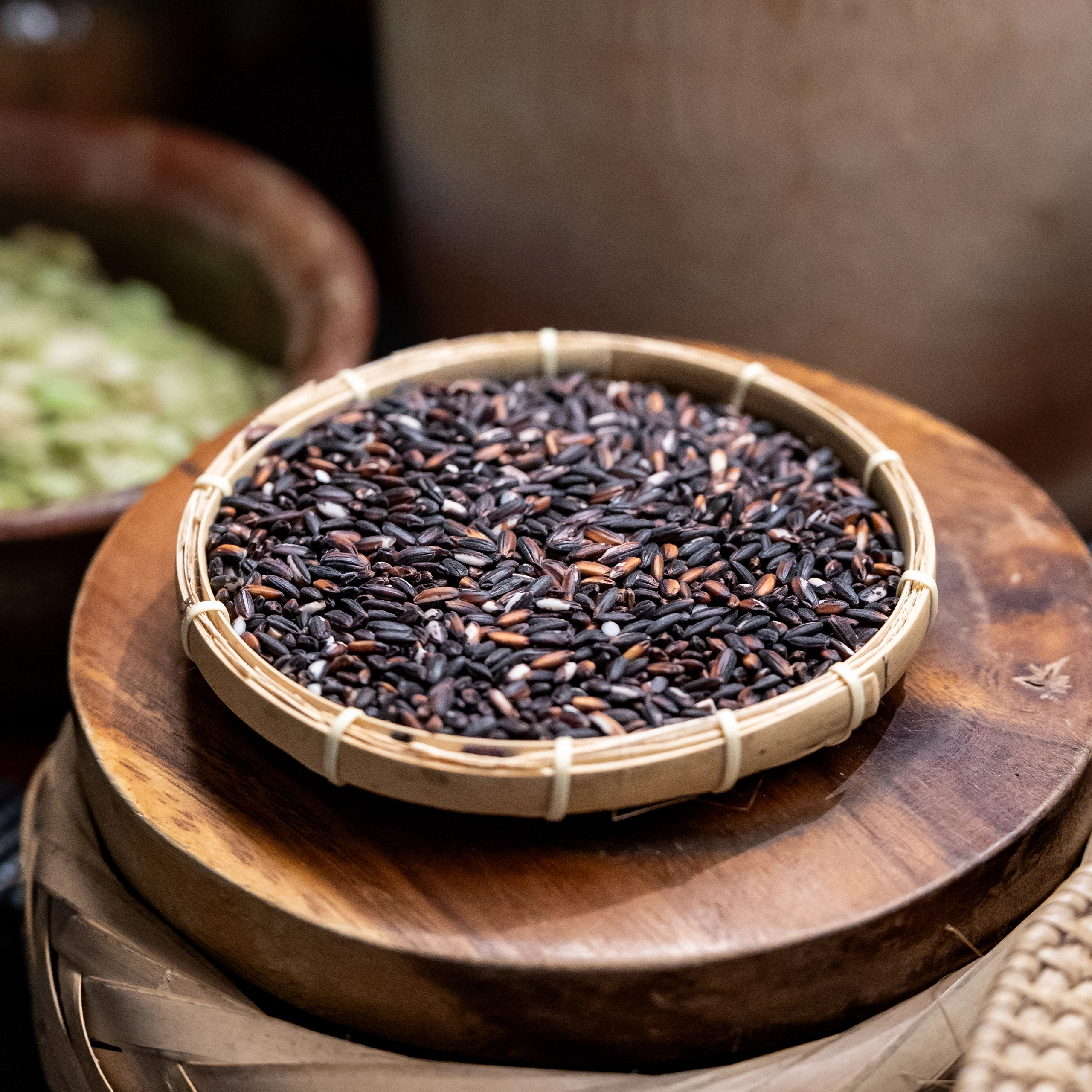
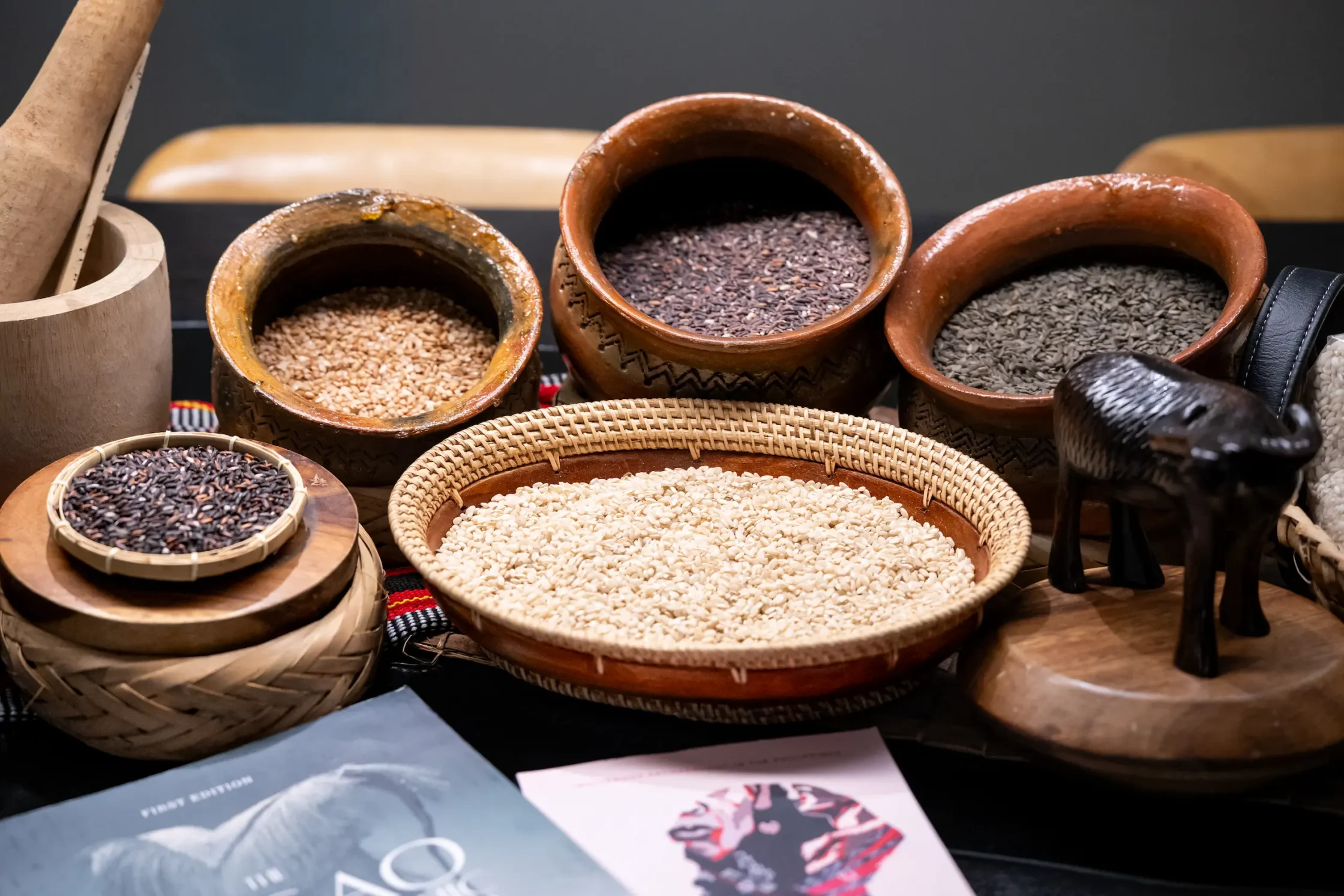
This is the approach behind the Heirloom Rice Project. By building the entire menu around rice, González highlights just how diverse it can be. The 10-course menu features heirloom varieties from all over the Cordillera region like tinawon red and white, deremen, Kalinga unoy, Pasil unoy ginnonaw, black lennagang, and ijampfulo—grains that most Filipinos, including myself, rarely encounter.
But they don’t just serve different types of rice, they use them in different ways too. In their kitchen, rice isn’t just the white, fluffy compliment to our favorite ulams—it’s also turned into miso, tapuey, buro, mirin, and so many more. Sometimes you might not even recognize that it’s there, but it still plays a big role in how each dish tastes and comes together.
Using Roasted Rice to Enhance Banana Blossom
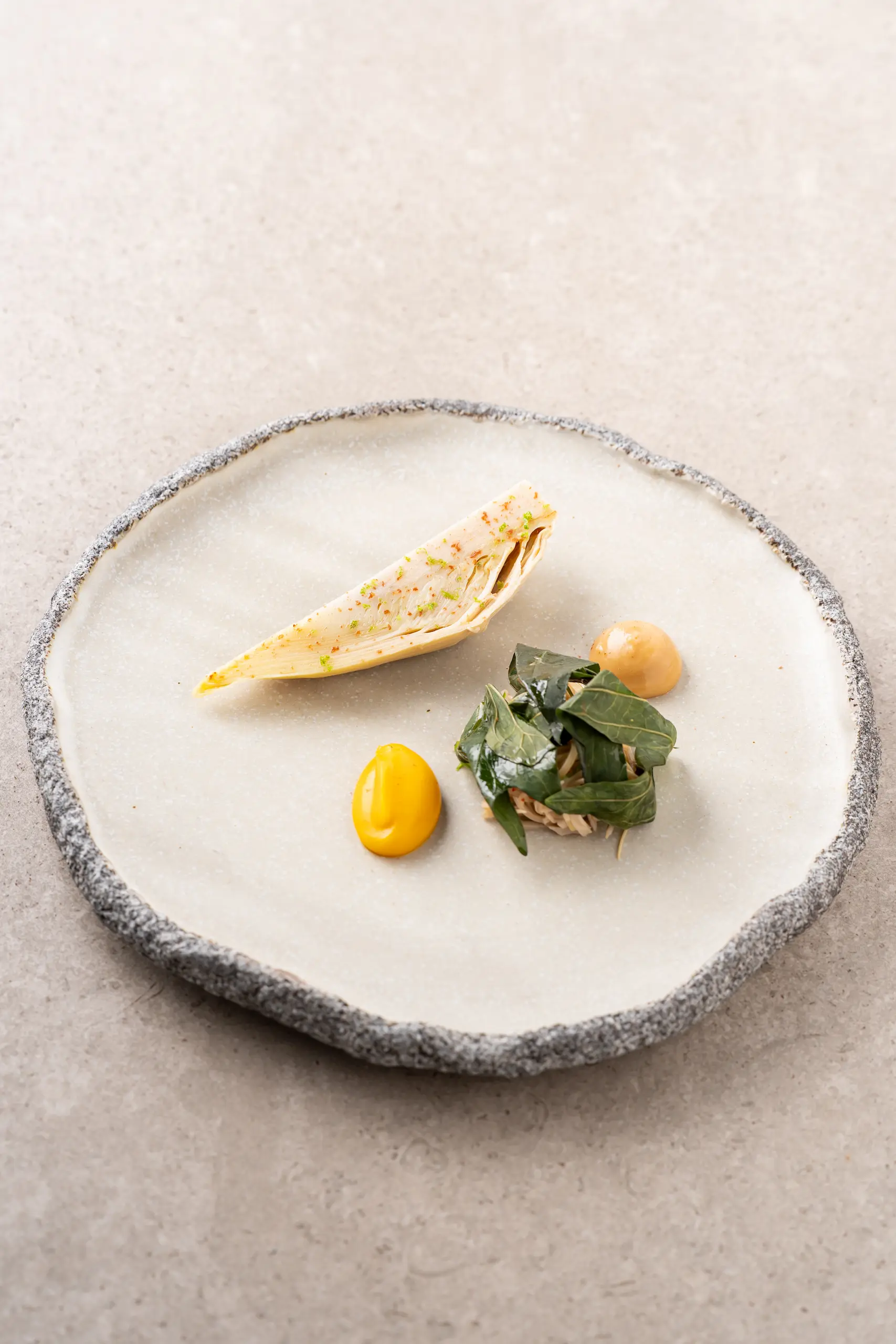
This idea is obvious in their Blossom, where a savory paste made from roasted rice is used in tandem with pumpkin puree and shaved Kalinga bark to add layers of flavor to the otherwise mild banana blossom.
A Modern Take on Abalone Arroz Caldo
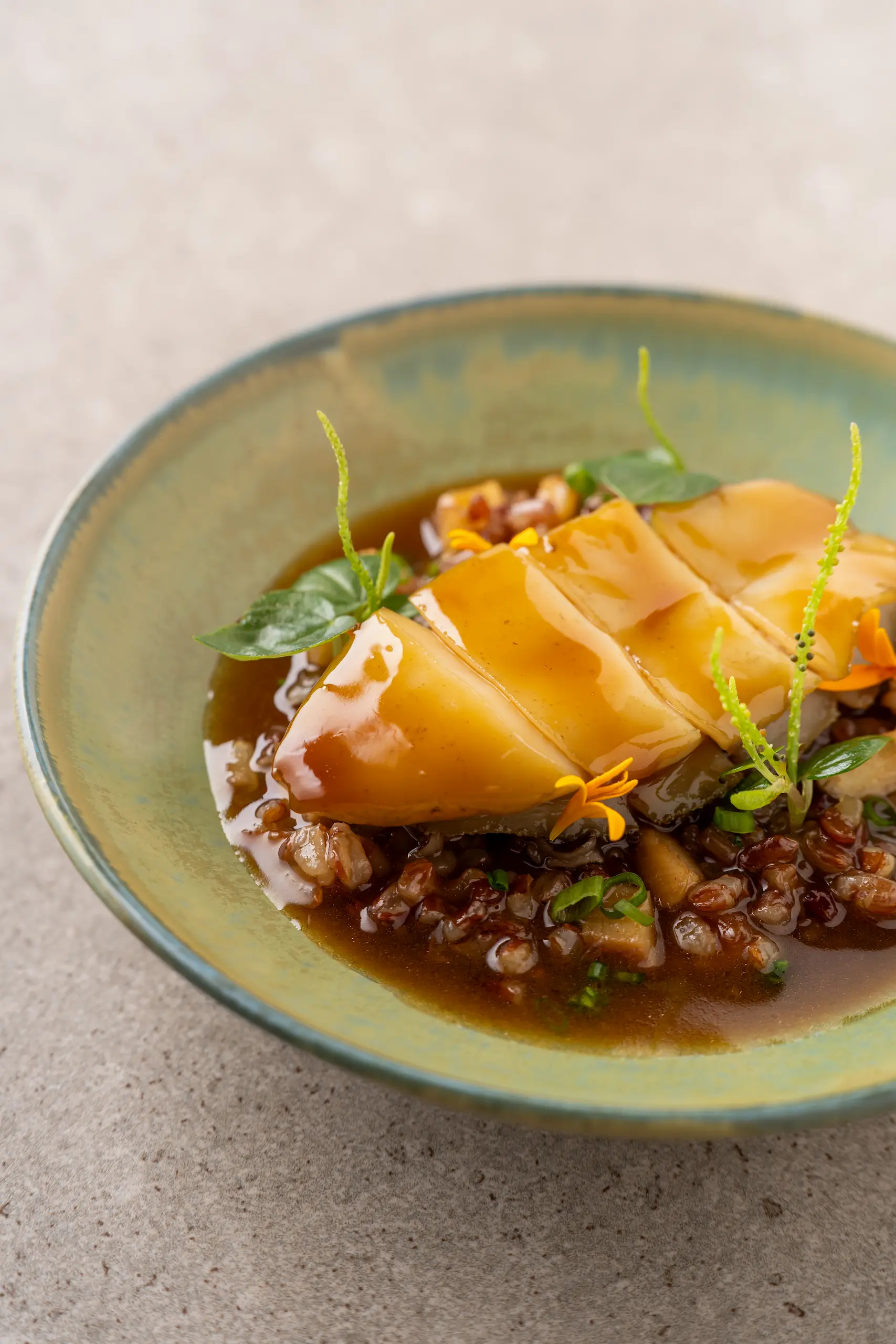
In contrast, rice is the star of the show for dishes like the Abalone Arroz Caldo, where it added both texture and bite, which helped absorb the broth’s strong flavor. It’s still arroz caldo at its core, but rice isn’t just another ingredient—it’s what makes it memorable.
Supporting Cordillera Farmers Through Rice Sourcing
Beyond the plate, there’s also a bigger story. The heirloom rice used throughout the menu comes directly from farmers in the Cordillera region—grown on mountains, harvested by hand, and passed down from one generation to the next. But despite its rich history, it’s slowly starting to die.
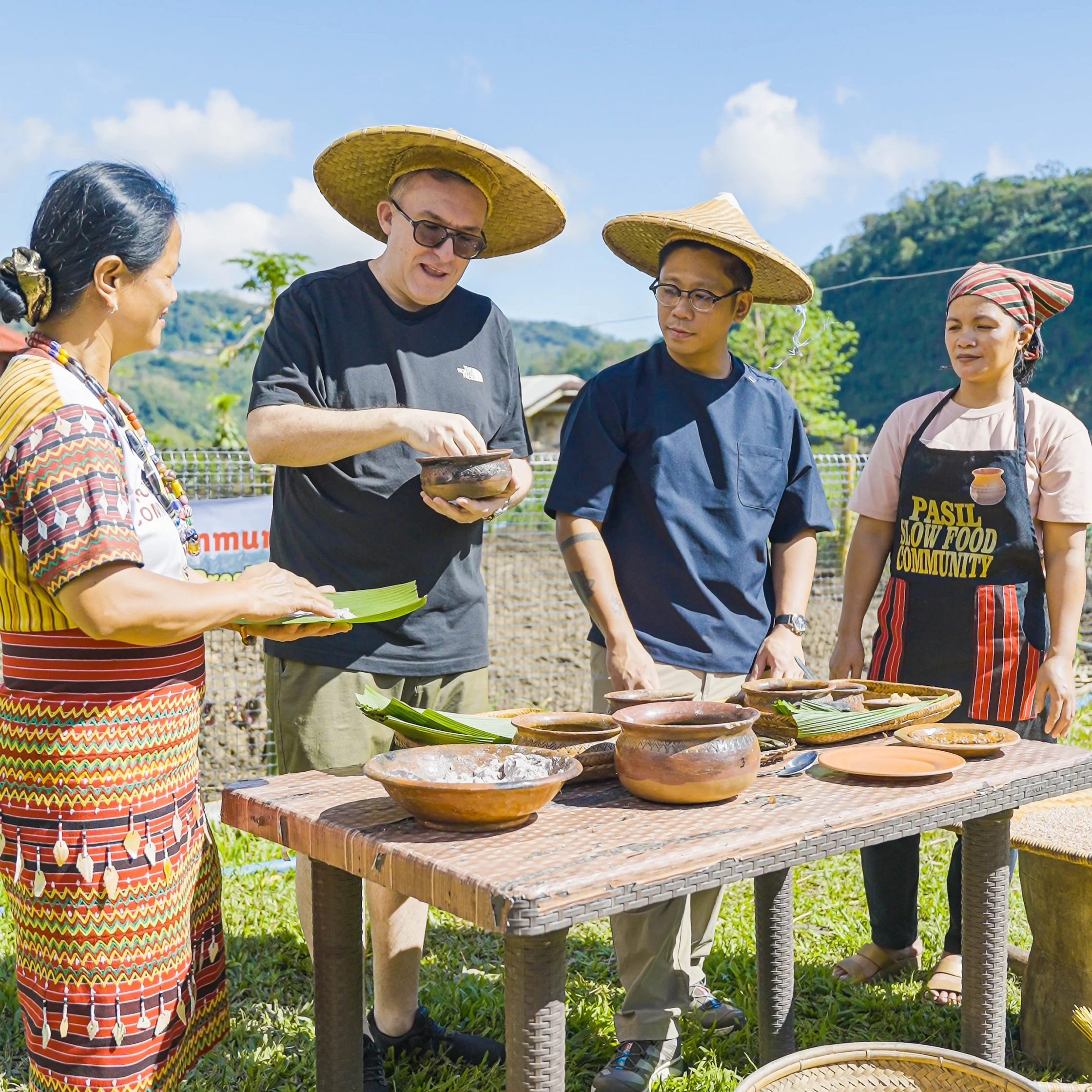
“People aren’t selling much anymore,” Chele said. “It’s very difficult to find even in Manila.” And part of that comes down to demand—how often we choose imported over our own, even when the latter carries just as much, if not more, value.
Through the Heirloom Rice Project, the restaurant becomes more than just a place to eat—it acts as a bridge, connecting diners to the farmers and communities behind each grain. By sourcing directly and paying fair prices, they’re helping keep these traditions alive, one dish at a time.
By the time I took my final bite, I was already questioning the idea that rice is automatic or something you cook without thinking. Instead, it became something I wanted to notice: its story, the effort it took to get to my plate, and the people who made it possible. And once you start seeing it that way, you realize that maybe rice was never meant to be just “rinse and repeat.”
Gallery By Chele is located at 5F Clipp Center, 11th Ave, corner 39th St., Bonifacio Global City, Taguig, Metro Manila.
Frequently Asked Questions
It is a 10-course menu where rice is the central star rather than a side dish, featuring rare Cordillera varieties like Tinawon and Kalinga Unoy transformed into miso, tapuey, and mirin.
Instead of using standard vinegar, this version creates a tangy-sweet balance by using mangoes and a homemade mirin crafted from steamed glutinous rice, koji, and shochu.
Along with the tender and savory Buro Crab, the restaurant serves a “funky and unexpected” fermented rice ice cream on the side.
By sourcing directly from Cordillera farmers and paying fair prices, the restaurant aims to revive demand for indigenous grains that are “slowly starting to die” and are difficult to find even in Manila.
The restaurant is located at 5F Clipp Center, 11th Ave, corner 39th St., Bonifacio Global City, Taguig, Metro Manila.