

The Philippines is home to a brilliant cuisine—and with it, special cooking tools that let locals prepare Filipino classics the way they have been for generations.
Some have links to other cultures, but are still distinctly Pinoy in their own ways. These items are as useful to have in the kitchen as they are important facets of Filipino culture.
1. Kudkuran
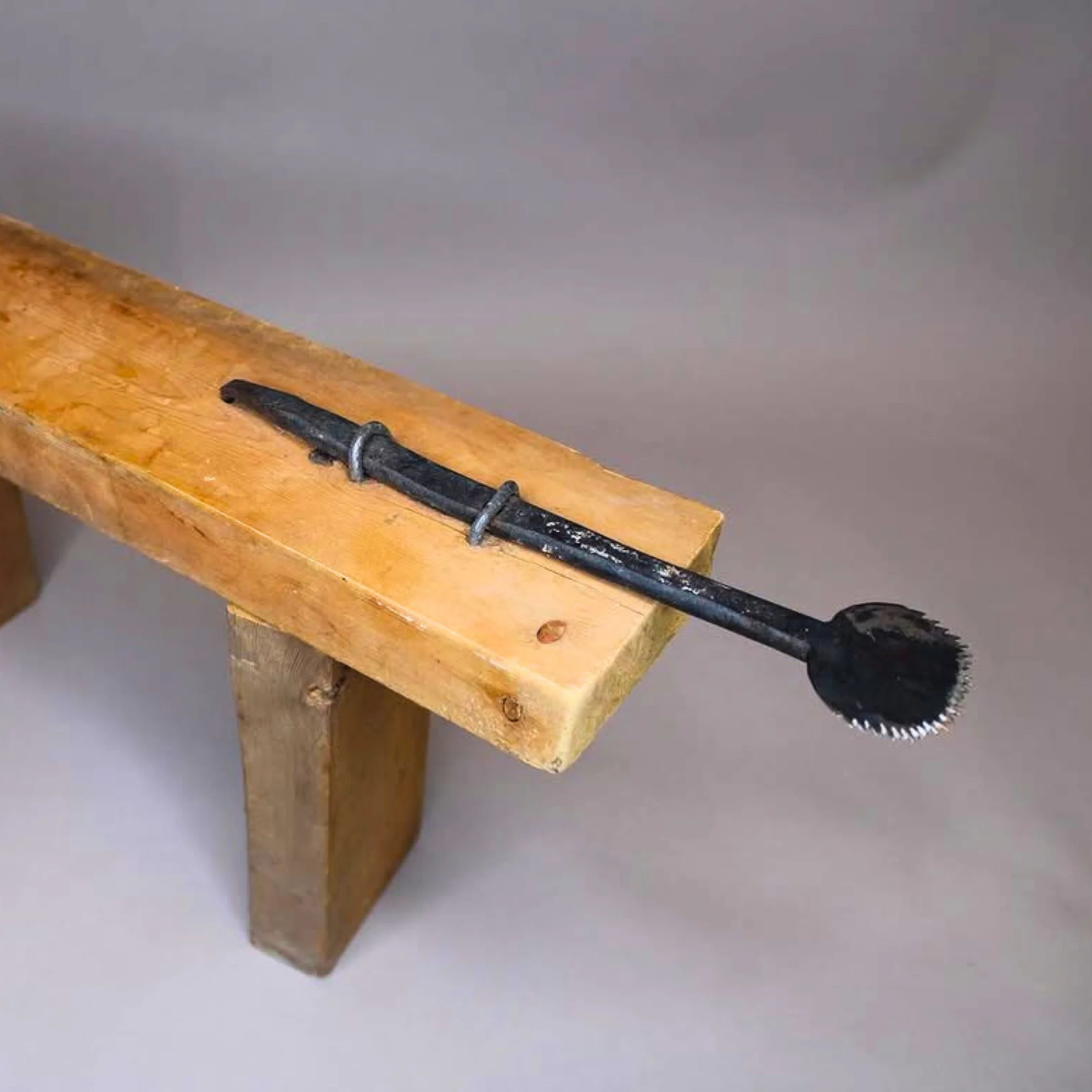
Mature coconuts can be too tough and firm to process by hand—for which reason kudkuran (from the Filipino verb kudkod or scrape) are a godsend. They’re used to grate coconut meat, and come as a low wooden bench with a serrated metal blade attached. A person would sit on the end of the bench and scrape the coconut against the blade, producing thin shreds of niyog (coconut meat) that can then be cooked into recipes or used to make gata (coconut milk).
2. Puto Molder
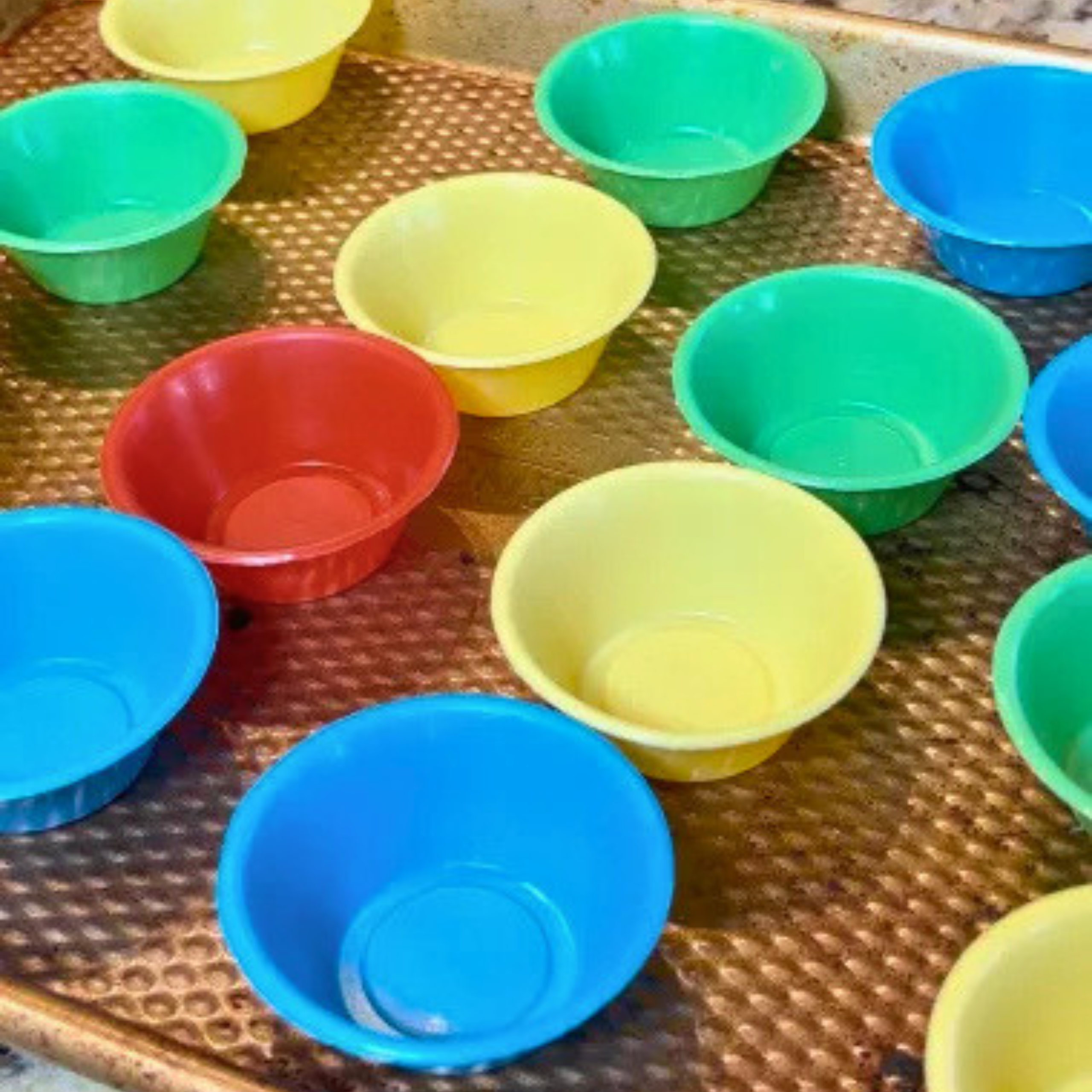
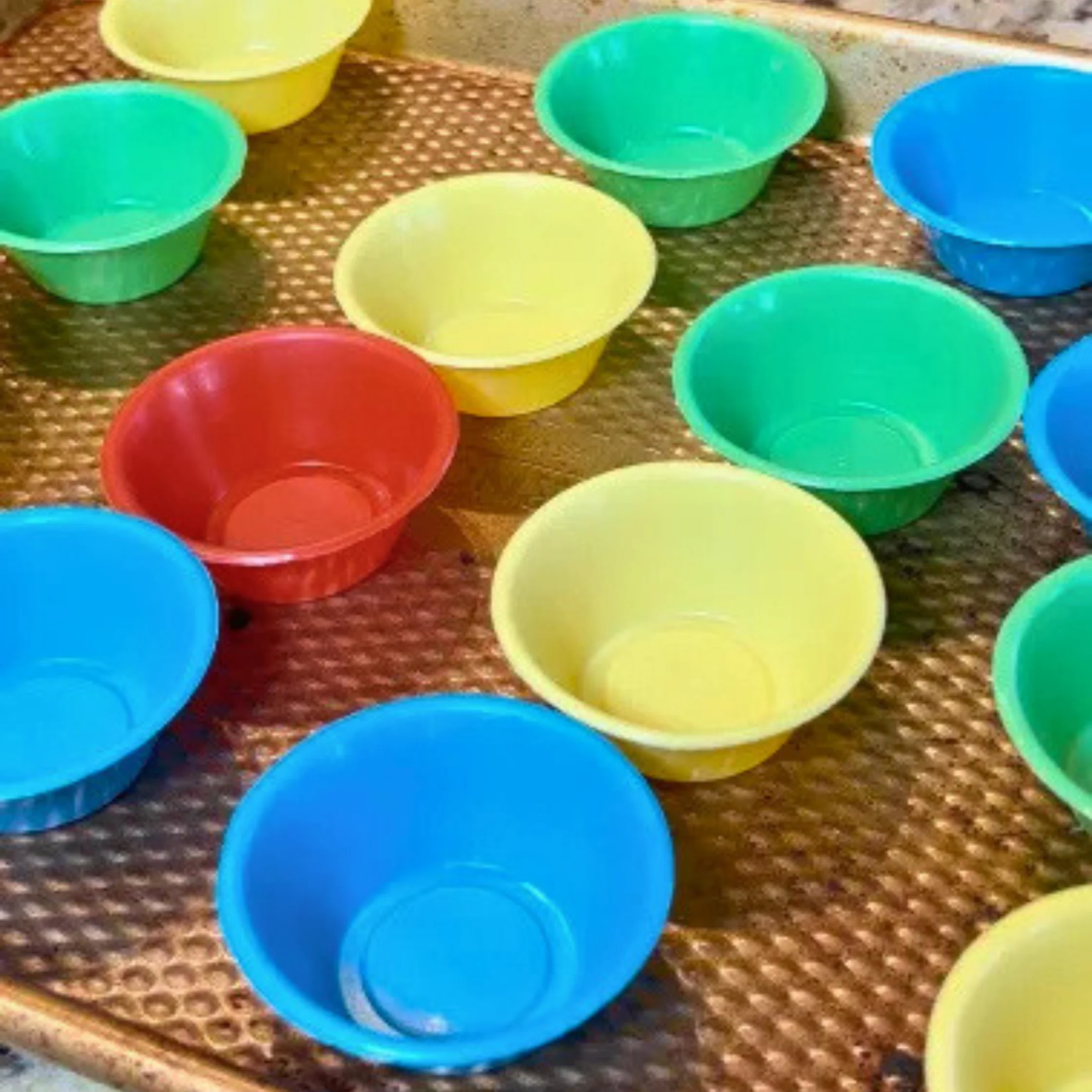
Good ol’ puto has a round, slightly domed appearance akin to shorter muffins, and cooks can consistently achieve the shape with the help of these plastic molders. These typically come as colorful cups, akin to freeform muffin molds that are more shallow in height, made of heat-resistant plastic, silicone, or aluminum. Because they come as individual cups instead of being locked in place in a tray, they can be freely arranged inside whatever the steamer or steamer contraption the cook is using.
3. Bibingkahan and Bibingka Ovens
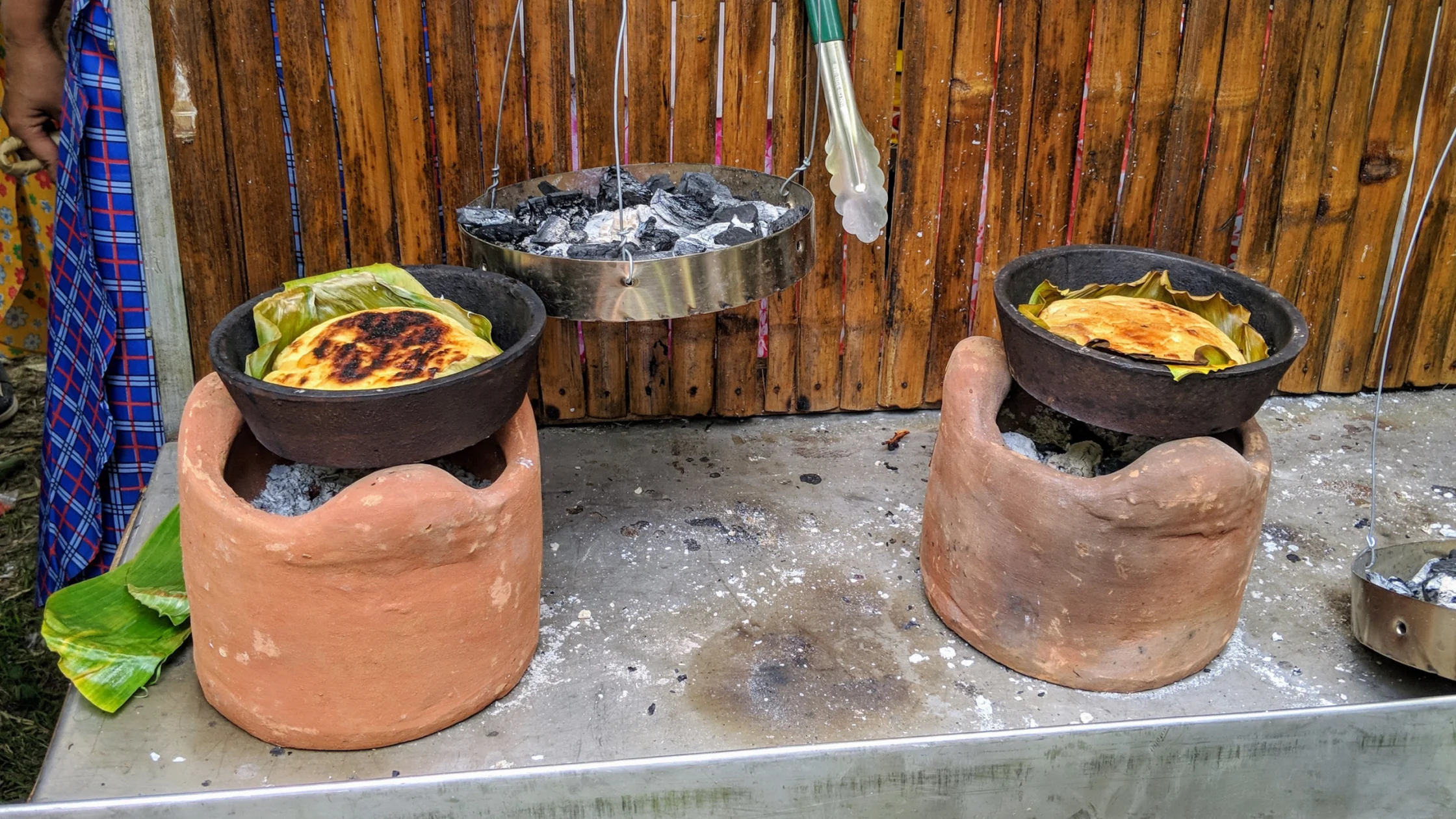
Nothing beats hot bibingkaBibingkaA soft rice cake traditionally baked in a clay pot lined with banana leaves, with coals above and below. Topped with salted egg, cheese, butter, and grated coconut, it isGo to Bibingka Glossary fresh out of the oven during the holidays, and many street vendors rely on bibingka-specific gadgets to make their rice cakes easily. The more traditional of the lot are clay pots lined with banana leaves, which use charcoal as their heat source, hence the smokiness characteristic of the Simbang Gabi treat. There are more modern electric contraptions, too, that allow cooks to bake more than one bibingka at a time.
4. Polvoron Mold
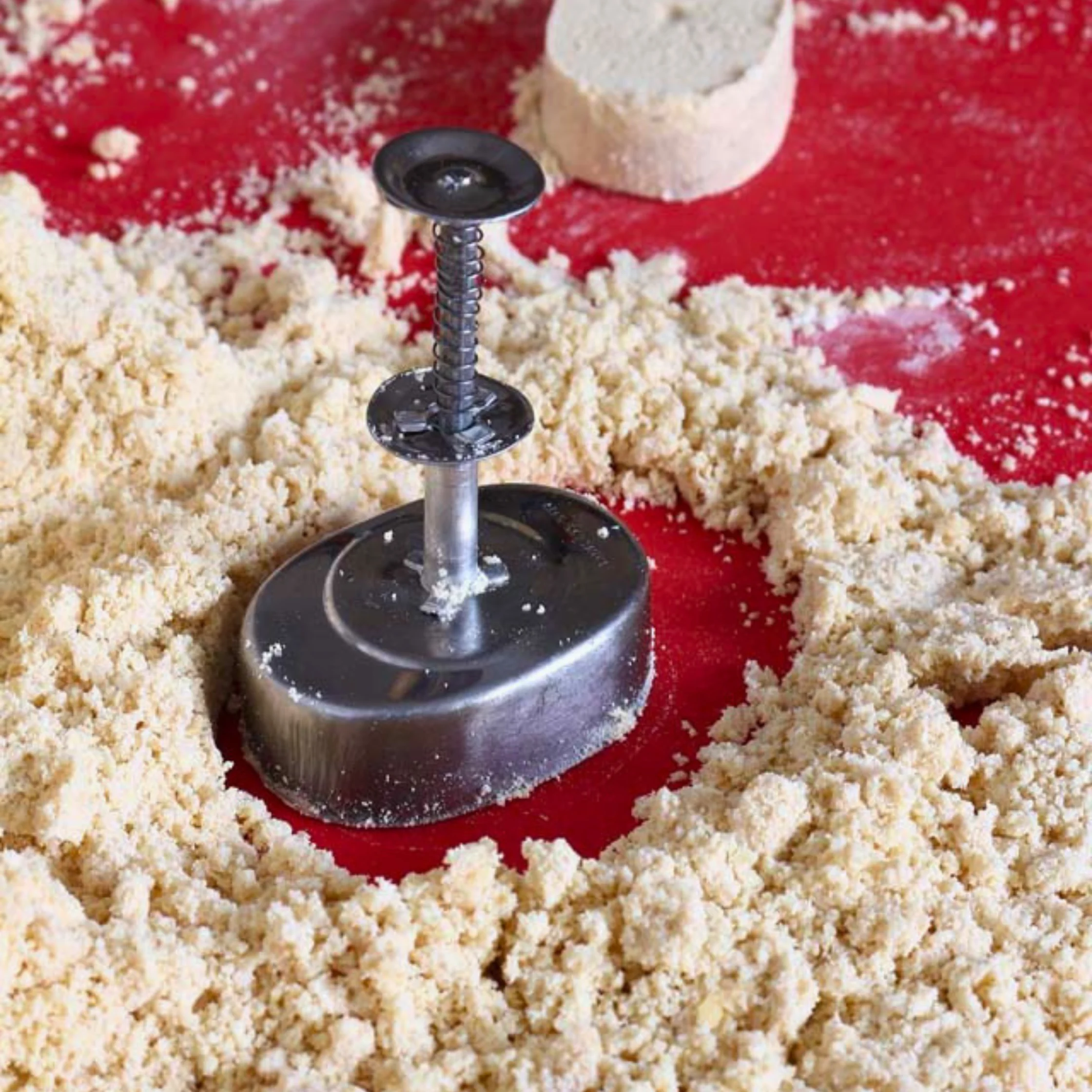
All polvoron begins as a loose, slightly moistened mix of toasted flour, powdered milk, softened or melted butter, plus other ingredients like crushed pinipig, nuts, or cookies. The mixture is pressed into slabs with the help of polvoron molds, made of stainless steel or aluminum, with a spring-loaded press at the top to release the packed mixture into rounds that hold their shape.
5. Batirol and Tsokolatera
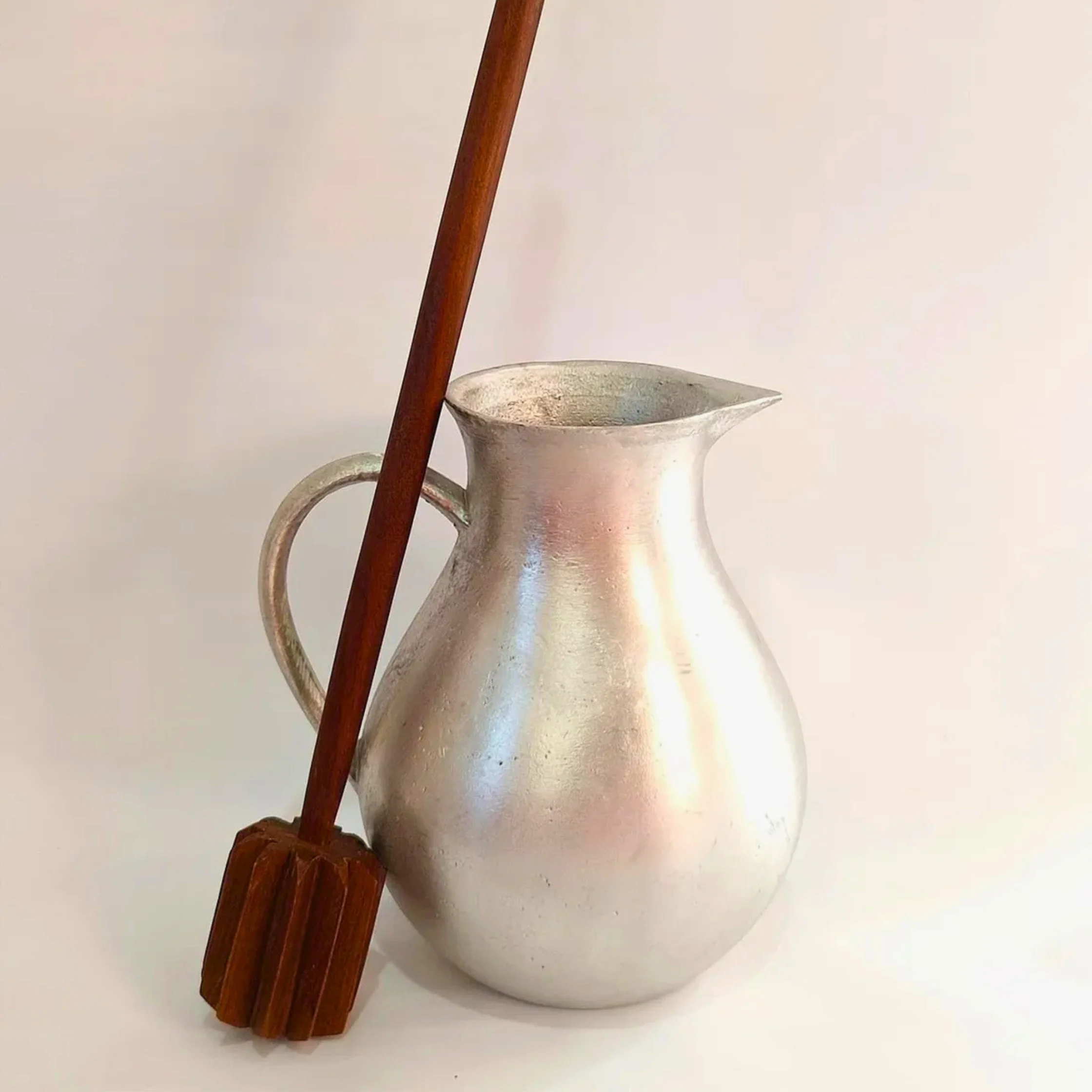
A sibling of the Mexican molinillo (though usually simpler in design), the batirol (or batidor) is a traditional tool used in making tsokolate. It’s made of wood and has a long handle. At the end is a bigger chunk of wood with a distinct shape that has ridges and other indentations carved in. When making the chocolate drink, the cooked tsokolate base is ladled into tsokolatera (traditional metal pitchers) for final whisking. Cooks insert the chunky end of the batirol into the tsokolatera, hold the batirol’s handle in their two hands, and twist it between their palms to further mix and aerate the liquid—producing a thick and frothy tsokolate that warms the spirits.
6. Palayok
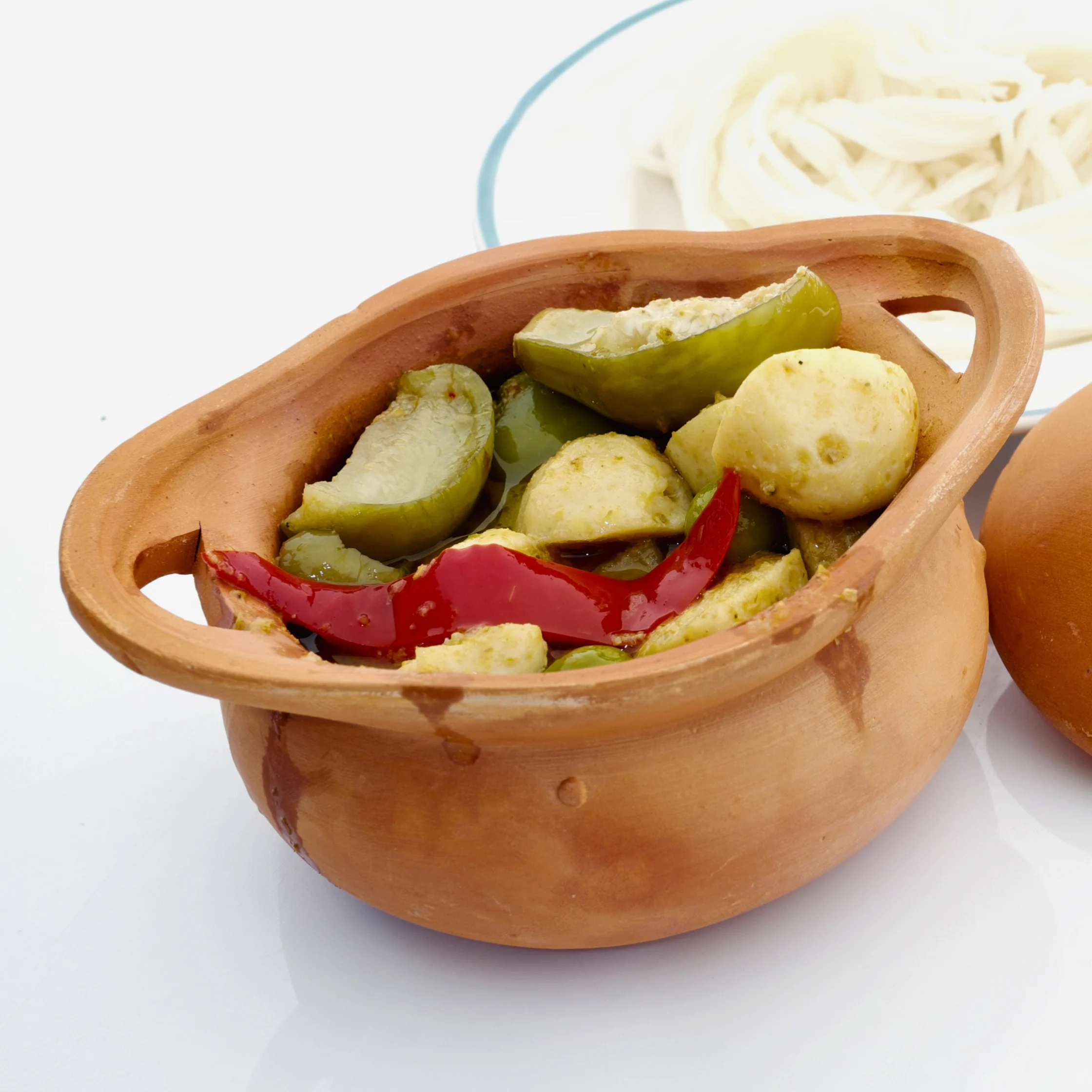
Also called kulon or anglit (based on the size), the palayok is is a round-bottomed, wide-mouthed cooking vessel made of claypot, perfect for simmering Filipino stews such as adoboAdoboThe Filipino dish of meat or seafood braised in vinegar, soy sauce, garlic, bay leaves, and peppercorns. Widely regarded as the national dish, adobo varies from home to home andGo to Adobo Glossary or sinigang. Apart from allowing steam to evaporate while keeping the juices locked in, the palayok also distributes heat evenly, which makes it ideal for low and slow cooking.
7. Bilao
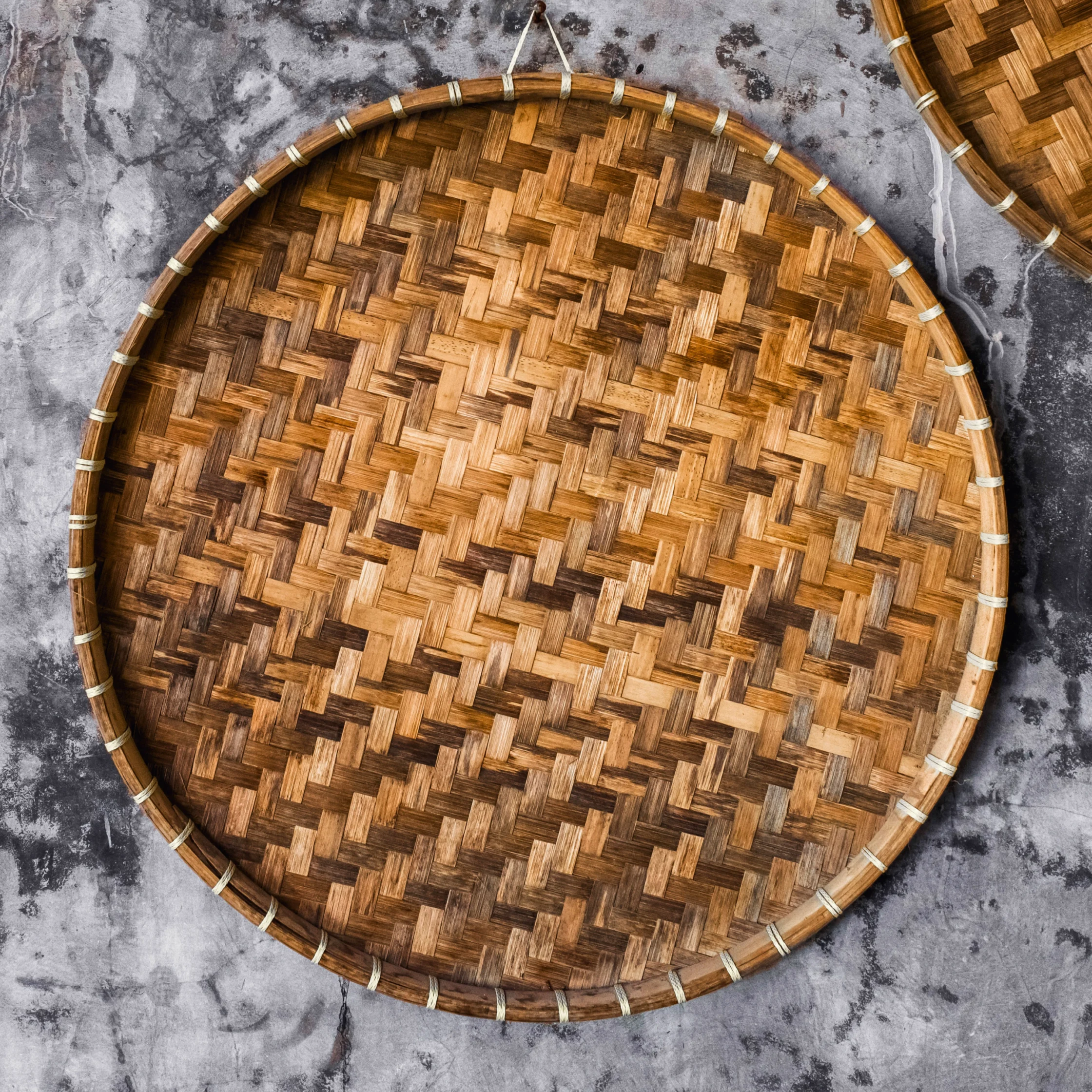
Bilao are shallow woven baskets that resemble round trays, made of bamboo or rattan. Primarily they’re used for winnowing, or filtering out unwanted particles from raw rice—tiny stones, dried beans, et cetera. But they’re also used as a serving tray of sorts for dishes like pancitPancitThe Filipino noodle dish, symbolizing long life and traditionally served at birthdays. Varieties abound, from everyday bihon and canton to regional specialties such as Quezon's habhab and Cagayan's pancit batilGo to Pancit Glossary, Pinoy BBQ, and lumpia for parties, fiestas, and other gatherings.

Frequently Asked Questions
Traditional Filipino kitchen tools are utensils and equipment specifically designed for preparing local dishes, many of which have been used for generations.
A kudkuran is a wooden coconut grater with a serrated metal blade used to scrape mature coconut meat.
Puto molders are used to shape steamed rice cakes into their signature round form.
A bibingkahan is a traditional clay oven or cooking setup used to bake bibingka, often using charcoal.
A batirol is a wooden whisk used to froth traditional Filipino hot chocolate or tsokolate.
A tsokolatera is a traditional metal pitcher used when preparing tsokolate.
A sianse is a Filipino wok spatula used for stir-frying and cooking.
A bilao is a woven bamboo tray traditionally used for winnowing rice and serving food.