



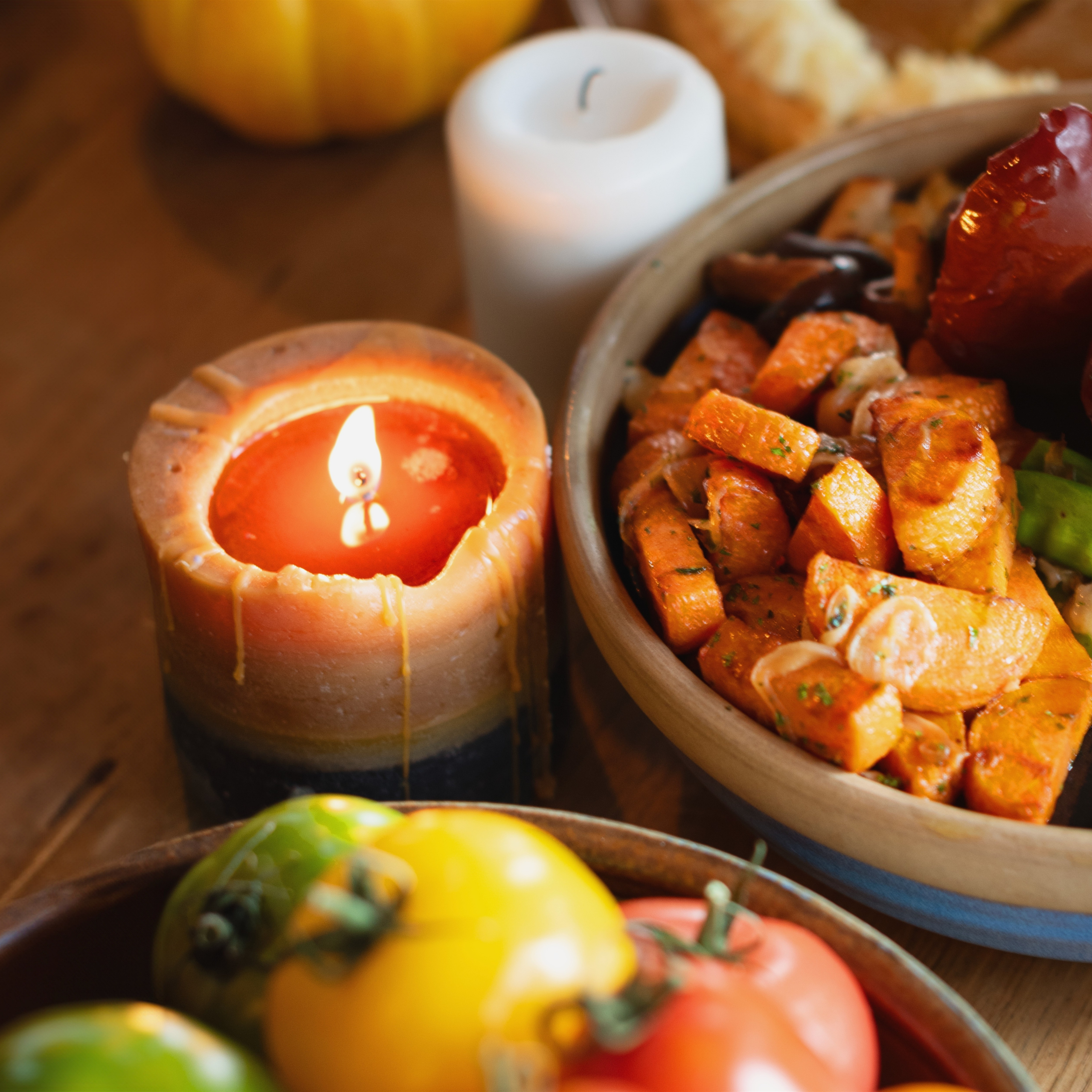
From dropped spoons predicting guests to the dark rules of serving pancit at wakes, discover the fascinating folk beliefs (pamahiin) that shape how Filipinos eat, celebrate, and gather.

Current and former chefs on entering F&B—and why they chose to stay or leave.
From restaurants we hope will earn their first Michelin Stars to rising chefs, standout neighborhood favorites, and culinary destinations beyond Metro Manila, food insiders share their predictions and wish list for the 2027 MICHELIN Guide Philippines.

Attaining food security remains to be a work in progress in the Philippines.
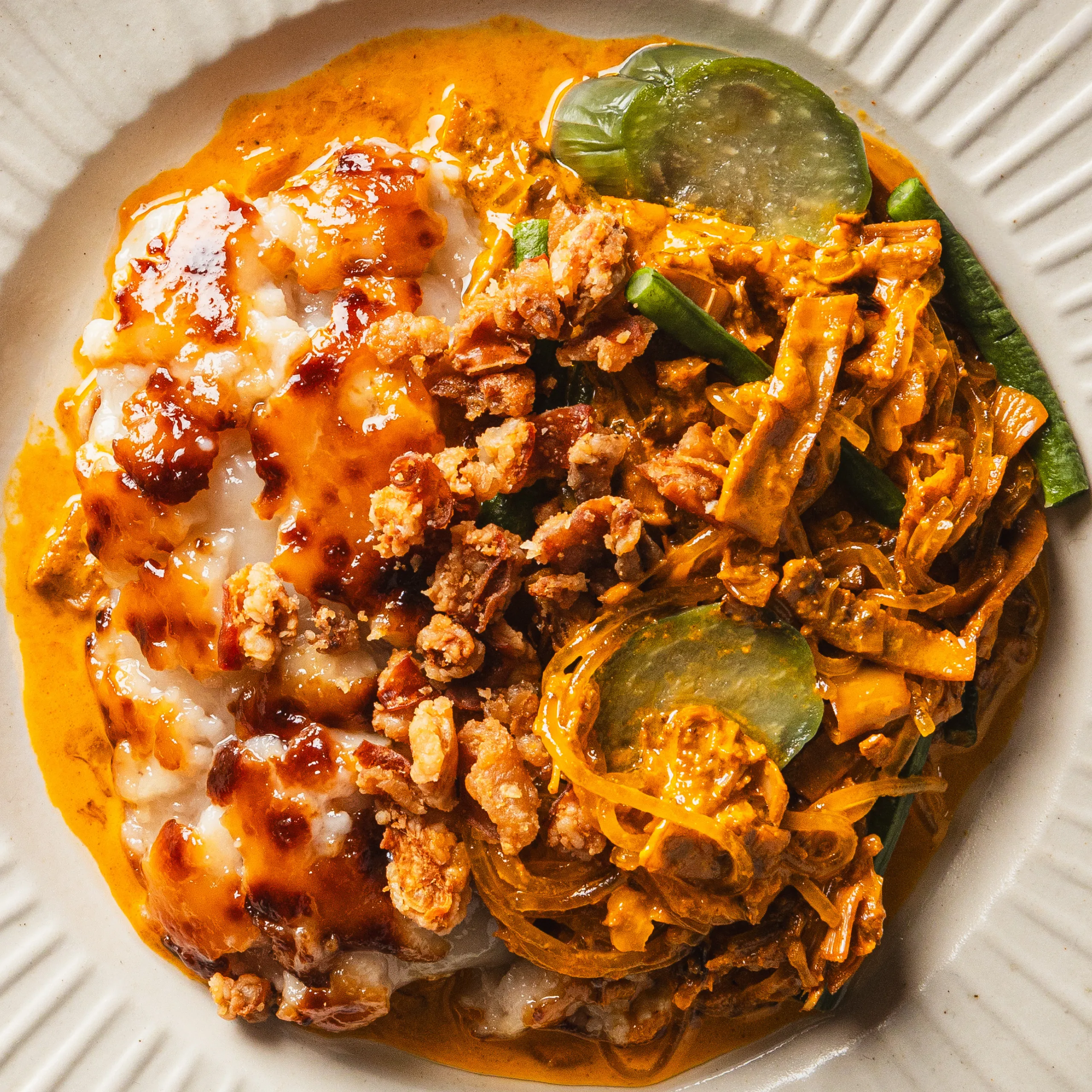
One woman is reviving the tradition with her own version that introduces a present-day twist.
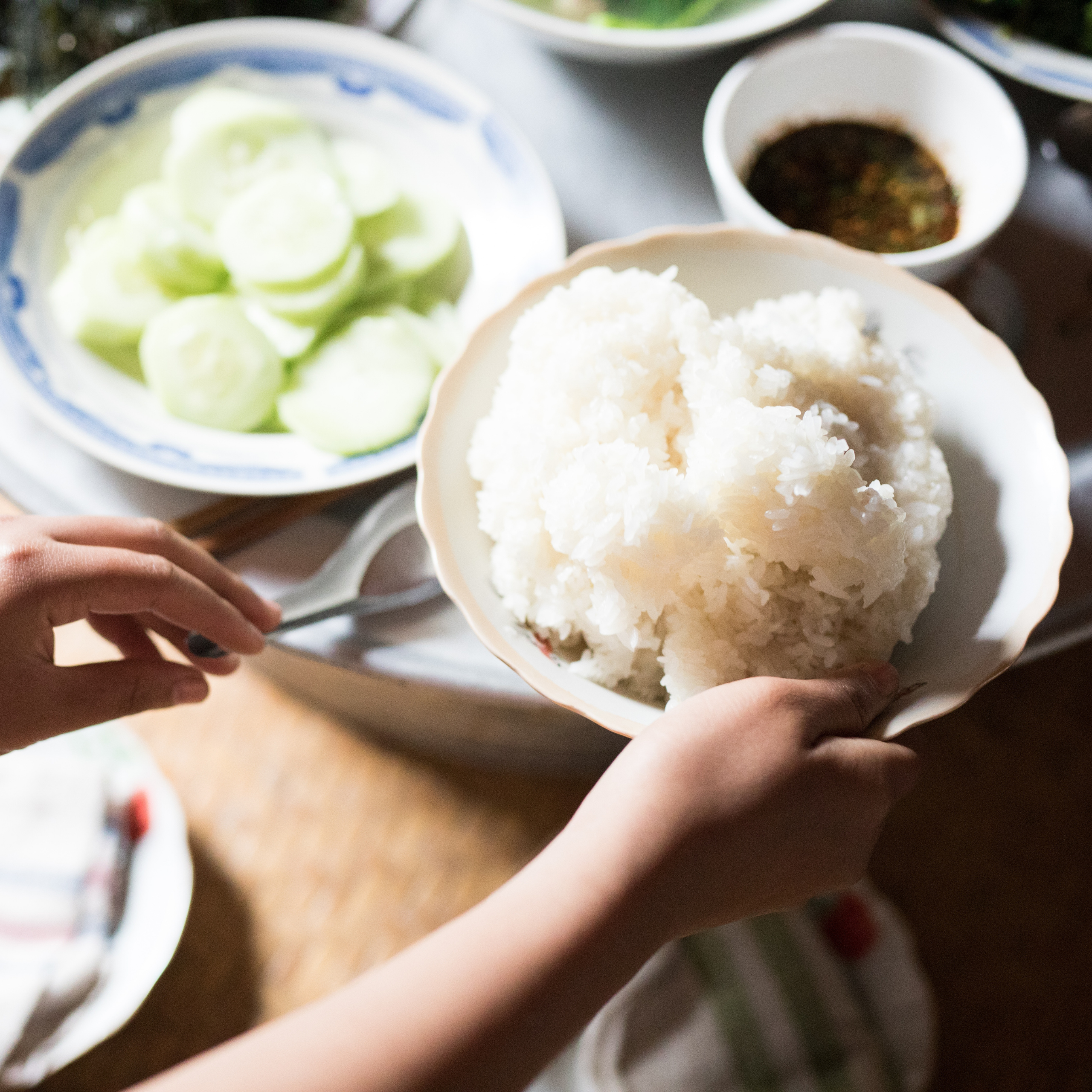
It’s a staple food in the Philippines for a reason.
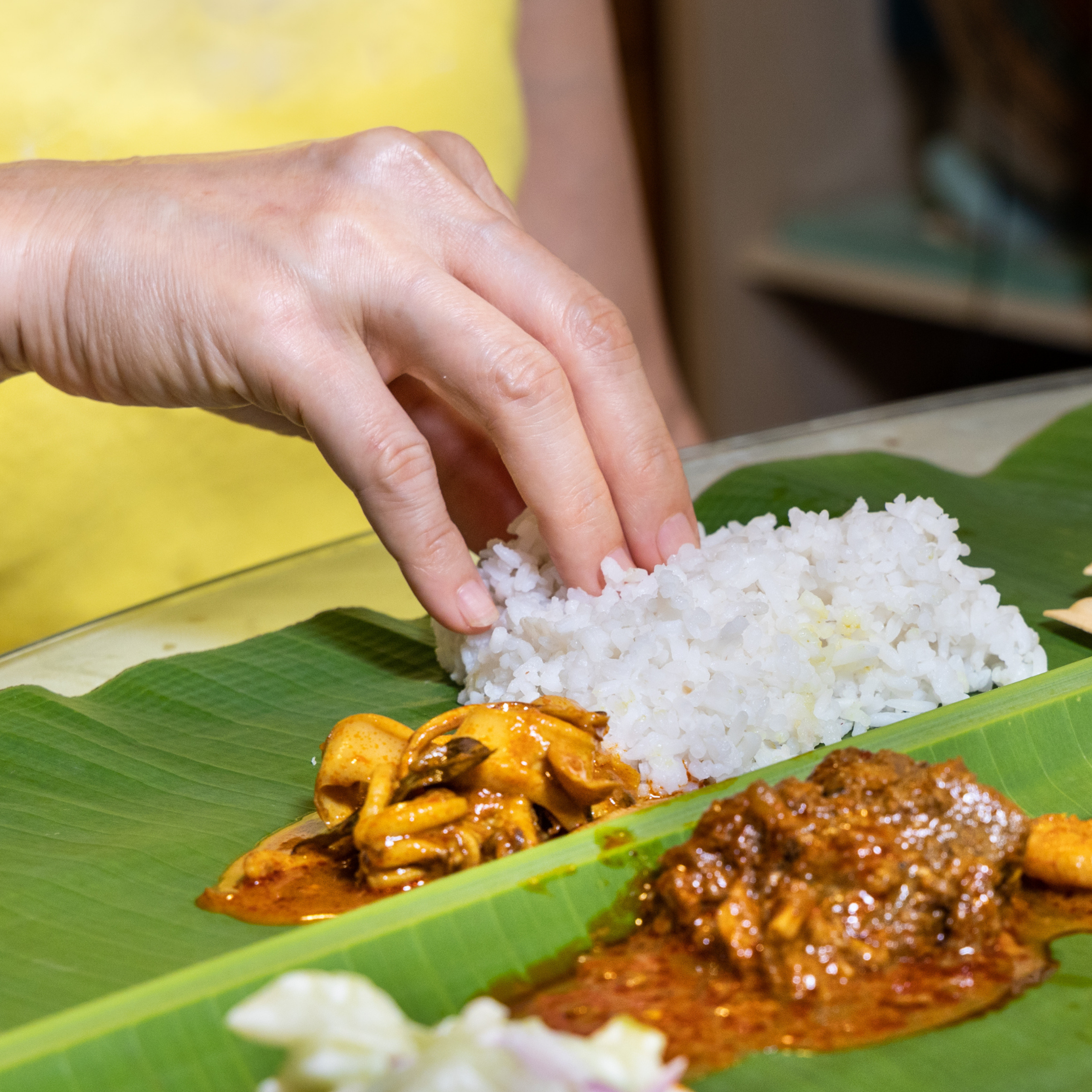
We love our spoons and forks, but bare-handed eating holds a special place in the Filipino heart.
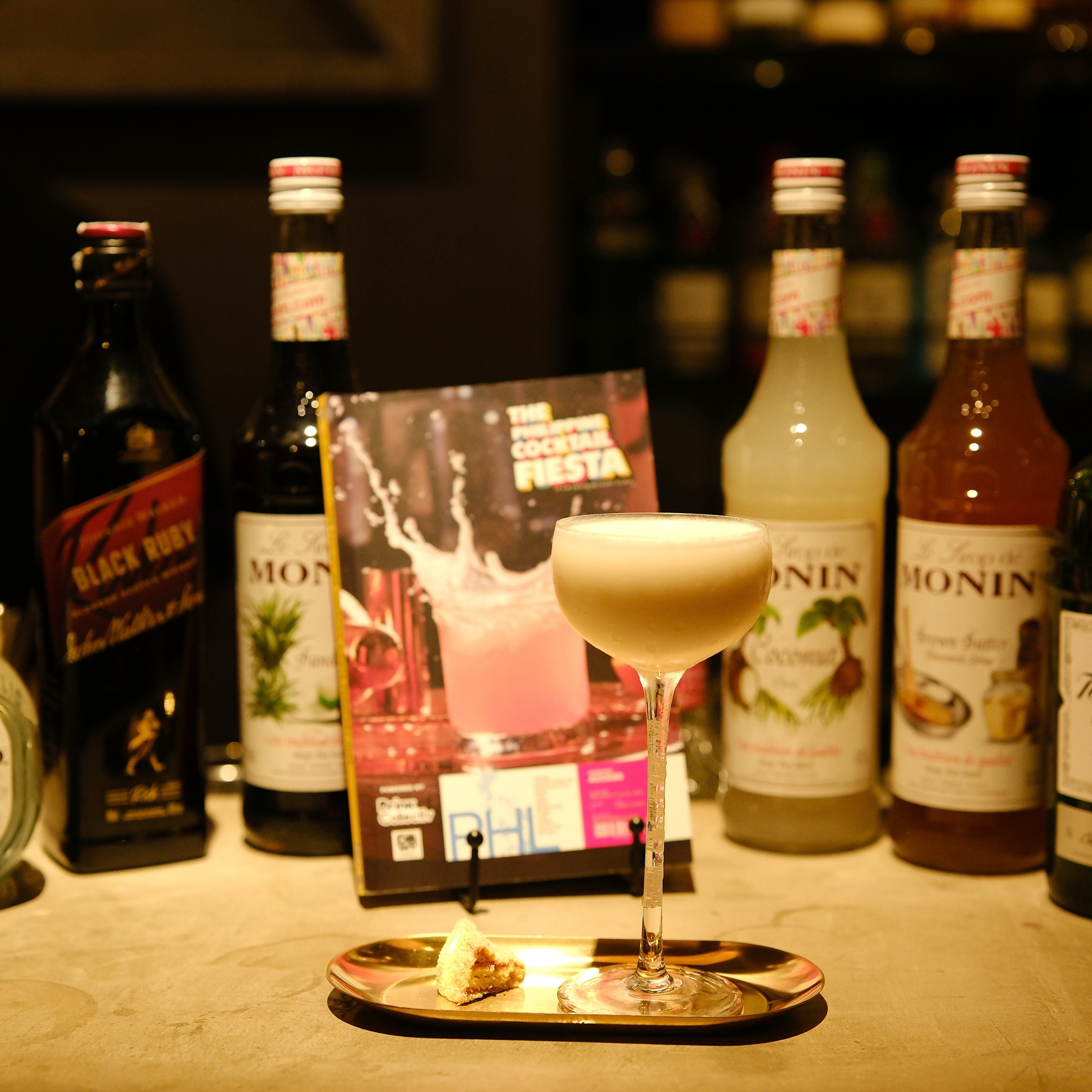
This year, the celebration takes the beverage scene South with crafted flavors unique to the Queen City.
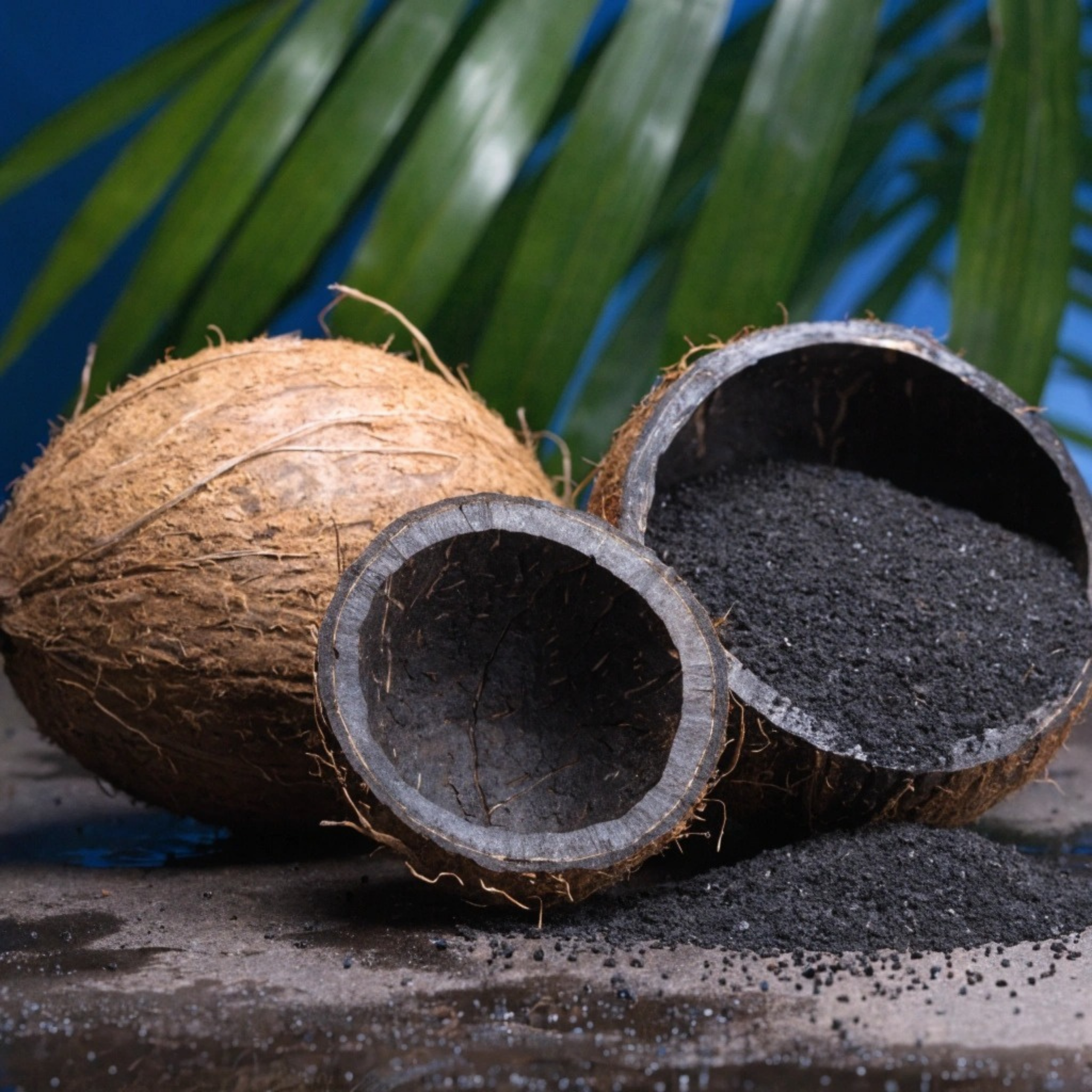
Coconut shell activated carbon has uses across industries like wastewater treatment, food and beverage processing, and more.