
Advertisement

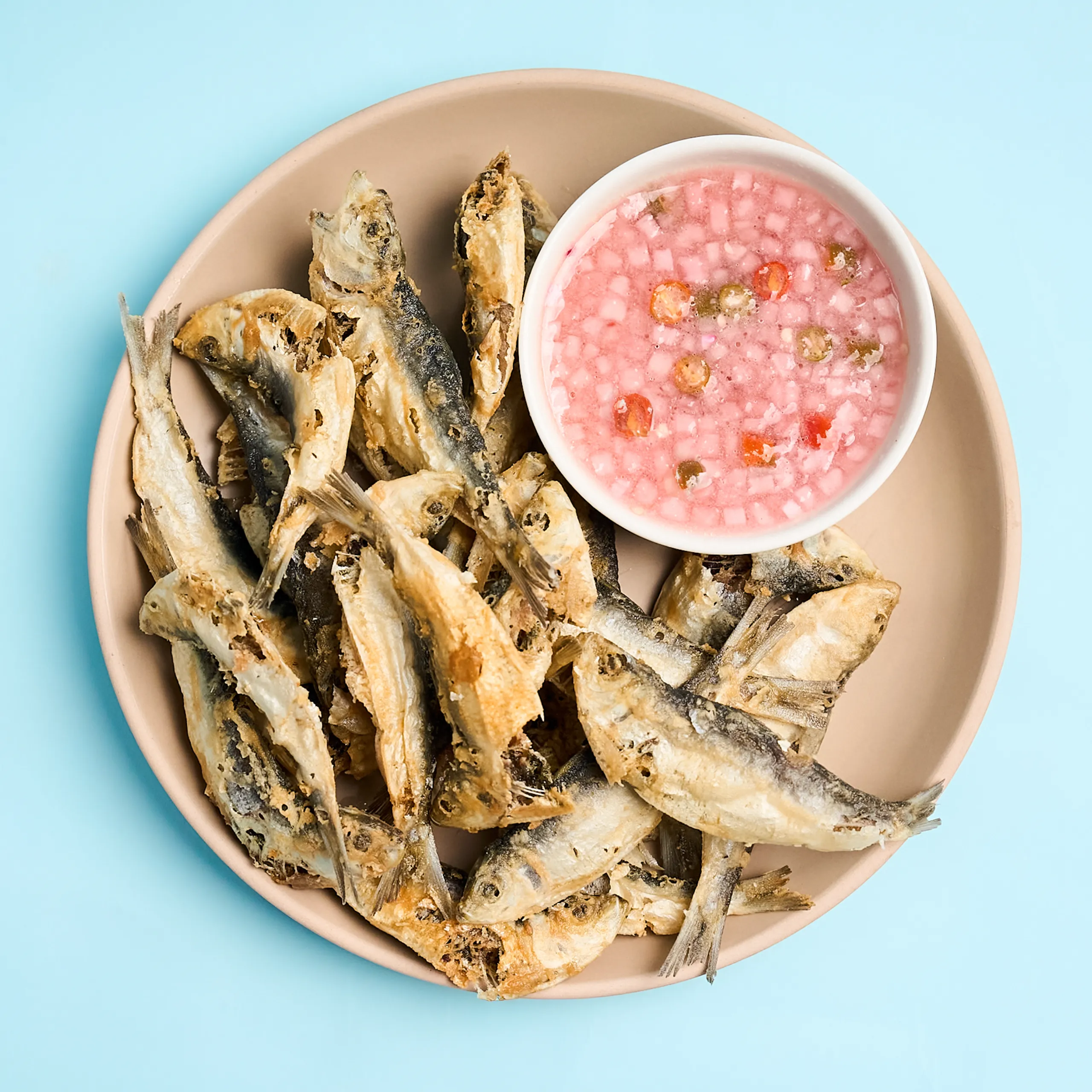
Fried Tawilis Recipe

PHOTO: KIERAN PUNA
YIELDS:
4 SERVING(S)
Prep Time:
10 MINS
Total Time:
30 MINS
Cal/Serv:
111

Nutritional Information

Calories 446 kcal
Fat 12 g
Saturated fat 3 g
Trans fat 0 g
Cholesterol 75 mg
Sodium 150 mg
Carbohydrates 50 g
Fiber 5 g
Sugar 3 g
Protein 30 g
Vitamin D 5 µg
Calcium 110 mg
Iron 5 mg
Potassium 696 mg

Note: The information shown is Edamam's estimate based on available ingredients and preparation. It should not be considered a substitute for a professional nutritionist's advice.

Introduction

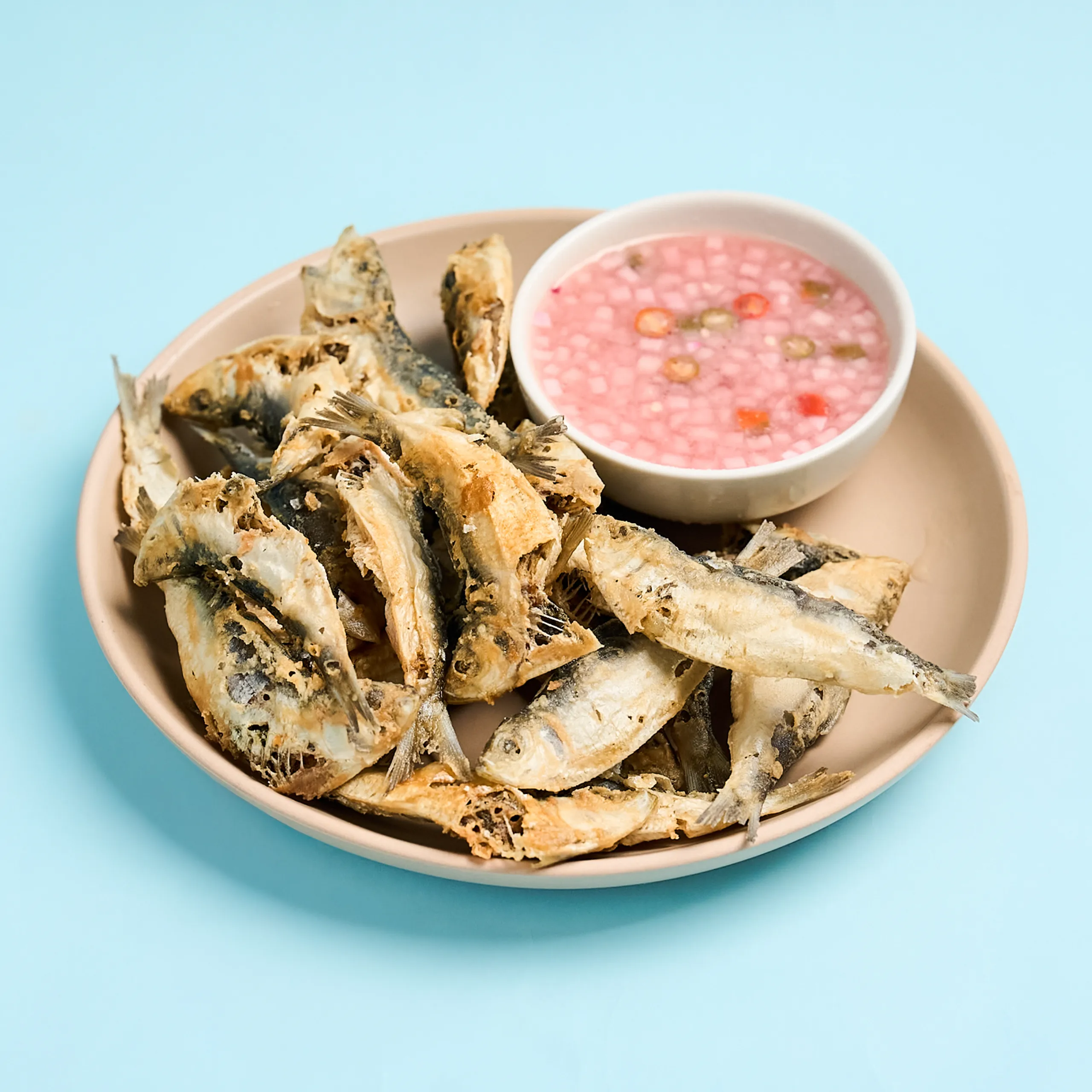
Fried Tawilis is a simple yet flavorful Filipino dish that highlights the natural taste and crisp texture of tawilis, a small freshwater sardine traditionally found in the waters of Batangas. Coated in a seasoned cornstarch or flour mixture and fried until golden and crunchy, this dish is perfect as an appetizer, pulutan, or main course served with steamed rice. The tangy vinegar dipping sauce with onions and chili adds a delicious contrast that complements the crispy fish.

Recipe Tips For Best Results

Pat the fish completely dry before coating for extra crispiness. Cornstarch creates a lighter, crunchier crust, while flour produces a slightly heartier coating. Avoid overcrowding the pan to maintain the oil temperature. For even crispier fish, double-fry for 1–2 minutes after the initial fry. Serve immediately after cooking for the best texture.

Ingredient Substitutions

If tawilis isn’t available, you can substitute it with other small fish such as dilis (anchovies), fresh sardines, smelt, or similar varieties that crisp up well when fried. While the flavor and texture may vary slightly, these alternatives work just as well and capture the same savory appeal.

For the coating, all-purpose flour can be used in place of cornstarch, though combining the two creates an even crispier crust. Rice flour is another excellent option, especially if you prefer a lighter, crunchier finish. If you like a bit of heat, bird’s eye chilies or green chilies can easily replace red chilies, or simply omit them altogether for a milder version that’s more family-friendly. As for the vinegar, don’t feel limited to one type—coconut vinegar and cane vinegar both make excellent substitutes, each lending its own subtle character. Coconut vinegar offers a softer, slightly fruity acidity, while cane vinegar delivers a brighter, cleaner tang, allowing you to tailor the sauce to your taste.

Ingredients

  • 0.5 Cup vinegar
  • 1 Small onion, diced
  • 1 Piece red chili, chopped
  • 1 Teaspoon ground black peppercorn
  • 1 Teaspoon brown sugar
  • salt and pepper to taste
  • 500 Gram freshwater herring (tawilis)
  • 1.5 Cup all-purpose flour
  • 1 Teaspoon paprika
  • cooking oil for frying
Keep screen awake

Directions

Dipping sauce and coat the tawilis

Step 1

In a small, clean bowl, pour the vinegar and add the diced onion, sliced red chili, sugar, salt, and pepper. Using a spoon, gently stir the ingredients together until the sugar and salt begin to dissolve and the seasonings are evenly distributed throughout the mixture. Continue mixing to allow the onion and chili to release their flavors, creating a balanced blend of tangy, sweet, and slightly spicy notes. Let the mixture sit for a few minutes to allow the flavors to develop and combine before serving. This simple vinegar mixture can then be used as a flavorful dipping sauce or accompaniment to enhance the taste of the dish.

Step 2

Using a spoon, stir the mixture thoroughly until the sugar is completely dissolved and no visible granules remain at the bottom of the bowl. Continue mixing gently to ensure that the sugar, salt, and other seasonings are evenly blended with the vinegar. This step allows the flavors to combine properly, creating a smooth and well-balanced mixture with the right amount of sweetness, acidity, and seasoning. Make sure to stir evenly so that all ingredients are fully incorporated before proceeding to the next step.

Step 3

After mixing the ingredients thoroughly, set the mixture aside for a few minutes to allow the flavors to blend and develop fully. During this resting period, the vinegar will absorb the flavors from the onion, chili, and seasonings, creating a more balanced and flavorful taste. Allowing the mixture to sit also helps soften the sharpness of the vinegar while enhancing the overall aroma and depth of the sauce. Keep it covered or placed in a clean area until it is ready to be served or used in the next step of the preparation.

Step 4

After cleaning the tawilis thoroughly, place them on a clean plate or tray lined with paper towels. Gently pat each fish dry using additional paper towels to remove excess water and moisture from the surface. Make sure to handle the tawilis carefully to avoid damaging the delicate flesh. Drying the fish properly helps prepare it for the next cooking step, allowing seasonings to adhere better and helping achieve a more desirable texture when cooked. Continue patting until the fish is no longer dripping and the surface feels dry to the touch.

Step 5

In a large, clean mixing bowl, combine the cornstarch or flour with the paprika, salt, and pepper. Using a spoon or whisk, gently mix the dry ingredients together until the seasonings are evenly distributed throughout the coating mixture. Make sure that the paprika, salt, and pepper are well incorporated with the cornstarch or flour to create a balanced blend of flavors. This seasoned coating will help add a light, crispy texture and enhance the overall taste of the tawilis once it is cooked. Set the mixture aside and prepare it for coating the fish in the next step.

Step 6

Place the cleaned and dried tawilis into the bowl containing the seasoned coating mixture. Gently toss the fish using your hands or a spoon until each piece is evenly covered with the cornstarch or flour mixture. Make sure that the coating reaches all sides of the fish, including the outer surface, to help create a light and crispy texture when cooked. Shake off any excess coating to prevent the fish from becoming too thick or unevenly coated. Continue coating the remaining tawilis until all pieces are properly seasoned and ready for frying.

Fry the fish

Step 1

Pour enough cooking oil into a deep frying pan to allow the tawilis to cook properly while being fully exposed to the hot oil. Place the pan over medium-high heat and allow the oil to heat gradually until it reaches the right temperature for frying. Make sure the oil is hot enough before adding the fish to help create a crisp outer coating while keeping the inside tender and flavorful. Avoid heating the oil over extremely high heat, as this may cause the coating to burn before the fish is fully cooked. Once the oil is ready, carefully proceed with frying the coated tawilis.

Step 2

Once the cooking oil has reached the proper temperature, carefully place the coated tawilis into the pan in small batches to avoid overcrowding. Frying the fish in batches allows the oil to circulate evenly around each piece, helping achieve a crisp and evenly cooked texture. Cook the tawilis for approximately 8 to 10 minutes, turning them occasionally if needed, until the coating becomes golden brown and the fish reaches a crispy and appetizing finish. Keep an eye on the heat while frying to maintain a consistent temperature and prevent the coating from burning. Once fully cooked, the tawilis should have a crunchy exterior while remaining tender and flavorful inside.

Step 3

Once the tawilis are cooked and have reached a golden brown and crispy texture, carefully remove them from the hot oil using a slotted spoon or frying utensil. Allow the excess oil to drip off for a few seconds before transferring the fish to a wire rack or a plate lined with clean paper towels. Letting the tawilis drain properly helps remove any remaining oil, keeping the coating crisp and preventing the fish from becoming overly greasy. Arrange the pieces in a single layer to allow air to circulate and maintain their crunchy texture. Allow them to rest briefly before serving while they are still warm and flavorful.


Fried tawilis
PHOTO: KIERAN PUNAY

Alexander Villarante

Recipe Developer

Alexander Villarante is a passionate culinary professional with more than 15 years of experience in the hospitality industry, having built his career in prestigious five-star luxury hotels abroad. He studied Culinary Arts at the Singapore Boston Business School, where he developed a strong foundation in both classical and modern culinary techniques. Throughout his career, he has worked alongside talented chefs from diverse cultural backgrounds, refining his skills and gaining extensive experience in creating exceptional dining experiences. His dedication to excellence has earned him recognition in the competitive culinary scene. Alexander participated in the Philippine Culinary Cup, where he received several citations for his creativity, technical expertise, and commitment to his craft. These achievements reflect his passion for continuous learning and his pursuit of culinary excellence.


Frequently Asked Questions

Excess moisture on the fish or oil that is not hot enough can prevent crisping. Pat the fish dry and ensure the oil reaches frying temperature before cooking.

Excess moisture on the fish or oil that is not hot enough can prevent crisping. Pat the fish dry and ensure the oil reaches frying temperature before cooking.

Yes. Lightly spray the coated fish with oil and air-fry at 200°C (400°F) for 8–12 minutes, turning halfway through, until crispy.

Steamed rice, garlic rice, ensaladang talong (eggplant salad), tomato salad, or pickled vegetables pair wonderfully with this dish.

0 0 votes
Total of Ratings
guest
Rating
Ratings for Article
0 Comments
Oldest
Newest Most Voted

To provide a customized ad experience, we need to know if you are of legal age in your region.

By making a selection, you agree to our Terms & Conditions.