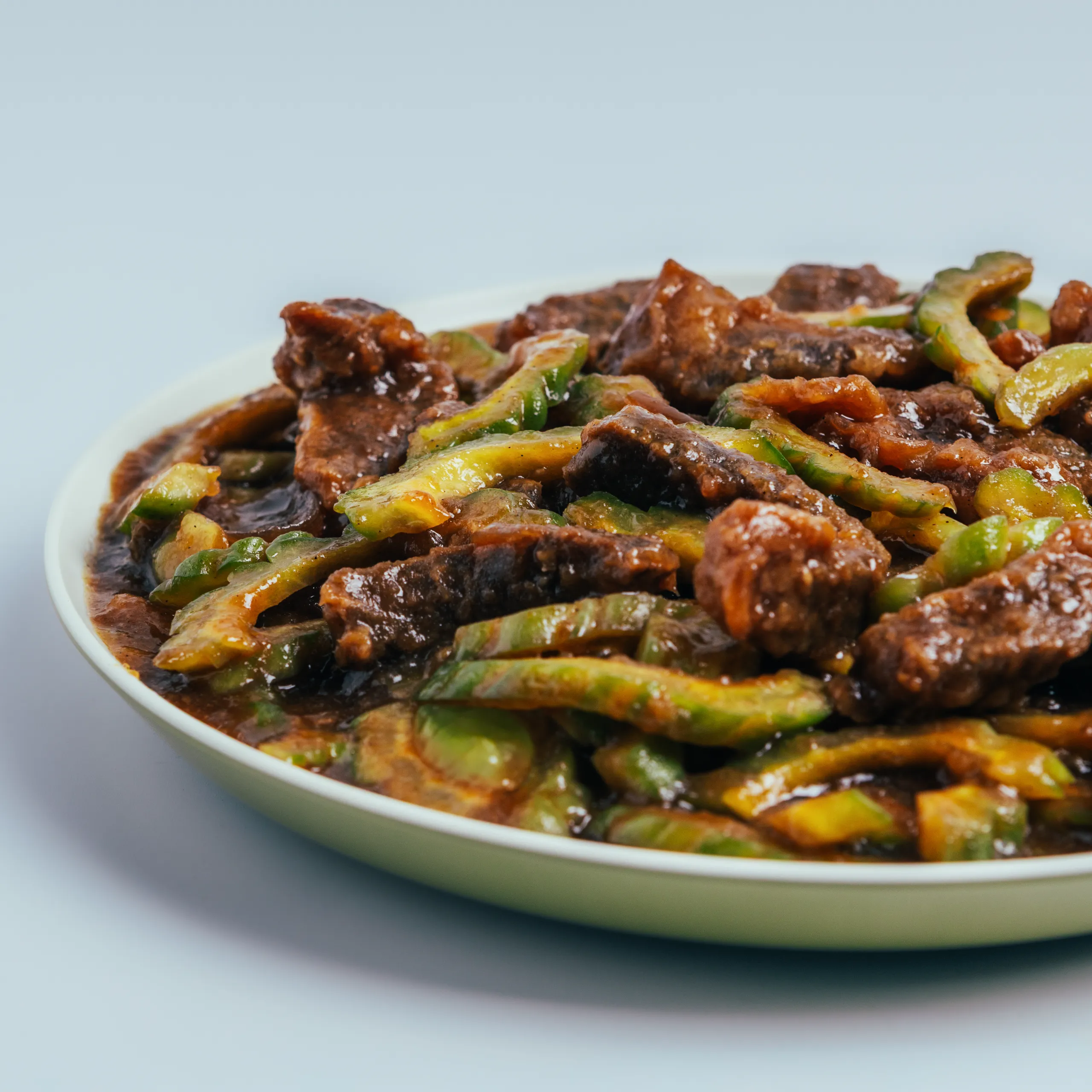


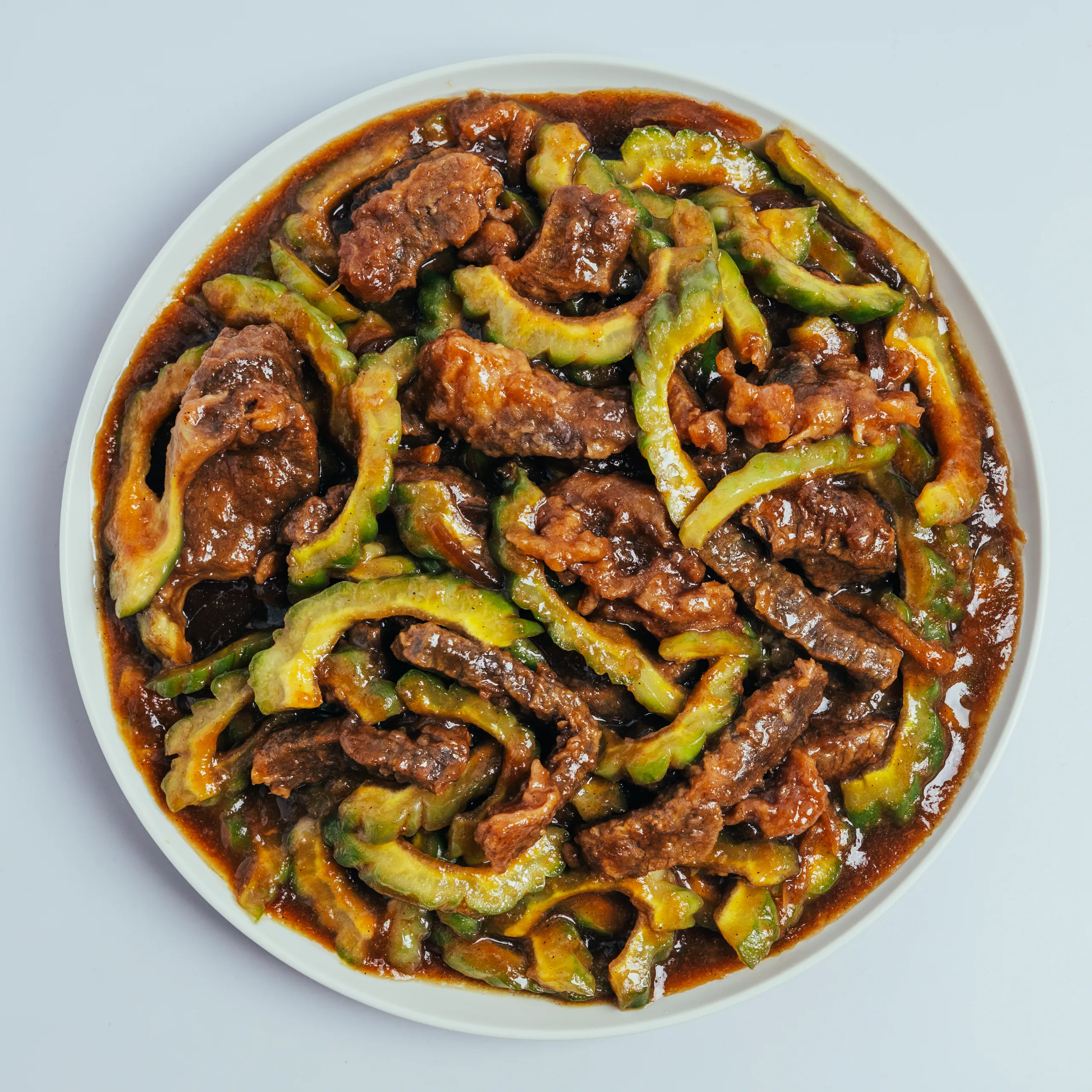
Beef Ampalaya is a delicious Filipino stir-fry that perfectly balances tender, crispy beef with the distinctive flavor of fresh ampalaya, also known as bitter melon. While ampalaya is known for its slightly bitter taste, this recipe combines savory oyster sauce, soy sauce, garlic, onions, and ginger to create a rich and flavorful dish that even those who aren’t usually fans of bitter melon can enjoy.
One of the highlights of this recipe is the lightly fried beef. Coating the beef in cornstarch before frying creates a delicate crispy exterior while keeping the inside tender and juicy. Once tossed with the vegetables and savory sauce, the beef absorbs all the delicious flavors without losing its satisfying texture.
This dish is perfect for busy weeknights because it comes together fairly quickly once the ingredients are prepared. Served with a bowl of hot steamed rice, Beef Ampalaya makes a hearty lunch or dinner that’s packed with protein and vegetables. Whether you’re looking for a new way to enjoy bitter melon or simply want to add another classic Filipino stir-fry to your meal rotation, this recipe is sure to become a favorite.
Understanding the Ingredients
Beef Sirloin or Flank Steak
Both sirloin and flank steak work well because they can be sliced thinly and cooked relatively quickly.
Flank steak has a strong beef flavor and a more pronounced grain, while sirloin is generally a little more tender.
Regardless of the cut, slicing the beef correctly is important.
Always look at the direction of the muscle fibers and slice against the grain. This shortens the muscle fibers and makes the beef easier to chew.
Cornflour
Cornflour creates a light coating around the beef.
Depending on the product available in your area, “cornflour” may refer to a fine corn-based flour rather than cornstarch. If your intention is to create the light, crisp coating commonly used for fried beef, cornstarch is often the more reliable choice.
If using actual corn flour, expect a somewhat different texture.
Cooking Oil
A neutral oil is ideal for frying the beef.
Vegetable, canola, sunflower, or other neutral cooking oils can work well.
Garlic
Garlic provides a deep savory aroma and is one of the foundational flavors in Filipino cooking.
Onion
Onion contributes sweetness as it cooks and helps soften the sharp flavors of the ampalaya and sauces.
Ginger
Ginger adds warmth and freshness.
Its aromatic quality is particularly useful in a dish containing both beef and bitter melon.
Ampalaya
Ampalaya is the defining ingredient.
Its bitterness comes from naturally occurring compounds in the fruit. Some people love this bitterness immediately, while others need time to appreciate it.
Thinly slicing the ampalaya allows it to cook quickly and distribute more evenly throughout the dish.
Oyster Sauce
Oyster sauce contributes sweetness, saltiness, and umami.
It gives the sauce body and helps balance the bitter vegetable.
Soy Sauce
Soy sauce contributes saltiness and savory depth.
Because oyster sauce can already contain substantial sodium, use soy sauce carefully and taste before adding additional salt.
Beef Broth or Water
Beef broth gives the sauce more depth, while water creates a lighter result.
If you have homemade or low-sodium beef broth available, it is an excellent choice.
Cornstarch Slurry
The cornstarch slurry thickens the sauce.
Mixing the cornstarch with cold water before adding it to the hot pan helps prevent lumps.
Sesame Oil
Only a small amount is needed.
Sesame oil has a strong aroma, so ½ teaspoon is enough to add a noticeable nutty fragrance.
Recipe Tips
- Slice the beef as thinly as possible for quicker cooking and a more tender bite.
- Freeze the beef for about 20 minutes before slicing to make cutting thin, even slices much easier.
- Fry the beef in small batches to maintain the oil temperature and achieve a crisp coating.
- Avoid overcrowding the pan while frying, as this can cause the beef to steam instead of crisp.
- Don’t overcook the ampalaya. A quick stir-fry helps preserve its slight crunch and prevents excessive bitterness.
- Salting the ampalaya before cooking helps reduce bitterness, but don’t leave it too long or it may lose some of its texture.
- Fresh ginger adds brightness and helps balance the richness of the beef and sauce.
- Stir the cornstarch slurry just before adding it to the pan since cornstarch settles quickly.
- Add the sesame oil at the end of cooking to preserve its nutty aroma.
- Serve immediately for the best combination of crispy beef and fresh vegetables.
Ingredient Substitutions
Beef Sirloin or Flank Steak
You can substitute ribeye, tenderloin, top round, or even thinly sliced beef intended for stir-frying. Ground beef may also work for a different version, although the texture will be quite different.
Ampalaya
If bitter melon isn’t available or you prefer a milder vegetable, substitute zucchini, chayote, broccoli, green beans, or bok choy. While these alternatives won’t have the signature bitterness of ampalaya, they pair well with the savory sauce.
Oyster Sauce
If you don’t have oyster sauce, you can use hoisin sauce for a slightly sweeter flavor or a mushroom-based vegetarian oyster sauce as an alternative.
Soy Sauce
Light soy sauce works best, but low-sodium soy sauce can be used if you prefer to reduce the saltiness. Tamari is also a good gluten-free option if needed.
Cornstarch
Potato starch or tapioca starch can be used in place of cornstarch for coating the beef and thickening the sauce.
Sesame Oil
If sesame oil isn’t available, simply omit it or finish the dish with a small drizzle of chili oil for a little heat and extra flavor.
Aromatics
Shallots can replace onions, and garlic powder or ginger paste may be used if fresh ingredients are unavailable, though fresh aromatics provide the best flavor.
How to Reduce the Bitterness of Ampalaya
The bitterness of ampalaya is completely natural, and many people actually consider it the most enjoyable part of the vegetable.
However, if you are still learning to appreciate it, there are several ways to make the flavor gentler.
Salt method
After slicing the ampalaya, sprinkle it lightly with salt.
Let it rest for about 10–15 minutes.
You may notice liquid being drawn from the vegetable.
Rinse it well afterward and squeeze it gently to remove excess moisture.
Blanching method
Place the sliced ampalaya briefly in boiling water.
Drain it immediately and rinse with cool water.
This can mellow the bitterness.
Choose younger ampalaya
Younger, smaller bitter melons can sometimes have a less aggressive bitterness than very mature ones, although flavor varies.
Balance rather than eliminate
Instead of trying to remove all bitterness, you can balance it with savory and aromatic ingredients.
Oyster sauce, onion, garlic, ginger, and the natural richness of beef all help create a more rounded flavor.
Knowledge About Ampalaya
Ampalaya is one of the most recognizable vegetables in Filipino cuisine.
Its unusual appearance and strong bitterness make it immediately distinctive.
The vegetable belongs to the Momordica genus and is commonly known in English as bitter melon or bitter gourd.
It has a deeply ridged exterior and contains seeds surrounded by a soft inner pith.
The bitterness is not a sign that the vegetable has gone bad. It is a natural characteristic of the fruit.
In fact, bitterness is part of what makes ampalaya interesting from a culinary perspective.
Filipino cooks have developed many ways of using it, from simple sautéed dishes to soups and meat preparations.
Ampalaya is often paired with ingredients that provide contrasting flavors.
Eggs, tomatoes, onions, seafood, pork, and beef are all used with it.
This demonstrates an important principle in Filipino cooking: strong flavors are often balanced rather than eliminated.
Why Beef and Ampalaya Work Well Together
Beef has a rich, savory flavor.
Ampalaya has a sharp, bitter character.
On their own, these flavors can be intense.
Together, they create contrast.
The richness of the beef gives the bitter vegetable something substantial to work against, while the ampalaya prevents the beef from making the dish feel overly heavy.
The oyster sauce and soy sauce then add umami and saltiness, while garlic, onion, and ginger provide aromatic depth.
The sesame oil contributes a small amount of nutty fragrance at the end.
This creates a layered flavor profile: savory + bitter + salty + aromatic + slightly sweet + nutty.
That complexity is what makes the dish much more interesting than simply stir-frying beef and vegetables together.
Health Benefits and Nutritional Information
Beef ampalaya can provide several useful nutrients, particularly from the beef and bitter melon.
However, the dish also contains frying oil and salty sauces, so portion size and preparation are important.
Beef
Beef is an excellent source of complete protein.
Protein supports muscle maintenance, tissue repair, and many normal functions in the body.
Beef can also provide iron, zinc, vitamin B12, selenium, and other B vitamins.
The nutritional profile varies according to the cut and amount of fat.
Choosing a relatively lean cut such as sirloin can help reduce the amount of fat compared with fattier beef cuts.
Ampalaya
Ampalaya is a low-calorie vegetable that provides dietary fiber and various vitamins and minerals.
It also contains vitamin C, folate, and other naturally occurring plant compounds.
Because it contributes volume and texture without adding a large number of calories, it can be useful as part of a vegetable-rich meal.
Garlic
Garlic contributes flavorful sulfur-containing compounds and allows the dish to develop a strong savory character without relying entirely on additional salt.
Onion
Onions contribute small amounts of vitamin C, fiber, and various plant compounds.
They also develop natural sweetness as they cook.
Ginger
Ginger adds flavor and contains naturally occurring bioactive compounds.
Its most important contribution to this dish, however, is its distinctive aroma and warming flavor.
Chili or additional vegetables
If you add chili peppers or other vegetables, you can increase the overall variety of vitamins, minerals, fiber, and plant compounds in the meal.
Important Note About Ampalaya and Health Claims
Ampalaya is sometimes promoted online as a food that can “cure” or “treat” various medical conditions.
It is better to be cautious about such claims.
Ampalaya is certainly a nutritious vegetable, but eating it should not be viewed as a replacement for prescribed treatment or medical advice.
If you have a medical condition or take medications that affect blood sugar, speak with a healthcare professional before using concentrated bitter-melon products or supplements.
For ordinary cooking, enjoying ampalaya as part of a varied diet is a much more appropriate way to approach it.
Making Beef Ampalaya More Balanced
You can make the dish more balanced without losing its character.
Try these adjustments:
• Use lean sirloin instead of a very fatty beef cut.
• Reduce the amount of frying oil.
• Pan-sear or stir-fry the beef instead of deep-frying it.
• Use less oyster sauce and soy sauce.
• Choose low-sodium soy sauce.
• Increase the amount of ampalaya.
• Add mushrooms, bell peppers, or other vegetables.
• Serve with a moderate portion of rice.
• Include another fresh vegetable dish on the side.
The traditional version can remain an occasional comfort meal, while these adjustments can make it easier to incorporate into a regular home-cooking routine.
Serving Suggestions
Beef ampalaya is best served hot over freshly cooked rice.
The rice is especially useful here because it softens the intensity of the sauce and bitterness of the vegetable.
For a complete Filipino-style meal, you can serve it alongside:
• Steamed white rice
• Tomato and onion salad
• Atchara
• Steamed vegetables
• Fresh cucumber
• A simple soup
If you enjoy extra heat, serve sliced chili on the side.
For additional freshness, a few calamansi wedges can also work surprisingly well with the savory sauce.
Final Words
Beef ampalaya is the kind of Filipino dish that rewards an open mind.
Ampalaya is not an ingredient that tries to please everyone immediately. Its bitterness is bold, unmistakable, and very different from the sweetness or mildness found in many familiar vegetables. But that bitterness is also what gives the dish its identity.
When paired with thinly sliced beef, garlic, onion, ginger, oyster sauce, soy sauce, and a little sesame oil, the flavors begin to make sense. The beef provides richness and protein, the ampalaya brings freshness and bitterness, and the sauce ties everything together with saltiness and umami.
The most important part of preparing the dish is understanding that you do not necessarily have to eliminate the bitterness. Instead, you want to balance it.
A properly cooked ampalaya should still taste like ampalaya.
That is what makes the dish interesting.
Take your time slicing the beef, cook it quickly so it stays tender, avoid overcrowding the pan, and give the ampalaya enough attention to achieve the texture you prefer. If you are new to bitter melon, start with a milder preparation by salting and rinsing it before cooking. As you become more accustomed to the flavor, you may find that you actually prefer the stronger bitterness.
Ultimately, beef ampalaya represents something wonderful about Filipino home cooking: familiar ingredients do not always have to be mild or predictable. Sometimes the most memorable dishes are the ones that challenge your palate a little.
With hot rice on the side, tender beef in a savory sauce, and those unmistakable slices of ampalaya, this is a humble but flavorful meal that deserves a place in the Filipino kitchen.