

The thickness of a sauce affects the way the sauce coats other foods—and by extension, the way that flavor lands on the tongue.
And while thinner sauces have their place, it can be frustrating when a sauce turns out runnier than expected and won’t cling onto anything. Fret not; there are easy ways to fix it using ingredients you probably already have in your kitchen.
1. Reduce, Reduce, Reduce
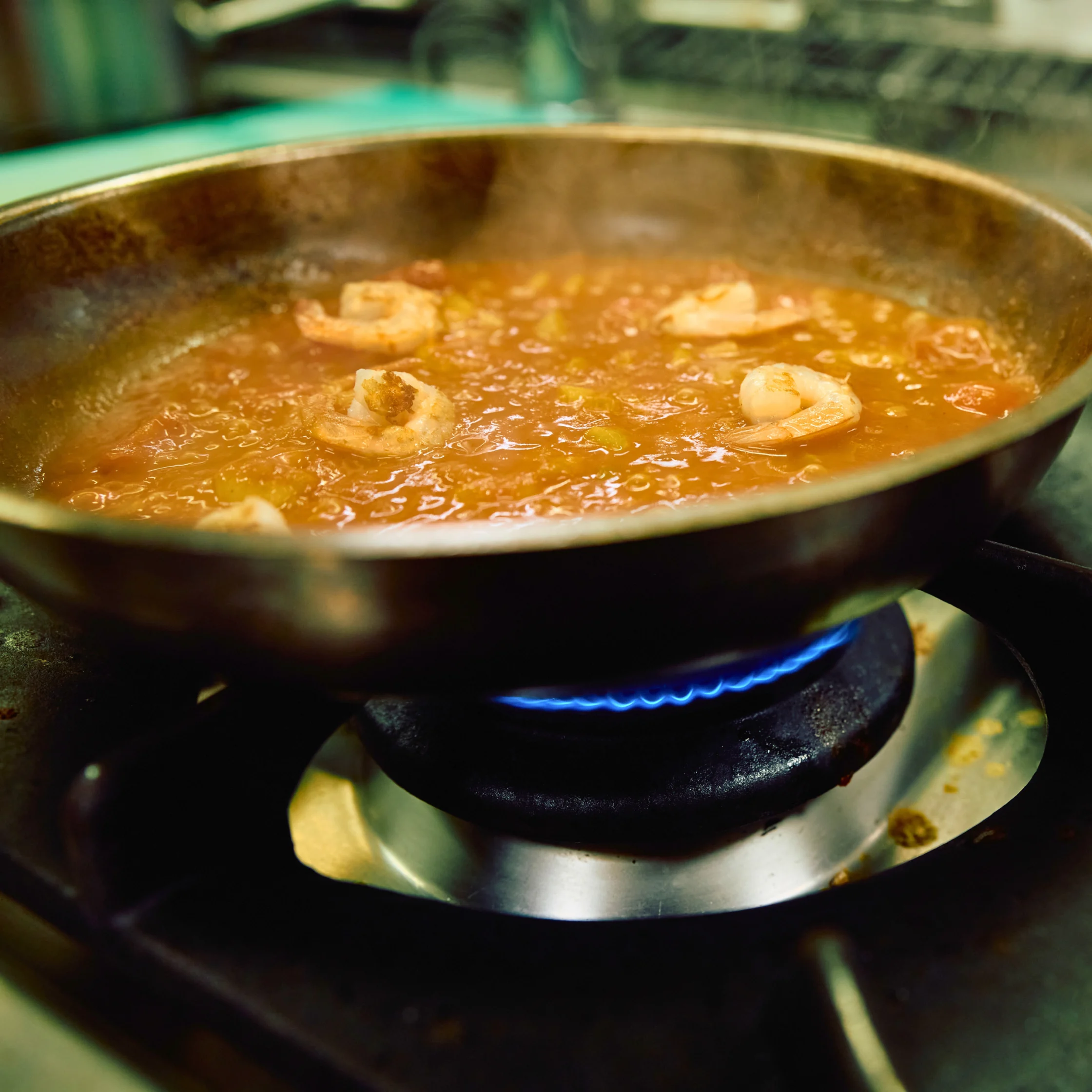
The simplest way to thicken a sauce is to reduceReduceA cooking technique in which a liquid is simmered until some of the water evaporates, thickening its texture and concentrating its flavor. Home cooks reduce sauces, stocks, and glazes, andGo to Reduce Glossary it, which allows excess liquid to evaporate and concentrates the flavor in the process. Simmer it uncovered to allow excess water to evaporate. Just make sure to taste the sauce in the process as reducing can lead to it tasting too salty or intense.
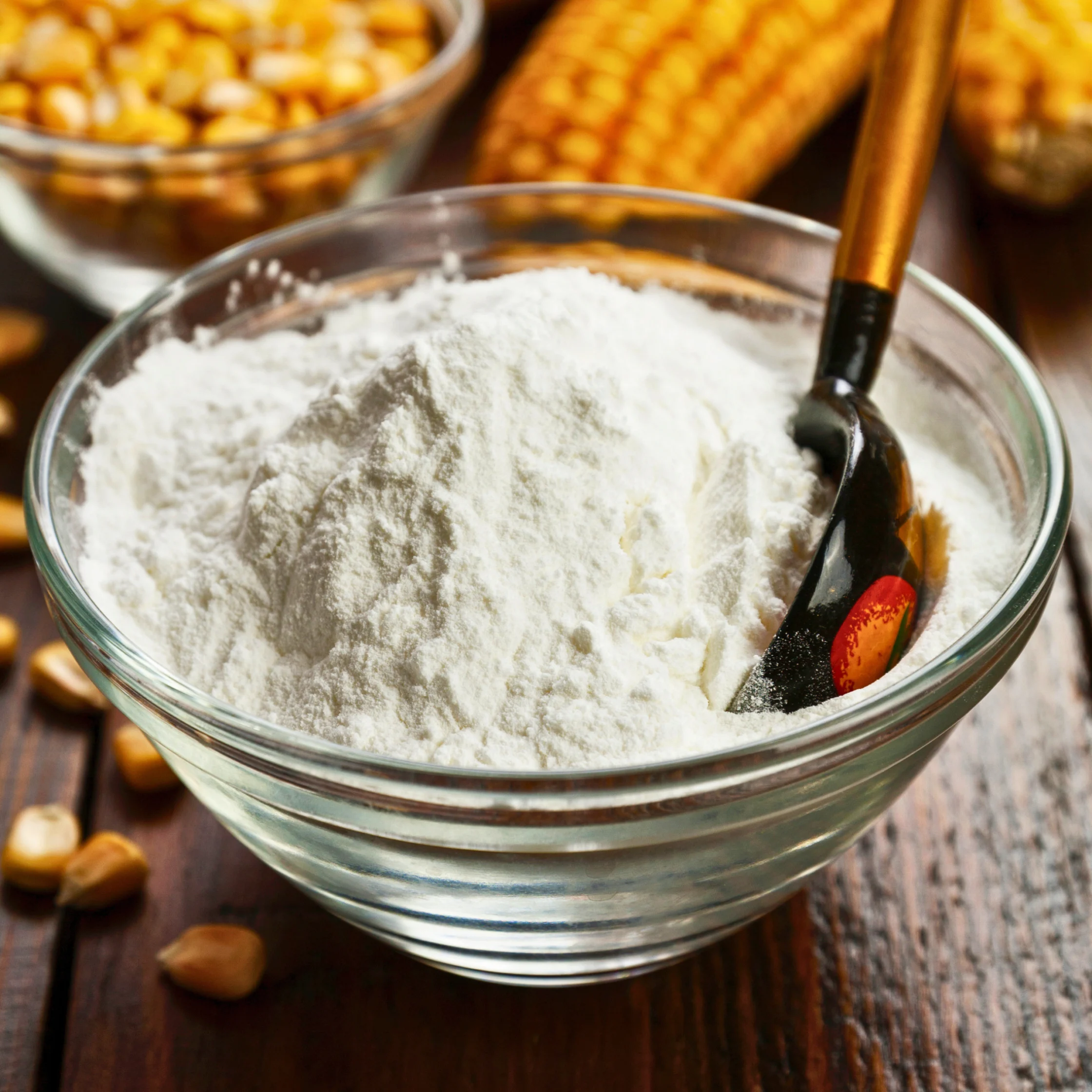
2. Cornstarch to the Rescue
Cornstarch is great for thickening clear sauces and glazes. But if you just add it in straight, it can form clumps that you don’t want in your dish. The trick? Create a slurry by dissolving cornstarch in water in a one-to-one ratio—say, 1 tablespoon cornstarch to 1 tablespoon water. Add this to the sauce, and cook over medium heat until it comes to a simmer. From there, you can reduceReduceA cooking technique in which a liquid is simmered until some of the water evaporates, thickening its texture and concentrating its flavor. Home cooks reduce sauces, stocks, and glazes, andGo to Reduce Glossary the sauce to your desired consistency.
3. Use a Roux
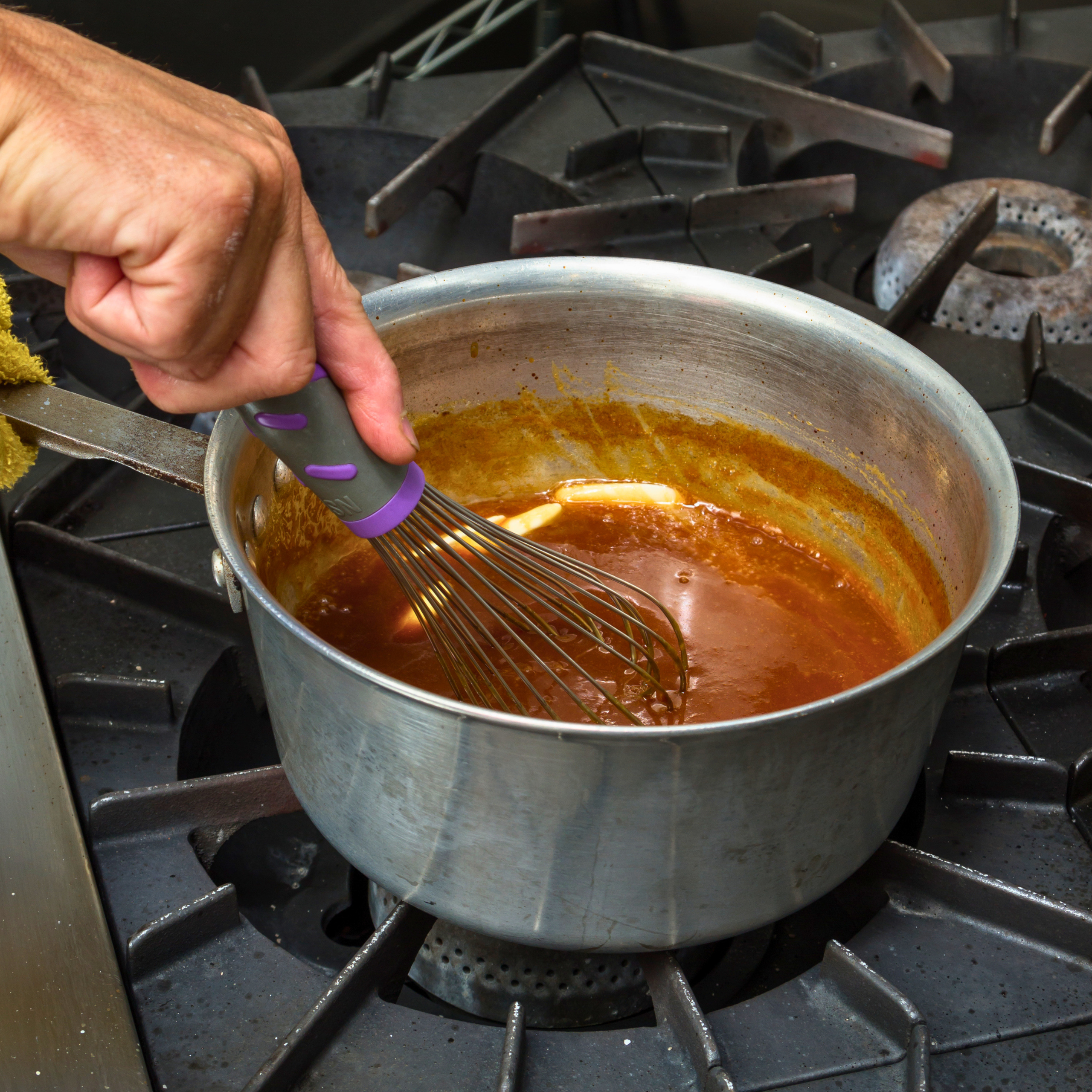
Combine fat plus flour and you get what the French call a roux—great for thickening richer, creamier sauces. Simply combine equal parts by weight of flour and softened butter in a heavy-bottomed saucepan over medium heat. Keep whisking it as the mixture heats up and cooks to your desired color: pale yellow for a white roux (great for a bechamel sauce), light brown for a blonde roux (fantastic for thickening a mornay sauce), or a deeper brown for a brown roux (perfect for gravy).
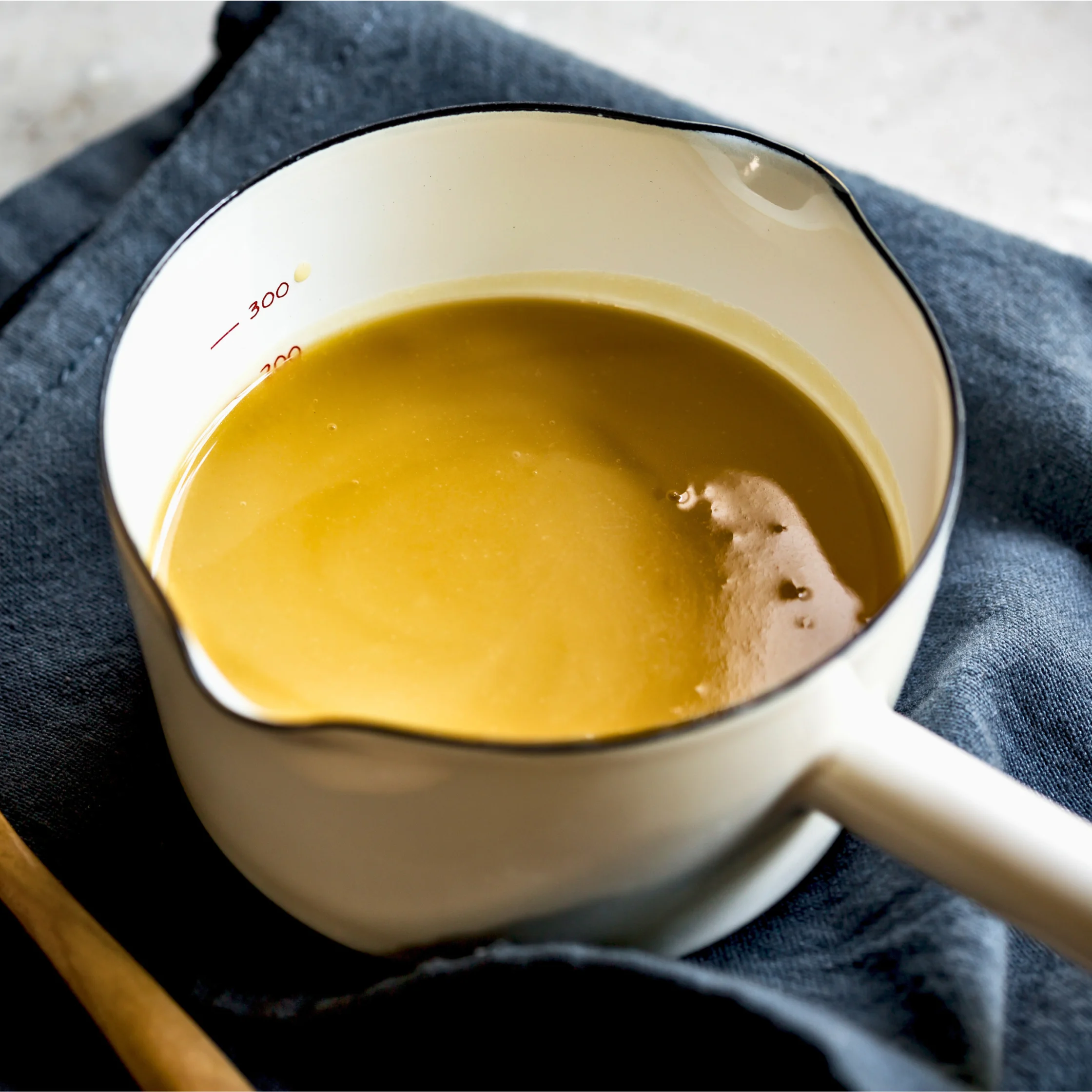
The roux can be combined with the liquid sauce in three ways. Either add your cooled roux to hot liquid; add cool (but not very cold) liquid to a hot roux; or add a warm roux to liquid of the same temperature. From there, let the mixture simmer to your desired consistency.
4. High-Fat Dairy
You can take a cue from the French art of monter au beurre (mounting with butter)—a technique used to finish sauces by stirring cold butter into a warm liquid. Cut cold butter into cubes and have it ready on the side. Turn off the heat of the sauce in the pan; and gradually whisk in the cubed butter a piece at a time, stirring constantly. This trick works best for pan sauces and reductions—the fat in butter emulsifies the sauce, giving it a velvety consistency that feels thicker while imparting richness and creaminess to the mix.
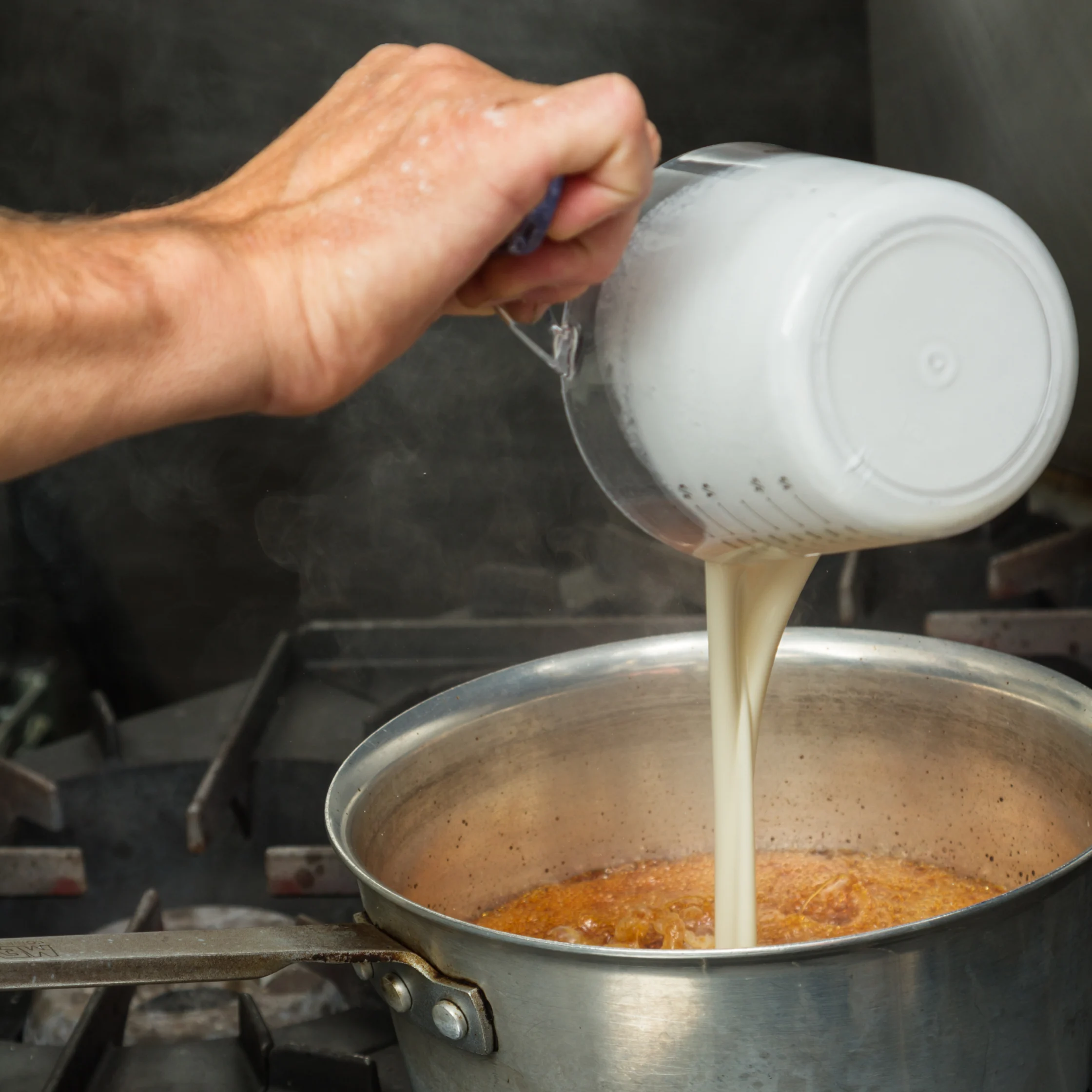
Alternatively, you can thicken sauces by stirring in cream that’s high in fat, like heavy cream or double cream. Add the cream gradually and stir constantly; turn the heat to low and allow the mixture to simmer.
5. The Incredible Egg
Eggs have emulsifying and coagulating properties that can help with thickening sauces and stews. Both whole eggs and egg yolks can be used for this purpose; the latter, of course, produces richer results as yolks contain fat. If you’re using whole eggs, be sure to whisk together the whites and yolks thoroughly. Alternatively, you can whip up what’s called a liaison—a mixture of egg yolks and heavy cream (1 part yolk to 3 parts cream should do the cream).
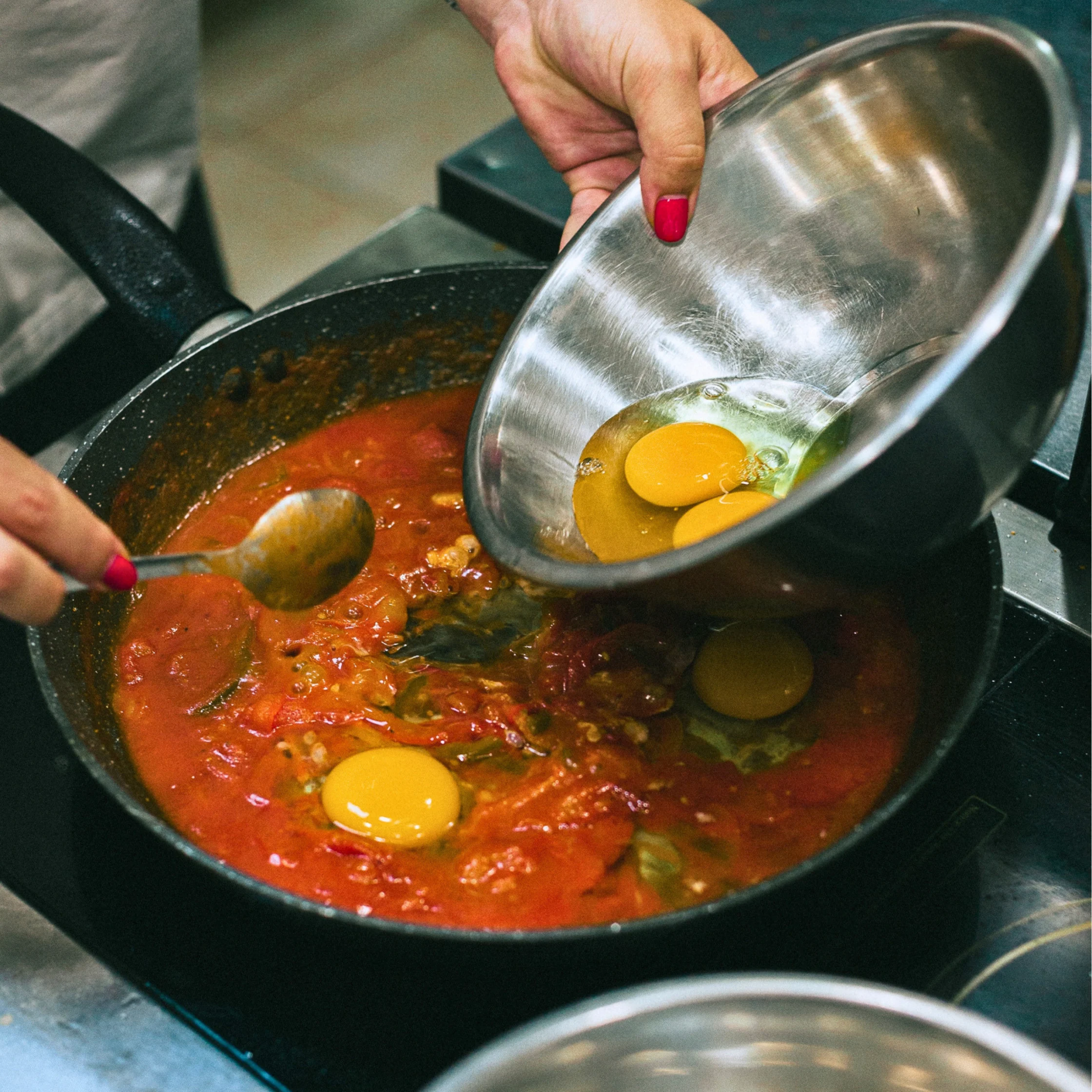
The trick to adding eggs to the sauce without it scrambling in the process is what’s called tempering: have your beaten eggs or liaison ready in a bowl, stir in about half a cup of the warm sauce into the eggs to warm it up, then stir in this egg mixture to the rest of the sauce. Continue cooking your sauce until thickened, making sure to stir constantly.

Frequently Asked Questions
A cornstarch slurry is one of the fastest methods. Mix equal parts cornstarch and water before stirring it into simmering sauce.
You can reduce the sauce by simmering, make a roux with butter and flour, add heavy cream, finish with butter, or use tempered eggs.
Yes. Simmering uncovered allows water to evaporate, naturally thickening the sauce while concentrating its flavor.
A roux is a cooked mixture of equal parts butter (or another fat) and flour used to thicken sauces, soups, and gravies.
Dry cornstarch forms lumps. Mixing it with cold water first creates a smooth slurry that incorporates evenly.
Yes. Cold butter emulsifies into warm sauce, giving it a richer, silkier texture and a slightly thicker consistency.
A roux creates rich, creamy, opaque sauces, while cornstarch produces glossy, translucent sauces with a lighter texture.