

Cooking rice seems like one of the easiest kitchen tasks—until it turns out soggy, undercooked, or worse, burnt.
Since rice is a staple on most Filipino tables, even small cooking mistakes can make a big difference. If you’ve ever wondered why your rice doesn’t come out perfect, these might be the reason why!
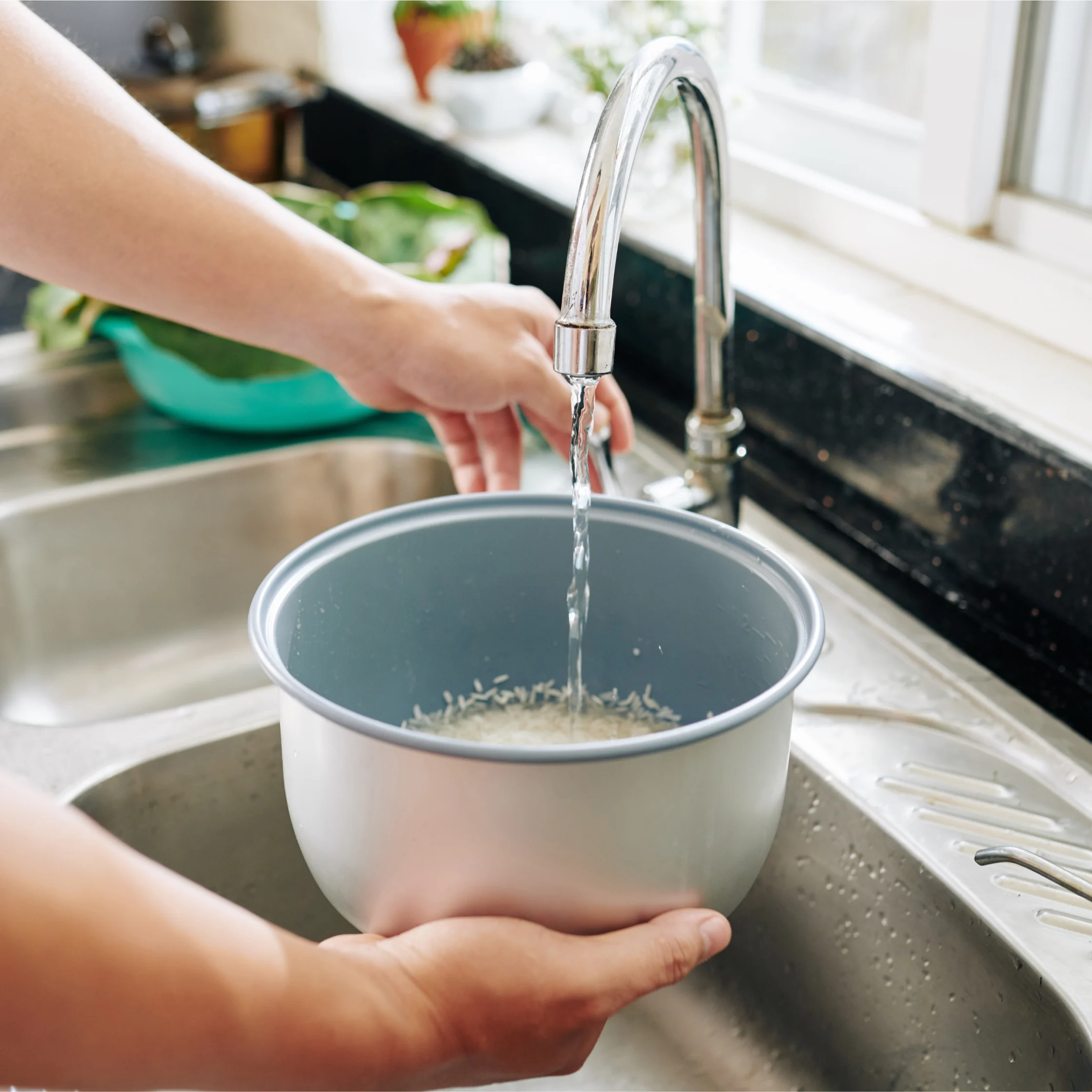
Skipping the Rice Washing Step
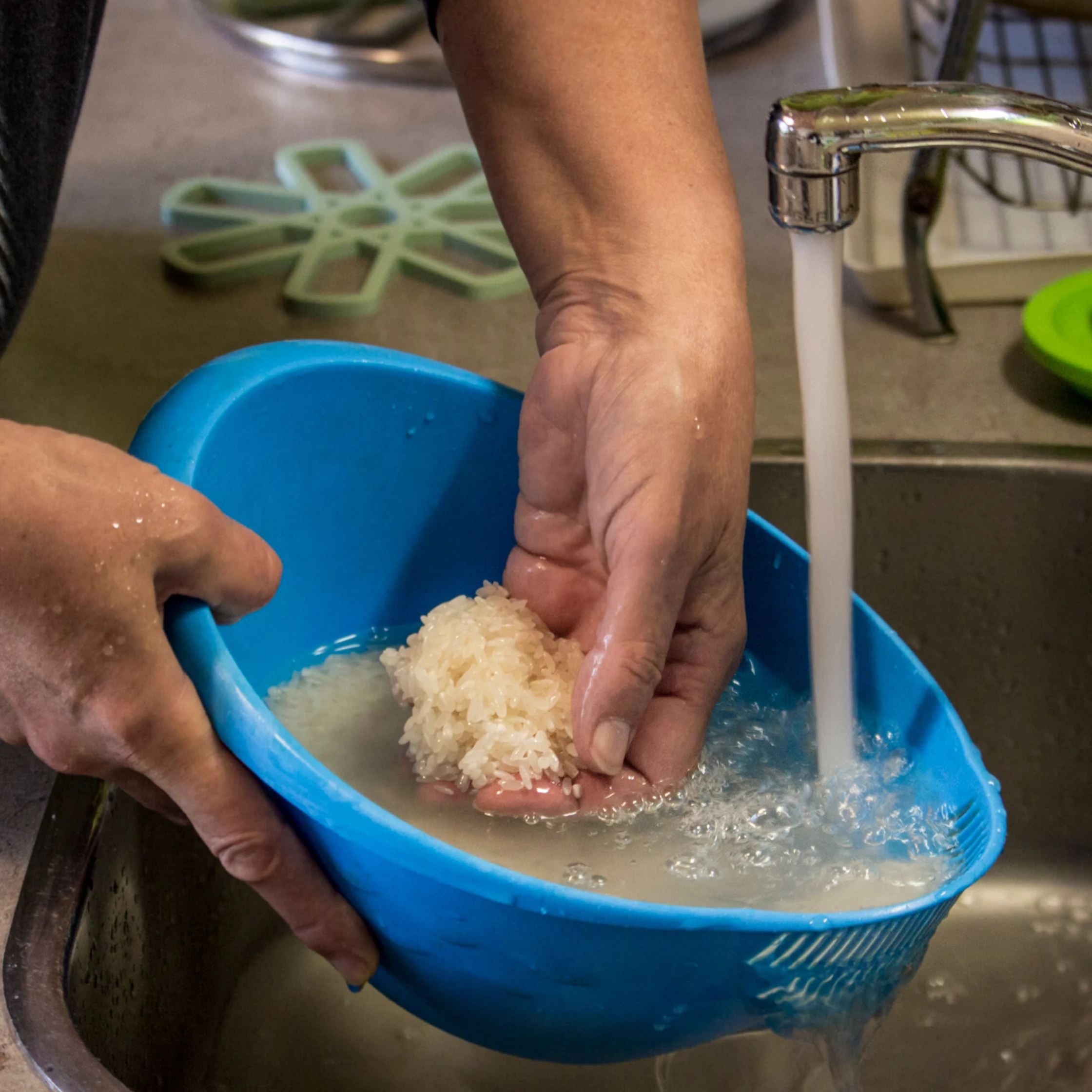
When dinner’s already on the table and everyone’s excited to dig in, it’s tempting to skip rinsing the rice just to speed things up. But that shortcut can backfire because it leaves excess starch on the grains that causes it to turn sticky and clumpy instead of soft and fluffy. A quick rinse only takes a minute and is well worth it for rice that’s just as satisfying as the meal it’s served with.
Using the Wrong Water-to-Rice Ratio
If you always use the same amount of water no matter the type of rice you’re cooking, then you might be setting yourself up for disappointment. Different rice varieties, like jasmine, dinorado, or sinandomeng absorb water differently, which is why one batch turns out perfect while the next is too soft or too firm. A quick glance at the package or the tried-and-tested finger measurement can help you get the texture just right.
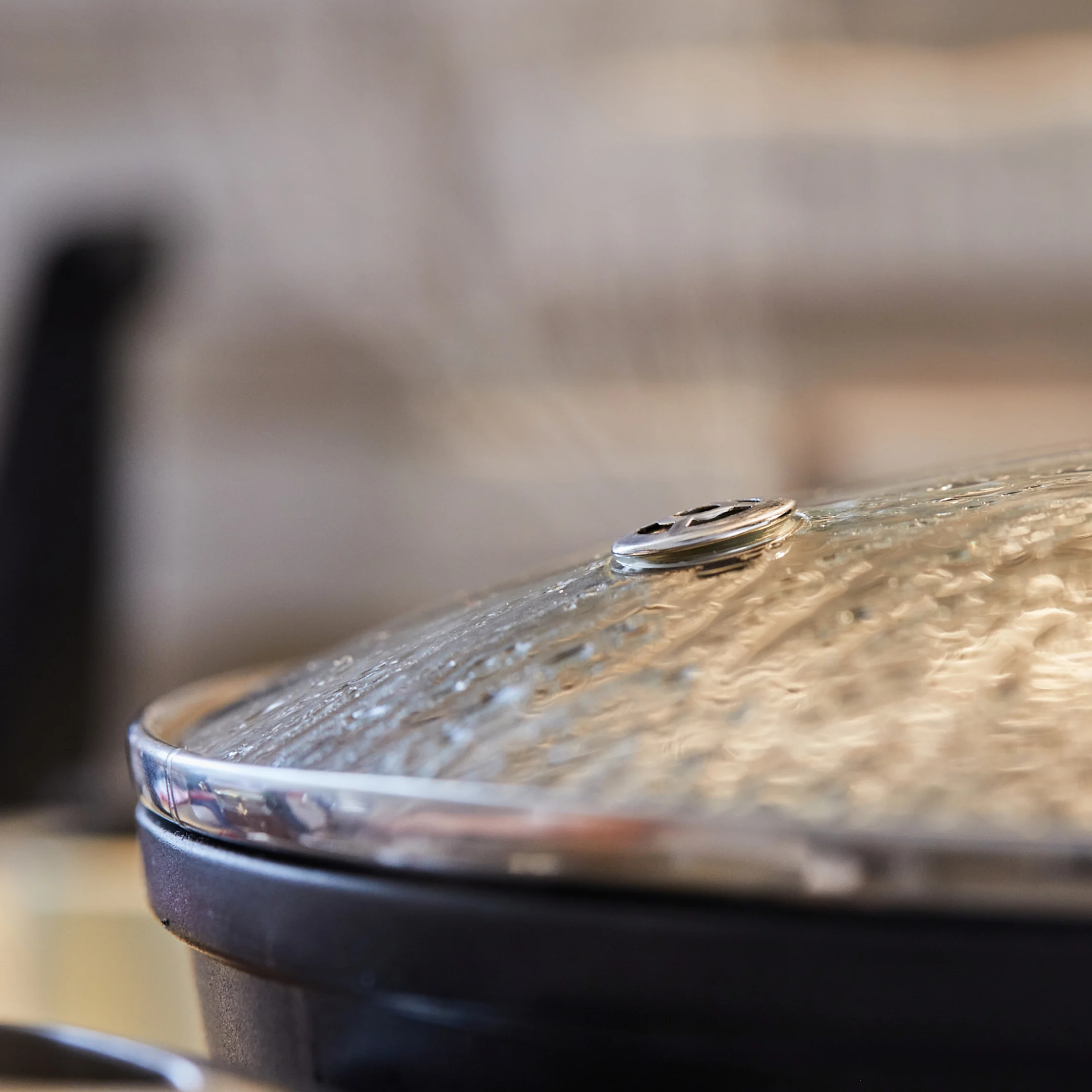
Opening the Lid Too Often
One of the easiest ways to ruin a good batch of rice is by opening the lid before it’s finished cooking. The trapped steam inside is essential for even cooking, so releasing it too early can lead to inconsistent results. For the fluffiest rice, leave the lid closed until the cooking cycle is complete.
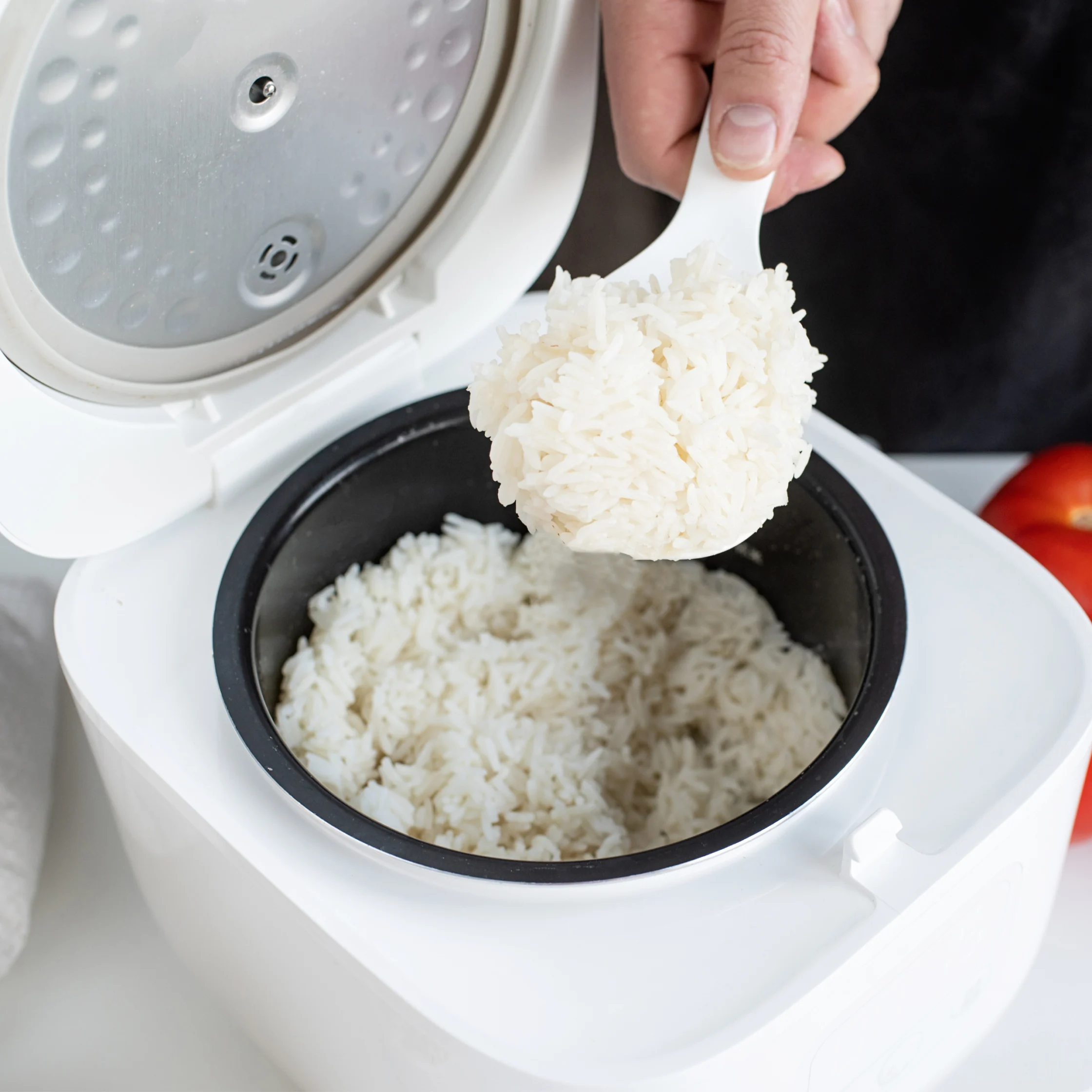
Serving Rice Immediately After Cooking
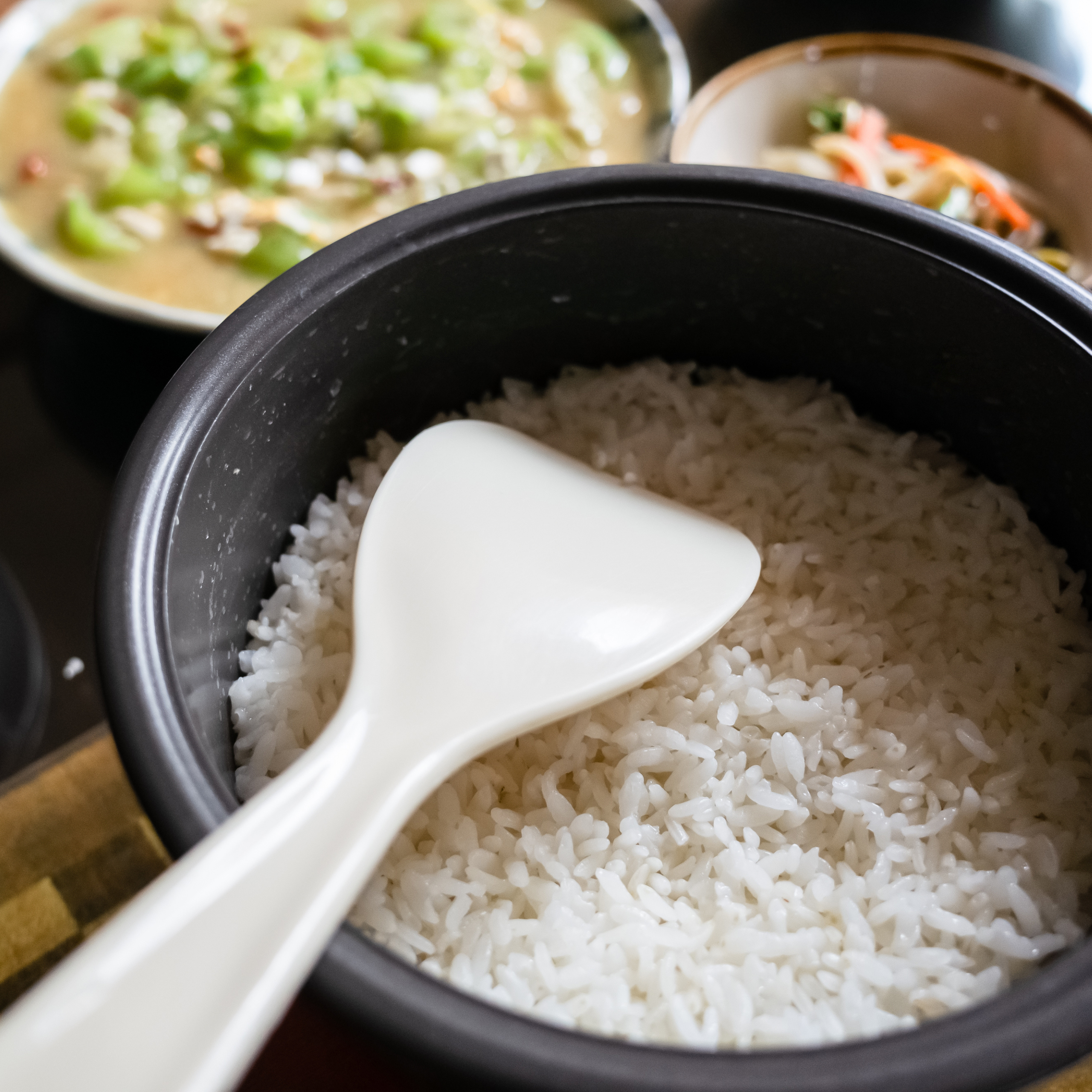
The rice might be cooked, but it’s not yet ready for serving. Scooping it out immediately can leave you with slightly soggy rice because the moisture hasn’t had time to settle. A little patience goes a long way—so let the rice rest for 10 to 15 minutes, then fluff it gently before serving.
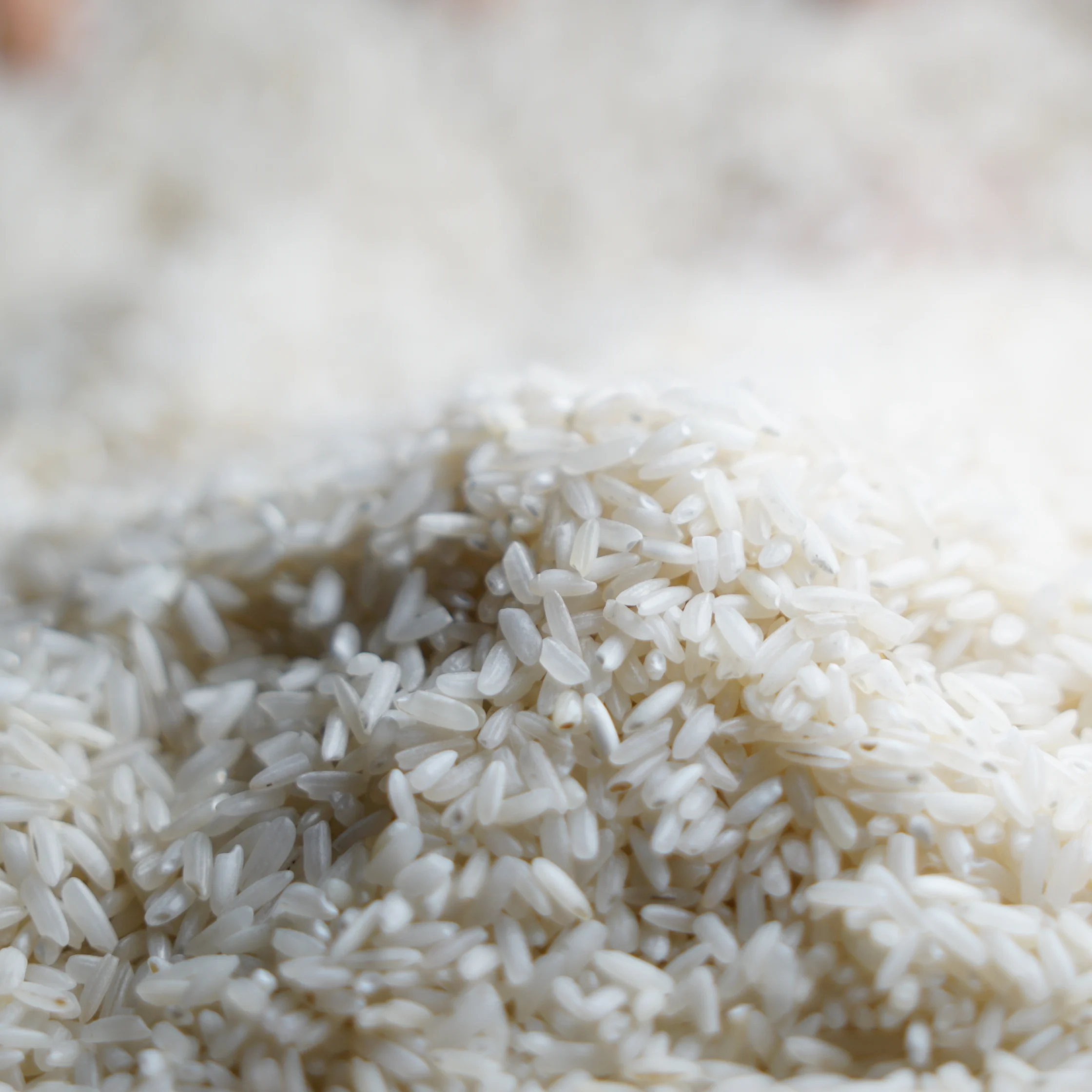
Using Old or Poorly Stored Rice
You can follow every rice-cooking tip perfectly and still end up with disappointing results if your rice isn’t fresh. Older rice often needs more water, while rice that’s exposed to humidity can lose its quality or even attract pests. Keeping your rice in an airtight container and away from heat and moisture helps it stay fresh for longer.
Forgetting to Clean the Rice Cooker
A well-maintained rice cooker is one of the secrets to consistently great rice. Over time, starch buildup, spills, and burnt residue can affect the appliance’s heating performance, resulting in unevenly cooked grains. Cleaning the inner pot, lid, steam vent, and heating plate regularly helps extend your rice cooker’s life while ensuring perfect rice with every batch.
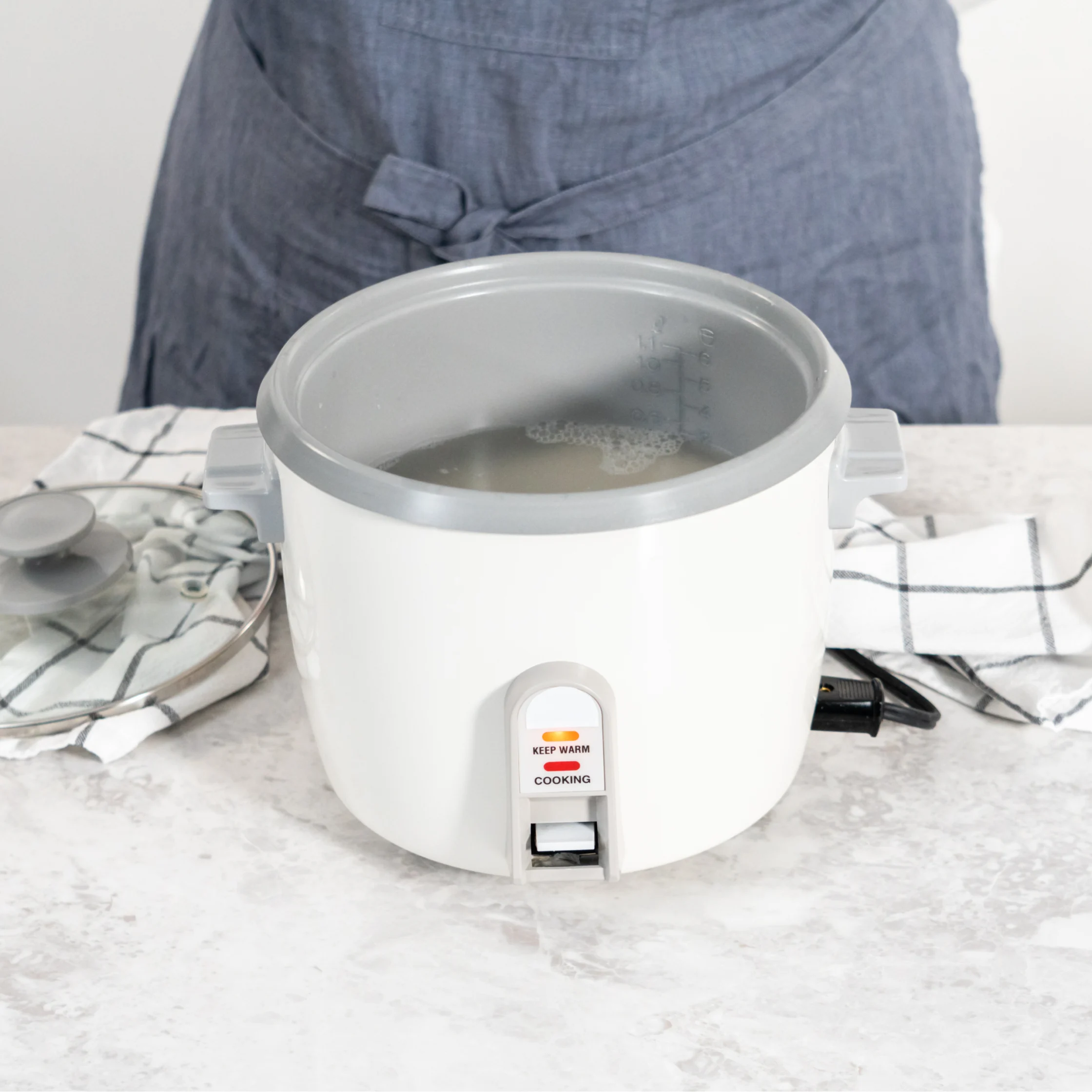
Cooking great rice isn’t about luck—it’s about building good habits. By avoiding these common mistakes, you’ll be well on your way to serving light, fluffy rice that pairs perfectly with your favorite Filipino dishes.

Frequently Asked Questions
Rinsing removes excess surface starch, helping prevent sticky and clumpy rice.
It depends on the variety. Jasmine, dinorado, and sinandomeng all absorb water differently, so check the package or adjust based on experience.
Opening the lid releases steam, which is essential for even cooking and fluffy rice.
Yes. Let it rest for 10–15 minutes before fluffing to allow the moisture to redistribute.
Yes. Older rice often requires more water and may not produce the same texture as fresh rice.
Clean the inner pot, lid, steam vent, and heating plate regularly to prevent buildup and ensure consistent cooking.