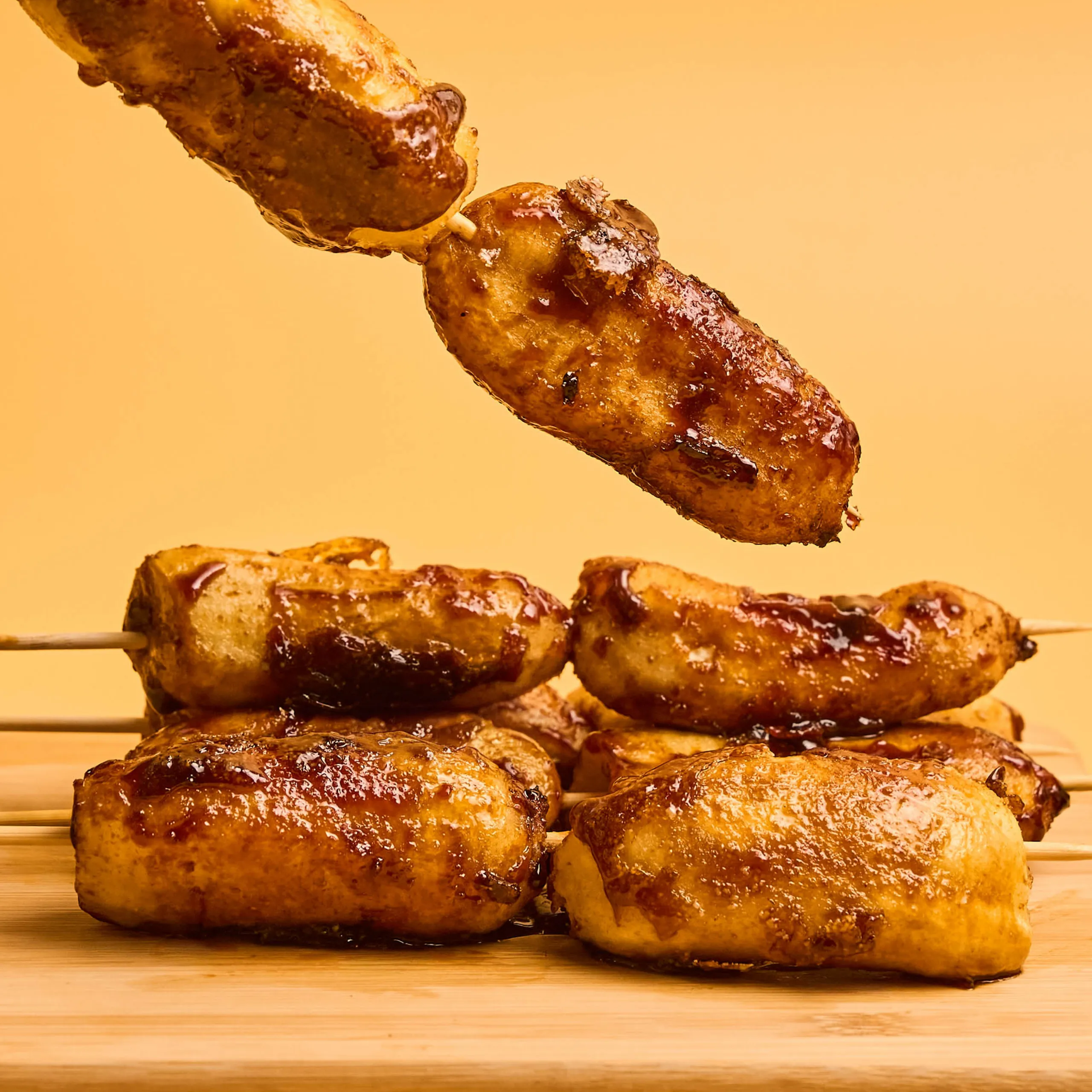


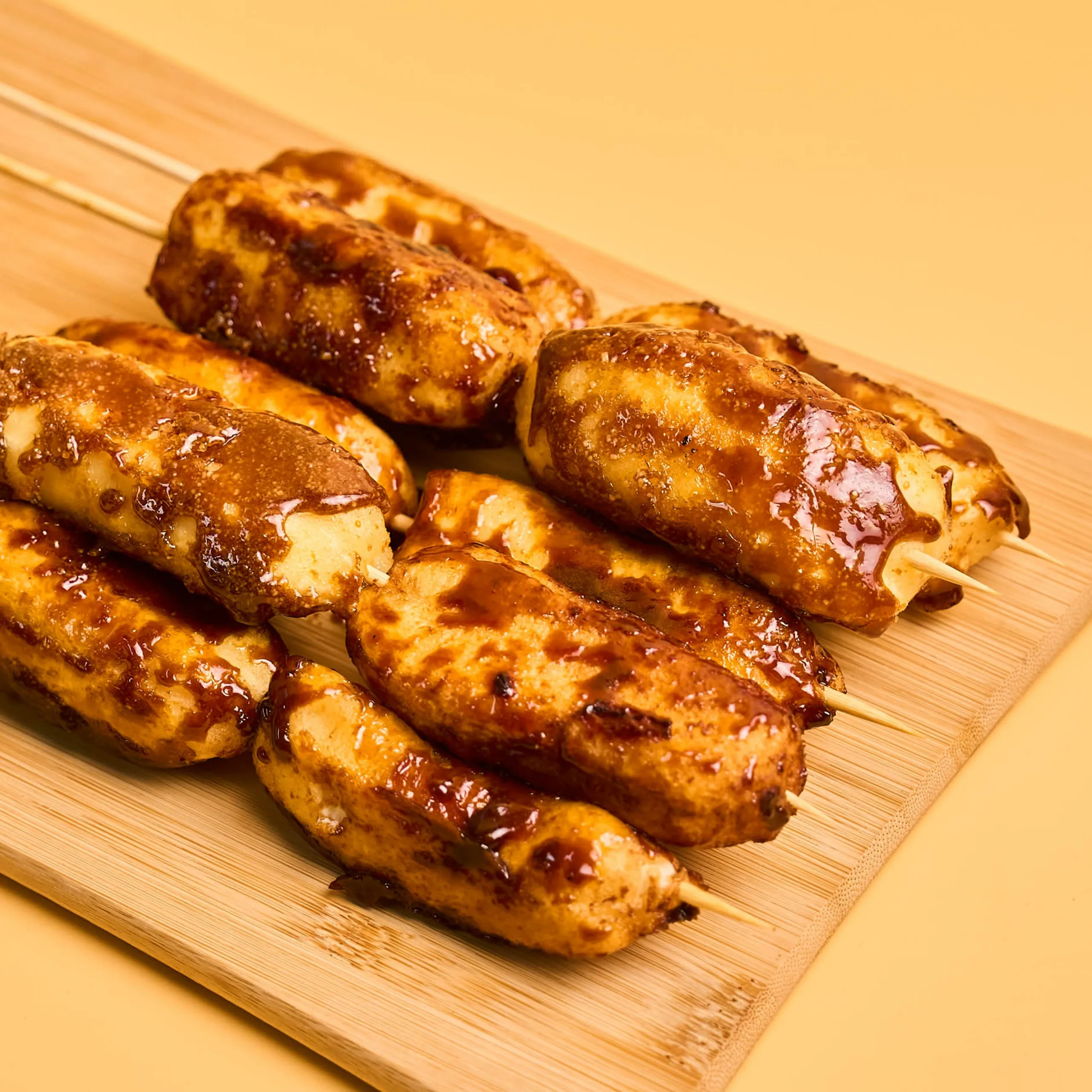
Banana Cue is one of the most beloved street foods in the Philippines, known for its irresistible combination of sweet caramelized brown sugar and perfectly fried saba bananas. Simple, affordable, and incredibly satisfying, this classic snack has been enjoyed by generations of Filipinos. Whether bought from roadside vendors after school, enjoyed during merienda (afternoon snack), or prepared at home for family gatherings, Banana Cue brings back warm memories of everyday life in the Philippines.
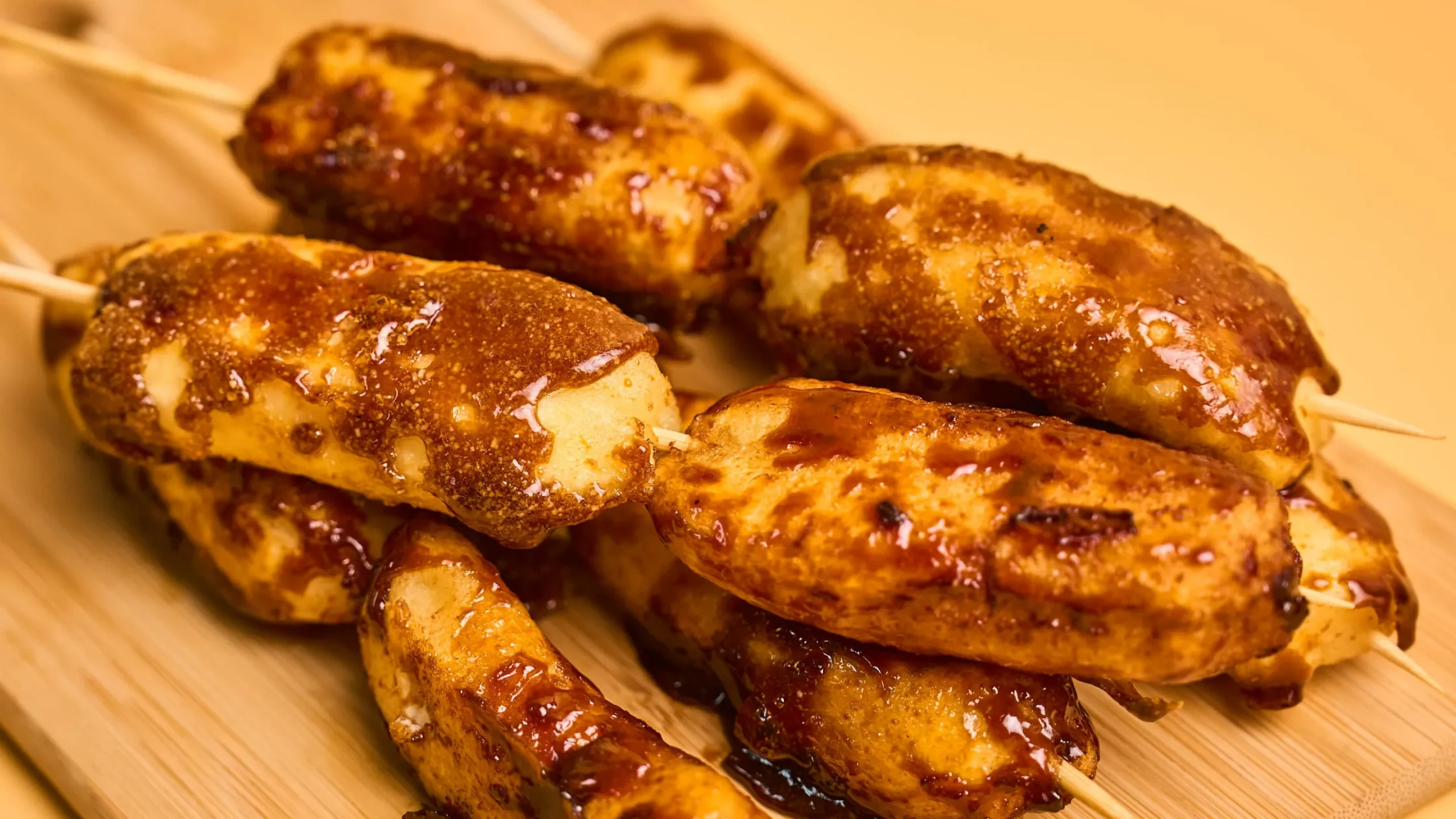
What makes Banana Cue so special is its simplicity. With only a few ingredients—ripe saba bananas, brown sugar, and cooking oil—you can create a snack that’s crispy on the outside, soft and creamy on the inside, and coated in a rich caramel glaze. The caramelized sugar gives each bite a satisfying crunch that perfectly complements the naturally sweet and starchy banana.
Unlike many desserts that require complicated techniques or expensive ingredients, Banana Cue proves that delicious food doesn’t have to be difficult to make. It’s a recipe that anyone can prepare, making it perfect for beginners and experienced cooks alike.
History of Banana Cue
Banana Cue has long been a staple of Filipino street food culture. While its exact origins are unclear, it became popular throughout the country because saba bananas are abundant in the Philippines and are commonly used in both sweet and savory dishes.
The name “Banana Cue” is believed to have been inspired by the word “barbecue.” Similar to meat barbecue served on bamboo skewers, the caramelized bananas are often skewered for easy eating. The term “cue” comes from the last syllable of “barbecue,” giving the snack its memorable name.
For decades, Banana Cue has been sold by street vendors outside schools, markets, bus terminals, and busy intersections. Vendors fry the bananas fresh in large pans, sprinkle generous amounts of brown sugar into the hot oil, and watch as the sugar melts into a glossy caramel coating. The finished bananas are then skewered and displayed upright, ready for customers to grab as a quick and affordable snack.
Today, Banana Cue remains a favorite across the Philippines. Despite the popularity of modern desserts and international snacks, this humble treat continues to hold a special place in Filipino culture because of its comforting taste and nostalgic appeal.
Why This Banana Cue Recipe Is So Good
This recipe delivers the perfect balance of texture and flavor while staying true to the traditional way of making Banana Cue.
One of its biggest strengths is using ripe but still firm saba bananas. They become naturally sweet as they cook while maintaining their shape instead of turning mushy.
Brown sugar is another essential ingredient. As it melts, it transforms into a rich caramel coating with deep molasses notes that pair beautifully with the bananas. The sugar creates a light crunchy shell that hardens slightly as it cools, making every bite incredibly satisfying.
Deep frying also helps the bananas cook evenly. The outside develops a lightly crisp texture while the inside remains soft, creamy, and naturally sweet.
Since the recipe uses only a handful of pantry ingredients, it’s budget-friendly, easy to prepare, and perfect for satisfying sweet cravings without spending much.
Recipe Tips
- Use only saba bananas for authentic flavor and texture.
- Pick bananas that are yellow with very few black spots.
- Fry over medium heat to prevent burning.
- Do not add the brown sugar too early, or it may burn before the bananas finish cooking.
- Turn the bananas gently to keep them intact.
- Cook in small batches for even frying.
- Allow the caramel to set for a minute before serving for the best crunchy coating.
- Use a heavy-bottomed pan to maintain consistent oil temperature.
Ingredient Substitutions
Although traditional Banana Cue is best made with saba bananas, here are some alternatives if needed.
Saba Bananas
- Plantains
- Burro bananas
- Cardaba bananas (if available)
Brown Sugar
- Dark brown sugar for a richer caramel flavor
- Light brown sugar for a milder sweetness
- Coconut sugar for a deeper, earthy taste
Cooking Oil
- Canola oil
- Vegetable oil
- Corn oil
- Peanut oil
Avoid using olive oil, as its flavor can overpower the sweetness of the bananas.
Serving Suggestions
Banana Cue is delicious on its own, but you can make it even more enjoyable with these serving ideas.
- Serve warm as a classic afternoon merienda.
- Pair with freshly brewed coffee for a comforting snack.
- Enjoy with hot chocolate on rainy days.
- Serve alongside vanilla ice cream for a delightful contrast of warm and cold.
- Drizzle with a little melted chocolate for a modern twist.
- Sprinkle toasted sesame seeds for extra crunch.
- Pair with coconut ice cream for a tropical dessert.
- Include it as part of a Filipino-inspired dessert platter with other local treats.
Final Thoughts
Banana Cue is a wonderful reminder that some of the most memorable dishes come from the simplest ingredients. Crispy caramelized brown sugar wrapped around tender fried saba bananas creates a snack that’s both comforting and delicious. Whether you’re recreating childhood memories, introducing Filipino street food to friends and family, or simply looking for an easy homemade treat, this recipe is a great choice.
Its ease of preparation, affordable ingredients, and rich flavor make Banana Cue a timeless favorite that never goes out of style. Serve it warm, enjoy it with your favorite hot drink, and savor the sweet, crunchy goodness that has made this classic Filipino snack a cherished part of everyday life for generations.