

If you’re setting up a kitchen from scratch, you will eventually encounter the great straining question: Do I actually need a colander, a sieve, and a strainer?
I’ve owned all three. I’ve used all three. I’ve also stood in my kitchen holding one while wondering why I didn’t just use another one.
The short answer is: you probably don’t need all three. But each has a very specific thing it’s annoyingly good at.
Here’s how to tell which one you actually need.
The Colander: For Big, Splashy Jobs
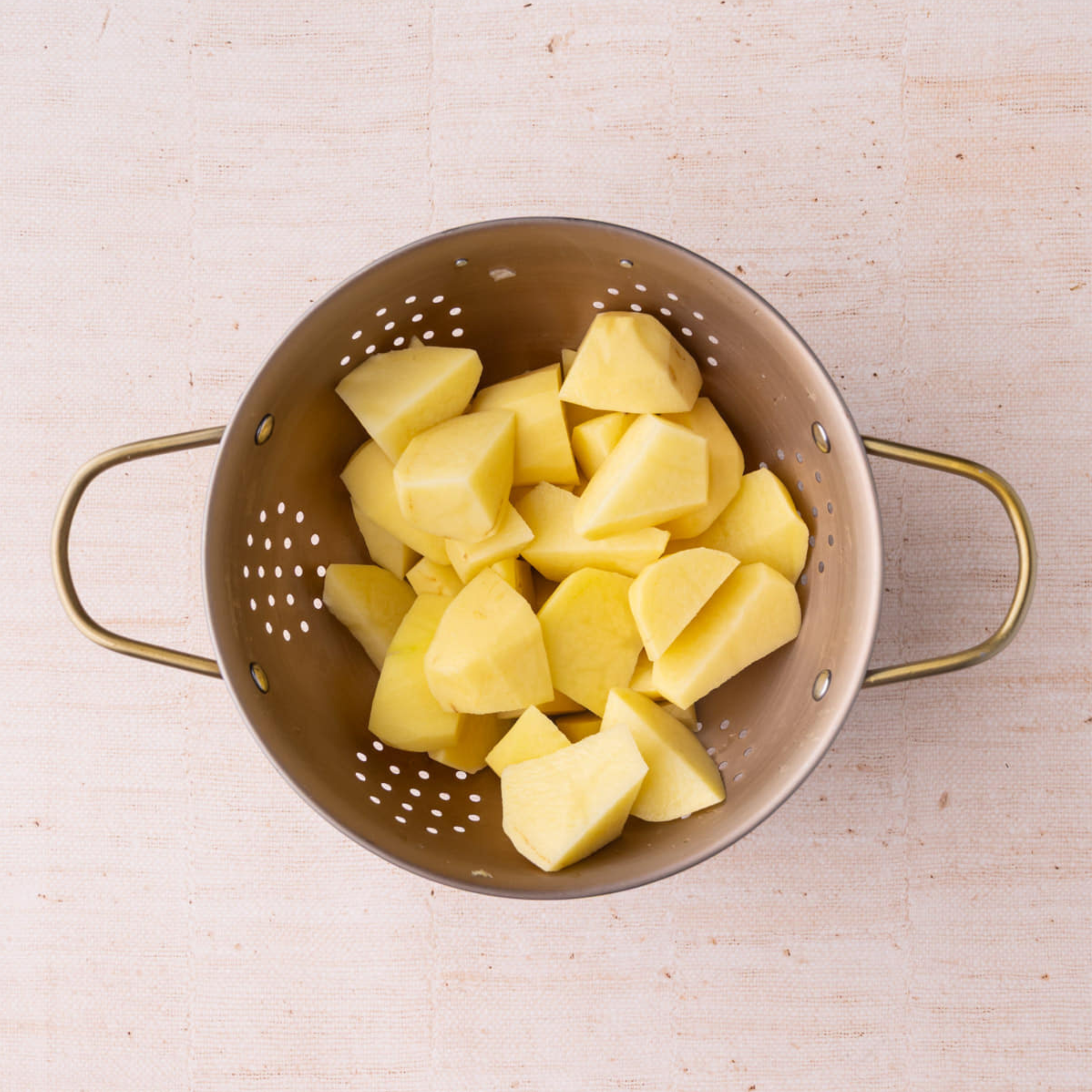
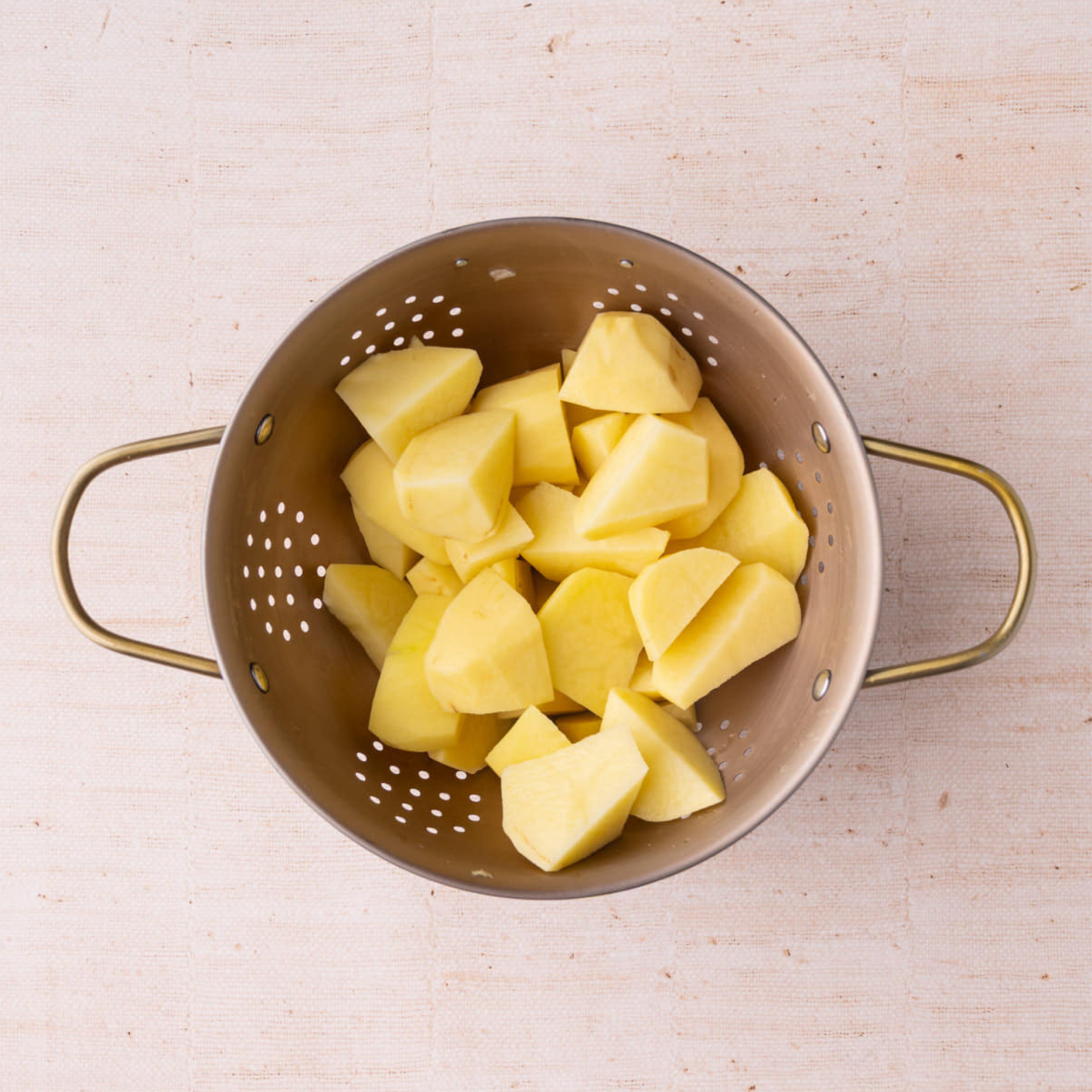
A colander is the big one. Usually bowl-shaped and sitting on little feet or with handles, designed to deal with a lot of food and a lot of water.
Think pasta. Potatoes. Washed vegetables. A whole bunch of lettuce that looked like a handful at the market but suddenly takes up half your sink.
The holes are relatively large, which means water gets out quickly while your food stays put. That’s really all you need it to do. It’s also why a colander isn’t a great substitute for a sieve.
One small kitchen opinion: don’t buy the restaurant-sized colander unless you actually have the storage for it. A medium one that fits comfortably in your sink and can handle a pound of pasta will do most home cooks just fine.
Use it for: draining pasta, washing produce, rinsing beans, draining potatoes, and anything else you need to drain by the handful.
The Fine Mesh Sieve: For Small Things and Smooth Things
A sieve is where things get a little more precise.
It has a fine mesh that catches smaller particles, which makes it the tool to grab when you want something smooth, sifted, and free of little bits.
It’s essential for baking. Flour, powdered sugar, cocoa powder—anything prone to clumping benefits from a quick pass or two through a fine sieve.
It’s also great for sauces and purées. If you’ve made a tomato sauce and want to remove seeds and skins, or you’re making a smooth soup and don’t want to find a random herb stem floating around later, a sieve is your friend.
And if you’re making a cocktail? A fine-mesh sieve can double as a strainer when you want to catch tiny bits of ice, herbs, citrus pulp, or anything else that made its way into your shaker.
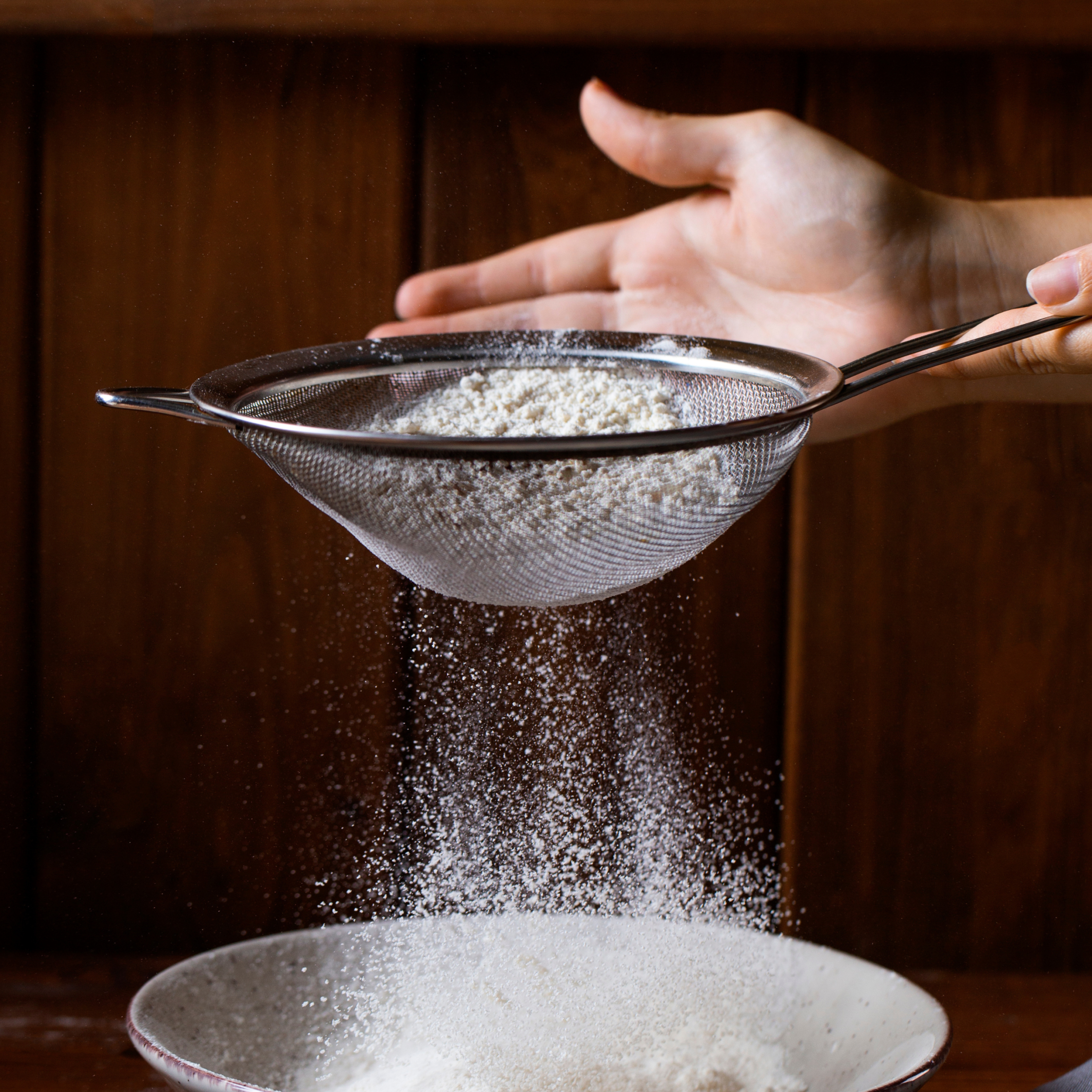
Use it for: flour, powdered sugar, sauces, purées, stocks, and anything that needs to come out much much smoother than it went in.
The Strainer: For Liquids That Need Some Help
“Strainer” is the confusing one because it’s less of a specific shape and more of a job description.
A strainer is generally designed to separate solids from liquids, and it can range from a simple mesh strainer to a cocktail strainer with a spring around the edge.
A medium-mesh kitchen strainer is probably the most versatile of the three for everyday cooking. It’s great for draining canned ingredients, loose-straining stock, catching seeds from lemon or calamansi juice, or rinsing smaller ingredients that would go right through a colander.
It’s also the one I’d choose when I’m making something liquid that I want to keep for later. If you’re straining stock, you want the broth in the bowl and the vegetables and bones out of it. A colander will technically do the job, but a fine mesh strainer gives you a much cleaner result.
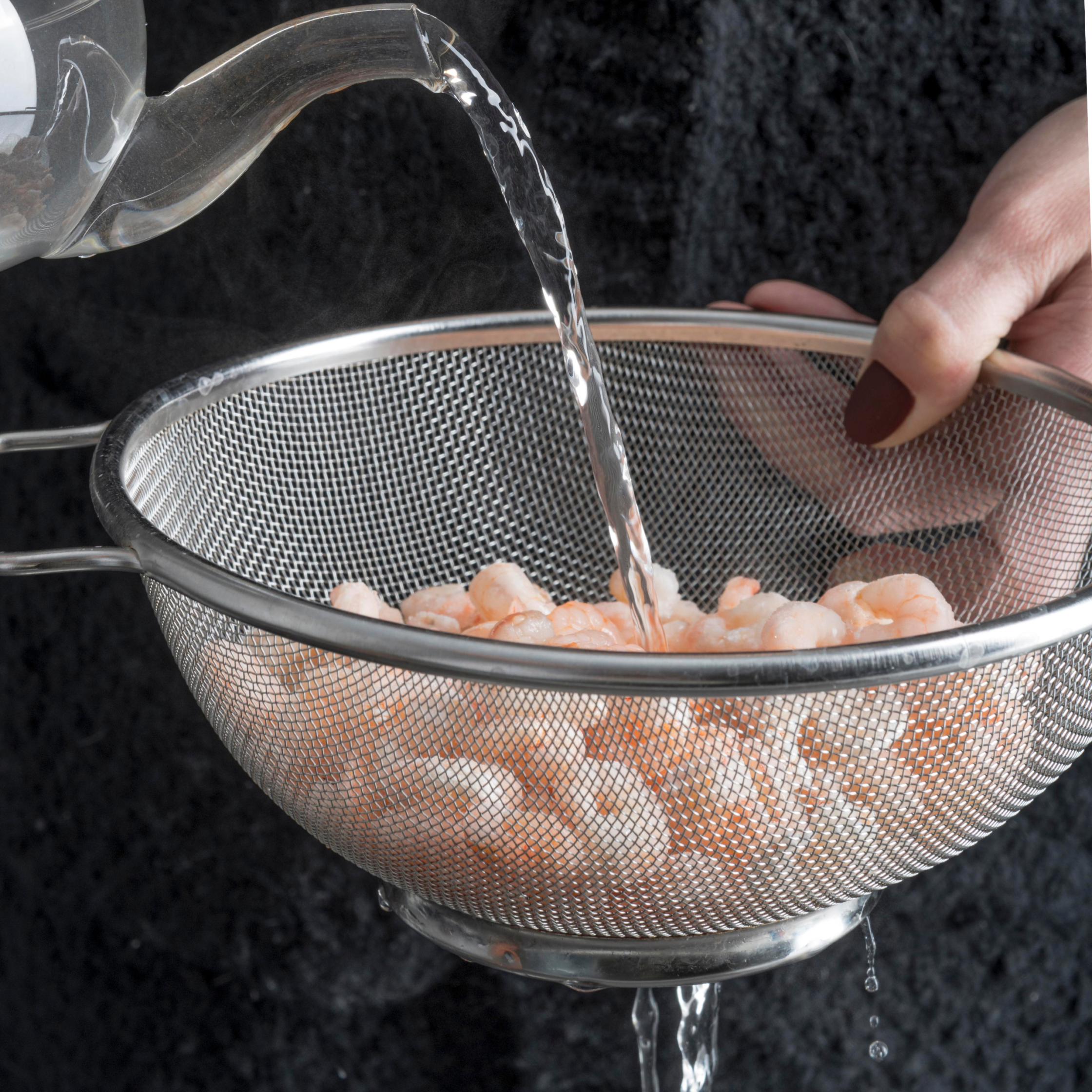
Use it for: stocks, broths, juices, sauces, rinsing small ingredients, and anything where you’re trying to keep the liquid.
So, Do You Need All Three?
Probably not.
If you can only get one, I’d say get a medium mesh strainer. It’s the most flexible and can handle everything from straining stock to rinsing rice and catching seeds from citrus juice.
But if you cook a lot of pasta, a colander can become non-negotiable. Technically you can drain spaghetti through a strainer, but if you’re hosting, you’ll be doing it one handful at a time.
And if you bake regularly, a fine-mesh sieve deserves its own drawer space for sure.
So the real answer is less “buy all three” and more buy based on what you actually cook the most.
A good kitchen doesn’t need every tool. It just needs the right ones.
If you already own all three, don’t worry. You’re not over-equipped. You’re just prepared for lots of pasta, powdered sugar, and chicken stock. And if you’re someone who cooks for others a lot, all you really are is a very good host.

Frequently Asked Questions
Technically, yes, but a colander is much easier for large quantities. A strainer’s smaller size means you’ll have to drain the pasta in batches.
They’re very similar, and the terms are often used interchangeably. A fine-mesh strainer is usually the more versatile choice for everyday cooking, while a fine sieve is especially useful for baking and sifting dry ingredients.
You can, but the larger holes won’t catch smaller particles. For a clearer stock or smoother soup, use a fine-mesh strainer or sieve.
A medium-sized fine- or medium-mesh strainer is probably the best all-rounder. It can handle liquids, small ingredients, rinsing, sauces, and citrus juice without taking up much space.
Probably not. If you’re not regularly sifting flour or powdered sugar, a fine-mesh strainer can cover most of the jobs you’d use a sieve for.