


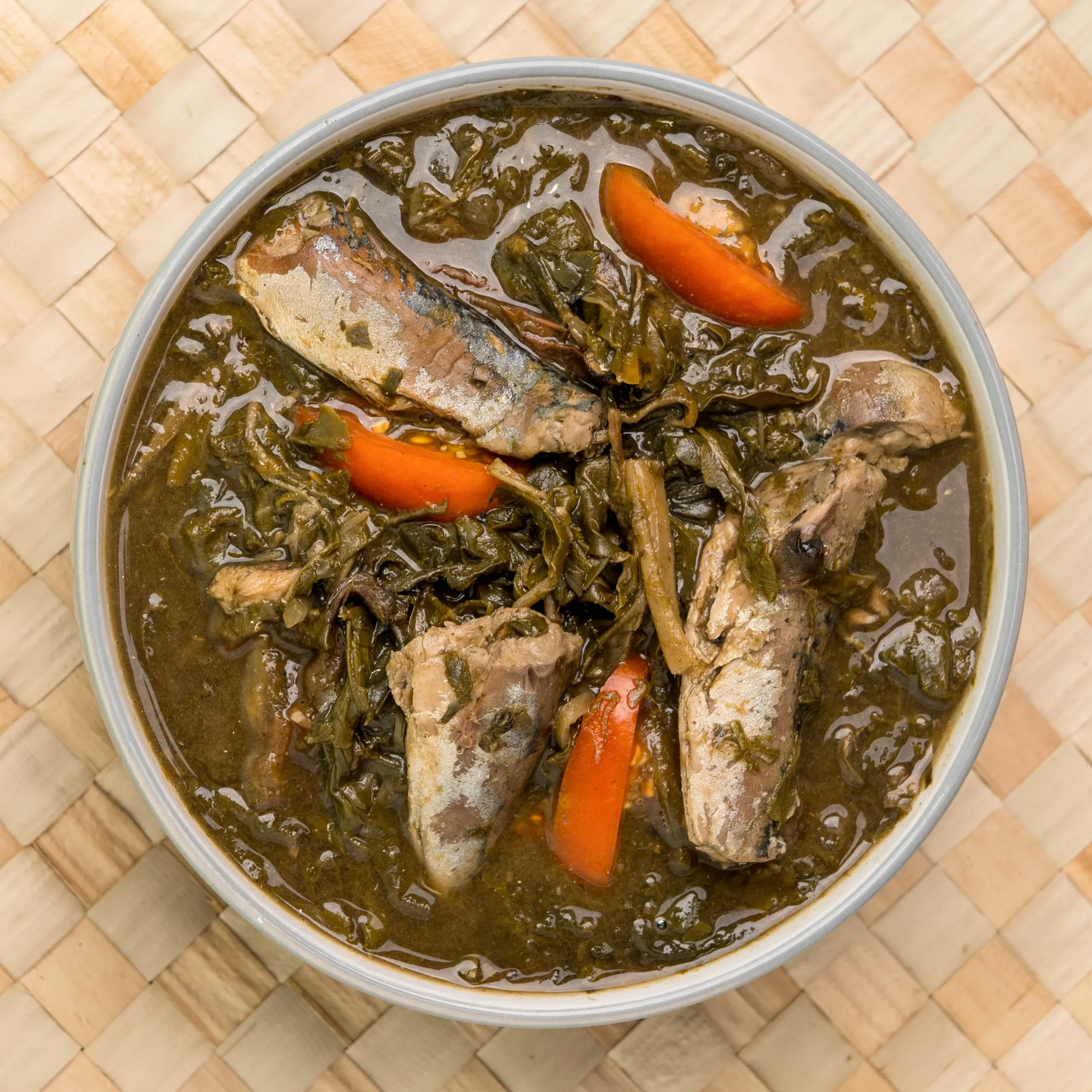
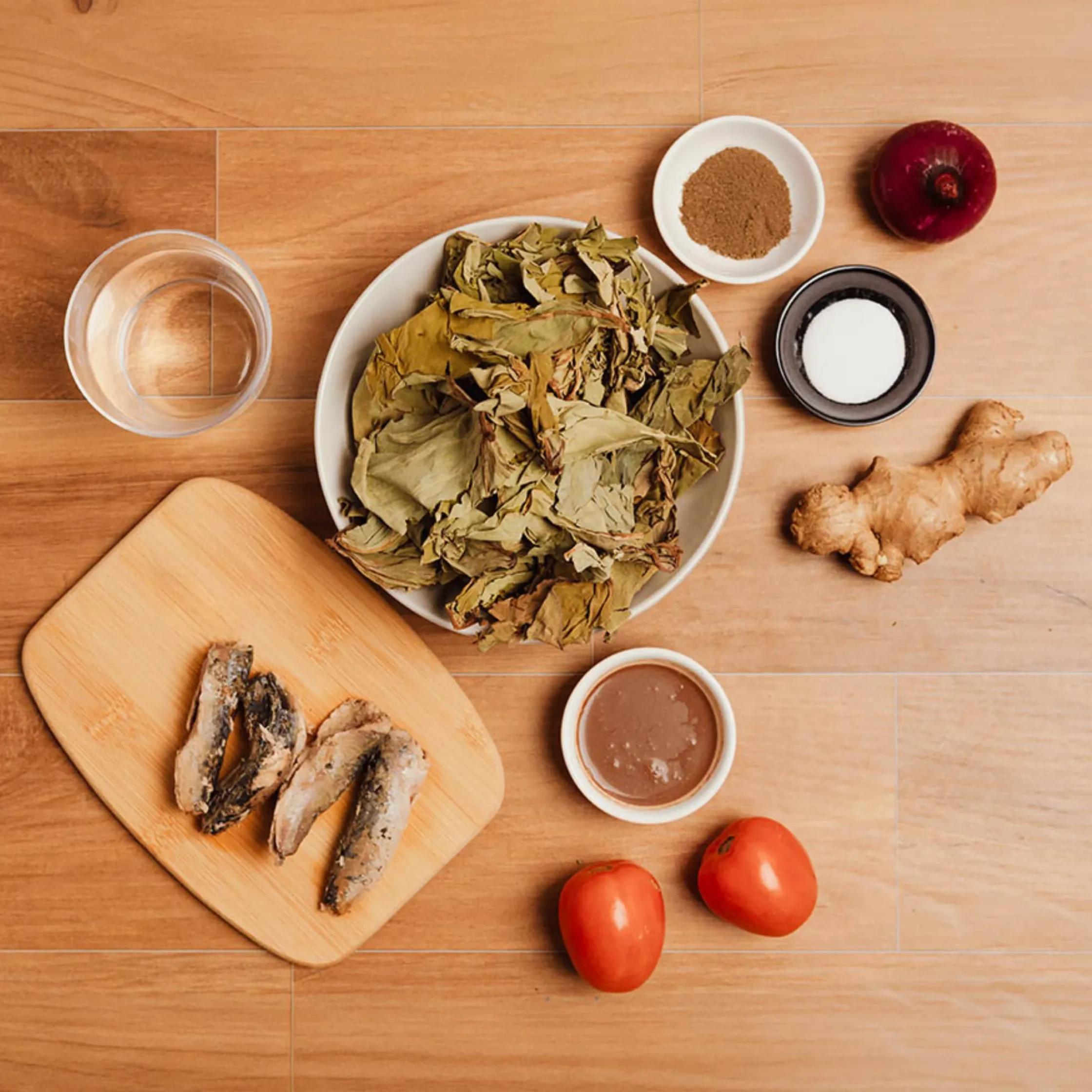
Pikaw is a simple yet deeply comforting vegetable dish associated with the food traditions of Mindanao, where meals often make thoughtful use of locally available leafy vegetables, preserved seafood, and strongly flavored ingredients. At first glance, the dish may look humble because its main ingredient is taro leaves, but the combination of tender greens, ginger, tomato, onion, fermented fish paste, and sardines creates a savory and satisfying meal that tastes especially good with freshly cooked rice.
What makes pikaw appealing is its balance of earthy, slightly nutty taro leaves with the salty richness of bagoong and sardines. The aromatics add freshness and warmth, while the slow cooking of the leaves allows them to absorb the flavors of the broth and seafood. It is the kind of home-style food that does not need complicated techniques or expensive ingredients to become memorable.
A Brief History and Cultural Background
Pikaw belongs to the broader tradition of Filipino cooking in which leafy vegetables are cooked with seafood, fermented ingredients, and simple aromatics to create flavorful everyday meals. Taro, known in many parts of the Philippines as gabi, has long been an important crop because it grows well in tropical conditions and provides both edible leaves and underground corms.
The exact preparation of pikaw can vary from one household or community to another, particularly because Mindanao has a rich and diverse culinary landscape influenced by many different cultural groups. Some versions may use fresh or dried fish, coconut milk, other vegetables, or locally available seasonings instead of the sardines and bagoong used in this recipe.
Rather than thinking of pikaw as a dish with only one fixed formula, it is more useful to see it as an example of practical Filipino cooking: ingredients that are available locally are combined with familiar seasonings to produce something nutritious, filling, and flavorful. The recipe can therefore change according to family traditions, location, and personal taste while still keeping the character of the dish.
Recipe Tips
- Cook the taro leaves thoroughly. This is the most important safety and quality consideration. Proper cooking helps eliminate the irritating effect associated with raw or undercooked taro leaves.
- Do not add too much salt at the beginning. Bagoong and sardines can already be salty, so taste the dish after the ingredients have simmered together before deciding whether additional salt is needed.
- Use fresh ginger when possible. Fresh ginger provides a brighter aroma and helps cut through the richness of the fermented fish and sardines.
- Do not over-stir the sardines. Keeping some pieces intact gives the dish a more pleasant texture and makes it look more appetizing when served.
- Adjust the bagoong according to your preference. If you enjoy a stronger fermented seafood flavor, use closer to 3 tablespoons, but start conservatively because brands differ in saltiness.
- Let the dish rest before serving. A few minutes of resting allows the sauce to settle and gives the taro leaves more time to absorb the savory flavors.
- Serve it with hot rice. Pikaw is naturally savory and works especially well alongside plain steamed rice, which balances the stronger flavors.
Ingredient Substitutions
If some of the ingredients are unavailable, pikaw is flexible enough to accommodate reasonable substitutions.
Taro leaves: Fresh taro leaves are ideal, but you can use another edible leafy green if taro leaves are genuinely unavailable. Keep in mind, however, that the resulting dish will no longer have the characteristic texture and flavor of traditional taro leaves. Do not substitute an unidentified wild leaf for taro leaves.
Sardines: Canned mackerel, canned tuna, or cooked fresh fish can be used if sardines are unavailable. Mackerel is particularly useful if you want a stronger fish flavor.
Bagoong: Fermented shrimp paste or another suitable fermented seafood paste can provide a similar salty and umami-rich quality, although the flavor will be somewhat different from fermented fish bagoong.
Tomato: Fresh tomatoes are preferable, but canned diced tomatoes can work when fresh tomatoes are unavailable. Because canned tomatoes can be more acidic, add them gradually and adjust according to taste.
Ginger: Fresh ginger gives the best flavor, but a small amount of ground ginger can be used in an emergency. Use it sparingly because dried ginger has a different and more concentrated flavor.
Black pepper: Freshly ground black pepper is ideal, but ordinary ground pepper works perfectly well for a home-style preparation.
Understanding the Food
One of the most interesting things about pikaw is how it demonstrates the Filipino principle of building big flavors from relatively inexpensive ingredients. Taro leaves provide the vegetable foundation, while bagoong supplies intense fermented umami and saltiness. Sardines contribute protein and richness, while ginger, onion, and tomato provide aromatic and acidic notes that keep the dish from becoming one-dimensional.
The dish also demonstrates the importance of preservation in traditional food cultures. Fermented fish paste and canned fish both provide concentrated savory flavors and can help create a satisfying meal without requiring a large amount of fresh meat.
Because taro is both a root crop and a leafy vegetable, it is particularly useful from a food-utilization perspective. Depending on the variety and culinary tradition, different parts of the plant can be prepared in different ways, making taro an interesting example of how tropical crops can contribute to everyday cooking.
Health Benefits and Nutritional Value
Pikaw can be a nutritious addition to a balanced diet because it combines vegetables with a source of protein and fish. Taro leaves provide fiber and various vitamins and minerals, while sardines provide protein and important nutrients such as vitamin B12 and selenium. Sardines also contain omega-3 fatty acids, which are associated with cardiovascular and general health benefits.
The onion, tomato, and ginger contribute additional plant compounds and micronutrients. Tomatoes are particularly known for containing lycopene, a carotenoid with antioxidant properties, while onions contain various antioxidant compounds. Ginger is traditionally valued both as a culinary ingredient and for its characteristic bioactive compounds.
However, the nutritional profile of the finished dish depends heavily on the amount and type of bagoong and canned sardines used. Both can be high in sodium, so people who need to limit sodium intake should be mindful of portion sizes and choose lower-sodium products when available.
Most importantly, properly cooking taro leaves is essential. Their natural calcium oxalate crystals can cause irritation if the leaves are eaten raw or inadequately cooked. Nutritional benefits should never come at the expense of safe preparation.
Final Words
Pikaw may be made from simple ingredients, but its appeal comes from the way those ingredients work together. The soft taro leaves provide an earthy vegetable base, while sardines and bagoong bring depth and umami; ginger, tomato, and onion then brighten and balance those stronger flavors.
More than just a recipe, pikaw represents the practicality and creativity found in Filipino home cooking. It shows how a humble leafy vegetable can become a satisfying family meal when paired with preserved seafood, aromatics, and a little patience. Whether prepared as an everyday lunch, a comforting dinner, or as part of an exploration of Mindanao’s diverse culinary traditions, pikaw is a dish worth appreciating for both its flavor and its connection to local food culture.