

Fine dining might traditionally bring to mind extravagance, exorbitant prices, and lavish menu items built with high-end ingredients that are often imported. But the tides have shifted in recent years, with numerous fine-dining spots around the world now highlighting—if not straight-up favoring—local ingredients for use in their dishes.
It makes sense considering how luxury today is associated less with abundance, and more with authenticity, craftsmanship, and transparency—values well aligned with that of sustainability. And one of the hallmarks of sustainable dining is buying and eating local and seasonal, which tends to have a lower carbon footprint.
The Philippines is no exception to this shift. It couldn’t be a better time, really, what with Filipino cuisine continually solidifying its place on the global map.
Even better is sourcing directly from farmers. Doing so is a better assurance of receiving the freshest, best-quality ingredients; and because it cuts the middlemen, chefs get to directly contribute to improving the livelihoods of these farmers.
Why Supporting Local Farmers Is Central to Gallery by Chele’s Cooking
For Gallery by Chele’s R&D chef Francene Ordones, working with local farmers allows them to hit multiple birds with one stone. “[It’s] one way we make the most of what our environment provides while being mindful of the resources we use. This gives us a chance to support our farmers and fishermen who make our food system possible. We believe food should not only taste good, but it should also do good.”
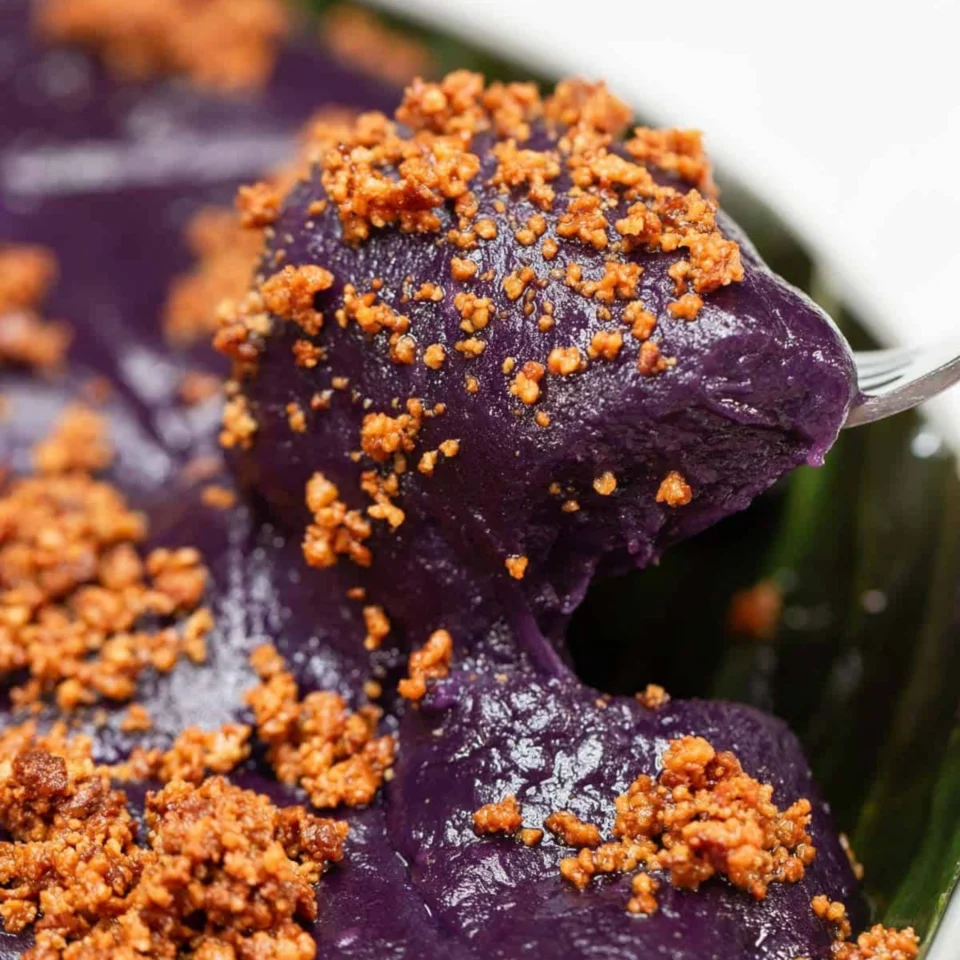
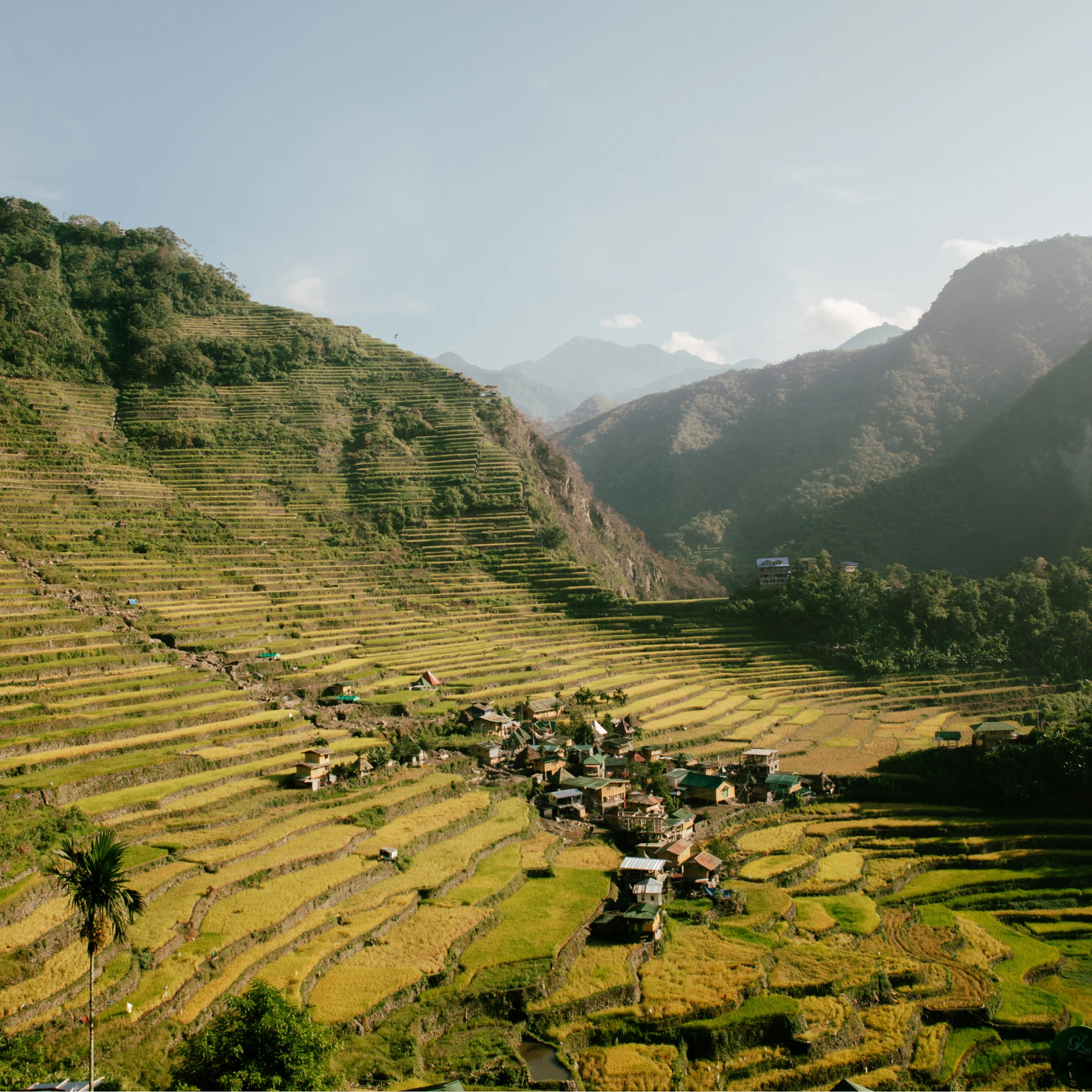
Realistically, many of these restaurants use a mix of local and imported ingredients. Francene estimates about 90% of the ingredients used at Gallery by Chele to be local—including the heirloom rice varieties that are the star of their current tasting menu, sourced directly from the Cordilleras: the Slow Food Community of Pasil, and the Rice Terraces Farmers Cooperative from Ifugao.
As far as R&D goes, it also gives them opportunities to discover a diverse range of ingredients—which further fuels their creativity. “We’re deeply grateful to our growers, whose work allows us to celebrate local ingredients and rethink what luxury can be,” Francene shares.
Why Responsible Sourcing Is at the Heart of Barangay Toyo
It’s a similar case for the restaurants under Barangay Toyo—that is, Toyo Eatery, Inato, AzukiToyo, and Panaderya Toyo. “Every dish begins long before it reaches the table,” shares Chaela Dee, chef as well as the Barangay’s sustainability head. “Across our kitchens, we share a belief that thoughtful food starts with responsible sourcing, strong relationships with growers, and a commitment to celebrating local, seasonal produce.”
Working directly with the farmers lets them better understand the ingredients they use fully, Chaela continues. “We meet the people who tend the land, learn how their crops are cultivated and harvested, and follow the produce from farm to Karrivin. This connection is more than a sourcing practice; it is central to the ethos of our entire Barangay.”
The Barangay has partnered with a number of ecologically conscious farmer organizations. And when looking at the produce their partners offer, the Barangay chefs see not just the ingredient itself but also the landscape, climate, and traditions that went into growing it, all of which give the ingredients their own “character, flavor, and story.” This guides the dishes they create as well. “Across our restaurants and bakery, we let those qualities guide what we create, honoring both the care of our farming partners and the richness of the ingredients they make available to us,” says Chaela.
At Hapag, Local Ingredients Are a Way to Cook From the Philippine Terroir
Hapag’s chef Kevin Navoa estimates about 80 to 90% of the ingredients they use to be locally sourced. They still rely on some imported ingredients occasionally, like the beef tongue used in their current Cordillera menu, largely for the quality. Still, he shares: “Wherever we can source something locally without compromising the quality of the dish, that will always be our preference.”
“I honestly believe sourcing locally gives us the best chance of getting produce at its peak. The less an ingredient has to travel, the better,” chef Kevin explains. “There’s also the responsibility of supporting the people who grow our food. When we source from local farmers, we’re helping create livelihood, but we’re also giving them an avenue to continue improving what they grow and how they grow it.”
Most importantly, he shares, sourcing local allows the Hapag team to cook from their own terroir. “We want the food at Hapag to taste like it comes from here. There are ingredients and produce in the Philippines that I genuinely believe can stand alongside what you’ll find in other countries.”
“For me, sourcing local isn’t about limiting ourselves. It’s about understanding what we can do with what we have.”
These are just some of the farmers, farms, fishermen, and other providers of fresh produce, seafood, and meat that power the menus of some of the Philippines’ top restaurants.
Meet the formidable producers supplying some of the country’s best restaurants.
Teraoka Farms
This 200-hectare, family-owned farm in Mangatarem, Pangasinan is certified organic, with “chief farming officer” Raffy Teraoka Dacones passing on the knowledge to others by offering training courses. Teraoka supplies their organic produce to the likes of Hapag (sampinit, yacon, rakkyo onions, and other seasonal produce), Metiz, and Automat.
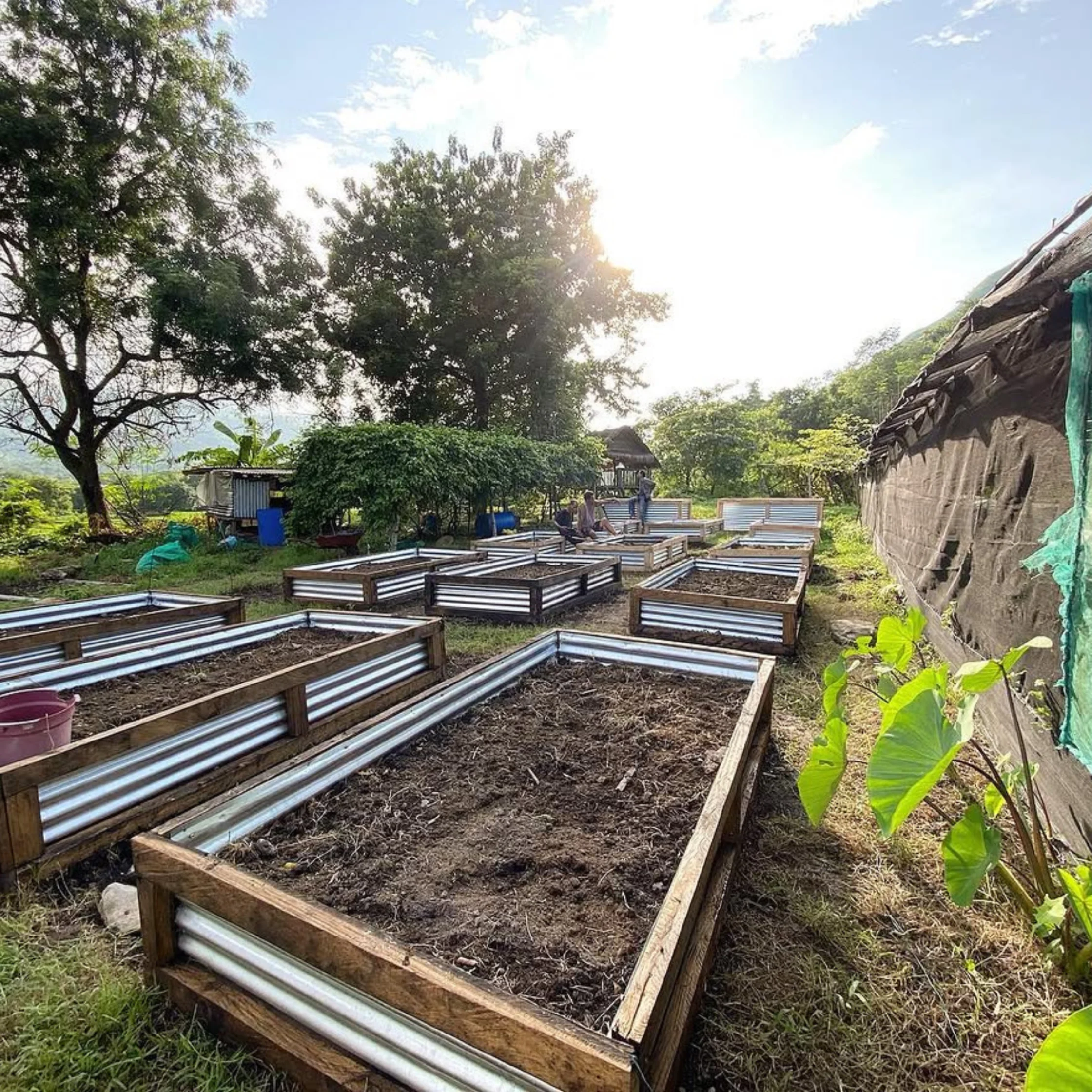
Instagram: @teraokafarm
Fresh Start Organics
Ramon “Chin Chin” Uy owns Bacolod-based organic venture Fresh Start Organics and its restaurant, Lanai by Fresh Start. He is also the councilor for South East Asia for Slow Food, the global organization advocating for good, clean, and fair food for everyone; and a board member of IFOAM Organics Asia, which champions organic agriculture and sustainable food systems. Chefs Charles Montañez of Liyab and Don Colmenares of Sauma credit Chin Chin for his help in sourcing local produce for their respective restaurants.
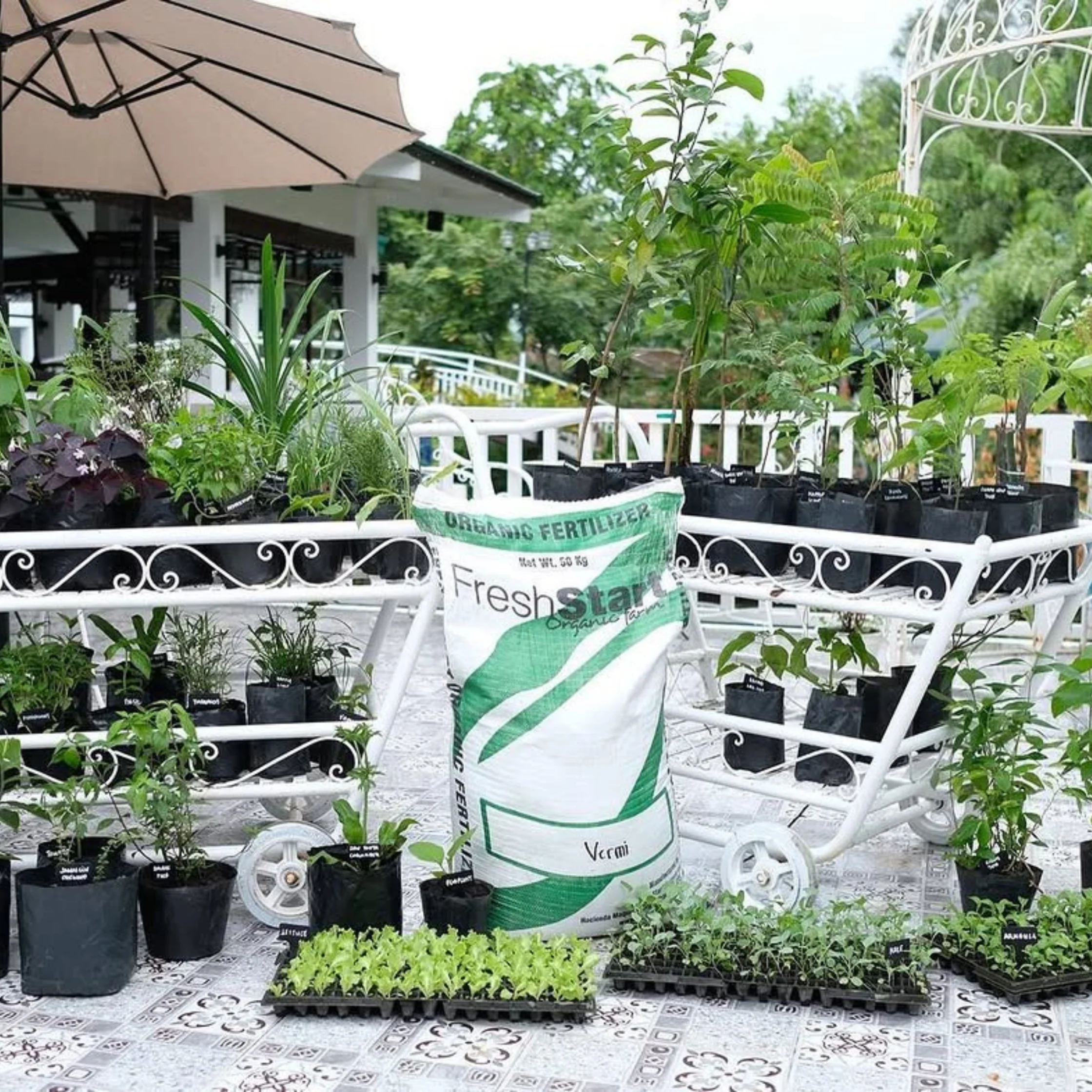
“His support goes beyond his own farm… [Chin Chin] also curates different sources throughout the region and connects us directly with farmers and fisherfolk, allowing us to access a wider range of local produce,” says chef Charles, who taps him for local sea urchin, tinigib corn, batuan leaves, hoja santa leaves, cacao, native black pigs, and Darag chicken.
Instagram: @freshstartorganic
Kai Farms
Located in Cavite, Kai Farms is a 25-hectare organic farm grounded on permaculture, a holistic approach to farming that mimics arrangements found in natural ecosystems, with the goal of maintaining these ecosystems’ diversity and stability. They supply their organic vegetables and herbs to restaurants like Hapag, Toyo Eatery, and Metiz and Automat.
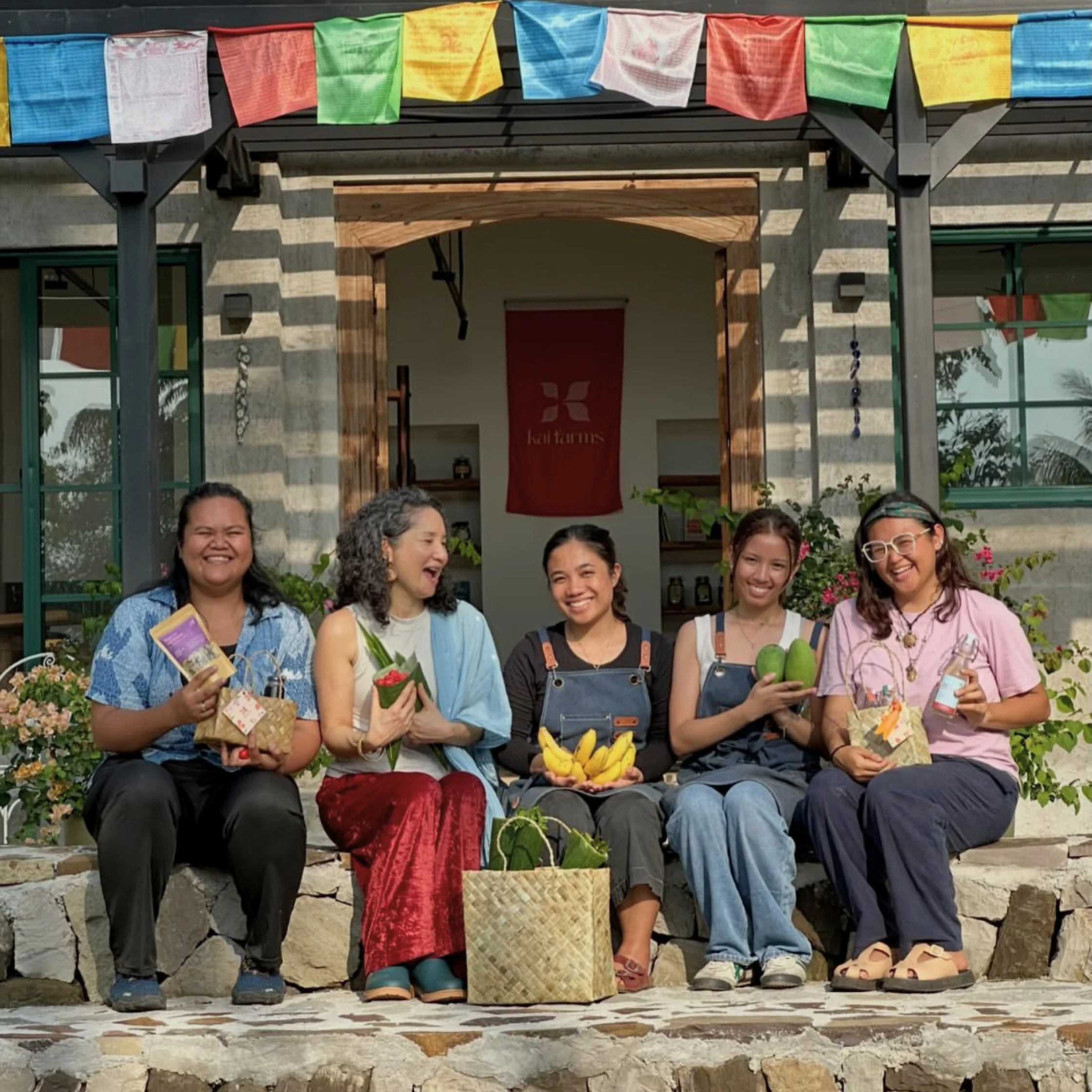
Instagram: @kaifarmsph
Good Food Community
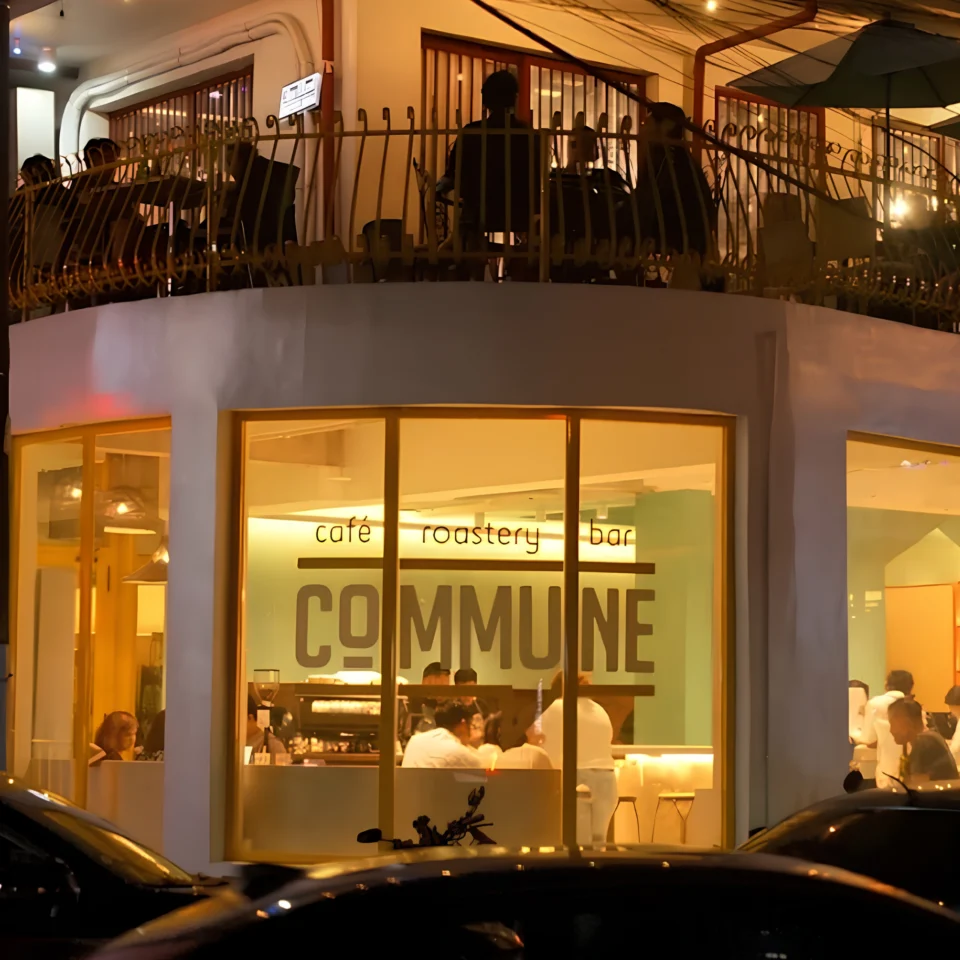
This social enterprise helps farmer families out via what’s called the community-shared agriculture (CSA) model. They connect farmers to consumers through what are called farmshares—in practice, that’s essentially a subscription to fresh produce bundles—and supply fresh produce to restaurants like Gallery by Chele (mostly common crops: banana hearts, carrots, squash, and so on). The folks of Good Food Community also head the Good Food Sundays market held at Mandala Park.
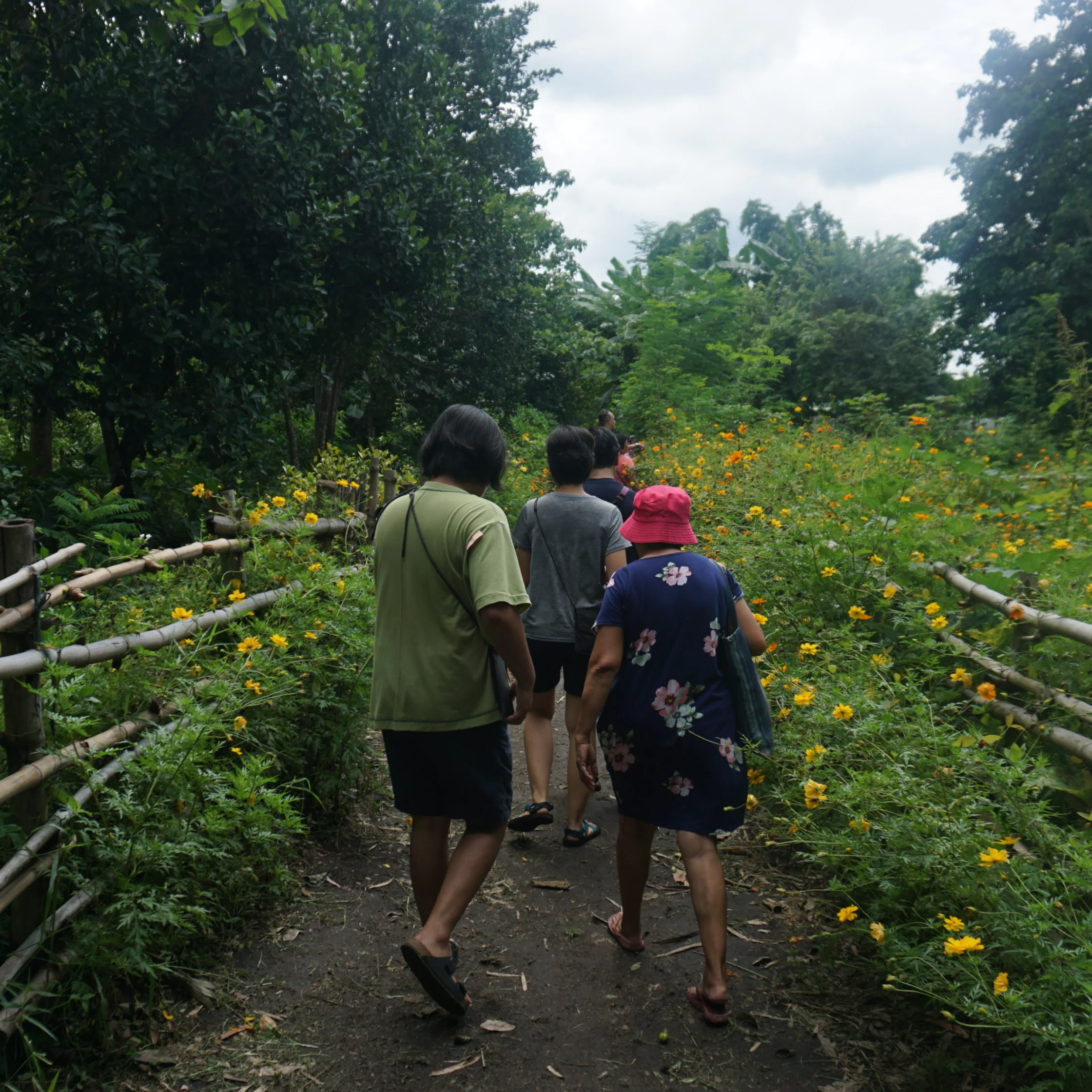
Instagram: @goodfoodcommunity
Chris Fadriga
We can thank Chris Fadriga’s efforts for helping solidifying the country as a source of the prized Criollo cacao, the variety that’s the rarest in the world. The cacao farmer from Bago City dedicated himself to searching for what could be Criollo cacao, adopting and growing them, and soon entering them to the International Cocoa Awards of the Cocoa of Excellence Programme in 2021, where he would earn a Gold rating and make it to the list of the Top 50.
Though he doesn’t consider himself a chocolatier, he makes his own chocolate in small batches as well. Chris supplies chocolate and cacao to the likes of Liyab and Negros’ Sauma.
Instagram: @chrscriollocacao
Sambali Beach Farms
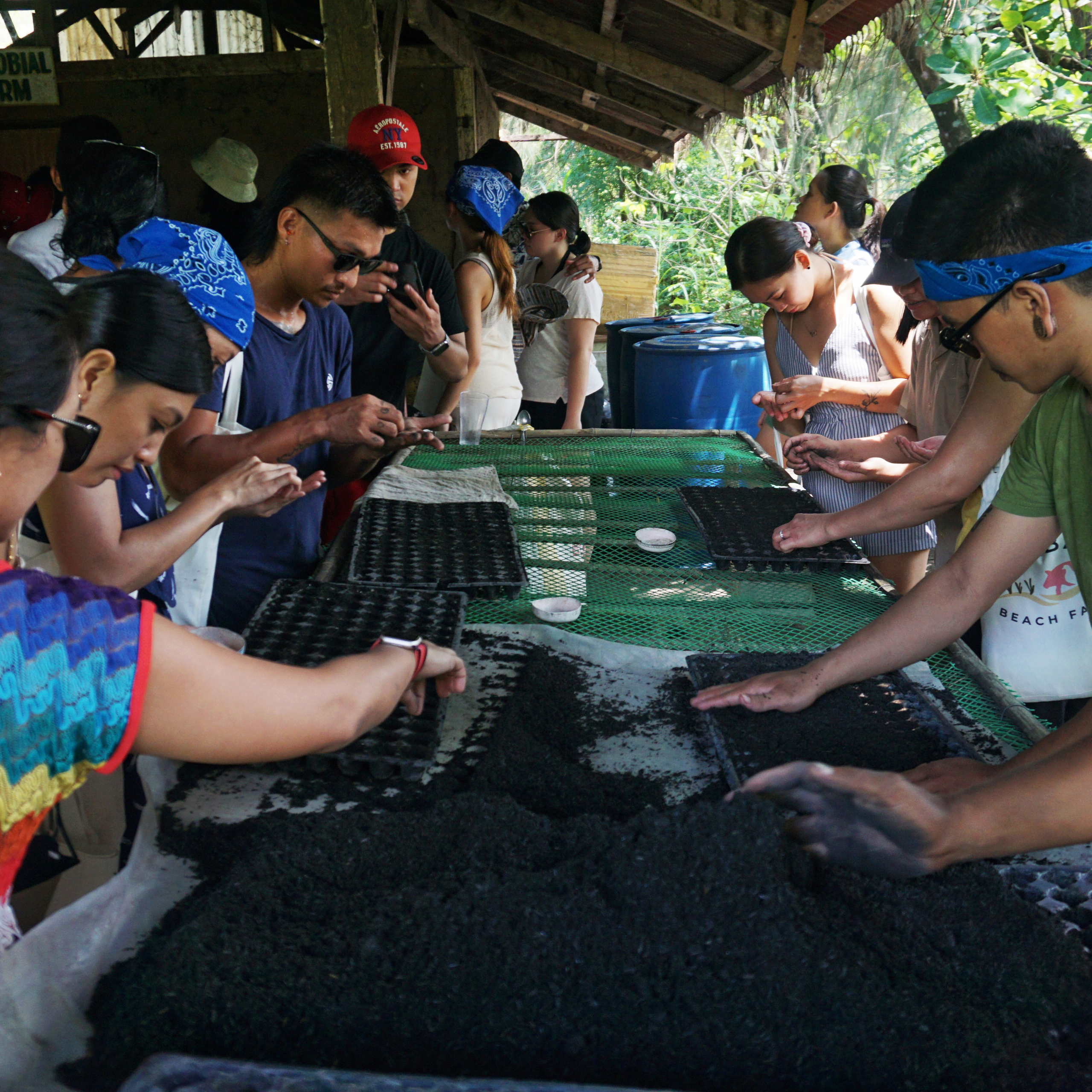
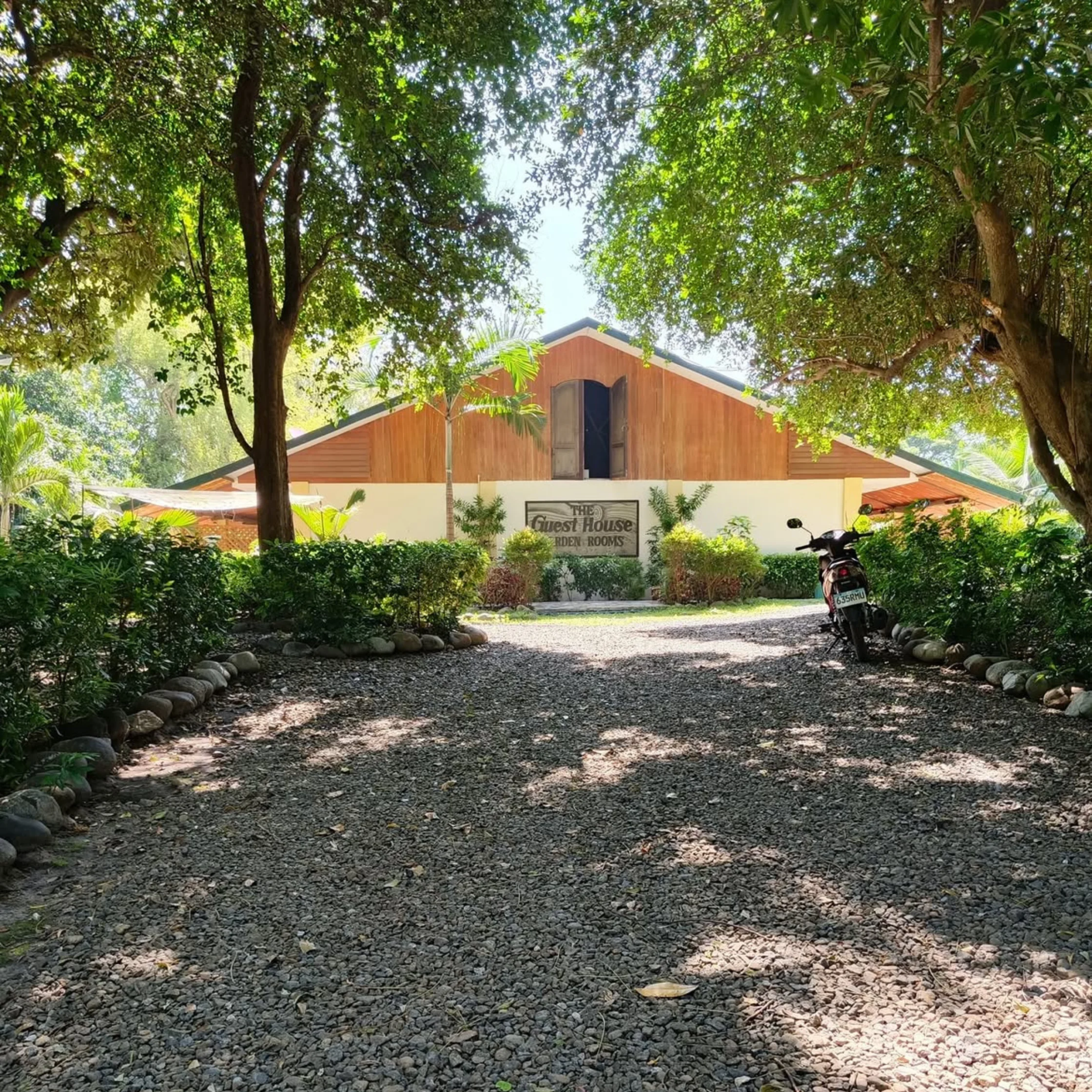
Over in Botolan, Zambales you’ll find Sambali, a beach farm employing organic processes that include bokashi, biochar, and vermicompost. The property as a whole spans eight hectares, including the beach front with their plant beds, and lodging areas visitors can book to stay in. Sambali is one of the farms that supply produce to Metiz and Automat.
Instagram: @sambalibeachfarm
Lucciole Family Farm
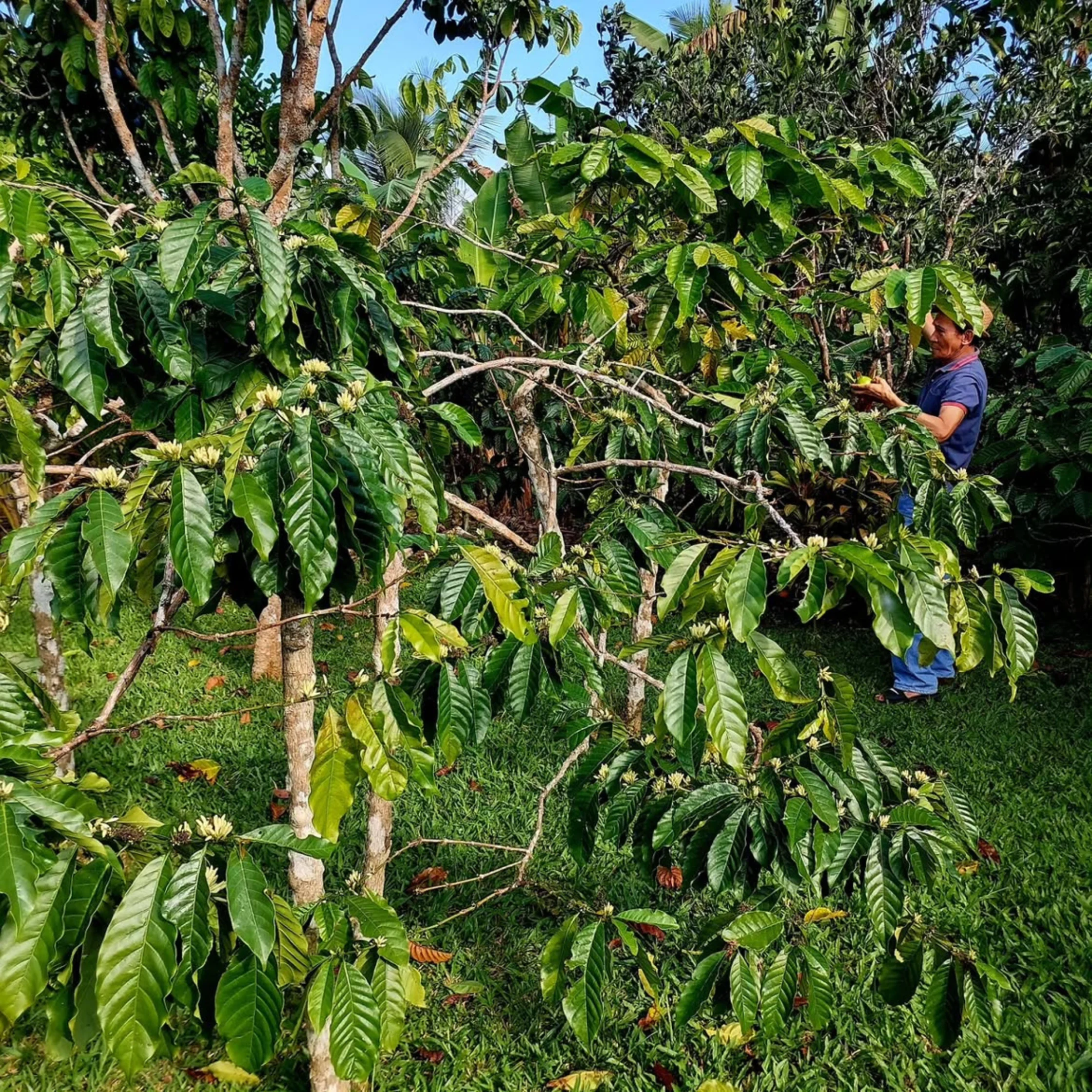
Natural farming is the name of the game for Lucciole Family Farm, which goes the low-intervention route in their farming practices so as to let the ways of nature shine. Named after the Italian word for fireflies, Lucciole began as a private family farm but they now supply to other restaurants, including Gallery by Chele for hard-to-find ingredients like pipinito and roselle.
Instagram: @lucciole_familyfarm
Mouldy Blooms
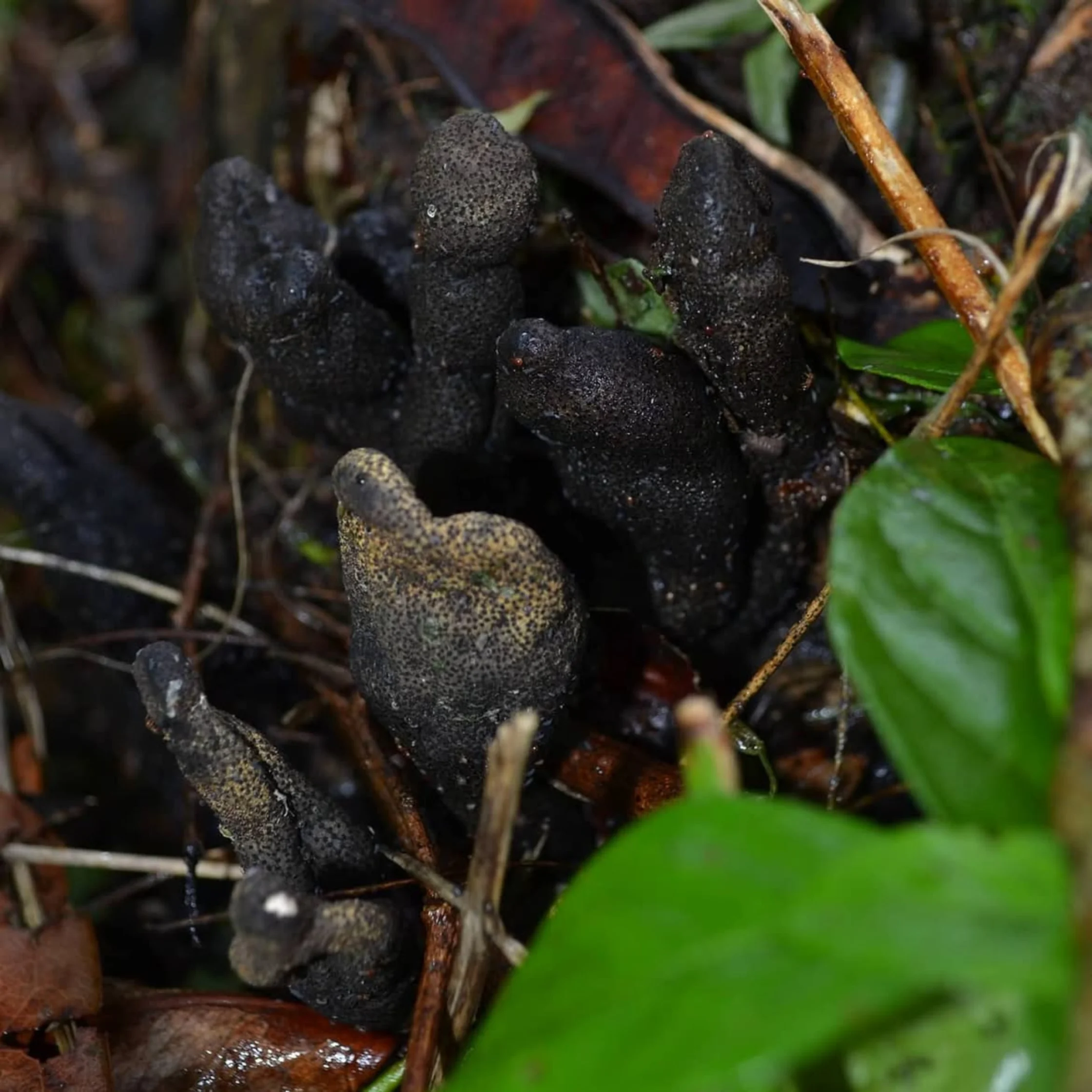
Run by urban farmer Iyay Ignacio who also heads the catering venture Sunday Street Co, Mouldy Blooms focuses on mushrooms, which they also supply to Hapag.
Instagram: @mouldyblooms
Sinaya Seafood
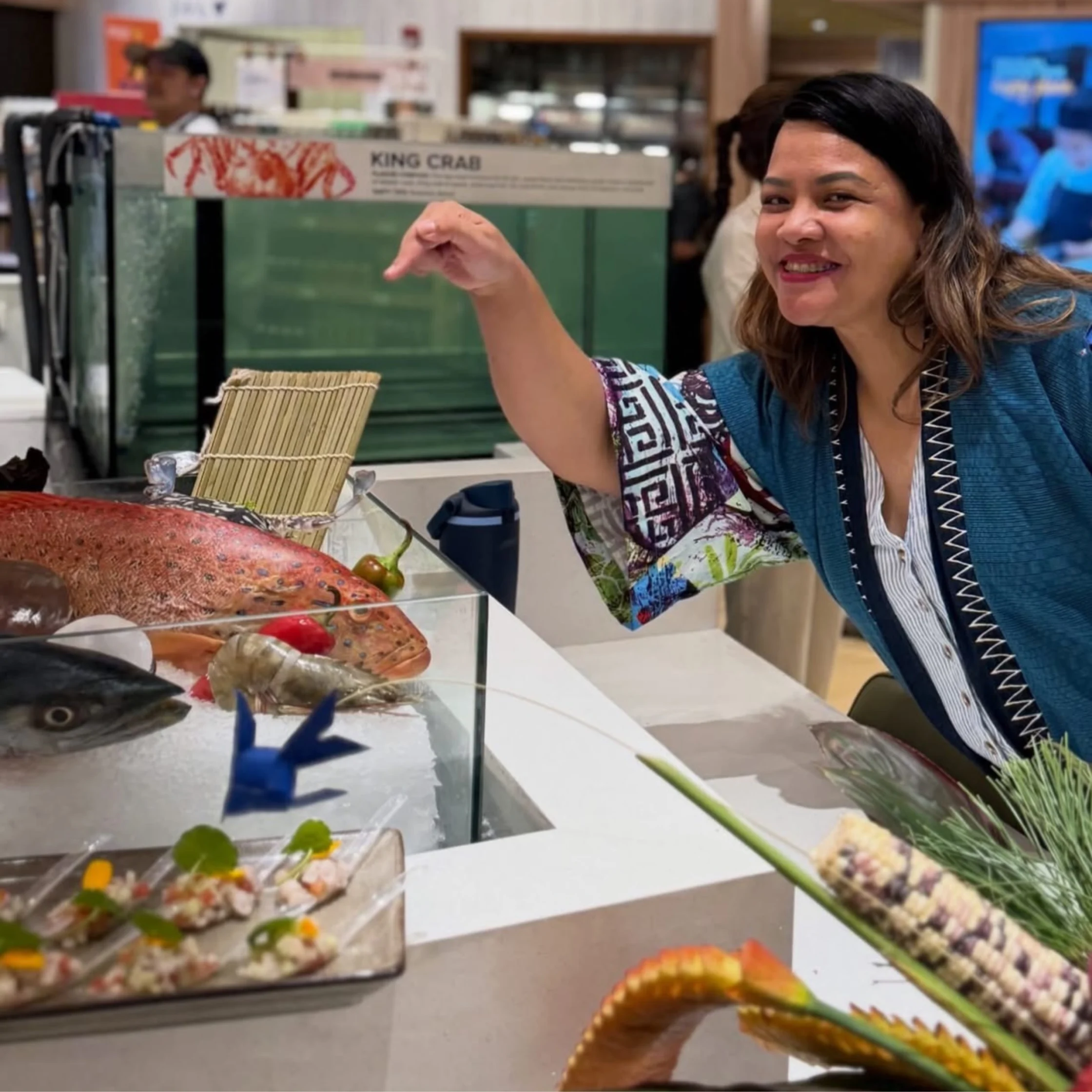
Run by Dhang Tecson who calls herself an “oceanpreneur,” Sinaya Seafood helps local fishing enterprises—especially those whose catch don’t easily reach bigger audiences due to logistics—by connecting them to bigger players, like home cooks and professional kitchens. Sinaya supplies seafood to the likes of Toyo Eatery, Inato, Dominion Cellar, and Mrs. Saldo’s. They’re also in the process of doing R&D with Liyab, Celera, Cerulean, Kasa Palma, Halong, and more.
Instagram: @sinayaseafood
Meliomar
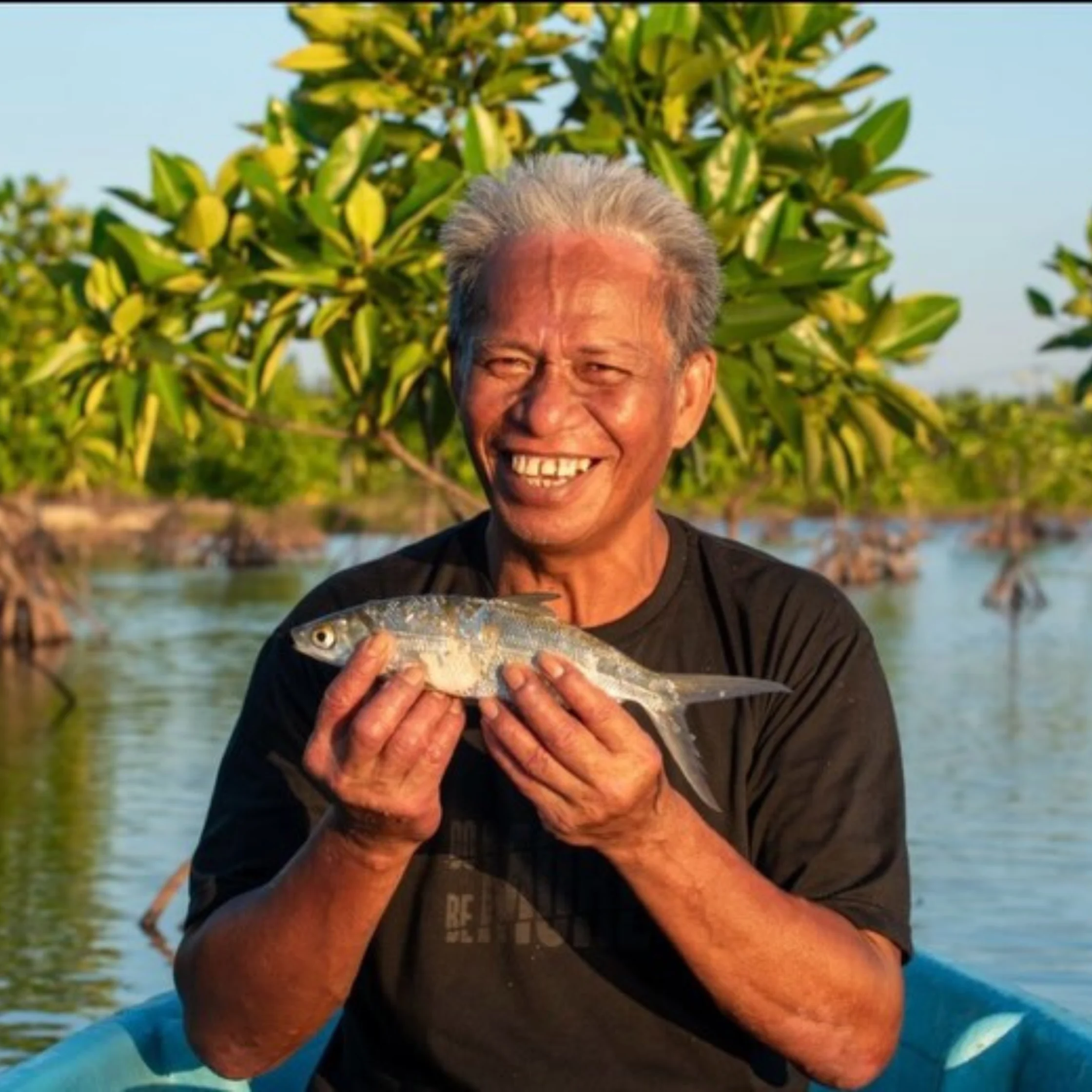
Meliomar is the Philippine leg of Swiss sustainable seafood advisory and management company Blueyou. Since its inception in 2012, the company been championing sustainable seafood through practices like restorative aquaculture (to improve aquatic ecosystems) and climate-smart harvesting systems (which reduces emissions along the supply chain). Some of the top hotels and restaurants they’ve worked with and/or supply to are Raffles Makati, Bolero, and Gallery by Chele.
Instagram: @meliomar.ph
Habilin Farms
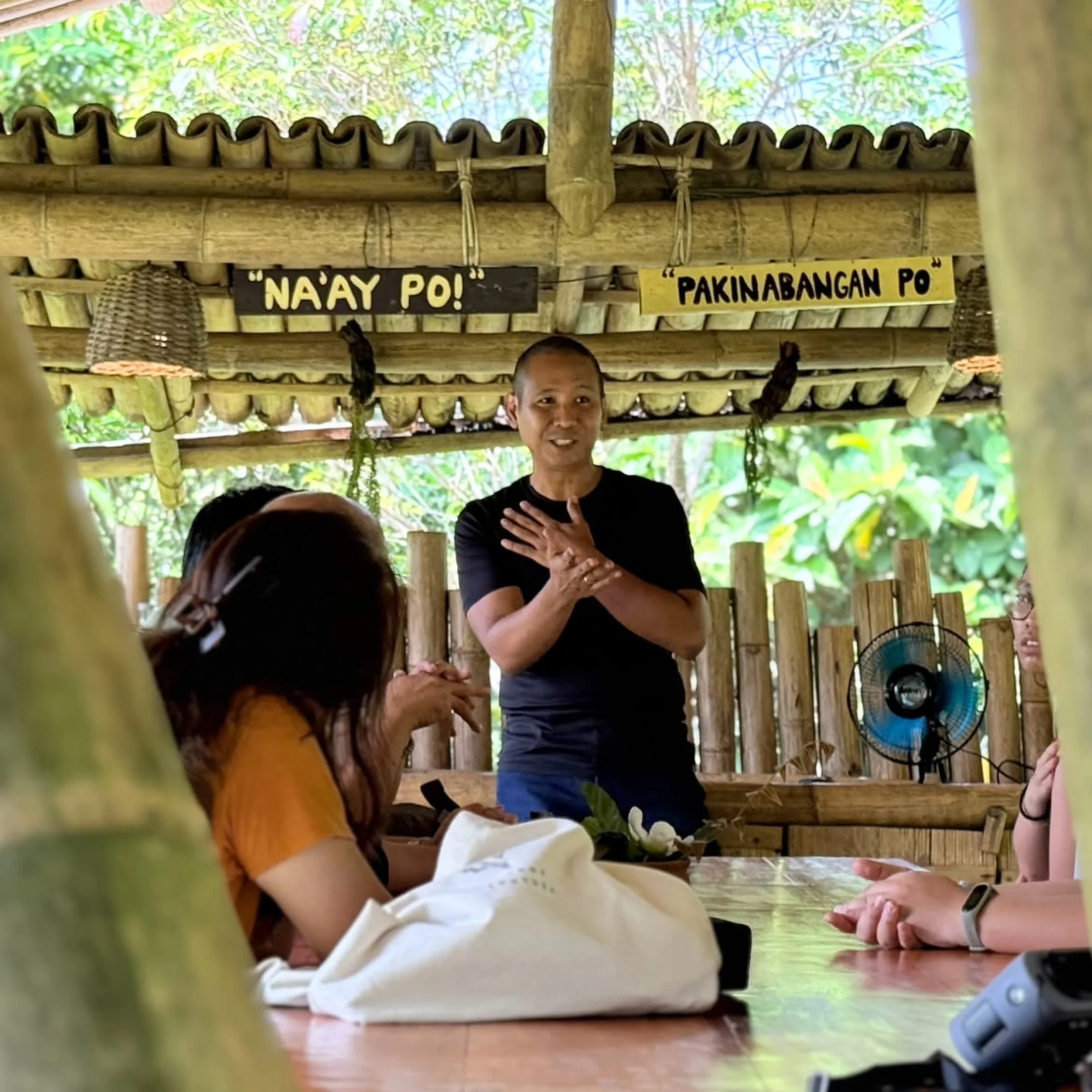
Ben Francia transformed what was formerly a coconut plantation into what is now Habilin Farms, an organic permaculture farm practicing sustainable farming methods like agroforestry and integrated diversified farming, planting together crops and trees plus raising livestock to emulate ecosystems in the wild. They provide the roselle (a.k.a. hibiscus) that colors the tapioca pearls pink in Hapag’s Strawberry Taho dessert.
Instagram: @habilinfarms
Nama Urban Farm
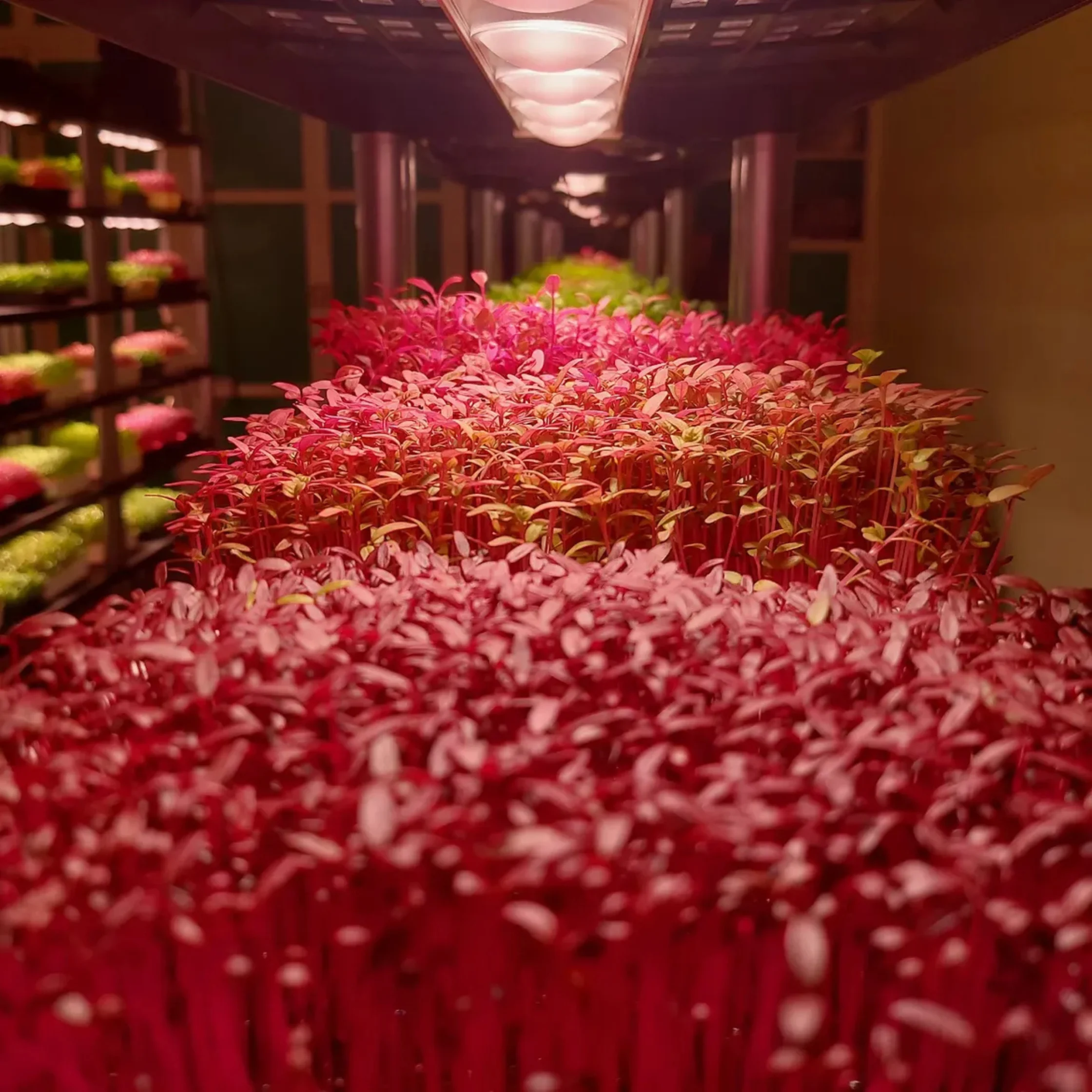
Nama—Japanese for “fresh”—is an urban agriculture social enterprise using eco-friendly indoor farming techniques to grow microgreens, fresh herbs, and edible flowers. They supply to more than 150 hotels, culinary schools, and restaurants in Manila, including Hapag.
Instagram: @namamicrogreens
Rice Terraces Farmers Cooperative
Among Ifugao’s bounties are the many varieties of heirloom rice grown in the province. Advocating for heirloom rice is the Rice Terraces Farmers Cooperative (RTFC), an agricultural group in Banaue uniting farmers from Banaue, Hingyon, Hungduan, Kiangan, Asipulo, Mayoyao, Aguinaldo, and other nearby areas. The cooperative was recently awarded with the Ifugao Seal of Excellence, and it’s through them that Gallery by Chele sources the Tinawon Donaal, Minaangan, and Mt. Violet rice varieties used in their Heirloom Rice menu.
Instagram: @riceterracesfarmers
Esguerra Farms
Based in Lipa, Esguerra Farms produces Kurobuta pork by raising pure-bred Berkshire pigs on a pasture, with no growth hormones or antibiotics. Behind the 70-hectare farm is Herminio Esguerra, who also breeds race horses. Esguerra supplies their locally produced Kurobuta to a number of restaurants, including Hapag.
Instagram: @esguerra.kurobuta

Frequently Asked Questions
A growing network of Filipino farmers, fishermen, organic farms, and food producers supplies top restaurants with everything from heirloom rice and seasonal vegetables to sustainable seafood, cacao, mushrooms, and locally raised pork. Among those featured here are Teraoka Farms, Kai Farms, Good Food Community, Sinaya Seafood, Meliomar, the Rice Terraces Farmers Cooperative, and Esguerra Farms.
Local sourcing gives chefs access to fresher, seasonal ingredients while supporting Filipino farmers and producers. For chefs like those at Gallery by Chele, Barangay Toyo, and Hapag, it also creates an opportunity to express Philippine landscapes, traditions, and terroir through food.
Fine-dining restaurants are working with a wide range of local ingredients, including Cordillera heirloom rice, organic vegetables, sea urchin, tinigib corn, batuan leaves, cacao, roselle, mushrooms, microgreens, edible flowers, sustainable seafood, native chicken, and locally raised Kurobuta pork.
Sourcing locally can reduce the distance ingredients travel and potentially lower the environmental impact associated with transportation. When combined with responsible farming, fishing, and production practices, it can also support more sustainable food systems and local livelihoods.

![The Ongpin South Bridge arch [PHOTO COURTESY OF The Urban Roamer Official Website]](https://assets.delish.ph/wp-content/uploads/2026/10/The-Ongpin-South-Bridge-arch-PHOTO-COURTESY-OF-The-Urban-Roamer-Official-Website-960x960.webp)