

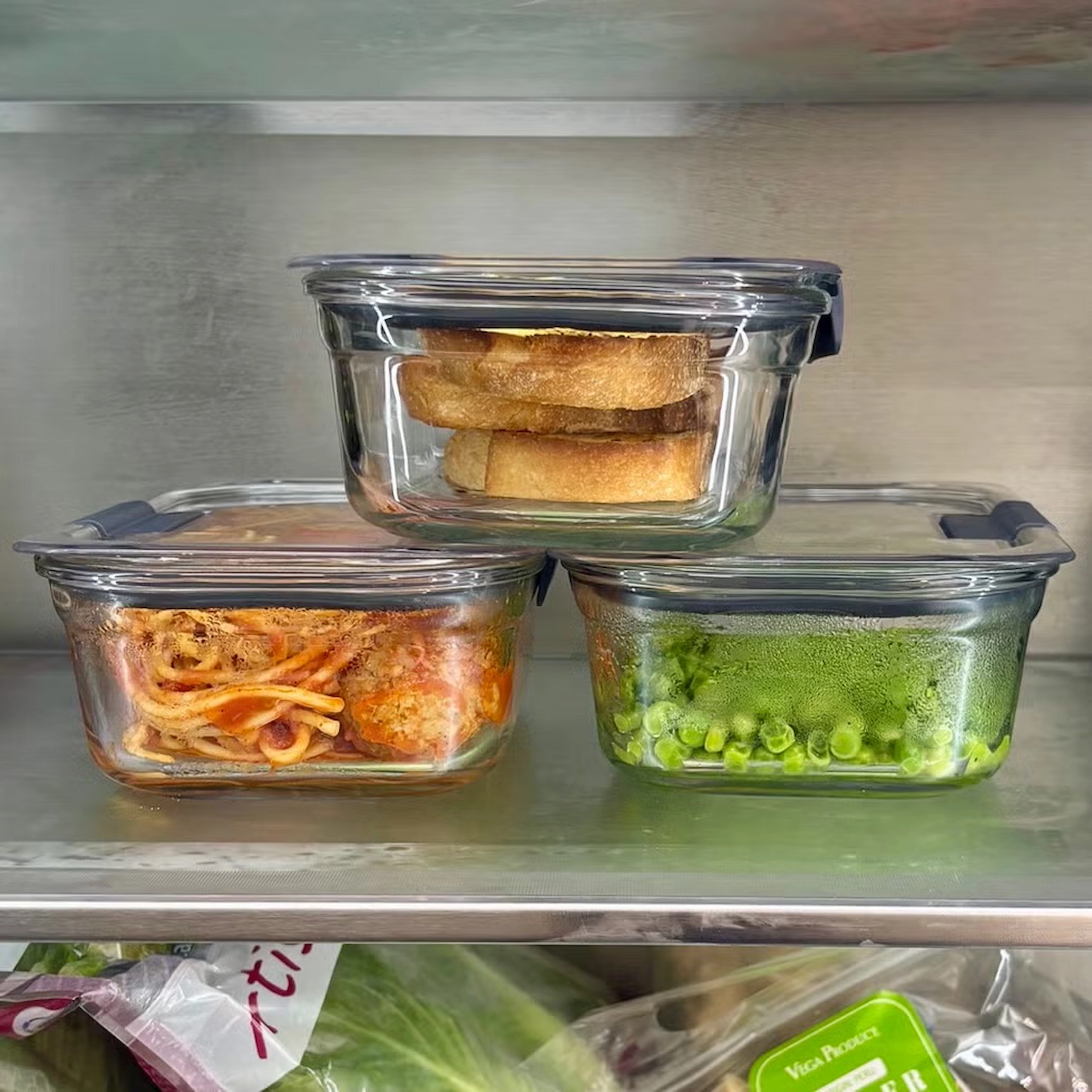
- Contrary to popular belief, it’s absolutely safe to store hot leftovers in the refrigerator.
- Quickly cooling leftovers to get them out of the temperature “danger zone” is key, and refrigerating can help with this.
- If you are storing hot leftovers, splitting large amounts into smaller containers, using shallow metal containers, and putting the hot leftovers on a shelf where cool air can circulate around them is best.
Food safety is a hot topic today, with questions ranging from “Is it safe to eat sprouted onions?” to “Should I use a scratched non-stick pan?” But as fascinating (and anxiety-provoking!) as all these topics are, none is perhaps more important to our everyday lives than the question of putting hot leftovers in the refrigerator. Is it safe to refrigerate food that’s still warm, or even hot? Or should we let it cool to room temperature first? And what if we need to run out the door right after dinner? What do we do then?
As someone who cooks for a living and is constantly running back and forth between meetings and my kitchen, I needed the answers to these questions just as much as anyone. I conducted a thorough review, consulting the USDA, FDA and websites of several refrigerator manufacturers. Here’s what you need to know about how and when you should refrigerate those leftovers.
Is It Safe To Put Hot Leftovers In The Fridge?
According to the USDA, it’s absolutely safe to refrigerate hot leftovers. In fact, it’s often the safest thing to do. When dealing with any leftover food, the most important thing (from a health and safety perspective) is to lower the temperature of that food as soon as possible so it doesn’t spend too much time hanging out between 40 and 140°F. This temperature range, also known as the “danger zone” allows for bacteria to grow quickly, and food that’s left sitting in it for longer than 2 hours may become unsafe for consumption.
So that pot of chicken soup that’s been hanging out on the table for a couple of hours? You’ll want to get it stored in the refrigerator and cooling ASAP.
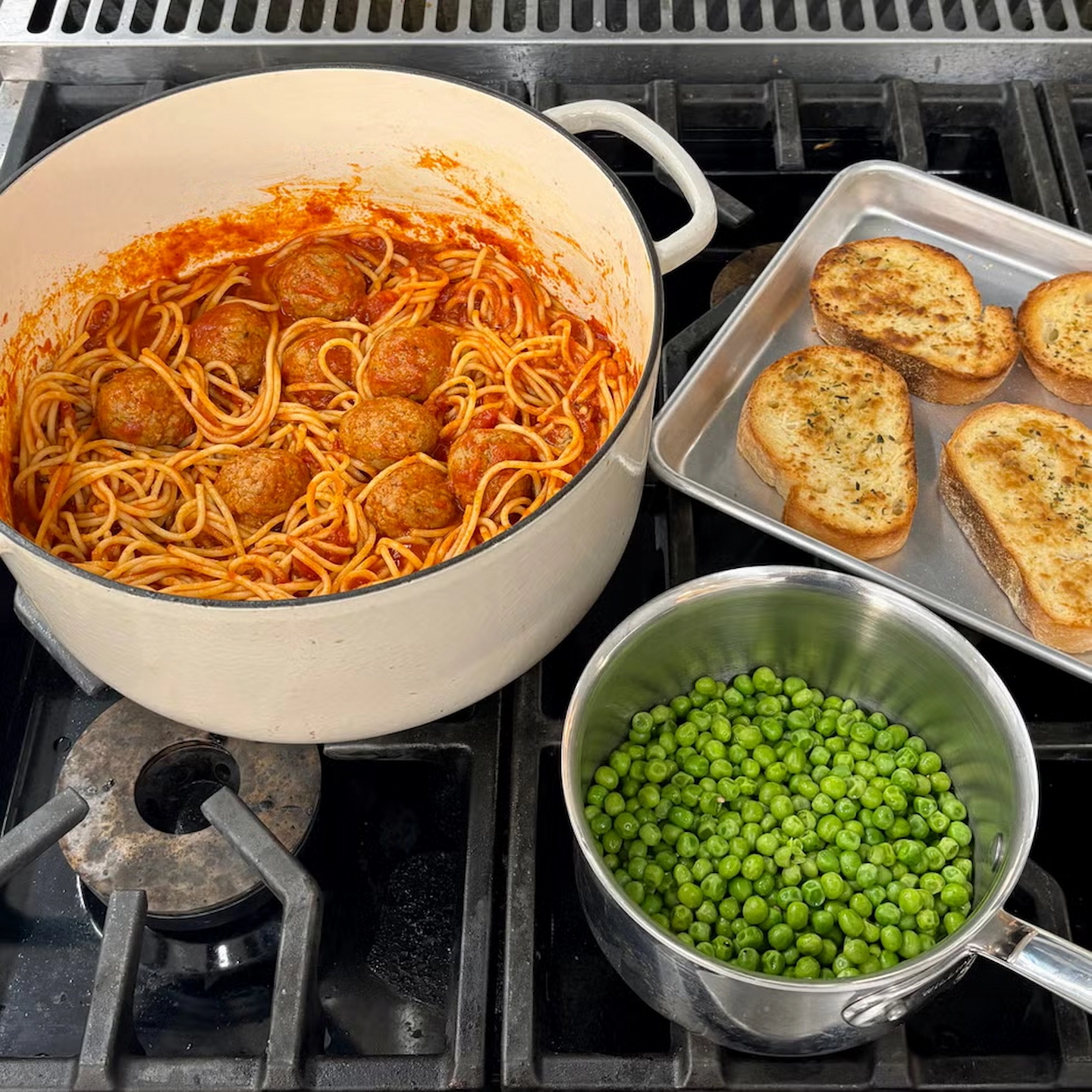
That said, sticking a Dutch oven (or even a huge storage container) of soup in the refrigerator isn’t necessarily going to help it cool down very quickly. So here are some tips for prepping and storing your warm food efficiently and safely.
Tips For Safe Leftover Storage
- Split large quantities up. If you have a lot of one type of leftover, store it in several smaller containers rather than one big one. A smaller container allows for more surface area to volume, which means the food will cool faster.
- Use shallow containers. Whenever possible, use a shallow container rather than a deep one. This will allow for more rapid cooling.
- Cool in stainless steel or metal containers. Metal heats up and cools down faster than glass or plastic, so it’s an ideal choice when you want its contents to cool as quickly as possible. Once the food is cold, you can transfer it to plastic or glass storage containers.
- Cover it well. While some sources might advocate for leaving a vent to prevent condensation in the container, the USDA recommends tightly covering all leftovers to “retain moisture” and keep them from “picking up odors from other foods.”
- Store any warm food on a shelf where plenty of cool air can circulate around it. The additional circulation will help the food cool faster.
Won’t My Hot Leftovers Endanger The Other Food In The Fridge?
It’s understandable that you’d be concerned about raising the overall temperature of your refrigerator with hot leftovers, but there’s really nothing to worry about. Modern refrigerators are powerful enough to combat a small increase in temperature that a few containers of warm food might cause. Unless you’re using your grandma’s refrigerator from the 1950s, you should be just fine.
This article was originally published in Delish US.

Frequently Asked Questions
According to the USDA and FDA, it is absolutely safe to refrigerate hot leftovers. In fact, it is often the safest option because the primary goal is to lower the temperature of the food as quickly as possible to prevent bacterial growth.
The “danger zone” is the temperature range between 40°F and 140°F. In this range, bacteria can grow rapidly. Food should not sit in this zone for more than two hours; otherwise, it may become unsafe to eat.
Modern refrigerators are powerful enough to handle the heat from warm containers without compromising the overall internal temperature. Unless you are using a very old model (from the 1950s or earlier), your fridge will effectively circulate cool air to maintain a safe environment for all your groceries.
You should split large quantities into several smaller, shallow containers rather than one deep one. This increases the surface area relative to the volume, which allows the heat to escape much faster and ensures the center of the food cools down quickly.
You should split large quantities into several smaller, shallow containers rather than one deep one. This increases the surface area relative to the volume, which allows the heat to escape much faster and ensures the center of the food cools down quickly.
The USDA recommends covering leftovers tightly even when they are warm. This helps the food retain its moisture and, more importantly, prevents the leftovers from absorbing odors from other items in the refrigerator.