

How Don Baldosano Explores Coastal Flavors
After bagging the 2026 Michelin Guide Young Chef Award in the Philippines, Don Baldosano was inspired to get even more down and dirty in his regional researches. Every other week, he travels to a location where he believes he can get a lot of inspiration from.
For his current tasting menu, he turns to four coastal places, namely, Infanta in Quezon, Ilocos Norte, Iloilo, Capiz and Cebu, each of which added not just new ingredients to his repertoire but also a better understanding of how we Filipinos lived before.
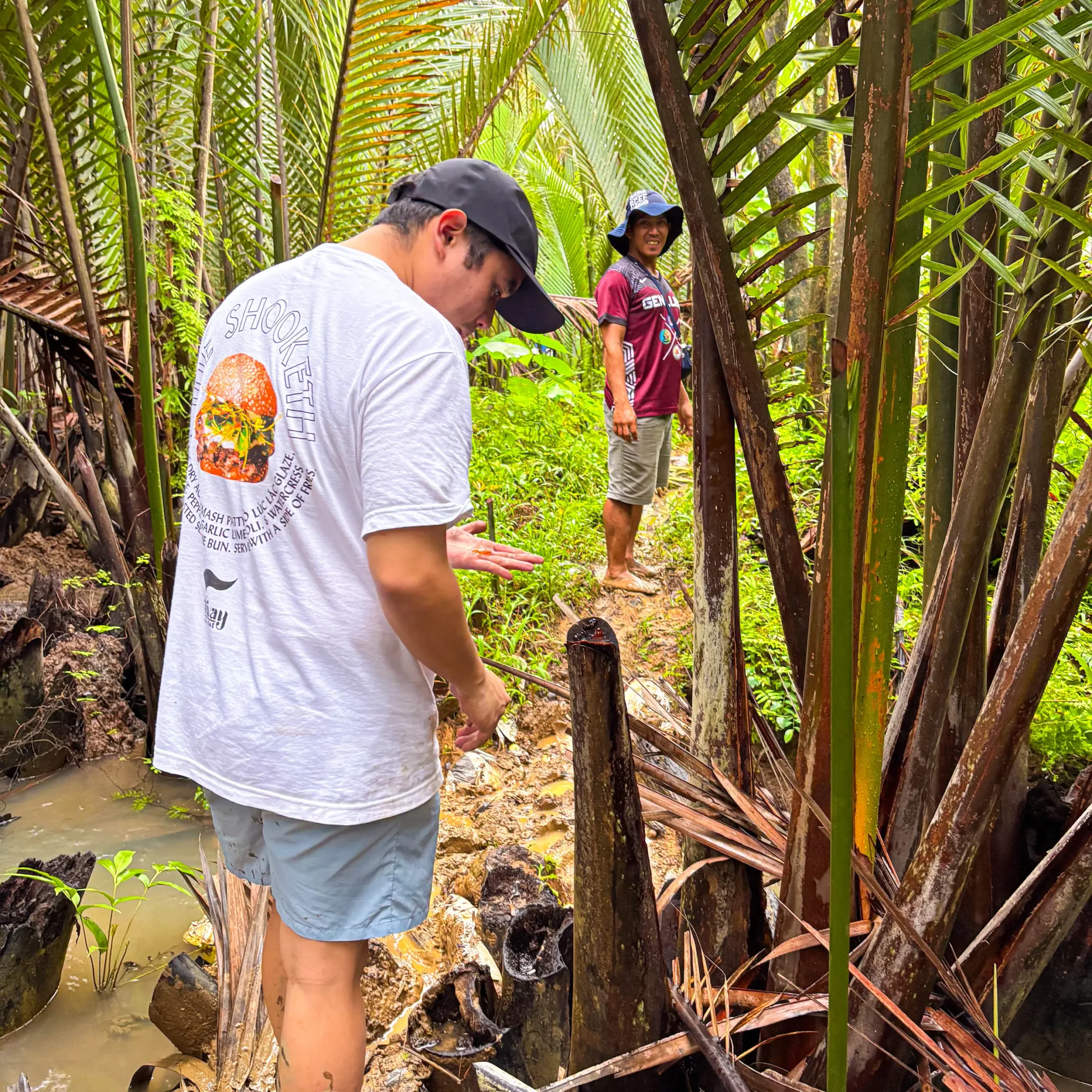
“I’m so in love with just being in the water, not particularly just the sea, but also mangroves and wetlands. That’s how our communities started,” the One Michelin-starred chef says. “I’m trying to focus on something that’s representative of what we are as Filipinos, given the country’s archipelagic nature. I’m doubling down on what we do as an archipelago that’s different from other countries, placing focus on coastal ingredients and techniques essentially.”
Rare Ingredients: Landang and Nipa Lambanog
His R&D ritual usually starts by going to the palengke and perusing what they have in their baskets. He would also go to the carinderias and strike a conversation with the cooks and even guests. “I’d ask them where the ingredients for a particular dish came from or together, we’d break down a dish that’s new and interesting to me.” He also looks for the barangay captain and requests to be connected to local communities.
One of the more interesting discoveries he had lately is the landang from Cebu. “I found it in only two places—Argao and Carcar,” he says. “It’s sago but uses the sap of a nipa tree. They’d kill an entire tree, grate the bark, then extract the starch. And what’s nice is it’s purple in color.”
Lambanog is something not new to many Filipinos. The many types Don has come across with previously always worked with coconut. But not the one he found in Quezon. “It’s nipa! Their process is similar to the coconut kind, only difference is, in Infanta, they consider the terroir in the production of their lambanog. In particular, the salinity of the water where the mangroves thrive.”
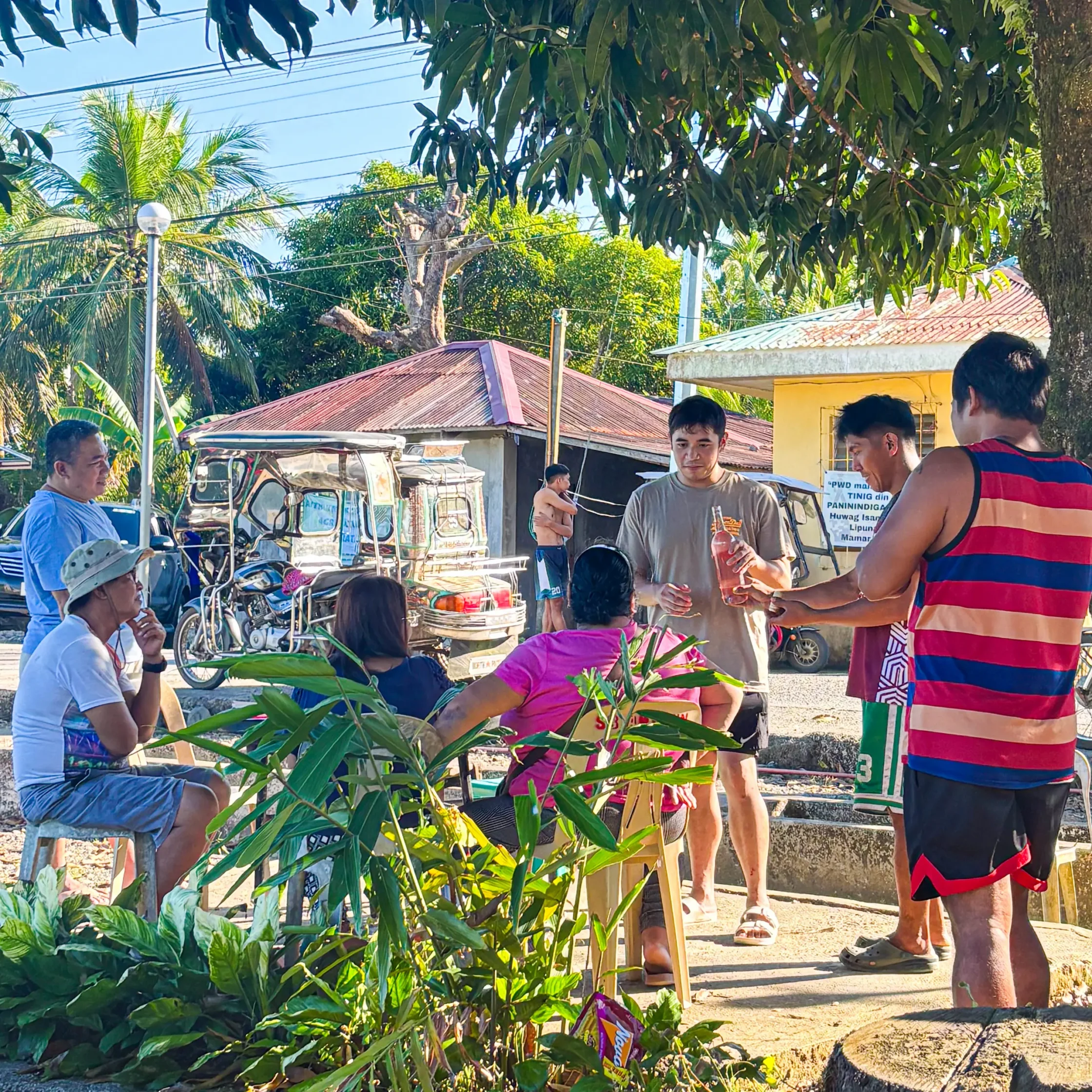
Even if the four provinces are coastal, they still vary from each other, he muses. “Infanta and Ilocos, for example, are worlds apart. Ilocos is vegetable-focused even if coastal. Not so much into seafood. While Infanta focuses more on fish and seafood. Perhaps, because they have a wide variety there.”
Don takes so much pleasure in his adventures because he knows that he will be heading home not just with loads of produce, but also ideas. “There’s so much deep knowledge in these small cultures that we need to tap into. And that’s what I’m focusing on now.”
Review: Linamnam Parañaque’s Tasting Menu
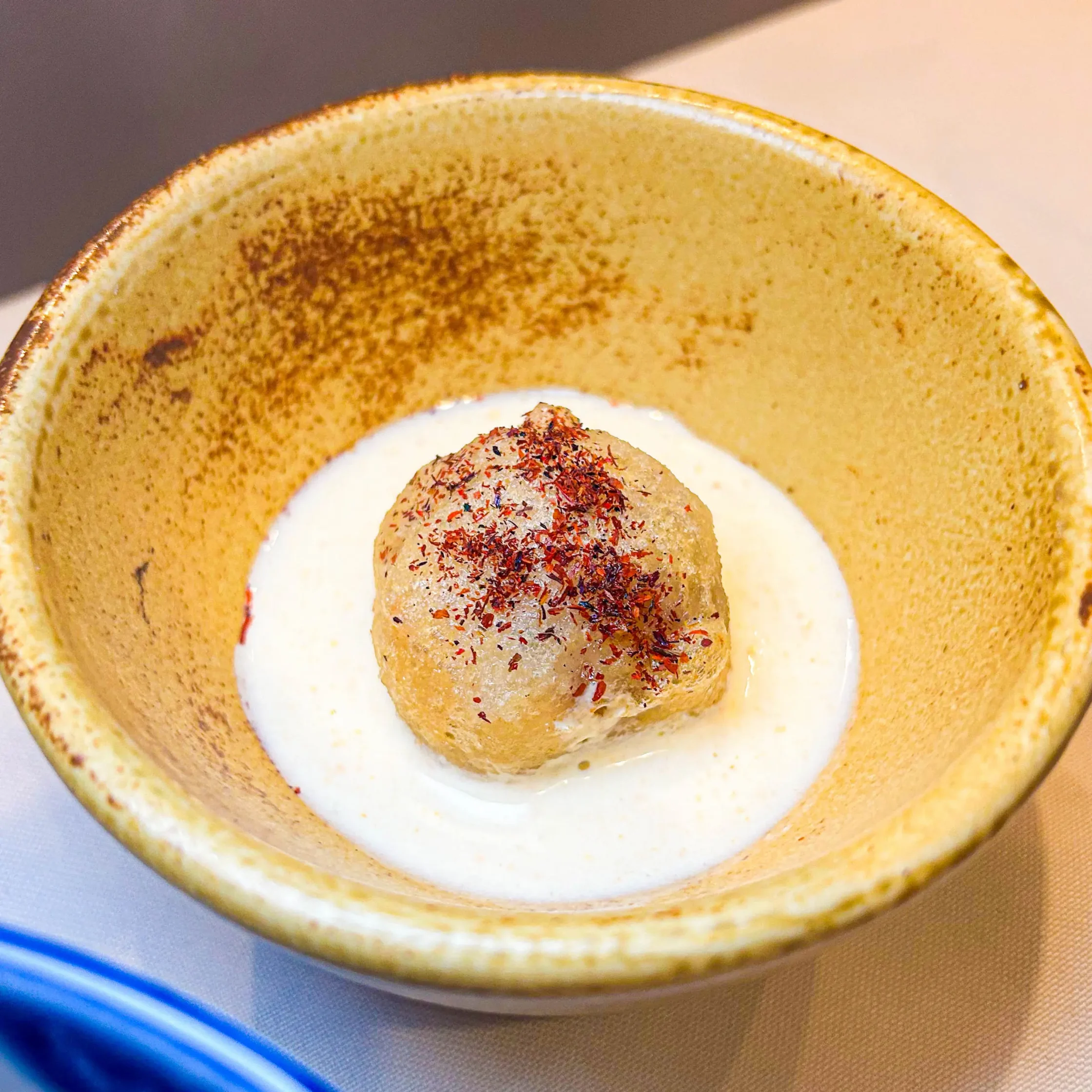
The dinner kicks off with a bevy of small bites that tip the hat to his childhood: a piece of puto sa pula with longganisa and kesong puti; raw Mindanao beef with onion gelee on a crispy cracker; puto lanson with wild pompano and guava oil; and a duo of the thinnest okoy with warm crab and malunggay soup.
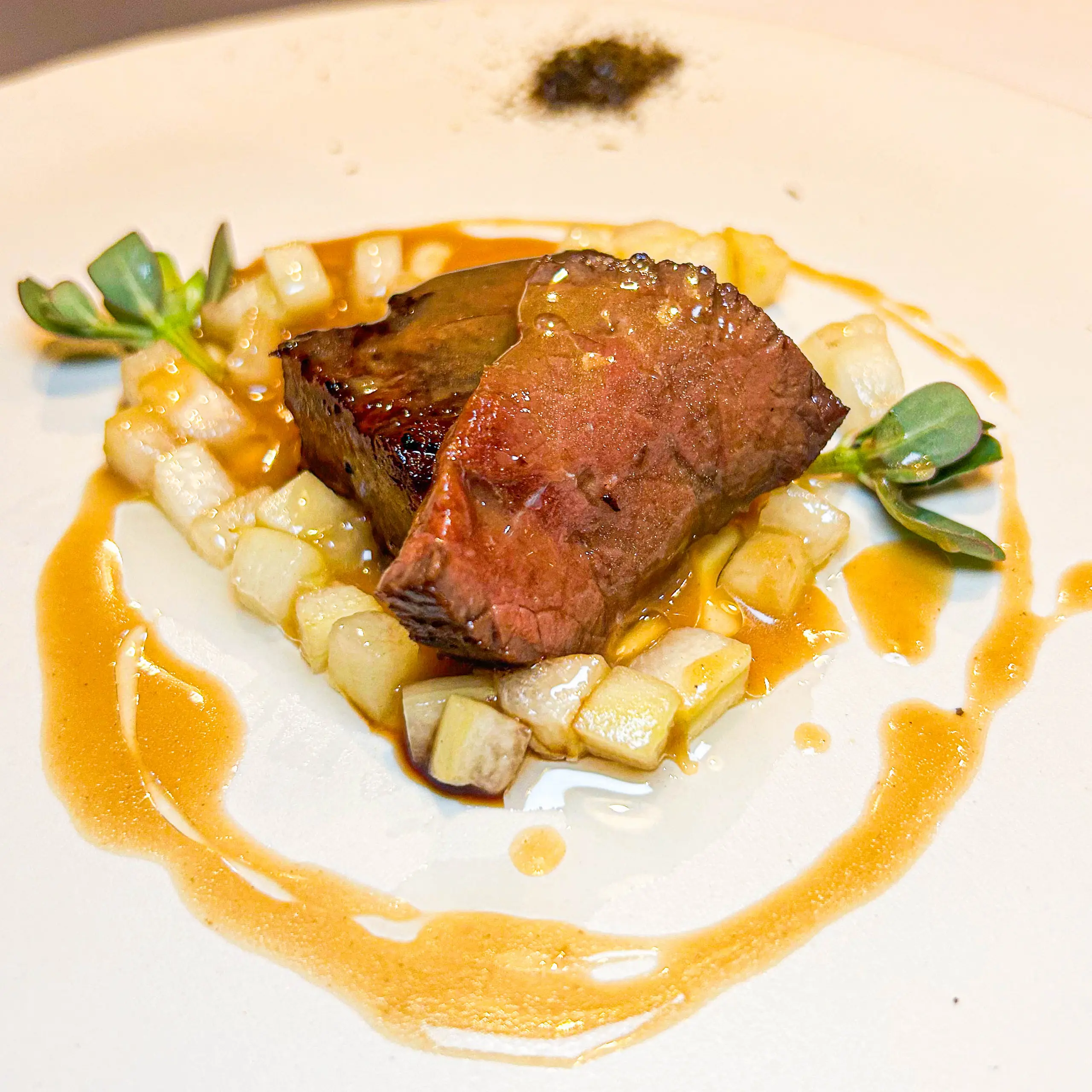
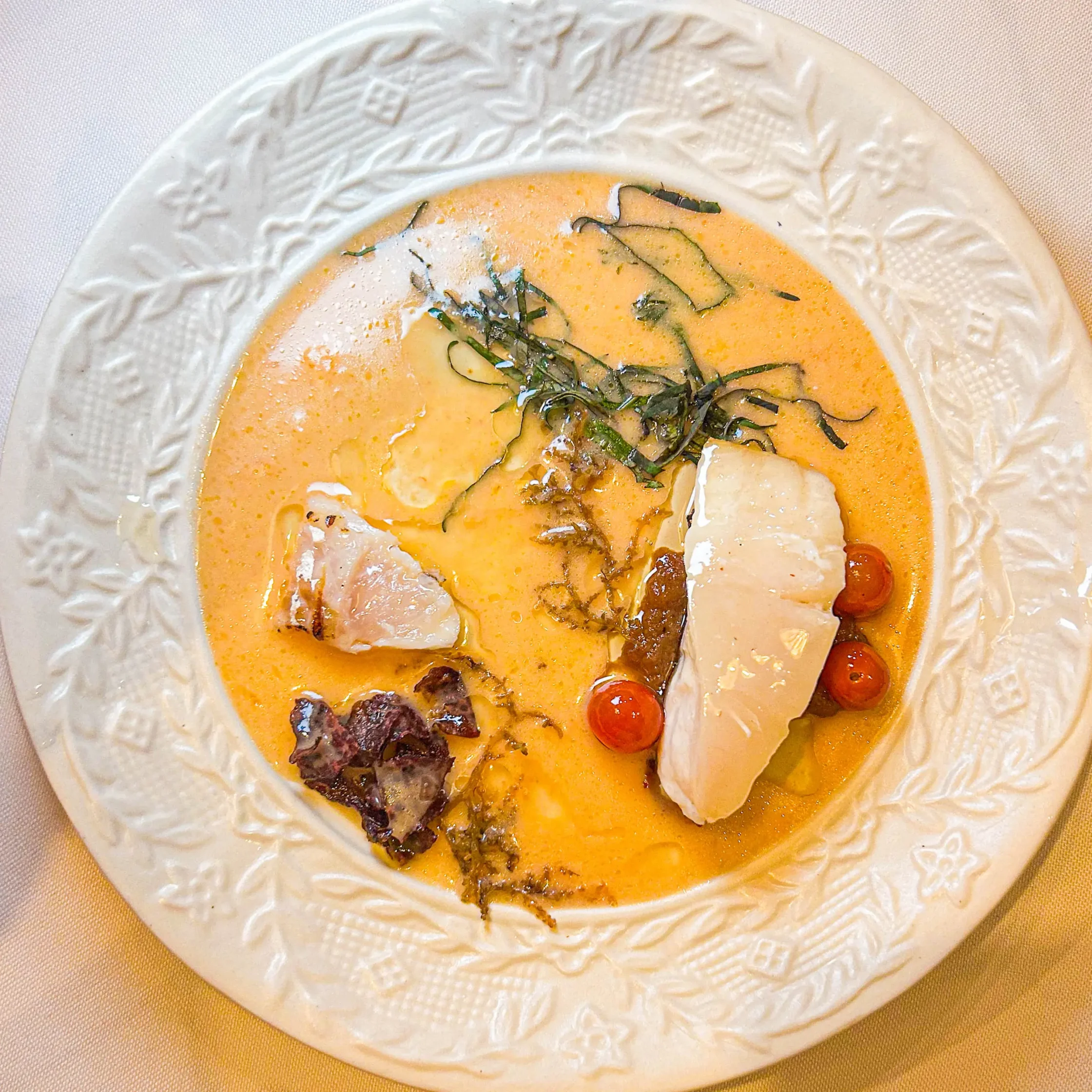
This was followed by four heftier numbers: grilled shrimps with adobado cream sauce and fried sweet potato leaf; aged seabream with kulot seaweed and aged beef fat; the most satisfying pancit molo made with chicken mousse dumpling and silky chicharon broth; and tender beef leg with smoked kamias and cinnamon leaf jus. Rounding off the savories is burnt Camoroso rice with pork bola-bola and vegetable ala king. Though simple in presence, the flavors from these plates prove to be otherwise as they’re complex without being too complicated.
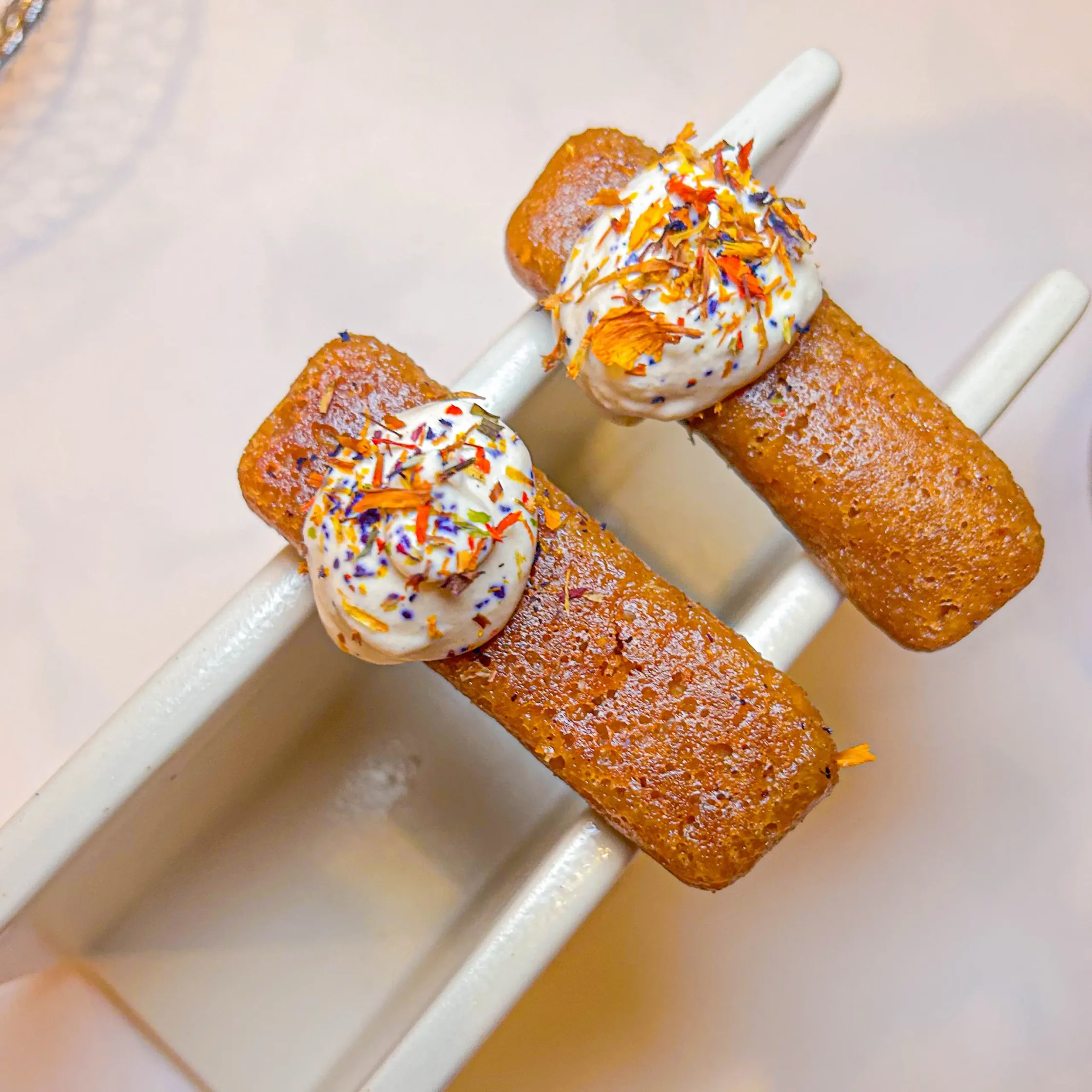
Five desserts ranging from cogon grass ice, beef fat cake, roasted yema tart, and a triple milk dessert that has long been included in his menus (to take it out of the repertoire would be a disservice) may seem too many but the progression from refreshing to rich would make guests not want to miss a single bite. There’s thought to Don’s madness and to acknowledge this, one must submit to the lovely process, down to the very last bite. In this case, a very memorable petit four of banana karioka.
Don Baldosano’s drive is relentless. The dedication he puts into his craft is one that’s duly admirable. Be it frequently traveling and missing some days of service to walking barefoot in knee-deep thick mud, he will do what it takes to provide his guests a learned dining experience that took more than just cooking to produce.
Linamnam is located at 31 Greenvale 2, Marcelo Green Village, Parañaque.

Frequently Asked Questions
Don Baldosano is a Filipino chef and the recipient of the 2026 Michelin Guide Young Chef Award in the Philippines. He is known for modern Filipino cuisine rooted in regional ingredients and cultural storytelling.
Chef Don Baldosano’s Linamnam is located at 31 Greenvale 2, Marcelo Green Village, Parañaque, Metro Manila, Philippines.
Linamnam is known for offering an innovative Filipino tasting menu that highlights local ingredients, regional flavors, and contemporary culinary techniques.
His latest menu is inspired by the coastal provinces of Infanta (Quezon), Ilocos Norte, Iloilo, Capiz, and Cebu, showcasing seafood, mangrove ingredients, nipa products, and regional traditions.