Advertisement

Don’t Leave Binondo Without Checking Out These 5 Interesting Bakeries

From flaky hopia and giant siopao to jade-colored buns and cream puffs, these Binondo bakeries are proof that the neighborhood has more than enough bread to go around.

The Ongpin South Bridge arch [PHOTO COURTESY OF The Urban Roamer Official Website]
There’s more than just dumplings in Binondo! [PHOTO COURTESY OF The Urban Roamer Official Website]

A Binondo food crawl usually comes with a pretty predictable game plan: dumplings, noodles, maybe some crispy fried chicken, and whatever else looks too good to pass up.

But don’t sleep on the bakeries in Binondo.

Scattered around the neighborhood are old-school institutions, family-run shops, and newer names serving everything from traditional Chinese pastries to colorful modern treats. Some are perfect for pasalubong, while others are better enjoyed immediately—preferably before you even leave the block.

If you have room in your itinerary (and, more importantly, your stomach), here are five Binondo bakeries worth checking out.

1. LiliBaby•Bake

LiliBaby•Bake is the kind of bakery that makes you want to take your time browsing, even if you walked in knowing exactly what you wanted. The shop is simple and welcoming, with friendly owners who are happy to help customers discover whatever’s available.

One fun touch is that they apparently offer bite-sized samples of their famed cream puffs, which can be a dangerous proposition when you’re already hungry. So don’t be surprised when you arrive looking for something else entirely, but leave with a whole box of delicious cream puffs. 
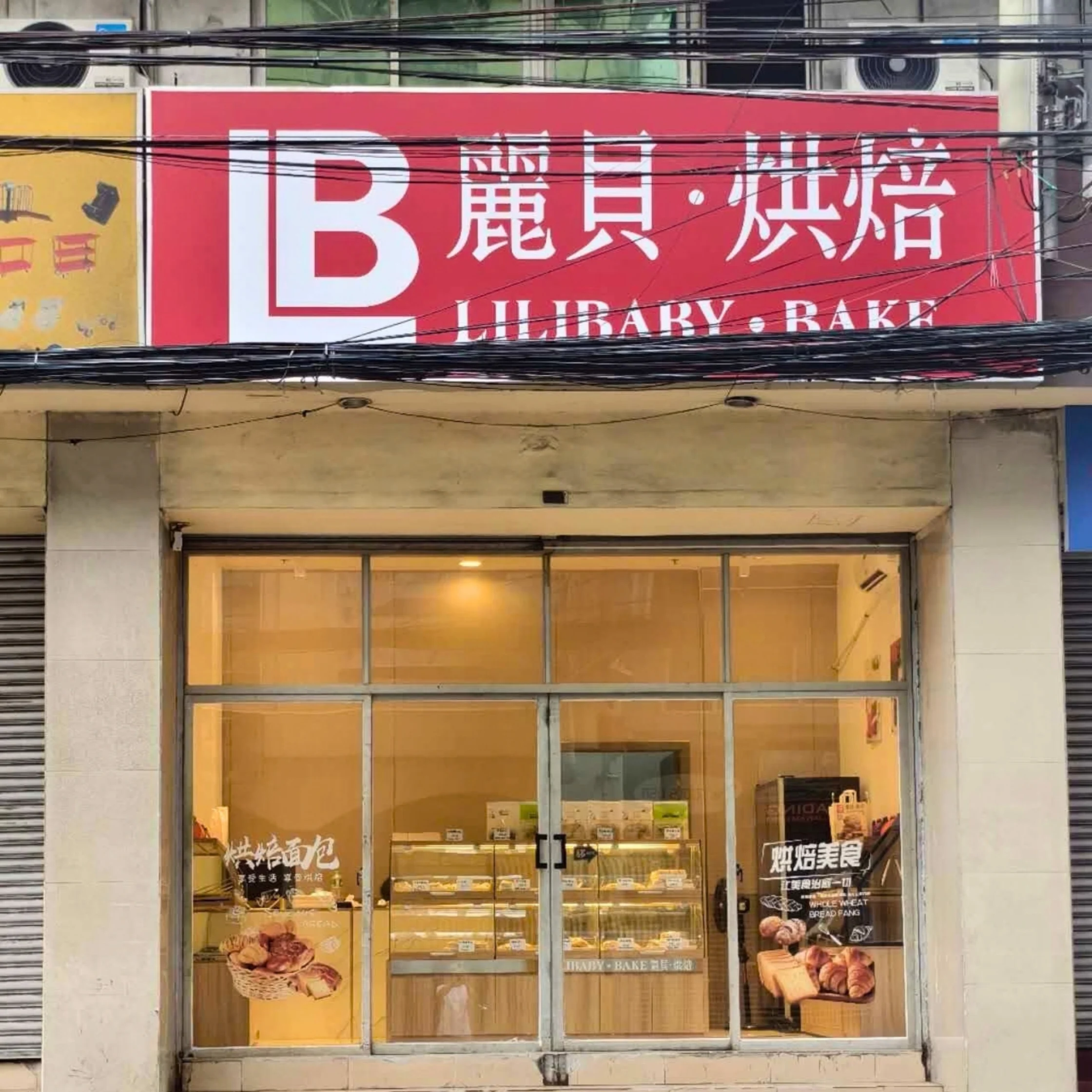
LiliBabyBake in Binondo PHOTO COURTESY OF Bready Loft on Facebook
LiliBaby•Bake in Binondo [PHOTO COURTESY OF Bready Loft on Facebook]

Ran by a Chinese couple, there might be a slight language barrier when ordering, but good food is a universal language and translation apps are readily available, so ordering should be easy enough.

LiliBaby•Bake is located at 330 Dasmariñas Street corner Tomas Pinpin Street, Binondo, Manila.

2. Wan Kee Bakery

Wan Kee Bakery is one of the older names in Binondo, making it a good stop if you’re craving the kind of Chinese treats that feel instantly nostalgic.

And there’s no shortage of those with lush egg pies and crunchy ampaw to hopia in every flavor you can imagine like baboy and monggo. The hopia, in particular, is a generously-filled flaky pastry that’s easy to eat while walking towards your next destination.
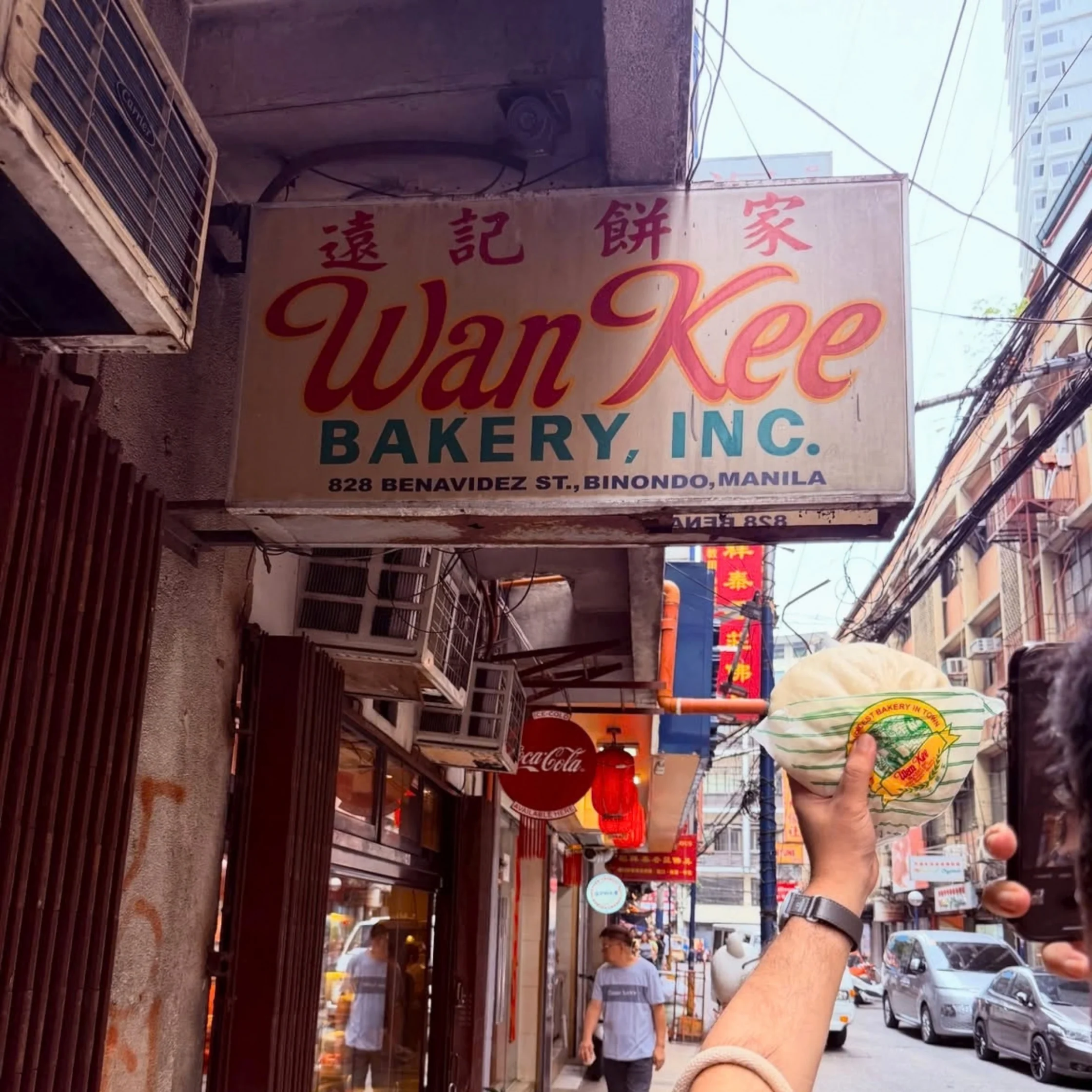
Wan Kee Bakery in Binondo PHOTO COURTESY OF ericalwayshungryandthirsty on Instagram
Wan Kee Bakery in Binondo [PHOTO COURTESY OF @ericalwayshungryandthirsty on Instagram]

They also have supersized siopaos, which are an impressive option if you want something more substantial, although the regular-sized offerings can be a better bet if you’re doing a full food crawl. 

So whether you’re picking up snacks for yourself or pasalubong for the people at home, Wan Kee has plenty of options to fill your bag—and possibly your stomach too.

Wan Kee Bakery is located at 828 Benavidez Street, Binondo, Manila.

3. Po Chuan Tin Bakery

If you like your bakery stops with a little history on the side, Po Chuan Tin Bakery deserves a spot on your itinerary. Established in 1948, the family-run bakery is now in its 78th year but it still continues to make baked goods using authentic, heirloom recipes.
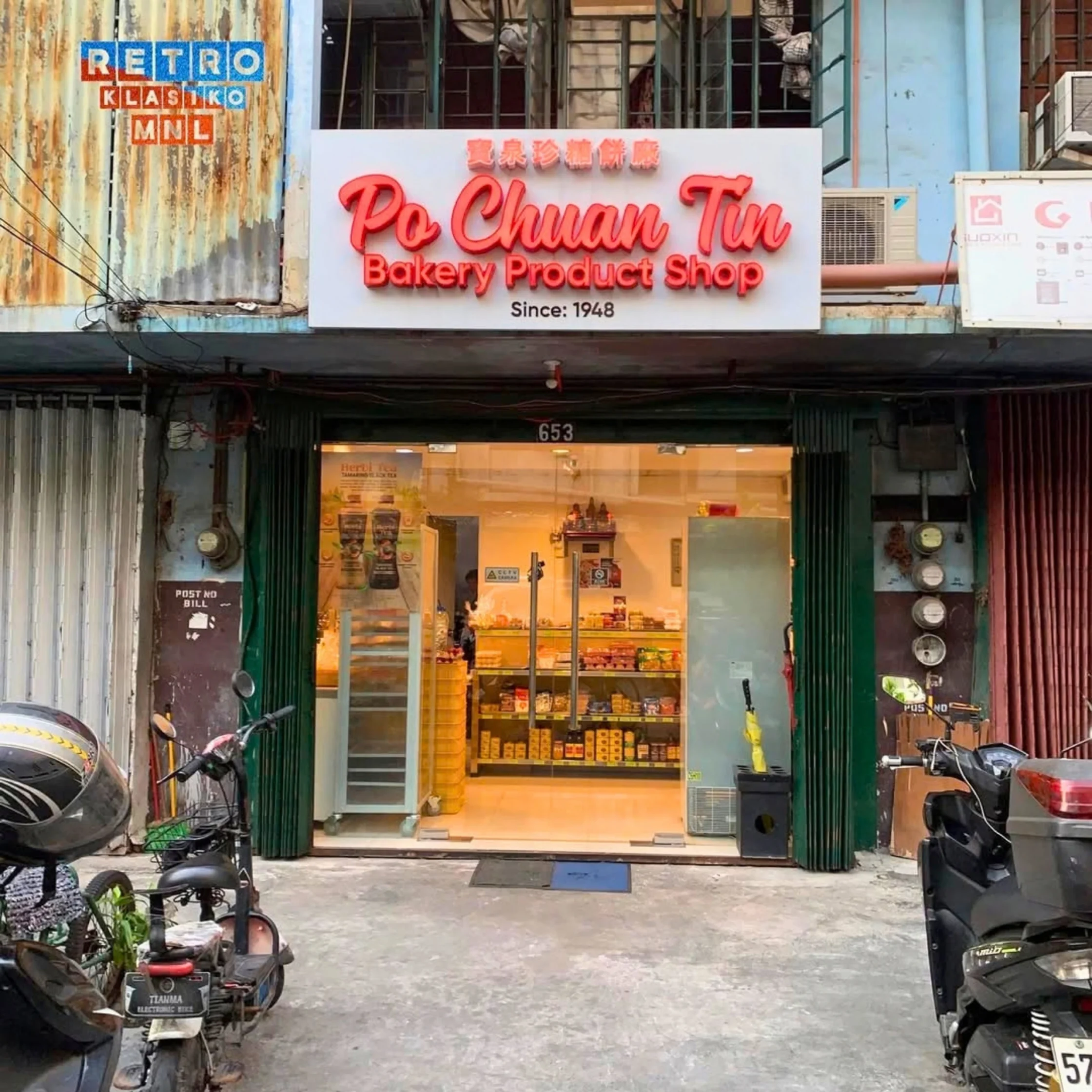
Po CHuan Tin PHOTO COURTESY OF Retro Klasiko MNL on Facebook
Po Chuan Tin [PHOTO COURTESY OF Retro Klasiko MNL on Facebook]

Their selection includes plenty of Chinese bakery classics, from their signature hopia baboy that pairs a flaky golden crust with a velvety pork filling to mooncakes and sweet pineapple tarts. But there’s more than just pastries here, because you can also find other baked goods like cheese pandesal, monggo loaves, hamburger buns, and even prosperity cakes.

With close to eight decades of baking behind it, Po Chuan Tin is a reminder that if a recipe isn’t broken, don’t fix it—just keep baking it.

Po Chuan Tin Bakery is located at 653 V. Tytana Street corner Yuchengco Street, Binondo, Manila.

4. Sweet Success

Sweet Success has a pretty sweet origin story. Zeny Tong, a mother of four with a passion for culinary and entrepreneurship, started selling pastries for her daughter’s college marketing project. Eventually, that school project would grow into the family-owned bakery in Binondo.

In 2010, her youngest daughter, Marjorie, joined the business full-time after leaving the corporate world. Together, they continued developing new products and flavors, while also expanding into online shopping and culinary and pastry classes.
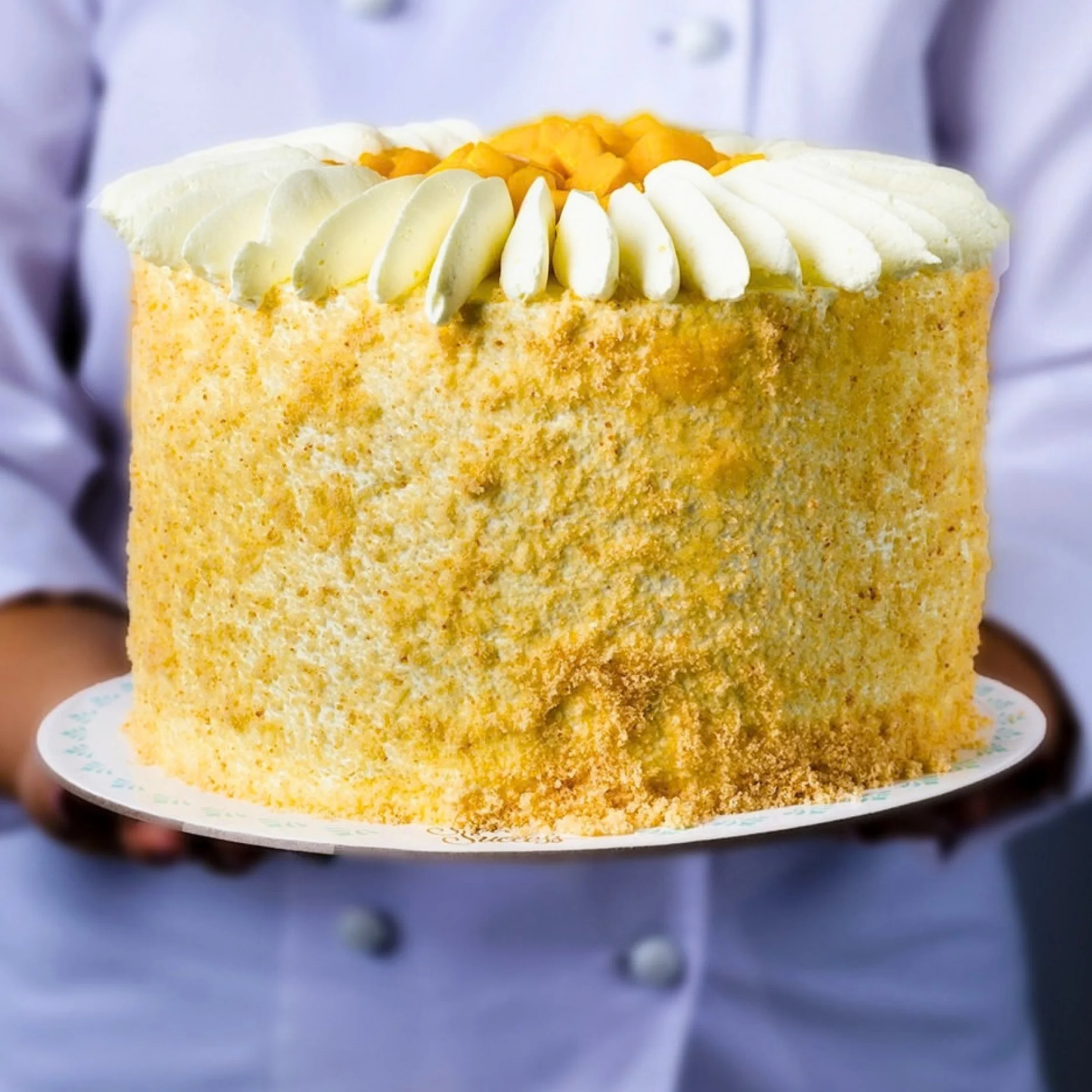
Mango Sans Rival from Sweet Success PHOTO COURTESY OF Sweet Success Official Instagram
Mango Sans Rival from Sweet Success [PHOTO COURTESY OF Sweet Success Official Instagram]

Today, Sweet Success remains focused on desserts and pastries, making it a good stop if you’re looking for something sweet to bring home—or if you want to learn how to bake a few treats yourself.

Sweet Success is located at 2B 960 G. Masangkay Street, Binondo, Manila.

5. Kokee Bakery

Not every Binondo bakery has decades of history behind it. Kokee Bakery might be one of the newer names on the block, but it’s already making an impression with its specialty-made Jade Buns.

Located along bustling Ongpin Street, Kokee is a welcome addition to everyone’s Ongpin food crawl, particularly if you’re looking to add something a little different to your usual lineup of Chinese food favorites.
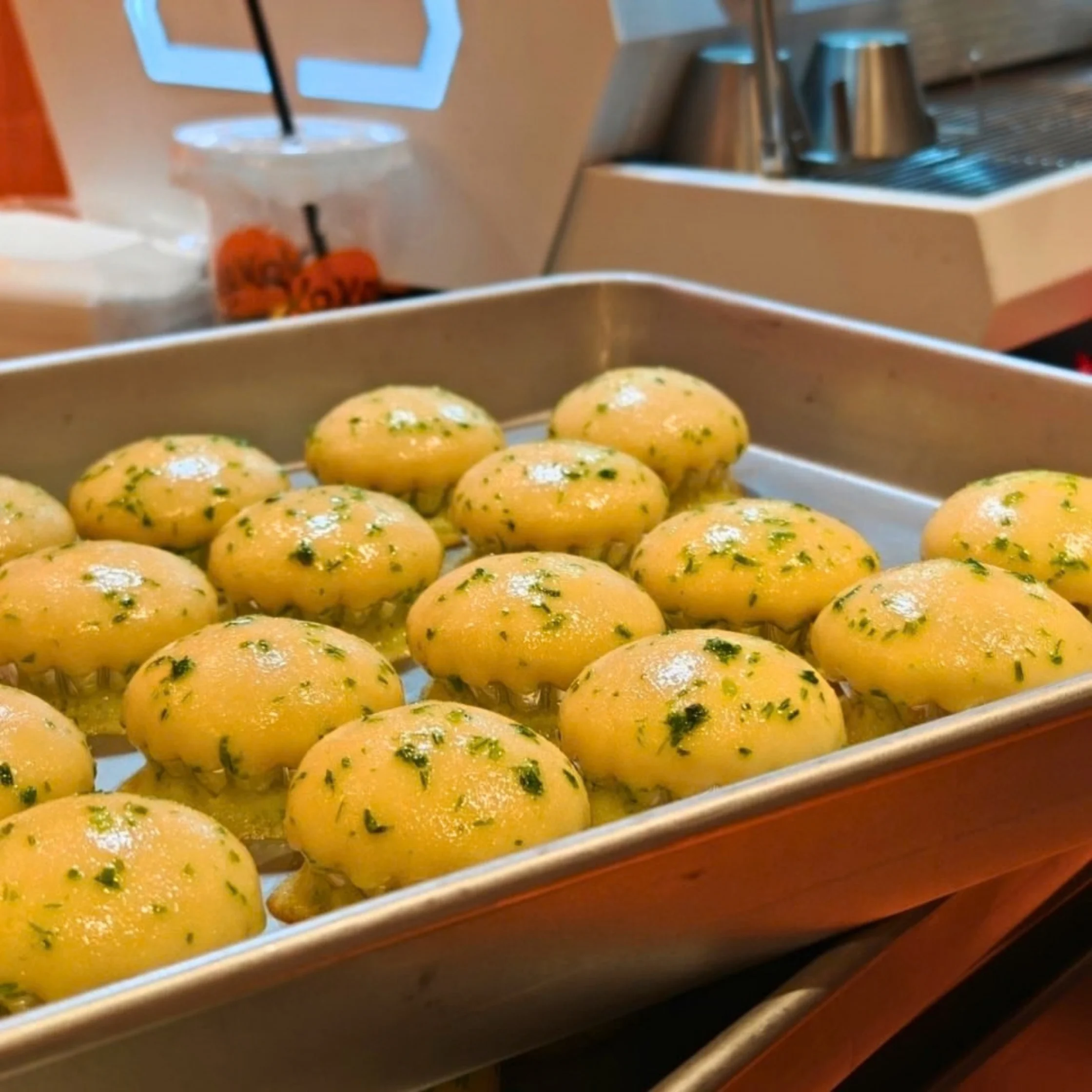
Jade Buns from Kokee Bakery PHOTO COURTESY OF Kokee Bakery
Jade Buns from Kokee Bakery [PHOTO COURTESY OF Kokee Bakery Official Instagram]

The Jade Buns are the obvious attraction thanks to their spring onion-infused exteriors, and sweet-savory molten lava fillings. And since Kokee describes itself as a home for artisan-crafted, oven-fresh indulgences, there’s plenty of reason to take a closer look at what else they have to offer while you’re there.

For a bakery that’s still relatively new, Kokee is already drawing attention—and that’s a promising sign. Consider this your cue to get in early before everyone else catches on.

Kokee Bakery is located at 759 Ongpin Street, Binondo, Manila.

Save Room for Something Baked

Binondo may have no shortage of dumplings, noodles, and savory eats, but these bakeries prove that the neighborhood deserves a little more attention from anyone with a sweet tooth—or simply an appreciation for good bread.

So on your next Binondo food crawl, leave some room for dessert, pasalubong, or a completely unnecessary pastry purchase.

Because sometimes, the best way to end a food trip is to take a little something home for later. And if that something happens to be bread, well, you’re already on a roll.

author avatar
Paolo Elwick
Paolo is a food writer and storyteller exploring the intersections of food, culture, and identity through thoughtful, people-centered storytelling. He believes that, second only to language, food is one of humanity's most powerful expressions of culture—a medium for preserving history, expressing identity, and coming to understand ourselves and connect with others. Drawn to the histories, traditions, and personal experiences behind every dish, his writing combines curiosity with emotional honesty, highlighting diverse voices and celebrating the communities that shape our food landscape. Influenced by writers and artists who embrace vulnerability and introspection, Paolo uses a reflective, metaphor-rich approach to uncover the deeper meanings found in everyday meals and shared tables. He is passionate about creating stories that foster empathy, preserve cultural narratives, and invite readers to see food as more than sustenance—as memory, identity, and belonging. Through his work, Paolo hopes to amplify underrepresented perspectives and spark meaningful conversations that extend far beyond the plate.

Frequently Asked Questions

Binondo bakeries covered here include LiliBaby•Bake, Wan Kee Bakery, Po Chuan Tin Bakery, Sweet Success, and Kokee Bakery. Their offerings range from traditional hopia, egg pies, mooncakes, and pineapple tarts to cream puffs, Jade Buns, and baking classes in Manila’s Chinatown.

author avatar
Paolo Elwick
Paolo is a food writer and storyteller exploring the intersections of food, culture, and identity through thoughtful, people-centered storytelling. He believes that, second only to language, food is one of humanity's most powerful expressions of culture—a medium for preserving history, expressing identity, and coming to understand ourselves and connect with others. Drawn to the histories, traditions, and personal experiences behind every dish, his writing combines curiosity with emotional honesty, highlighting diverse voices and celebrating the communities that shape our food landscape. Influenced by writers and artists who embrace vulnerability and introspection, Paolo uses a reflective, metaphor-rich approach to uncover the deeper meanings found in everyday meals and shared tables. He is passionate about creating stories that foster empathy, preserve cultural narratives, and invite readers to see food as more than sustenance—as memory, identity, and belonging. Through his work, Paolo hopes to amplify underrepresented perspectives and spark meaningful conversations that extend far beyond the plate.

Hopia is a flaky Chinese-Filipino pastry with a sweet or savory filling. In Binondo, Wan Kee Bakery sells flavors such as baboy and monggo, while Po Chuan Tin Bakery, established in 1948, is known for its signature hopia baboy with a velvety pork filling.

author avatar
Paolo Elwick
Paolo is a food writer and storyteller exploring the intersections of food, culture, and identity through thoughtful, people-centered storytelling. He believes that, second only to language, food is one of humanity's most powerful expressions of culture—a medium for preserving history, expressing identity, and coming to understand ourselves and connect with others. Drawn to the histories, traditions, and personal experiences behind every dish, his writing combines curiosity with emotional honesty, highlighting diverse voices and celebrating the communities that shape our food landscape. Influenced by writers and artists who embrace vulnerability and introspection, Paolo uses a reflective, metaphor-rich approach to uncover the deeper meanings found in everyday meals and shared tables. He is passionate about creating stories that foster empathy, preserve cultural narratives, and invite readers to see food as more than sustenance—as memory, identity, and belonging. Through his work, Paolo hopes to amplify underrepresented perspectives and spark meaningful conversations that extend far beyond the plate.

Po Chuan Tin Bakery was established in 1948 and is a family-run Binondo bakery now in its 78th year. It still uses authentic, heirloom recipes for hopia baboy, mooncakes, pineapple tarts, ube cheese pandesal, monggo loaves, hamburger buns, and prosperity cakes.

author avatar
Paolo Elwick
Paolo is a food writer and storyteller exploring the intersections of food, culture, and identity through thoughtful, people-centered storytelling. He believes that, second only to language, food is one of humanity's most powerful expressions of culture—a medium for preserving history, expressing identity, and coming to understand ourselves and connect with others. Drawn to the histories, traditions, and personal experiences behind every dish, his writing combines curiosity with emotional honesty, highlighting diverse voices and celebrating the communities that shape our food landscape. Influenced by writers and artists who embrace vulnerability and introspection, Paolo uses a reflective, metaphor-rich approach to uncover the deeper meanings found in everyday meals and shared tables. He is passionate about creating stories that foster empathy, preserve cultural narratives, and invite readers to see food as more than sustenance—as memory, identity, and belonging. Through his work, Paolo hopes to amplify underrepresented perspectives and spark meaningful conversations that extend far beyond the plate.

Jade Buns are the specialty of Kokee Bakery, a newer Binondo shop at 759 Ongpin Street. They are known for spring onion-infused exteriors and sweet-savory molten lava fillings. Kokee positions itself as an artisan bakery serving oven-fresh baked goods, making it a stop on the Ongpin Street food crawl.

author avatar
Paolo Elwick
Paolo is a food writer and storyteller exploring the intersections of food, culture, and identity through thoughtful, people-centered storytelling. He believes that, second only to language, food is one of humanity's most powerful expressions of culture—a medium for preserving history, expressing identity, and coming to understand ourselves and connect with others. Drawn to the histories, traditions, and personal experiences behind every dish, his writing combines curiosity with emotional honesty, highlighting diverse voices and celebrating the communities that shape our food landscape. Influenced by writers and artists who embrace vulnerability and introspection, Paolo uses a reflective, metaphor-rich approach to uncover the deeper meanings found in everyday meals and shared tables. He is passionate about creating stories that foster empathy, preserve cultural narratives, and invite readers to see food as more than sustenance—as memory, identity, and belonging. Through his work, Paolo hopes to amplify underrepresented perspectives and spark meaningful conversations that extend far beyond the plate.

In Binondo, Wan Kee Bakery and Po Chuan Tin Bakery offer pasalubong-friendly Chinese bakery staples such as hopia, egg pies, mooncakes, and pineapple tarts. LiliBaby•Bake is known for cream puffs, while Sweet Success focuses on desserts and pastries suited to bringing home.

author avatar
Paolo Elwick
Paolo is a food writer and storyteller exploring the intersections of food, culture, and identity through thoughtful, people-centered storytelling. He believes that, second only to language, food is one of humanity's most powerful expressions of culture—a medium for preserving history, expressing identity, and coming to understand ourselves and connect with others. Drawn to the histories, traditions, and personal experiences behind every dish, his writing combines curiosity with emotional honesty, highlighting diverse voices and celebrating the communities that shape our food landscape. Influenced by writers and artists who embrace vulnerability and introspection, Paolo uses a reflective, metaphor-rich approach to uncover the deeper meanings found in everyday meals and shared tables. He is passionate about creating stories that foster empathy, preserve cultural narratives, and invite readers to see food as more than sustenance—as memory, identity, and belonging. Through his work, Paolo hopes to amplify underrepresented perspectives and spark meaningful conversations that extend far beyond the plate.
paolo elwick delish ph food writer

Paolo Elwick

Writer

Paolo is a food writer and storyteller exploring the intersections of food, culture, and identity through thoughtful, people-centered storytelling. He believes that, second only to language, food is one of humanity's most powerful expressions of culture—a medium for preserving history, expressing identity, and coming to understand ourselves and connect with others. Drawn to the histories, traditions, and personal experiences behind every dish, his writing combines curiosity with emotional honesty, highlighting diverse voices and celebrating the communities that shape our food landscape. Influenced by writers and artists who embrace vulnerability and introspection, Paolo uses a reflective, metaphor-rich approach to uncover the deeper meanings found in everyday meals and shared tables. He is passionate about creating stories that foster empathy, preserve cultural narratives, and invite readers to see food as more than sustenance—as memory, identity, and belonging. Through his work, Paolo hopes to amplify underrepresented perspectives and spark meaningful conversations that extend far beyond the plate.

0 0 votes
Total of Ratings
guest
Rating
Ratings for Article
0 Comments
Oldest
Newest Most Voted

To provide a customized ad experience, we need to know if you are of legal age in your region.

By making a selection, you agree to our Terms & Conditions.