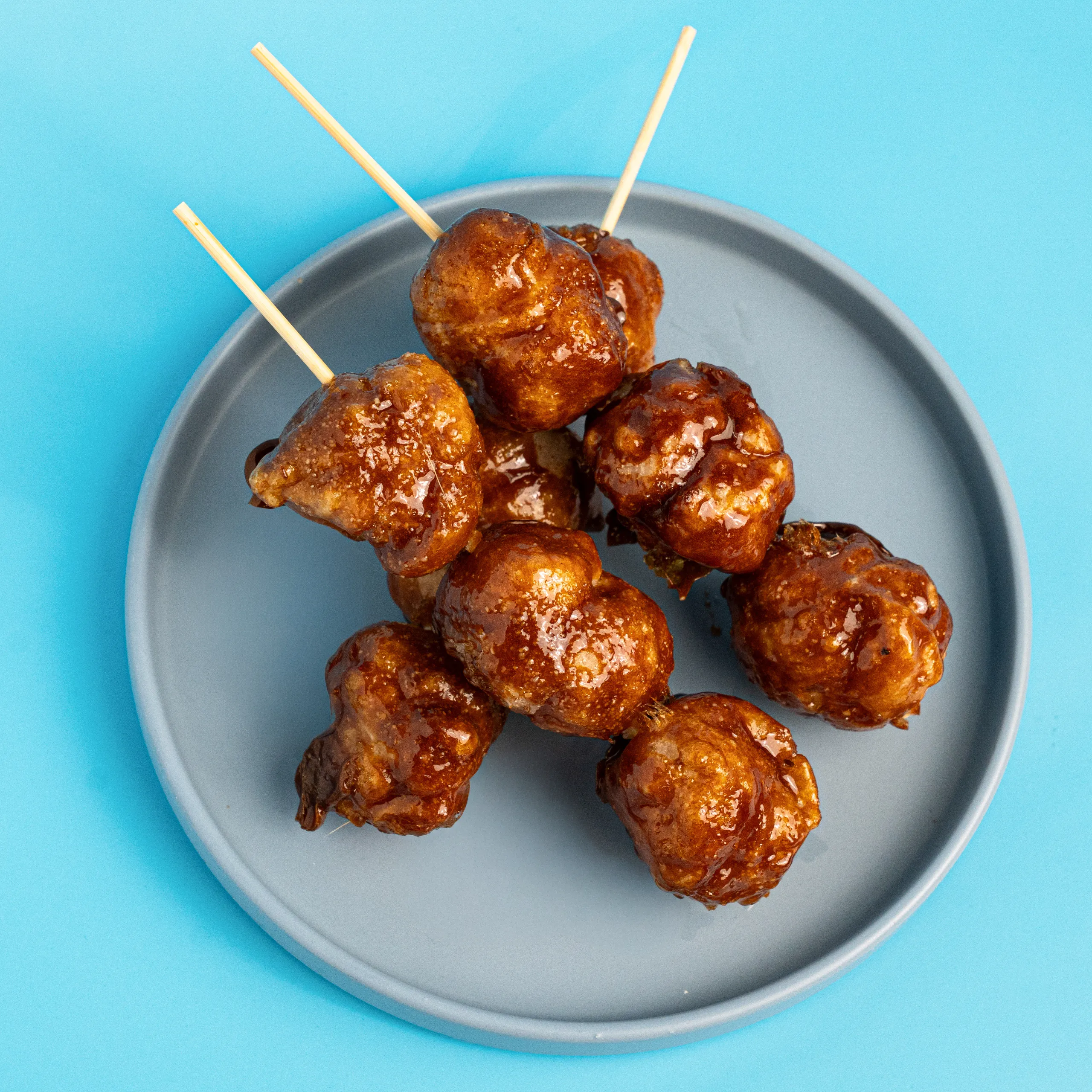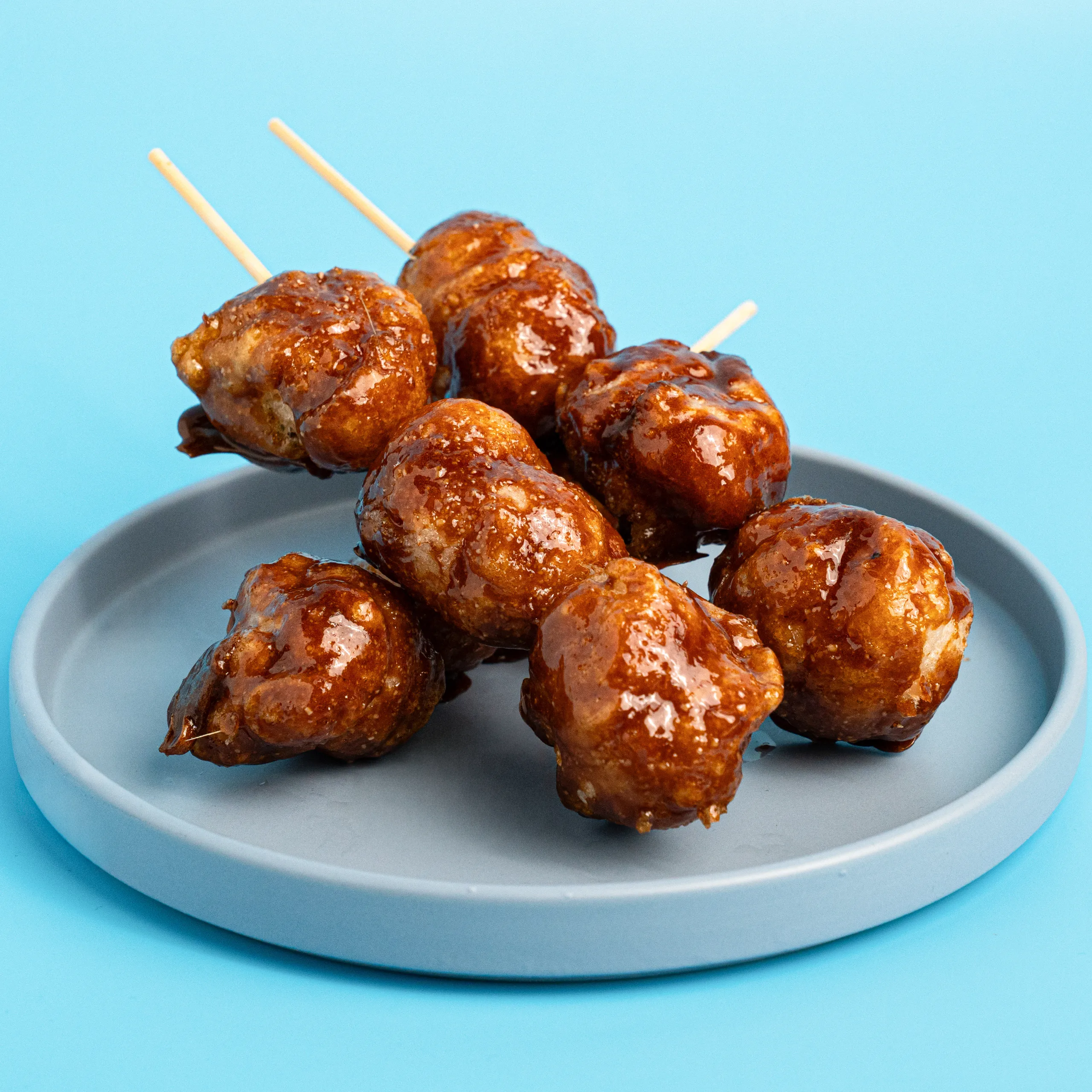
Some of the most memorable Filipino snacks are made from the simplest ingredients. They do not require expensive equipment or complicated cooking techniques, yet they bring comfort and happiness with every bite. One good example is Carioca, a beloved Filipino street food made from glutinous rice flour, water or coconut milk, and brown sugar.
Carioca is known for its round shape, chewy texture, and sweet coating. The rice balls are fried until lightly golden on the outside while remaining soft and pleasantly chewy inside. They are then coated in a sweet brown sugar syrup that gives them a glossy finish and a rich caramel-like flavor. Some versions are served on bamboo skewers, making them convenient to enjoy as an afternoon snack or a quick treat while walking around the neighborhood.
For many Filipinos, Carioca brings back memories of buying freshly cooked snacks from street vendors, enjoying merienda after school, or sharing inexpensive treats with friends and family. Its warm, sweet aroma and satisfying texture make it especially appealing to people who enjoy traditional Filipino rice-based delicacies.
What makes Carioca special is its simplicity. With only a few ingredients, you can prepare a snack that is crispy or lightly firm on the outside, chewy on the inside, and covered in a delicious caramelized sugar coating. The addition of coconut milk can also give the rice balls a more fragrant flavor, making the finished snack even more enjoyable.
Whether you want to recreate a childhood favorite, introduce a traditional Filipino snack to your family, or prepare something affordable for a small food business, Carioca is a wonderful recipe to try at home. With proper measurements, careful frying, and the right sugar-coating technique, you can make delicious homemade Carioca that tastes comforting, sweet, and authentically Filipino.
History and Background of Carioca
Carioca is a familiar Filipino street snack associated with the country’s rich tradition of rice-based delicacies. It is commonly made from glutinous rice flour, shaped into small balls, fried in oil, and coated with sweet syrup or caramelized sugar.
The Philippines has a long history of preparing snacks and desserts from rice. Rice is a staple food in Filipino households, and different forms of rice and rice flour are used in a wide variety of traditional dishes. Glutinous rice, in particular, is popular for making delicacies with a sticky, chewy texture, including palitaw, biko, sapin-sapin, and other regional kakanin.
Carioca belongs to this broader family of rice-based treats. Its preparation is relatively simple, which makes it suitable for home cooking and street vending. The ingredients are generally affordable, the dough can be shaped by hand, and the finished snack can be sold individually or on skewers.
The exact origin of Carioca and the person who first developed the Filipino version are not firmly documented. However, the snack has become part of the country’s familiar street-food culture, particularly as an inexpensive merienda enjoyed by children, students, workers, and families.
The name Carioca is also used in different culinary contexts outside the Philippines, so its name alone does not establish a single historical origin. The Filipino street-food version is recognized for its chewy rice balls and sweet coating.
Over time, different cooks and vendors have developed their own ways of preparing Carioca. Some use water to make a simple dough, while others prefer coconut milk for a richer aroma. Some coat the rice balls with a thick brown sugar syrup, while others cook the sugar until it becomes sticky and lightly caramelized.
These variations show how Filipino cooking allows familiar recipes to change according to personal preference, regional traditions, and ingredient availability.
Today, Carioca remains a popular example of how a few everyday ingredients can become a delicious and satisfying snack. Its continued presence in Filipino food culture reflects the lasting appeal of simple homemade treats that are affordable, easy to share, and enjoyable at almost any time of day.
What Makes Carioca Special?
Carioca may look simple, but its appeal comes from the combination of its texture, sweetness, aroma, and appearance.
- Chewy texture: Glutinous rice flour creates the characteristic soft and elastic texture that makes Carioca different from ordinary flour-based doughnuts.
- Golden exterior: Frying gives the rice balls a lightly crisp or firm outer surface while keeping the inside pleasantly chewy.
- Sweet brown sugar coating: Brown sugar adds a rich sweetness and a mild caramel-like flavor that complements the rice balls.
- Coconut aroma: When coconut milk is used instead of water, it can add a subtle fragrance and richness to the dough.
- Simple ingredients: The recipe uses only a few basic ingredients, making it practical for home cooking.
- Convenient serving: Carioca can be served in small portions or threaded onto bamboo skewers for easy handling.
Another reason Carioca is special is its versatility. It can be enjoyed plain with a light sugar coating or made more indulgent with a thicker caramel glaze. The size of the rice balls can also be adjusted according to your preference.
The combination of a chewy center and a sweet coating creates a satisfying snack that appeals to people who enjoy traditional Filipino delicacies.
Understanding the Ingredients
Glutinous rice flour
Glutinous rice flour is the main ingredient in Carioca. Despite its name, glutinous rice does not contain gluten. It is called glutinous because it becomes sticky and chewy when cooked.
This flour is different from ordinary rice flour. Regular rice flour generally produces a less elastic and less chewy texture, so substituting it directly may result in rice balls that are more crumbly or firm.
Glutinous rice flour allows the dough to hold together when shaped and gives the finished Carioca its familiar chewy center.
Water or coconut milk
Water is the simplest liquid to use when preparing Carioca. It hydrates the flour and helps form a workable dough without adding additional flavor.
Coconut milk is an alternative that contributes a richer taste and a pleasant coconut aroma. It can make the snack feel more indulgent and gives it a flavor that pairs naturally with brown sugar.
The amount of liquid required depends on the flour’s absorbency. It is best to add it little by little instead of pouring in the entire cup immediately.
Brown sugar
Brown sugar is responsible for the sweet coating that makes Carioca especially delicious. Its molasses content contributes a deeper flavor than ordinary white sugar.
When heated, brown sugar dissolves and forms a syrup that can coat the fried rice balls. As the syrup cools, it becomes stickier and helps the sugar coating cling to the surface.
Cooking the sugar carefully is important. If it is heated too aggressively or for too long, it can burn and develop a bitter taste.
Cooking oil
Cooking oil is used to fry the rice balls until they are cooked through and lightly golden.
A neutral-flavored oil, such as vegetable or canola oil, is suitable because it does not overpower the taste of the rice flour and brown sugar.
Using enough oil allows the rice balls to cook more evenly. Maintaining a moderate frying temperature is also important because the outside can brown too quickly while the center remains undercooked if the oil is too hot.
Recipe Tips for the Best Carioca
A few practical techniques can make a noticeable difference in the texture and flavor of your homemade Carioca.
Add the liquid gradually
The amount of liquid needed depends on the flour and its absorbency. Start with a portion of the water or coconut milk and add more as necessary.
The dough should be soft enough to shape but firm enough to hold its round form. Adding too much liquid can make the dough difficult to handle and may cause the rice balls to lose their shape.
Keep the rice balls evenly sized
Uniform sizing helps the Carioca cook evenly. If some balls are much larger than others, the smaller pieces may finish cooking while the larger ones still need more time.
Small to medium-sized balls are generally easier to fry and serve.
Fry over moderate heat
Temperature control is one of the most important parts of making Carioca.
Oil that is too hot can brown the outside before the center cooks properly. Oil that is too cool may make the balls greasy and prolong the cooking time.
Fry a small test batch first if you are unsure about the temperature.
Do not overcrowd the pan
Frying too many rice balls at once can lower the oil temperature. Work in small batches and allow enough room for the balls to move freely.
This makes it easier to turn them and achieve a consistent color.
Avoid burning the brown sugar
Brown sugar syrup can quickly go from glossy and sweet to dark and bitter. Use low to medium-low heat and watch the syrup closely.
Remove it from the heat once it is thick enough to coat the rice balls. It will continue to thicken slightly as it cools.
Coat the rice balls while the syrup is warm
The syrup is easier to spread while warm and fluid. If it becomes too cool, it may thicken and cling unevenly.
Have the fried rice balls ready before making the syrup so that you can coat them promptly.
Adjust the sweetness
One cup of brown sugar can create a generous, sweet coating. If you prefer a lighter sweetness, use less sugar and make a smaller quantity of syrup.
You can also serve the fried rice balls with only a thin coating rather than allowing them to become heavily covered.
Let the Carioca cool slightly before eating
The sugar syrup can become extremely hot during cooking. Allow the snack to cool enough to handle and eat safely before serving, especially to children.
Ingredient Substitutions and Variations
Carioca is a simple recipe, but there are several ways to adapt it according to the ingredients available in your kitchen.
Water instead of coconut milk
Water is the most straightforward substitute for coconut milk. It produces a simple rice dough with a clean flavor that allows the brown sugar coating to stand out.
If you want a more traditional coconut aroma, use coconut milk instead.
Coconut milk instead of water
Coconut milk gives Carioca a richer flavor and a mild coconut fragrance. It is a good choice if you enjoy the combination of coconut and brown sugar.
Because coconut milk contains fat and other solids, the dough may feel slightly different from dough made with water. Add it gradually and adjust the amount according to the consistency.
Brown sugar substitutes
White sugar can replace brown sugar if necessary. However, the coating will have a lighter color and a less pronounced molasses flavor.
If you use white sugar, monitor the syrup carefully because its appearance and caramelization behavior will differ from brown sugar.
Coconut sugar may also be used, although it can produce a different flavor and syrup consistency.
Glutinous rice flour substitutes
Glutinous rice flour is essential for the characteristic chewy texture of Carioca. Ordinary rice flour is not a direct substitute because it produces a different texture and may cause the balls to crack or become less elastic.
If glutinous rice flour is unavailable, it is better to look for a suitable product specifically labeled glutinous rice flour or sweet rice flour rather than using ordinary rice flour.
Add grated coconut
For extra coconut flavor, you can experiment with adding a small amount of finely grated coconut to the dough. This changes the texture and may affect how well the balls hold together, so start with a small quantity.
Fresh coconut can also be served alongside the finished snack, but it should be handled and stored safely.
Add sesame seeds
To create a variation, sprinkle toasted sesame seeds over the sugar-coated Carioca. Sesame provides a nutty flavor that complements the caramel-like sweetness.
Add them while the coating is still slightly sticky so they adhere to the surface.
Try a thicker caramel coating
If you enjoy a richer, more pronounced caramel flavor, allow the brown sugar syrup to thicken slightly before coating the rice balls. Be careful not to overcook it, since an overly hard coating may become difficult to bite.
Make smaller Carioca bites
Smaller rice balls can be useful for serving at parties or as bite-sized snacks. They cook more quickly, so keep a close eye on them during frying.
Make a less-sweet version
You can reduce the amount of brown sugar used for the coating or apply a thinner layer of syrup. The rice balls will still have their chewy texture, although the final snack will be less sweet.
Knowledge About Carioca
Carioca is a good example of how Filipino snacks often rely on the texture of rice to create a satisfying eating experience.
Glutinous rice flour behaves differently from ordinary wheat flour. It contains starches that become sticky and chewy when heated with water. This quality allows the rice balls to hold together and develop their characteristic texture during frying.
Although glutinous rice flour is sometimes mistaken for flour containing gluten, it is naturally gluten-free. The word “glutinous” refers to its sticky consistency rather than the presence of gluten.
The frying process changes the outer surface of the dough, making it firmer and sometimes lightly crisp. Inside, the cooked rice dough remains soft and chewy. The contrast between the exterior and interior is an important part of the snack’s appeal.
Brown sugar adds another layer of flavor. Its molasses content creates a deeper sweetness that complements the mild flavor of the rice balls. When heated with a little water, it forms a syrup that can coat the surface and create a glossy finish.
The quality of the finished Carioca depends on several factors, including dough consistency, ball size, frying temperature, and syrup thickness. Small adjustments in these areas can change the final texture significantly.
Carioca is also practical for home cooking because it uses relatively few ingredients. It does not require an oven, elaborate equipment, or expensive flavorings. This simplicity makes it accessible to beginners and suitable for small-scale food preparation.
Like many Filipino street snacks, Carioca can be enjoyed as merienda, served during informal gatherings, or prepared as a homemade treat. Its familiar flavor and chewy texture help connect everyday cooking with the broader Filipino tradition of sharing food.
Health Benefits and Nutritional Considerations
Carioca can be enjoyed as part of a balanced diet, but it is important to understand its nutritional characteristics. Because it is made primarily from glutinous rice flour, fried in oil, and coated with sugar, it is best considered an occasional sweet snack rather than a major source of nutrients.
Glutinous rice flour provides energy
Glutinous rice flour is rich in carbohydrates, which provide energy for the body’s daily activities.
However, it is primarily a source of starch and does not provide the same nutritional balance as a meal containing protein, vegetables, and other nutrient-rich foods.
Coconut milk contributes fat and flavor
If you use coconut milk instead of water, the dough gains a richer flavor and additional fat. Coconut milk provides energy, but it also contains saturated fat.
People who have been advised to limit saturated fat may prefer to use water or choose smaller portions.
Brown sugar provides sweetness and energy
Brown sugar provides carbohydrates and energy. Although it contains small amounts of minerals from molasses, the quantities are generally too small to make Carioca a significant source of those nutrients.
Brown sugar should not be considered substantially healthier than white sugar simply because it is less refined or darker in color.
Frying increases the energy content
Cooking oil contributes fat and additional calories to the finished snack. The amount absorbed depends on the oil temperature, frying time, dough characteristics, and draining method.
Maintaining a suitable frying temperature and draining the cooked balls properly can help reduce excess surface oil, although the snack will still contain fat from frying.
Is Carioca healthy?
Carioca can fit into a balanced eating pattern when eaten in reasonable portions. However, it is relatively high in carbohydrates and added sugar, and frying increases its energy content.
If you want a lighter version, you can make the following adjustments:
- Use a smaller amount of brown sugar for the coating.
- Apply a thin syrup coating instead of covering the balls heavily.
- Serve smaller portions.
- Consider experimenting with an appropriate alternative cooking method, while understanding that baking or air-frying may produce a different texture from traditional Carioca.
- Enjoy it alongside a balanced diet rather than treating it as a substitute for a complete meal.
People who need to monitor blood glucose or manage their carbohydrate intake should pay attention to portion sizes because glutinous rice flour and brown sugar both contribute carbohydrates.
The exact calories, carbohydrates, and fat per serving depend on the size of the rice balls, the amount of oil absorbed, and the amount of sugar coating used. A precise nutritional calculation would require the finished yield and actual quantities consumed.
How to Store Carioca Properly
Proper storage helps maintain the quality and safety of Carioca. Because the snack contains cooked rice flour and a sugar coating, it should be protected from contamination and stored appropriately if it will not be eaten immediately.
Store freshly cooked Carioca at room temperature only briefly
Carioca is best enjoyed shortly after cooking. Its coating is generally stickiest and its texture most pleasant while the rice balls are fresh.
If you plan to serve it soon, keep it covered in a clean, food-safe container and protect it from insects, dust, and other sources of contamination.
Because cooked rice-based foods can support the growth of harmful bacteria if held improperly, do not leave Carioca at room temperature for extended periods. Refrigerate leftovers within two hours of cooking, or within one hour when the surrounding temperature exceeds 32°C (90°F).
Refrigeration
Place leftover Carioca in a clean, airtight container and refrigerate it at 4°C (40°F) or below.
For best quality, consume refrigerated leftovers within three to four days, provided they were handled and refrigerated promptly.
Keep in mind that refrigeration can make the rice balls firmer and the sugar coating less sticky. This is a texture change and does not necessarily indicate spoilage.
Freezing
Carioca can be frozen, although the texture may change after thawing.
Allow the cooked rice balls to cool safely, then arrange them in a single layer in a freezer-safe container. Separate layers with suitable parchment paper if necessary to reduce sticking.
Label the container with the date and keep it frozen at approximately −18°C (0°F) or below. For better texture, you may choose to freeze the fried rice balls before coating them with syrup.
When ready to eat, thaw them in the refrigerator and reheat thoroughly. Avoid repeatedly thawing and refreezing the same portions.
How to reheat Carioca
Refrigerated Carioca can be reheated gently in a microwave or in a suitable oven or air fryer. The texture may become firmer than when freshly cooked, and the sugar coating may soften or become sticky.
If the coating has hardened, gentle warming may help soften it, but avoid overheating because sugar can become extremely hot.
Always check that the center is thoroughly reheated before serving.
Store uncooked dough properly
If you have prepared more dough than you need, place it in a clean, covered container and refrigerate it promptly. For the best texture, use it as soon as practical rather than leaving it for several days.
The dough may become firmer in the refrigerator, so allow it to soften slightly under safe conditions before shaping, and add a little liquid only if needed.
You can also freeze portions of uncooked dough in a suitable airtight container. Thaw them in the refrigerator before shaping and frying.
Store the ingredients separately
Keep glutinous rice flour in a sealed container in a cool, dry place. Protect it from moisture and pests.
Store brown sugar in an airtight container to prevent it from absorbing moisture and forming hard clumps. Follow the storage directions on the packaging of any other ingredients you use.
Cooking oil should be stored in a tightly sealed container away from heat and direct sunlight.
Signs that Carioca has spoiled
Discard Carioca if you notice mold, an unusual sour or rancid smell, unexpected discoloration, or a slimy texture. Do not taste food to determine whether it is safe.
Remember that food may be unsafe even if it looks and smells normal, especially if it has been left at an unsafe temperature for too long.
Final Words About Carioca
Carioca is a wonderful reminder that delicious food does not need to be complicated. With glutinous rice flour, water or coconut milk, brown sugar, and cooking oil, you can prepare a sweet and chewy Filipino snack that brings comfort and enjoyment to the table.
Its appeal lies in the contrast between the soft, chewy rice balls and the sweet, glossy coating. The ingredients are simple, but when prepared carefully, they create a snack that is satisfying and full of familiar flavor.
Carioca is also a practical recipe for home cooks. It can be prepared for afternoon merienda, served during family gatherings, or shared with friends who enjoy traditional Filipino street food. Because the ingredients are relatively affordable, it can also be adapted for small-scale selling with careful attention to consistency, food safety, and portion control.
The secret to good Carioca is to prepare a smooth dough, shape the balls evenly, fry them at a moderate temperature, and coat them with brown sugar syrup before the syrup becomes too thick. Taking your time with these steps can make a significant difference in the final result.
Most importantly, Carioca is more than a combination of flour and sugar. Like many familiar Filipino snacks, it represents the creativity of home cooks and street vendors who turn everyday ingredients into something worth sharing.
Whether you enjoy it as a childhood favorite, prepare it for your family, or introduce it to someone trying Filipino street food for the first time, Carioca offers a simple but meaningful way to enjoy the sweetness of Filipino food culture.
In the end, every chewy, sugar-coated piece of Carioca is a reminder that some of the best treats are the simplest ones: affordable, homemade, comforting, and meant to be enjoyed with the people who matter most.