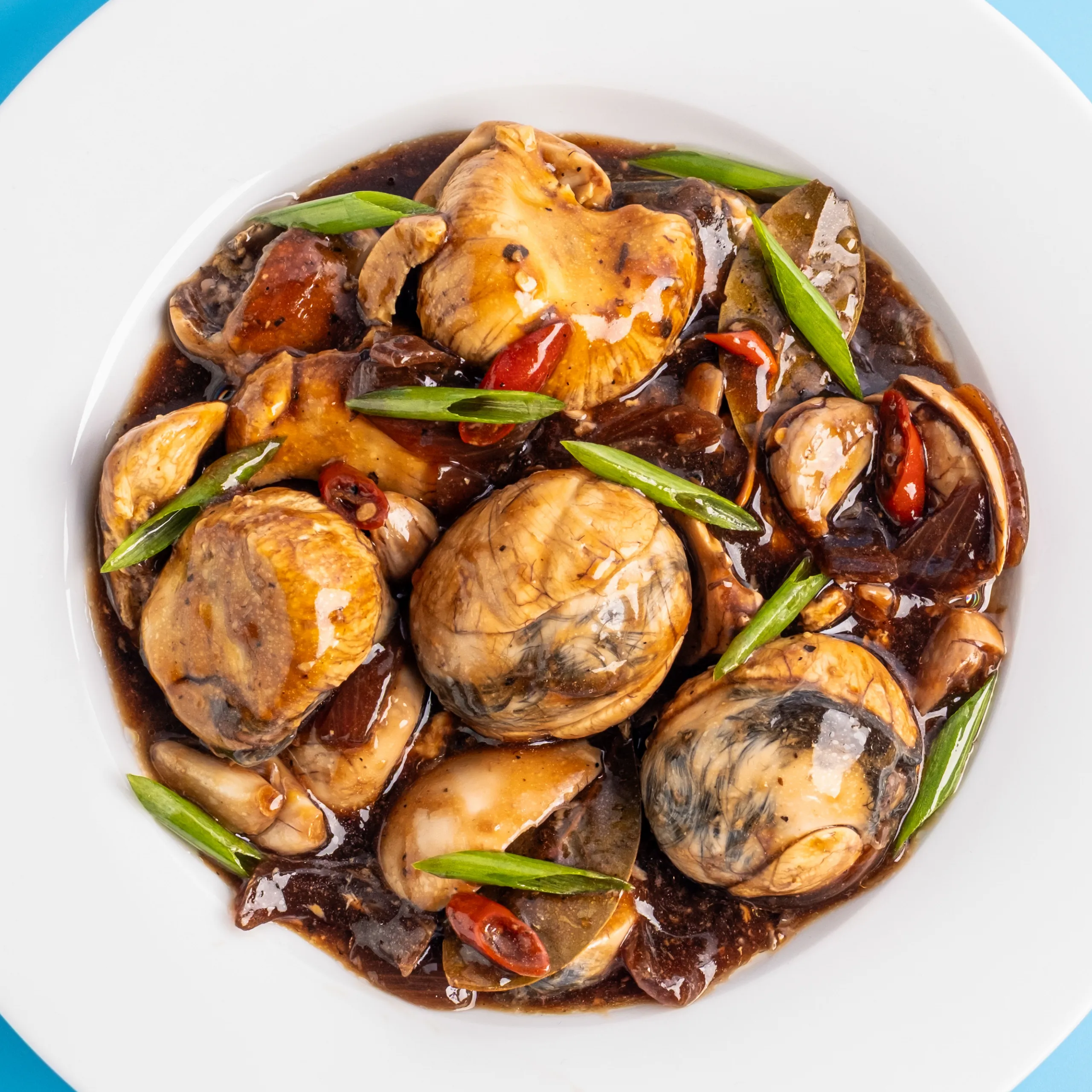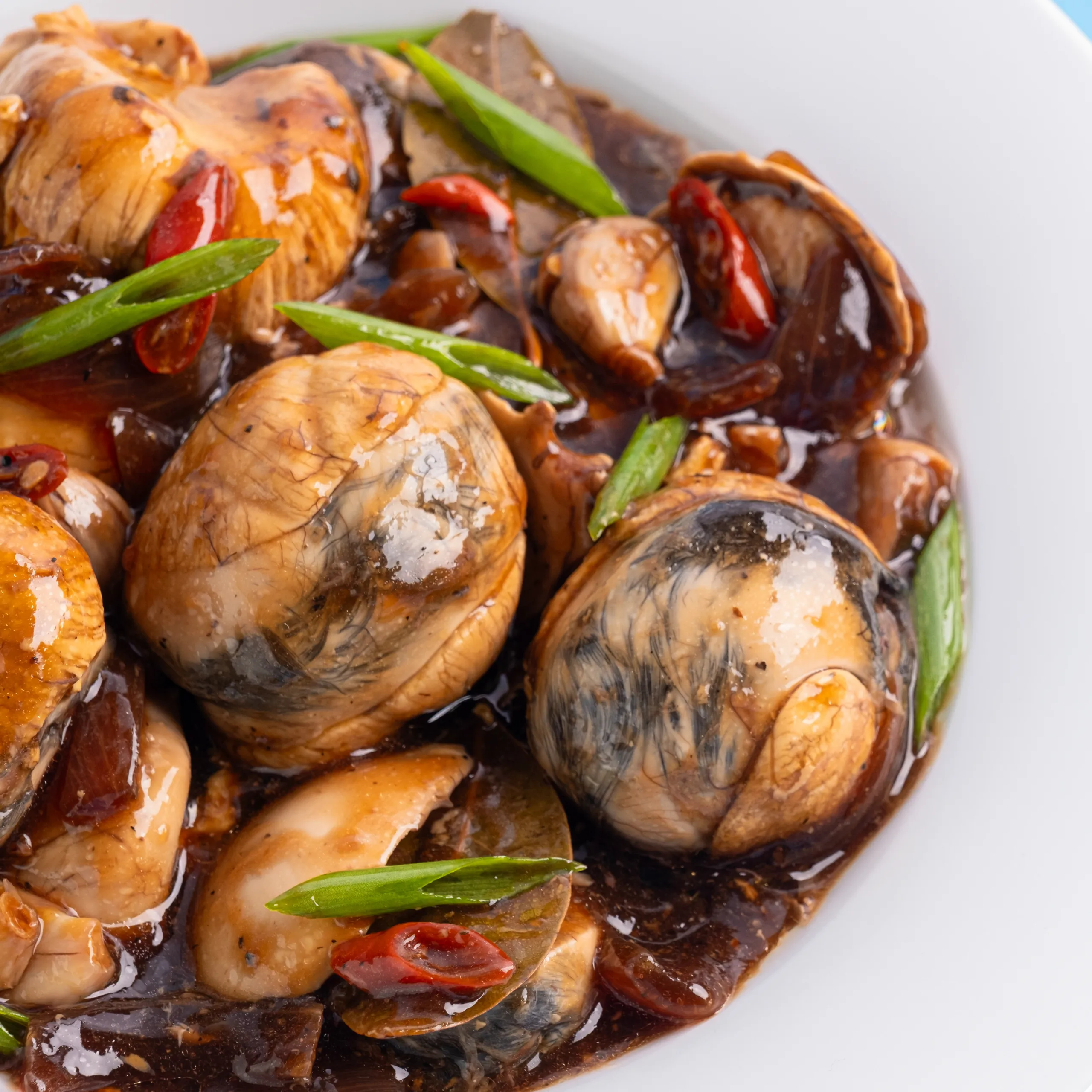
Filipino cuisine is known for turning simple ingredients into comforting dishes filled with flavor, tradition, and creativity. From everyday meals enjoyed with family to unique local delicacies found in street markets, Filipino food has a special way of bringing people together. One dish that reflects this culinary creativity is Adobong Balut, a flavorful variation of the well-loved Filipino adobo.
Balut is a popular Filipino delicacy made from a fertilized duck egg that has been incubated and then boiled. It is commonly enjoyed as a snack, especially in the evening, and is often served with salt or a mixture of vinegar and chili. While many people enjoy balut in its traditional form, cooking it with adobo ingredients creates a different and exciting way to appreciate this familiar delicacy.
Adobong Balut combines the distinctive taste and texture of balut with the rich, savory, tangy, and slightly sweet flavors of soy sauce, vinegar, garlic, onion, and spices. The addition of bay leaves and black peppercorns gives the sauce a fragrant aroma, while brown sugar helps balance the saltiness and acidity. For those who enjoy a little heat, red chili can add a pleasant spicy kick.
What makes this dish interesting is its simplicity. You do not need expensive ingredients or complicated cooking equipment to prepare it. With a few pantry staples and properly cooked balut, you can create a satisfying Filipino dish that is perfect for family meals, weekend cooking, or anyone looking to try a different way of preparing balut.
Whether you grew up eating balut or are discovering it for the first time, this Adobong Balut recipe offers a delicious opportunity to explore another side of Filipino home cooking. Serve it warm with freshly cooked rice, and let the flavorful sauce bring everything together.
History and Background of Adobong Balut
To understand Adobong Balut, it helps to look at the history of its two main components: balut and adobo.
The history of balut
Balut is widely associated with Filipino food culture and has become one of the Philippines’ most recognizable delicacies. It is prepared by incubating a fertilized duck egg until the developing embryo reaches a particular stage, after which the egg is cooked by boiling or steaming.
The practice of eating fertilized duck eggs is not unique to the Philippines. Similar foods are enjoyed in other parts of Southeast Asia, including Vietnam, where a related delicacy is known as trứng vịt lộn. Over time, balut became firmly established in Filipino food traditions, particularly as an affordable, protein-rich snack sold by street vendors.
For many Filipinos, balut is more than just a food. It is associated with childhood memories, evening walks, neighborhood vendors, and the experience of sharing local delicacies with friends. Although some people find its appearance unfamiliar, others appreciate its distinctive flavor and texture.
The history of Filipino adobo
Adobo is one of the most recognizable cooking styles in the Philippines. The word is associated with the Spanish term adobar, meaning to marinate or season. However, cooking meat and other ingredients with vinegar and spices existed in the Philippines before Spanish colonization.
Traditional Filipino adobo commonly uses vinegar, garlic, peppercorns, and sometimes soy sauce, bay leaves, and other seasonings. The ingredients are simmered together to produce a flavorful sauce that coats the meat. Vinegar has historically played an important role in Filipino cooking because its acidity helps create distinctive flavors and can contribute to food preservation when used in appropriate preparations.
There is no single universal adobo recipe. Some families prefer a darker, soy-sauce-based version, while others emphasize vinegar, garlic, or pepper. Certain regions and households also prepare adobo using seafood, vegetables, and other ingredients.
How Adobong Balut became a creative variation
Adobong Balut brings these two Filipino food traditions together. Rather than eating balut with a simple seasoning, the eggs are simmered in a savory adobo sauce that allows them to absorb the flavors of garlic, soy sauce, vinegar, and spices.
It is best understood as a creative variation rather than a dish with one universally documented origin. Like many home-cooked Filipino recipes, its preparation can differ from one household to another. Some cooks prefer a strong vinegar flavor, while others add sugar, chili, or extra garlic to suit their taste.
The result is a dish that respects the familiar character of Filipino adobo while giving balut a new presentation. It demonstrates how traditional ingredients can be transformed into something different without losing their cultural connection.
What Is Adobong Balut?
Adobong Balut is a Filipino dish made by simmering boiled balut in an adobo-style sauce of soy sauce, vinegar, garlic, onion, water, bay leaves, black peppercorns, and brown sugar.
Unlike traditional adobo made with chicken or pork, this version uses balut as its main ingredient. Because the eggs are already cooked before the adobo sauce is prepared, the cooking process focuses on building flavor and allowing the sauce to coat the eggs.
The dish has several appealing characteristics:
- Savory flavor: Soy sauce and garlic create the rich, familiar taste associated with Filipino adobo.
- Tangy aroma: Vinegar adds acidity and balances the richness of the egg.
- Mild sweetness: Brown sugar softens the sharpness of the vinegar and saltiness of the soy sauce.
- Fragrant seasoning: Bay leaves and whole black peppercorns give the sauce depth and aroma.
- Optional spiciness: Red chili adds warmth for those who prefer a more exciting flavor.
Adobong Balut is commonly enjoyed as a main dish or a special snack. When served with hot steamed rice, the sauce becomes an important part of the meal because it adds moisture and flavor to every bite.
Understanding the role of each ingredient
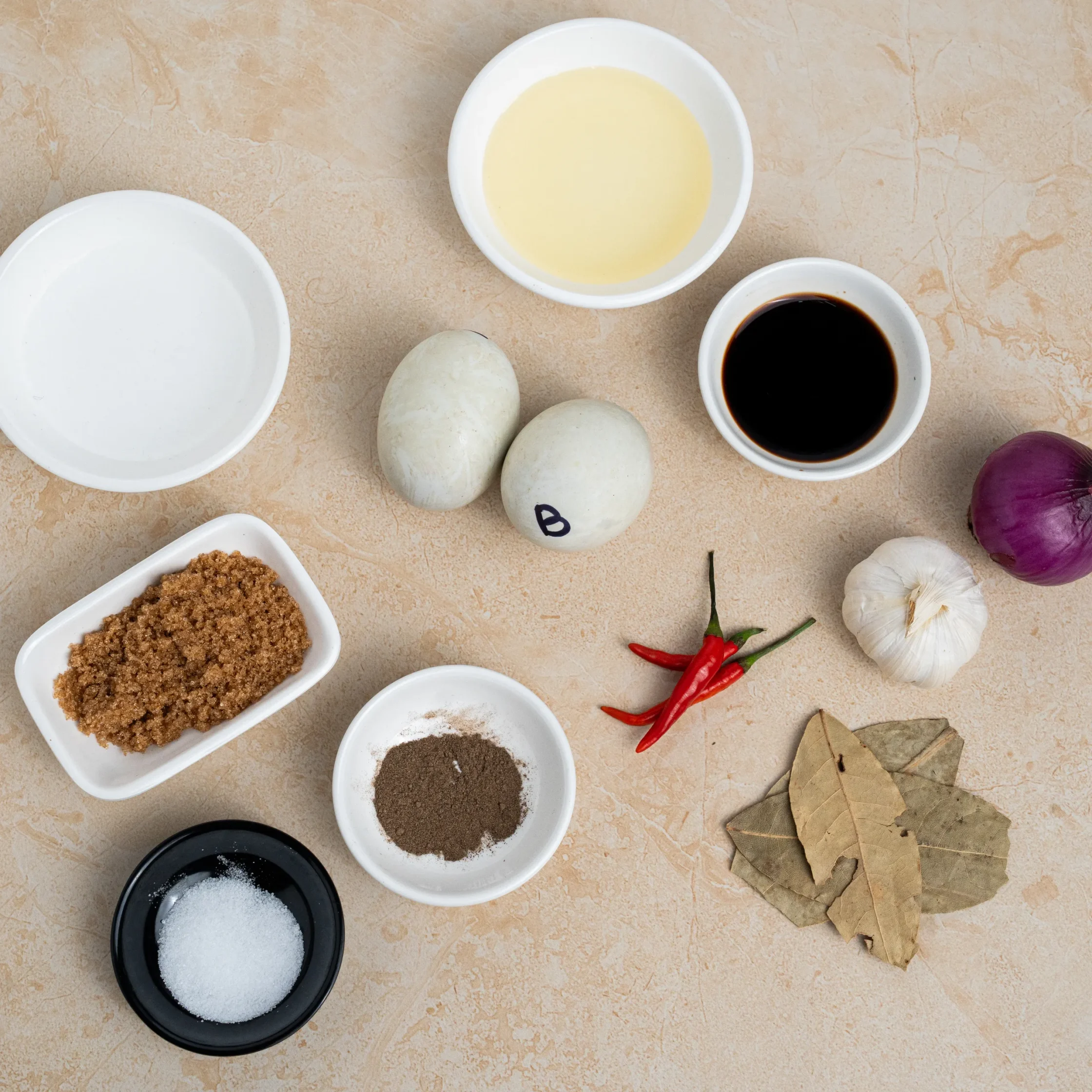
Balut: The main ingredient provides protein, fat, and the distinctive taste and texture that make the dish unique. Use fresh, properly stored balut that has been thoroughly cooked.
Garlic: Garlic gives the sauce its characteristic Filipino adobo aroma. Minced garlic releases its flavor quickly when sautéed in oil.
Onion: Onion adds mild sweetness and a fuller flavor. As it softens during cooking, it blends into the sauce and helps round out the sharper seasonings.
Soy sauce: Soy sauce contributes saltiness, color, and umami. Since brands vary in salt content, start with the stated amount but adjust if needed.
Vinegar: Vinegar provides the familiar sour taste of adobo. It helps balance the richness of the eggs and keeps the sauce from tasting too heavy.
Water: Water dilutes the soy sauce and vinegar so that the mixture can simmer without becoming overly concentrated too quickly.
Bay leaves: Bay leaves contribute a subtle herbal aroma. They should be removed before serving.
Whole black peppercorns: Peppercorns provide a warm, slightly spicy flavor. Whole peppercorns release their aroma gradually and are traditional in many adobo preparations.
Brown sugar: Brown sugar adds a mild caramel-like sweetness that balances the sourness of the vinegar and the saltiness of the soy sauce.
Cooking oil: Oil helps sauté the garlic and onion, releasing their flavors before the liquid seasonings are added.
Red chili: Chili is optional but useful if you want a spicy version. You can use fresh red chili, bird’s-eye chili, or another variety suited to your preferred heat level.
Recipe Tips for Delicious Adobong Balut
A good Adobong Balut does not require complicated techniques. Paying attention to a few details can make the finished dish more flavorful and enjoyable.
1. Use properly cooked, fresh balut
Choose balut from a reliable source and make sure it has been handled and stored safely. If buying pre-boiled balut, check that it has been kept at a safe temperature and has not been sitting unrefrigerated for an extended period.
2. Do not burn the garlic
Garlic is one of the main flavor foundations of adobo. Cook it over medium heat and stir frequently. Once it becomes fragrant and lightly golden, add the onion before it begins to burn.
3. Balance the soy sauce and vinegar
Soy sauce and vinegar are the defining ingredients of adobo, but their proportions can be adjusted. If your soy sauce is especially salty, reduce the amount slightly and add more water. If your vinegar is particularly strong, use a little less initially and adjust after tasting.
4. Let the sauce simmer gently
A gentle simmer allows the flavors to combine without damaging the delicate eggs. Keep the heat low enough that the sauce bubbles softly rather than boiling aggressively.
5. Avoid overcooking the balut
Since the eggs are already cooked, they do not need an extended cooking time in the sauce. Around 10–15 minutes of gentle simmering is generally enough to heat them through and coat them with flavor.
6. Allow the sauce to settle
If you have time, let the finished dish rest for about five minutes before serving. This gives the sauce a chance to settle and makes it easier to portion the eggs neatly.
7. Taste before adding extra salt
Soy sauce already contains salt, so additional salt is usually unnecessary. Taste the sauce near the end of cooking before making any final adjustments.
8. Pair it with something fresh
Adobong Balut has a concentrated, savory flavor. Serving it with rice and fresh or lightly cooked vegetables can make the meal feel more balanced.
Ingredient Substitutions and Variations
One advantage of home cooking is the freedom to adjust a recipe to suit your pantry, budget, and personal preferences. If you do not have every ingredient available, these substitutions can help.
Can chicken eggs replace balut?
Yes, if you prefer not to use balut. Hard-boiled chicken eggs can be simmered in the same adobo sauce. The result will still be flavorful, but it will have a milder taste and a different texture.
Can salted eggs be used instead?
Salted eggs are not a direct substitute because they have a much saltier flavor and a different texture. If you choose to experiment with them, reduce the soy sauce substantially and taste the sauce carefully. The finished dish will be different from traditional Adobong Balut.
Can I make the recipe less salty?
Yes. Reduce the soy sauce to about one-third cup and increase the water slightly. Taste the sauce while it simmers and add a little more soy sauce only if necessary.
Can I make it sweeter?
You can increase the brown sugar from one tablespoon to one and a half tablespoons, or add a little more to taste. Avoid adding too much at once because excessive sweetness can overpower the savory flavor of the adobo.
Can I make it extra spicy?
Add one or two bird’s-eye chilies, depending on their size and heat. You can also add chili flakes. For a milder result, leave the chili whole rather than slicing it, and remove it before serving if desired.
Can I add other ingredients?
You can experiment with sliced bell peppers, mushrooms, or a few pieces of firm tofu. Add vegetables near the end of cooking so they retain some texture. Keep in mind that these additions change the traditional flavor and may require extra water or seasoning adjustments.
What You Should Know About Balut
Balut is distinctive because it is not an ordinary hard-boiled egg. It is a fertilized duck egg incubated until the embryo has developed to a particular stage. The stage of development affects its texture, appearance, and flavor.
Depending on the stage, the egg may contain a rich yolk, soft or firm developing tissues, broth, and other components. The balance of these elements can vary, which is one reason balut may taste different from one egg to another.
In the Philippines, balut is commonly eaten with a little salt, although vinegar, chili, and other seasonings are also used. Cooking it in adobo sauce adds another layer of flavor without removing its distinctive characteristics.
Balut is also an example of how food preferences are shaped by culture and familiarity. For some people, it is a beloved comfort food; for others, it may be unfamiliar. Approaching it with an understanding of its preparation and cultural background helps explain why it remains a recognizable part of Filipino food traditions.
Health Benefits and Nutritional Value of Adobong Balut
Adobong Balut can contribute useful nutrients to a balanced diet. However, its nutritional value depends on the size and development stage of the eggs, the cooking method, and the amount of sauce consumed.
1. Provides protein
Balut contains protein, which the body uses to build and repair tissues and support normal body functions. Protein also contributes to maintaining muscles and helps make meals satisfying.
2. Supplies vitamin B12
Duck eggs generally provide vitamin B12, a nutrient involved in normal nerve function and the formation of red blood cells. The exact amount in balut varies according to the egg and its development.
3. Contains iron
Eggs can contribute iron to the diet. Iron is essential for hemoglobin, the protein in red blood cells that transports oxygen throughout the body. The amount supplied by a serving of balut will vary.
4. Provides other essential nutrients
Duck eggs contain nutrients such as selenium, phosphorus, and choline. These nutrients play roles in normal body functions, including antioxidant defense, bone health, and cell function. Actual amounts in balut depend on its composition and serving size.
5. Can help make a meal satisfying
The combination of protein and fat in balut may help you feel full after eating. Served with rice and vegetables, it can form part of a satisfying meal.
Important nutritional considerations
Although balut contains valuable nutrients, it should not be treated as a complete food or a remedy for health conditions.
- Sodium: Soy sauce can make Adobong Balut high in sodium. People who need to limit sodium may benefit from using reduced-sodium soy sauce and more water.
- Cholesterol and saturated fat: Duck eggs contain dietary cholesterol and fat. People managing cholesterol levels or following a medically prescribed diet should consider their overall dietary pattern and individual guidance.
- Food safety: Eggs must be properly cooked and stored. Contaminated or improperly handled eggs can cause foodborne illness.
- Balanced portions: Pair the dish with vegetables and an appropriate portion of rice to add fiber and variety to the meal.
The healthiest way to enjoy Adobong Balut is to treat it as one part of a varied diet, pay attention to portion sizes, and adjust the seasonings to suit your nutritional needs.
How to Store Adobong Balut Properly
Proper storage is important because balut is an egg product and the finished dish contains moisture and cooked ingredients. Safe handling helps preserve quality and reduce the risk of foodborne illness.
Storing uncooked balut
- Buy balut from a reputable vendor who handles the eggs properly.
- Follow the vendor’s storage instructions, particularly if the eggs are sold refrigerated.
- Keep refrigerated balut at or below 4°C (40°F).
- Do not leave cooked or perishable egg products at room temperature for extended periods.
- Discard eggs with damaged shells, unusual odors, or other signs of spoilage.
If the balut is sold hot and freshly boiled, eat it promptly or refrigerate it within two hours. In very hot conditions above 32°C (90°F), refrigerate it within one hour.
Storing cooked Adobong Balut
Refrigerator
Place leftovers in a clean, shallow, airtight container and refrigerate within two hours of cooking, or within one hour in temperatures above 32°C (90°F). Keep the refrigerator at or below 4°C (40°F) and use the leftovers within 3–4 days.
Freezer
Freezing is possible, but the texture of the egg may change after thawing. For best quality, freeze promptly in a freezer-safe airtight container at −18°C (0°F) or below. Label it with the date and use it within about 2–3 months for quality.
Reheating
Reheat only the portion you plan to eat. Heat the eggs and sauce thoroughly to 74°C (165°F), using gentle heat to avoid breaking the eggs. Add a small amount of water if the sauce has thickened too much.
Should I store the balut in the sauce?
Yes. Keeping the eggs in the sauce inside an airtight container helps maintain moisture and flavor. However, the sauce does not make the dish safe to leave unrefrigerated. Always refrigerate leftovers promptly.
Can Adobong Balut be left on the counter overnight?
No. Do not eat Adobong Balut that has been left at room temperature overnight. Smell and appearance alone cannot reliably establish that food is safe. When in doubt, discard it.
Can I reheat Adobong Balut more than once?
It is better to reheat only the amount you intend to eat. Repeated cooling and reheating can reduce quality and create more opportunities for unsafe handling. Keep the remaining food refrigerated and handle it promptly.
Final Words: A Taste of Filipino Creativity and Tradition
Adobong Balut is a wonderful example of how Filipino cooking brings familiar ingredients together in creative ways. By combining balut with the classic flavors of garlic, soy sauce, vinegar, onion, bay leaves, and peppercorns, this dish transforms a beloved local delicacy into a savory meal with its own character.
What makes this recipe special is not simply its bold flavor, but also its flexibility. You can adjust the sweetness, acidity, saltiness, and spiciness to suit your family’s preferences. You can serve it with warm rice for a simple lunch or dinner, prepare it as something different for a weekend meal, or share it with friends who want to explore Filipino food beyond the usual dishes.
Cooking Adobong Balut also reminds us that food traditions continue to grow as people experiment with ingredients, adapt recipes, and pass their favorite preparations from one generation to the next. Every household may have a slightly different approach, and that freedom is part of the beauty of home cooking.
For the best results, use fresh and properly handled balut, sauté the garlic and onion carefully, balance the soy sauce and vinegar, and let the eggs simmer gently in the sauce. Serve the dish warm, spoon the flavorful sauce over freshly cooked rice, and enjoy it as part of a balanced meal.
Ultimately, Adobong Balut is more than just a recipe. It is a celebration of Filipino ingenuity, familiar flavors, and the joy of discovering new ways to enjoy traditional food. Whether you prepare it exactly as written or create your own version, the most important ingredients are care, good food-handling practices, and the willingness to enjoy something delicious and distinctly Filipino.