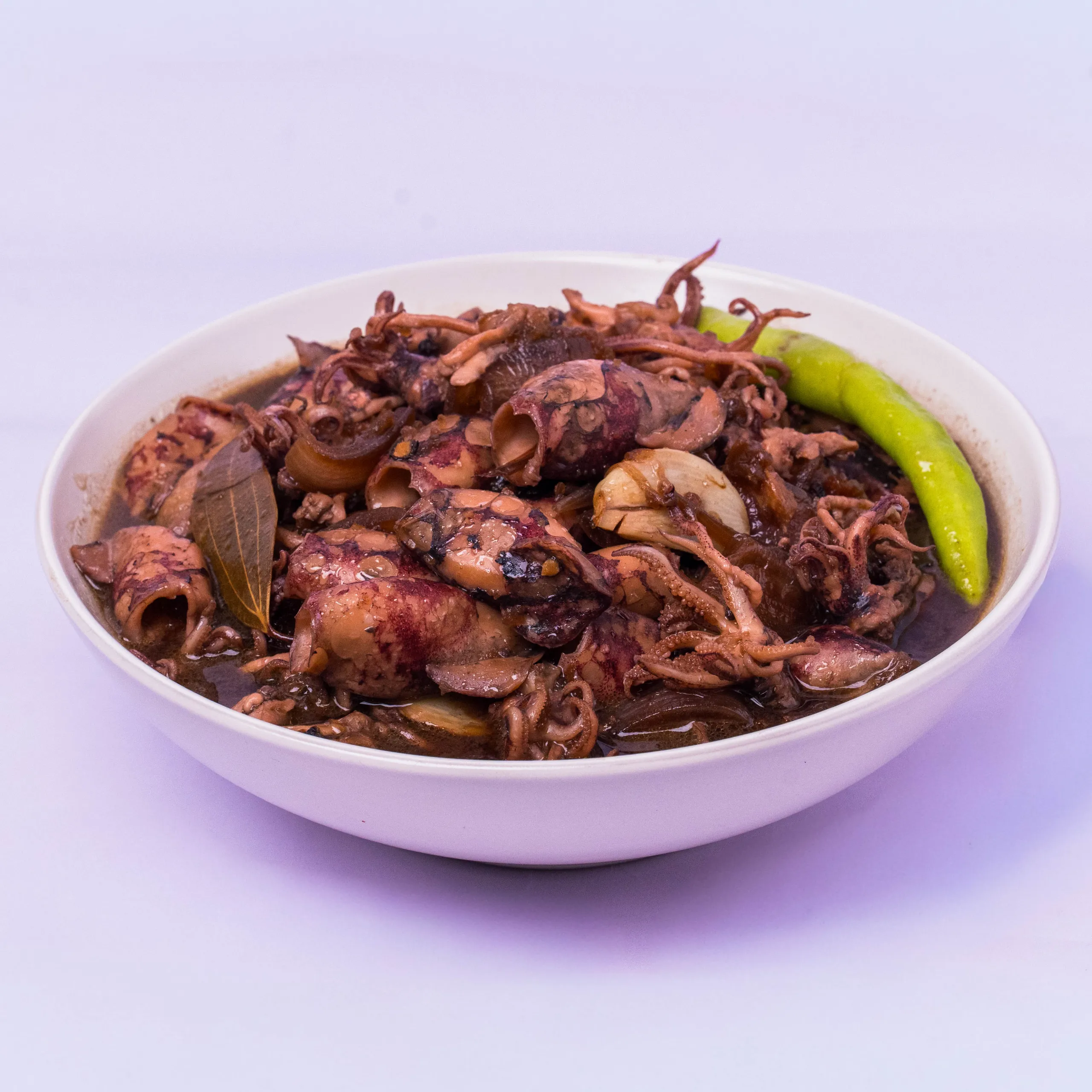


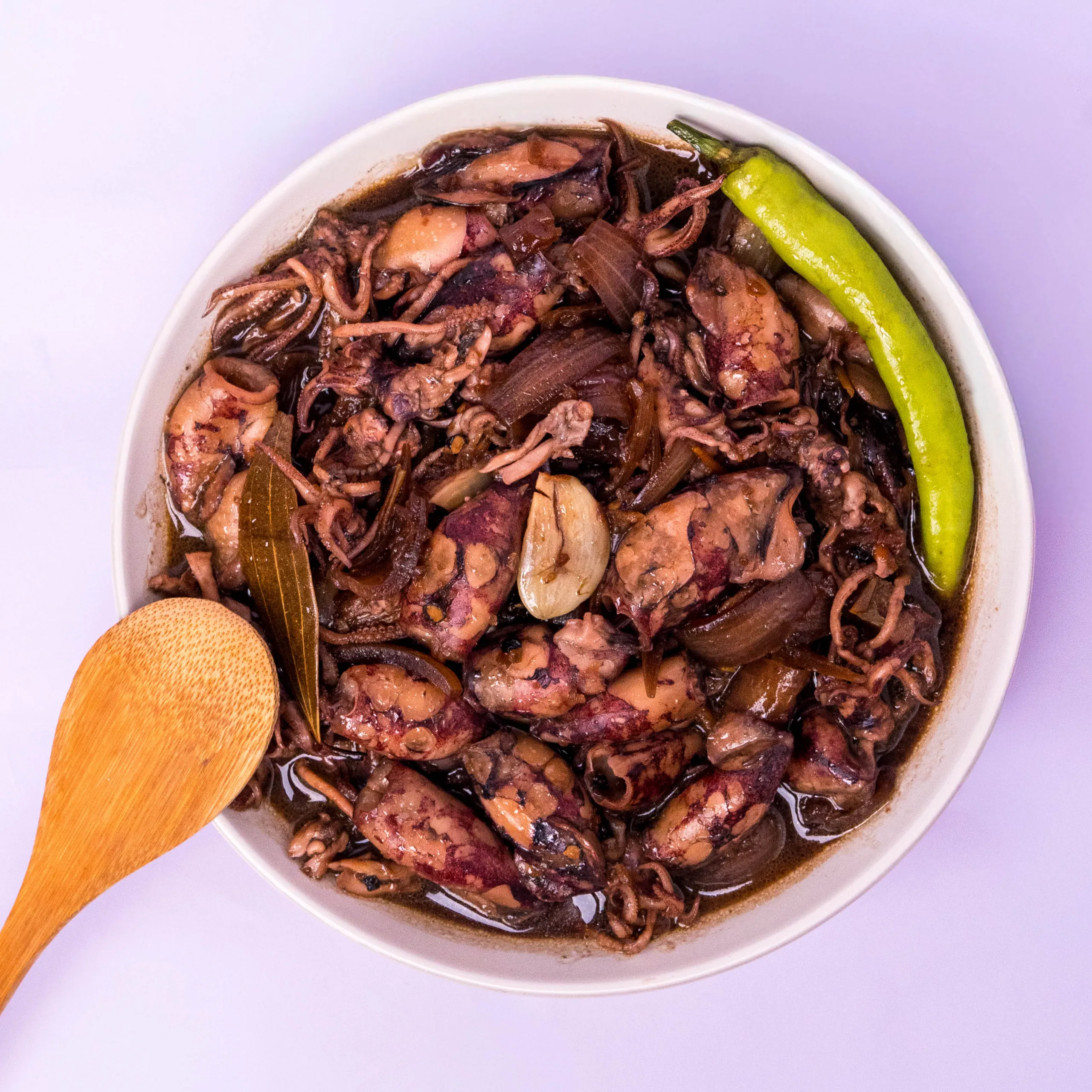
Few dishes capture the heart of Filipino home cooking quite like Adobong Pusit. Rich, savory, slightly tangy, and deeply satisfying, this seafood favorite combines fresh squid with the unmistakable flavors of soy sauce, vinegar, garlic, and aromatic spices. Every bite offers tender pieces of squid coated in a flavorful sauce that pairs perfectly with a generous serving of hot steamed rice.
For many Filipinos, Adobong Pusit is more than just another variation of adobo—it is a comforting reminder of family meals, coastal traditions, and recipes lovingly passed down from one generation to the next. While chicken and pork adobo are more commonly recognized worldwide, seafood lovers know that squid creates an equally delicious version with its naturally sweet flavor and tender texture.
One of the unique qualities of Adobong Pusit is the balance between simplicity and boldness. The ingredients are humble and easy to find, yet when combined, they create layers of flavor that are unmistakably Filipino. The vinegar provides a pleasant tanginess, soy sauce contributes savory depth, garlic and onions build an aromatic base, while tomatoes add natural sweetness that softens the acidity. Some recipes also include the squid’s ink, giving the dish a darker appearance and an even richer seafood flavor, while others prepare a lighter version without it.
Whether served as an everyday family meal, a special seafood dinner, or part of a festive Filipino spread, Adobong Pusit remains one of the country’s most beloved seafood recipes. Its comforting flavors, quick cooking time, and satisfying texture continue to make it a favorite in homes across the Philippines.
History and Origin of Adobong Pusit
The history of Adobong Pusit is closely connected to the long culinary tradition of adobo, often regarded as one of the Philippines’ national dishes. Long before Spanish colonization, early Filipinos were already preserving meat and seafood by cooking them in vinegar and salt. This method helped extend the shelf life of food in the tropical climate, where refrigeration did not yet exist.
When the Spanish arrived in the Philippines during the 16th century, they observed this cooking technique and referred to it as “adobo,” a word derived from the Spanish term adobar, meaning “to marinate” or “to season.” Although the name was introduced by the Spanish, the cooking method itself was already deeply rooted in Filipino culture.
As coastal communities throughout the Philippine archipelago relied heavily on fishing for food and livelihood, seafood naturally became part of the adobo tradition. Fresh squid was abundant in many regions, making it an excellent ingredient for this vinegar-based cooking method. Squid cooks quickly and readily absorbs the flavors of soy sauce, vinegar, garlic, and spices, making it ideal for adobo.
Different provinces developed their own versions of Adobong Pusit. Some recipes include the squid’s natural ink, which thickens the sauce and adds a richer seafood flavor and dramatic black color. Others leave out the ink, creating a lighter brown sauce that highlights the freshness of the squid. Some households add tomatoes to introduce sweetness, while others include coconut milk, chilies, or ginger for regional variations.
Today, Adobong Pusit is enjoyed throughout the Philippines and has become a staple in seafood restaurants and Filipino households alike. It showcases the country’s rich coastal heritage and the Filipino talent for creating deeply flavorful dishes using simple, accessible ingredients.
Knowledge About Adobong Pusit and Its Ingredients
Squid (Pusit)
Squid is the star ingredient of this recipe and one of the most popular seafood choices in Filipino cuisine. It has a mild, slightly sweet flavor that easily absorbs seasonings while maintaining its own delicate taste.
Fresh squid has a firm texture and cooks very quickly. One of the most important things to remember when preparing squid is that it should either be cooked very briefly or simmered for a much longer period. Cooking it for too long over moderate heat can make it chewy or rubbery.
Squid is naturally rich in:
- High-quality protein
- Vitamin B12
- Selenium
- Copper
- Phosphorus
- Zinc
These nutrients play important roles in supporting energy production, immune function, and overall health.
Garlic
Garlic is one of the defining flavors of Filipino adobo. It creates a savory foundation for the sauce and becomes sweeter and more aromatic as it cooks.
Fresh garlic also contains natural sulfur compounds and antioxidants that have been widely studied for their potential health-supporting properties.
Onion
Onions provide natural sweetness that balances the salty and sour components of the dish. As they soften during cooking, they release natural sugars that create a more rounded and flavorful sauce.
Tomatoes
Although not every Adobong Pusit recipe includes tomatoes, they add a pleasant sweetness and a slight acidity that complements the squid.
As tomatoes cook, they break down into the sauce, adding body and enhancing the overall flavor.
Tomatoes are an excellent source of:
- Vitamin C
- Vitamin A
- Potassium
- Lycopene, a natural antioxidant
Soy Sauce
Soy sauce contributes saltiness, umami, and color to the dish. It enhances the natural sweetness of the squid while creating the familiar savory taste associated with Filipino adobo.
Vinegar
Vinegar is one of the essential ingredients that defines adobo. It provides the dish’s characteristic tangy flavor while also serving as a traditional preservative.
Many Filipino cooks prefer cane vinegar because of its balanced acidity, but white vinegar also produces excellent results.
Bay Leaves
Bay leaves release subtle herbal aromas during simmering and contribute additional depth to the sauce.
Whole Black Peppercorns
Whole peppercorns slowly release their warm, slightly spicy flavor as the sauce cooks, creating a gentle heat that complements the seafood.
Brown Sugar
A small amount of brown sugar is optional but helps balance the sharp acidity of the vinegar without making the dish sweet.
Green Chilies
Green finger chilies provide a mild heat and fresh aroma. They add complexity without overwhelming the delicate flavor of the squid.
Spring Onions
Spring onions are often used as a garnish to add freshness, color, and a mild onion flavor before serving.
Health Benefits of Adobong Pusit
Excellent Source of Lean Protein
Squid is a lean source of protein that helps support:
- Muscle growth and maintenance
- Tissue repair
- Healthy metabolism
- Long-lasting satiety
Protein is an essential nutrient for people of all ages and contributes to many important body functions.
Rich in Vitamin B12
Squid is naturally high in vitamin B12, which supports:
- Healthy nerve function
- Red blood cell formation
- Energy production
- Brain health
Contains Important Minerals
Squid provides several essential minerals, including:
- Selenium for antioxidant protection
- Copper for iron metabolism
- Phosphorus for healthy bones and teeth
- Zinc for immune support
Low in Carbohydrates
This dish is naturally low in carbohydrates, making it suitable for people looking to reduce carbohydrate intake. It can easily fit into a variety of balanced eating patterns when paired with vegetables or moderate portions of rice.
Rich in Antioxidants from Vegetables
Garlic, onions, tomatoes, and chilies all contain beneficial plant compounds and antioxidants that help protect cells from oxidative stress.
Healthier Cooking Method
Unlike deep-fried seafood dishes, Adobong Pusit is gently simmered, requiring only a small amount of cooking oil. This allows the squid to remain tender while keeping added fats relatively low.
Because soy sauce naturally contains sodium, people who are watching their salt intake may choose low-sodium soy sauce or reduce the amount used.
Recipe Tips for the Best Adobong Pusit
- Always choose fresh squid with a clean ocean smell, bright eyes, and firm flesh.
- Dry the squid before cooking to help it absorb the sauce more effectively.
- Cook squid quickly to keep it tender. If accidentally overcooked, it will need a much longer simmer to become tender again.
- Do not stir the vinegar immediately after adding it. Let it simmer first to mellow its sharpness.
- Fresh garlic provides a stronger and more aromatic flavor than garlic powder.
- Use whole black peppercorns for a more traditional adobo flavor.
- Add tomatoes only after the onions have softened to allow them to break down more easily.
- If using squid ink, stir it gently into the sauce to avoid clumps.
- Let the dish rest for 5 to 10 minutes before serving to allow the flavors to blend even further.
- Serve with freshly cooked rice to enjoy every drop of the flavorful sauce.
Ingredient Substitutions
Squid
If fresh squid is unavailable, you may use:
- Frozen squid (thawed completely before cooking)
- Cuttlefish
- Baby squid
- Octopus (requires a much longer cooking time)
Soy Sauce
Substitutes include:
- Low-sodium soy sauce
- Tamari for a gluten-free option
- Coconut aminos for a milder, slightly sweeter flavor
White Vinegar
You may substitute:
- Cane vinegar
- Apple cider vinegar
- Rice vinegar (for a milder tang)
- Coconut vinegar
Each type of vinegar slightly changes the overall flavor.
Brown Sugar
Substitute with:
- White sugar
- Coconut sugar
- Honey (use sparingly)
Green Chilies
Alternatives include:
- Jalapeños
- Serrano peppers
- Red finger chilies
- Chili flakes
Adjust according to your preferred spice level.
Tomatoes
You may use:
- Cherry tomatoes
- Roma tomatoes
- Canned diced tomatoes when fresh tomatoes are unavailable
Spring Onions
Substitute with:
- Chives
- Fresh parsley
- Cilantro for a different herbal flavor
Final Words
Adobong Pusit is a beautiful example of how Filipino cuisine celebrates the natural flavors of fresh seafood through simple yet thoughtful cooking techniques. With just a handful of pantry staples—garlic, vinegar, soy sauce, onions, tomatoes, and spices—a humble ingredient like squid is transformed into a meal that is rich, comforting, and full of character.
What makes this dish truly special is the harmony of flavors. The savory depth of soy sauce, the bright tang of vinegar, the sweetness of tomatoes, and the delicate taste of squid come together in perfect balance. Every ingredient has a purpose, and together they create a dish that is both satisfying and timeless.
Beyond its delicious taste, Adobong Pusit reflects the ingenuity of Filipino home cooks who learned to make the most of fresh local seafood and simple pantry ingredients. It is a recipe rooted in tradition, shaped by coastal communities, and lovingly passed from one generation to the next.
Whether you prepare it for a quiet family dinner, a gathering with friends, or simply to enjoy a taste of Filipino comfort food, Adobong Pusit is more than just a recipe—it is a celebration of the Philippines’ rich culinary heritage, the abundance of its seas, and the joy of sharing a flavorful homemade meal around the table.