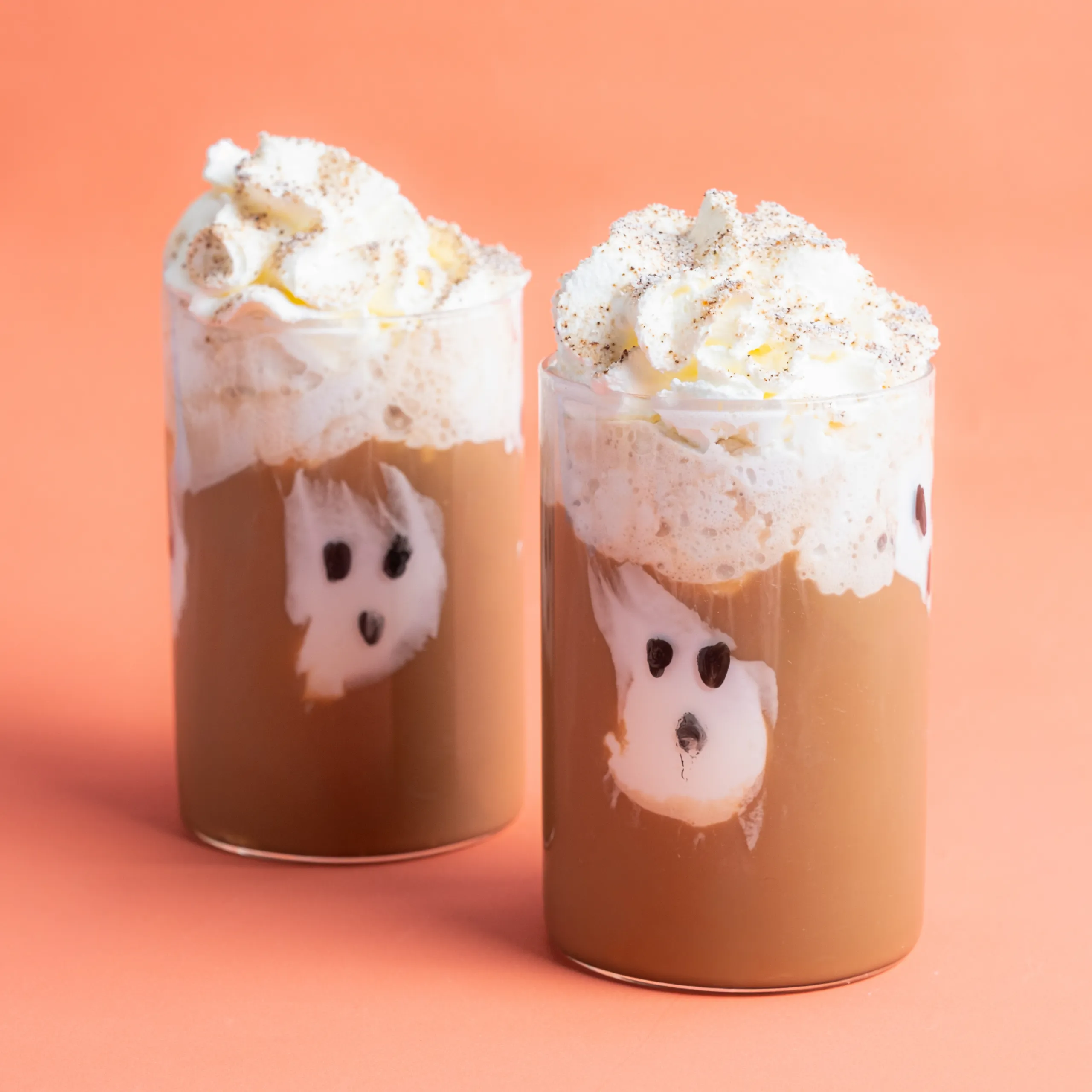
The Ghost Barako Coffee Shake is a creamy, refreshing, and spooky Halloween beverage made with strong Filipino barako coffee, condensed milk, sugar, and ice. It combines the bold flavor of local coffee with the sweetness and creaminess of a milkshake, making it a delicious treat for Halloween parties, school events, cafés, and family gatherings.
What makes this drink special is its ghost-themed decoration made from cream cheese. The white ghost design creates a fun Halloween appearance while complementing the rich, dark color of the coffee shake.
This recipe also highlights the unique taste of barako coffee, a well-known Philippine coffee variety that gives the drink a distinctly Filipino identity.
History of Barako Coffee
Background of Philippine coffee culture
Barako coffee is a traditional Philippine coffee known for its strong aroma, bold flavor, and distinctive character. The name barako is commonly associated with strength and masculinity in Filipino culture, making it a fitting name for this powerful-tasting coffee.
Coffee cultivation in the Philippines dates back to the Spanish colonial period, when coffee plants were introduced in the 18th century. Coffee growing eventually spread to several regions, including Batangas and Cavite, which became particularly famous for their coffee production.
Barako coffee is especially associated with Batangas, where it became an important part of local food culture and hospitality. It is traditionally made from Coffea liberica, a coffee species known for its large beans and distinctive flavor profile, which may feature woody, fruity, floral, or smoky notes.
During the 19th century, the Philippines became an important coffee-producing country. However, coffee production was affected by diseases, including coffee rust, and other agricultural challenges. Despite these difficulties, barako coffee remained an enduring symbol of Batangueño heritage.
Today, barako coffee is enjoyed as traditional brewed coffee and is also used in modern beverages, desserts, and specialty café creations. The Ghost Coffee Shake is one creative way to combine this local coffee heritage with a festive Halloween presentation.
Recipe Tips:
- If using instant barako coffee, dissolve it in a small amount of hot water, then cool it before blending.
- If your coffee is already sweetened, reduce the added sugar.
- If using Greek yogurt for the ghost, make it thick enough to pipe; otherwise, the design may slide or lose its shape.
- For a dairy-free version, use plant-based condensed milk, dairy-free cream cheese, and dairy-free whipped topping.
- For a less sweet shake, reduce or omit the tablespoon of sugar.
Health Benefits of Barako Coffee
Barako coffee can contribute to a balanced diet when consumed in moderation. Its potential benefits mainly come from caffeine and naturally occurring coffee compounds.
- May improve alertness. Caffeine can temporarily increase attention and reduce feelings of tiredness.
- Contains antioxidants. Coffee contains compounds, including chlorogenic acids, that have antioxidant activity.
- May support physical performance. Caffeine can improve exercise performance for some people.
- Provides enjoyment and social connection. Sharing locally inspired coffee drinks can be part of Filipino food culture and social gatherings.
- Supports appreciation of local agriculture. Choosing locally grown barako coffee can help sustain Philippine coffee traditions and provide opportunities for local farmers.
Health considerations
The Ghost Coffee Shake also contains condensed milk, sugar, and optional whipped cream, which add calories, sugar, and possibly saturated fat. Its nutritional value depends on the serving size and the amount of each ingredient used.
- Reduce the added sugar or condensed milk if you want a less sweet drink.
- Be mindful of caffeine if you are sensitive to it or experience difficulty sleeping.
- Pregnant adults should follow their healthcare professional’s advice on caffeine intake; commonly recommended guidance limits total caffeine to 200 mg per day during pregnancy.
- People with lactose intolerance may need dairy-free substitutes, while those with a milk allergy should avoid dairy ingredients entirely.
Important: Coffee is not a substitute for a balanced diet, adequate sleep, or medical treatment.