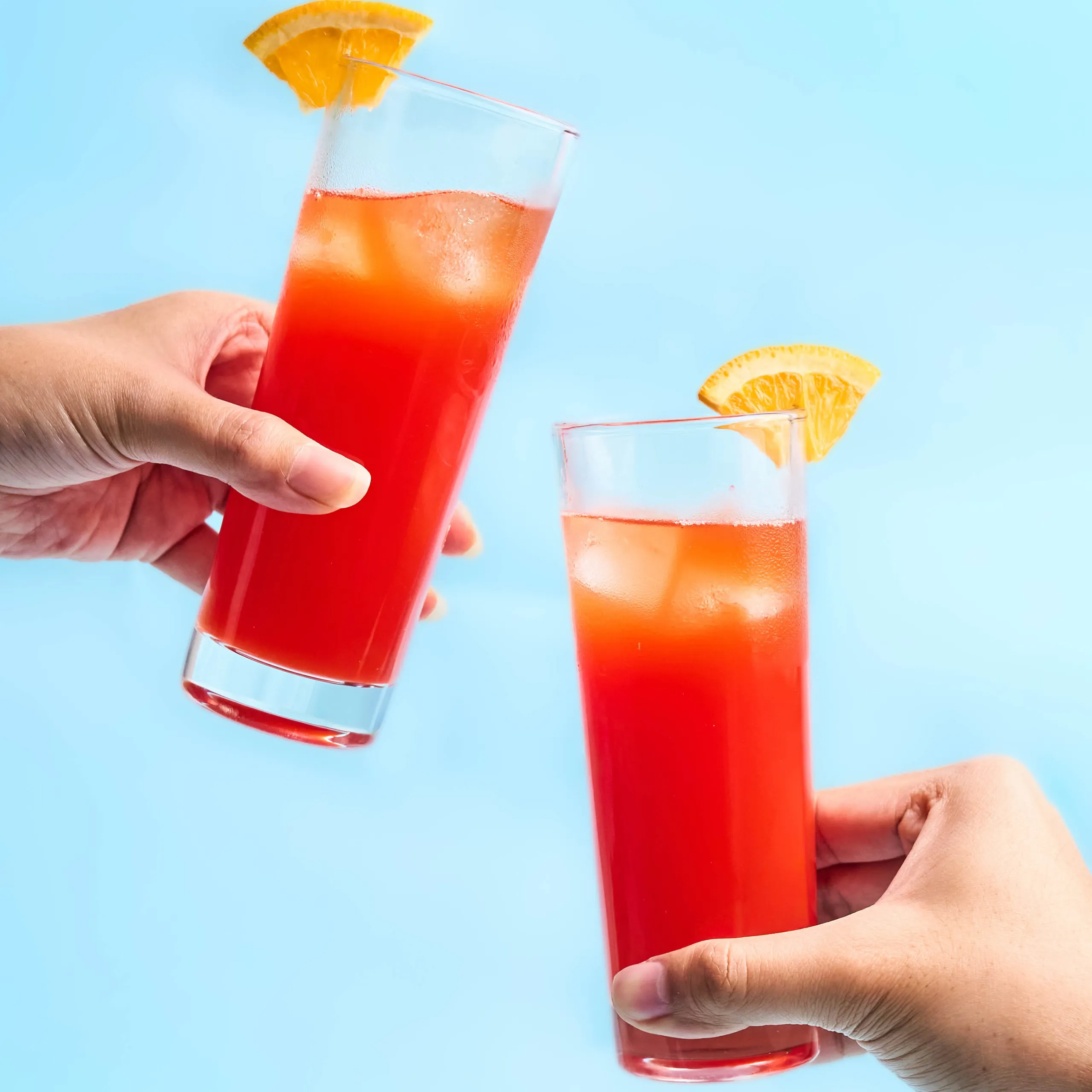


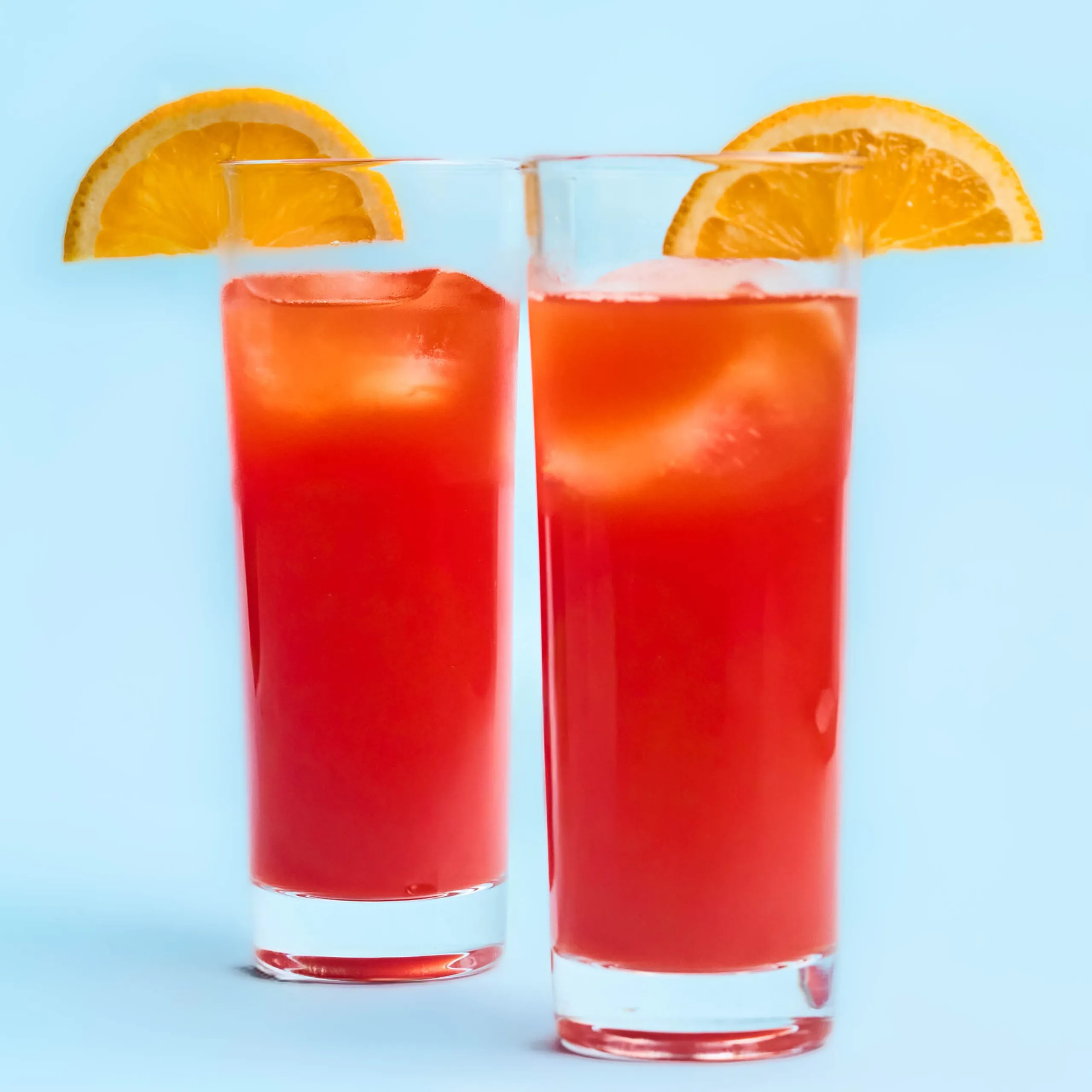
If there’s one cocktail that has earned legendary status in the Philippines, it’s the colorful and powerful Weng Weng. Known for its vibrant golden-orange color, fruity sweetness, and surprisingly strong kick, this iconic Filipino cocktail has been a favorite at bars, clubs, beach parties, karaoke nights, and festive celebrations for decades.
At first glance, Weng Weng looks like a refreshing tropical fruit drink. Its bright color and sweet aroma from orange, pineapple, and mango juices make it seem light and easy to drink. However, don’t let its fruity appearance fool you. Beneath its smooth, refreshing flavor is a blend of four different spirits—brandy, gin, rum, and vodka—that come together to create one of the most famous mixed drinks in Filipino nightlife.
One of the reasons Weng Weng has remained popular is its balance of flavors. While the combination of several liquors may sound overwhelming, the fruit juices soften the alcohol’s intensity, while grenadine adds sweetness, color, and a subtle fruity finish. The result is a cocktail that is sweet, refreshing, tropical, and deceptively smooth.
Whether you’re hosting a small gathering with friends, celebrating a birthday, enjoying a weekend barbecue, or simply exploring classic Filipino cocktails, Weng Weng is a drink that brings a fun and festive atmosphere to any occasion. Best served well chilled over plenty of ice, it delivers tropical flavors that perfectly complement the warm climate of the Philippines.
As with any alcoholic beverage, Weng Weng is meant to be enjoyed responsibly. Its smooth taste can easily mask its strength, making it a cocktail that’s best sipped slowly while sharing good food and great company.
History of Weng Weng
The exact origin of the Weng Weng cocktail remains surrounded by stories and friendly debate, making it one of the most interesting drinks in Filipino cocktail culture. While no single bartender or establishment has been universally credited with inventing it, most accounts trace its popularity to the Philippines during the late 1970s and 1980s, a period when nightlife and disco culture flourished across the country.
The cocktail became especially popular in bars throughout Metro Manila and popular tourist destinations, where bartenders experimented with combining several spirits into one colorful drink. Instead of relying on a single type of liquor, they blended brandy, gin, rum, and vodka with tropical fruit juices to create a cocktail that was both approachable in taste and notably strong.
Many believe the unusual name “Weng Weng” was inspired by the late Filipino actor Ernesto “Weng Weng” de la Cruz, who became internationally known for starring in action-comedy films during the 1980s. Standing just under three feet tall, the actor gained fame for his larger-than-life screen presence. Although there is no definitive proof that the drink was officially named after him, the timing and popularity of both the actor and the cocktail have led many Filipinos to associate the two.
Over time, Weng Weng became a signature drink in karaoke bars, beach resorts, college celebrations, and nightlife establishments throughout the country. Bartenders often created their own variations by adjusting the proportions of liquor or incorporating different tropical fruit juices while maintaining the cocktail’s signature fruity character.
Today, Weng Weng remains one of the Philippines’ best-known cocktails. It continues to symbolize lively celebrations, tropical hospitality, and the creativity of Filipino bartenders who transformed simple ingredients into a drink that has
Why You’ll Love This Recipe
- Fruity, colorful, and refreshing.
- Surprisingly smooth despite containing multiple spirits.
- Quick and easy to prepare.
- Perfect for celebrations and parties.
- Beautiful tropical presentation.
- Easily customizable with different fruit juices.
- A classic Filipino cocktail with nostalgic appeal.
- Great for warm-weather entertaining.
Recipe Tips
- Always measure the alcohol accurately to maintain balance.
- Chill the juices before mixing for the freshest flavor.
- Fresh fruit juices create a brighter and more natural taste than highly sweetened bottled juices.
- Shake the cocktail long enough to fully chill the ingredients without over-diluting them.
- Use plenty of fresh ice for serving.
- Garnish with fresh citrus slices for added aroma and presentation.
- For a slightly lighter cocktail, increase the fruit juice slightly while reducing the alcohol proportionately.
- Never substitute artificial fruit syrups for real juice if you want the authentic tropical flavor.
- Serve immediately after mixing for the best taste and texture.
Ingredient Substitutions
While the classic recipe uses four different spirits and tropical juices, you can make a few substitutions depending on what you have available.
- Brandy: Cognac or another quality grape-based brandy.
- Gin: London Dry Gin or a lighter botanical gin.
- Rum: White rum or light golden rum.
- Vodka: Any neutral vodka.
- Orange juice: Freshly squeezed orange juice or pasteurized juice with no added sugar.
- Pineapple juice: Fresh pineapple juice or canned 100% pineapple juice.
- Mango juice: Peach nectar, guava nectar, or passion fruit juice for a different tropical variation.
- Grenadine: Pomegranate syrup or homemade grenadine.
- Orange garnish: Pineapple wedges, maraschino cherries, or fresh mint leaves for decoration.
Knowledge About Weng Weng
Weng Weng has become one of the Philippines’ most recognizable cocktails because of its unique combination of several spirits balanced by tropical fruit juices. While many cocktails rely on one or two types of liquor, Weng Weng stands out by blending four different spirits into a single drink without overwhelming the palate.
Its popularity reflects the Filipino appreciation for festive gatherings and tropical flavors. The inclusion of mango, pineapple, and orange juices gives the cocktail a distinctly tropical character that pairs well with the country’s warm climate and vibrant cuisine.
Many bars have developed their own versions of Weng Weng, adjusting the sweetness, alcohol content, or fruit juices according to customer preferences. Some versions include blue curaçao, while others add lemon-lime soda for a lighter finish. Despite these variations, the original concept remains the same: a colorful, fruit-forward cocktail with a surprisingly strong alcoholic foundation.
Because of its smooth taste, Weng Weng is often described as a “deceptively strong” cocktail. The fruit juices successfully mask much of the alcohol’s sharpness, making it important to enjoy the drink slowly and responsibly.
Today, Weng Weng continues to be associated with Filipino celebrations, nightlife, karaoke sessions, beach vacations, and gatherings among friends, remaining one of the country’s most iconic mixed drinks.
About the Ingredients
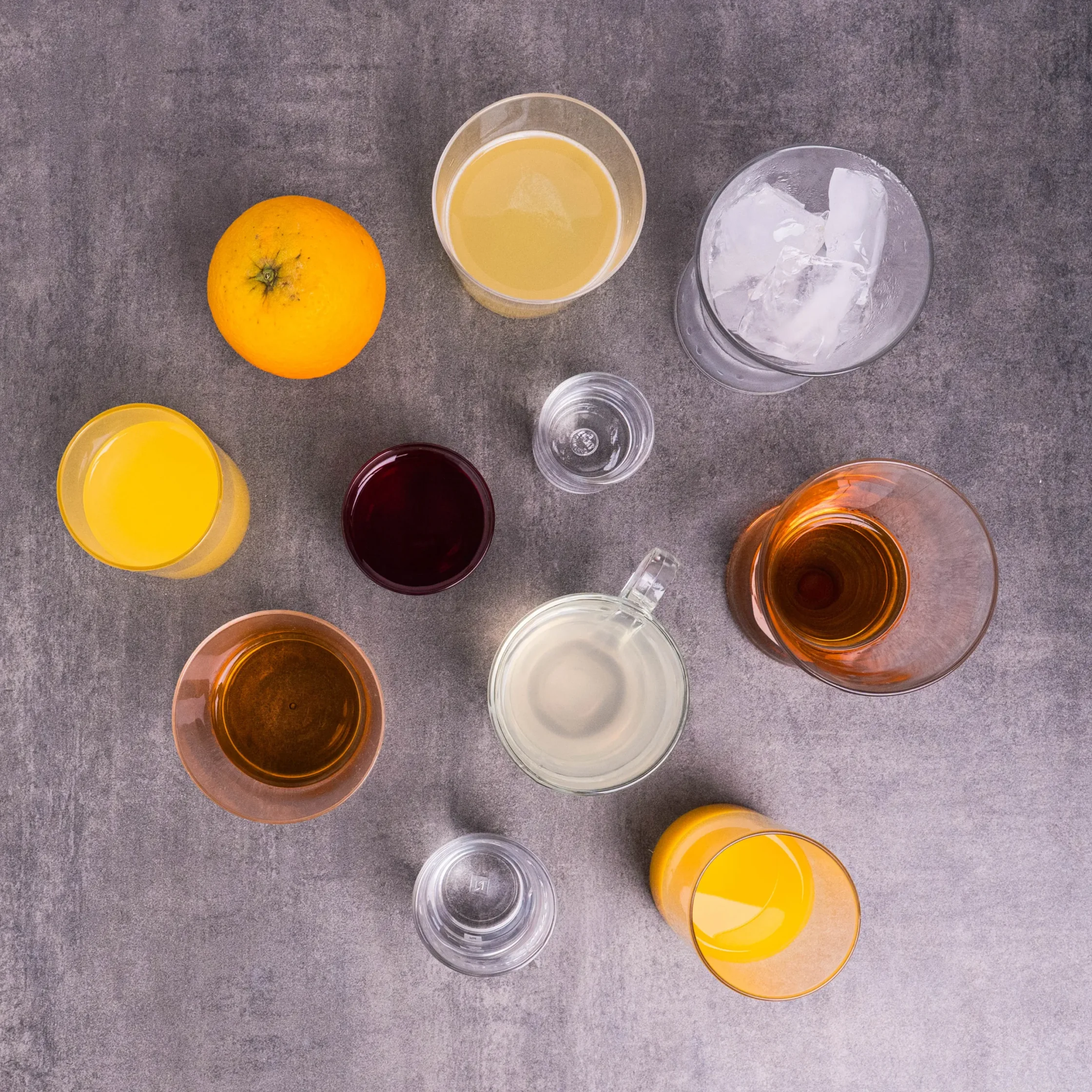
Each ingredient in Weng Weng contributes a distinct flavor, aroma, or texture that helps create the cocktail’s signature balance.
Brandy
Brandy adds warmth, subtle sweetness, and notes of dried fruit or oak, depending on the variety. It gives the cocktail a richer base and complements the tropical fruit juices.
Gin
Gin contributes delicate botanical flavors from ingredients such as juniper, citrus peel, coriander, and herbs. These notes add freshness and complexity without overpowering the drink.
Rum
Rum brings gentle sweetness and light caramel or vanilla notes, especially when using golden rum. It blends naturally with pineapple and mango, enhancing the cocktail’s tropical profile.
Vodka
Vodka provides body and strength while allowing the flavors of the juices and other spirits to remain the focus. Its neutral character helps unify the different ingredients.
Orange Juice
Orange juice adds bright citrus flavor and natural acidity that balances the sweetness of the other ingredients while contributing vitamin C.
Pineapple Juice
Pineapple juice offers tropical sweetness and a lively, slightly tangy flavor that complements both the spirits and the citrus notes.
Mango Juice
Mango juice adds a rich tropical aroma, natural sweetness, and a smooth texture that enhances the drink’s overall fruitiness.
Grenadine
Grenadine contributes sweetness, a beautiful reddish-orange color, and subtle pomegranate notes that complete the cocktail’s vibrant appearance.
Note: While fruit juices contain vitamins and other nutrients, Weng Weng is an alcoholic beverage. Any nutritional benefits from the juices should not be viewed as outweighing the risks associated with alcohol consumption. Adults who choose to drink should do so responsibly and in moderation.
Final Thoughts
Weng Weng is more than just a colorful cocktail—it is a lively expression of Filipino hospitality, celebration, and creativity. Its vibrant blend of tropical fruit juices and carefully balanced spirits has made it a favorite at parties, beach gatherings, karaoke nights, and countless special occasions. The drink’s bright appearance and smooth, fruity taste make it inviting, while its robust mix of spirits reminds us that it is a cocktail meant to be enjoyed thoughtfully.
One of the enduring appeals of Weng Weng is its versatility. Whether prepared according to the classic recipe or personalized with different tropical juices and garnishes, it continues to deliver a refreshing taste that reflects the flavors of the Philippines. Served ice-cold alongside good food and shared with family and friends, it becomes more than just a drink—it becomes part of the celebration itself.
As with all alcoholic beverages, the best way to appreciate Weng Weng is responsibly and in moderation. Savor its tropical flavors, enjoy the company around you, and celebrate the moments that bring people together. With its colorful presentation, refreshing character, and rich place in Filipino cocktail culture, Weng Weng remains a timeless favorite that continues to brighten gatherings, one chilled glass at a time.