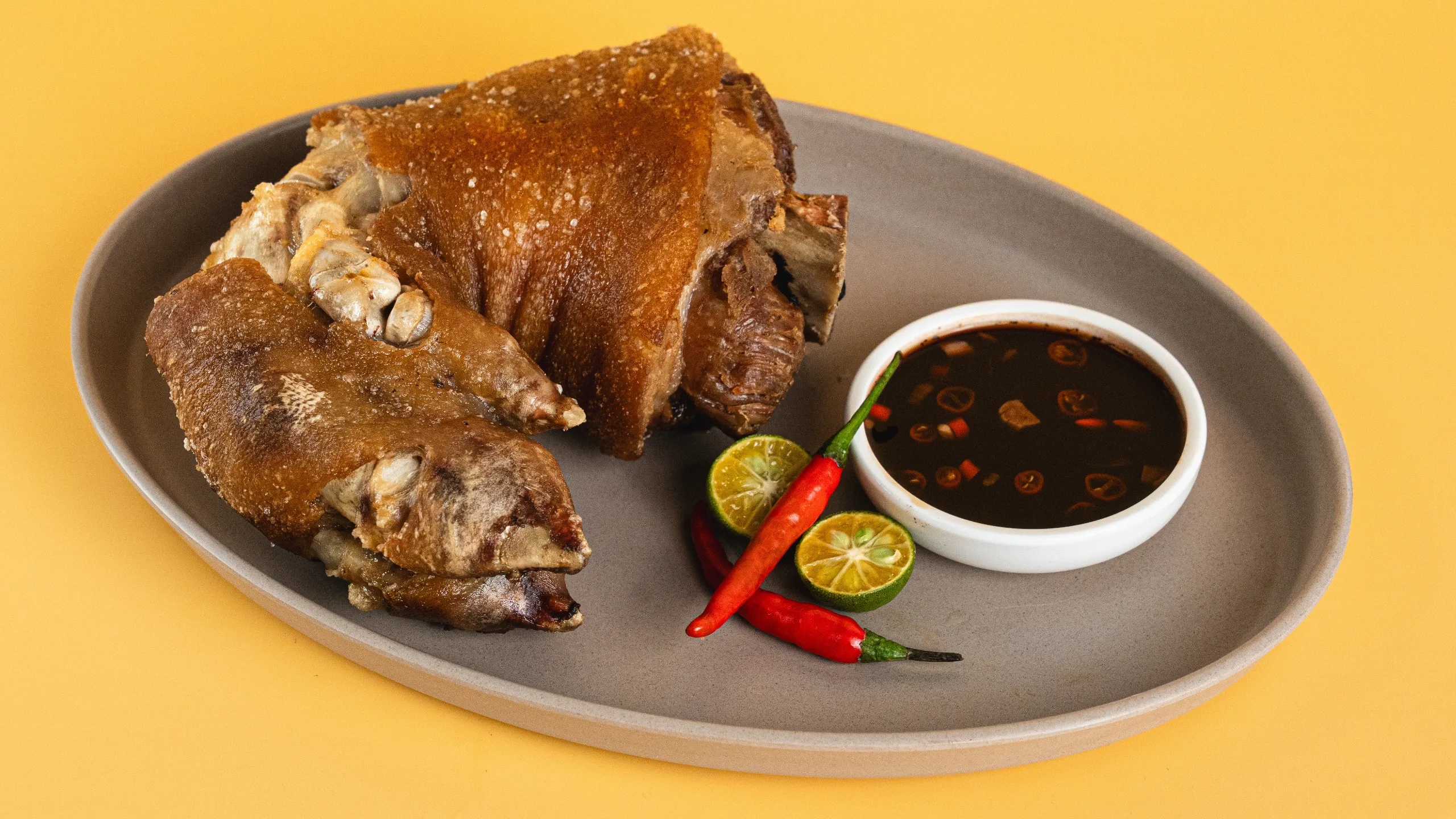


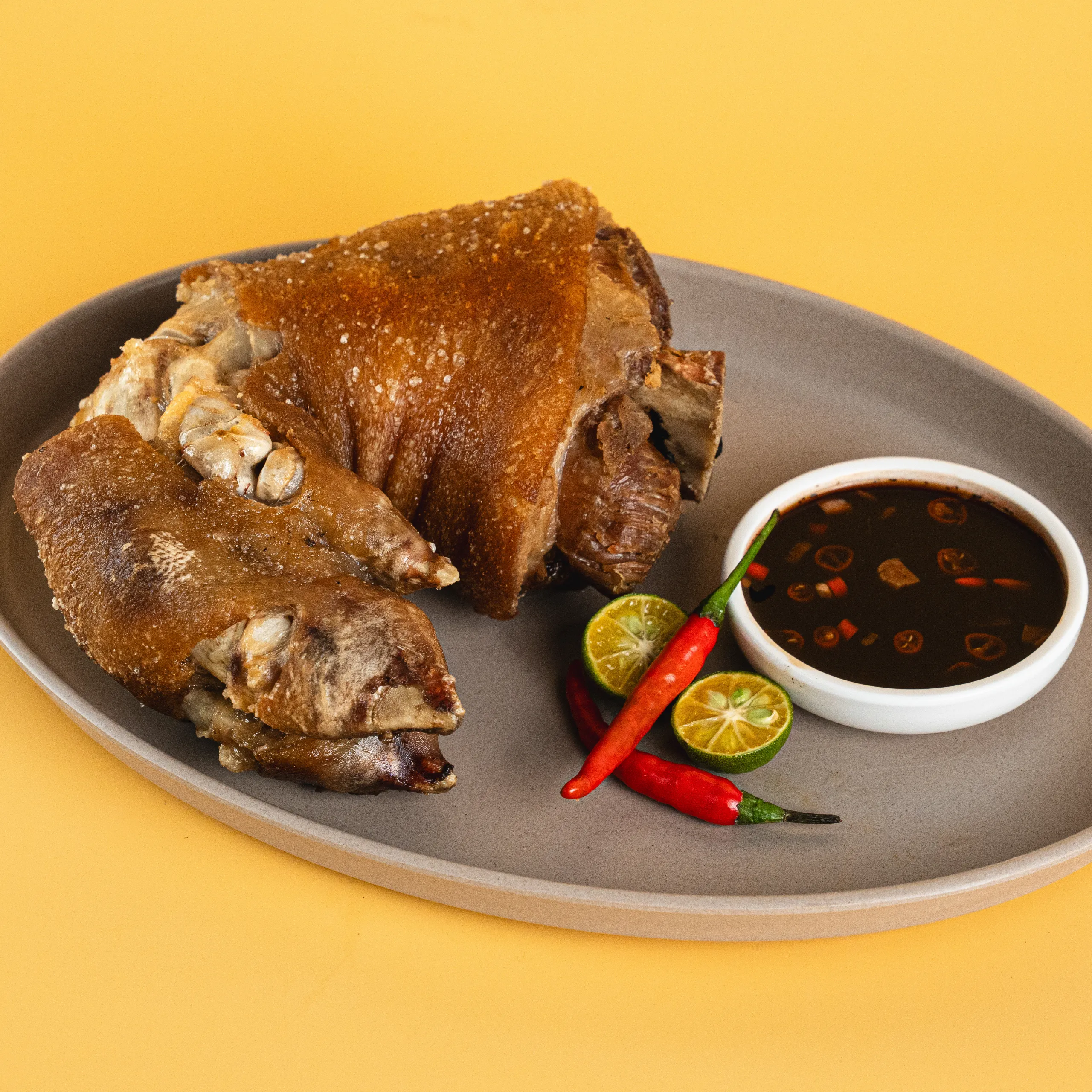
Crispy pata is one of the most loved Filipino pork dishes, famous for its golden, crunchy skin, tender meat, and rich, flavorful taste. It is a popular centerpiece at family gatherings, birthdays, fiestas, holiday celebrations, and special occasions. For many Filipinos, serving a plate of crispy pata is a way of making a meal feel extra special because it is a dish meant to be shared and enjoyed together.
What makes crispy pata truly irresistible is the contrast between its crispy outer skin and the soft, juicy meat underneath. The pork hock is first simmered with garlic, peppercorns, bay leaves, and salt to develop flavor and tenderness. It is then dried thoroughly and deep-fried until the skin becomes crisp and beautifully golden. Paired with a tangy dipping sauce made from soy sauce, vinegar, onion, garlic, and chili, every bite offers a satisfying combination of savory, crunchy, and sour flavors.
Although crispy pata may look like a restaurant-style dish that is difficult to prepare, you can make it at home with patience and careful preparation. The most important steps are cooking the pork until tender, removing excess moisture, and frying it safely at the right temperature.
This recipe is perfect for anyone who wants to bring the familiar taste of Filipino celebrations into their own kitchen.
History of Crispy Pata
Crispy pata is a well-known Filipino dish made from pork hock or pork leg. Its name combines crispy, referring to the crunchy skin, and pata, a Filipino and Spanish-influenced culinary term commonly used for the leg of pork.
The dish belongs to the broader tradition of Filipino cooking, where pork is prepared in many ways, including braising, stewing, roasting, and deep-frying. Filipino cuisine has developed through centuries of local food traditions and outside influences, particularly Spanish culinary practices.
Crispy pata became especially popular in restaurants and Filipino gatherings because it turns an inexpensive or less commonly preferred cut of pork into a rich and celebratory dish. Slow simmering softens the meat and connective tissues, while deep-frying creates the signature crunchy exterior.
It is often served with a dipping sauce made from vinegar, soy sauce, garlic, and onion. The acidity of the sauce helps balance the richness of the fried pork, making each bite more enjoyable.
Today, crispy pata is a familiar menu item in Filipino restaurants, from neighborhood eateries to larger establishments. It is frequently served with steamed rice and sometimes accompanied by atchara, fresh vegetables, or other side dishes.
Although its precise origin and the date it became popular are not firmly established, crispy pata has become an important part of modern Filipino dining culture. It represents the Filipino talent for transforming simple ingredients and traditional cooking techniques into a memorable dish.
Equipment needed
- Large cooking pot
- Tongs
- Large bowl for the dipping sauce
- Wire rack or tray for drying the pork
- Paper towels
- Heavy, deep pot or suitable deep fryer
- Cooking thermometer, preferably one suitable for deep-frying
- Meat thermometer
- Long-handled tongs or a suitable frying tool
Recipe Tips for Perfect Crispy Pata
- Choose a suitable pork hock. A well-sized hock with skin and connective tissue gives the dish its signature combination of crunchy skin and tender meat.
- Simmer until tender, not falling apart. The meat should be soft, but the hock should remain intact enough to handle and fry.
- Dry the skin thoroughly. Moisture is the enemy of crispiness and can cause hot oil to splatter.
- Use the refrigerator for drying. Uncovered refrigeration helps dry the surface while keeping the pork at a safe temperature.
- Do not skip the thermometer if you can avoid it. Correct oil temperature helps produce crisp skin without excessive browning.
- Use a deep, heavy pot. A sturdy pot helps maintain oil temperature and provides more control during frying.
- Avoid overcrowding. Fry one hock at a time unless your equipment is large enough to maintain the correct oil temperature safely.
- Keep the skin uncovered after frying. Placing the pork directly on a wire rack rather than in a covered container helps preserve crispness.
- Prepare the sauce ahead of time. The onion and garlic have time to blend with the soy sauce and vinegar.
- Serve immediately. Crispy pata is at its best shortly after frying, before moisture softens the skin.
Interesting Knowledge About Crispy Pata
Why is pork hock used?
Pork hock contains skin, connective tissue, fat, and meat. Slow simmering softens the connective tissue, while deep-frying crisps the skin and browns the exterior.
What makes the skin crispy?
The skin becomes crisp when its surface moisture is reduced and it is exposed to sufficiently hot oil. The skin’s structure changes as it heats, while fat renders and the surface browns.
Drying the pork before frying is particularly important because wet skin initially uses heat to evaporate water rather than develop a crisp surface.
Why is crispy pata boiled before frying?
Boiling or simmering tenderizes the pork before the final frying stage. Without this step, the skin might become browned before the meat and connective tissue become pleasantly tender.
What is the purpose of the dipping sauce?
The soy sauce provides saltiness and savory flavor, while vinegar contributes acidity. Onion, garlic, chili, and sugar add aromatic, spicy, and sweet notes.
The sauce balances the richness of the pork and gives each bite a brighter flavor.
Does baking powder make the skin crispy?
It can help change the surface texture in some preparations, but it is not essential. The amount of surface moisture, the condition of the skin, and the frying temperature are more important factors.
Is crispy pata the same as lechon kawali?
No. Both are Filipino pork dishes that can have crispy skin, but they are usually prepared with different cuts and serving styles. Crispy pata commonly uses a whole pork hock, while lechon kawali generally uses pork belly cut into pieces.
Is crispy pata traditionally served with rice?
Yes. Steamed rice is a common accompaniment because it balances the rich pork and absorbs the flavors of the dipping sauce. Some meals also include atchara or vegetables to add freshness.
Why does crispy pata become soft after a while?
Moisture from the meat and the surrounding air can soften the fried skin. Covering it tightly while hot traps steam and accelerates this process.
Can crispy pata be prepared for a food business?
Yes, but it requires careful planning because boiling, drying, frying, and serving all take time. Food businesses should use standardized portion sizes, appropriate equipment, safe hot-oil practices, and reliable temperature control.
Health Benefits and Nutritional Considerations
Crispy pata is a rich, energy-dense dish. Pork provides some valuable nutrients, but the skin, fat, and deep-frying process also make it high in calories and fat.
Protein for body maintenance
Pork provides protein, which helps support muscle maintenance, tissue repair, and normal body functions.
B vitamins
Pork contains B vitamins, including thiamine, niacin, and vitamin B6. These nutrients help the body metabolize food and support normal nervous system function.
Minerals
Pork provides minerals such as zinc, phosphorus, and selenium, which support normal immune function, cellular processes, and other body functions.
Collagen and connective tissue
Pork hock contains connective tissue rich in collagen. Cooking softens this tissue, but eating collagen does not guarantee improved skin, joints, or other health outcomes. The body digests it into smaller peptides and amino acids.
Ways to enjoy crispy pata more mindfully
- Serve moderate portions rather than making it the main source of food at every meal.
- Pair it with steamed vegetables, cucumber, or other fresh produce.
- Enjoy it with rice in portions that suit your individual energy needs.
- Consider roasting or air-frying if you want to reduce the amount of oil used, while recognizing that the texture will differ.
- Use reduced-sodium soy sauce in the dipping sauce if you are watching your sodium intake.
- Avoid adding excessive salt during preparation because the dipping sauce already contains soy sauce.
Crispy pata can be enjoyed as part of a balanced eating pattern, but it is best treated as an occasional rich meal rather than an everyday staple. People who need to limit saturated fat, sodium, or total calorie intake may want smaller portions or a lighter preparation method.
How to Store Crispy Pata Properly
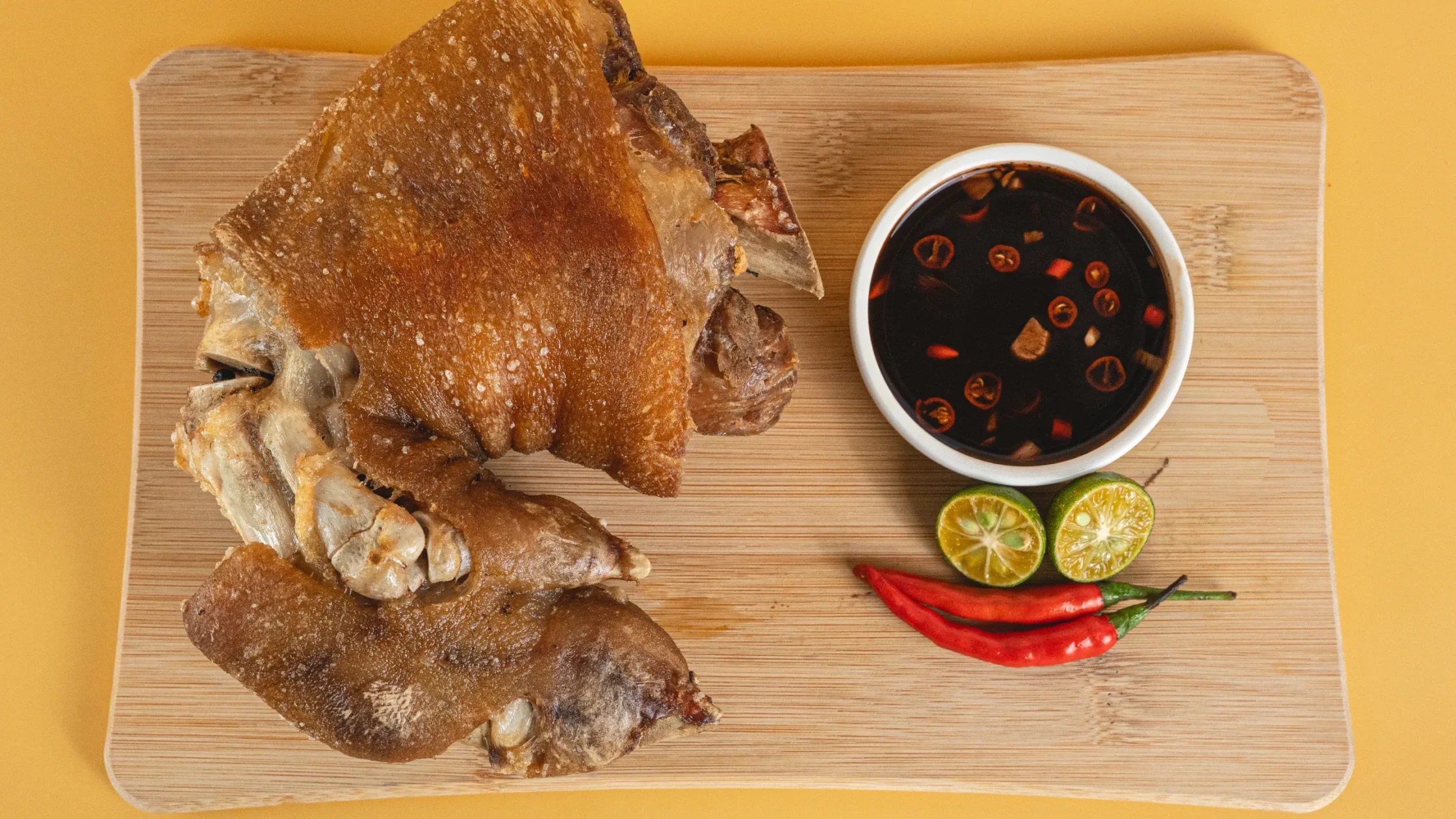
Proper storage is essential because cooked pork can support harmful bacterial growth when held at unsafe temperatures.
Refrigerator storage
Let the pork stop steaming heavily, then divide it into manageable portions and refrigerate in shallow, covered containers within two hours of cooking, or within one hour if the temperature is above 32°C (90°F). Keep the refrigerator at 4°C (40°F) or below and consume within 3–4 days.
Freezer storage
Store cooked crispy pata in airtight, freezer-safe packaging. For best quality, use within about 2–3 months. Freeze promptly rather than waiting several days, and label each package with the date.
Reheating
Thaw frozen pork in the refrigerator. Reheat leftovers to an internal temperature of 74°C (165°F). An oven or air fryer can help restore some crispness, while a microwave may warm the meat without crisping the skin.
Storing the dipping sauce
Keep leftover sauce in a clean, covered container in the refrigerator. Because this sauce contains freshly chopped onion and garlic, refrigerate it promptly and use it within a few days. Discard sauce that has been left at room temperature too long.
Additional storage tips
- Store the pork separately from the dipping sauce to prevent the skin from becoming soggy.
- For the best texture, refrigerate leftovers without tightly wrapping the hot pork. Once cooled and safely stored, keep them covered.
- Avoid leaving crispy pata on the dining table for hours, especially in warm weather.
- Use clean utensils and containers to prevent contamination.
- Do not refry leftovers repeatedly; reheat only the portion you plan to eat.
- If the pork has been left at unsafe temperatures for too long, discard it even if it smells normal.
A note about crispiness: Refrigeration will soften the skin. This is a quality change, not necessarily a sign that the pork has spoiled. Reheating in an oven or air fryer may restore some of the crunch, but the result may not be identical to freshly fried crispy pata.
Final Words About Crispy Pata
Crispy pata is more than just a fried pork dish. It is a celebration of Filipino cooking, bringing together tender meat, crunchy skin, flavorful seasonings, and a tangy dipping sauce in one memorable meal.
Although the recipe requires patience, especially during simmering and drying, the result can be well worth the effort. The secret is to tenderize the pork properly, remove as much surface moisture as possible, and fry it carefully until the skin becomes golden and crisp. With a little practice, you can prepare crispy pata that feels special enough for a celebration yet comforting enough to share at home.
Do not be discouraged if your first attempt is not perfectly crunchy. Every kitchen has different equipment, and pork hocks vary in size and skin thickness. Learning to manage moisture, heat, and cooking time will help you improve with each batch.
Serve your crispy pata with warm rice, homemade dipping sauce, and fresh side dishes, and enjoy it with family and friends. It is a dish that encourages everyone to gather around the table, share good food, and create happy memories.
Happy cooking! May your crispy pata turn out golden, crunchy, tender, and delicious every time.