A little sugar, a dash of creativity, and everything nice.
Sounds like a recipe for a sweet treat, right? But when you’re competing at the highest level of pastry, your ingredients list is bound to also include skill, patience, precision, and a whole lot of practice—and no one knows this better than the Philippine National Pastry Team.
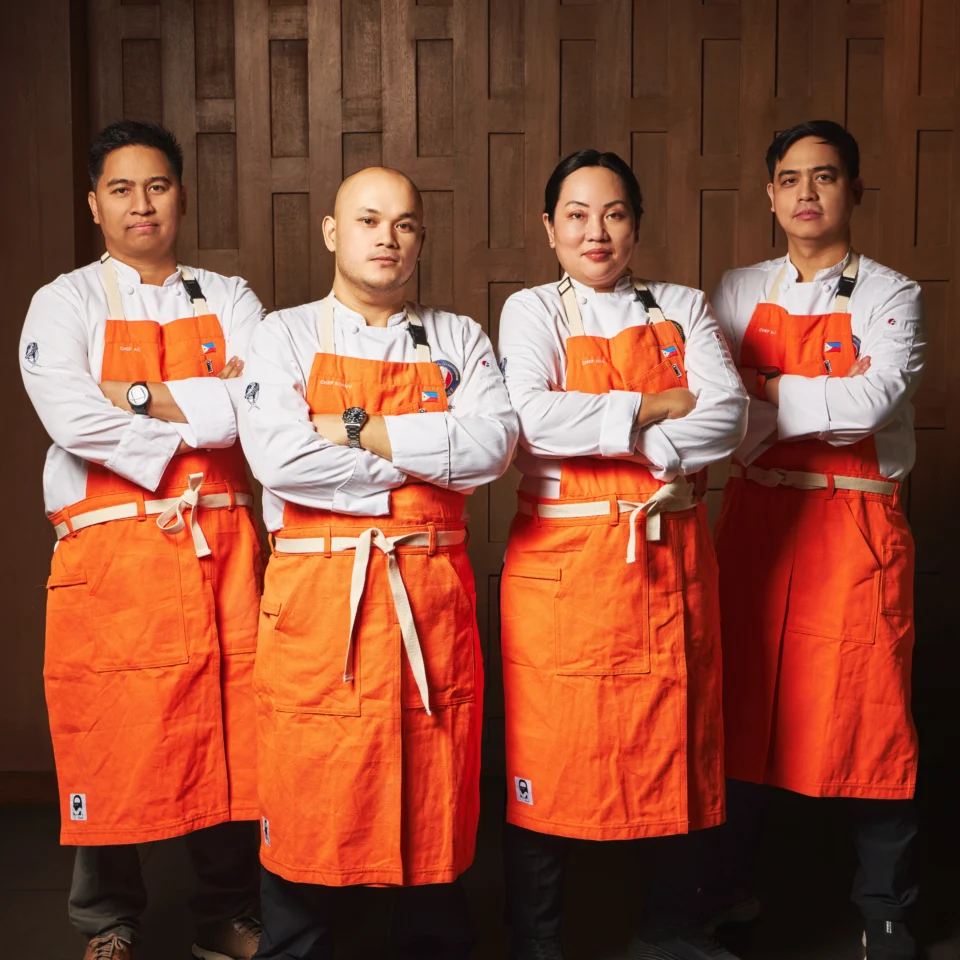
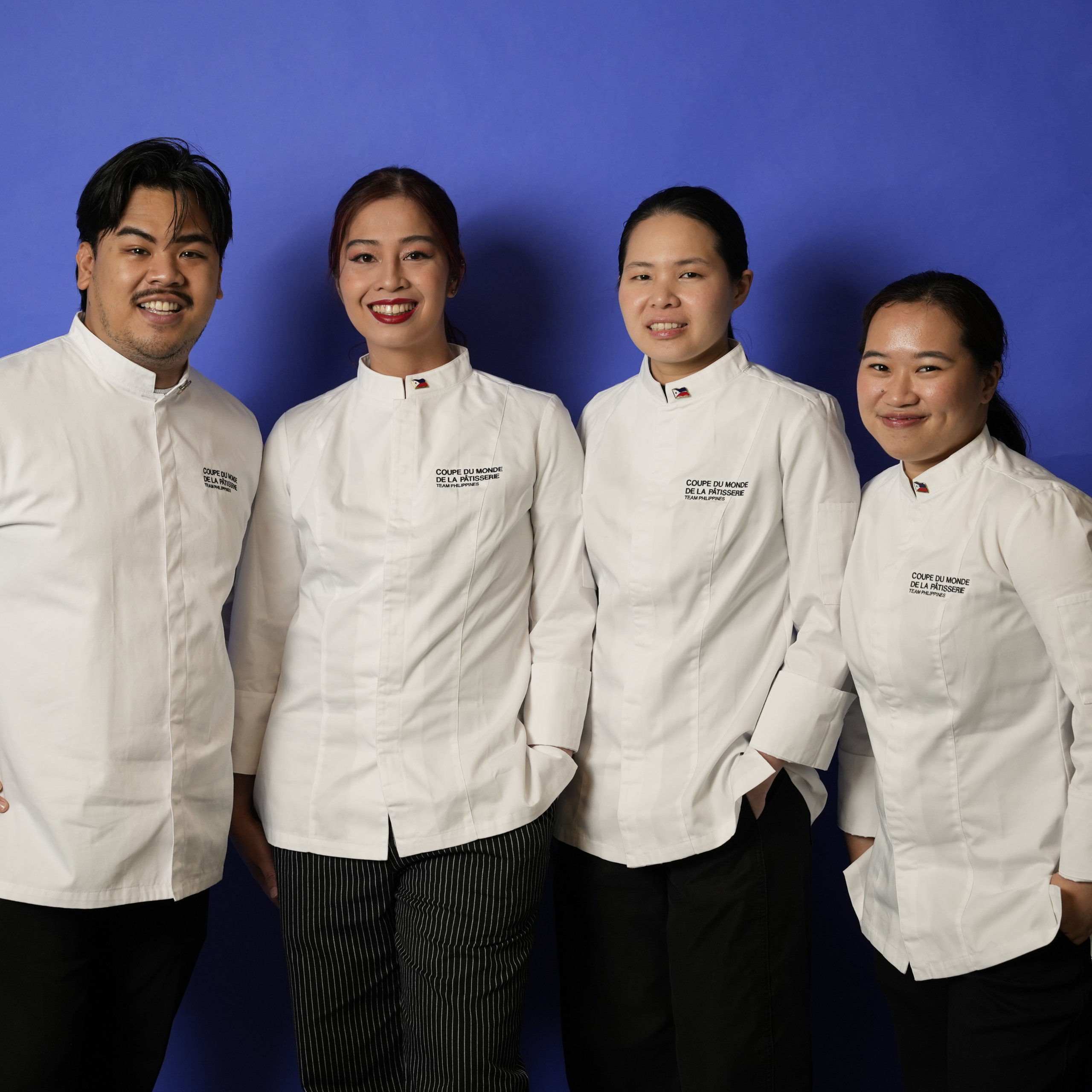
For the team, those ingredients will soon be put to the ultimate test as they prepare for the prestigious Coupe du Monde de la Pâtisserie in Lyon, France. Taking on the challenge are chocolate candidate chef Janelle Toh, sugar candidate chef Gian Aguirre, and ice candidate chef Tin Tin Cardozo, with executive pastry chef Vergel “Verge” Iral guiding them as coach.
As they prepare to take on the world’s best, they also hope to shine a light on the craft itself and show Filipinos that pastry involves far more than just sweets.
What Does Competitive Pastry Involve Beyond Sweets?
For many people, the word ‘pastry’ is almost synonymous with cakes, cookies, desserts, and other familiar treats—but competitive pastry takes things to a whole ‘nother level.
Think sugar shaped into delicate sculptures, chocolate turned into elaborate showpieces, and huge blocks of ice carved into intricate designs. These creations may look effortless when presented on stage, but each one requires a different set of skills, a good eye for detail, and hours of nonstop practice.
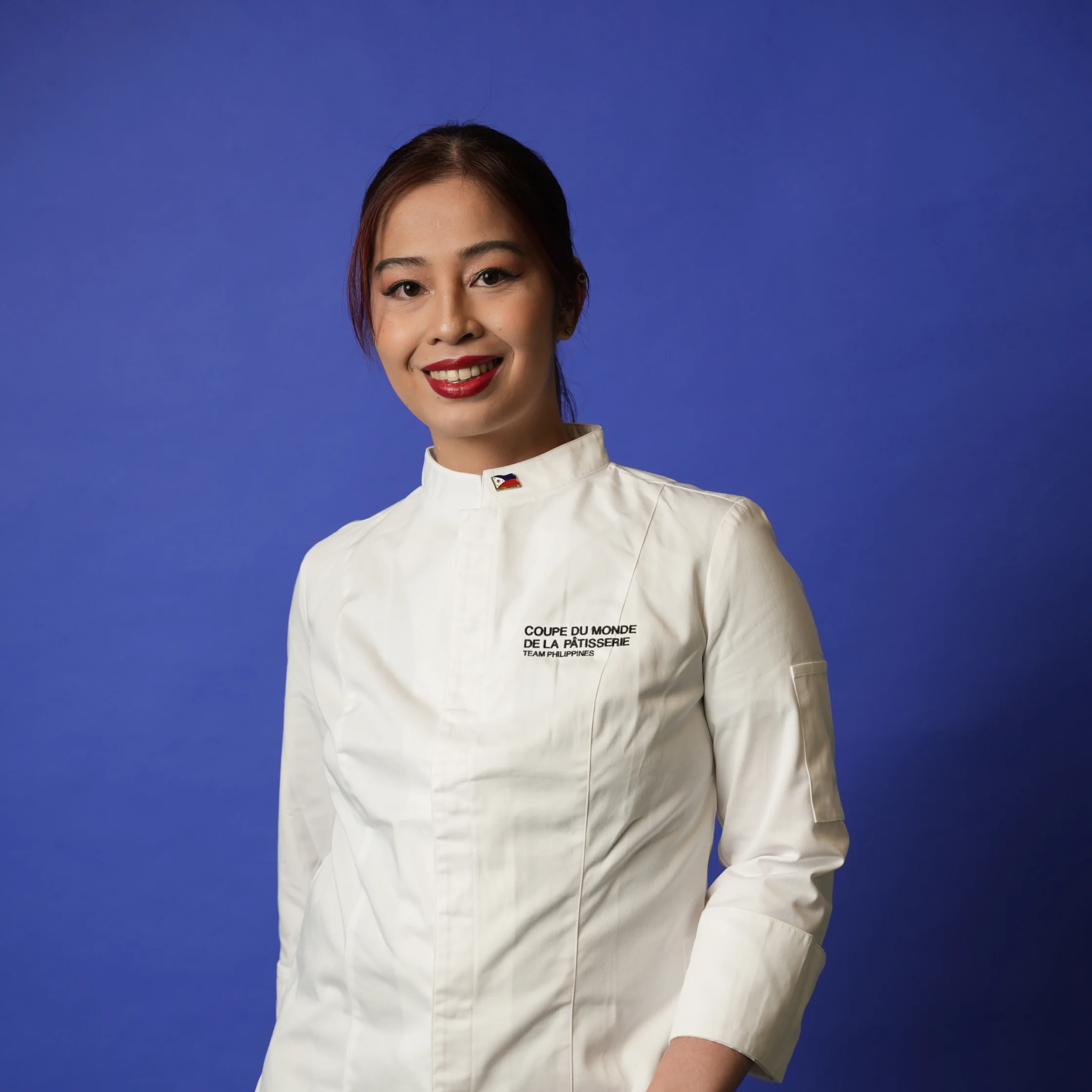
Take sugar work, for example. Those shiny, delicate creations don’t just come together after a few minutes of both melting and molding. According to chef Gian, mastering the craft actually means repeating the same movements and techniques over and over, with plenty of trial and error along the way. It also means getting used to the occasional burn while working with hot sugar.
Ice sculpture, too, has its own challenges. Given a solid block of ice to start, the competitor must carefully carve detailed designs while keeping an eye on the clock. And since one wrong move can affect the entire piece, a steady hand and a clear, laid-out plan are a must.
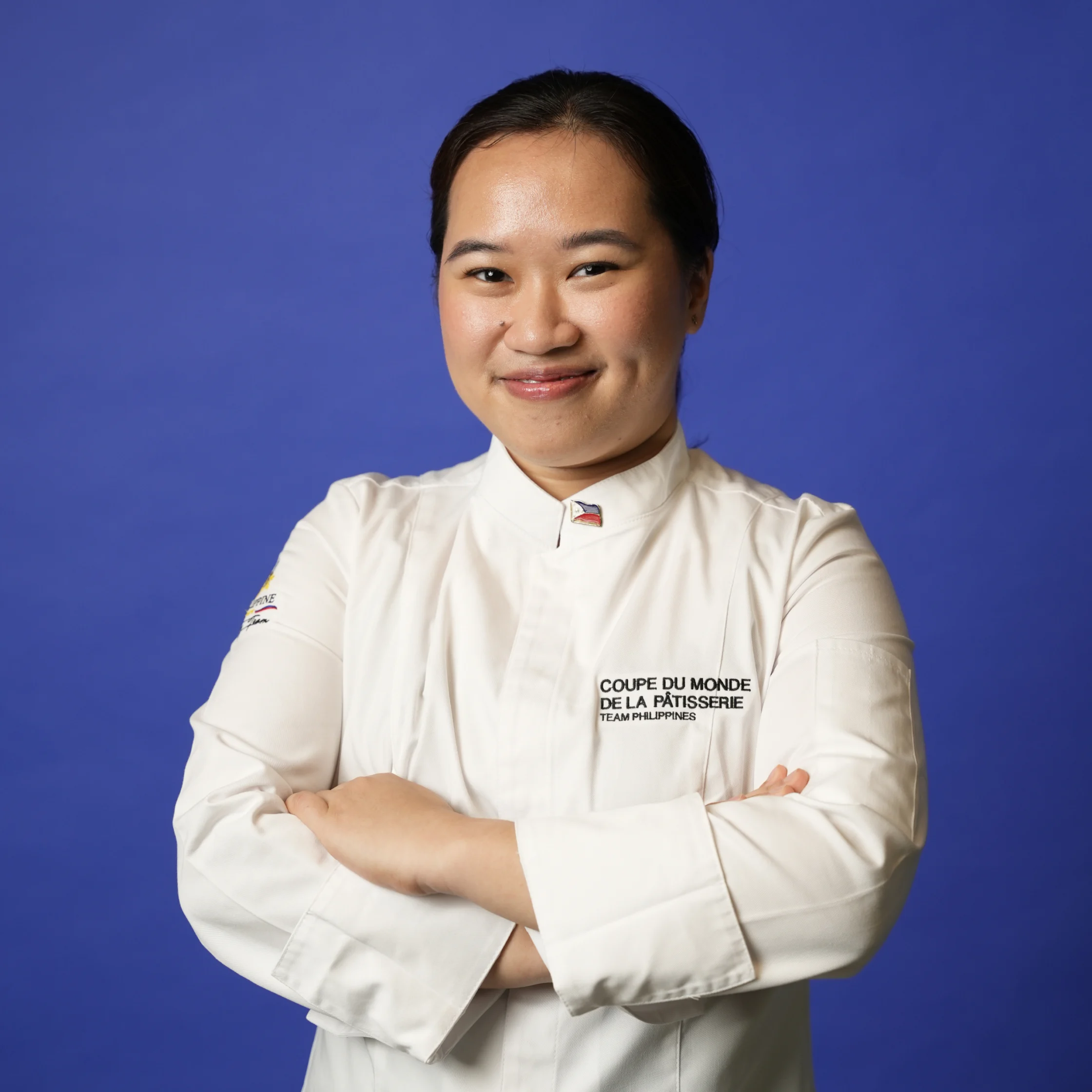
Chocolate is no walk in the park either. Turning it into elaborate showpieces means knowing how to work with its texture, consistency, and structure. Competitors must get the chocolate just right so it can be shaped, assembled, and finished into impressive creations that are as beautiful as they are technically sound.
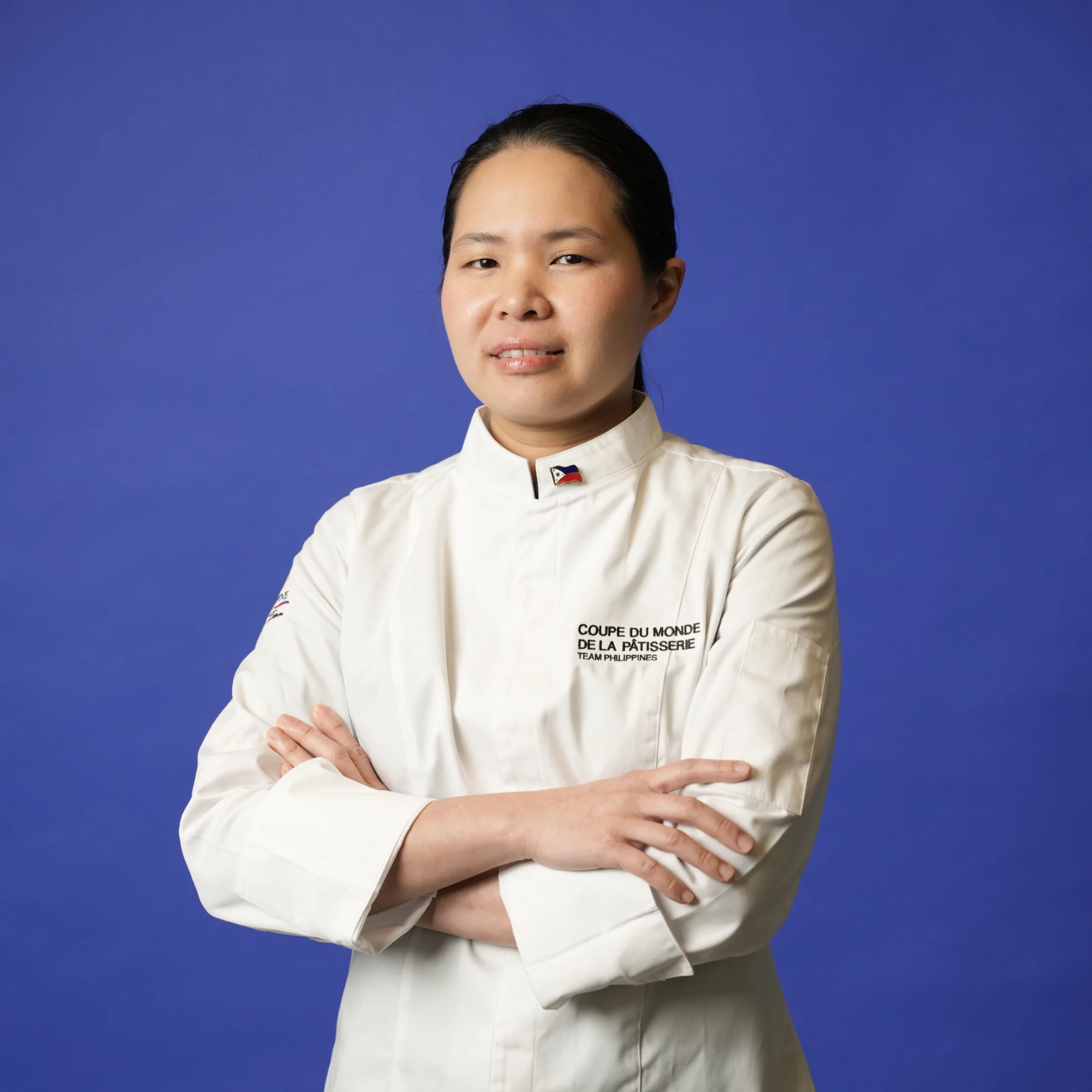
And that’s really what competitive pastry is all about. As chef Verge explains, it brings together both art and science. It’s not simply about mixing ingredients and putting them in the oven. These chefs are creating edible works of art, where technical knowledge, creativity, and precision all have to come together.
Coupe du Monde Training: Time Limits, Practice and Teamwork
Of course, these beautiful creations are only the final result. Getting competition-ready takes months of training, much of it spent practicing the same techniques again and again until every movement is dialed to perfection.
There’s also the pressure of working within strict time limits. It’s one thing to create something jawdropping in a familiar kitchen, but it’s a totally different beast to do it when the lights are at their brightest, when every minute counts, and when the margin for mistakes are razor thin.
This becomes even more challenging when you realize that training isn’t the only thing on the team’s schedule. With some of the members teaching, handling administrative work, and continuing to build careers in the pastry industry, finding time to practice means juggling responsibilities, coordinating schedules, and helping one another stay on track.
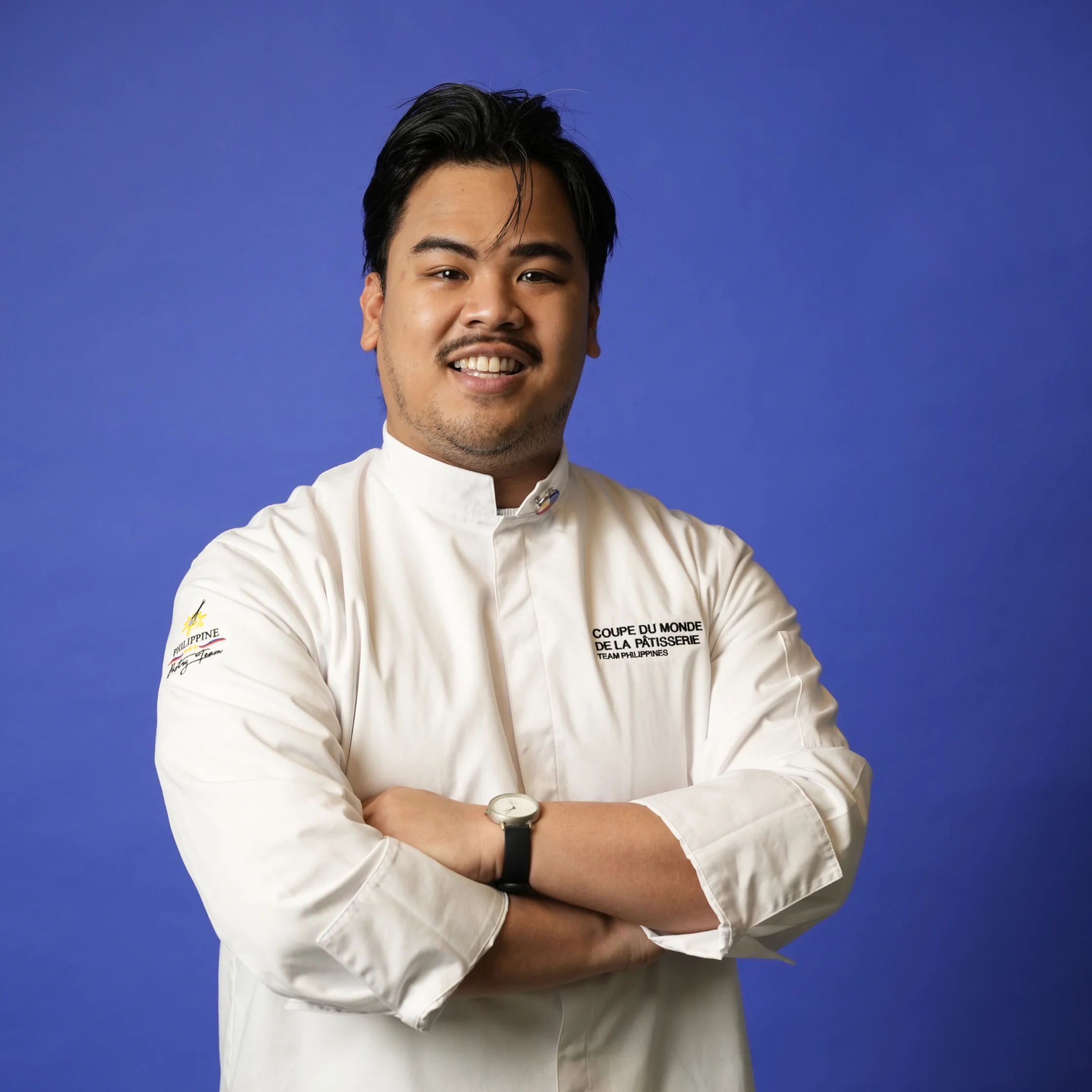
Thankfully, that’s where good ol’ teamwork comes in. While it is true that each candidate has a specialty of their own, they all share the singular goal of representing the Philippines well. Because of that they exchange ideas, share what they’ve learned, and support one another throughout the pious preparation process. After all, getting one team ready for the world stage takes more than just individual talent—it takes everyone bringing something to the table.
And for chef Verge, that shared goal goes beyond bringing home a medal. Having competed internationally before, he sees representing the country as an opportunity to show that Filipino pastry chefs have what it takes to compete with the best in the world.
A Bigger Goal for Filipino Pastry in 2027
At the end of the day, there’s more to this recipe than just sugar, chocolate, or ice. It’s about the countless hours of practice, the people who make the journey possible, and the passion to show the world what Filipino chefs are capable of.
That’s just not wishful thinking either. Filipino pastry chefs have already made their mark on the competition. At the 2025 Coupe du Monde de la Pâtisserie, the Philippines finished 11th overall, its highest placement to date. For chef Verge, this is something the team can build on—a reminder of how far local talent has come and how much further it can go.
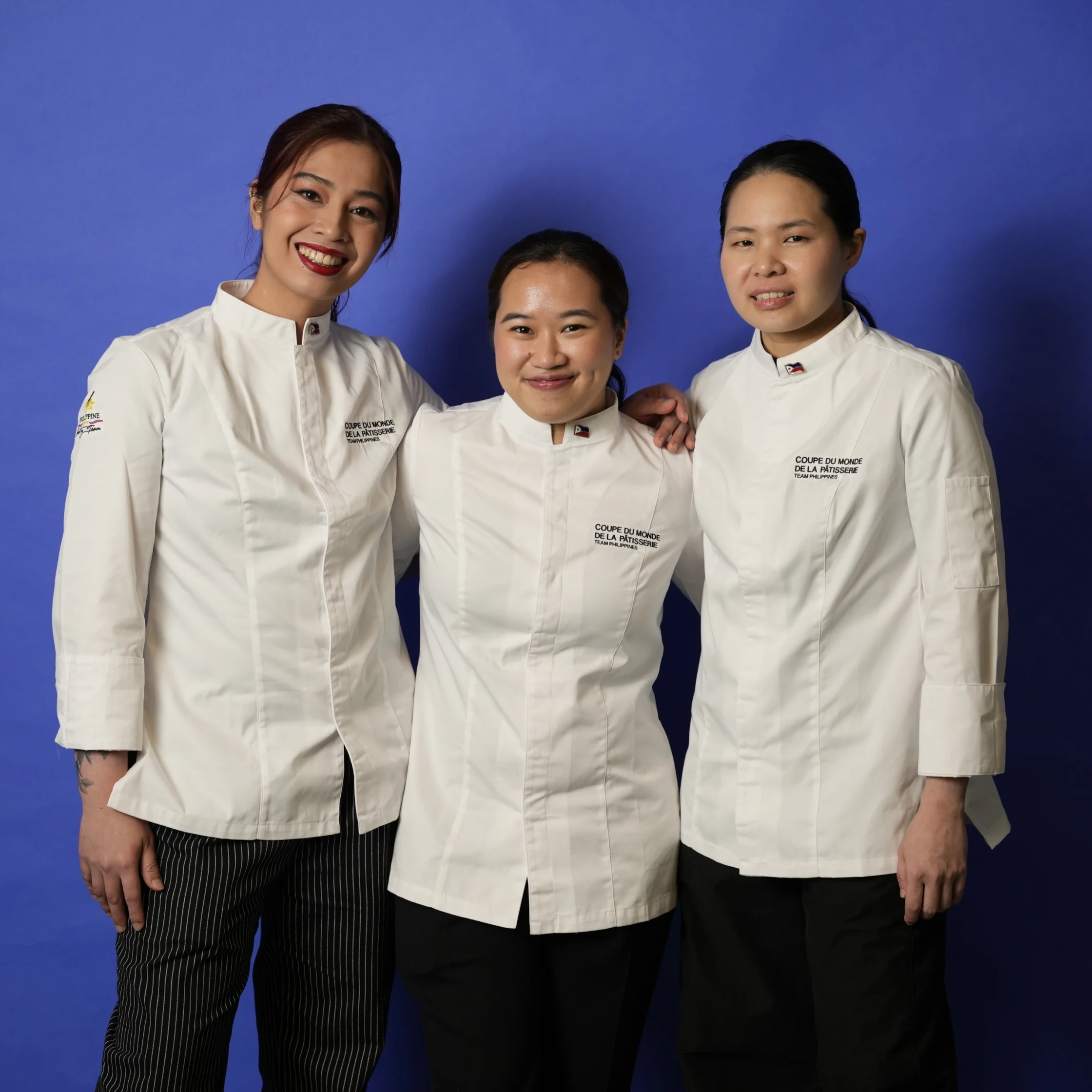
With the 2027 competition on the horizon, Janelle, Gian, and Tin Tin now have the chance to add their own chapter to the country’s growing tapestry. And while they’ll be the ones putting their skills to the test in Lyon, they’re backed by a wider community of chefs, mentors, and supporters who have helped bring the team this far.
A medal would certainly be icing on the cake, but the team is aiming for something much sweeter: they want to show more Filipinos that pastry is a craft full of creativity, challenges, and possibilities. Who knows? Their journey might just inspire someone to trade their sweet tooth in for a piping bag and pursue pastry themselves.

Frequently Asked Questions
The Coupe du Monde de la Pâtisserie, or Pastry World Cup, is an international competition that brings together pastry chefs from different countries to showcase their technical skills, creativity, and artistry.
The Philippine National Pastry Team includes Janelle Toh, who specializes in chocolate; Gian Aguirre, who handles sugar; and Tin Tin Cardozo, who specializes in ice. Executive pastry chef Vergel “Verge” Iral serves as their coach.
The competition features chocolate, sugar, and ice. Each discipline requires specialized techniques, from creating intricate chocolate showpieces and delicate sugar sculptures to carving large blocks of ice into detailed designs.
The team trains through repeated practice, technique refinement, and collaboration. Each chef works on their respective discipline while exchanging ideas and learning from the rest of the team.
The 2027 edition is set to take place in Lyon, France, where the Philippine National Pastry Team will represent the country on the international stage.