The world knows it as vinegar. Filipinos live by it as suka.
Far beyond a simple salad dressing or pickling agent, sukaSukaSuka is Filipino vinegar, ranging from coconut and cane to palm and nipa varieties, each carrying a distinct regional character and acidity level. Beyond cooking, it's always central to theGo to Suka Glossary represents the backbone of asim, one of the defining flavor profiles of Philippine gastronomy. From ancestral preservation and meat tenderizing to tableside sawsawan, it remains an essential part of the Filipino meal.
While often taken for granted, sukaSukaSuka is Filipino vinegar, ranging from coconut and cane to palm and nipa varieties, each carrying a distinct regional character and acidity level. Beyond cooking, it's always central to theGo to Suka Glossary is an ingredient well worth exploring. Whether you are a home cook or an avid eater, understanding what it is, how it’s crafted, and how regional varieties differ will change the way you look at every bottle on the table.
What is Vinegar and How is It Made?
At its core, vinegar is an acidic liquid produced through a two-stage fermentation process. It begins when yeast converts natural sugars into alcohol and carbon dioxide. These natural sugars can come from a wide variety of sources, including fruits, grains, palm saps, or sugar cane. Each one will yield distinct types of vinegar that we will explore later on in this article.
In the second stage, acetic fermentation or simply acetification takes place. To put it simply, introducing oxygen allows the acetic acid bacteria to ferment the alcohol, resulting in acetic acid and water. This phase can take around four to eight weeks, and by the end, you end up with a liquid containing about 4% acetic acid, giving vinegar its signature sharp sourness, pungent aroma, and powerful food-preserving properties.
Long before modern refrigerators, sukaSukaSuka is Filipino vinegar, ranging from coconut and cane to palm and nipa varieties, each carrying a distinct regional character and acidity level. Beyond cooking, it's always central to theGo to Suka Glossary was essential for early Filipinos as its preservation capacity made it essential in tropical climates. Across the country, locals used the natural sugar sources available to them, laying the groundwork for an incredible array of unique varieties of vinegar.
What are the Different Types of Vinegar in the Philippines?
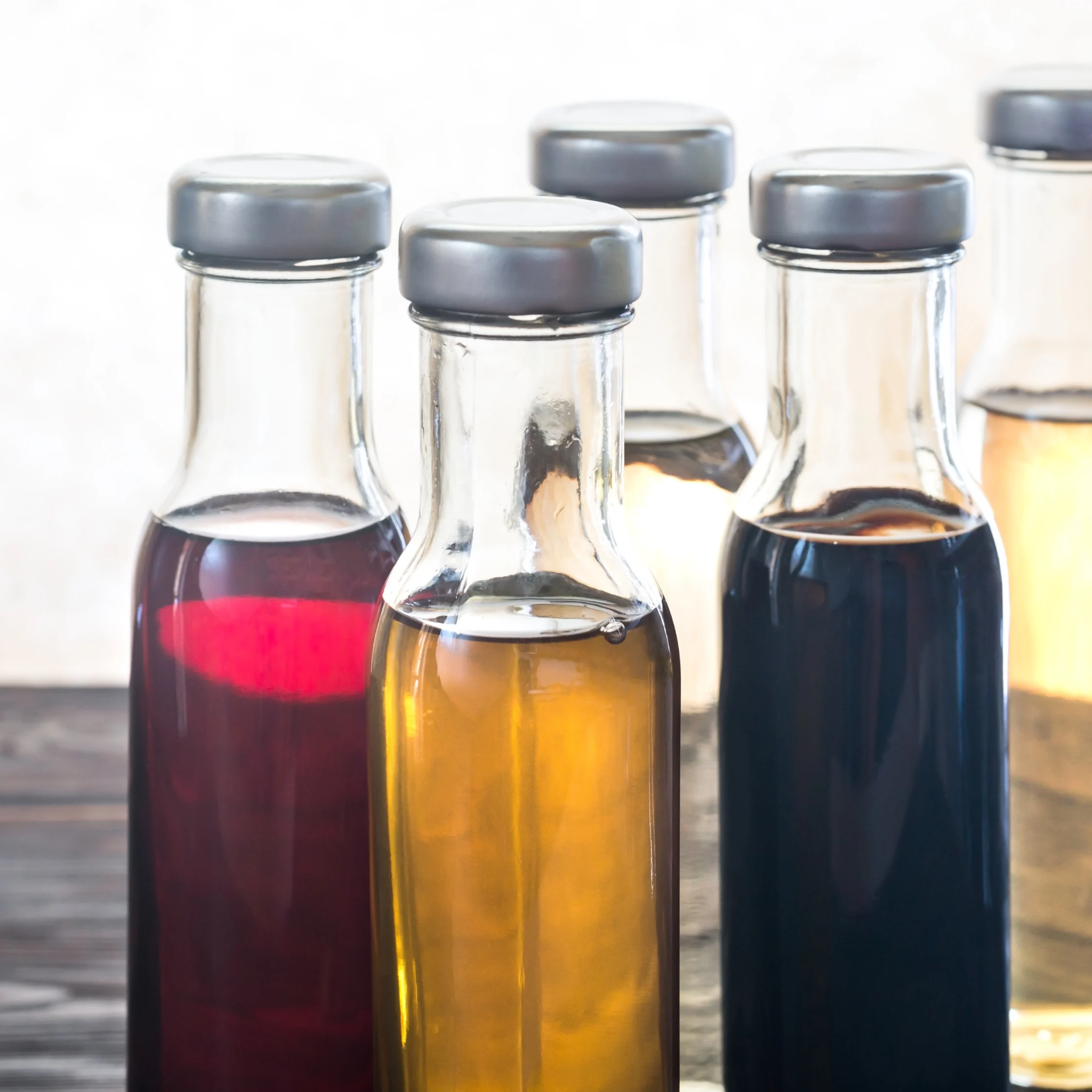
SukaSukaSuka is Filipino vinegar, ranging from coconut and cane to palm and nipa varieties, each carrying a distinct regional character and acidity level. Beyond cooking, it's always central to theGo to Suka Glossary isn’t just different in terms of color. Each variety is crafted from distinct ingredients, carries its own unique flavor profile, and is utilized across a wide array of regional and everyday recipes.
1. Sukang Puti/Sukang Maasim
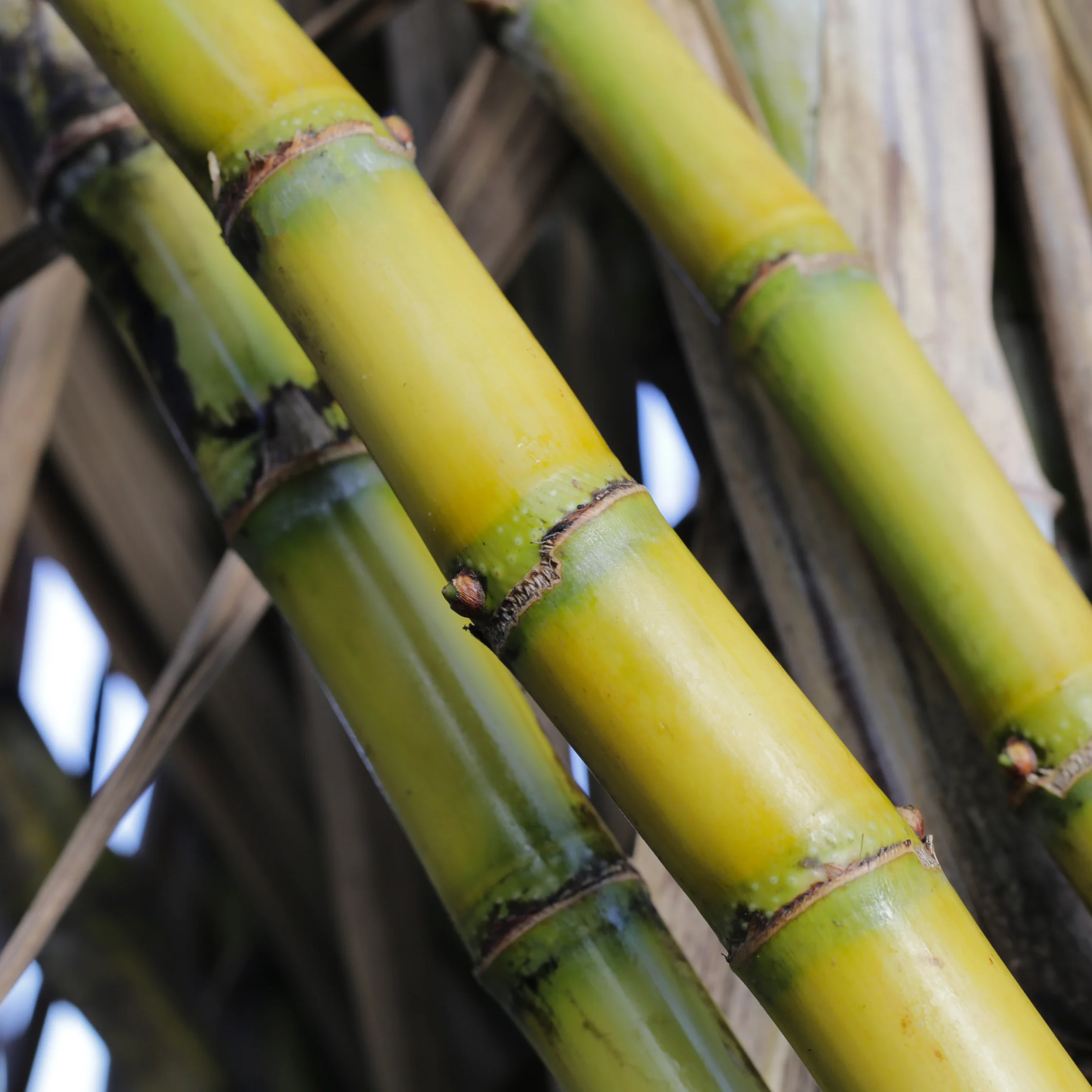
Made from fermented sugarcane juice, it features a clear to cloudy white appearance and a crisp, mellow flavor. It is the most widely available variety in Filipino households and mainstream grocery stores. Generally speaking, sugarcane vinegar is often used in making adobo or paksiwPaksiwPaksiw simply refers to a Filipino cooking method of simmering fish or meat in vinegar and garlic, often with ginger or bitter melon, without added oil. The technique both preservesGo to Paksiw Glossary, atchara, and is an everyday base for sawsawan.
2. Sukang Tuba
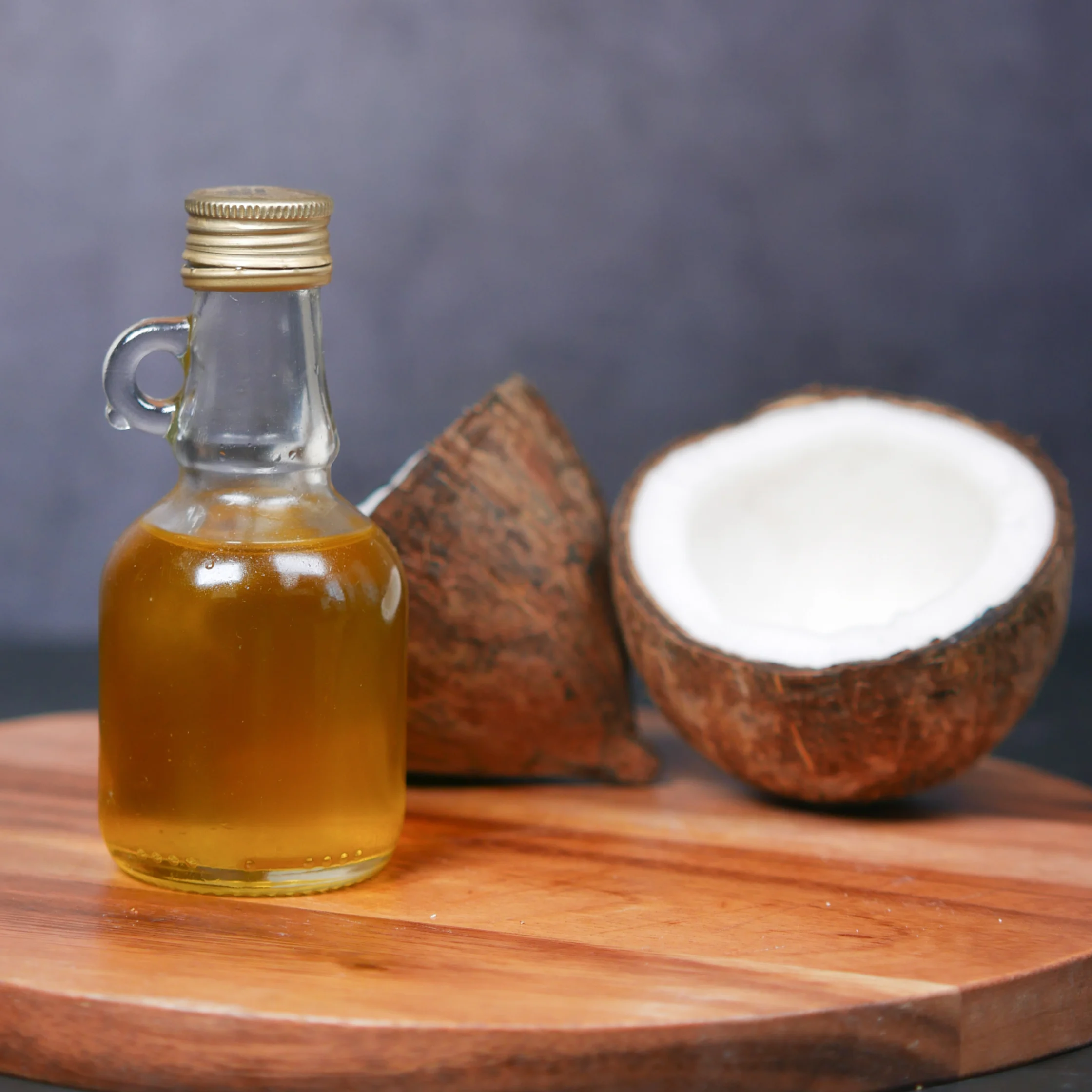
Coconut sap vinegar is made straight from coconut flower stalks and fermented naturally by wild yeast and airborne bacteria. Despite coming from the coconut palm, it does not taste like coconut. Instead, it offers a light yellowish hue and a distinct, aromatic fermented profile. Prized for its gentler acidity, you can find this type of vinegar used in kinilawKinilawA Filipino dish of raw fish or seafood cured in vinegar and citrus, mixed with ginger, onions, and chilies. Often compared to ceviche, kinilaw predates Spanish colonization and is prizedGo to Kinilaw Glossary, sinuglaw, and in lighter marinades.
3. Sukang Maanghang
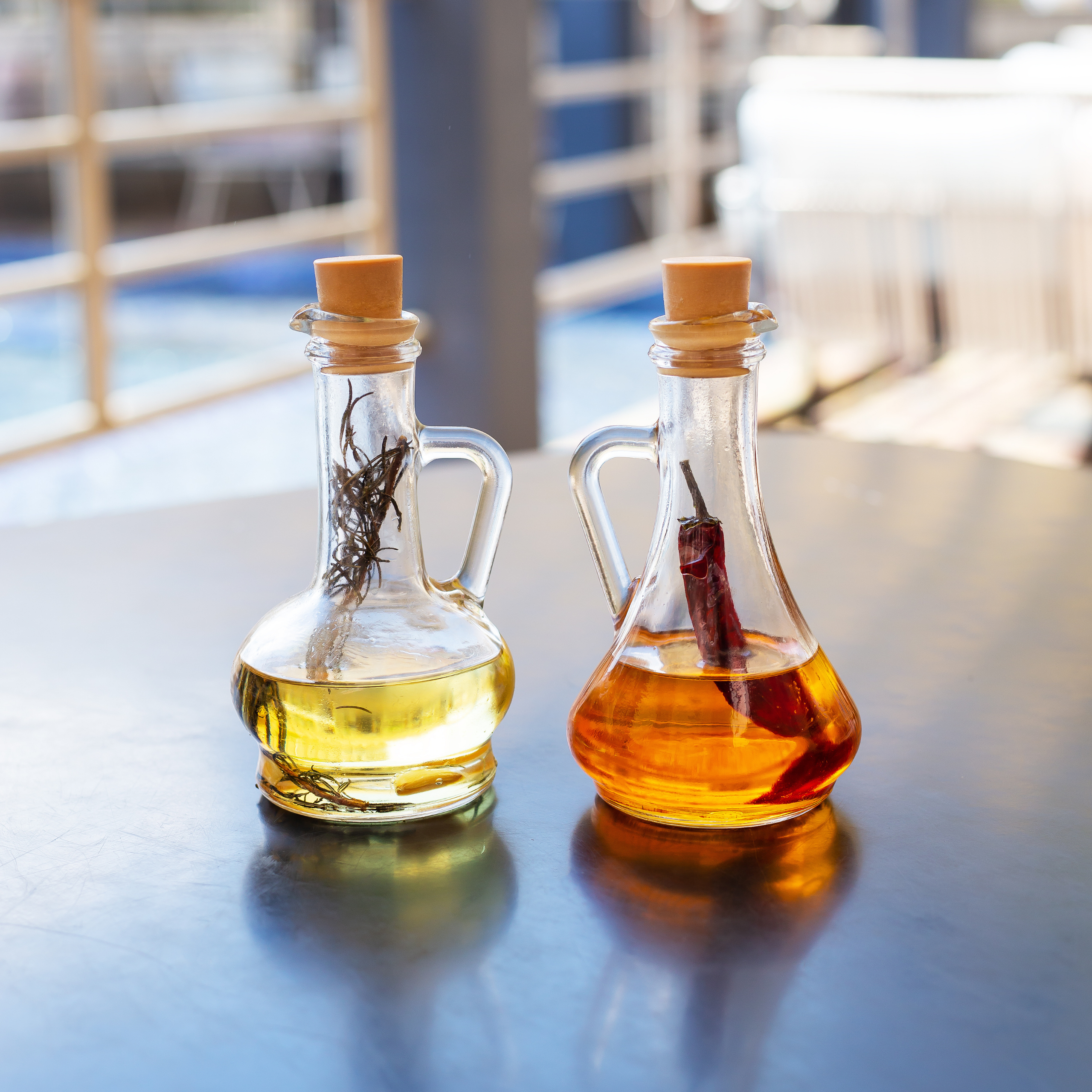
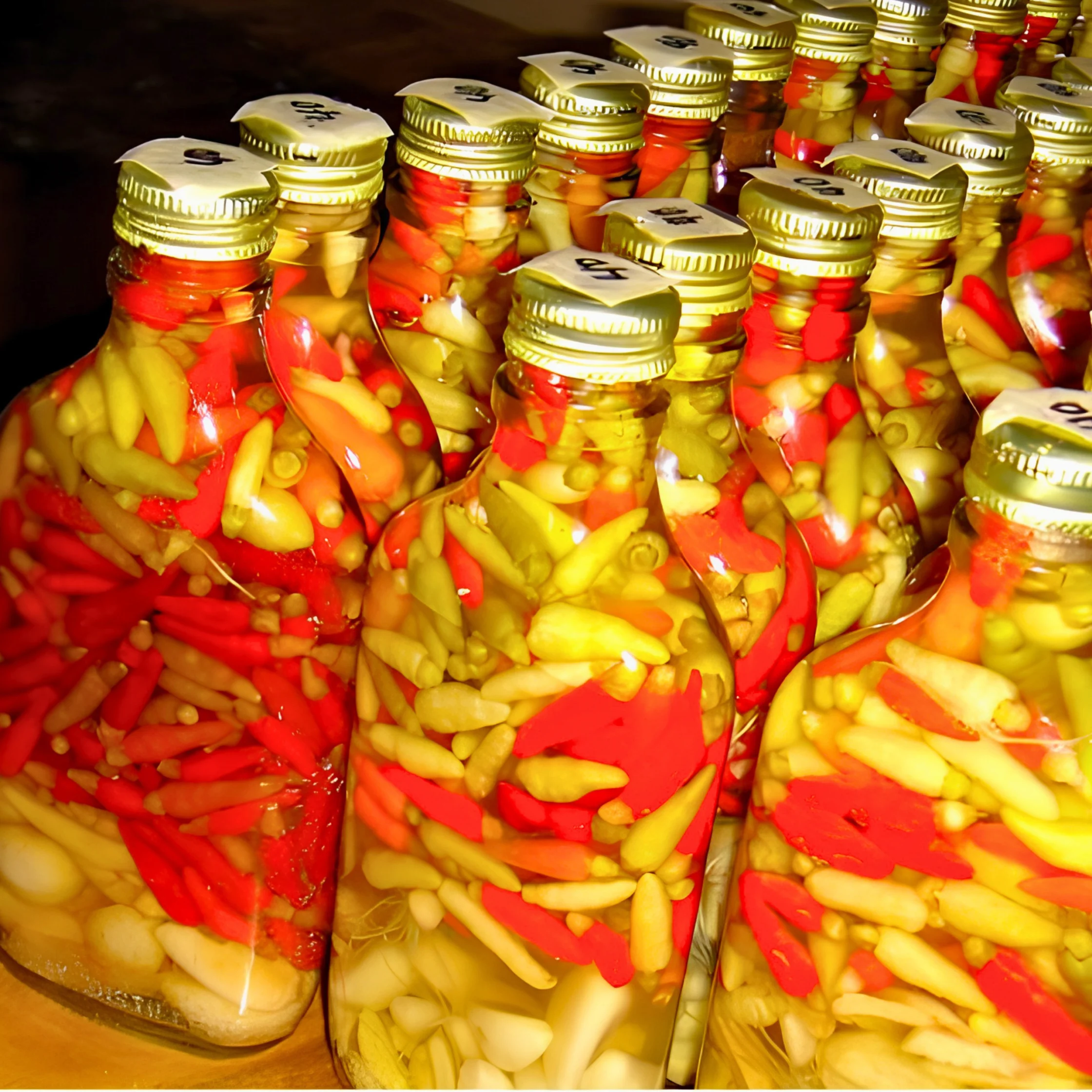
Out of all the bottles on the shelf, spiced vinegars are the ones I reach for and crave the most. Growing up, our household staple was usually cane or palm vinegar steeped heavily with fresh garlic, onions, and chilies. We would splash it over smoky chicken inasalInasalBacolod's famous grilled chicken, marinated in calamansi, vinegar, lemongrass, ginger, and garlic, then basted with annatto oil while cooking over charcoal. The result is smoky, tangy, and vividly golden, traditionallyGo to Inasal Glossary, crisp fried fish, charred pork barbecue, or crackling plates of chicharon and kropek.
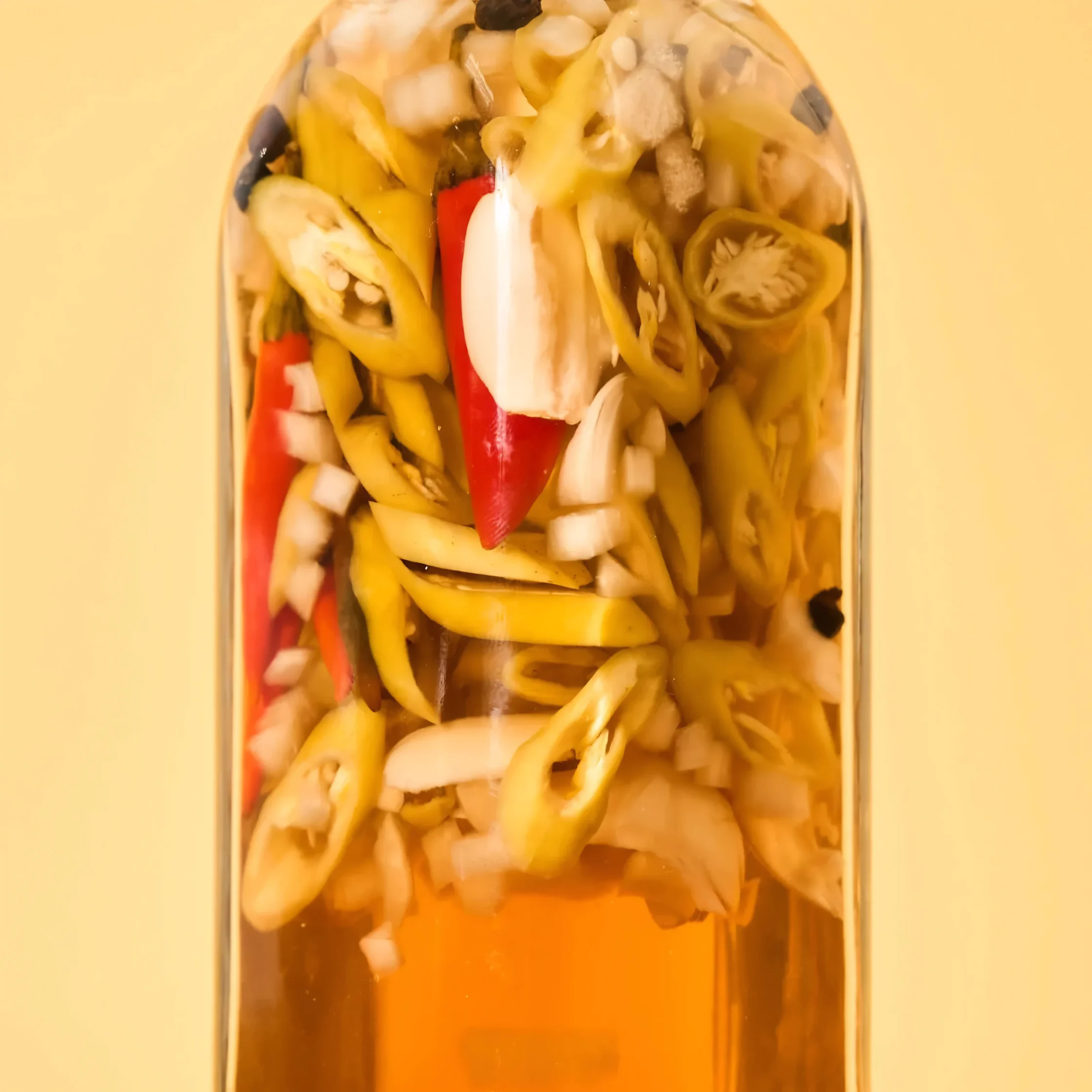
A prime regional example of this is Sinamak, a beloved Visayan household staple. It gets its distinct, vibrant tanginess from being aged with garlic, siling labuyoSiling LabuyoSiling labuyo is a small, intensely hot native Philippine chili pepper, used fresh or dried to add sharp heat to dishes like Bicol express and sawsawan. Smaller and spicier thanGo to Siling Labuyo Glossary, bay leaves, onions, and ginger or galangal. Ranging from pale yellow to light brown, this aromatic vinegar is the ultimate table condiment, cutting right through fatty meats and rich oils.
4. Sukang Irok/Sukang Arengga/Sukang Kaong
Known for its subtle sweetness, mild acidity, and delicate fruity notes, sugar palm vinegar is a rare specialty vinegar native to the Philippines. It is harvested from the sap of the kaong sugar palm, which is the very same tree that yields the translucent sweet palm fruit traditionally enjoyed in halo-halo. Because of its mildly sour and sweeter flavor profile, it is best reserved for fresh salad dressings, light marinades, and dipping sauces where you want a clean acidity without overpowering the rest of the dish.
5. Sukang Sasa/Sukang Paombong
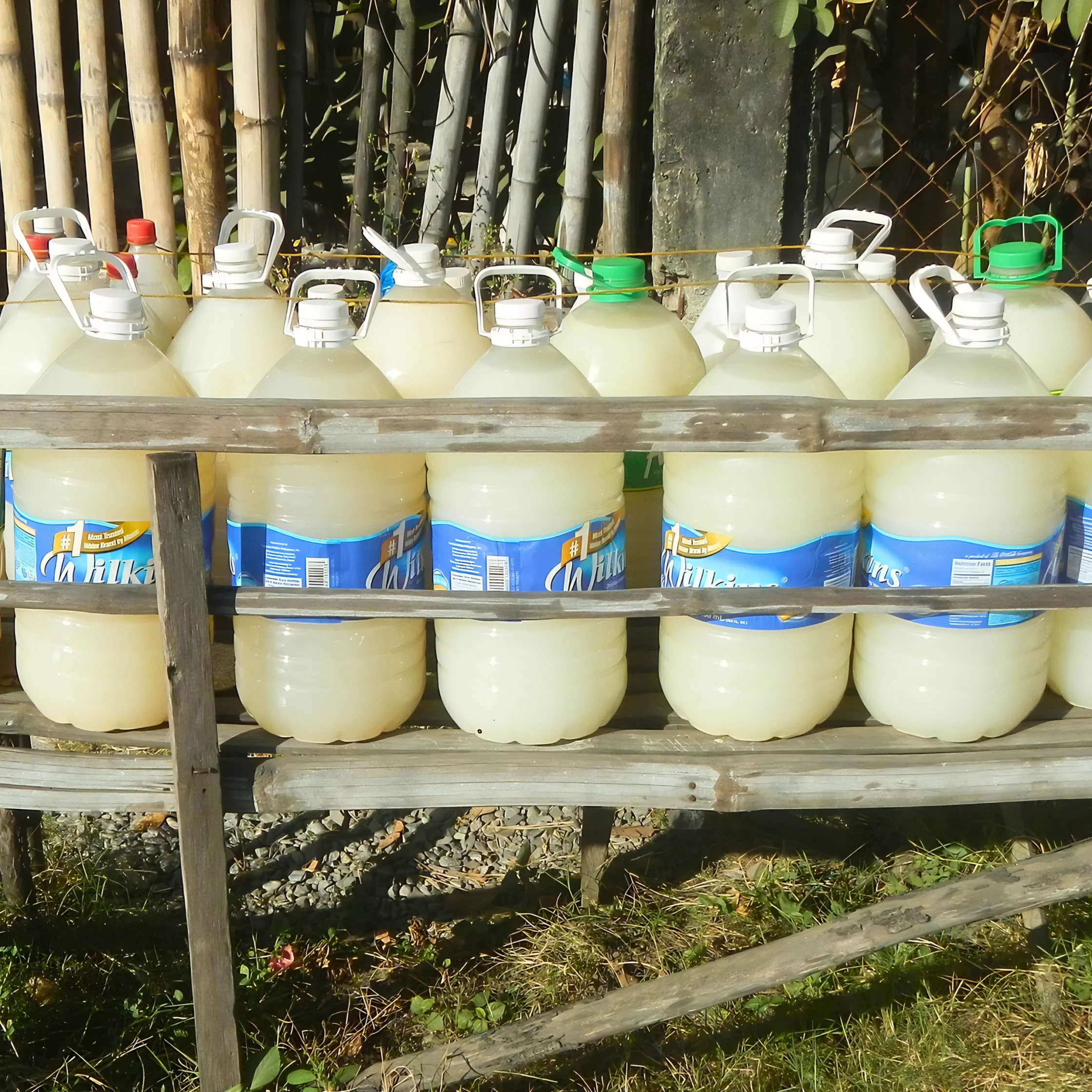
Harvested from the sap of nipa palms growing along riverbanks and mangroves, notably in Paombong, Bulacan. It starts out sweet and faintly saline, darkening and growing stronger in acidity as it ages due to its high iron content. Because it’s known for its sourness, palm vinegar works well when making paksiw na lechon, paksiw na isda, as well as atchara.
6. Sukang Iloko
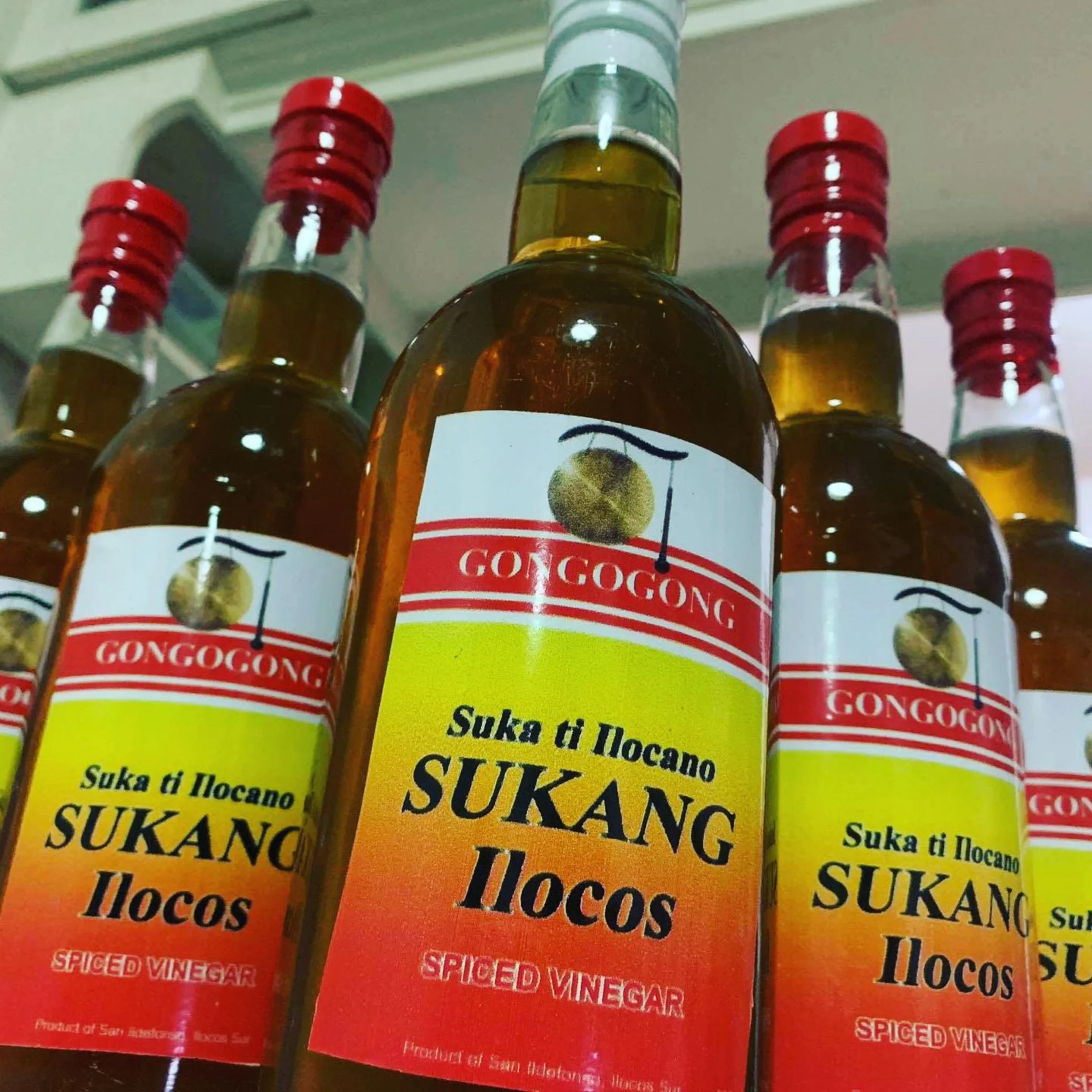
This dark amber, premium sugarcane vinegar from the Ilocos region is produced by fermenting basi or sugarcane wine inside traditional burnay clay jars for an extended period, resulting in a complex, smoky, and robust flavor. Traditionally used to season and preserve meats, it serves as an essential dipping companion to rich Ilocano specialties like bagnet, Ilocos longganisa, and empanada. Though it elevates everyday fried fish, grilled meats, eggs, and simple vegetable dishes just as well.
“We Filipinos are … the champion lovers of sourness.”
Doreen Fernandez said it best.
Across generations, Filipinos have craved and will always crave sour tastes. The kind that makes your jaws tighten in the best possible way with every single bite.
Whether transforming raw seafood in a coastal settlement, balancing rich fats at a backyard grill party, or simply standing ready in a small bottle on the dining table, suka remains an enduring testament to the ingenuity, resourcefulness, and vibrant palate of Philippine gastronomy.

Frequently Asked Questions
Vinegar or suka is central to Filipino cuisine because it defines asim or sourness, which is a fundamental pillar of the local palate.
Historically essential for food preservation in a tropical climate, its natural acidity gave rise to long-lasting staples like adobo and paksiw. In everyday cooking, it tenderizes meats, chemically “cooks” raw seafood in kinilaw, and cuts right through the rich fats of fried and grilled dishes like bagnet and inasal.
Moreover, suka anchors the essential sawsawan culture, whether served plain or infused with garlic and chilies—allowing every diner to personalize each bite.
Vinegar is an acidic liquid produced through a two-stage biological fermentation process. First, yeast converts natural sugars from sources like fruits, grains, palm saps, or sugarcane into alcohol and carbon dioxide. In the second stage, oxygen allows acetic acid bacteria to transform that alcohol into acetic acid and water, which gives vinegar its characteristic sourness and preservative qualities.
Despite coming from the coconut palm, coconut vinegar does not taste like coconut at all. Instead, it carries a distinctive, aromatic fermented profile with a light yellowish hue.
Sukang Maasim is made from fermented sugarcane juice and features a clear-to-cloudy white appearance with a crisp, mild, and versatile flavor.
In contrast, Sukang Iloko is a premium variant from the Ilocos region produced by fermenting basi or sugarcane wine inside traditional clay burnay jars for an extended period, resulting in a darker amber color and a deeper, smoky, and more robust flavor.
Beyond its culinary uses, historical and traditional practices have long utilized vinegar as a digestive aid and a remedy for fighting fatigue.
Specifically, coconut sap vinegar or sukang tuba is naturally rich in minerals, which traditional users rely on to help minimize physical fatigue and ease muscle cramps.
Contemporary studies also suggest that acetic acid can support metabolic health by helping to blunt post-meal blood sugar spikes.