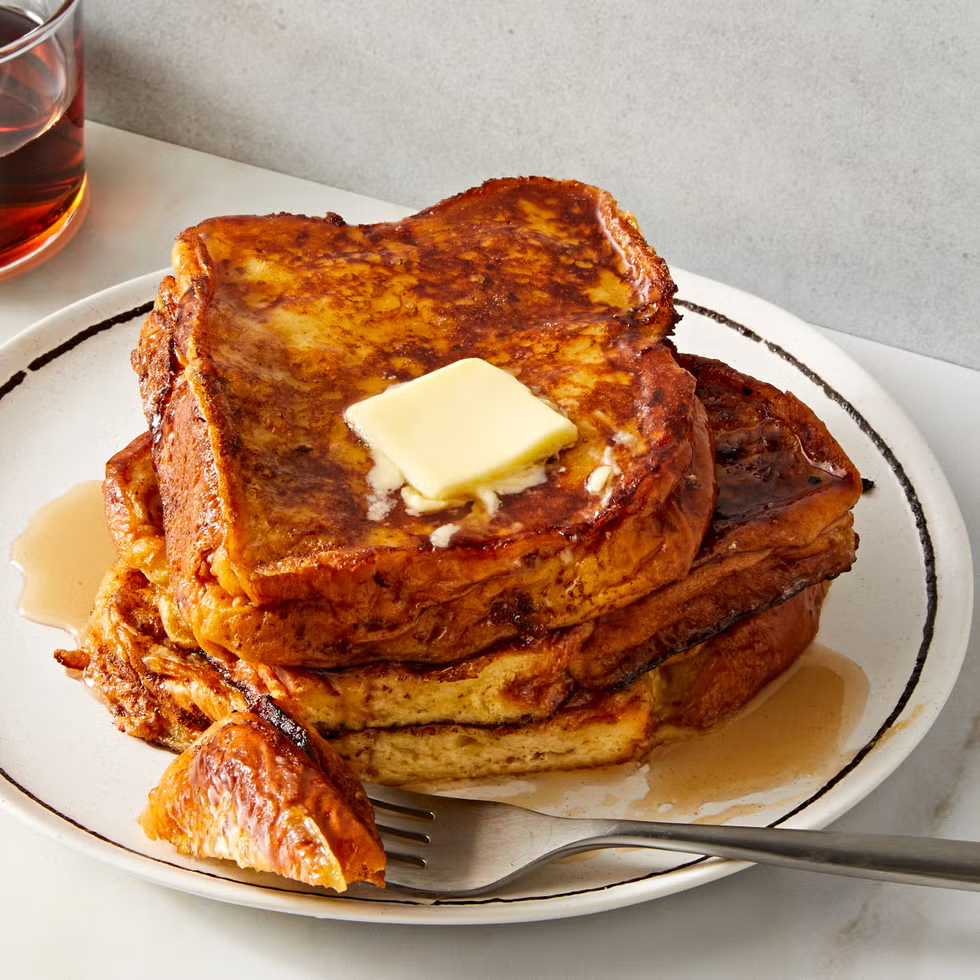


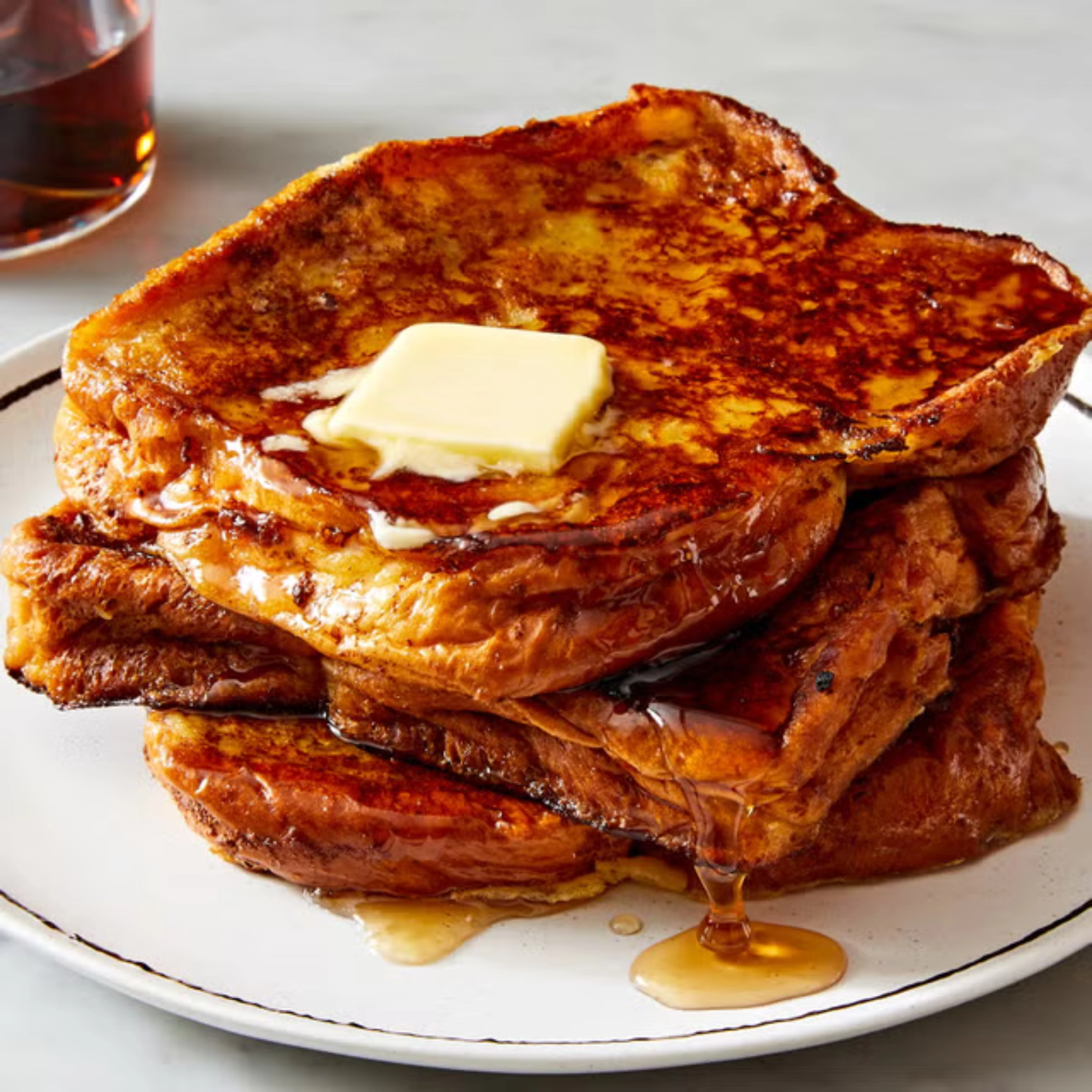
While I can respect pancakes and waffles, I honestly don’t think they hold a candle to French toast. When done right, French toast is truly the perfect breakfast. Crisp and golden on the outside, soft and custardy in the middle, my tried-and-true French toast treats you to decadent brunch perfection in the comfort of your own kitchen. Plus, French toast is a great vessel for all your favorite breakfast toppings and add-ins like fruit, whipped cream, compound butters, and syrups, so have fun with it and make it your own!
How To Make French Toast
INGREDIENTS
- Eggs: Eggs are a critical component of any French toast, responsible not only for richness and flavor but for ensuring the custard coheres and sets. For the creamier custard and even cooking, be sure to whisk the eggs until well blended, with no streaks of white remaining.
- Whole Milk: Low-fat milk certainly has its place—just not in French toast. And while heavy cream or half-and-half will give you a more luxurious custard, they can also make the custard overly thick, resulting in soggy French toast. To my mind, plain-Jane whole milk strikes just the right balance, offering plenty of richness without veering into heaviness.
- Bread: Soft enriched bread, such as challah or brioche, makes the best base for French toast. Be sure to buy a whole (unsliced) loaf so you can slice it yourself, to your exact specifications.
- Butter & Neutral Oil: Psst, I’ll let you in on a chef’s secret: heating butter along with oil raises the butter’s smoke point, making it less likely to burn. This trick is an absolute winner when it comes to cooking French toast, as it allows you to get the flavor benefits of frying in butter, while still achieving a crisp, well-browned crust, thanks to the oil.
STEP-BY-STEP INSTRUCTIONS
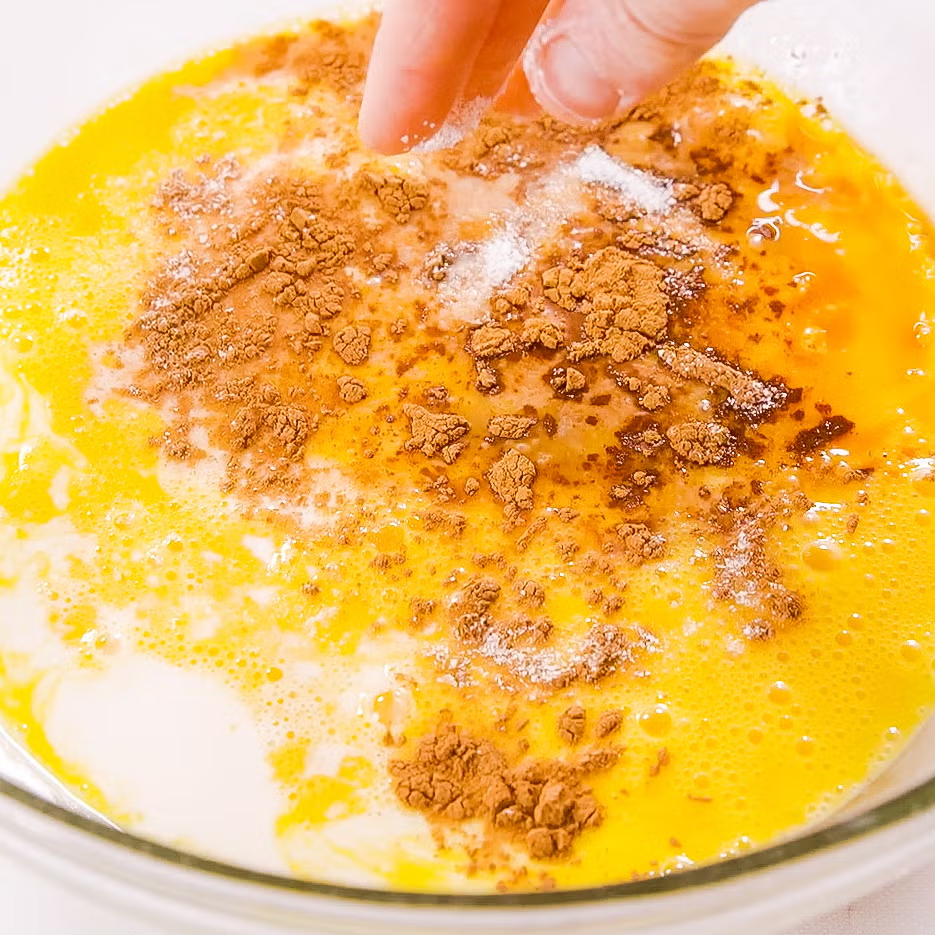
First off, you’ll want to get ahead of the game by preheating your oven to 200° and setting a wire rack inside a baking sheet. Both will come in handy for keeping the waffles warm. This is also an excellent time to slice the bread; make sure the slices are a uniform 1″ thick. Now, whip up the custard that you’ll be soaking the bread in: Crack the eggs into a large, wide bowl or a pie plate and whisk vigorously until blended and free of streaks. Add the milk, sugar, vanilla, cinnamon, and salt and whisk until combined.
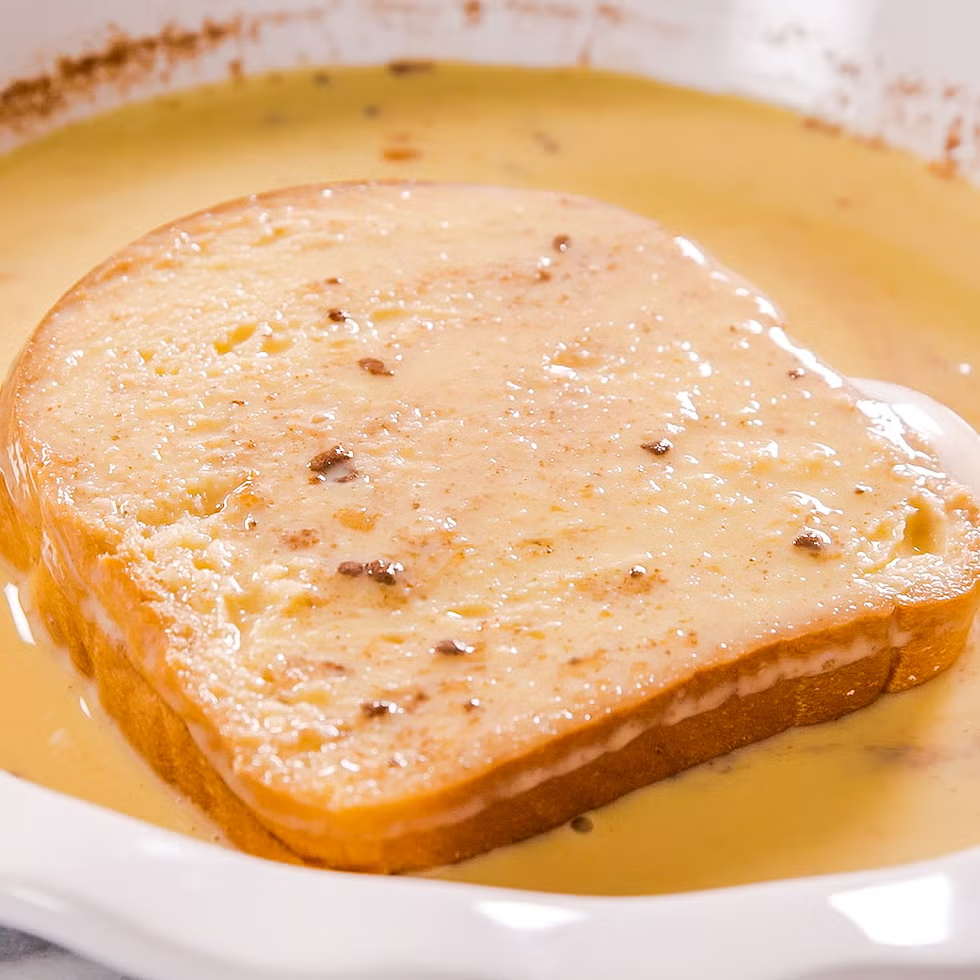
Bread, meet custard; custard, bread. Soak two slices at a time, letting the bread soak just until saturated (not soggy) on both sides, about 30 seconds per side. I recommend using a fork to turn over the slices—it’s more gentle and less messy.
While the bread is soaking, heat 1 teaspoon butter and 1 teaspoon oil in a large skillet, preferably nonstick or cast iron, over medium heat until the butter is beginning to bubble. Lift the soaked bread out of the custard, letting the excess drip back into the bowl, and transfer to the skillet. Cook until crisp and golden brown underneath. Flip the bread and cook until golden brown on the other side, another 3 minutes. Transfer the French toast to the prepared rack and place it in the oven to keep warm while you repeat the process with the remaining slices of bread, adding more butter and oil between batches.
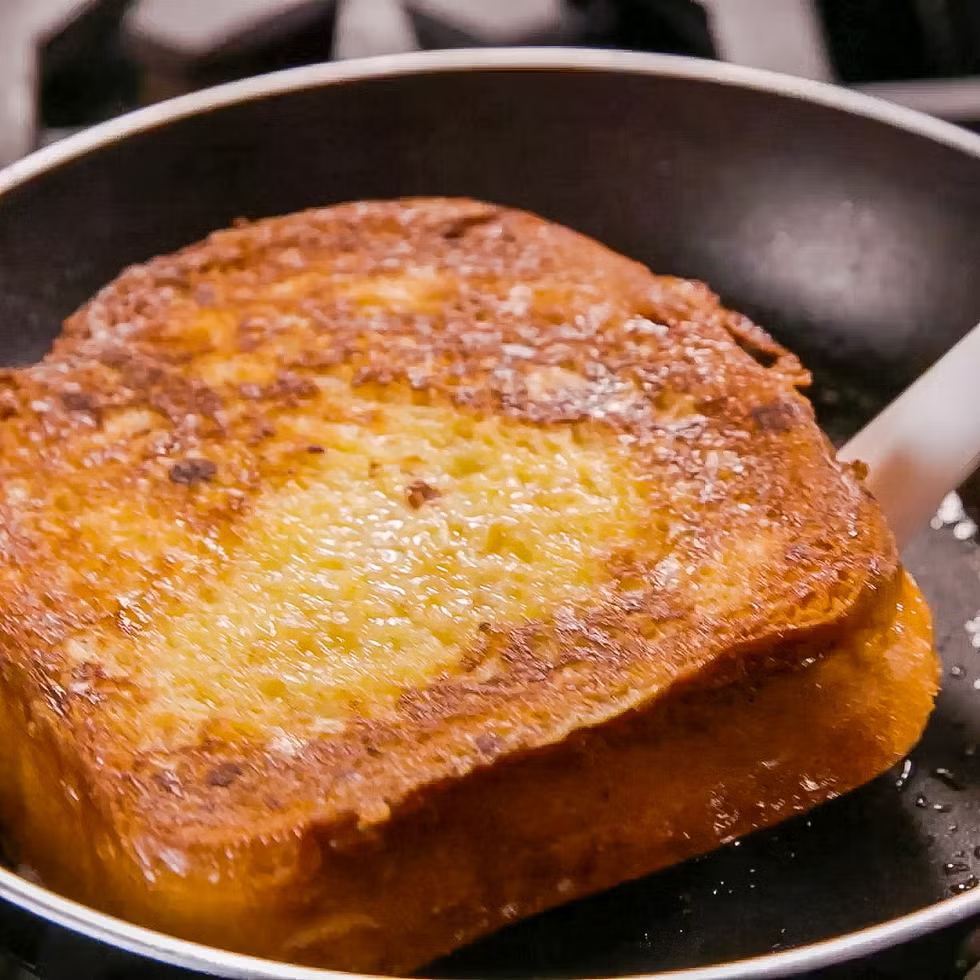
To serve, divide the French toast among plates and top with maple syrup and pats of butter, or go crazy and top the toast with fresh fruit, jam, strawberry compote, or even ricotta—the sky’s the limit!
Make this Sweet Batwan Jam recipe that’s perfect for toasts, pancakes or topping for desserts!
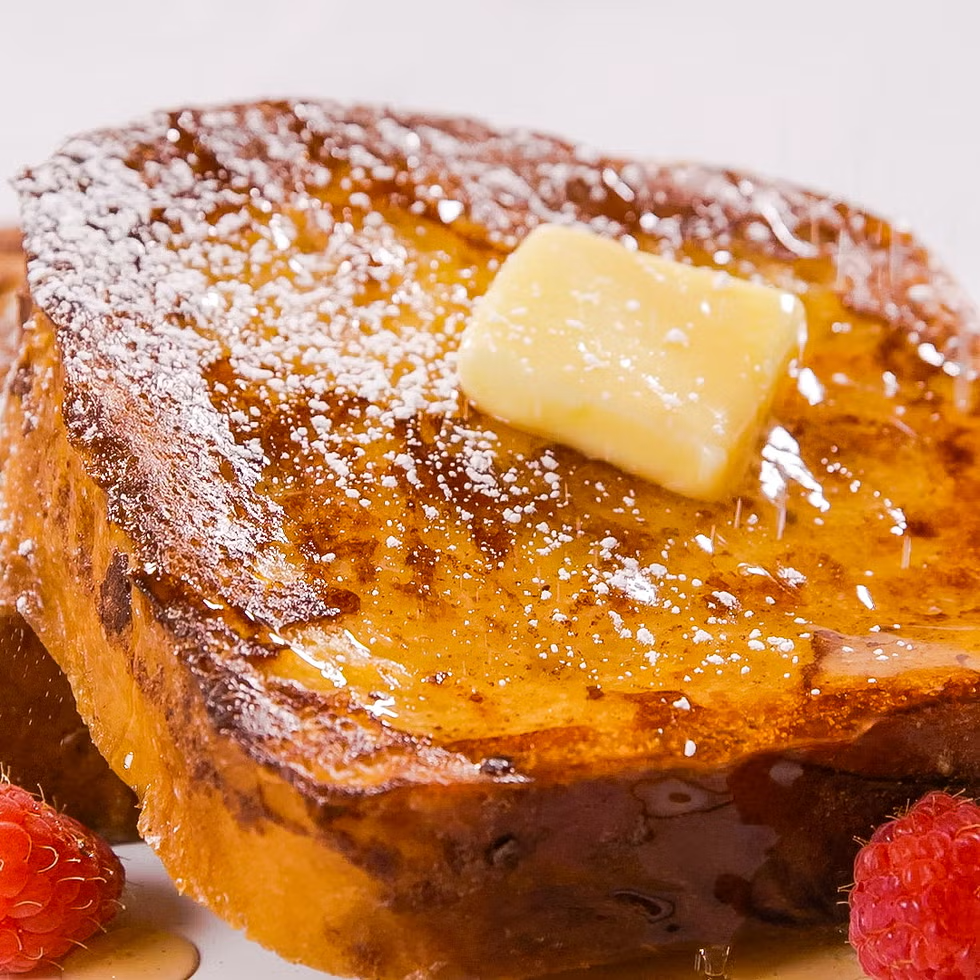
The full list of ingredients and directions can be found in the recipe below.
Recipe Tips
- Do I need stale bread for French toast? No, in fact, I don’t recommend using it at all—stale bread can make your French toast taste stale and bland. Instead, for the best-tasting French toast, use a fresh, whole loaf.
- How to prevent soggy French toast: It starts with the thickness of the bread. In testing, I found 1″-thick slices ideal: thin enough to cook through and brown at the same rate yet thick enough to soak up enough custard to achieve a beautifully creamy center. Precise timing is another key: Soak the bread for exactly 30 seconds on each side (I know it sounds silly, but set a timer!), then cook it for 3 minutes on each side, adjusting the heat as needed to keep the pan at a steady medium heat.
Storage & Make Ahead
French toast freezes surprisingly well. Let it cool completely, then arrange on a parchment-lined baking sheet and freeze until firm. After that, simply transfer it to an airtight container or a freezer bag and freeze for up to 1 month. To reheat, thaw briefly at room temperature, then reheat in a skillet or low oven.