

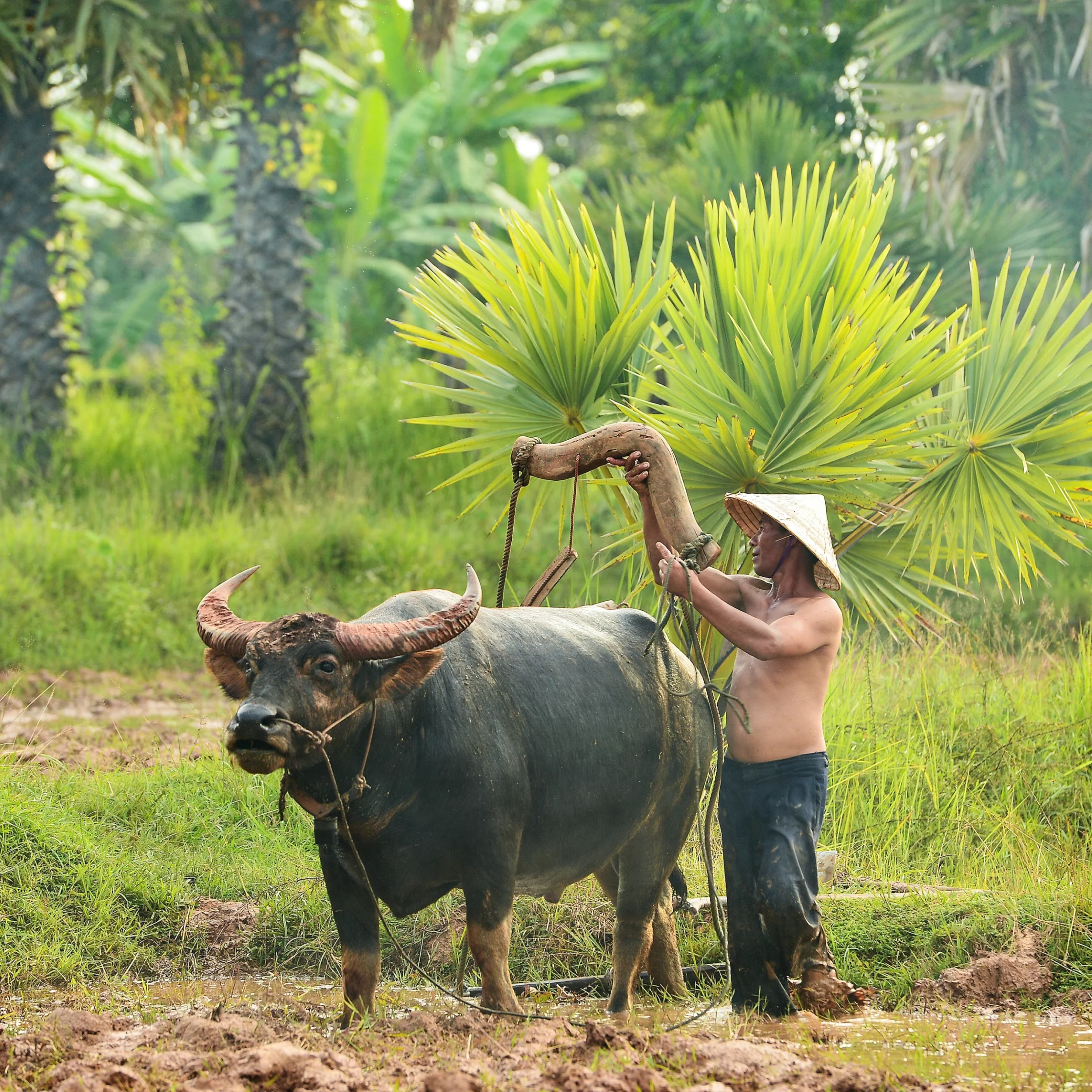
In the Philippines, the carabao (or water buffalo) is one of the most familiar animals we know. Children learn about them in textbooks and we know them as the farmer’s steady, hardworking companion in—helping plant rice, carry harvests, and plow fields long before modern machines arrived.
Often called the farmer’s most dependable partner, the carabao has become a national symbol of hard work, patience, and resilience in Filipino culture. But while Filipinos admire the animal itself and despite its growing presence in local food production, many Filipinos still overlook carabao milk as a nutritious and locally sourced alternative to commercially available milk. And that’s surprising, because carabao milk is far different from the milk most people are used to buying in supermarkets.
Nutritional Differences vs Regular Cows Milk
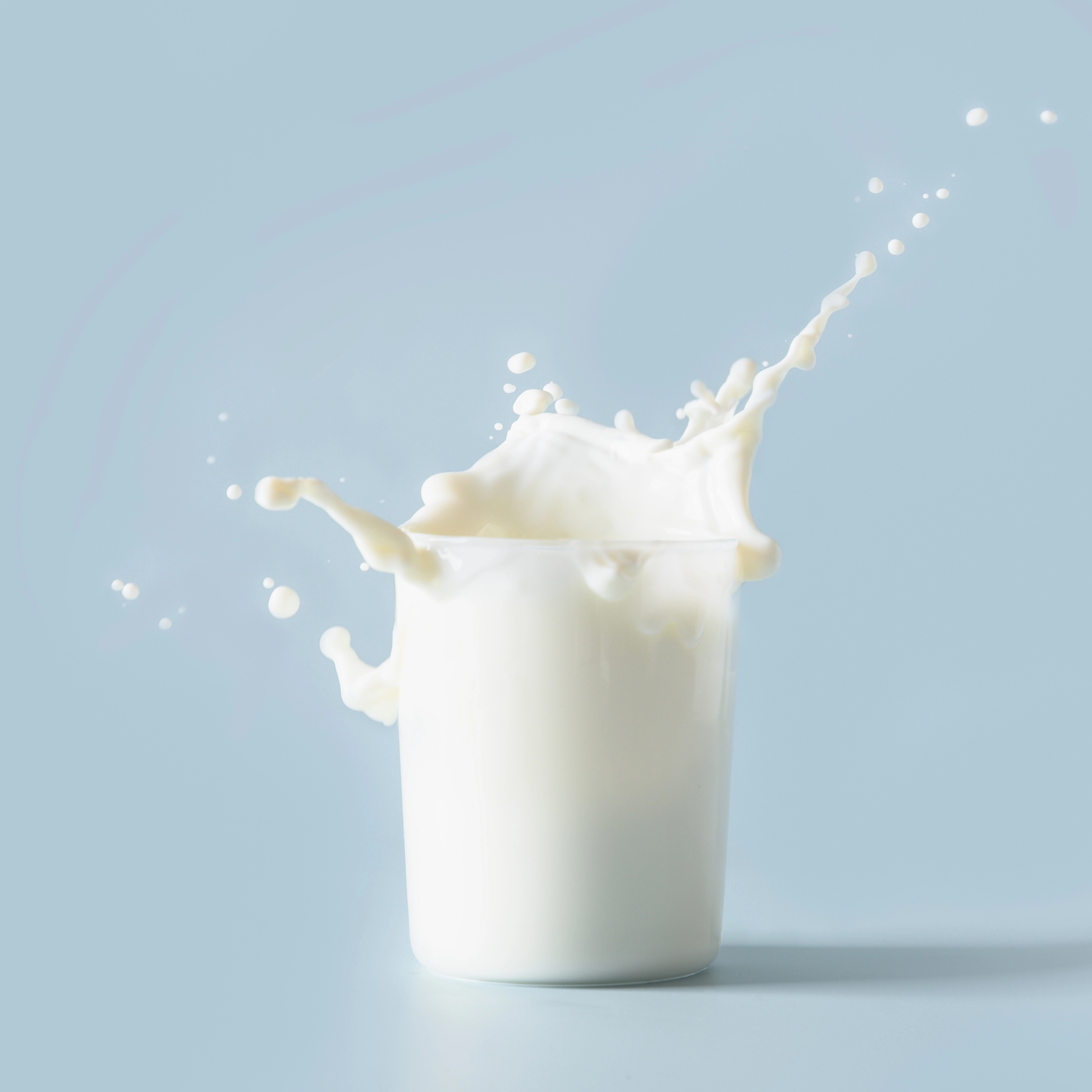
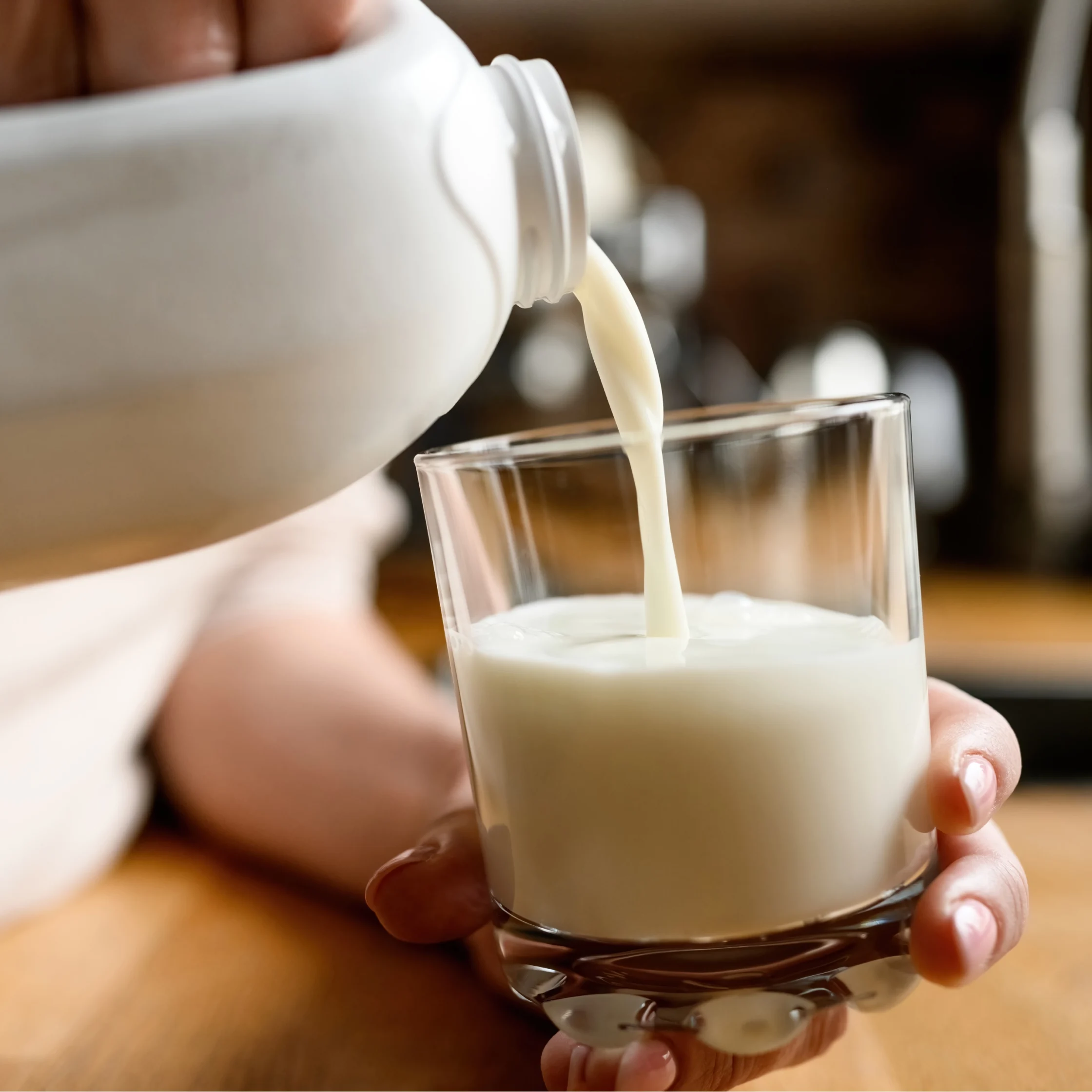
Carabao milk is the richer, creamier cousin of regular cow’s milk. It naturally contains more fat and protein, along with higher amounts of calcium, magnesium, and potassium. While these differences might seem small or trivial, most avid milk drinkers notice the difference almost immediately.
That richness is also why carabao milk has long been used in many Filipino favorites. For generations, it has helped create creamier ice cream, softer kesong puti, richer leche flan, thicker yogurt, and a more delicious and authentic tibok-tibok. And for people on the hunt for a distinct mix of flavor, texture, and nutritional content, it could also work especially well in milk tea, coffee, custards, and baked goods.
So no, carabao milk is not simply “local milk.” It is a distinct dairy product with its own unique qualities and strengths.
Challenges in Local Water Buffalo Dairy Markets
Despite essentially being the fuller version of tried-and-true cow’s milk, carabao milk doesn’t get the attention it deserves because many Filipinos still see imported milk products as the gold standard. They often associate fresh carabao milk with provinces, roadside stalls, or traditional delicacies instead of premium food products.
But around the world, dairy preferences are shifting towards something richer, fresher, and more closely tied to a stronger cultural identity. As a result, many people are now thirsting for carabao milk and its products—creating a big opportunity for the Philippines.
Instead of trying to compete directly with mass-produced imported milk, the government should help Filipino farmers and businesses highlight what makes carabao milk unique in the first place. Right now, production is niche as only a small number of farms and cooperatives are producing fresh milk, cheese, yogurt, and desserts using carabao milk because of its richer taste and texture. But with better support and investment, it could become a stronger local industry that supports farmers while also giving Filipinos more homegrown dairy products to be proud of.
Why Choose Homegrown Sustainable Filipino Dairy
In many ways, carabao milk reflects the same qualities people admire in the carabao itself—both are rich, dependable, strong, and deeply connected to the Filipino way of life. For generations, the animal helped feed and sustain Filipino communities, becoming a symbol of hard work and resilience along the way. Yet, while Filipinos proudly celebrate the carabao in stories, classrooms, and national identity, many still overlook one of its most valuable gifts.
Maybe it’s time to stop seeing carabao milk as just a provincial product, and start seeing it for what it really is: something proudly and distinctly Filipino.

Frequently Asked Questions
Carabao milk is a type of milk produced by the Philippine carabao or water buffalo, and it is known for its rich, creamy texture and thicker consistency compared to regular cow’s milk.
Carabao milk differs from cow’s milk because it contains higher amounts of fat, protein, calcium, magnesium, and potassium, which give it a creamier taste and fuller texture.
Many Filipino foods use carabao milk, including kesong puti, leche flan, ice cream, yogurt, custards, milk tea, coffee, and baked goods because of its rich flavor and creamy consistency.
Carabao milk can be considered more nutrient-dense than regular cow’s milk because it contains more protein and minerals, although it is also higher in fat and calories.
Carabao milk is often overlooked in the Philippines because many consumers still view imported dairy products as more premium or higher quality than local milk products.
Carabao milk is increasingly being recognized as a premium dairy product because of its rich taste, creamy texture, and nutritional benefits.