

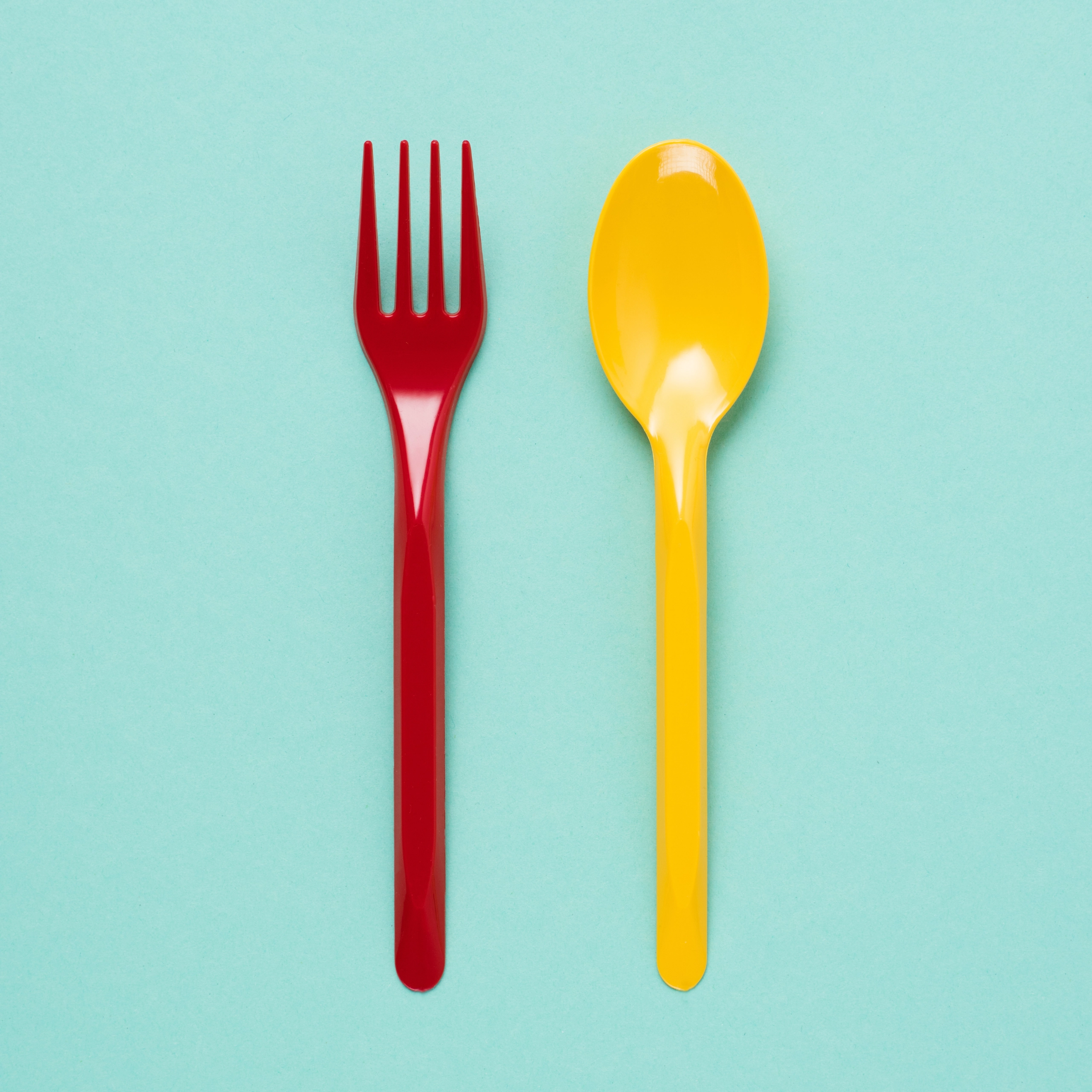
In the family home of food writer Ige Ramos, a big, wooden pair of spoon and fork made from Baguio is displayed in their dining area. Is this decorative emblem familiar?
Well, this giant spoon and fork have been a staple in Filipino homes and are believed to ward off hunger and invite prosperity. But do you ever wonder how we, Filipinos, have been introduced to using utensils?
The origins of spoons, forks, and knives
During the Stone Age period, bones and different types of stones such as flint and obsidian were used for hunting, self-defense, and slicing meat. Later on, this cutting tool transformed into a knife, eventually finding its permanent place in the eating practice of Westerners. As countries like China, India, and Europe honed their practice of bladesmithing, the production of cutlery also evolved. In Egypt, the wealthy used small eating knives, while Greeks and Romans used bronze and steel, respectively.
Meanwhile, the word “spoon” came from the Anglo-Saxon word “spon” that means “chip of wood.” Before this dining tool was invented, shells were used to scoop food. Not long after, the shape of a shallow bowl with a handle attachment was carved from wood, horn, and shells. Just like the knife, the spoon began having pewter, bronze, and silver iterations due to the development of toolmaking. While Viking spoons had elaborate carvings on them, the Puritans simplified the design by flattening the handles in the 17th century.
The fork was the last invention among the three dining staples. According to archaeological records, a two-pronged tool was already used during the Qijia culture and Shang dynasty. In Ancient Egypt, Greece, and Rome, this tool was used for cooking and serving. Elite circles in Persia also used bronze forks called “barjyn” in the 9th century.
The powerful role of dining utensils
Women also played a role in establishing the use of forks. Maria Argyropoulina, a Byzantine princess, introduced the concept of forks to Venice, which Italian monk Peter Damian criticized as a form of “vanity.” Despite this, the use of utensils began to be an integral part of the Italian dining culture as a tool for eating pasta.
In the 1500s, Catherine de’ Medici introduced the fork to the French court, bringing her collection to France during her marriage to King Henry II. From its two and three-tined design, the fork began taking a curvier shape with four tines during the 17th century in France. By the 1800s, the current shape of our forks had become the standard look of the utensil.
Why Filipinos just use the spoon and fork
In its 333 years of colonizing the Philippines, Spain has greatly influenced Filipinos through eating and preparing food and that included the use of cutlery. Rizal even wrote about their clinking and clanking in his 1887 novel Noli Me Tangere. Much like our other precolonial practices that were deemed by the Spaniards as “barbaric,” the use of spoon, fork, and knife slowly replaced our kamayan eating style. As our dishes evolved and the dining experience modernized in establishments, our ways of using utensils had to go with the flow of these changes.
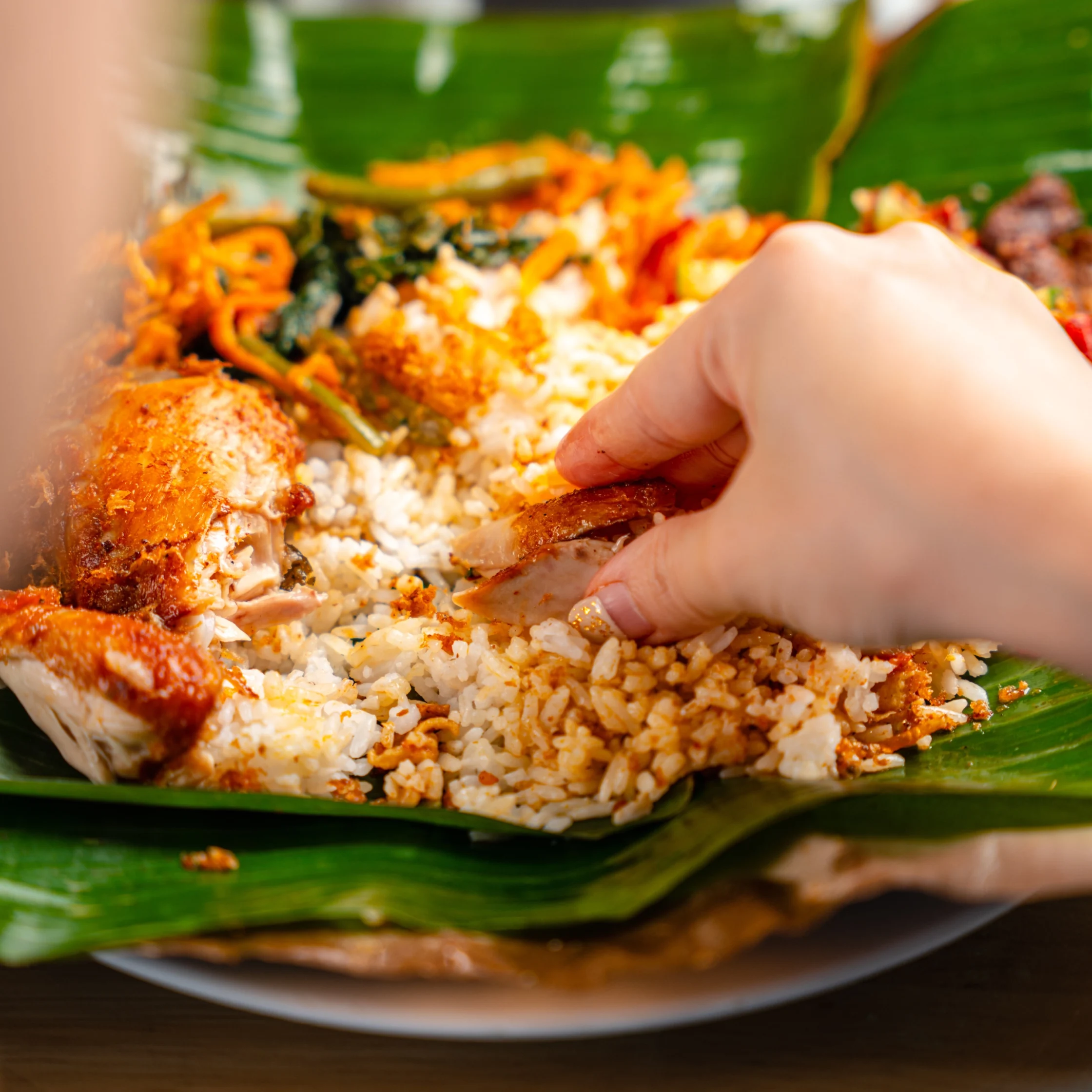
But just like our cooking, we found our own subversive practice of using utensils. Unlike the Spanish and the Americans, we normally only use the spoon and fork today in our daily dining experience. While knives are usually set beside the spoons in formal dining restaurants, we have been accustomed to slice and piece through any meat or vegetable using the edge of the spoon held by our dominant hand.
Filipino beliefs and traditions about utensils
Besides aiding us in slicing, scooping, and getting food from our plate, utensils are also used for hygienic reasons. The bigger iterations of spoons and forks are also used today as serving utensils or sandok, propped on the side of dishes to portion them for each plate.
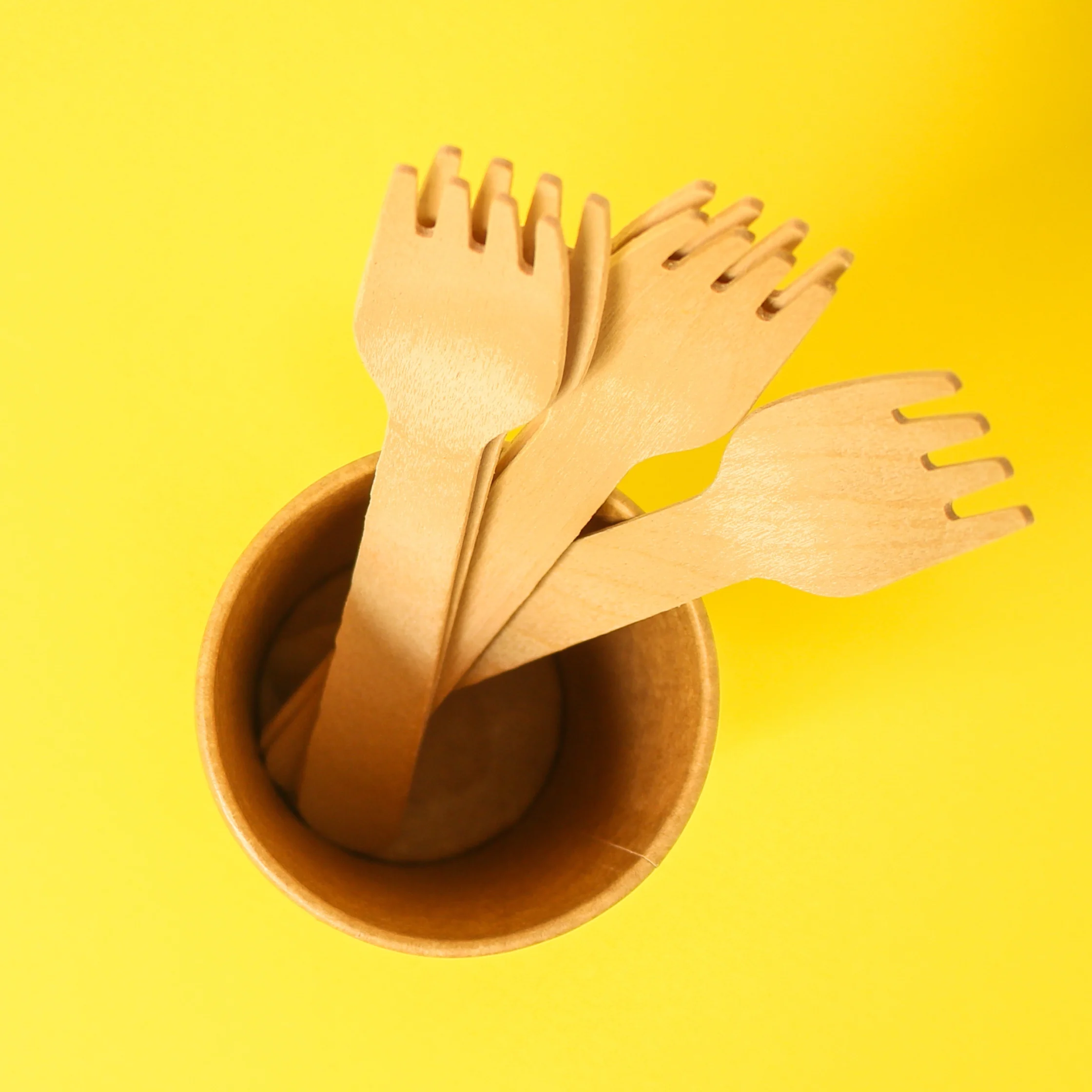
Some eateries and dining establishments sanitize spoons and forks by keeping them submerged in hot water before use. We’ve also been introduced to the concept of “sporks” for takeout meals or as camping tools.
Filipino culture has also established a pamahiin or belief when one drops a utensil. If one drops a spoon, expect a female visitor; then a fork for a male one. The big wooden utensil display in Ige Ramos’ home is a shared ornamental tradition in Filipino homes, as if acting like a compass to lead us to the hapag-kainan.

Frequently Asked Questions
Filipinos commonly use spoons and forks because of Spanish colonial influence and the evolution of local dining culture. Over time, these utensils became part of everyday Filipino meals, replacing many traditional hand-eating practices.
Kamayan is the traditional Filipino practice of eating with bare hands. It remains an important part of Filipino food culture and is still commonly used during communal feasts, boodle fights, and traditional meals.
During more than 300 years of Spanish colonization, Filipinos adopted many Western dining customs, including the use of spoons, forks, and knives. Colonizers considered hand-eating uncivilized, which contributed to the widespread use of utensils.
The word “spoon” comes from the Anglo-Saxon word “spon,” meaning “chip of wood.” Early spoons were made from shells, wood, horn, and bone before metal versions became common.
Forks were the last major dining utensil to become widely used. Early versions appeared in ancient civilizations such as Egypt, Greece, Rome, Persia, and China before evolving into the modern four-tined fork used today.
A spork is a hybrid utensil that combines a spoon and fork. It is commonly used for takeout meals, travel, camping, and convenience dining because it serves multiple functions.