
Advertisement
Advertisement

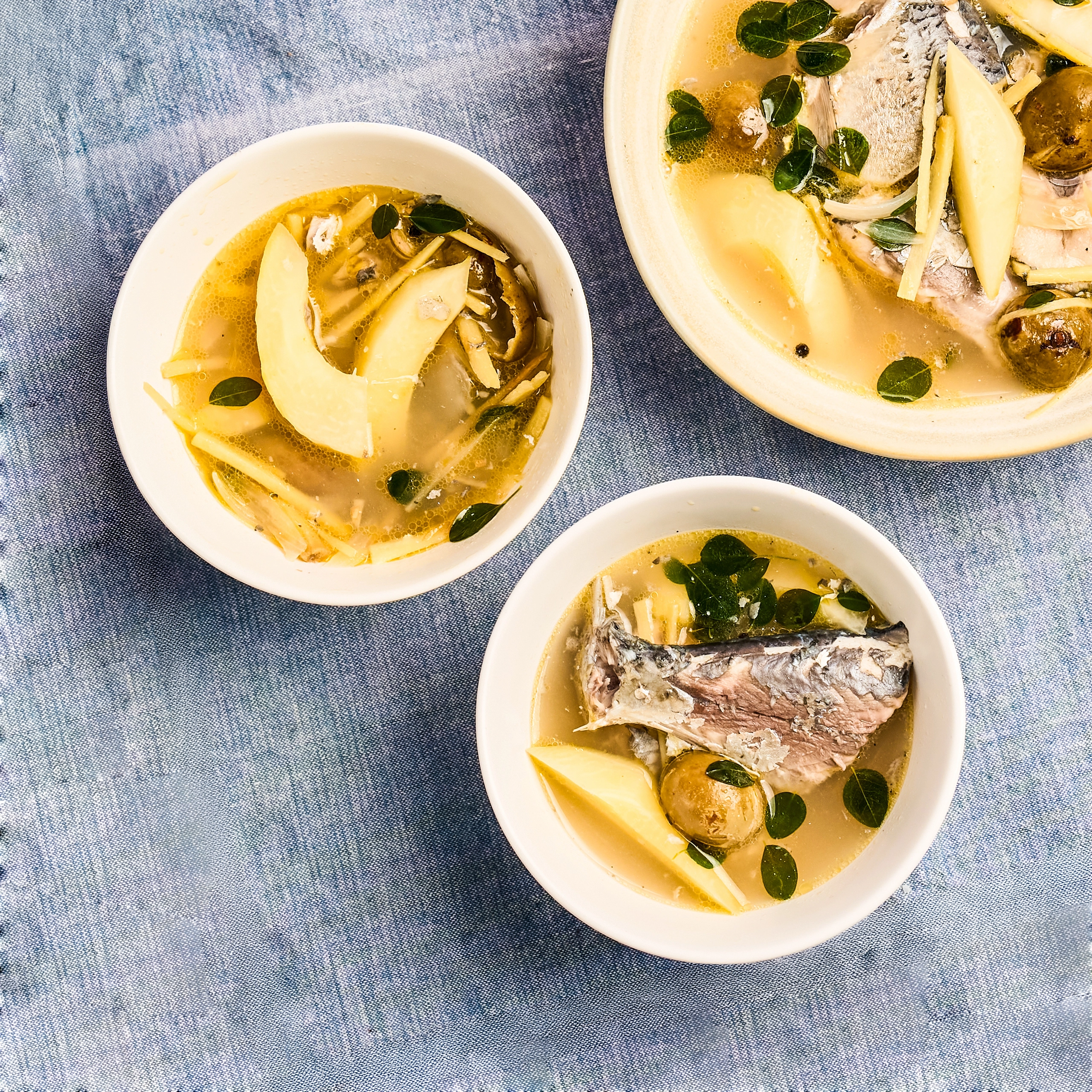
Tinolang Bangus sa Batwan Recipe (Milkfish in Batwan-Ginger Soup)

Here's a ginger-based soup that's given a fruity sourness by a Visayan ingredient.
PHOTO: KIERAN PUNAY
YIELDS:
2 SERVING(S)
Prep Time:
10 MINS
Total Time:
25 MINS
Cal/Serv:
270

Nutritional Information

Calories 270 kcal
Fat 15 g
Saturated fat 1 g
Trans fat 0 g
Cholesterol 0 mg
Sodium 2144 mg
Carbohydrates 35 g
Fiber 5 g
Sugar 22 g
Protein 4 g
Vitamin D 0 µg
Calcium 83 mg
Iron 1 mg
Potassium 651 mg

Note: The information shown is Edamam's estimate based on available ingredients and preparation. It should not be considered a substitute for a professional nutritionist's advice.

Tinola is a Filipino soup that traditionally features chicken or fish. The broth has notes of ginger and fish sauce. And in this case, the fruity sourness of batwan as well.

Recipe Tips

  • This recipe calls for boiling the batwan fruit until it’s soft and ready for mashing. To remove the seeds, use a strainer to get all the juices out.
  • Not a fan of fish bones? You can also use boneless bangus fillets, which are readily available in the supermarket.

Ingredients

  • 5 Piece batwan, whole
  • Water, as needed
  • 2 Tablespoon cooking oil
  • 1 Small onion, sliced
  • 1 Teaspoon cracked black pepper
  • 1 Medium ginger, sliced
  • 3 Tablespoon fish sauce
  • 1 Large milkfish (bangus), chopped to pieces
  • 1 Small green papaya, peeled and chopped
  • 0.25 Cup moringa (malunggay) leaves
  • Salt and pepper to taste
Keep screen awake

Directions

Step 1

Start by placing the batwan in a pot with enough water to cover it. Bring to a boil until the fruit softens, then crush it to release all the tangy, sour flavor. This will be the flavorful base of your dish. Discard the seeds. Set liquid aside.

Step 2

In a separate pan, heat oil over medium heat. Add chopped onions, freshly cracked black pepper, and sliced ginger. Sauté until the onions are soft and fragrant, and the ginger has released its warm, spicy aroma. Add  fish sauce to deepen the flavor and give the dish a savory, umami boost.

Step 3

Add your milkfish (bangus) pieces to the pan and gently stir to coat them with the aromatic mixture. Then add chunks of green papaya. Pour in the prepared batwan liquid. Cover and let it simmer until the fish is fully cooked and the papaya is tender but still holds its shape.

Step 4

Just before taking your dish off the heat, add a handful of fresh moringa leaves. Stir them in gently—they cook quickly. Season and serve.

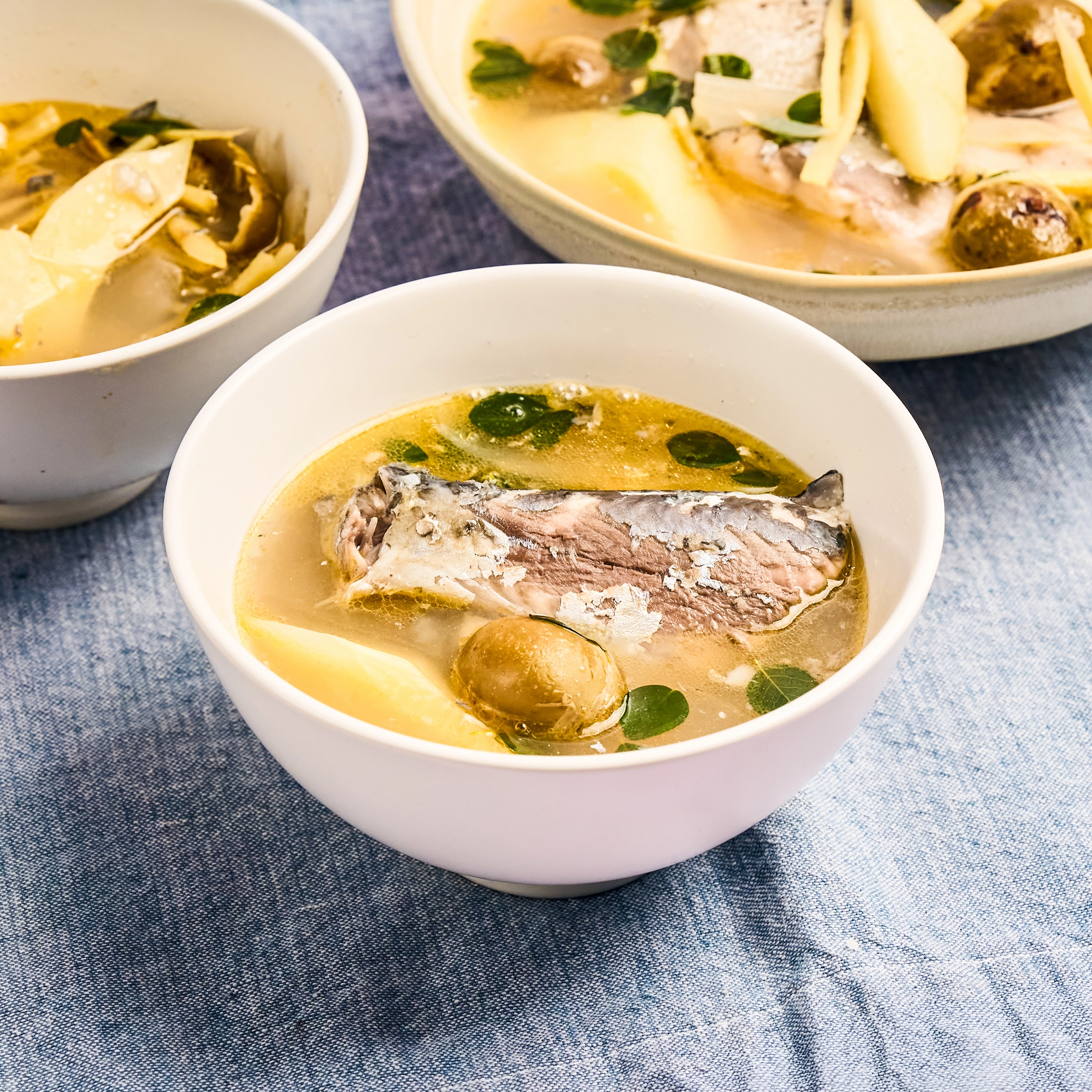
Tinolang Bangus
PHOTO: KIERAN PUNAY

Frequently Asked Questions

To keep the bangus intact, add the fish pieces only after the aromatics are sautéed and avoid aggressive stirring once the liquid is added. The ginger and cracked black pepper in Step 2 are essential as they neutralize the “lansa” (fishiness), ensuring a clean, refreshing broth. For the best texture, simmer gently until the fish is opaque; overboiling will cause the delicate belly fat to dissolve and the meat to flake away into the soup.

While you can use tamarind or calamansi, batwan provides a specific fruity, non-astringent sourness that defines Visayan Tinola. If substituting, use tamarind pulp sparingly as it has a darker, more aggressive tang that can overshadow the subtle flavor of the milkfish. Batwan is preferred because its acidity is cleaner and more rounded, perfectly complementing the warm notes of the sliced ginger without making the broth cloudy.

Boiling and crushing the batwan separately (Step 1) ensures that you extract the maximum amount of pectin and acid from the fruit while allowing you to discard the seeds. If added whole to the main pot, the fruit may not soften enough to release its flavor before the fish is overcooked. This “liquid base” method guarantees a consistent, punchy sourness throughout the broth and prevents accidental bitterness from the seeds.

Malunggay leaves should always be added during the last 30 to 60 seconds of cooking, just before you turn off the heat. Their delicate structure means they cook almost instantly in residual heat; overcooking them turns the leaves a dull olive-brown and can introduce a grassy bitterness to the gingery broth. Stirring them in gently ensures they remain bright green and retain their high vitamin content for a professional presentation.

If the fish sauce (patis) has made the broth too salty, add a few more pieces of green papaya or a small amount of water to dilute the salinity. The papaya acts as a natural sponge, absorbing excess salt while contributing its own mild sweetness to the base. Avoid adding more batwan to “mask” the salt, as the increased acidity can clash with the ginger; instead, rely on extra aromatics to maintain the soup’s characteristic spicy warmth.

0 0 votes
Total of Ratings
guest
Rating
Ratings for Article
0 Comments
Oldest
Newest Most Voted
Inline Feedbacks
View all comments
Advertisement

To provide a customized ad experience, we need to know if you are of legal age in your region.

By making a selection, you agree to our Terms & Conditions.