

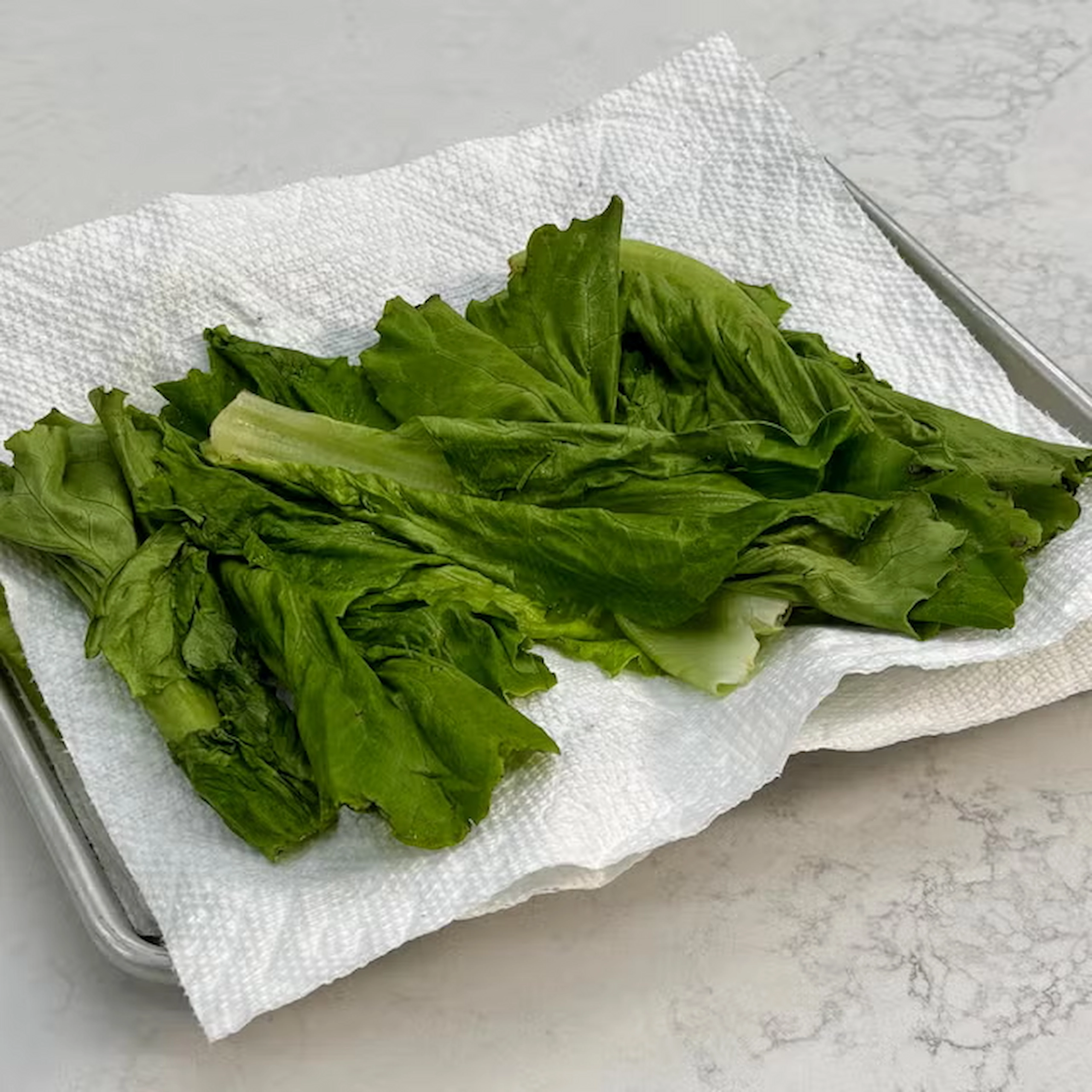
- Wilted lettuce in your crisper drawer can be a bummer, but you don’t need to wait over an hour for it to perk up in cold water.
- Soaking greens in hot water (between 110 and 140 degrees Fahrenheit) revives them in under 15 minutes.
- This hot-water treatment (or “heat shocking”) can also be used with other vegetables, such as green beans, asparagus, carrots, or snap peas.
When you’re craving a weeknight salad, finding a wilted head of lettuce in your crisper drawer can be a real bummer. Now what? Dunk it into cold water and wait 45 minutes (at least) for it to hopefully revive? Run to the store for more lettuce? Give in and order a bodega salad?
Not so fast. There’s another option—a trick that works so quickly and efficiently that even huge food stores use it to perk up produce. Here’s how to bring your wilted greens back from the dead in 15 minutes flat.
Why Do Greens Wilt?
When greens are attached to their parent plant, they receive a continual supply of moisture. Cut off from that supply, they slowly dehydrate, lose the rigidity that keeps them looking so perky, and eventually become wilted and sad. With that in mind, the key to refreshing those greens is clear: you need to replenish their cells with water.
Most of us accomplish this by soaking our greens in cold water, which effectively rehydrates the plants’ cells but works slowly, taking up to an hour. There is a quicker way—and it all comes down to water temperature.
Hot Water Is The Answer
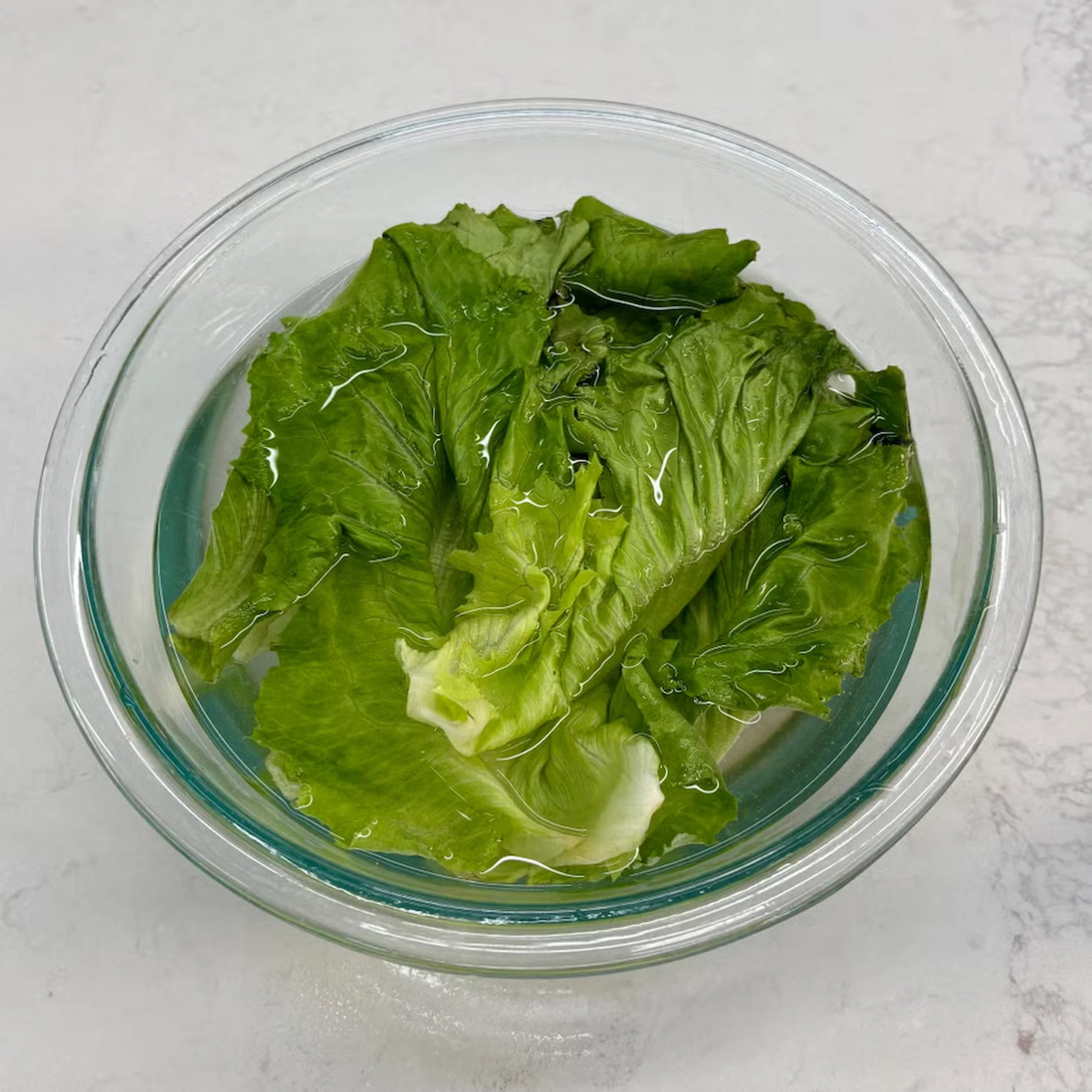
That’s right: the quickest, most efficient way to perk up those wilted greens is to plunge them into hot water. This method accomplishes the same thing as cold water, but it works faster because the higher temperature encourages the plant cells to open up and hydrate more quickly. The result is perky greens in 15 minutes or less.
Tips For Hot Water Treatment
There’s no special trick to this method—it’s as simple as it sounds—but there are a few specifics to keep in mind if you’re trying it for the first time:
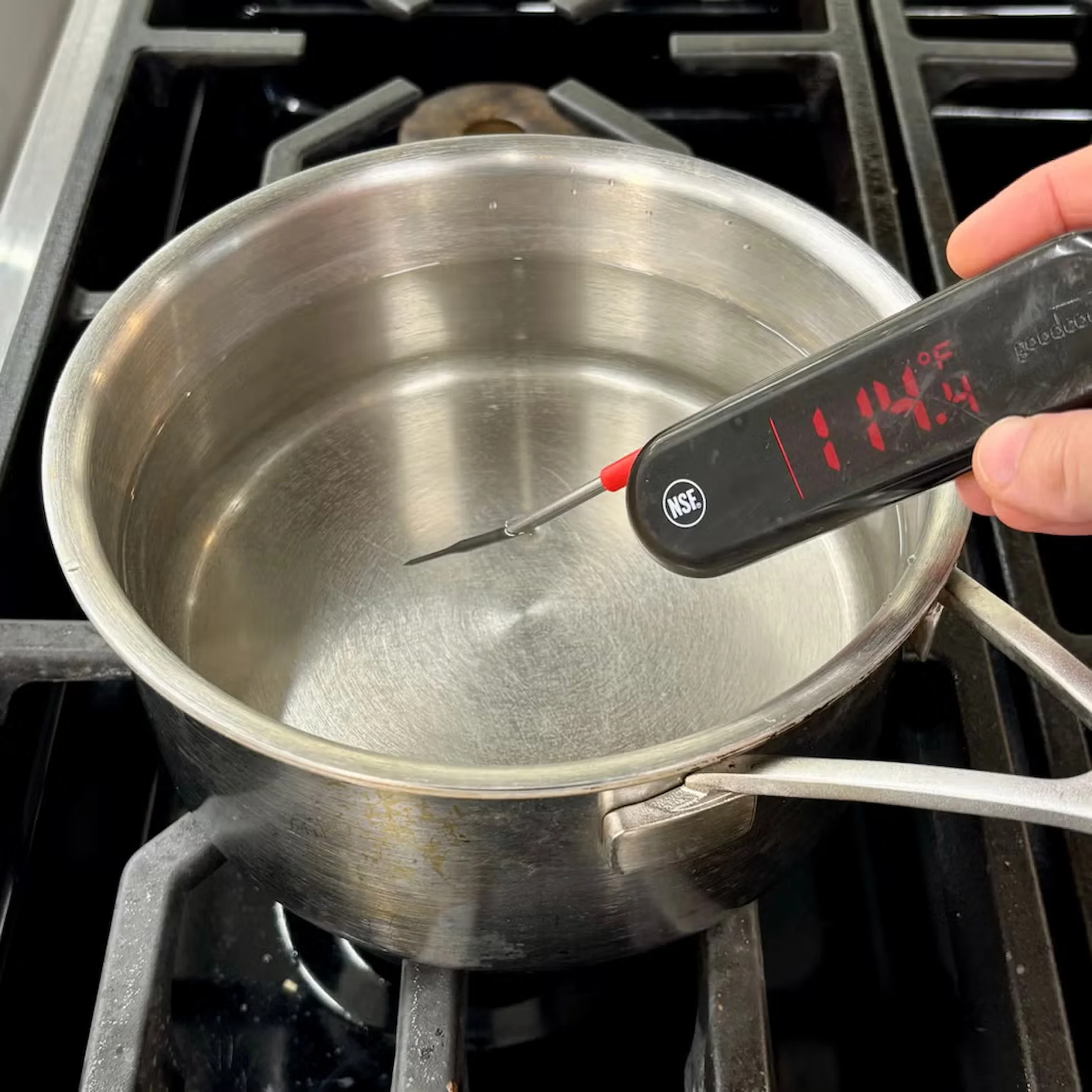
Use moderately hot water: “Hot” doesn’t mean “almost-boiling.” For optimal results, maintain the water temperature between 110 and 140 degrees Fahrenheit. The hotter the water (within these limits), the less time it will take.
Don’t limit yourself to lettuce: This trick works for more than salad greens. Try it with asparagus, green beans, and even carrots.
Keep ahead of the wilt: Hot-water treatment can also be used as a preventative measure to extend the shelf life of fresh vegetables—big box stores have been doing it for decades.
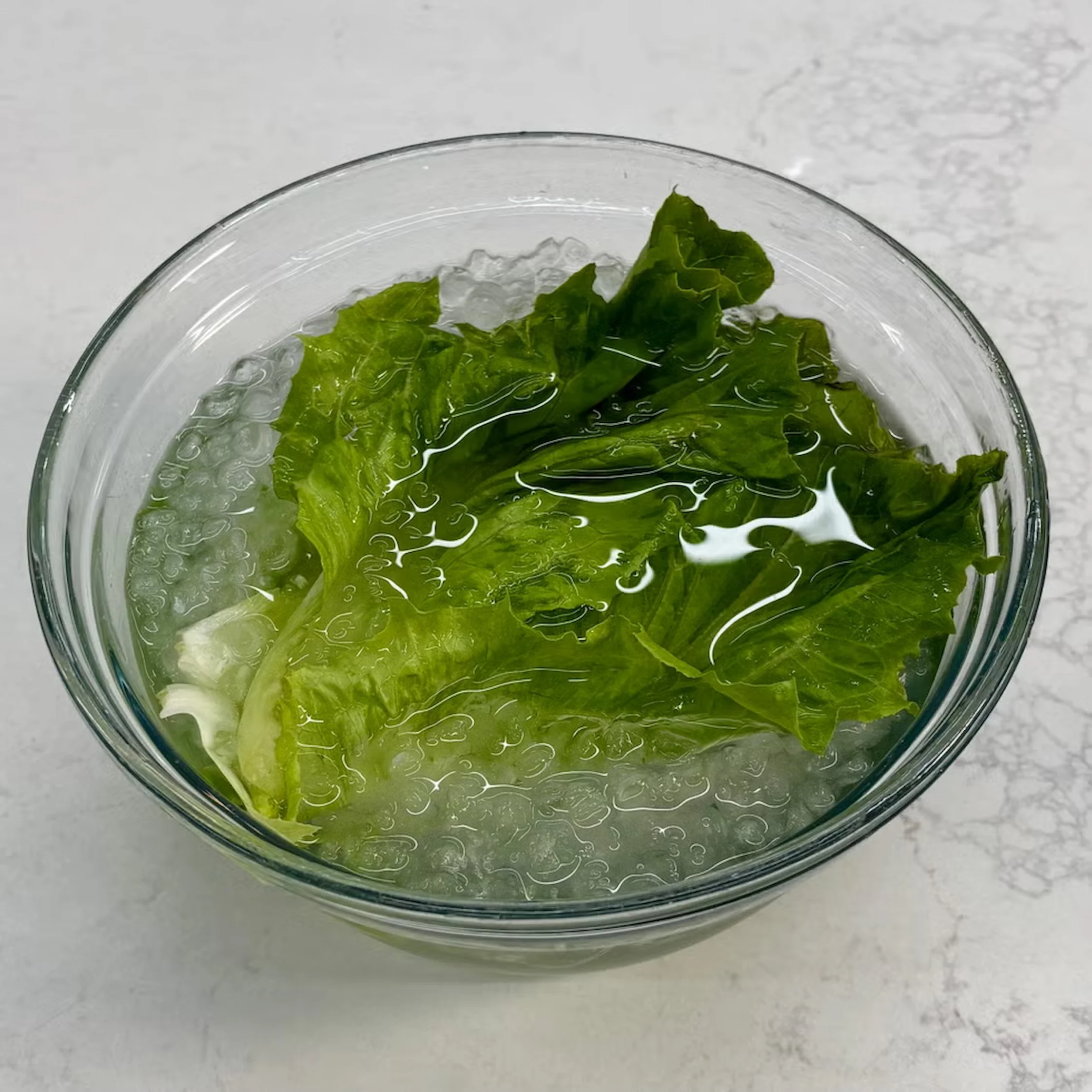
Transfer to cold water if serving right away: You don’t want a warm lettuce salad for dinner. After the greens have revived, transfer them to an ice bath to chill for a few minutes. Then, spin or gently pat them dry before using them immediately.
This article was originally published in Delish US.

Frequently Asked Questions
Once greens are harvested, they are cut off from their constant supply of moisture. Over time, they dehydrate and lose the internal water pressure (rigidity) that keeps their cells firm. To revive them, you must replenish those cells with water.
Yes, if you are short on time. While cold water works, it can take over an hour. Hot water (a process known as “heat shocking”) encourages plant cells to open up and hydrate much faster, usually reviving the produce in under 15 minutes.
For the best results, the water should be between 110°F and 140°F. You want the water to be moderately hot, but never boiling, as extreme heat will cook the vegetables instead of reviving them.
Absolutely. This “heat shocking” method is highly effective for a variety of produce, including asparagus, green beans, carrots, and snap peas.
After the greens have spent 15 minutes in the hot water and regained their crispness, you should transfer them to an ice bath for a few minutes. This chills them back down to a refreshing temperature. Be sure to spin or pat them dry before serving.