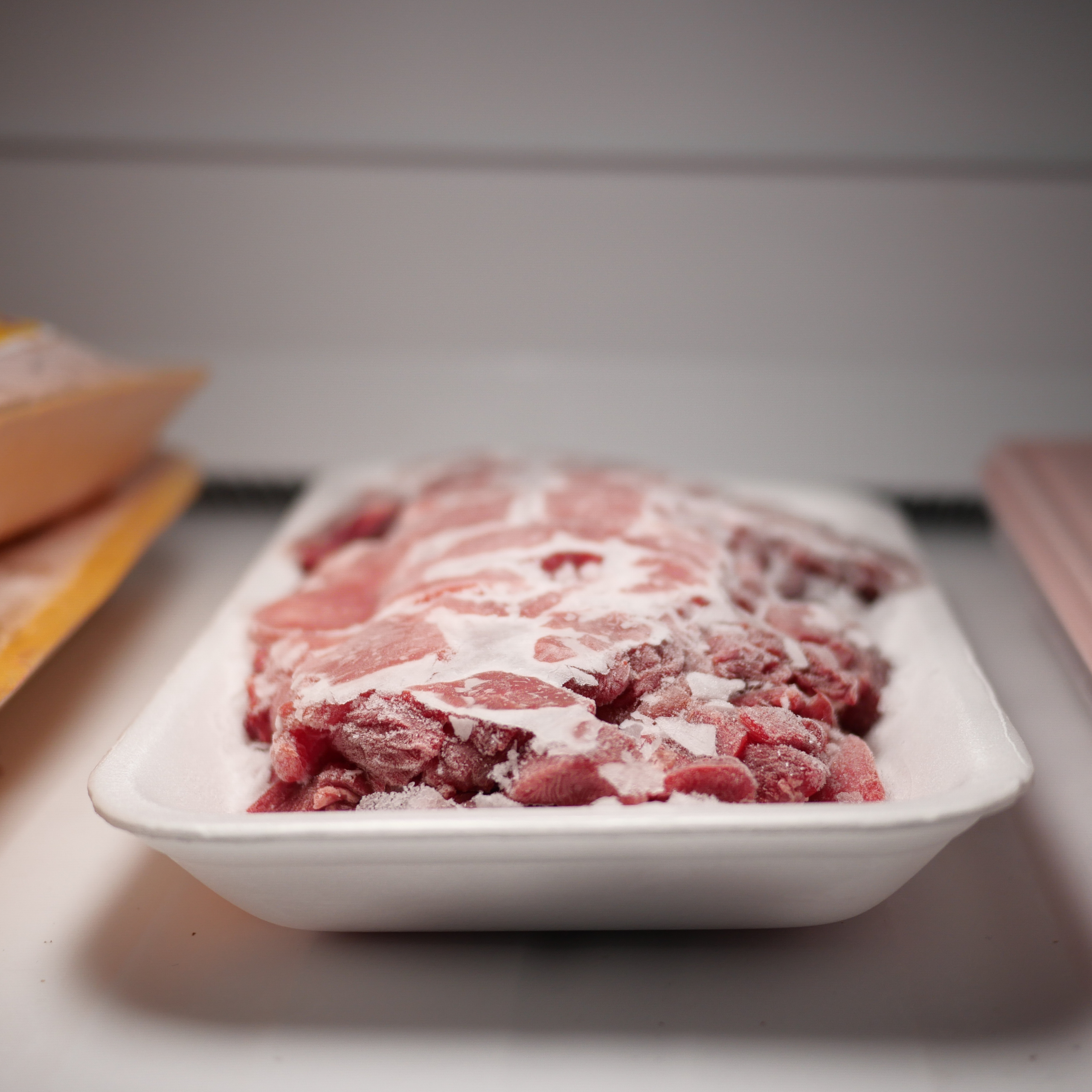
In meal prep, nothing upgrades your weekly routine quite like a freezer stocked with ready-to-cook, pre-marinated proteins.
Freezing meat directly in its marinade not only saves precious evening prep time, it also tenderizes the meat and infuses deep flavor right up until the moment it hits the heat.
However, freezing marinated meat isn’t just a matter of tossing raw chicken and sauce into a bag and calling it a day. Done wrong, you risk freezer burn, unevenly thawed food, or soft, mushy textures.
Here is a step-by-step guide on how to portion, marinate, and freeze meat safely and efficiently for stress-free dinners all week long.
1. Choose the Right Cut and Marinade Base
Not all meats and marinades react the same way to the freezing process. Matching the right flavor profile with the proper cut of meat ensures optimal taste and texture after thawing.
The best cuts for freezing include boneless, skinless chicken breasts or thighs, pork chops, sliced pork shoulder, flank steak, skirt steak, and firm tofu or beef strips for stir-fries.
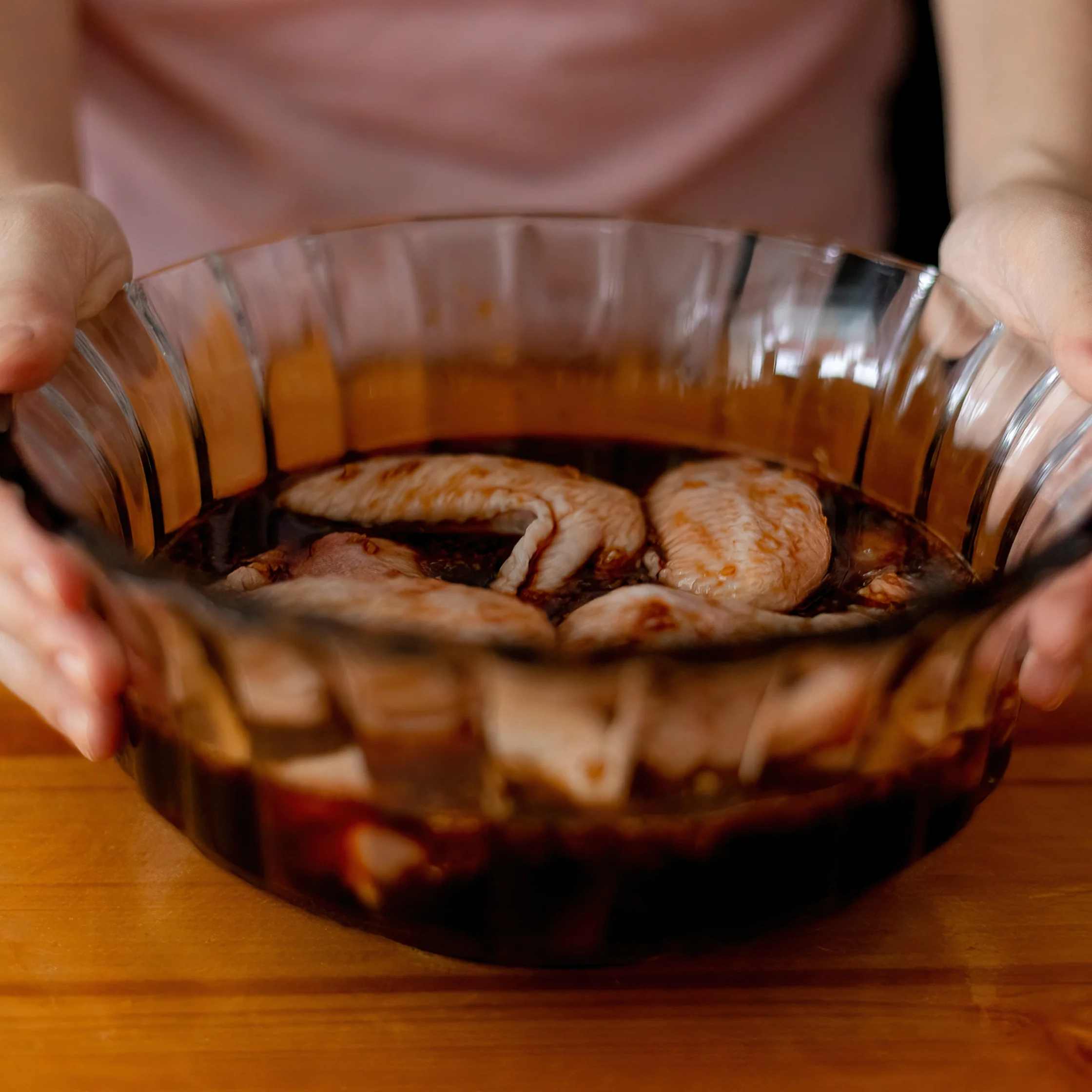
One thing to watch out for is the acid level. Acidic ingredients like lemon juice, lime juice, vinegar, and yogurt continue to break down muscle fibers. While freezing slows this process down, high-acid marinades can make meat mushy if left in contact for too long before solid freezing occurs. For long-term freezing (over 2 weeks), keep acids mild or rely more on oil, aromatics, soy sauce, garlic, herbs, and spices.
When doing this, fat will act as your best friend as oil-based marinades act as a protective barrier against freezer burn, locking in natural juices.
2. Pre-Portion and Pre-Slice Before You Marinate
The biggest meal-prep mistake is freezing large batches together all at once. Because you froze such a big block of meat, you’d have to thaw the whole portion, which completely defeats the convenience of quick weeknight meals it was supposed to create.
The first step is to divide your meat according to your desired portion size before adding the marinade. You can do individual portions, so around 150-200 grams per serving. Or you can make bigger, more family-style portions, which could be around 3-5 servings.
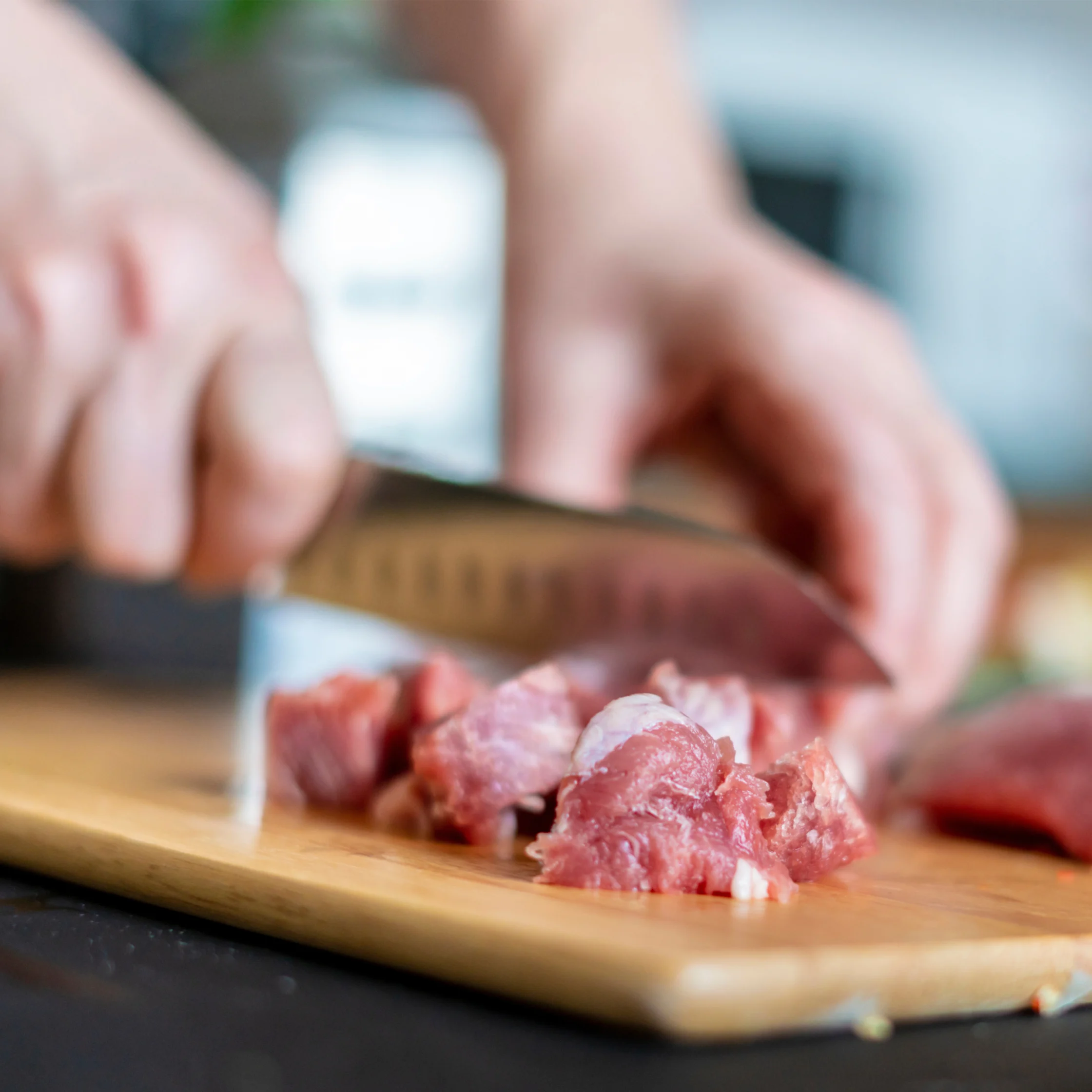
If you are planning to make dishes along the lines of stir-fries or skewers, it’s advised to slice or slice your meat prior to packaging it. Generally speaking, pre-cut meat freezes faster and thaws more evenly.
3. Package to Prevent Freezer Burn
Air is the greatest enemy when it comes to freezing food. The exposure to air can lead to dehydration, ice crystals, and unpleasant freezer burn.
Standard sandwich bags are too thin and permeable for the freezer. Opt for heavy-duty, sealable freezer bags or vacuum-seal bags.
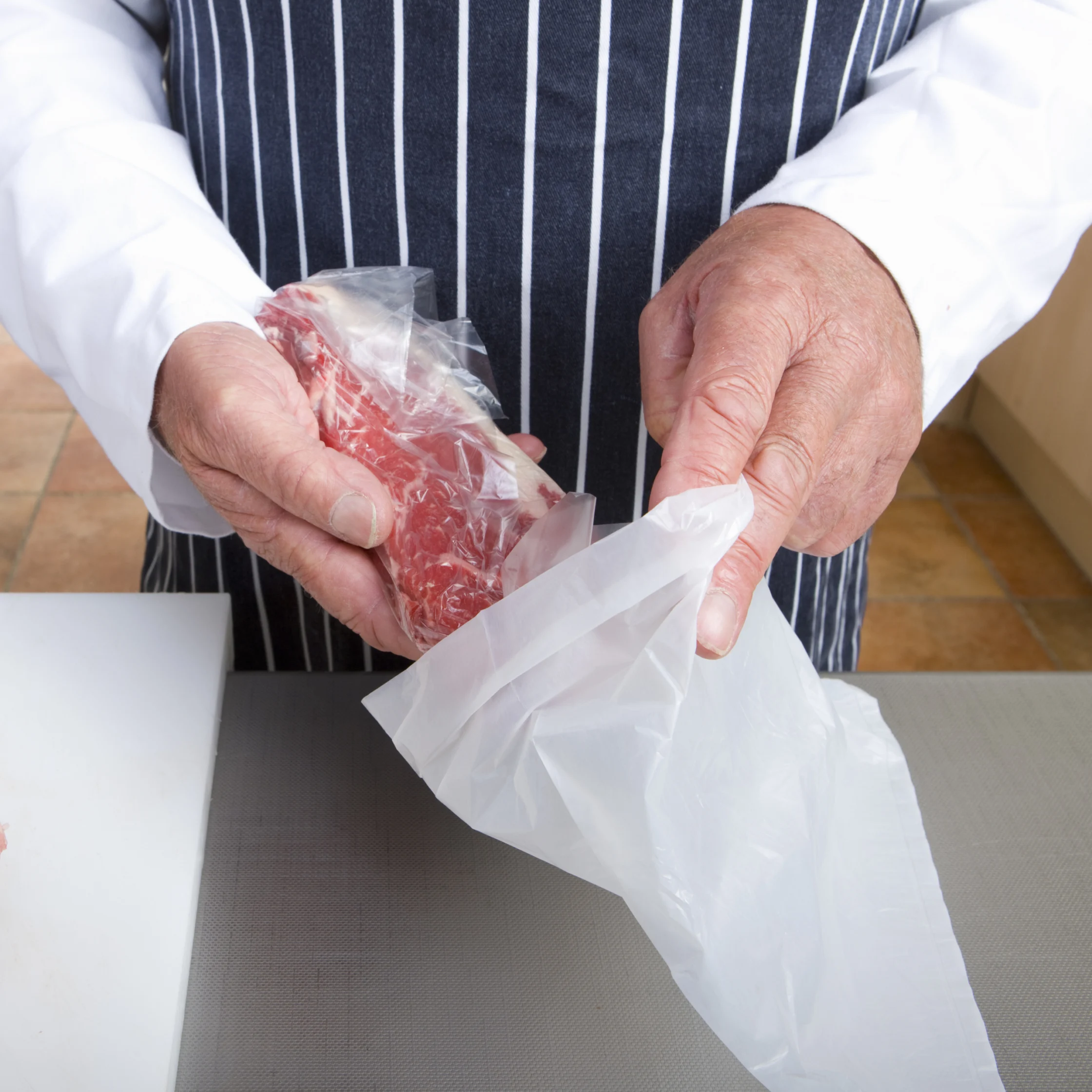
Place your pre-portioned meat inside the bag, then pour just enough marinade to coat the pieces thoroughly. Depending on what dish you are planning on eventually making, the overall ratio between marinade and meat would be about ¼ to ⅓ cup of marinade per pound of meat.
Once all the meat and marinade are in the bag, the most important step is to press out as much air as possible starting from the bottom moving toward the zip closure.
4. Freeze Flat for Quick Thawing and Easy Storage
How you arrange your bags in the freezer matters just as much as how you seal them.
Lay your sealed bags as flat as you can make them on a baking sheet or tray and place them in the freezer. Once they are fully frozen into flat “sheets,” you can opt to stack them in such a way that helps you save freezer space and keep overall frozen meat storage organized.
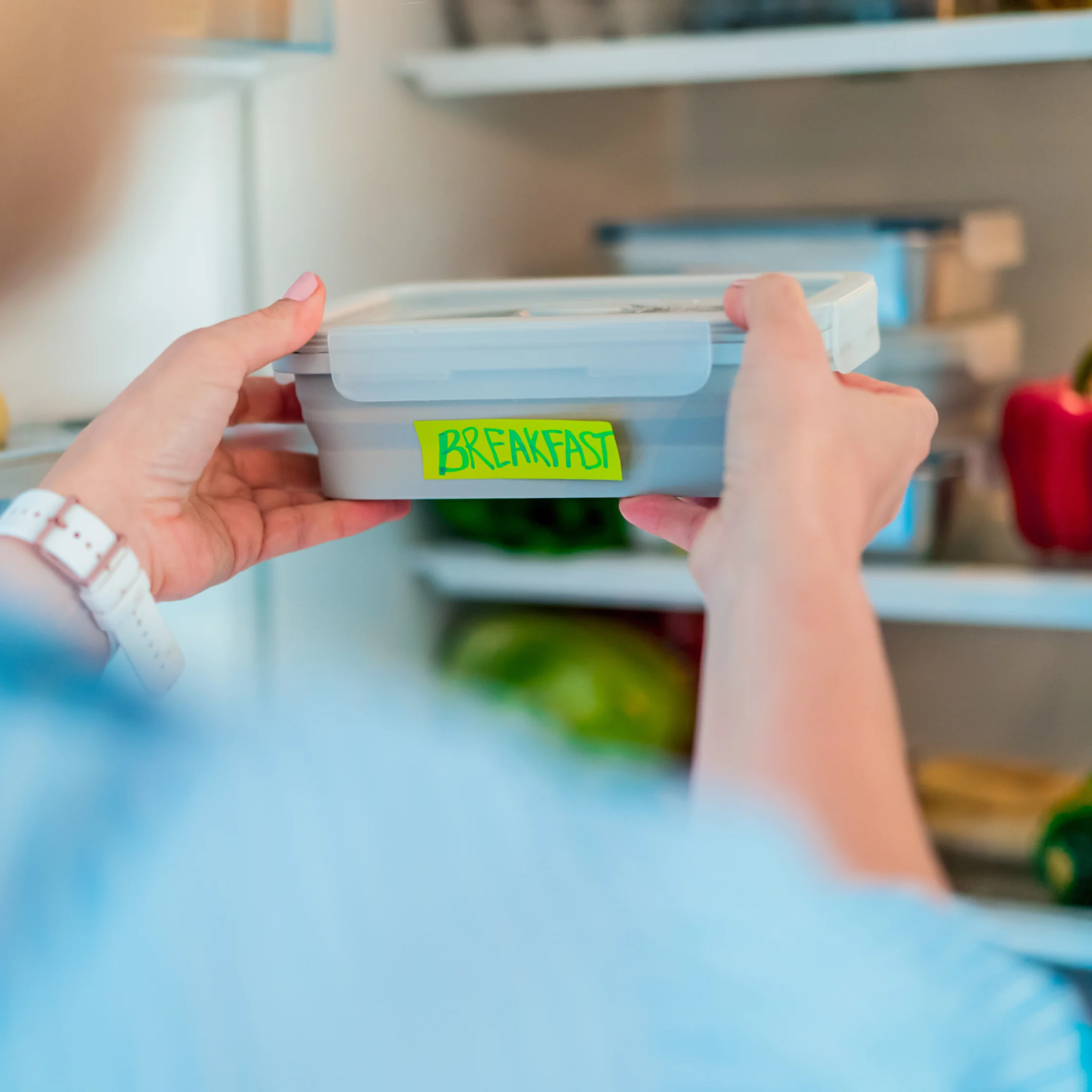
Another great tip is to always label each bag using masking tape and a permanent marker before storing. Putting labels such as the name of the dish or marinade, the date when it was prepared or when it will go bad, and the name of the intended cooking method or resulting meal is just another way to set your future self up for success.
5. Safe Thawing & Cooking Best Practices
The freezing process actually marinates the meat twice: first in the hours before it freezes solid, and again as it slowly thaws. The total time the meat spends in contact with the marinade before freezing and after thawing will directly impact its final texture and flavor.
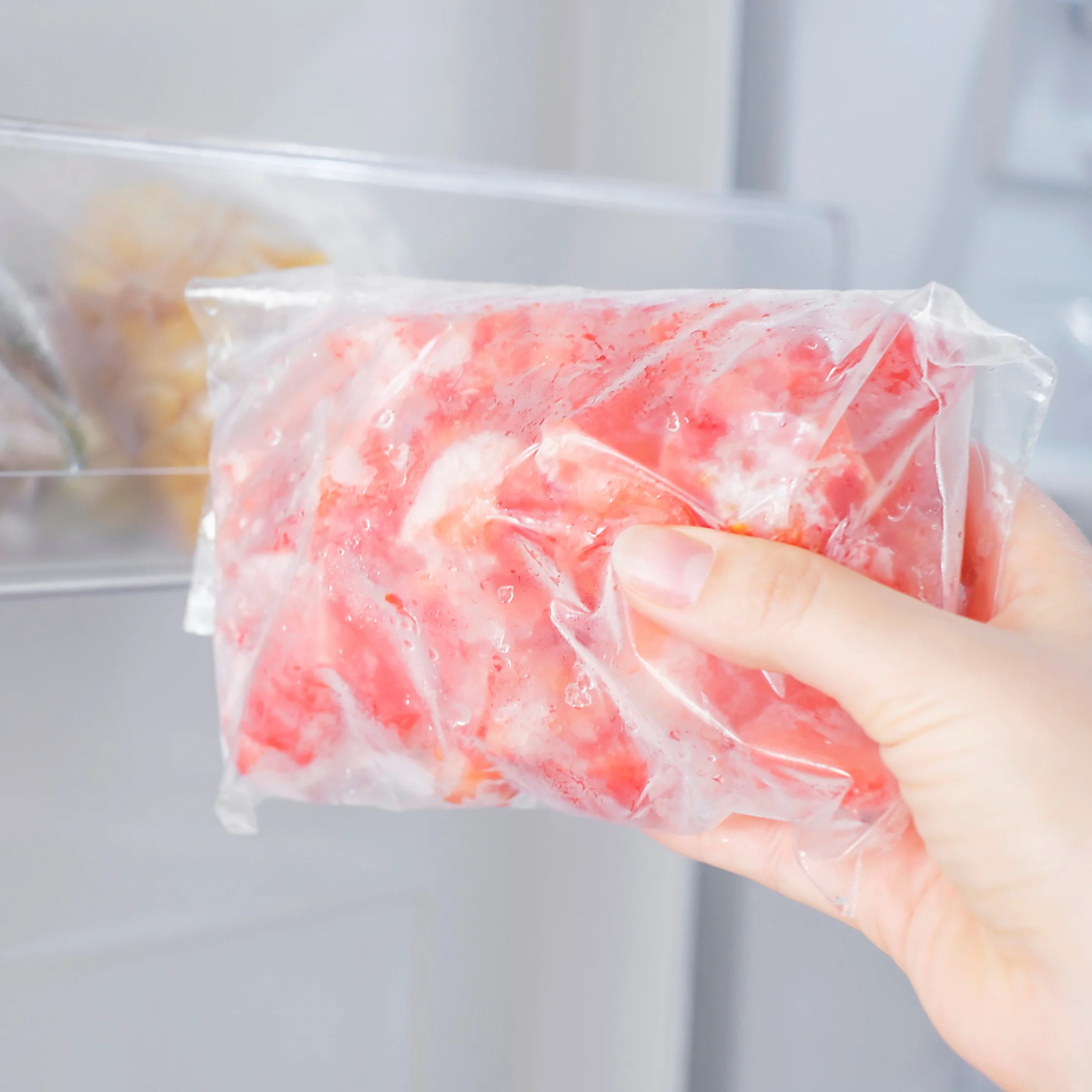
The safest and most effective way to thaw pre-marinated meat is to plan ahead and move it to the refrigerator 12 to 24 hours before you plan to cook. Transferring the sealed bag from the freezer to the fridge allows the meat to defrost gradually at a consistent, food-safe temperature. As it gradually thaws, the meat absorbs the marinade safely at controlled temperatures. Because the meat stays safely chilled throughout the process, you also gain cooking flexibility. If your dinner plans change, meat thawed in the fridge can safely remain there for an extra day or two before cooking.
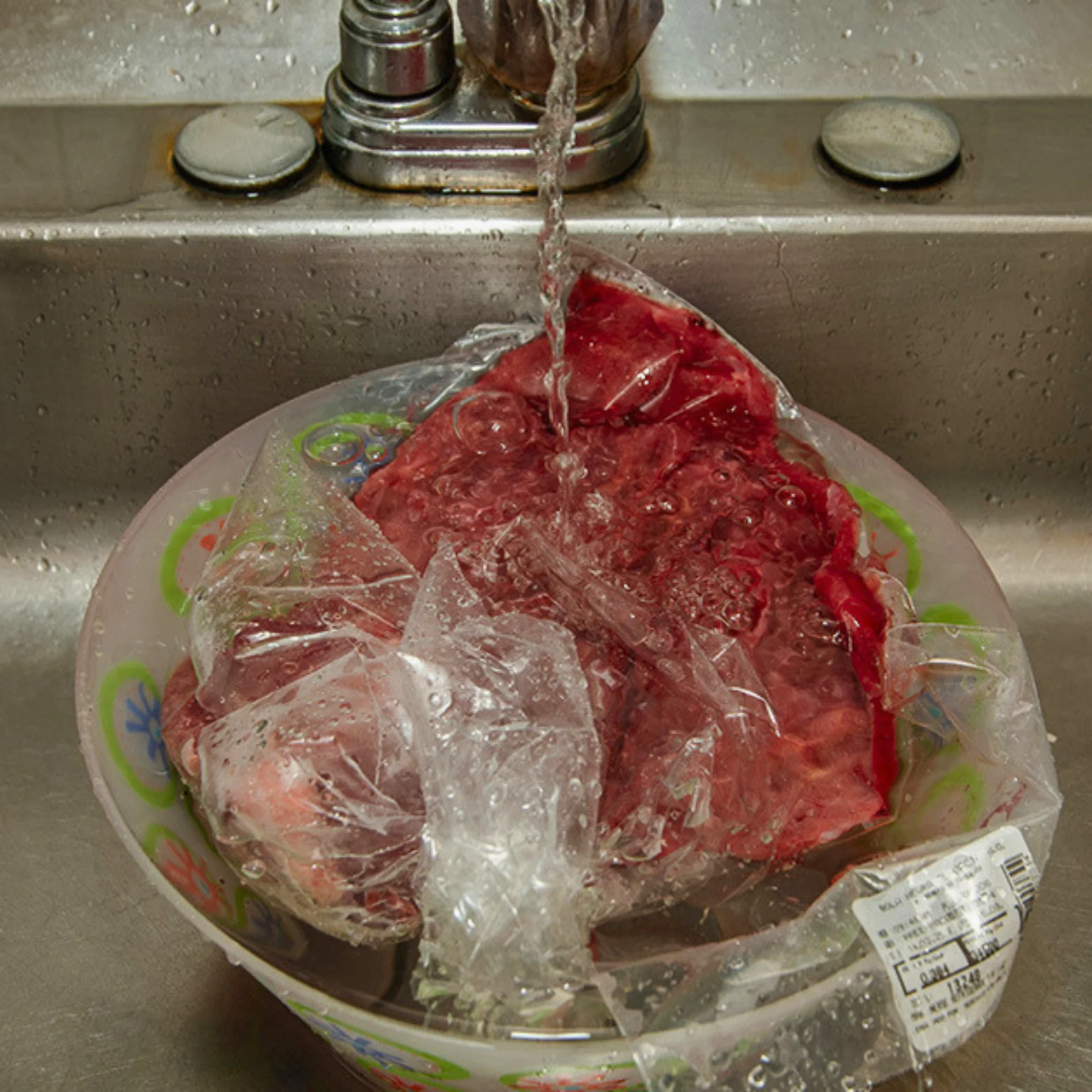
If you forget to pull your meal out of the freezer the night before, the quick cold-water method is your best fast-track solution. Keep the meat tightly sealed inside its leak-proof freezer bag and submerge it completely in a large bowl of cold tap water. To maintain a safe temperature and keep the defrosting process moving efficiently, change the water every 20 minutes. Single-portion bags usually thaw completely within 30 to 45 minutes, while larger family portions may take an hour or two.
While freezing meat in marinade stops bacterial growth and effectively pauses the clock on spoilage, flavor and structural quality still decline over time. For maximum flavor and texture quality, consume frozen marinated meats within 1 to 3 months. Over extended periods, high acid levels, salt content, and subtle air exposure can begin to break down the protein fibers, leading to a mushy texture or freezer burn.

Frequently Asked Questions
For peak flavor, moisture, and texture, frozen marinated meat is best consumed within 1 to 3 months.
Yes, high-acid marinades can compromise texture if left in contact with meat too long. Acids break down muscle fibers; while freezing slows this chemical process, it doesn’t stop it entirely. If you plan to keep meat in the freezer for longer than 2 weeks, use mild acids or rely primarily on oil, soy sauce, herbs, spices, and aromatics.
You can safely re-freeze meat only if it was thawed slowly inside the refrigerator and kept at a food-safe temperature.
However, re-freezing will cause moisture loss and may soften the texture due to double-thawing and prolonged marinade exposure. If the meat was thawed in cold water or at room temperature, cook it immediately before freezing any leftovers.
Never use warm or hot water to speed up the process, and avoid leaving meat to thaw at room temperature on the kitchen counter. Doing so pushes the outer layers into the dangerous bacterial “danger zone” long before the center thaws, compromising food safety and degrading the meat’s texture.
While you can technically cook thin cuts of frozen marinated meat, it is generally not recommended for large or thick cuts. Cooking directly from frozen leads to uneven cooking—the outside can overcook or burn while the interior remains underdone.