

Baking is often called an exact science, yet many of us still use measuring cups, an instrument hinged on estimates, whenever we make cakes and pastries. The variable lies on how hard you pack your flour or scoop your brown sugar, where a single cup can vary by up to 25% in weight. And can consequently result to a dense and dry disappointment.
Kris Edison Tan of Masa Madre Bakery says, “Better pa Rin with the scale as it will yield consistent grammar unlike with cups, it will be different all the time, like 10 to 15 grams ang variant. My scooping will be different from yours.”
That is precisely why a digital kitchen scale isn’t just an option—it’s the ultimate reliable measuring tool. Go for volume and not weight to ensure not just precision over unpredictability but also bakery-quality results every time.
1. Flour Compacts Are Unreliable
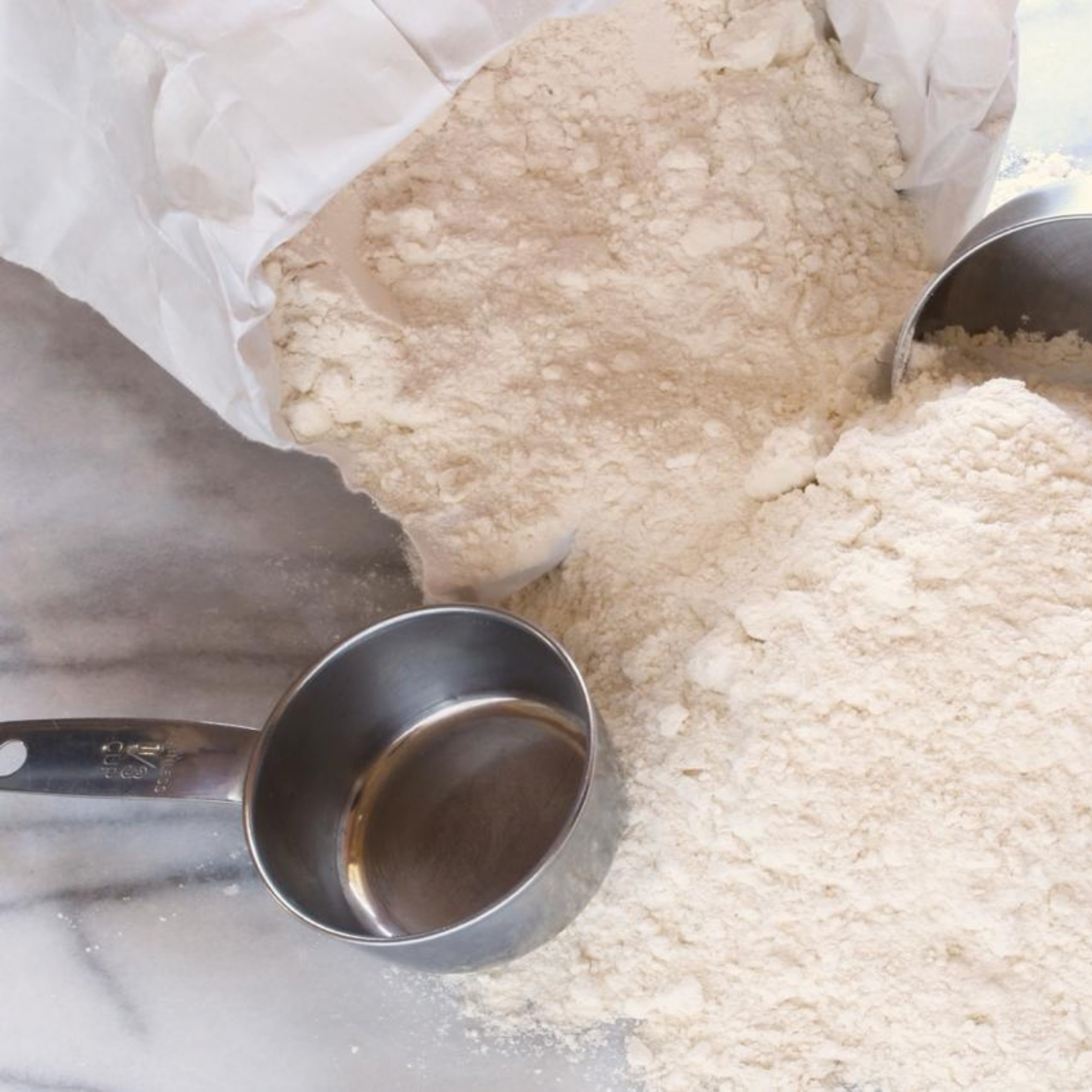
Measuring cups measure volume, not mass. Depending on how you scoop flour—whether you pack it down, fluff it up or scoop directly from the bag and into the bowl—a single cup can weigh anywhere from 120 grams to over 150 grams. That’s a 25% variance, which is often the difference between a light, fluffy cake and a dense, dry brick.
2. Precision Is the Key to Baking Science
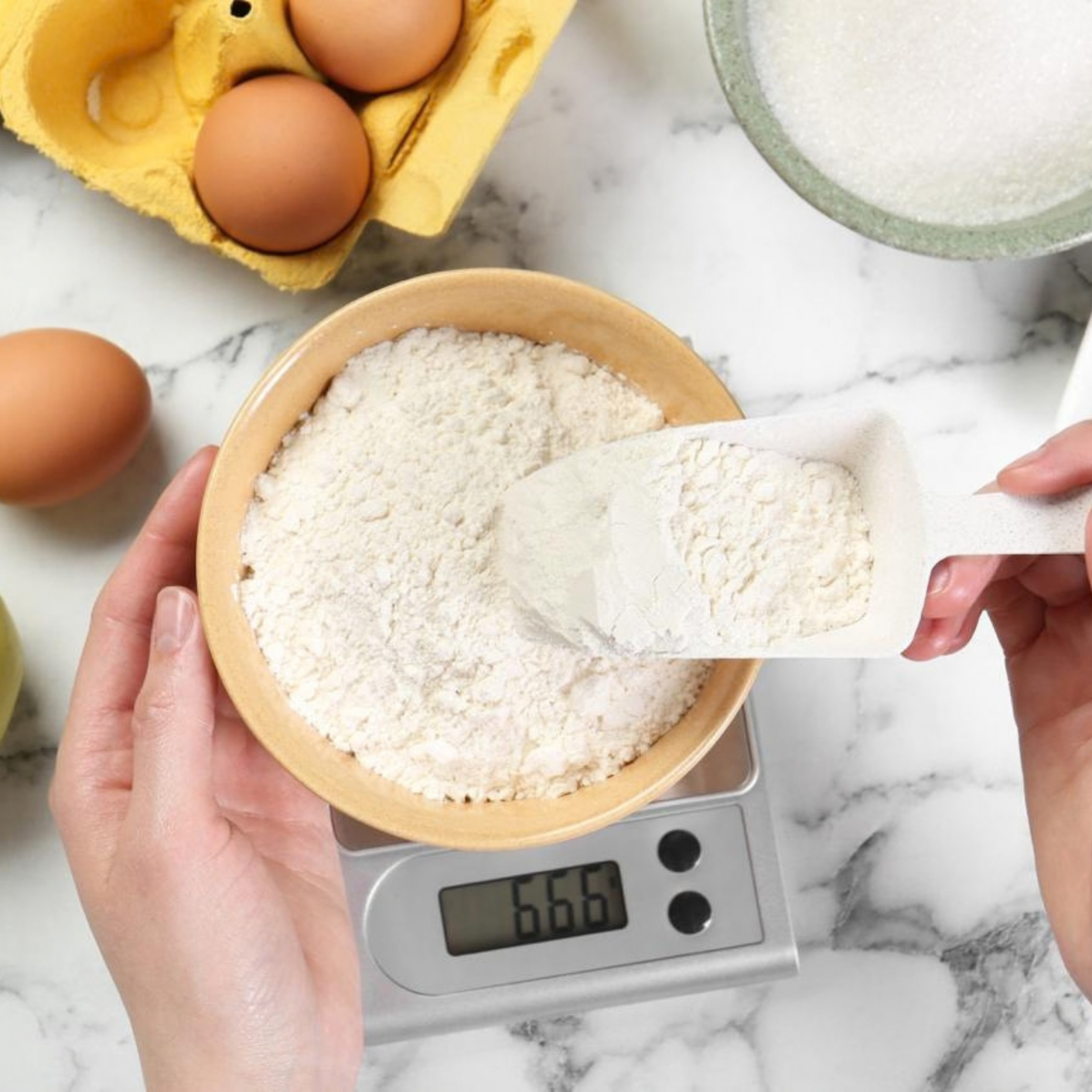
Unlike cooking ulam, where you can taste and adjust as you go, baking relies on precise measurements to ensure that the fats, liquids, starches, and leavening agents do their job properly. Weighing ingredients down to the exact gram guarantees the same chemical reactions every time, giving you consistent, reliable results.
3. It Handles Hard-to-Measure Ingredients Effortlessly
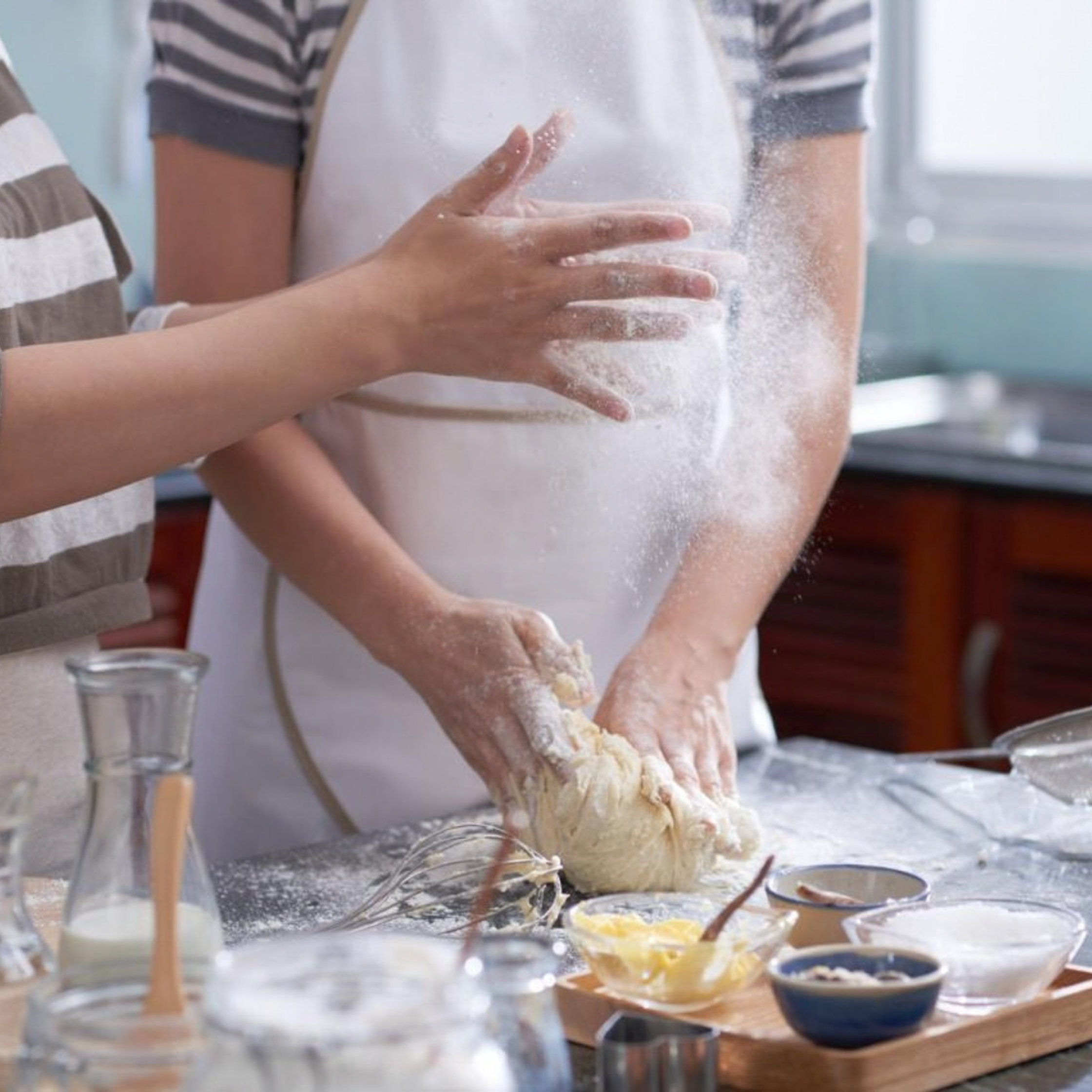
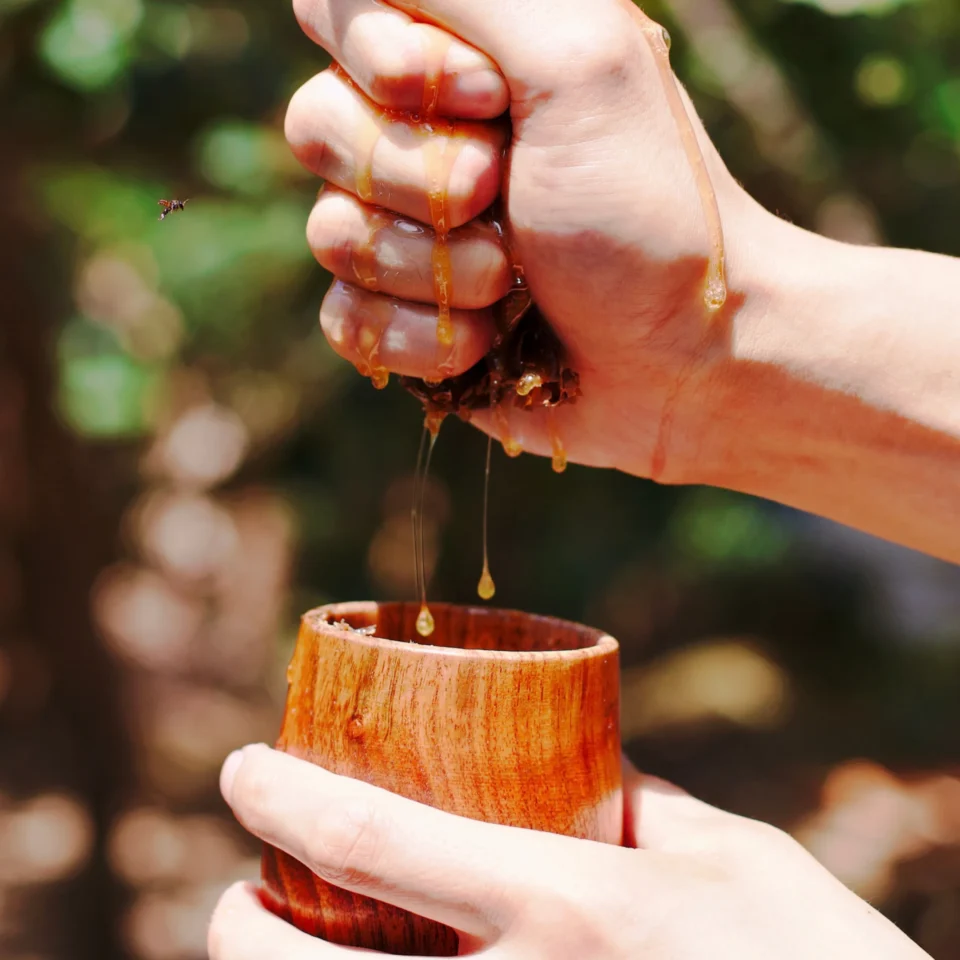
Have you ever measured peanut butter in a cup? And then realize that you have to use it for flour after? Hassle! Avoid the mess and the extra step of washing. On a scale, you just pour or drop them straight into your bowl until you hit the target weight.
4. Less Mental Computations

If you want to double or halve a recipe, multiplying grams is far easier and less prone to human error than calculating fraction-heavy cup measurements. Case in point: 300 grams is a lot simpler to halve than say, 1 1/4 cups, right?
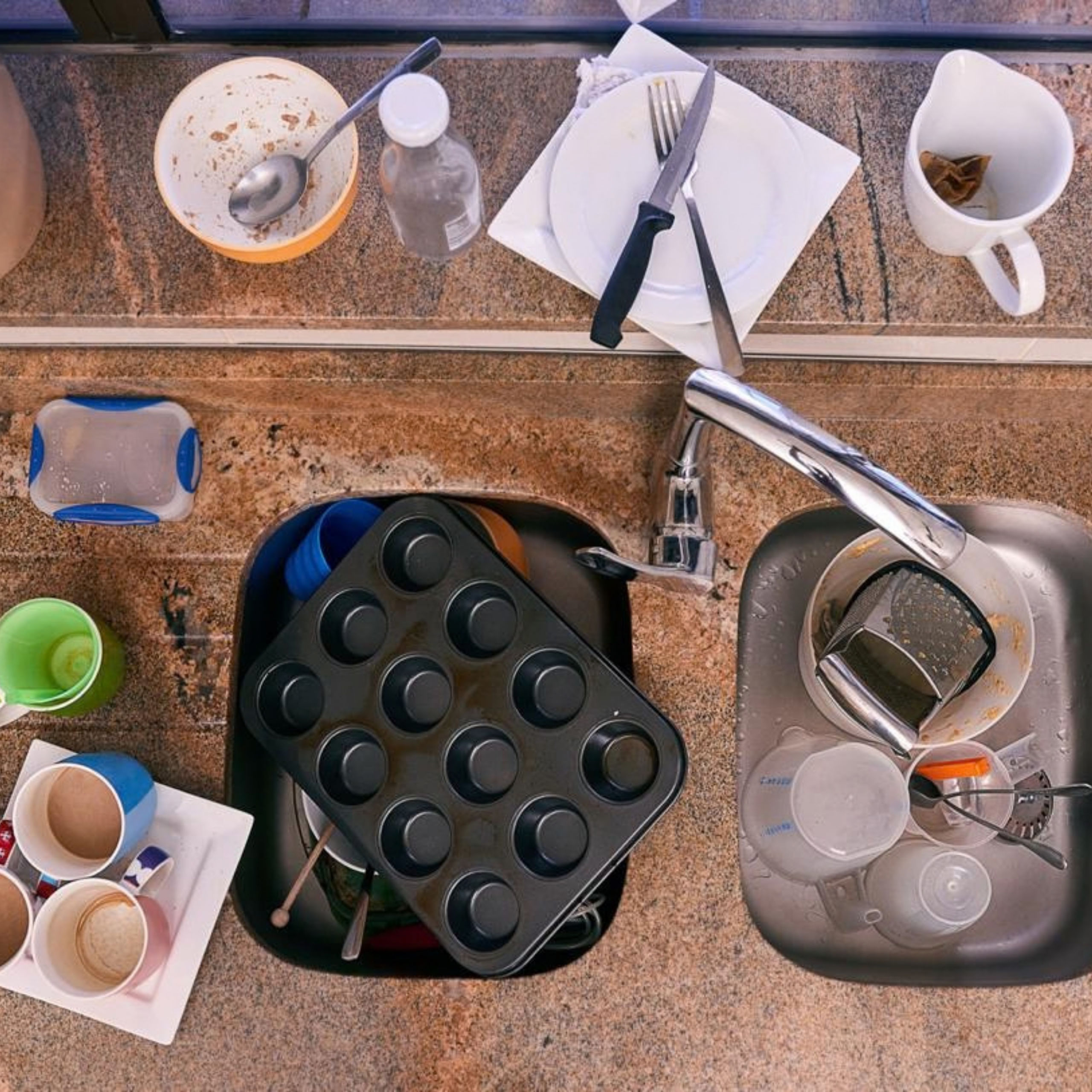
5. Fewer Dishes to Wash
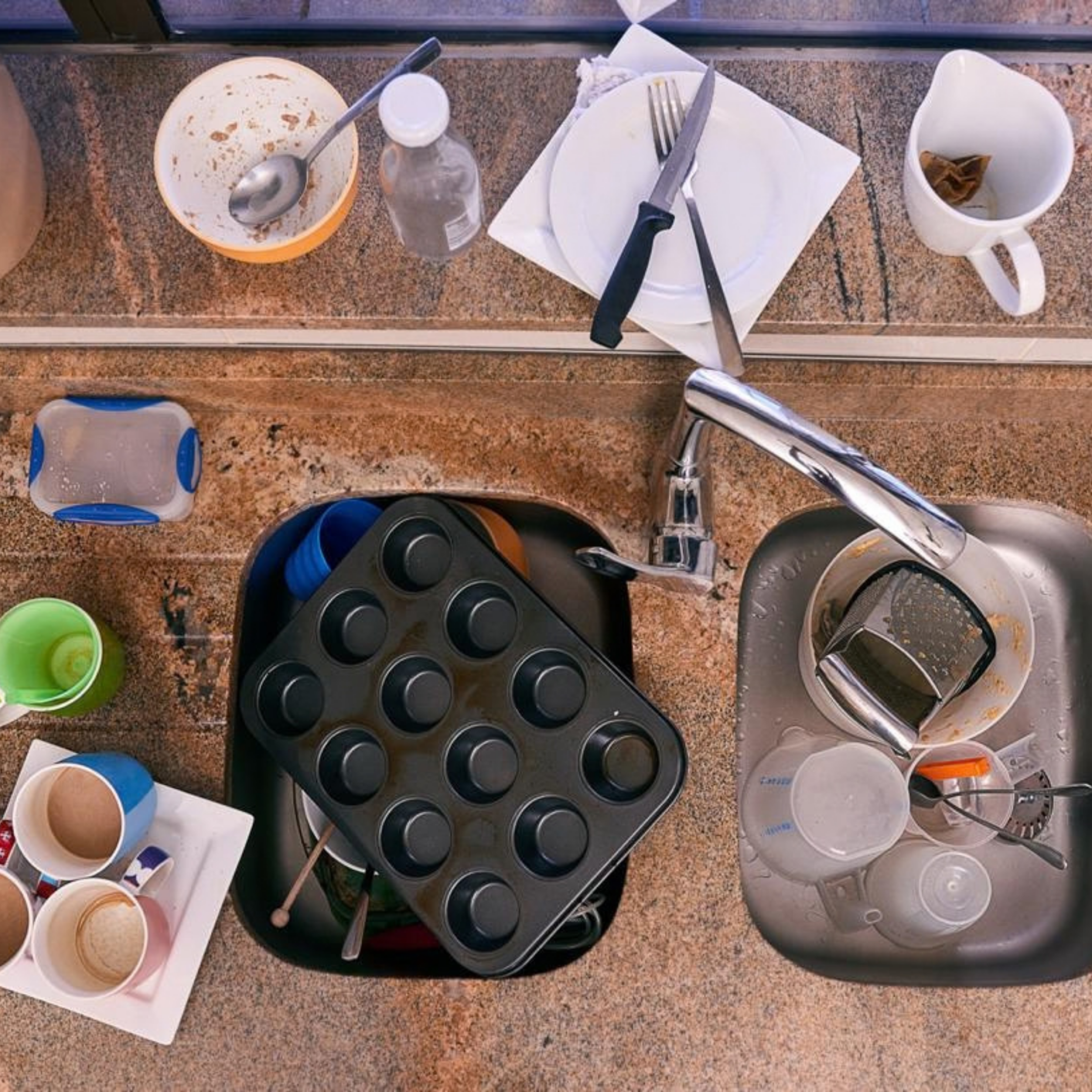
Instead of dirtying several cups and spoons, a scale simply lets you measure everything into a single bowl. You simply place your mixing bowl on the scale, press the “tare” (zero) button, add your ingredient, and repeat. Unless washing dishes is your therapy.

Frequently Asked Questions
Weighing ingredients gives you a more accurate and consistent measurement because it accounts for the actual mass of each ingredient.
A kitchen scale is not essential for every recipe, but it is highly useful for achieving more consistent baking results.
Place your mixing bowl on the scale, press the tare button to reset it to zero, then add each ingredient to its specified weight.
Yes, as long as you know the weight of each ingredient or can convert the recipe’s volume measurements into grams.