

There are few moments more awkward at a Filipino dining table than having to dance around who gets to enjoy the last piece.
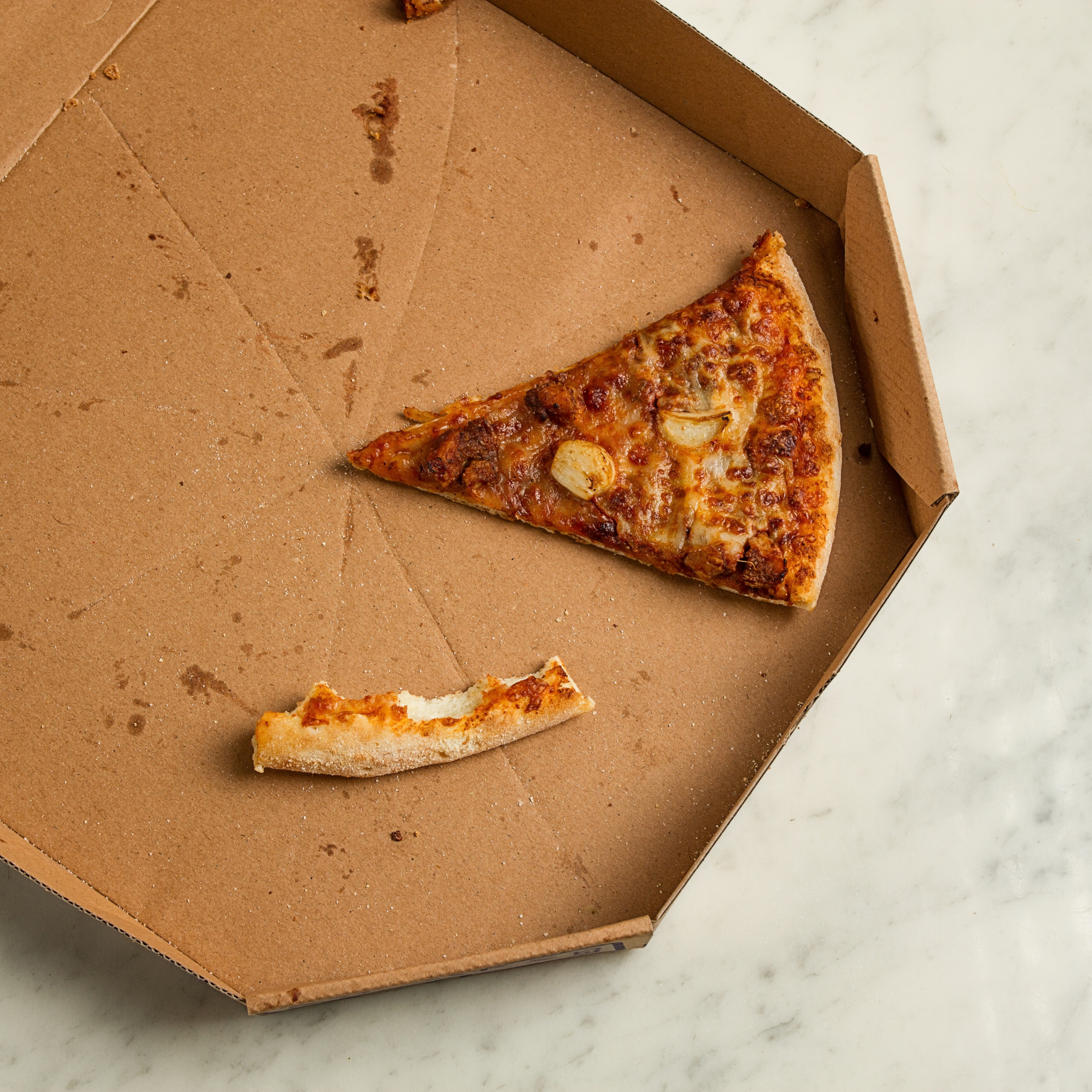
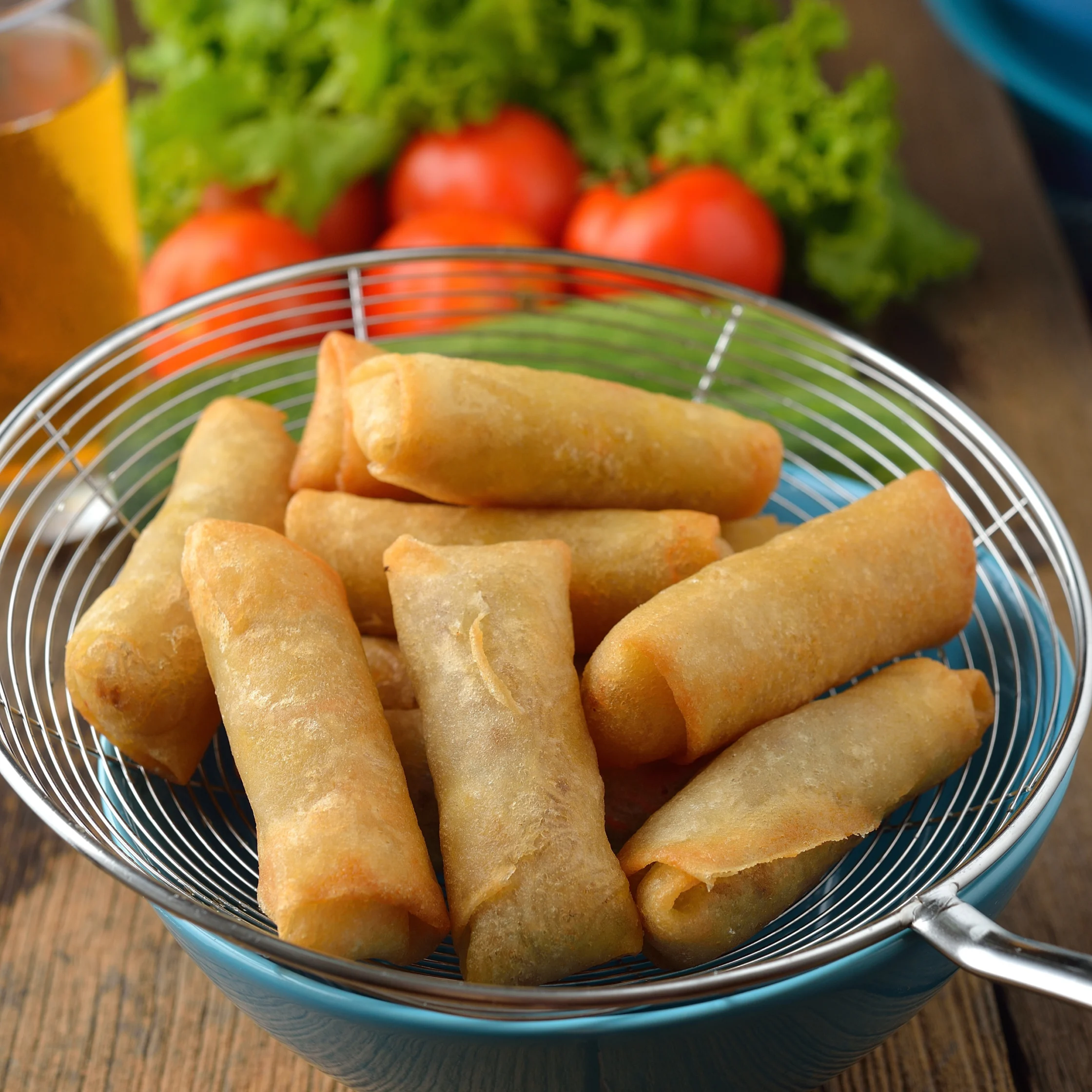
You’ve probably experienced it yourself. The meal is winding down, the conversations are still going, and while most of the plates have been wiped spotless, there’s still one lonely piece of chicken, one last lumpia, or that final spoonful of whatever everyone was happily eating five minutes ago.
But suddenly, nobody wants it. Or, more accurately, everybody wants it—but nobody wants to be the person who actually takes it.
That’s when everyone’s dreaded social showdown begins.
What makes the whole dilemma so interesting, though, is that it has very little to do with food. Technically, it’s just the last piece. But somehow, that final bite becomes a tiny test of how we behave around other people, forcing us to negotiate between what we want and what we think we should do.
And in a culture where offering food is often an expression of care, that negotiation can get surprisingly dicey.
The Last Bite Is Never Just the Last Bite
At the beginning of a meal, nobody thinks twice about grabbing another piece. There’s a whole plate of them sitting there, and taking one barely registers as a decision—until there’s only one left.
That’s when the equation changes. Even if everyone seems full, there’s always the possibility that someone else has been quietly saving it. So you look at the food without really looking at it, you keep the conversation going, and you wait.
This is where Filipino politeness gets interesting.
“Kayo na.”
“Ikaw na.”
“Sige, kunin mo na.”
What sounds like a simple exchange can turn into a tiny negotiation. The person offering it gets to be generous, the person refusing gets to be polite, and everyone at the table gets to pretend their own appetite is secondary.
The funny part is that the food could have been eaten three times over by now. But at this point, it’s the gesture that matters.
When Wanting Something Becomes a Social Risk
Taking the last piece too quickly can feel like announcing, I wanted that, and I don’t care who else did. Of course, there’s nothing wrong with wanting food. But when you’re sharing a meal, being too eager can somehow feel like breaking an unwritten rule.
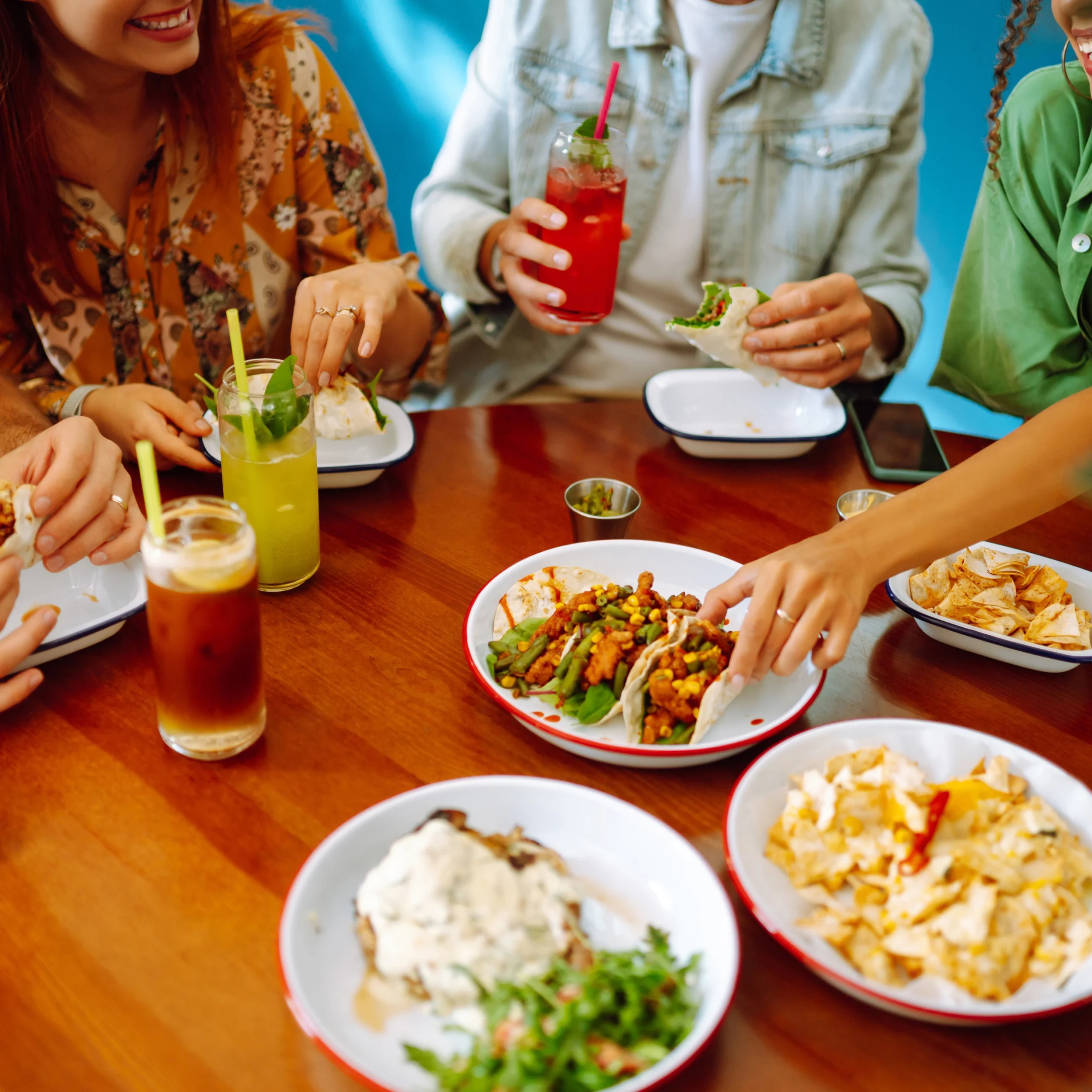
So we develop strategies, like waiting until everyone says they’re full, asking if anyone wants it, offering to split it, pretending to not notice, or my personal favorite, waiting for someone else to insist that you take it. It’s not exactly deception—it’s etiquette with a little choreography.
Eventually, someone usually breaks the standoff. The last piece disappears, everyone moves on, and the table returns to normal. Which makes you wonder, why did we make such a big deal out of one piece of food in the first place?
Maybe because these little rituals teach us something about sharing space with other people. We learn to notice who might want something, offer before taking, and sometimes give up what we want just to make someone else comfortable.
Of course, there are still limits to politeness. If everyone has said they’re full, nobody is reaching for it, and the table has spent five full minutes collectively refusing to make a decision, someone has to ask the obvious question: Sino ba talagang may gusto?
Huling Subo, Huling Say
There’s something funny about the contradiction at the heart of the tradition. A meal is supposed to be about abundance and generosity, yet somehow one last lumpia can turn everyone into a group of overly considerate negotiators. But maybe that’s precisely why the last bite feels different.
When food is shared, it becomes more than just food. Meals are also about reading the room, making space for others, offering what you have, and figuring out how to coexist around the same table.
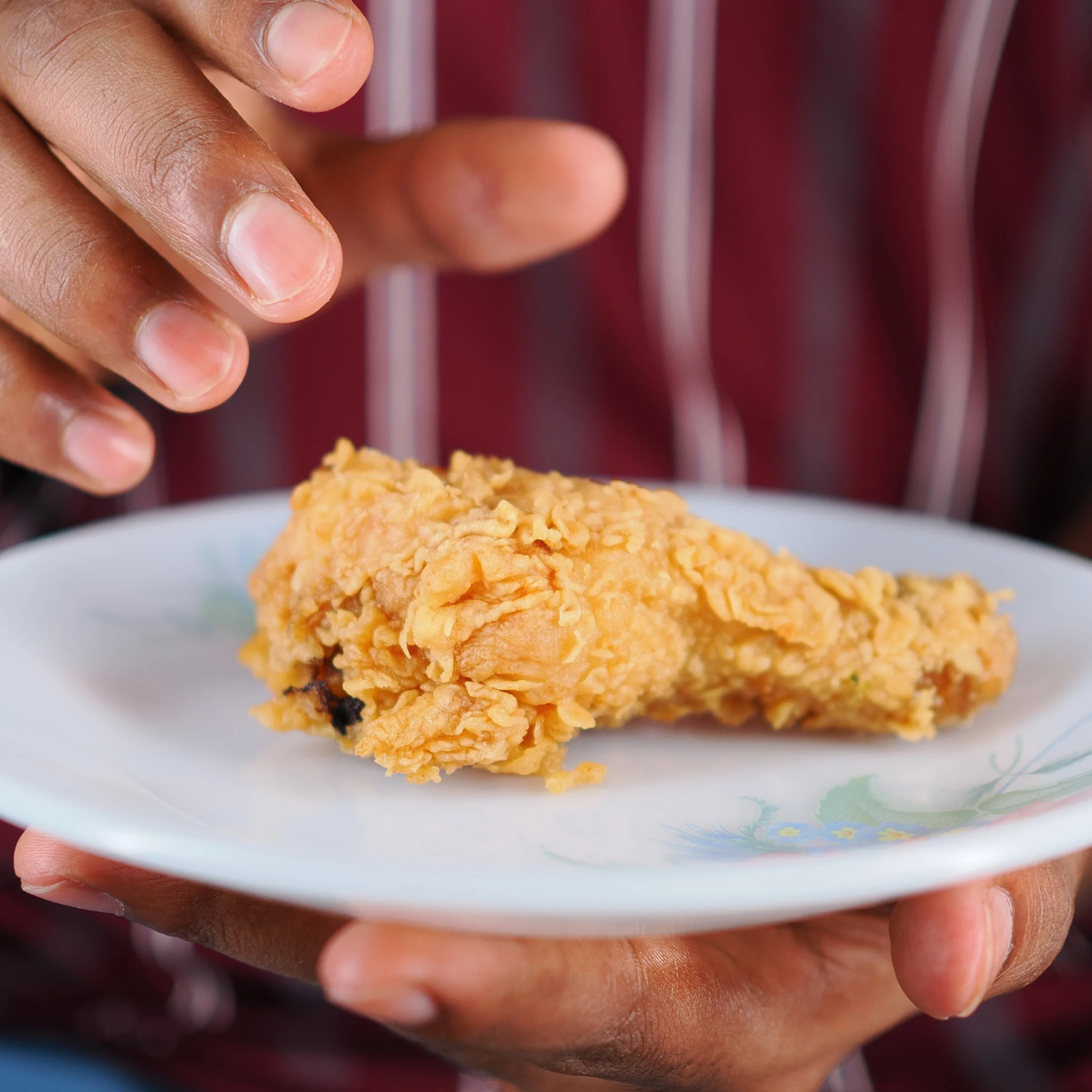
Still, sometimes you just want the last lumpia—and there’s absolutely nothing wrong with admitting that.
Because maybe the real social skill isn’t always politely refusing. Sometimes, after all the “Kayo na” and “Ikaw na,” it’s simply knowing when to say, “Sige, akin na lang.”

Frequently Asked Questions
In many Filipino families, hesitating over the last piece is a way of showing consideration for others. Asking if anyone wants it first reflects the importance placed on sharing, hospitality, and politeness during meals.
“Kayo na” roughly means “You take it” or “You go ahead.” At the dining table, it can be used to offer the remaining food to others while politely avoiding taking it for yourself.
The last piece can become a small social negotiation because taking it without asking may feel overly eager. Offering it to others first allows people to show consideration and generosity.
Filipino food etiquette often emphasizes sharing, offering food to others, making sure guests have enough to eat, and being considerate at the table. Practices can vary between families and generations.
The last piece shows how Filipinos balance personal wants with consideration for others at a shared meal. These small rituals teach people to notice who might want something, offer before taking, and make space for others, while still allowing someone to say “Sige, akin na lang.”