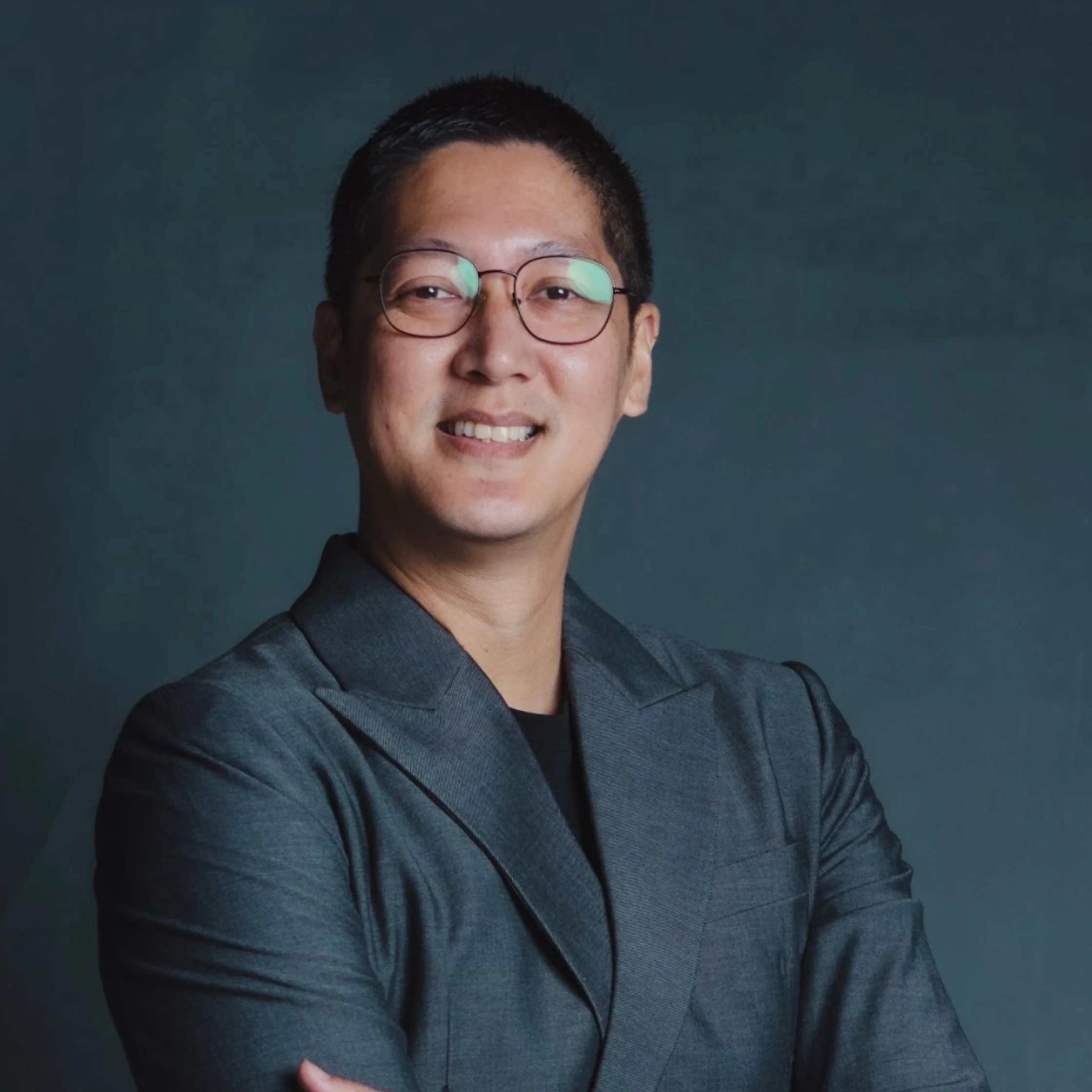


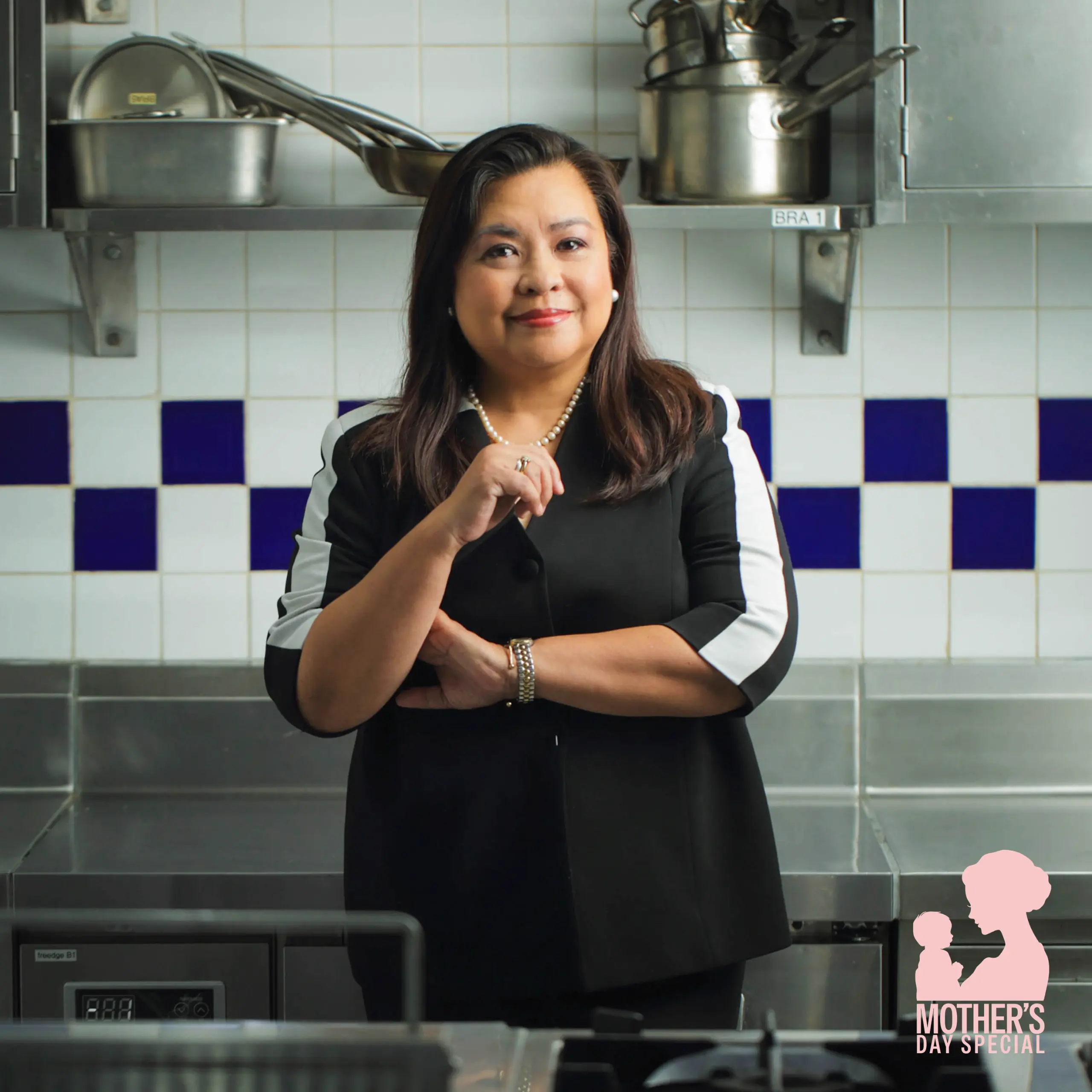
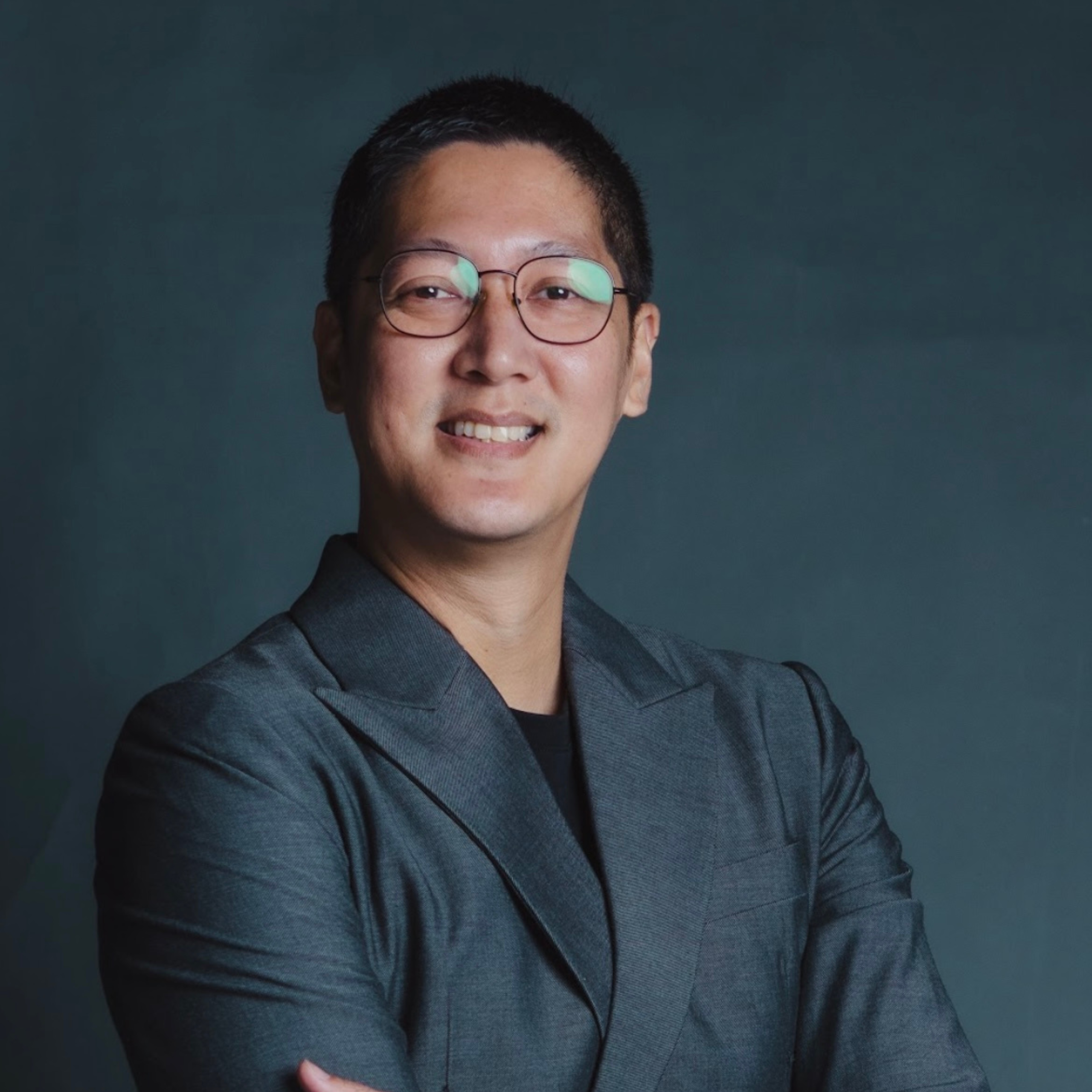
Liza Morales has been with Le Cordon Bleu – Ateneo from the very beginning, since 2019 to be exact. As the institute director, she ensures that overall operations is well-oiled and all school concerns are properly addressed. And those are just a few of the many hats she wears.
“I also handle program development together with technical director [chef] Cyrille Soenen. Also, the strategic direction of Le Cordon Bleu – Ateneo,” she says. “I stand as the figure head. When students are in trouble, I’m the principal. When it comes to budgeting, planning of resources, then I act as the general manager.”
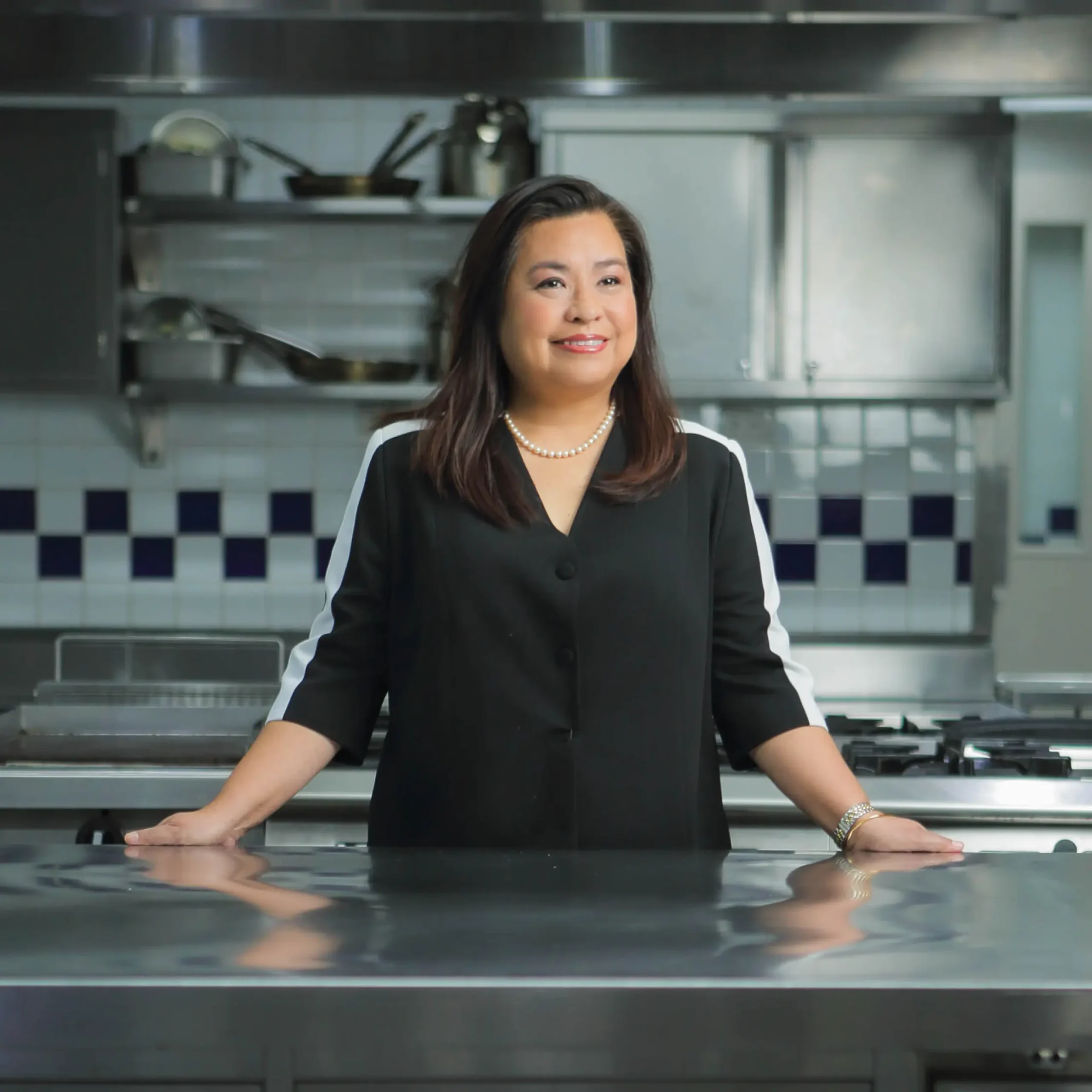
Liza is definitely qualified for the job. Apart from fulfilling a similar role from another culinary school for 10 years, she occupied senior executive positions in various luxury resorts in the country for a cumulative two decades. She has a strong food and beverage background as well as executive managerial skills. “As a culinary school director, I am not just handling academics and operations, I mentor, provide career advising, and sometimes even emotional support to our students.”
Maternal instincts at play
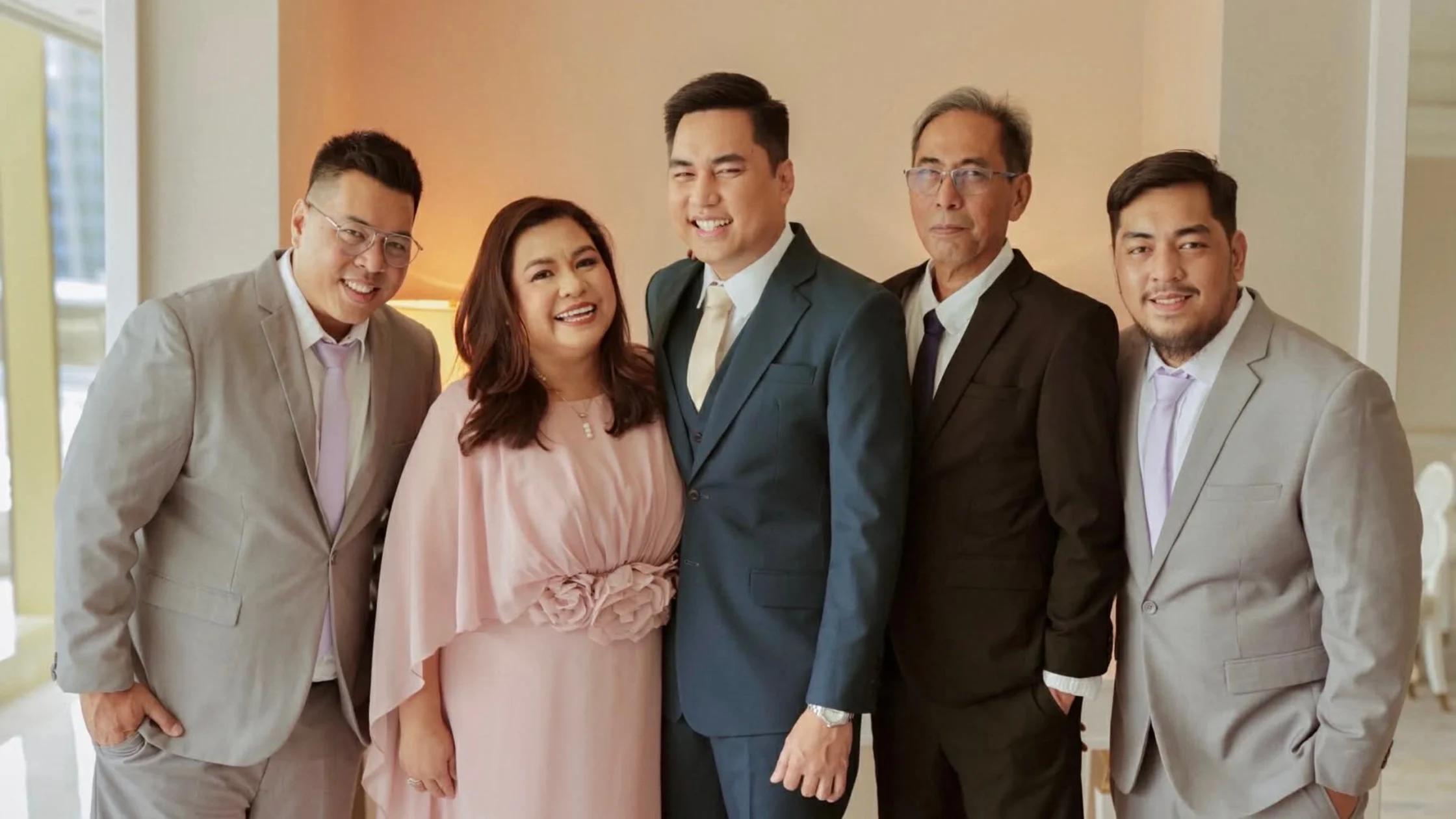
Being a “mother” to their students is another role she’s got plenty of experience in. As a mom to three grown up sons—Chryso, Coco and Dale—and a hands-on grandmother to two kids—Ever, 4, and Jacob, 1, Liza certainly knows the ropes as this isn’t her first rodeo. In fact, she sees motherhood and her job as overlapping.
“In both roles, you are instrumental in shaping and building individuals. In my roles as a mother, grandmother, and school director, I have the responsibility and the opportunity to influence work ethic, integrity, and standards, amongst others. Making them accept and appreciate the importance of consistency and discipline,” she says.
“In all roles, they look at me as a ‘leader’ and this is something I value strongly. As a leader, I do my best to show model behavior,” she says. “Values that are important in life—and which I’ve learned through decades—are what I aim to share. Values that are important in their careers and personal lives such as being calm and thinking straight under pressure, [as well as] grit and persistence—[all] which are needed in the kitchen.”
Her job might be demanding and challenging, but the reward makes everything worth it. Witnessing the graduates occupy good positions in the industry and open their own F&B businesses as well as seeing those they’ve mentored succeed and contribute to the economy and industry gives her a sense of fulfillment. “Especially if they still carry the values that we taught them,” she adds.
Top 5 Tips on How to Best Nurture Culinary Students
The director, much like teachers, have a profound impact on student development, be it academically or individually. Not only do they shape school culture, but also influence their long-term development—from skills to values. Liza Morales shares her checklist on how to be the best at what they do.
1. Selfless Mentorship Over Personal Ego
Drop your ego. For me, one can only be a really effective mentor if he or she can focus on the mentee’s growth instead of thinking of what benefits he or she can get from the teaching relationship.
2. Leveraging Real F&B Career Experience
The most effective mentors are those who teach and nurture based on what they have learned through actual life and career experience. One can’t pour from an empty vessel.
There are so many things I am just learning and realizing now that I’m in my ripe age of 56. I tell my children: don’t resist these lessons I’m sharing with you as these are hard-earned wisdom. I didn’t know these things in my 20s, 30s or 40s. So accept and use them so that you don’t have to go through the same mistakes I made. It’s a short cut and a toolkit.
3. Adapting to Fast-Paced Hospitality Trends
We live in such a fast-paced world. Technology, taste, trends change so fast. It’s easy for middle aged people to just give up and stick to what they know. That’s wrong. You are not doing your students right if you insist on not adapting to the times. The culinary and F&B world is ever evolving worldwide. As a mentor, you have to be updated and knowledgeable of these developments.
4. Building Industry Professional Connections
The role of professional relationships in the F&B world and in business in general is crucial. Develop and nourish good relationships with chefs, restaurateurs, hospitality practitioners, suppliers and media. I teach this to our students and we expose them to these personalities early on.
5. Modeling Modern Kitchen Leadership Styles
Instill the critical and necessary skills of listening, good communications, empathy, clear goals, teamwork and support of others. We are training our students to become future leaders in the kitchen and in the F&B world, it is our responsibility to mold them to be nurturers, mentors and good leaders. The kitchen work culture is fast-changing. Gone are the days of tyrannical head chefs who publicly humiliate, bully, scream at subordinates, and disrespect boundaries. These are now unacceptable behaviors in the kitchen and in the business world. We want our students and alumni to be modern kitchen-ready and not stuck to the dinosaur era. Old style behaviors like that will lose them clients and good employees.
Frequently Asked Questions
Liza Morales is the institute director of Le Cordon Bleu-Ateneo. She has been with the culinary school since its launch in 2019 and oversees academics, operations, strategic planning, and student development.
Before joining Le Cordon Bleu-Ateneo, Morales spent 10 years in a similar leadership role at another culinary school, and around 20 years in senior executive positions at luxury resorts in the Philippines. She also has a strong background in food and beverage management.
Mentorship helps culinary students develop not only technical cooking skills but also professionalism, discipline, leadership, and emotional resilience needed in the food and beverage industry.
The school combines culinary training with mentorship, industry exposure, leadership development, and networking opportunities with chefs, restaurateurs, suppliers, and hospitality professionals.
Morales believes both motherhood and culinary leadership require patience, guidance, emotional support, discipline, and the ability to inspire others to become confident and responsible individuals.