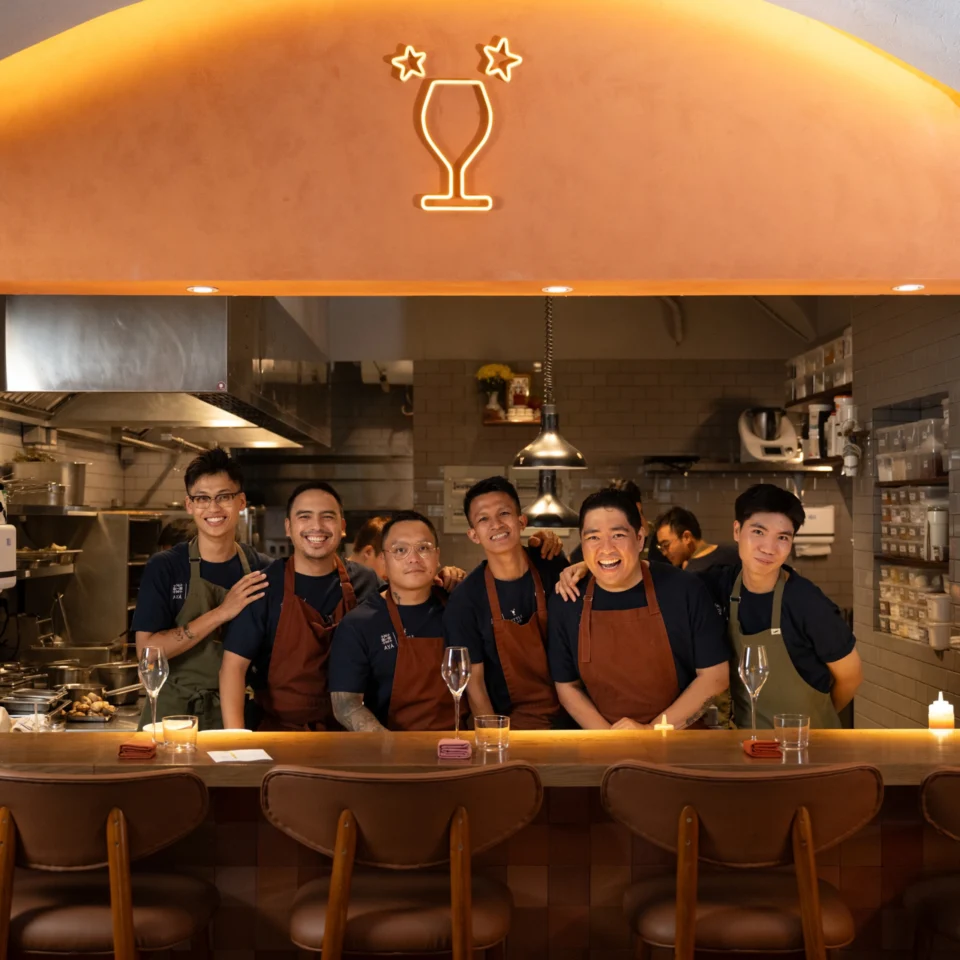


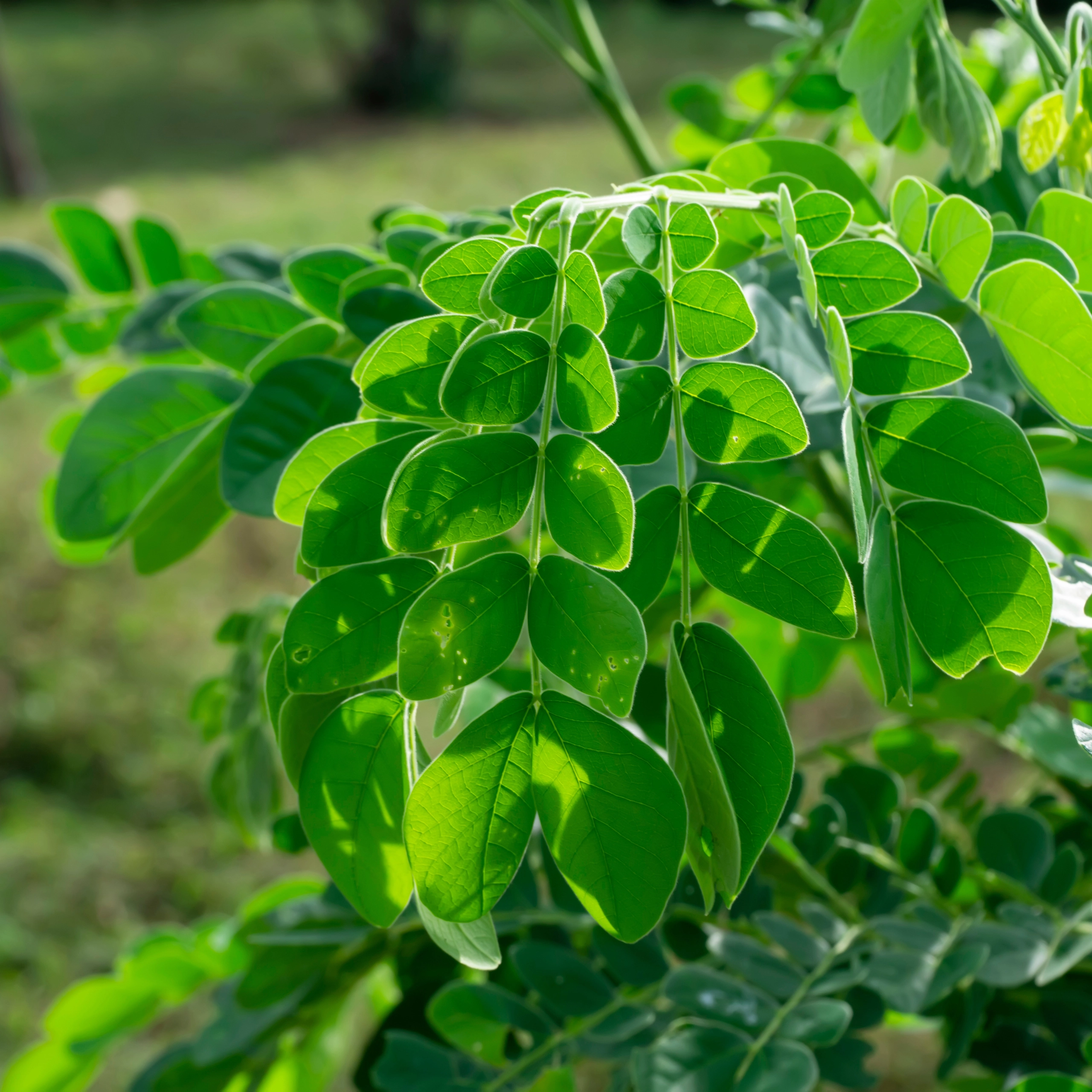
Some Filipinos have the strange habit of always preferring something foreign. Imported snacks feel more premium. Foreign skincare feels more effective. Even in food, Filipinos often only start paying attention when something becomes popular abroad first. As a result, the things that easily grow around us often become the things we value the least. Malunggay is one of the best examples.
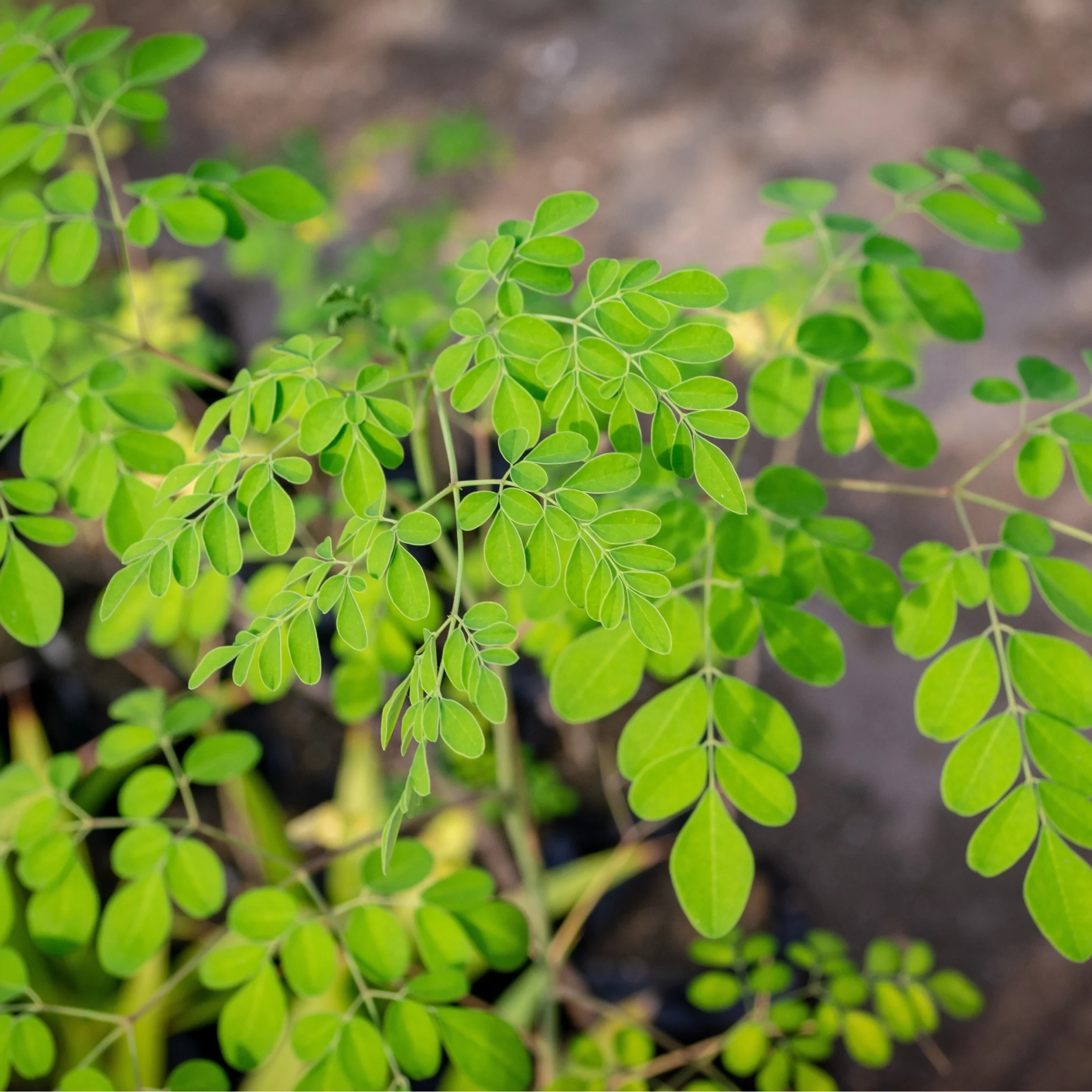
The bright green, fern-like plant is a familiar sight in many Filipino neighborhoods, growing in backyards, creeping along walls and fences, and lining both paved streets and dusty roads. It’s also remarkably resilient, withstanding intense heat, heavy rain, and even long periods of neglect. So for many families, malunggay has always been there, simple and familiar.
What is Moringa Oleifera and Its Market Value?
For generations, Filipino households understood the value of malunggay without ever needing buzzwords or fancy marketing campaigns to explain it. They added it to meals simply because it was nutritious, affordable, and easy to grow. It was a practical part of everyday life—something trusted, familiar, and always within reach. But somewhere along the way, Filipinos stopped paying attention, while the rest of the world started noticing.
Today, malunggay, or Moringa oleifera, has become well known globally for its wellness benefits. Rich in nutrients, antioxidants, and fiber, it’s been linked to stronger bones, better eyesight, reduced cravings, and other health benefits. In many countries, the plant is now even marketed as a nutrient-rich “superfood,” sold in capsules, powders, teas, drinks, and even skincare products. And while already worth billions of dollars, the industry is expected to be worth around $18.2 billion by 2030 as global demand increases
While Filipinos casually walk past malunggay trees every day, other countries are busy turning the same plant into a premium wellness product. That contrast says a lot.
Want more dishes using malunggay?
Check out Davao’s Law-Uy or try Tinolang Bangus sa Batwan!
The Challenges and Opportunities for Local Farming
What makes the situation even sadder is that the Philippines already has a natural advantage. Malunggay grows easily in the country’s climate, requires relatively little maintenance, and is already indoctrinated into Filipino food and culture. Very few countries can say that about a globally in-demand ingredient. Yet despite this, it’s unfortunate that the local industry around malunggay remains surprisingly underdeveloped as production remains small scale, and facilities limited. Some locally sold malunggay powders and supplements even rely on imported ingredients because the chain is more established abroad than it is at home. This means the country is missing a larger opportunity—not just for exports or business, but also for nutrition, farming, and local livelihoods.
But steps to bridge this gap have been taken with the Moringa Bill, a bill whose main purpose is to position the country as a leading exporter of malunggay by streamlining the production process through better research, farming support, and market development. The proposal reflects a growing realization that the country can’t afford to ignore an industry that is already thriving globally— because a stronger malunggay industry could create more income for farmers, bolster food supplies, while still providing affordable nutrition to the communities that need it the most. Instead of simply selling fresh leaves, local businesses could also process malunggay into powders, snacks, drinks, and other products that could potentially have value.
Unlocking the Economic Potential of Local Moringa
Perhaps the biggest irony about malunggay is that Filipinos already had it long before the world called it a “superfood.” If the same plant had first arrived from another country with expensive packaging and a foreign label, many people would probably see it differently—but value doesn’t just disappear because something is common.
As the rest of the world rushes to turn malunggay into a billion-dollar product, the Philippines still treats it like background scenery. Yet this humble plant has always been more than just that. It has nourished Filipino families for generations, growing freely in the very places people stopped paying attention to. The opportunity is already here, its roots already burrowed deep in Filipino soil. The question now is whether Filipinos will finally learn to value what was in front of them all along.

Frequently Asked Questions
Malunggay, also known as Moringa oleifera, is a nutrient-rich plant commonly grown in the Philippines. Its leaves are widely used in Filipino dishes like tinola and monggo and are also processed into powders, teas, capsules, and wellness products.
Malunggay is rich in vitamins, minerals, antioxidants, and fiber. It has been associated with benefits such as improved nutrition, stronger bones, better eyesight, and overall wellness, which is why many countries market it as a superfood.
In the Philippines, malunggay is often added to soups, monggo, noodles, bread, and other meals. Globally, it is also used in powders, supplements, teas, drinks, protein products, and skincare items.
Yes. The global moringa industry is already worth billions of dollars and continues to grow as demand rises for plant-based wellness products and natural health supplements.
The Philippine Moringa Bill is a proposed bill that aims to strengthen the country’s moringa industry through better research, farming support, processing facilities, and market development.