


For a long time, luxury in dining had something to do with distance—the farther the source of an ingredient, the more prestigious it seemed: uni from Japan, truffles from Italy, caviar from Europe, foie gras from France. But that notion seems to be changing as a growing number of chefs are building their market basket much closer to home.
Instead of chasing what the rest of the world deems highly prized, they are returning to indigenous ingredients, from native seasonal produce, heirloom grains and wild herbs to fermented staples and regional flavors that have existed long before modern restaurant culture in the country existed.
Why More Chefs Are Choosing Indigenous Ingredients Over Imported Luxury
A deep and genuine search for identity is partly responsible for this. That’s why chefs, especially the young ones, are more driven in understanding what makes our food distinctly Filipino. Libas in Visayas, tabon-tabon in Mindanao and etag from the Cordilleras—these homegrown ingredients provide something foreign indulgences can’t. And that is a sense of place.
Apart from that, they also carry with them longtime farming traditions, geography and rich history, and stories from communities that have their own culture. All these we need to preserve and value.
The use of these local produce are helping the famers’ livelihoods as well and promote sustainability as indigenous crops are naturally adapted to the local environment, making them more resilient to changes in the country’s weather.
Patrick Go of Your Local, Lanai and Lazy Suzy says, “It’s beneficial for all of us to start using these kinds of ingredients because once we start increasing the demand for these local items, we would be helping the local producers to sustain and to keep producing these types of rare products.”
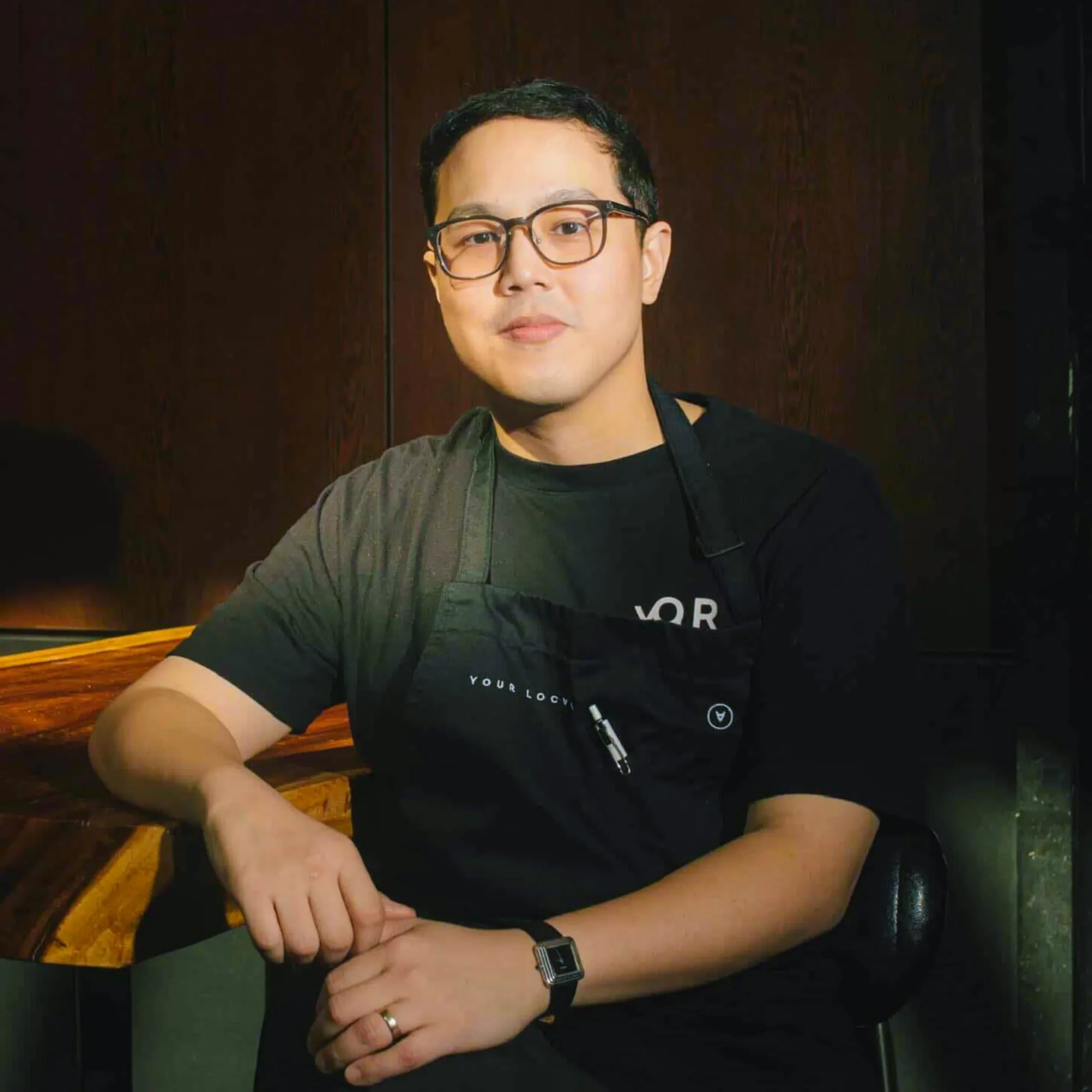
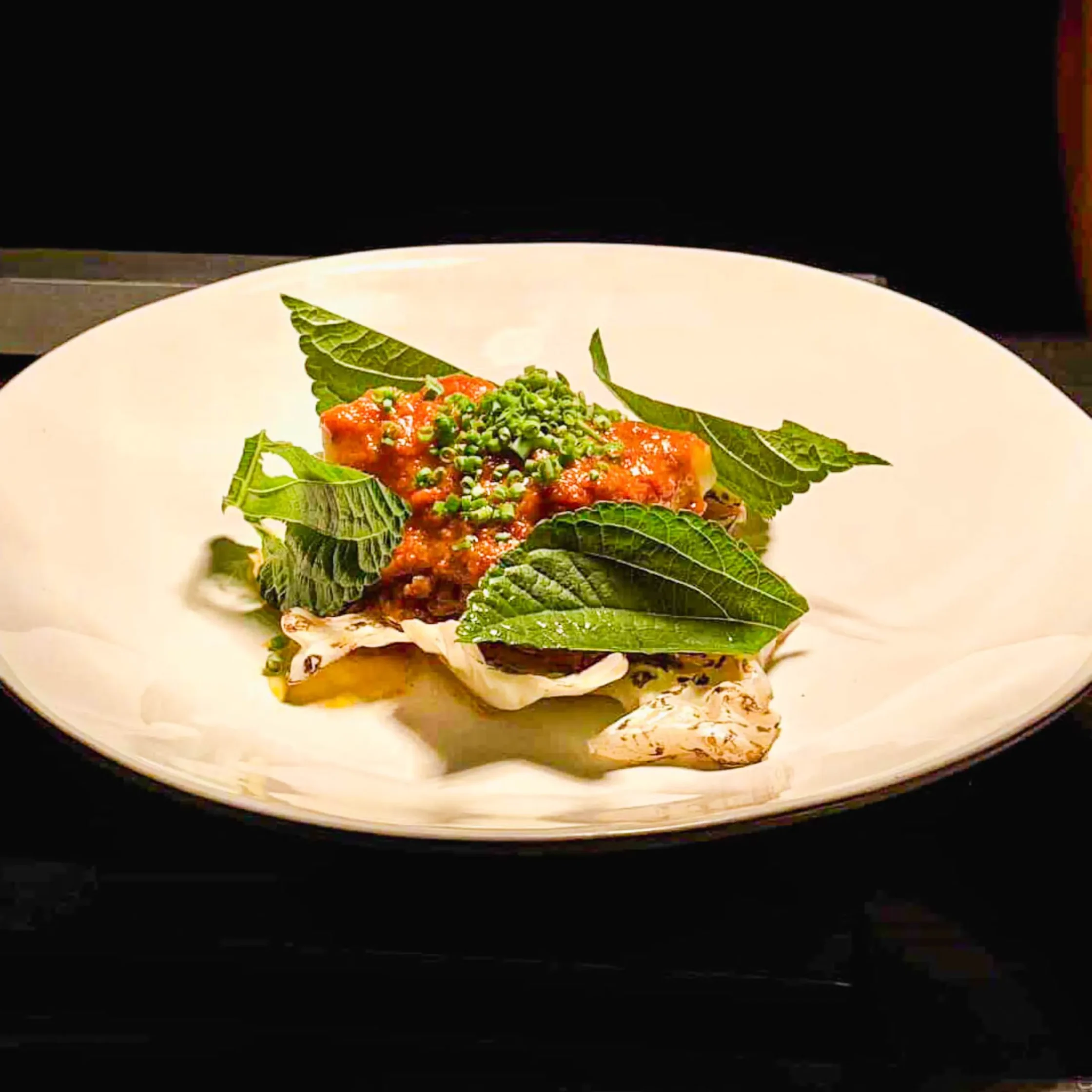
At Your Local, he uses ginamos instead of using belacan. “We use this local shrimp paste from Bacolod. It has this distinct saltiness from the shrimp and anchovies that we love for our sauces,” says Go. While at Lanai in Bacolod, their inventory includes batuan (or batwan), stingless bee honey, Kalingag cinnamon, native black rice, and cane sugar vinegar.
Why Supporting Local Farmers Starts With What We Put on the Plate
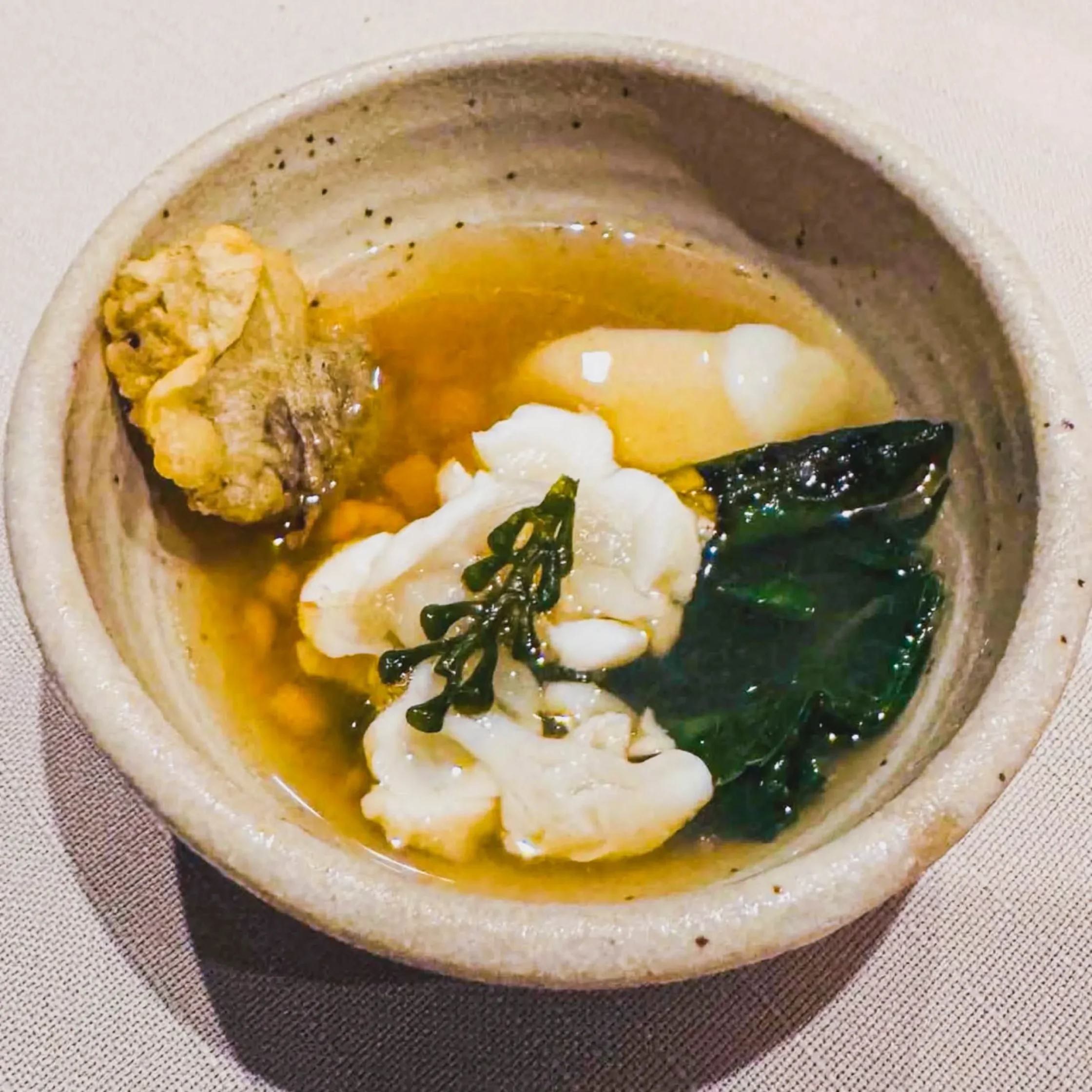
Don Colmenares of Sauma, a farm-to-table restaurant situated inside a rural town in Bacolod, also champions a bunch of homegrown hits. There’s libas, Creolo cacao, a local variety of mountain and low-land figs, native hibiscus leaf (labong), darag native chicken, local wild boar, tinigib, and adlai rice found on many of his plates.

“These ingredients have unique qualities, flavors and textures that are easy to play around with to create unique dishes, condiments and components to a recipe. These local ingredients also test the imagination and creativity of the chef. The goals today are also being cost efficient, consistent, and sustainable, and using these local ingredients are checking all those marks as well.”
He adds, “Filipinos, in general, are community builders. In the provinces, we see a lot of farmers who produce really nice products and grow really good high quality ingredients but sad to say, there are days where people will still buy imported goods and these farmers are left with rotting fruits and vegetables. The more we support these local producers, and show what we can do with these produce, and telling their stories, the more they’ll be pushed to produce even better products that can easily rival anything imported. This encourages them to be proud of their product and making it better every time.”
The Emotional Pull of Indigenous Ingredients in Modern Filipino Cooking
But perhaps the strongest reason behind the return is emotional. In a time where modern dining can sometimes feel too conceptual and detached, these indigenous ingredients help in grounding dishes and make them feel more relatable and personal. They conjure nostalgic memories of childhood meals, familiar gatherings and flavors discovered by traveling across the country. They lend a sense of recognition.
In their delicious use of indigenous ingredients, these chefs are proving that Filipino cuisine can evolve without disconnecting from where it came from.
Looking to try a new local ingredient? Why not start with Bohol’s asin tibuok? Read more about it here!

Frequently Asked Questions
Many chefs are embracing indigenous ingredients to highlight Filipino identity, support local producers, and create dishes rooted in place and culture.
Examples include libas, tabon-tabon, etag, batuan, adlai rice, native black rice, local vinegars, wild herbs, and regional fermented products.
They preserve food traditions, strengthen local agriculture, support sustainability, and help tell stories about Filipino culture and communities.
Increased demand creates economic opportunities for farmers and encourages the continued cultivation of native crops and products.
Yes. More Filipino chefs and restaurants are incorporating indigenous ingredients into modern dishes and tasting menus.