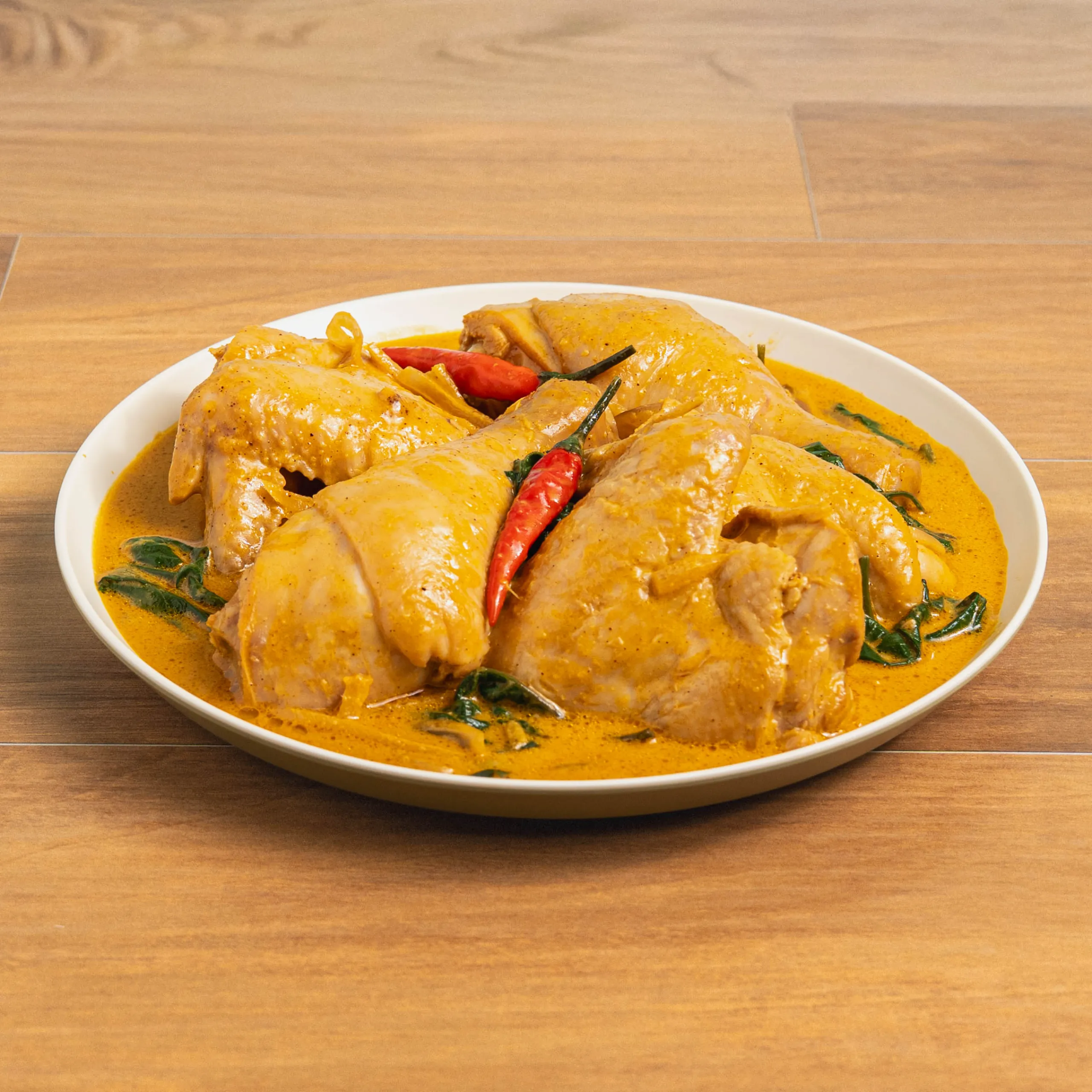


Some Filipino dishes are memorable because they are rich and elaborate, while others stay with you because they taste like the kind of food someone would lovingly prepare in a family kitchen. Porbida from Antique belongs to the second kind.
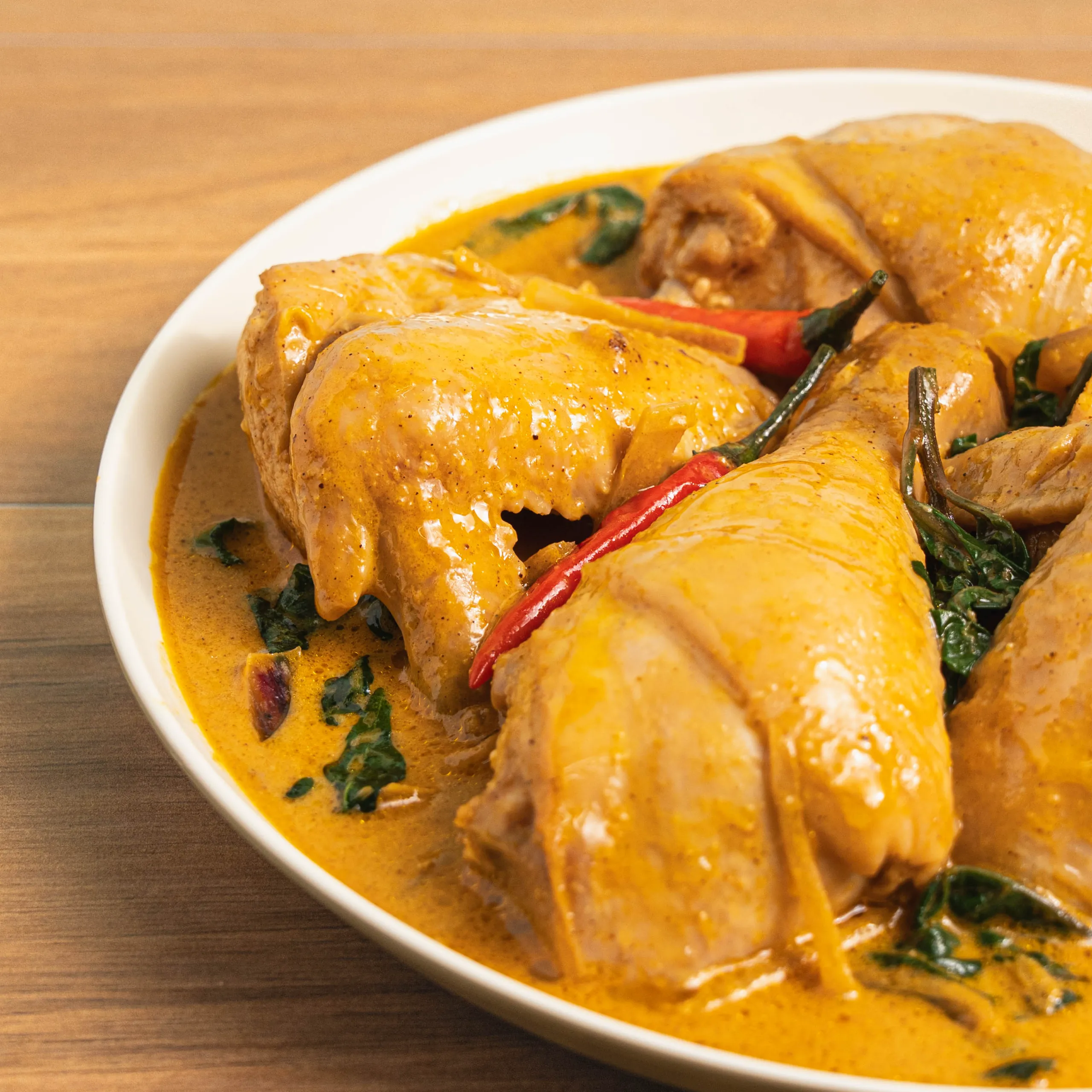
This comforting chicken dish brings together familiar Filipino ingredients—garlic, onion, ginger, tomatoes, soy sauce, coconut milk, chili, and leafy greens—but the combination creates something distinctly regional. The chicken is simmered until tender in a savory, lightly colored coconut sauce, while the alupidan leaves add an earthy, leafy character to the dish.
What makes Porbida particularly interesting is its use of alupidan, a local leafy ingredient that may be unfamiliar to people outside the region. Like many traditional Filipino recipes, the dish reflects a close relationship with locally available plants and the practical cooking habits of rural communities.
The recipe is straightforward, but the result is anything but ordinary. The aromatics give the broth a fragrant foundation, tomatoes add a gentle acidity, coconut milk contributes creaminess, annatto provides a warm golden color, and chili gives the dish a little heat.
Serve it with freshly cooked rice, and you have the kind of meal that feels satisfying without needing anything fancy on the table.
A Little History of Porbida
Porbida is associated with Antique, a province in Western Visayas known for its mountainous landscape, coastal communities, agricultural traditions, and distinctive local cuisine.
Like many regional Filipino dishes, Porbida reflects the ingredients that people could grow, gather, raise, or obtain locally. Chicken, coconut, aromatics, vegetables, and leafy plants have long been practical ingredients for home cooking.
The use of coconut milk is particularly fitting for the broader Filipino culinary landscape. Coconuts are an important crop in many parts of the country, and gata has become a fundamental ingredient in countless regional dishes.
Porbida also demonstrates an important characteristic of Filipino cooking: local plants are often treated as food rather than simply scenery. Indigenous and locally known leafy vegetables can be incorporated into everyday dishes, adding nutrition and flavor while making use of what grows around the community.
Because traditional recipes are commonly passed from one generation to another through cooking rather than standardized cookbooks, versions of Porbida can naturally differ between households. One family may make it more soupy, another may prefer a thicker coconut sauce, while someone else may increase the chili or use a different cut of chicken.
The recipe presented here keeps the basic character of the dish while making it practical for the home kitchen.
What Is Porbida?
Porbida is a chicken dish cooked with coconut milk, aromatics, tomatoes, soy sauce, chili, annatto, and alupidan leaves.
The combination creates a savory and mildly creamy dish with a warm reddish-golden color.
Unlike some heavily seasoned Filipino stews, Porbida allows the ingredients to remain recognizable. You can taste the chicken, ginger, tomato, and coconut milk, while the soy sauce adds saltiness and umami.
The alupidan leaves bring another dimension. They provide a tender leafy texture and an earthy flavor that makes the dish feel more like a regional vegetable-and-chicken preparation than an ordinary chicken stew.
The red chili is optional in terms of heat, but it gives the dish a pleasant contrast to the richness of the coconut milk.
Recipe Tips for Better Porbida
Choose bone-in chicken
Bone-in chicken is especially useful for dishes like this because it can produce a more flavorful cooking liquid.
Chicken thighs and drumsticks are particularly forgiving and remain juicy during simmering.
Don’t skip the ginger
Ginger is more than an aromatic in this recipe. Its warm, slightly spicy character helps balance the richness of the coconut milk and works beautifully with chicken.
Cook the tomatoes properly
Allow the tomatoes to soften before adding the liquid. This helps release their juices and incorporates their flavor into the base.
Use full-fat coconut milk
For the richest and creamiest Porbida, full-fat coconut milk is preferable.
If you prefer a lighter dish, you can use a thinner coconut milk or dilute full-fat coconut milk with a little water.
Be careful with soy sauce
Soy sauce contributes both color and saltiness.
Because the amount of salt varies among brands, taste the sauce before adding extra salt.
Add leafy greens at the end
Cooking alupidan for too long can make the leaves overly soft and dull in color.
Add them when the chicken is nearly finished.
Keep the simmer gentle
Coconut milk-based dishes generally benefit from gentle cooking rather than a vigorous boil.
A slow simmer also gives the chicken time to absorb the flavors of the sauce.
Ingredient Substitutions
Chicken
Bone-in chicken is ideal, but boneless chicken thighs can also be used.
Chicken breast works too, although it is leaner and can become dry if simmered too long.
For a richer dish, chicken thighs are usually the better choice.
Coconut milk
If coconut milk isn’t available, you can use evaporated milk for a different but creamy result. However, the dish will lose some of its characteristic Filipino coconut flavor.
For a lighter coconut flavor, dilute full-fat coconut milk with water.
Annatto powder
Annatto powder can be replaced with annatto seeds that have been infused in warm oil and then strained.
Paprika can provide color in an emergency, but it won’t produce exactly the same flavor or appearance.
Soy sauce
If you prefer a less intense soy flavor, reduce the quantity and season gradually with salt.
For a different flavor profile, a small amount of fish sauce can be used, although this will make the dish more distinctly fish-sauce-forward.
Alupidan leaves
This is the ingredient that may be hardest to substitute depending on where you live.
If properly identified and safely prepared alupidan isn’t available, you can use another locally available edible leafy green such as malunggay, spinach, or another tender cooking green.
The result will not be exactly the same, but the basic chicken-and-coconut character will remain.
Because local plants can have different preparation requirements, always use an edible variety that you know is safe and appropriate for cooking.
Red chili
Long green chili, jalapeño, or other fresh chili varieties can be substituted.
You can also leave the chili out entirely if you prefer a mild dish.
Understanding the Main Ingredients
Chicken
Chicken provides the main source of protein in Porbida.
Using bone-in pieces can contribute additional flavor to the cooking liquid and gives the dish a more substantial character.
Dark-meat pieces such as thighs and drumsticks are particularly well suited to simmering because they tend to remain moist.
Coconut milk
Coconut milk is responsible for the creamy body of the dish.
Its richness also acts as a natural counterpoint to the savory soy sauce and spicy chili.
The fat in coconut milk helps carry the aromas of ginger, garlic, and other ingredients throughout the sauce.
Ginger
Fresh ginger contributes warmth, fragrance, and a mild spicy note.
It is particularly effective in chicken dishes and helps prevent a rich coconut sauce from tasting flat.
Tomatoes
Tomatoes add acidity, natural sweetness, moisture, and color.
Their acidity is useful because it provides contrast against the rich coconut milk.
Annatto
Annatto is derived from the seeds of the achiote tree.
It is commonly used in Filipino cooking to provide a warm orange-red color and a mild earthy flavor.
In many dishes, its main purpose is visual, making the finished food look especially appetizing.
Soy sauce
Soy sauce contributes salt and umami.
It helps deepen the flavor of the coconut sauce and gives the chicken a richer savory character.
Chili
Chili adds heat, but it also contributes aroma and complexity.
The amount used can be adjusted according to taste.
Alupidan leaves
Alupidan is a locally known leafy ingredient associated with regional Filipino cooking.
Using local greens such as this reflects an important part of traditional cuisine: making meals from plants that grow naturally or are cultivated within the community.
When cooking with lesser-known edible plants, proper identification and traditional preparation are essential.
Health Benefits of the Ingredients
Porbida can provide a good combination of protein, vegetables, and flavorful plant ingredients, although the nutritional value will depend on portion sizes and preparation.
Chicken provides high-quality protein along with nutrients such as vitamin B6, selenium, phosphorus, and niacin. Dark-meat chicken generally contains more fat than breast meat but also provides useful micronutrients.
Coconut milk provides fats and small amounts of minerals such as manganese and copper. It is also calorie-dense, particularly when full-fat coconut milk is used.
Ginger contains naturally occurring compounds such as gingerols and has traditionally been used to support digestive comfort.
Garlic provides sulfur-containing compounds and small amounts of vitamin C, vitamin B6, and manganese.
Onions provide fiber and plant compounds such as quercetin.
Tomatoes provide vitamin C, potassium, and lycopene, a carotenoid antioxidant.
Chili peppers provide vitamin C and carotenoid compounds, while capsaicin is responsible for their characteristic heat.
Leafy greens can contribute fiber, vitamins, minerals, and antioxidant plant compounds. The precise nutritional content of alupidan depends on the specific plant variety.
Because soy sauce can be high in sodium, people who need to limit sodium should use it carefully and avoid adding unnecessary salt.
The Importance of Local Leafy Vegetables
One of the most interesting things about regional Filipino cooking is the variety of edible plants used in everyday meals.
Modern supermarkets tend to focus on a relatively small collection of familiar vegetables. Traditional communities, however, have often relied on a much broader range of local plants.
These greens aren’t merely fillers. They can provide unique flavors, textures, and nutrients that aren’t always available from common supermarket vegetables.
Alupidan’s inclusion in Porbida is therefore part of the dish’s identity. It connects the recipe to the local food environment and to the knowledge of which plants are edible, how they should be prepared, and when they are available.
That knowledge is an important part of culinary heritage.
Is Porbida Spicy?
It can be, but the heat is easy to control.
The two red chilies in this recipe provide a noticeable kick, depending on the variety.
For a mild version:
- Remove the seeds.
- Use only one chili.
- Replace some of the red chili with mild green chili.
- Omit the chili altogether.
For a hotter version:
- Leave the seeds intact.
- Add additional red chili.
- Serve fresh sliced chili on the side.
The coconut milk will help soften the perception of chili heat while creating a rich contrast.
How to Store Porbida Properly
Because Porbida contains cooked chicken and coconut milk, leftovers should be handled carefully.
Transfer the dish to a clean, airtight container and refrigerate promptly.
Keep the refrigerator at 4°C (40°F) or below.
If you’ve prepared a large batch, divide it into smaller containers so it cools more quickly.
Keep the container covered to prevent the coconut sauce from absorbing odors from other foods.
When reheating, take out only the amount you plan to eat.
Warm it gently on the stovetop or in the microwave until thoroughly hot.
If the coconut sauce has thickened in the refrigerator, add a small amount of water and stir gently while reheating.
How Long Does Porbida Last?
Properly refrigerated Porbida is best consumed within 3 to 4 days.
The sauce may become thicker after refrigeration, and the leafy greens may become softer. These changes are normal.
For the best texture, reheat gently rather than allowing the coconut sauce to boil aggressively.
If the dish develops an unpleasant odor, visible mold, unusual discoloration, or other signs of spoilage, discard it.
Do not taste questionable leftovers to determine whether they are safe.
Can You Freeze Porbida?
Porbida can be frozen, although the coconut sauce and leafy greens may experience some texture changes after thawing.
For best results, cool the dish and divide it into freezer-safe containers.
Label each container with the date.
For best quality, consume frozen Porbida within approximately 1 to 2 months.
Thaw it in the refrigerator rather than at room temperature.
Reheat gently and thoroughly. If the sauce separates slightly, stir it carefully while warming.
If you know ahead of time that you intend to freeze the dish, you may prefer to add fresh leafy greens after thawing and reheating rather than freezing the greens with the entire dish.
How to Serve Porbida
Porbida is best served hot with freshly steamed white rice.
The rice absorbs the creamy, savory coconut sauce and provides a neutral contrast to the ginger, chili, and soy sauce.
For a complete Filipino meal, you can serve it with:
- Steamed rice
- Fresh tomato and onion salad
- Cucumber salad
- Atchara
- Grilled vegetables
- Fresh calamansi
- A simple fruit dessert
If you want the meal to remain light, a fresh vegetable side is a particularly good match for the rich coconut sauce.
How to Balance the Dish
The secret to a good Porbida is balance.
If the dish tastes too rich, add a little more tomato or serve it with something fresh and acidic.
If it tastes too salty, add a small amount of water or unsalted stock and adjust the other flavors.
If it tastes too bland, increase the ginger, pepper, or soy sauce gradually.
If it is too spicy, add a little more coconut milk or serve it with extra rice.
If the sauce is too thin, simmer uncovered for a few minutes.
If it becomes too thick, add a small amount of water or stock.
Taste as you cook rather than relying entirely on measurements. This is particularly important with soy sauce because salt levels vary considerably between brands.
A Few Ways to Make Porbida Your Own
For a richer version, use chicken thighs and full-fat coconut milk.
For a lighter version, use skinless chicken pieces and slightly dilute the coconut milk.
For extra vegetables, add a small amount of squash, eggplant, or another locally available vegetable.
For more heat, add additional chili.
For a brighter flavor, serve fresh calamansi alongside the dish.
You can also increase the amount of leafy greens if you want a more vegetable-forward meal.
The important thing is to maintain the heart of the dish: chicken, coconut milk, aromatics, local greens, and savory seasoning.
Final Thoughts
Porbida is a wonderful example of the richness of Antique’s regional food traditions.
It doesn’t rely on complicated cooking techniques or an intimidating list of ingredients. Instead, it takes chicken, coconut milk, aromatics, tomatoes, chili, and a local leafy vegetable and turns them into a deeply comforting meal.
What makes it particularly meaningful is the presence of alupidan. Ingredients like this remind us that Filipino cuisine extends far beyond the vegetables commonly found in supermarkets. Regional cooking carries knowledge about local plants, seasons, preparation methods, and the ways communities have traditionally made food from what is available around them.
The coconut milk gives Porbida its creamy character, but the dish remains balanced because of the ginger, tomatoes, chili, and savory soy sauce. The chicken makes it hearty, while the leafy greens add freshness and texture.
And like many good Filipino dishes, Porbida is meant to be shared.
Put the pot in the middle of the table, prepare a generous amount of steaming rice, and let everyone serve themselves. The sauce will inevitably find its way onto the rice, and that is exactly where it belongs.
If you’re making Porbida for the first time, don’t be afraid to adjust the chili, seasoning, and consistency to suit your family. Traditional food lives because people continue to cook it, adapt it, and pass it along.
At its heart, Porbida is a dish about local ingredients, practical cooking, and the comforting flavors of home—a delicious little window into the culinary heritage of Antique.