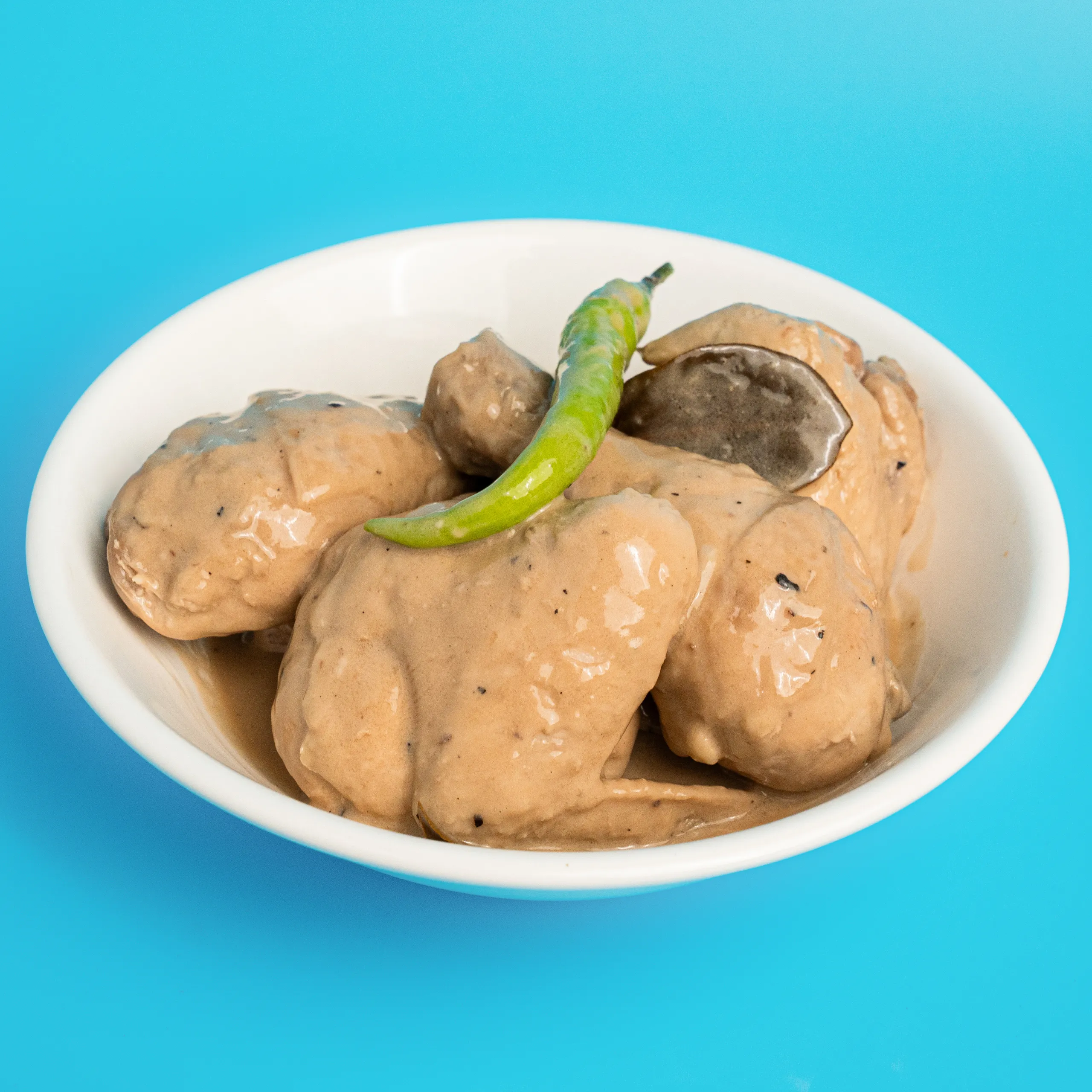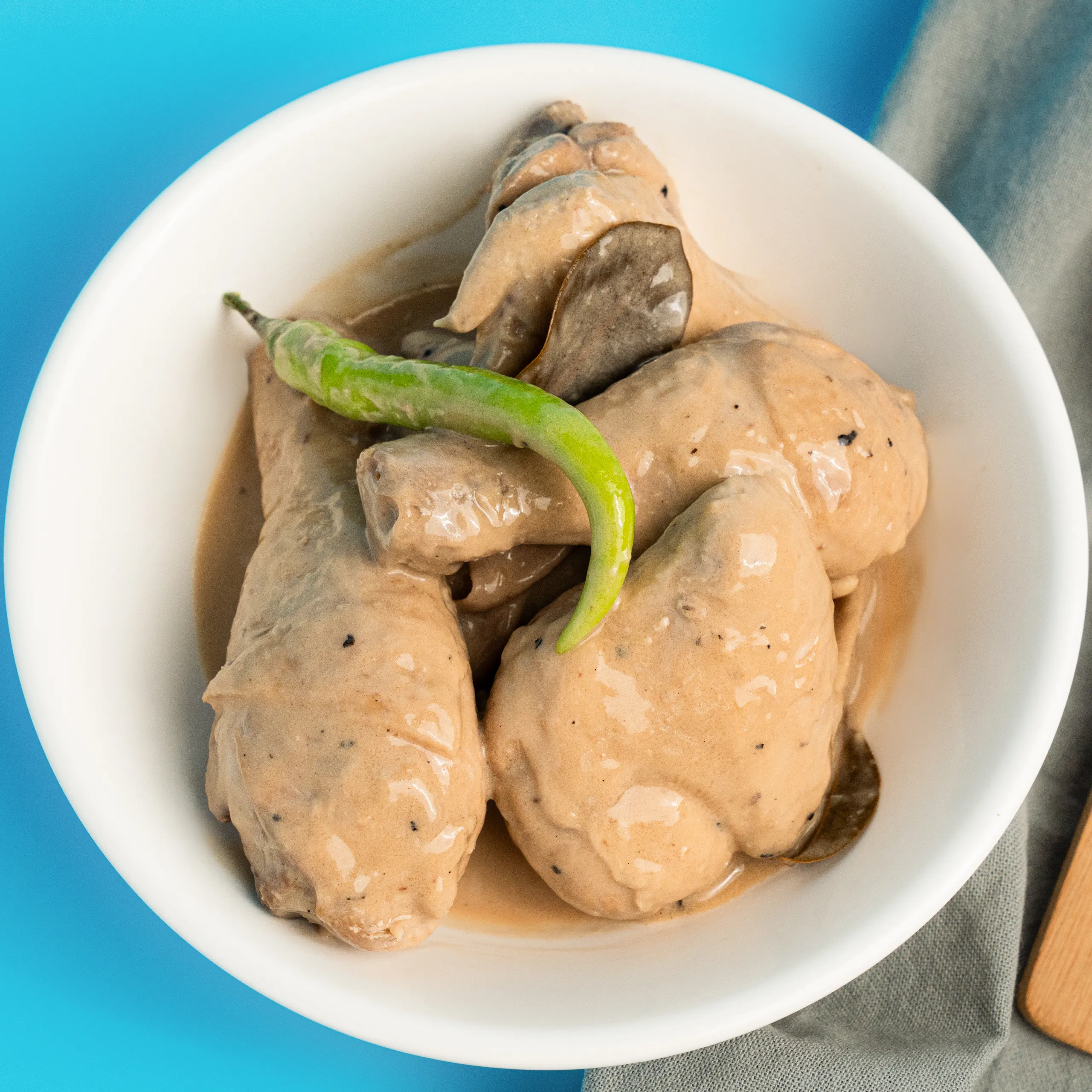
There are some Filipino dishes that immediately feel like home, and adobo is certainly one of them. Almost every Filipino family has a version of adobo, and no two recipes have to taste exactly the same. Some families make it salty and garlicky, others prefer it more sour, some add potatoes or boiled eggs, and others let the sauce become thick and almost caramelized.
Chicken Adobo sa Gata takes this familiar Filipino favorite and gives it a rich, creamy character by adding coconut milk. The familiar combination of vinegar, soy sauce, garlic, bay leaves, and black pepper remains at the heart of the dish, while gata adds a gentle sweetness and a velvety texture to the sauce.
For many Filipinos, coconut milk is more than just an ingredient. It is a familiar part of everyday cooking, especially in dishes from areas where coconut trees are abundant. Gata has a way of making food feel richer and more comforting without completely covering the original flavors.
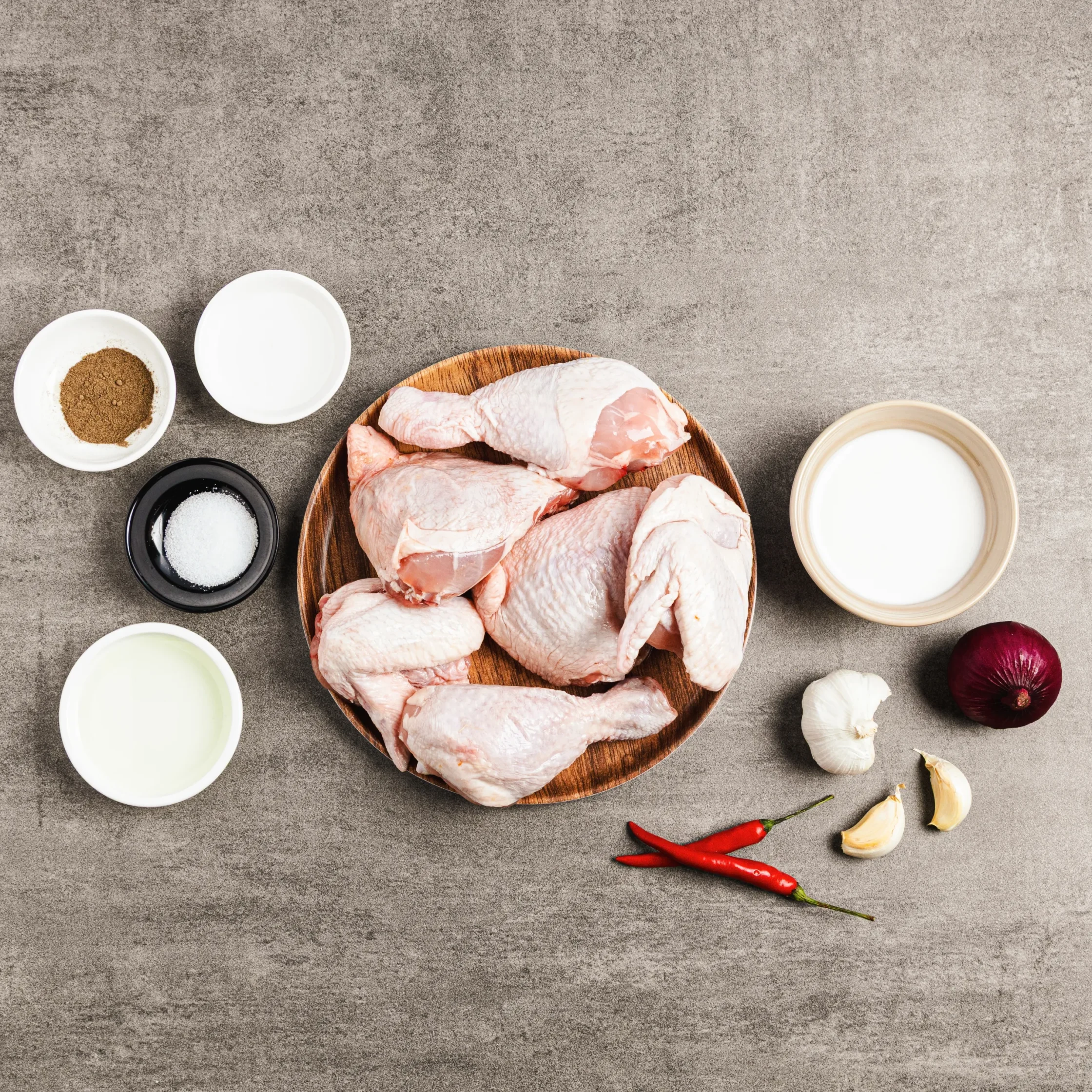
In this recipe, the sharpness of vinegar is balanced by the savory soy sauce and the richness of coconut milk. Garlic provides a warm aroma, onion adds sweetness, bay leaves contribute fragrance, and black pepper gives the dish a subtle kick. A long green chili can be added at the end for color and a little extra heat.
The result is a dish that is simple enough for an ordinary family meal but flavorful enough to serve on a special occasion.
Chicken Adobo sa Gata is the kind of food that tastes even better when eaten with freshly cooked rice. The creamy, savory sauce seeps into the rice, making every spoonful satisfying.
A Brief History of Adobo
Adobo is one of the most recognizable dishes associated with Filipino cuisine. It is so deeply connected to Filipino food culture that there is no single version that can represent every household.
The basic idea behind Filipino adobo involves cooking meat, seafood, or vegetables with ingredients such as vinegar, garlic, soy sauce or salt, bay leaves, and black pepper.
Vinegar is particularly important because it contributes the characteristic sourness of adobo and historically helped preserve food in a warm climate.
The Spanish colonial period influenced the name “adobo,” which is related to a Spanish term referring to a marinade or seasoning. However, the cooking technique and flavor combinations found in Filipino adobo developed within the Philippines and are distinctly part of Filipino culinary tradition.
Long before refrigeration became common, vinegar and salt were useful for helping food last longer. Filipino cooks also developed ways of cooking with locally available ingredients, including coconut milk, garlic, and various spices.
Over generations, adobo became a highly adaptable dish.
There is adobong manok, adobong baboy, adobong pusit, adobong kangkong, and many regional and family variations.
Some versions are dry, while others have plenty of sauce. Some use soy sauce, while others rely mostly on salt and vinegar. Some are cooked with sugar, chili, potatoes, or coconut milk.
Adobo sa gata is one of those variations. It combines the familiar sour-savory character of adobo with the creamy richness of coconut milk.
Getting to Know the Ingredients
Chicken
Chicken is the main protein in this dish. You can use different parts depending on your preference.
Bone-in chicken generally produces a more flavorful and juicy result because the bones contribute additional flavor to the sauce.
Chicken thighs and drumsticks are especially suitable for slow simmering.
Coconut Milk
Coconut milk, or gata, is what makes this adobo different from a more traditional soy-vinegar version.
It adds richness, creaminess, and a mild natural sweetness that balances the sharpness of vinegar.
Vinegar
Vinegar is one of the defining ingredients of adobo.
It gives the dish its characteristic acidity and helps balance the richness of the coconut milk.
The type of vinegar can influence the final taste.
Soy Sauce
Soy sauce provides saltiness, color, and umami.
Together with vinegar, it forms one of the most recognizable flavor combinations in Filipino adobo.
Garlic
Garlic is essential to the character of many Filipino adobo recipes.
Six cloves may sound like a lot, but garlic becomes mellow and aromatic as it cooks.
Onion
Onion adds sweetness and depth.
It also helps create a flavorful base for the sauce.
Bay Leaves
Bay leaves add a subtle herbal aroma.
They are not meant to dominate the dish but provide a background fragrance that complements the vinegar, garlic, and soy sauce.
Black Pepper
Black pepper adds warmth and a mild spicy note.
Freshly ground pepper can provide a stronger aroma.
Long Green Chili
The chili is primarily used as a garnish in this recipe, but it can also add a gentle heat.
If you prefer a spicy adobo, you can slice the chili and cook it with the chicken instead.
Recipe Tips for Better Chicken Adobo sa Gata
Use Bone-In Chicken When Possible
Bone-in pieces can provide more flavor and remain juicy during simmering.
Chicken thighs and drumsticks are particularly forgiving.
Don’t Rush the Browning
Allowing the chicken to develop some color before adding the liquids adds depth to the finished dish.
Be Careful With Salt
The recipe contains both soy sauce and salt.
Because different soy sauces have different levels of saltiness, taste the sauce before adding additional salt.
Let the Vinegar Cook
Allowing the vinegar to simmer helps mellow its sharp raw flavor.
The goal is a balanced acidity.
Don’t Boil the Coconut Milk Aggressively
A gentle simmer is preferable.
Excessively vigorous boiling can cause coconut-based sauces to separate and may affect the texture.
Let the Sauce Reduce
If you enjoy thick and concentrated adobo sauce, simmer it uncovered toward the end.
The longer the sauce reduces, the more concentrated its flavor becomes.
Rest Before Serving
If time allows, let the cooked adobo rest for several minutes before serving.
This allows the flavors to settle and gives the chicken time to absorb more of the sauce.
Ingredient Substitutions
One of the reasons adobo is so popular is that it is flexible.
Chicken
You can substitute:
- Pork
- Chicken thighs instead of mixed pieces
- Chicken breast
- Turkey
Chicken breast can become dry if overcooked, so monitor it carefully.
Coconut Milk
If you do not have coconut milk, you can use a combination of coconut cream and water.
For a lighter version, use a thinner coconut milk.
However, the richness of the dish will change depending on the coconut product used.
Soy Sauce
If you want a slightly different flavor, Filipino-style soy sauce can be replaced with another regular soy sauce.
For a reduced-sodium version, use low-sodium soy sauce and adjust the seasoning carefully.
Vinegar
Common Filipino vinegars work especially well.
You can also use cane vinegar, coconut vinegar, or white vinegar.
Each gives the dish a slightly different acidity.
Onion
If you do not have a regular onion, shallots can be used.
Garlic
Garlic is one ingredient worth keeping in the recipe because it is an important part of adobo’s character.
However, the amount can be adjusted according to preference.
Green Chili
The chili is optional.
For a milder dish, simply leave it out.
For more heat, use sliced long green chili or another chili variety.
The Food Science Behind Adobo sa Gata
One reason Chicken Adobo sa Gata tastes so satisfying is the balance between different basic flavor sensations.
Acidity
Vinegar provides acidity.
Acidity helps cut through the richness of the coconut milk and chicken.
Saltiness
Soy sauce and salt provide saltiness.
Salt also helps bring out the other flavors rather than simply making the food taste salty.
Umami
Chicken and soy sauce contribute savory, umami qualities.
Browning the chicken also creates additional flavor compounds that make the dish taste deeper and more complex.
Fat and Creaminess
Coconut milk contributes fat and gives the sauce a smooth, rich mouthfeel.
Aroma
Garlic, onion, bay leaves, and black pepper provide aromatic complexity.
Together, these elements create a dish that tastes balanced rather than one-dimensional.
Why Coconut Milk Works With Adobo
Coconut milk may seem like an unusual addition if you are accustomed to a classic soy-vinegar adobo, but it works for a simple reason: richness needs acidity.
Coconut milk is creamy and rich.
Vinegar is sharp and acidic.
When they are used together in the right proportions, they balance one another.
The vinegar prevents the coconut sauce from becoming overly heavy, while the coconut milk softens the sharpness of the vinegar.
Soy sauce then adds savory depth, while garlic and pepper provide aromatic warmth.
This balance is what makes Adobo sa Gata so comforting.
Health Benefits and Nutritional Considerations
Chicken Adobo sa Gata can provide several useful nutrients, although its overall nutritional profile depends on portion size and the amount of coconut milk, soy sauce, and salt used.
Protein
Chicken is a good source of protein, which is important for maintaining and repairing body tissues.
Coconut
Coconut milk provides fats and energy.
It also contributes the creamy texture that makes this version of adobo distinctive.
However, coconut milk can be relatively high in saturated fat, so it is best enjoyed as part of a balanced diet.
Garlic
Garlic contains various naturally occurring sulfur compounds and is widely used as part of healthy eating patterns.
Onion
Onions contribute fiber and plant compounds while adding flavor without requiring large amounts of additional seasoning.
Vinegar
Vinegar contributes acidity and flavor without adding significant calories in the small quantity used in the recipe.
Sodium Considerations
Soy sauce and salt can make adobo relatively high in sodium.
If you need to limit sodium, consider using low-sodium soy sauce and reducing the added salt.
Taste the dish before adding extra seasoning.
Making It More Balanced
For a more balanced meal, serve the adobo with:
- A moderate portion of rice
- Steamed vegetables
- Fresh fruit
- A simple vegetable side dish
The goal is not to remove the character of the adobo but to enjoy it as part of a varied meal.
How to Store Chicken Adobo sa Gata Properly
Because Chicken Adobo sa Gata contains cooked chicken and coconut milk, proper storage is important.
Do not leave the finished dish at room temperature for an extended period.
Transfer leftovers into a clean, shallow, airtight container and refrigerate promptly.
Refrigerator
Store the adobo in the refrigerator and consume it within approximately 3–4 days for best quality and food safety.
The flavor may actually become deeper after resting overnight because the chicken continues to absorb the sauce.
Freezer
Chicken Adobo sa Gata can also be frozen.
Place cooled portions in freezer-safe containers or bags.
Try to remove excess air from freezer bags before sealing.
For best quality, use frozen portions within approximately 2–3 months.
The coconut sauce may change slightly in texture after freezing and thawing, but gentle reheating and stirring can help bring it back together.
Reheating
Reheat only the portion you plan to eat.
Warm it gently in a pan over medium-low heat.
If the sauce becomes too thick, add a small amount of water or coconut milk.
Heat the chicken thoroughly before serving.
Avoid repeatedly cooling and reheating the entire batch.
Storing Rice
If serving the adobo with rice, store leftover rice separately in a clean container and refrigerate it promptly.
Keeping the rice and adobo separate also makes reheating easier.
Serving Suggestions
The simplest and most satisfying way to serve Chicken Adobo sa Gata is with freshly cooked rice.
Spoon the chicken over the rice and add plenty of the coconut sauce.
For a more balanced plate, serve it alongside vegetables such as:
- Steamed pechay
- Blanched kangkong
- Sautéed green beans
- Steamed broccoli
- Cucumber and tomato salad
A fresh vegetable side can provide a lighter contrast to the rich coconut sauce.
For presentation, place the chicken pieces in the center of the serving dish, spoon the sauce around them, and finish with a long green chili.
Final Words
Chicken Adobo sa Gata is a wonderful example of how Filipino food can be both familiar and creative.
At its heart, it is still adobo: chicken, vinegar, soy sauce, garlic, bay leaves, and pepper coming together in a deeply flavorful sauce. But the addition of coconut milk changes the experience completely. It makes the dish richer, creamier, and slightly sweeter while allowing the familiar tanginess of adobo to remain.
What makes the dish special is its balance.
The vinegar provides brightness. The soy sauce provides saltiness and umami. Garlic brings warmth and aroma. Bay leaves add fragrance. Black pepper provides gentle spice. Coconut milk brings everything together with its creamy richness.
And then there is the rice.
For many Filipinos, a saucy dish simply feels incomplete without rice. The creamy adobo sauce soaking into warm rice is one of the simplest pleasures of this meal.
Chicken Adobo sa Gata also reminds us that Filipino cooking is not defined by one exact recipe. Families have their own methods, preferences, and little secrets. One person may use more vinegar, another more garlic. Someone might add chili, while another might prefer the sauce mild. Some cooks like their adobo dry and concentrated, while others want plenty of sauce for their rice.
There is room for all of these versions.
So when making Chicken Adobo sa Gata, do not be afraid to taste as you cook. Adjust the acidity, saltiness, richness, and heat according to what you enjoy.
Ultimately, a good adobo is not only about following measurements. It is about creating a balance of flavors that makes you want another spoonful of rice and another piece of chicken.
Chicken Adobo sa Gata is comforting, flavorful, and unmistakably connected to Filipino home cooking—a dish that turns simple ingredients into something warm, satisfying, and worth sharing.