

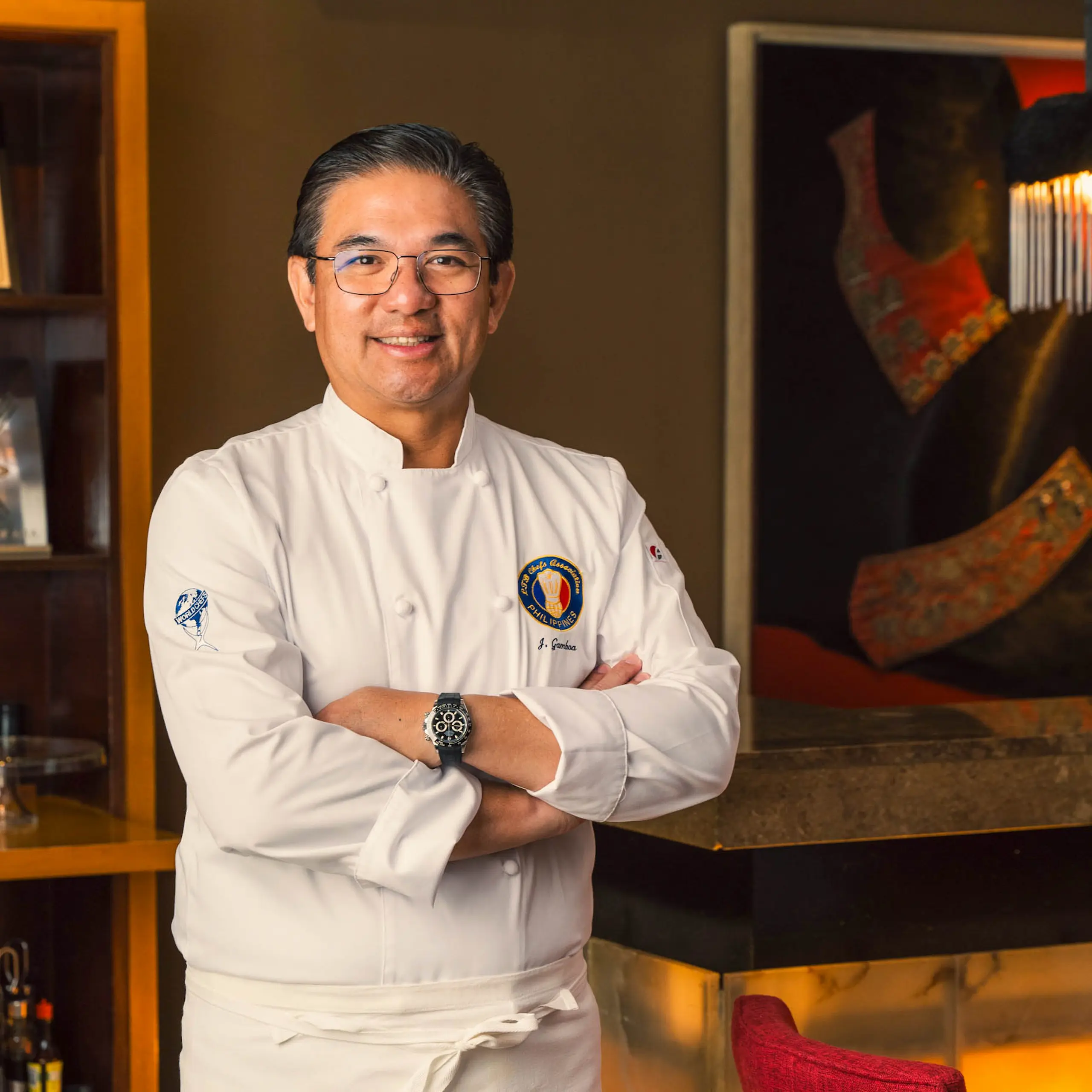
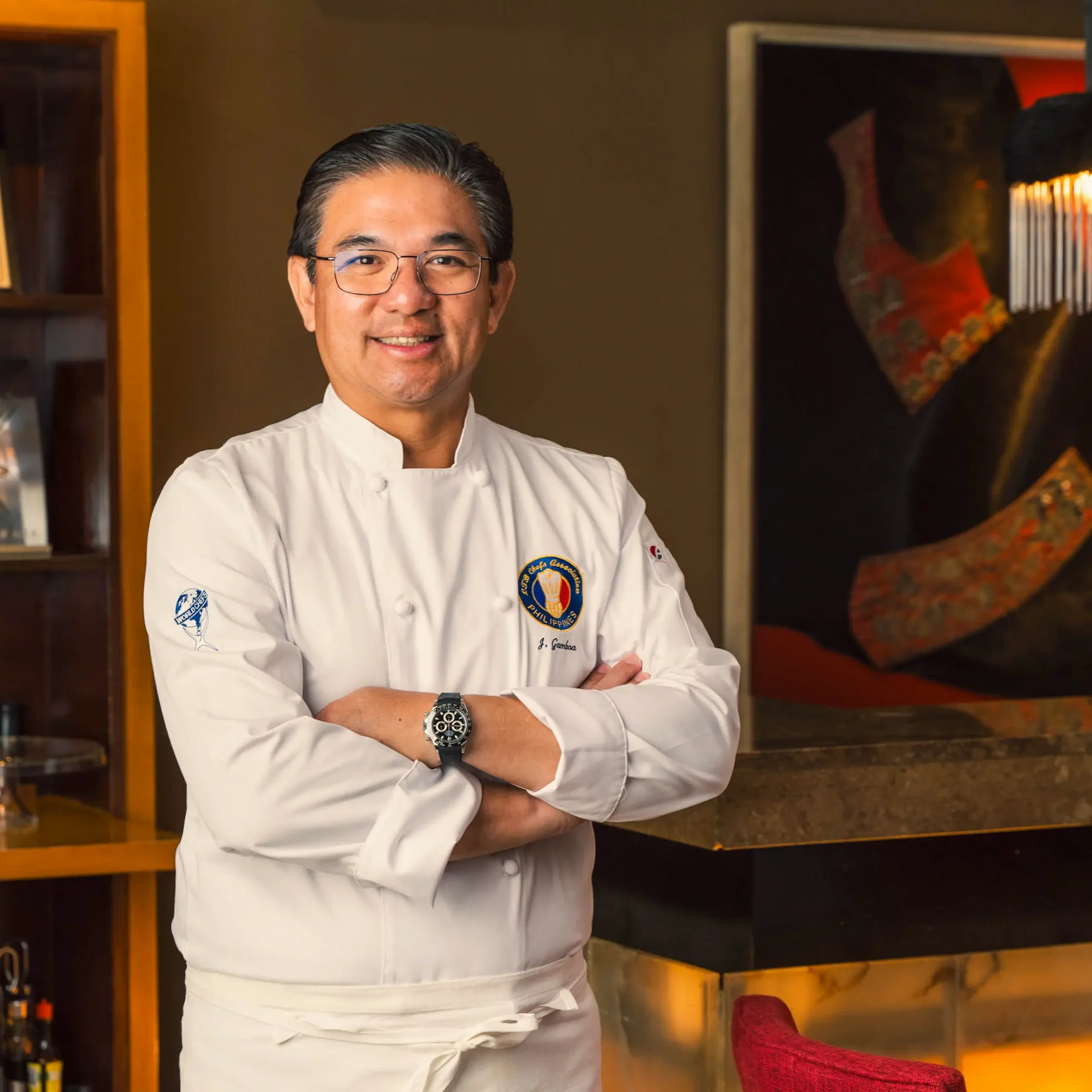
Chef J Gamboa has always taken a liking for lamb, even as a kid. “I learned to love lamb from my mom, Julie,” says Cirkulo Restaurant’s chef and owner. “Growing up I remember she would serve us pan-fried lamb chops, toasty on the outside and medium rare on the inside.”
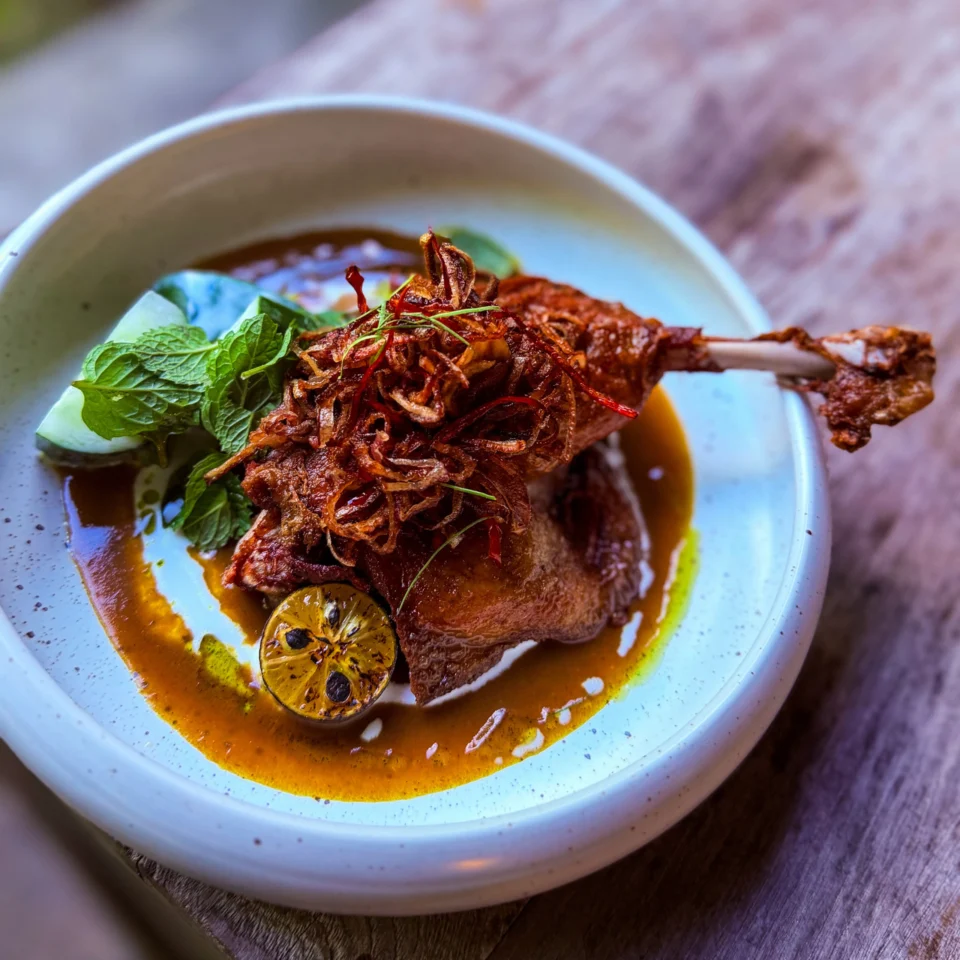
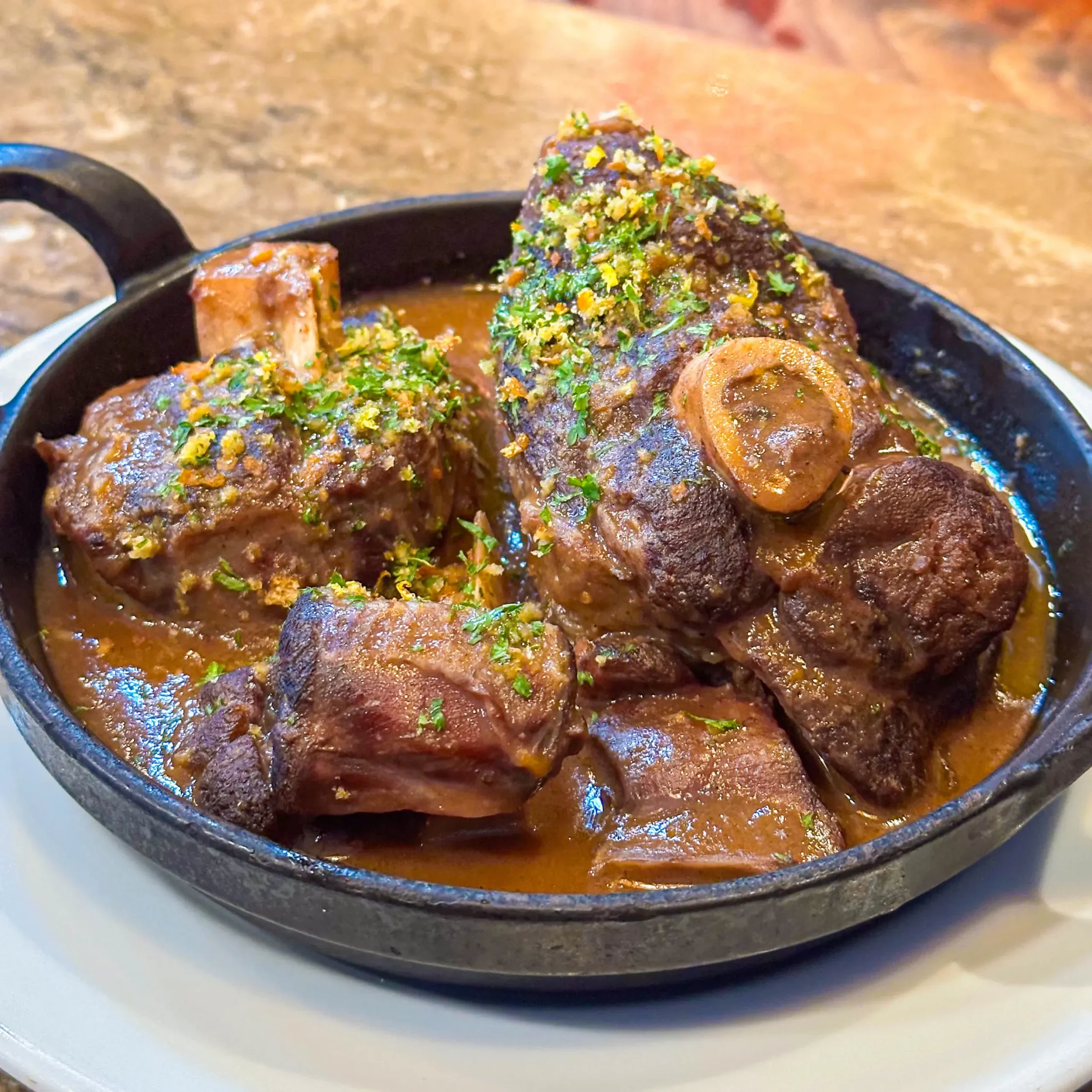
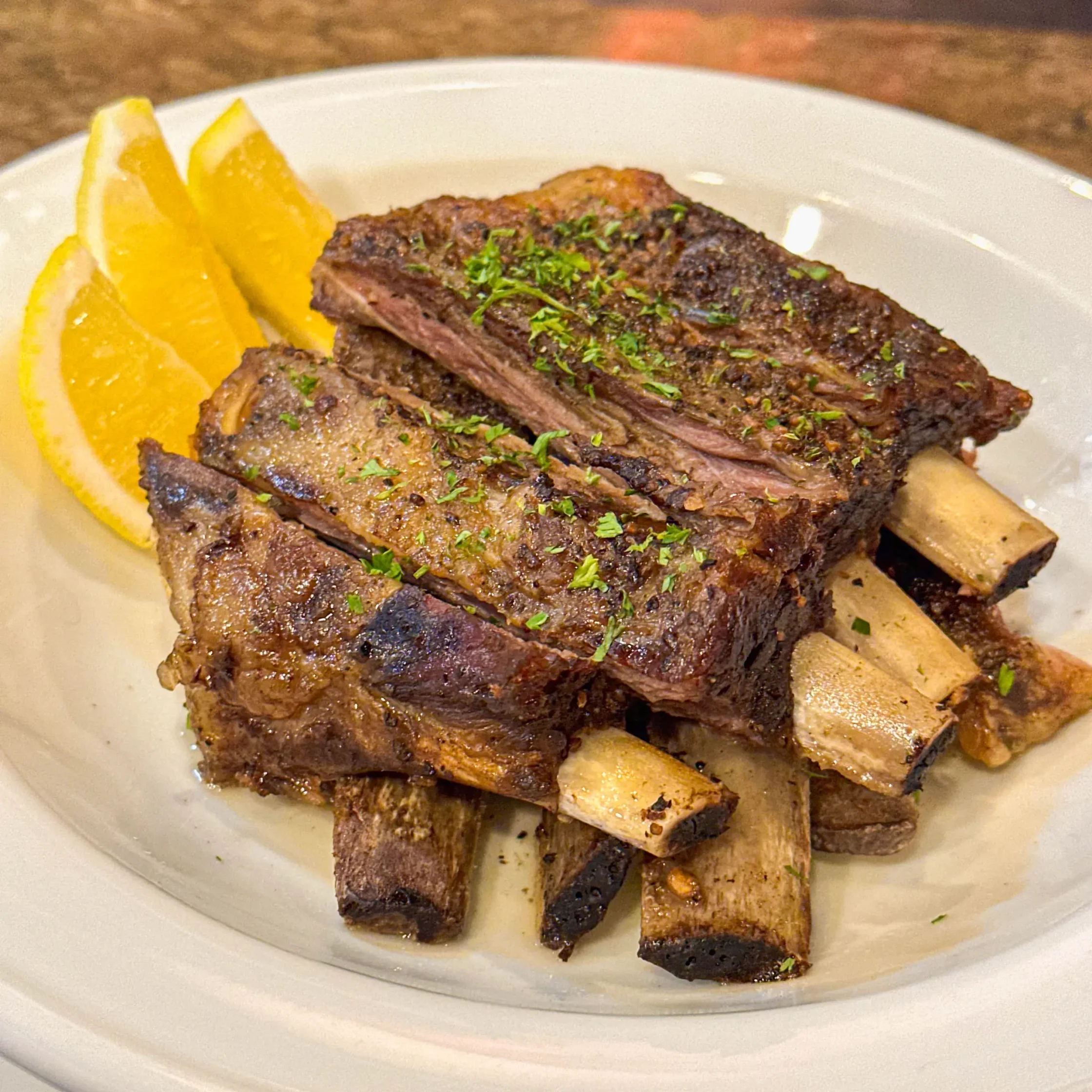
Over one weekday lunch, he shared his love for it by serving select guests dishes that presented the meat at its best flavor and form—slow-roasted lamb short ribs seasoned simply with salt, pepper and garlic; lamb shank ossobuco braised in red wine and served with lemon gremolata; and roasted suckling lamb with rosemary, garlic and chimichurri sauce.
“Lamb is great for adding variety to your diet. It’s meaty, rich and satisfying. Always a great treat for special occasions but also for versatile enough for local flavors.” He mentions how lends itself well to Filipino adobo, caldereta, and kare-kareKare-KareA celebrated Filipino stew of oxtail, tripe, and vegetables in a thick, nutty peanut sauce tinted golden with annatto. Served with a side of bagoong alamang to balance the mildGo to Kare-Kare Glossary.
Why Australian Lamb Is Gaining Ground in the Philippines
For this very reason, it makes perfect sense that the Meat & Livestock Australia (MLA) recently chose and introduced chef J as their latest “lambassador.” According to Valeska, the company’s regional manager for southeast Asia, apart from having a long experience working with Australian lamb, J is well positioned to inspire other chefs and consumers by showcasing how lamb can work beautifully in both international and Filipino‑influenced dishes. He follows chef Rob Goco of CYMA who was hailed as the first ambassador back in 2024.
Filipinos remain to be big consumers of pork and chicken, but Australian lamb is gradually findings its rightful place on the table, particularly in foodservice. According to MLA, The Philippines is the second largest export destination for Australian beef within southeast Asia (28,540 tonnes in 2025); and for lamb and sheep meat, it is niche where the Philippines import around 626 tonnes of Australian sheep meat in 2025—evidence that there definitely is the opportunity to grow.
“The Philippines is a key market because it has a young, growing population, a strong foodservice culture, rising interest in global cuisines, and high awareness of food safety and quality—areas where Australian red meat is well regarded,” says Valeska.
What Makes Australian Lamb a Premium Meat
In his recent visit to Australia, J got to appreciate their produce more when he was brought to the farms to learn more about their products. “I learned that there are specific breeds for lamb meant for wool and lamb for the dinner table. Lamb for wool have lanolin and this makes the meat a bit tough.”
He adds, “Lamb for eating doesn’t contain lanolin, therefore the meat is more tender. Specialty ranchers are very careful in breeding. They keep the breeds separate, to keep their flock lanolin-free. They even now raise “Wagyu-level” lamb, as we visited a ranch in Orange, NWS.”
If the impressive lunch prepared by chef Gamboa is any indication of the quality Australian lamb takes pride in, then people should definitely take notice and consider it more when it comes to their diets.
Their lamb is pasture‑raised and produced under some of the world’s most rigorous animal welfare and biosecurity systems. “Compared with pork and chicken, lamb offers a distinct flavour, versatility across cuisines, and strong nutritional benefits, including high-quality protein, iron and zinc, making it a premium alternative rather than a replacement,” says Velska.
“There’s misconceptions that lamb is gamey and strong-smelling but this is not the case as the Australian sheepmeat industry has done a lot in investing in quality meat breeds that have milder flavor and consistent eating quality. In addition, lamb is defined to be young sheep – generally under one year of age, so the meat is tender and juicy, and lends itself to be used in many cooking applications.”
Hopefully, a lamb sisigSisigA sizzling Kapampangan dish of chopped pork head and liver, seasoned with onions, chilies, and calamansi. Served on a hot plate and often topped with egg, sisig is a popularGo to Sisig Glossary is already underway at Cirkulo.

Frequently Asked Questions
Chef J Gamboa is the chef-owner of Cirkulo Restaurant in Manila and a newly appointed ambassador for Australian lamb.
A Lambassador is a chef ambassador selected by Meat & Livestock Australia to promote Australian lamb through cooking and education.
Modern Australian lamb is bred for milder flavor and tenderness, making it less gamey than many people expect.
Filipino diners are becoming more open to global cuisines, premium meats, and alternative proteins beyond pork and chicken.
Lamb ossobuco is a braised lamb shank dish slowly cooked until tender, often served with rich sauce and gremolata.
Chef J Gamboa says lamb works well in adobo, caldereta, kare-kare, and other rich Filipino dishes.
Australian lamb is pasture-raised and produced under strict animal welfare and biosecurity standards, resulting in consistent quality and flavor.
Lamb contains high-quality protein, iron, zinc, and other nutrients, making it a nutrient-dense meat option.