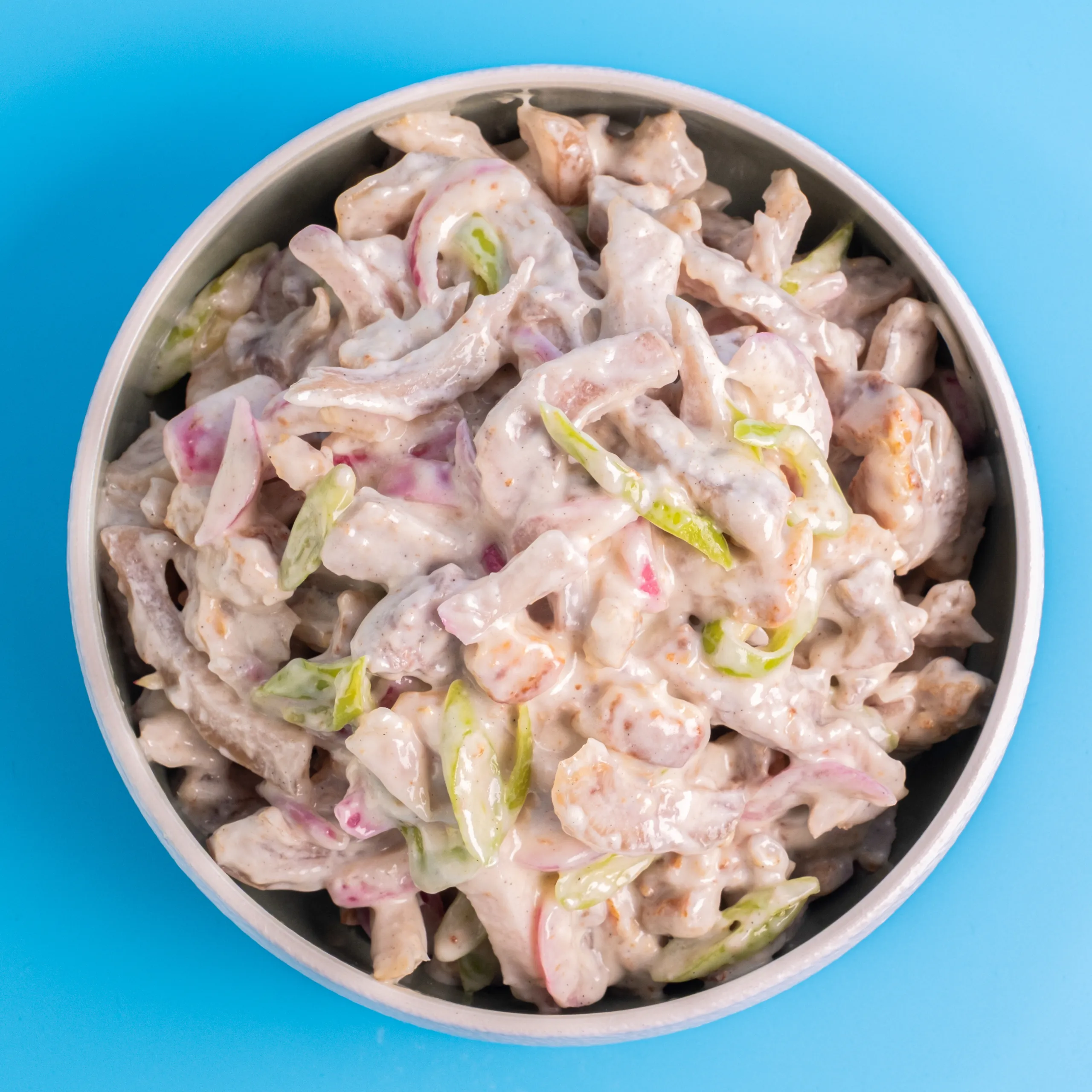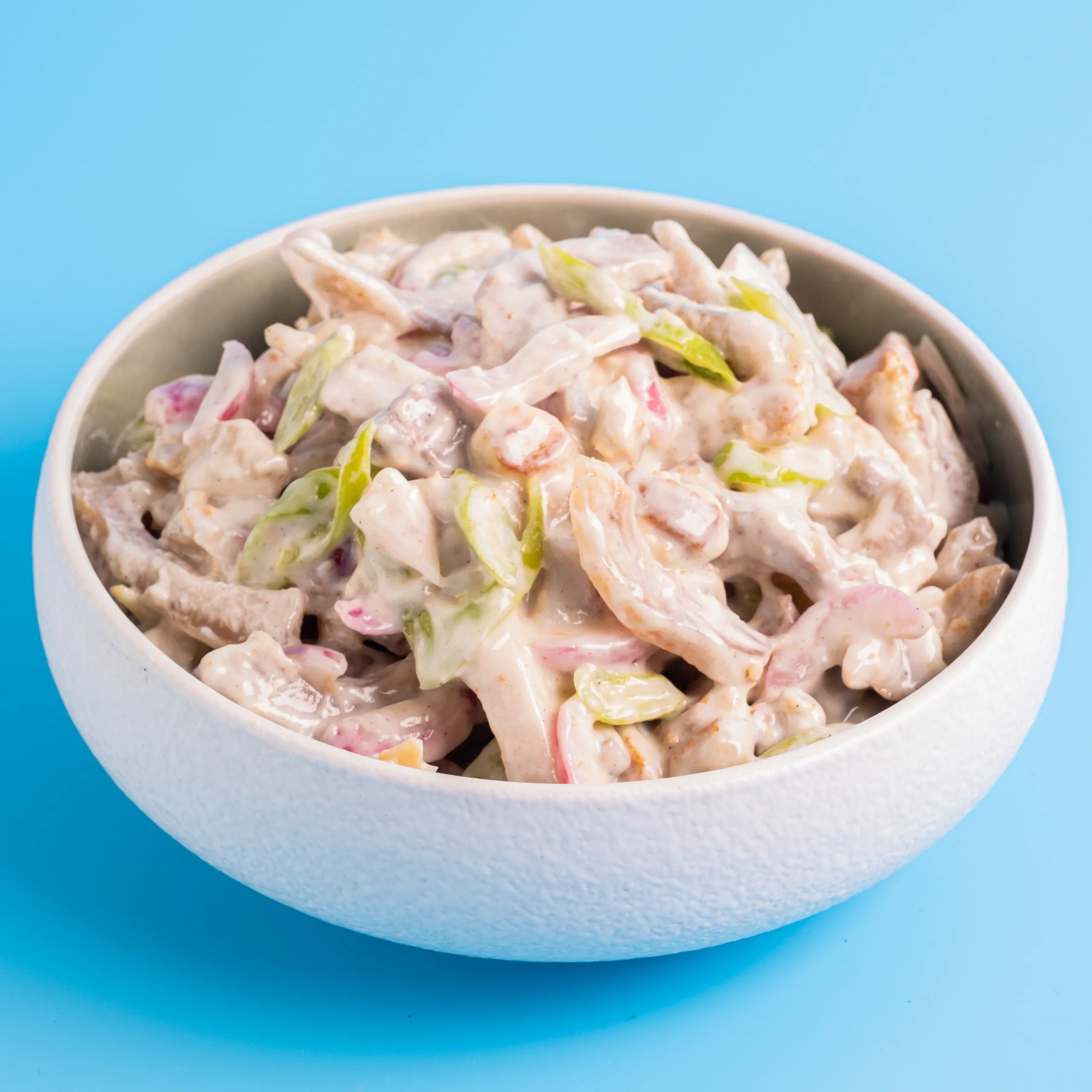
Dinakdakan is one of the most flavorful and memorable dishes in Filipino cuisine, especially for those who enjoy grilled pork, fresh onions, spicy chilies, and a rich, tangy dressing. Originating from the Ilocos region in Northern Luzon, this traditional dish is known for its smoky aroma, chewy texture, and bold combination of sour, savory, and spicy flavors. It is a favorite among people who appreciate authentic Filipino cooking and dishes that bring family and friends together around the table.
What makes dinakdakan special is its use of pork parts such as the face, ears, and sometimes other cuts that develop a wonderful texture when properly cooked and grilled. These ingredients are combined with onions, garlic, calamansi juice, vinegar, fish sauce, and seasonings to create a dish that is both rustic and satisfying. Some modern versions include mayonnaise to make the mixture creamier, while traditional preparations may use mashed cooked pork brain to achieve a naturally rich and creamy consistency.
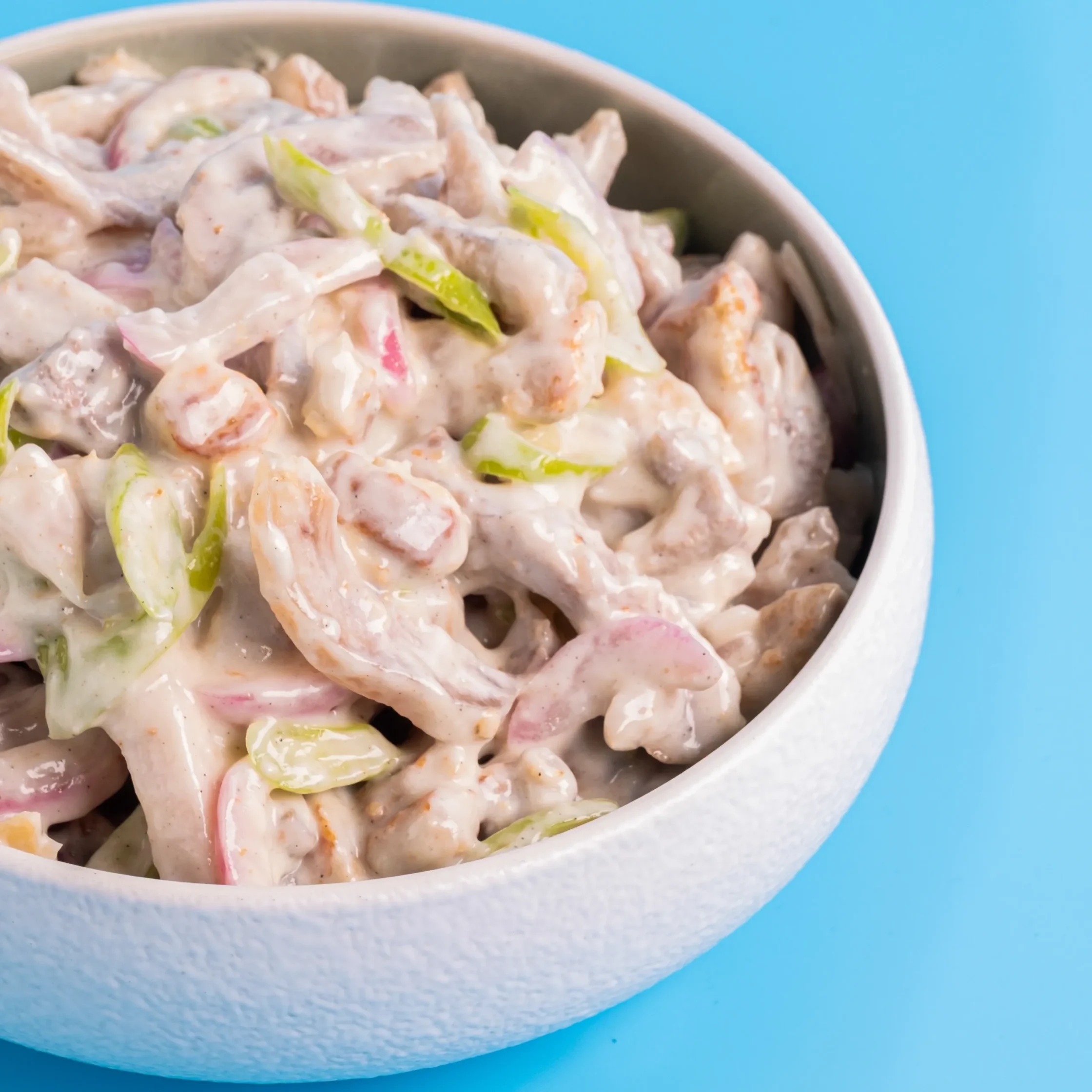
This recipe uses pork belly and pork face, along with mayonnaise, calamansi, vinegar, and green chilies. The result is a creamy, tangy, smoky, and slightly spicy version of dinakdakan that is easy to prepare at home while still celebrating its Ilocano roots.
Whether served as a main dish with warm rice or as a pulutan shared during gatherings, dinakdakan offers a wonderful taste of Filipino food culture.
History and Origin of Dinakdakan
Dinakdakan originated in the Ilocos region of the Philippines, particularly in the culinary traditions associated with Ilocano communities. Ilocano cuisine is widely appreciated for its resourcefulness, distinctive use of local ingredients, and preference for bold, balanced flavors.
Historically, dinakdakan developed from a practical approach to cooking pork. In many Filipino communities, families valued using as much of an animal as possible rather than limiting meals to the most expensive cuts. Pork face, ears, and other flavorful parts could be boiled until tender and then grilled to develop a smoky exterior. The cooked meat was chopped into small pieces and mixed with onions, chilies, and sour seasonings.
The name dinakdakan is commonly associated with the Ilocano word dakdak, meaning to pound or crush. This is fitting because some traditional preparations involve pounding or mashing certain ingredients, including cooked pork brain, before mixing them with the meat. The exact preparation can vary from one household to another, reflecting the diversity of regional cooking traditions.
Traditionally, dinakdakan was often prepared during family gatherings, celebrations, and occasions when freshly cooked pork was available. Its savory flavor and distinctive texture made it a popular dish to share with others.
Over time, dinakdakan became more widely known throughout the Philippines. Restaurants and home cooks began adapting the original recipe to suit different preferences. One popular modern variation uses mayonnaise instead of pork brain to create a creamy dressing. Other versions adjust the amount of vinegar, calamansi, and chili depending on how sour, spicy, or rich the cook wants the dish to be.
Although these modern adaptations offer convenience and variety, the heart of dinakdakan remains the same: tender pork, smoky grilled flavors, fresh aromatics, and a lively balance of savory and sour ingredients.
What Makes Dinakdakan Special?
Dinakdakan stands out because it combines several textures and flavors in one dish. It is not simply grilled pork mixed with seasonings; its appeal comes from how the ingredients complement one another.
- Smoky and savory pork: Grilling adds a roasted aroma and slightly crisp edges that make the meat more flavorful.
- Chewy and tender texture: Pork face contains skin and connective tissue that become pleasantly tender when cooked properly. Pork belly contributes softness and richness.
- Tangy dressing: Calamansi juice and vinegar provide acidity that cuts through the natural fattiness of pork.
- Fresh onion flavor: Thinly sliced onions add crunch, sweetness, and a sharp, refreshing taste.
- Creamy consistency: Mayonnaise gives this version a smooth texture and helps coat the meat evenly.
- Spicy finish: Green chilies add heat and freshness, balancing the rich pork and creamy dressing.
The combination of these elements makes dinakdakan satisfying without relying on complicated ingredients. Each component has a purpose, and the best results come from balancing them rather than allowing one flavor to dominate.
Recipe Tips for the Best Dinakdakan
Small adjustments during cooking can make a significant difference in the flavor, texture, and overall quality of the dish.
- Cook the pork until tender before grilling. Grilling raw, tough pork face alone may leave it chewy. Boiling first helps soften the skin and connective tissue.
- Do not skip grilling. Boiling cooks the meat, but grilling creates the smoky aroma and browned exterior that make dinakdakan distinctive.
- Balance the sourness. Calamansi and vinegar should brighten the dish without overpowering the pork. Add extra calamansi gradually rather than all at once.
- Use fresh onions. Crisp, freshly sliced onions provide a refreshing contrast to the rich pork.
- Add mayonnaise gradually. Too much mayonnaise can hide the smoky flavor and make the dish overly heavy.
- Control the chili heat. Remove the seeds for a milder dish, or add extra chilies for a stronger kick.
- Season in stages. Fish sauce already contains salt, so taste the mixture before adding more salt.
- Avoid overmixing. Toss the pork gently so that the pieces retain their texture rather than becoming mushy.
- Let the flavors settle briefly. A short rest in the refrigerator can help the dressing and seasonings come together, although dinakdakan should still be handled as a perishable food.
One especially useful trick is to reserve a little calamansi juice and add it just before serving. Its fresh citrus aroma can brighten the dish after the rich pork and creamy dressing have been mixed together.
Ingredient Substitutions and Variations
Can pork face be replaced entirely?
Yes. Pork ears, pork shoulder, or pork belly can be used if pork face is unavailable. However, the final texture will be different. Pork ears provide a characteristic chew, while pork shoulder produces a more conventional meat texture.
Can I make dinakdakan without mayonnaise?
Yes. You can omit mayonnaise for a less creamy version. Increase the calamansi and seasoning slightly as needed, tasting as you go. Some traditional preparations use cooked pork brain mashed into the dressing, which gives the dish a rich, creamy consistency. If you choose to use brain, it must be handled safely and cooked thoroughly; mayonnaise is a convenient alternative for this recipe.
Can I make the dish less fatty?
Use more pork shoulder and less pork belly, trim excess visible fat, and increase the proportion of onions and chilies. Keep in mind that the dish will lose some of the richness associated with pork belly and pork face.
Can I make dinakdakan without a charcoal grill?
Yes. A grill pan, electric grill, or oven broiler can brown the cooked pork effectively. For a closer approximation of charcoal-grilled flavor, cook over high heat in a well-ventilated area and avoid adding liquid smoke unless you particularly enjoy its flavor.
Knowledge About Dinakdakan and Filipino Food Culture
Dinakdakan is a good example of how regional Filipino cuisine turns straightforward ingredients into something memorable through technique and seasoning.
The importance of texture
Unlike dishes that use only lean meat, dinakdakan often combines meat, fat, skin, and connective tissue. Pork face and ears contain collagen-rich tissues that soften during prolonged cooking. When grilled afterward, the outside develops a different texture from the tender interior.
This contrast between chewy, tender, and crisp elements is a major part of the dish’s appeal.
Why calamansi and vinegar are used together
Calamansi provides a fragrant citrus acidity, while vinegar adds a sharper sourness. Together, they help balance the richness of pork and mayonnaise.
Acid can also make a dish taste brighter and more refreshing. However, calamansi and vinegar should not be treated as a substitute for proper cooking or safe food handling.
Why mayonnaise is popular in modern versions
Mayonnaise contains oil and egg yolk, producing a smooth emulsion that coats the pork. It softens the perception of sharp acidity and helps the seasonings cling to the meat.
Although many contemporary versions use mayonnaise, recipes differ by household and region. It is best understood as one popular variation rather than a requirement for every traditional dinakdakan recipe.
Dinakdakan versus sisig
Dinakdakan
Traditionally associated with Ilocano cuisine, dinakdakan is known for grilled pork parts mixed with onions, chilies, and a sour dressing. Creamy versions may use mayonnaise or mashed cooked pork brain.
Sisig
Sisig is strongly associated with Pampanga and is commonly prepared with chopped pork and seasonings, often served sizzling on a hot plate. Modern versions vary widely and may include mayonnaise, egg, or other additions.
The dishes share some ingredients and preparation techniques, but they are not identical. Their regional histories, preferred textures, and serving styles give each its own identity.
Health Benefits and Nutritional Considerations
Dinakdakan can provide useful nutrients, particularly protein and certain B vitamins, but its nutritional value depends on the cuts of pork, amount of mayonnaise, portion size, and preparation method.
Potential nutritional benefits
- Protein for the body: Pork provides protein needed for muscle maintenance, tissue repair, and other normal bodily functions.
- B vitamins: Pork contains several B vitamins, including thiamine and vitamin B12, which support energy metabolism and normal nervous system function.
- Minerals: Pork can provide minerals such as zinc, phosphorus, and selenium, depending on the cut.
- Vitamin C from calamansi: Fresh calamansi juice contributes vitamin C, although the quantity in each serving is relatively small.
- Flavor from fresh ingredients: Onions, garlic, and chilies add flavor and small amounts of beneficial plant compounds without requiring large amounts of additional seasoning.
Nutritional points to keep in mind
- Saturated fat: Pork belly and fatty portions of pork face can contain substantial amounts of fat, including saturated fat. Frequent large servings may make it harder to manage overall saturated fat intake.
- Sodium: Fish sauce, salt, and mayonnaise can contribute considerable sodium. If you are monitoring blood pressure or have been advised to limit sodium, use less fish sauce and salt.
- Calories: Mayonnaise and fatty pork are energy-dense, so portion size matters.
- Food safety: Pork must be cooked thoroughly, and mayonnaise-based dishes need careful refrigeration. These precautions are especially important when serving the dish at gatherings.
Is dinakdakan a healthy dish?
It can be enjoyed as part of a balanced diet, but it is best treated as a rich pork dish rather than a low-fat everyday meal. Pairing a moderate portion with steamed rice and vegetables can help create a more balanced plate.
For a lighter version, replace some pork belly with leaner pork shoulder, reduce the mayonnaise, and serve extra vegetables on the side. These changes can improve the overall balance without removing the dish’s characteristic flavors.
Exact calories and nutrient amounts cannot be determined reliably from the ingredient list alone because the fat content of the pork, the brand of mayonnaise, and the final serving size all affect the result.
How to Store Dinakdakan Properly
Because this recipe contains cooked pork and mayonnaise, proper storage is essential for maintaining both quality and food safety.
Refrigeration
Transfer leftovers into a clean, airtight container and refrigerate at 4°C or below within two hours of cooking or serving. If the surrounding temperature is above 32°C, refrigerate within one hour.
For best safety and quality, eat refrigerated leftovers within 3–4 days. If the dish has been sitting out beyond the safe time limit, do not rely on smell or appearance to decide whether it is safe.
Freezing
Dinakdakan can be frozen, but mayonnaise-based dressing may separate or become watery after thawing. For better results, freeze the cooked, chopped pork separately before mixing in the mayonnaise, onions, and fresh citrus dressing.
Store the pork in a freezer-safe, airtight container, label it with the date, and use it within about 2–3 months for good quality. Thaw in the refrigerator, then reheat the pork thoroughly before allowing it to cool enough for mixing with fresh dressing.
Serving and reheating
If you expect leftovers, set aside the portion you plan to eat before serving. This prevents the entire batch from spending too long at room temperature.
For the best texture, reheat only the pork portion until it reaches 74°C, then let it cool briefly before combining it with fresh mayonnaise and seasonings. Avoid repeatedly warming and cooling the entire dressed dish.
How to prepare dinakdakan ahead of time
If you are preparing for a celebration or family gathering, you can cook and grill the pork in advance, chop it, and store it in the refrigerator. Prepare the onions, chilies, and dressing separately, then combine the ingredients shortly before serving.
This approach helps preserve the freshness of the onions and the creamy consistency of the mayonnaise while making the final preparation quicker and easier.
Final Words: A Taste of Ilocano Tradition
Dinakdakan is more than a flavorful pork dish; it is a celebration of Filipino resourcefulness, regional identity, and the joy of sharing food. Its combination of grilled pork, fresh onions, tangy calamansi, vinegar, chilies, and creamy dressing creates a satisfying balance of flavors that makes every bite distinctive.
This creamy version, made with 250 grams of pork belly and 250 grams of pork face, is a wonderful way to introduce dinakdakan to family and friends. The pork belly adds richness, the pork face provides its signature texture, and the dressing brings everything together with a bright, savory finish.
The secret to a delicious result is to cook the pork until tender, grill it until smoky and lightly crisp, and season the mixture gradually. Do not be afraid to adjust the acidity, chili, and mayonnaise to suit your personal taste. Cooking is not only about following measurements; it is also about learning how ingredients work together and making a recipe your own.
Whether you prepare it for a weekend family lunch, a special gathering, or a simple meal at home, dinakdakan offers a delicious reminder of the richness of Filipino culinary traditions. Serve it fresh, share it generously, and enjoy every smoky, tangy, and savory bite.
A good dinakdakan brings together the best of Filipino cooking: simple ingredients, thoughtful preparation, bold flavors, and food that is meant to be enjoyed together.