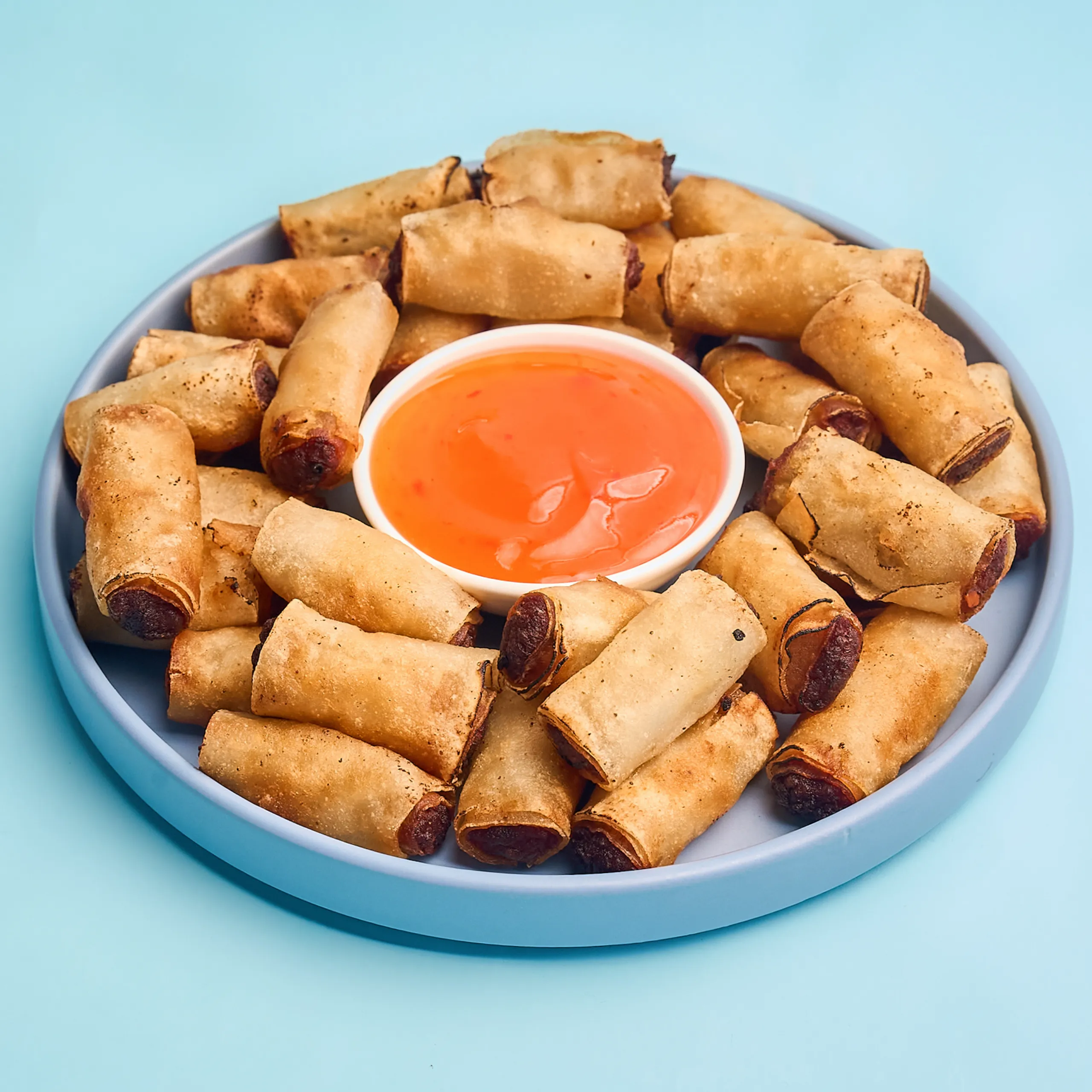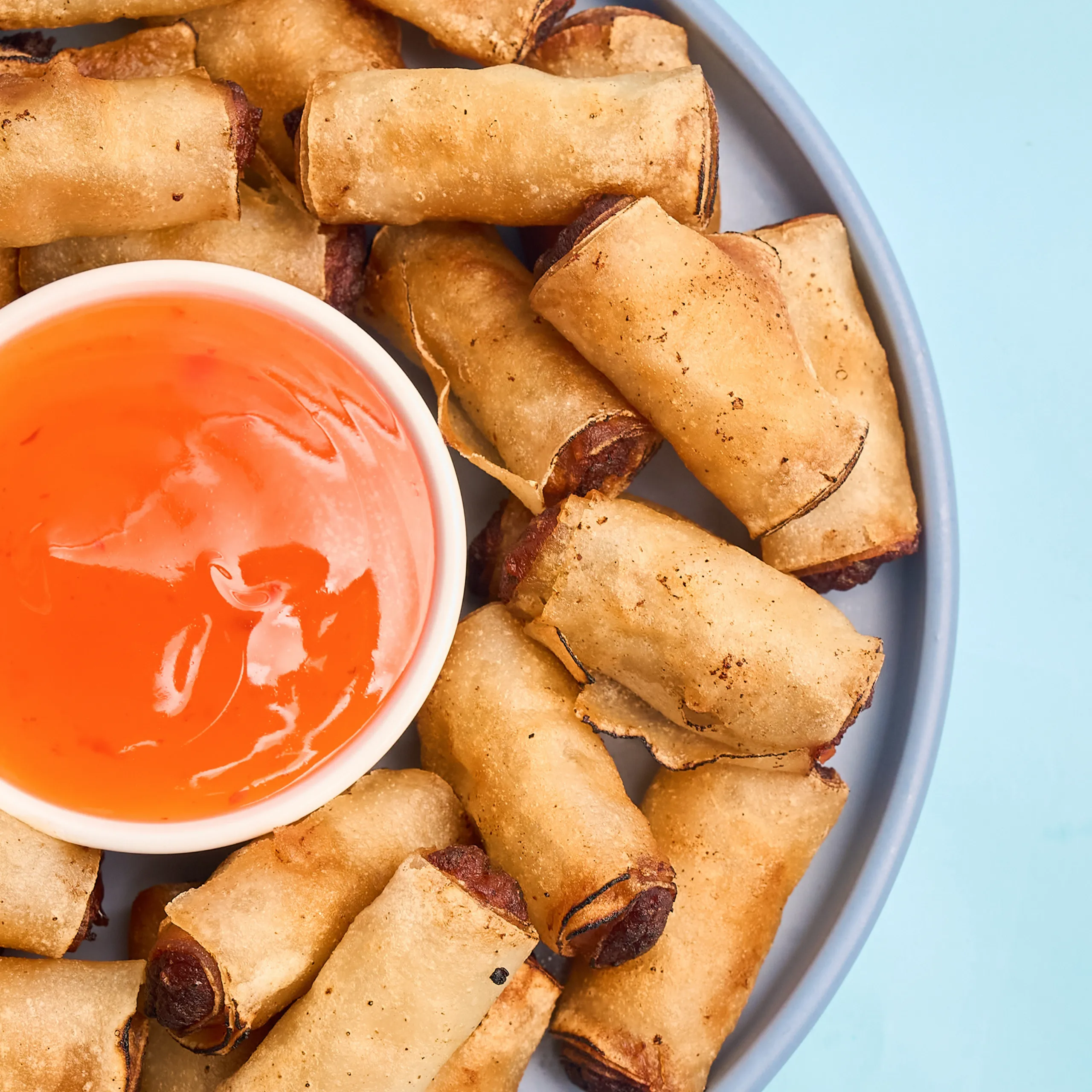
There are some Filipino dishes that seem to make their way onto almost every celebration table, and Lumpiang Shanghai is definitely one of them. Whether it is a birthday party, Christmas gathering, family reunion, fiesta, potluck, or a simple weekend meal, these golden, crispy spring rolls have a way of disappearing almost as quickly as they are served.
What makes Lumpiang Shanghai so special is its simplicity. The filling is made from familiar ingredients such as ground pork, carrots, onions, garlic, and savory sauces. Everything is wrapped tightly in thin lumpia wrappers and fried until beautifully crisp and golden brown. Served with sweet chili sauce, every bite offers a satisfying contrast between the crunchy wrapper and juicy, flavorful filling.
For many Filipinos, Lumpiang Shanghai is more than just an appetizer. It can bring back memories of helping in the kitchen, watching relatives roll dozens of lumpia before a celebration, or waiting impatiently beside the frying pan for the first batch to come out. Making lumpia can take a little time, especially when preparing a large batch, but the process is often part of the fun.
This recipe gives you a classic, straightforward version that is easy to prepare at home. It is suitable for everyday cooking but can also be doubled or tripled when you are preparing food for a crowd.
A Little History of Lumpiang Shanghai
Lumpiang Shanghai is one of the most recognizable varieties of lumpia in Filipino cuisine. Although the name refers to Shanghai, the dish as we know it today is distinctly Filipino and developed within the Philippines’ long history of cultural exchange, particularly with Chinese communities and Chinese-Filipino cuisine.
The word lumpia is commonly associated with spring-roll-style dishes that were introduced and adapted through Chinese influence in Southeast Asia. Over generations, Filipinos developed their own versions using locally available ingredients and cooking techniques.
Lumpiang Shanghai became especially popular because it is practical, affordable, and easy to serve to groups. Unlike some other lumpia varieties, which may contain vegetables, seafood, or other fillings, Lumpiang Shanghai is usually centered around a savory meat filling. Ground pork is particularly common, combined with finely chopped vegetables and seasonings.
The name “Shanghai” does not mean that this exact Filipino recipe originated in Shanghai. Instead, it is part of the way Filipino cuisine has historically adopted, adapted, and transformed culinary influences from other cultures.
Today, Lumpiang Shanghai is firmly established as a Filipino party and comfort food. It is commonly served with dipping sauces such as sweet chili sauce, banana ketchup, vinegar dipping sauce, or other Filipino-style condiments.
Understanding the Ingredients
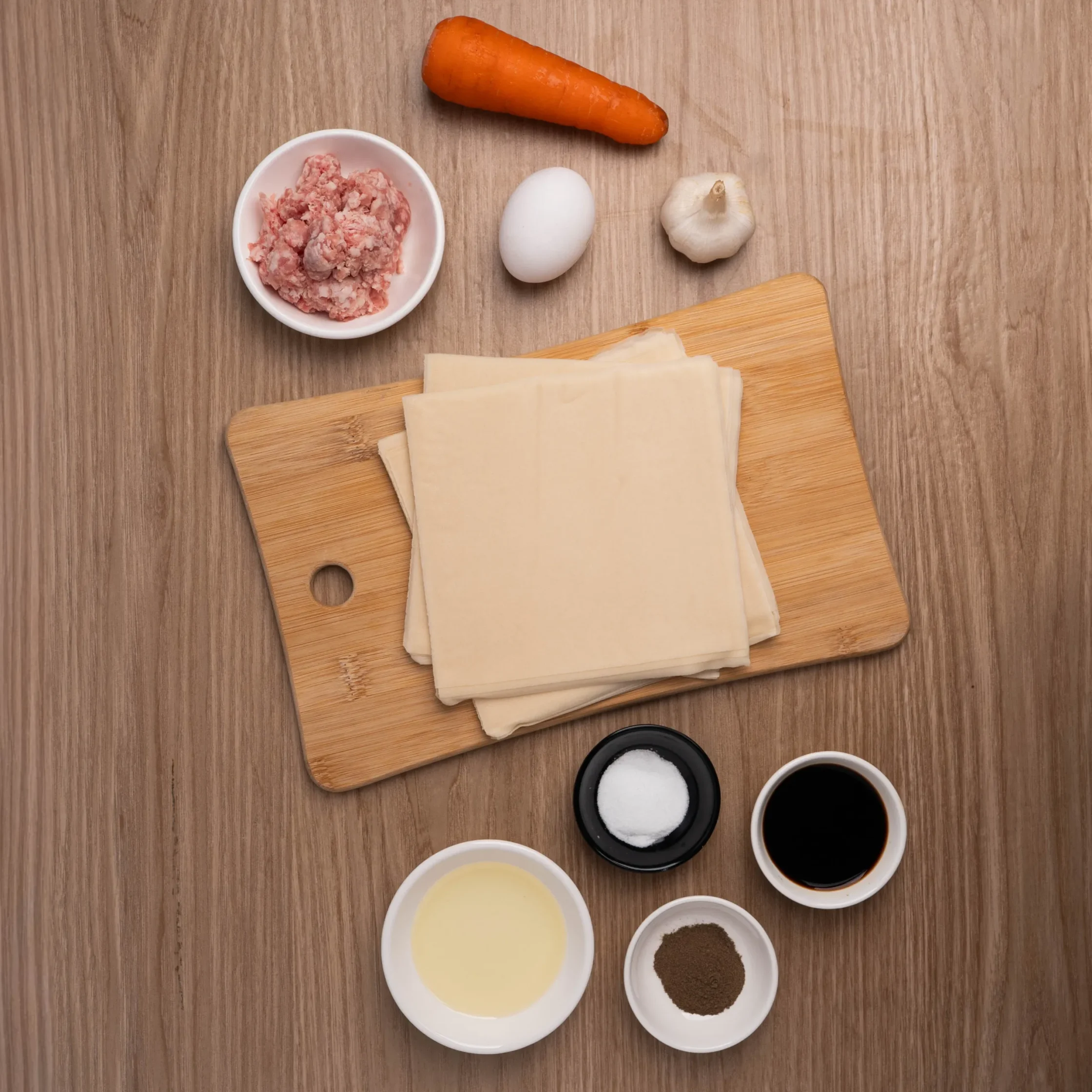
Each ingredient in Lumpiang Shanghai has a purpose, and using the right preparation technique can make a noticeable difference in the finished dish.
Ground pork provides the main flavor and richness. Pork also helps keep the filling moist and flavorful after frying.
Onion adds sweetness and aroma. Finely chopping the onion is important because large pieces can make the filling difficult to roll neatly.
Garlic contributes a familiar savory aroma that is characteristic of many Filipino dishes.
Carrot adds a subtle sweetness, color, and texture. Mince it very finely so it blends naturally with the meat rather than creating large pieces that can poke through the wrapper.
Soy sauce gives the filling saltiness and umami.
Oyster sauce provides additional depth and a slightly sweet, savory flavor. It also helps give the filling a richer taste.
Lumpia wrappers create the signature delicate, crispy exterior. Keep them covered while working because they can dry out quickly.
Cooking oil is essential for achieving that crisp, golden shell. The oil needs to be hot enough to fry the wrapper properly without leaving it greasy.
Sweet chili sauce balances the savory filling with sweetness and a mild spicy flavor.
Ingredient Substitutions
One of the great things about Lumpiang Shanghai is how adaptable it can be.
Ground Pork
Ground chicken or ground turkey can be used instead of pork if you prefer a leaner filling.
Ground beef can also be used, although it will give the lumpia a different flavor and texture.
For a vegetarian version, finely chopped mushrooms, tofu, cabbage, carrots, onions, and other vegetables can be combined to create a meat-free filling.
Carrots
If you do not have carrots, you can substitute finely chopped cabbage, green beans, celery, or other mild vegetables.
Keep in mind that vegetables with high water content may release moisture, so excess liquid should be avoided.
Soy Sauce
Regular soy sauce can be replaced with light soy sauce or, depending on your dietary needs, a suitable gluten-free soy sauce alternative.
Oyster Sauce
If you do not eat shellfish, look for vegetarian mushroom-based oyster-style sauce.
You can also omit oyster sauce and increase the soy sauce slightly, although the flavor will not be exactly the same.
Lumpia Wrappers
If Filipino lumpia wrappers are unavailable, thin spring-roll wrappers may work as a substitute.
Avoid using thick wrappers when possible because they will produce a different texture and may require different cooking times.
Sweet Chili Sauce
Sweet chili sauce is the classic easy choice, but you can also serve Lumpiang Shanghai with vinegar and garlic, banana ketchup, spicy vinegar, or another favorite dipping sauce.
Recipe Tips for Better Lumpiang Shanghai
1. Mince the vegetables very finely
Large pieces of onion or carrot can make rolling difficult and may cause the wrapper to break.
Fine ingredients also help distribute the flavors more evenly throughout the filling.
2. Don’t overfill the wrappers
A smaller amount of filling generally produces a neater and crispier lumpia.
If the filling is too thick, the wrapper may split while frying.
3. Keep the wrappers covered
This is one of the most important tips when making lumpia. Wrappers exposed to air for too long can become dry and brittle.
4. Test the filling before wrapping everything
Cooking a tiny sample lets you adjust the seasoning while you still have the opportunity.
5. Don’t overcrowd the pan
Fry in batches. Giving the lumpia enough space helps maintain the oil temperature and promotes even browning.
6. Use a wire rack after frying
A wire rack helps prevent the bottom of the lumpia from becoming soggy.
7. Maintain a consistent oil temperature
If the oil is too cool, the lumpia may become greasy. If it is excessively hot, the wrapper can burn before the pork is properly cooked.
8. Make uniform rolls
Try to keep each lumpia approximately the same size. This helps them cook at roughly the same rate.
9. Don’t rush the rolling process
It may take a few tries to get the technique right. The goal is a compact roll that is secure but not excessively tight.
10. Make a large batch
Lumpiang Shanghai freezes well when handled properly, so making extra rolls can save time later.
What Makes Lumpiang Shanghai Special?
Lumpiang Shanghai is a great example of how food can reflect cultural exchange.
The concept of wrapping a savory filling in a thin wrapper and frying it has connections to Chinese culinary traditions, but the Filipino version developed its own identity.
The Filipino style is often recognizable for its relatively thin, tightly rolled shape and savory meat filling.
It is also a food that works particularly well for gatherings. Lumpia can be prepared ahead of time, fried in batches, arranged on large platters, and eaten without complicated serving arrangements.
Perhaps that is one reason it has become such a beloved party food: it is easy to share.
There is also something satisfying about the texture. The wrapper becomes light and crisp while the filling remains savory and tender. Add a sweet and slightly spicy dipping sauce, and you get several contrasting flavors and textures in one bite.
Health and Nutrition Considerations
Lumpiang Shanghai can be part of a balanced diet, but because it is traditionally deep-fried and often made with ground pork, it is best enjoyed in moderation.
The pork provides protein, while carrots contribute nutrients such as beta-carotene. Onion and garlic also add plant compounds and flavor without requiring large amounts of additional seasoning.
However, deep frying increases the overall fat and calorie content of the dish. Soy sauce and oyster sauce can also contribute a significant amount of sodium.
If you want to make the recipe lighter, consider using leaner ground meat, increasing the amount of vegetables, and reducing the amount of added salt.
You can also experiment with baking or air-frying the rolls instead of deep-frying them. The texture will be different from traditional Lumpiang Shanghai, but this can be a useful alternative if you want to reduce the amount of oil.
Most importantly, because the recipe contains ground pork, the filling should always be cooked thoroughly.
How to Store Lumpiang Shanghai
Proper storage depends on whether the lumpia are raw or already cooked.
Storing Uncooked Lumpia
If you have rolled the lumpia but do not plan to fry them immediately, place them in a single layer on a tray.
Avoid letting the pieces stick together.
For longer storage, freeze the uncooked lumpia on a tray until firm. Once frozen, transfer them to an airtight freezer-safe container or bag.
Separating the pieces before transferring them makes it easier to take out only the amount you need later.
There is generally no need to completely thaw frozen lumpia before frying. Cooking them from frozen can help prevent the wrappers from becoming excessively soft, although you should use appropriate care because frozen food can cause hot oil to splatter.
Storing Cooked Lumpia
Allow cooked Lumpiang Shanghai to cool completely before storing.
Place them in an airtight container and refrigerate promptly.
For best texture, reheat them in an oven, toaster oven, or air fryer rather than a microwave. Microwaving can soften the crispy wrapper.
Freezing Cooked Lumpia
Cooked Lumpiang Shanghai can also be frozen.
Allow them to cool completely, arrange them so they do not stick together, and place them in a freezer-safe container.
When reheating, use an oven, toaster oven, or air fryer until heated through and crisp.
Food Safety Reminder
Because Lumpiang Shanghai contains ground meat, avoid leaving cooked food at room temperature for extended periods. Refrigerate leftovers promptly and reheat them thoroughly before eating.
Final Words
Lumpiang Shanghai is proof that a simple recipe can become a meaningful part of a country’s food culture.
It does not require an elaborate list of ingredients. It does not need an expensive cut of meat or complicated cooking equipment. What it does require is a little patience—especially when rolling batch after batch of tiny spring rolls.
And that patience is often what makes the dish memorable.
The sound of lumpia hitting hot oil, the smell of garlic and seasoned pork filling the kitchen, and the sight of a large plate of golden rolls waiting to be served are all familiar experiences for many Filipino families.
Whether you are making Lumpiang Shanghai for a special celebration or simply craving something crispy and savory, this recipe is a wonderful addition to your kitchen repertoire.
Serve it fresh, pair it with sweet chili sauce, and enjoy it with the people you love. After all, some foods are best appreciated not only for how they taste, but also for the memories they help create.
Crispy on the outside, flavorful on the inside, and always welcome at the table—that is the enduring appeal of Lumpiang Shanghai.