

Its geography alone should have made Quezon a pilgrimage site for food lovers. But many of its culinary treasures are yet to be discovered and explored.
Just a few hours east of Manila, the Luzon province is defined by fertile farmland and coastal waters that keep an ecosystem of ingredients.
This, combined with its rich history and generations-old cooking techniques, make for a layered food culture—and a compelling case for the province to be a very exciting culinary destination.
Hidden Culinary Gems: Lesser-Known Dishes From Quezon Worth Discovering
Quezon cuisine is neither purely Tagalog nor Bicolano. Instead, it occupies its own flavorful middle ground, as proven by these dishes.
1. Bombay Soup
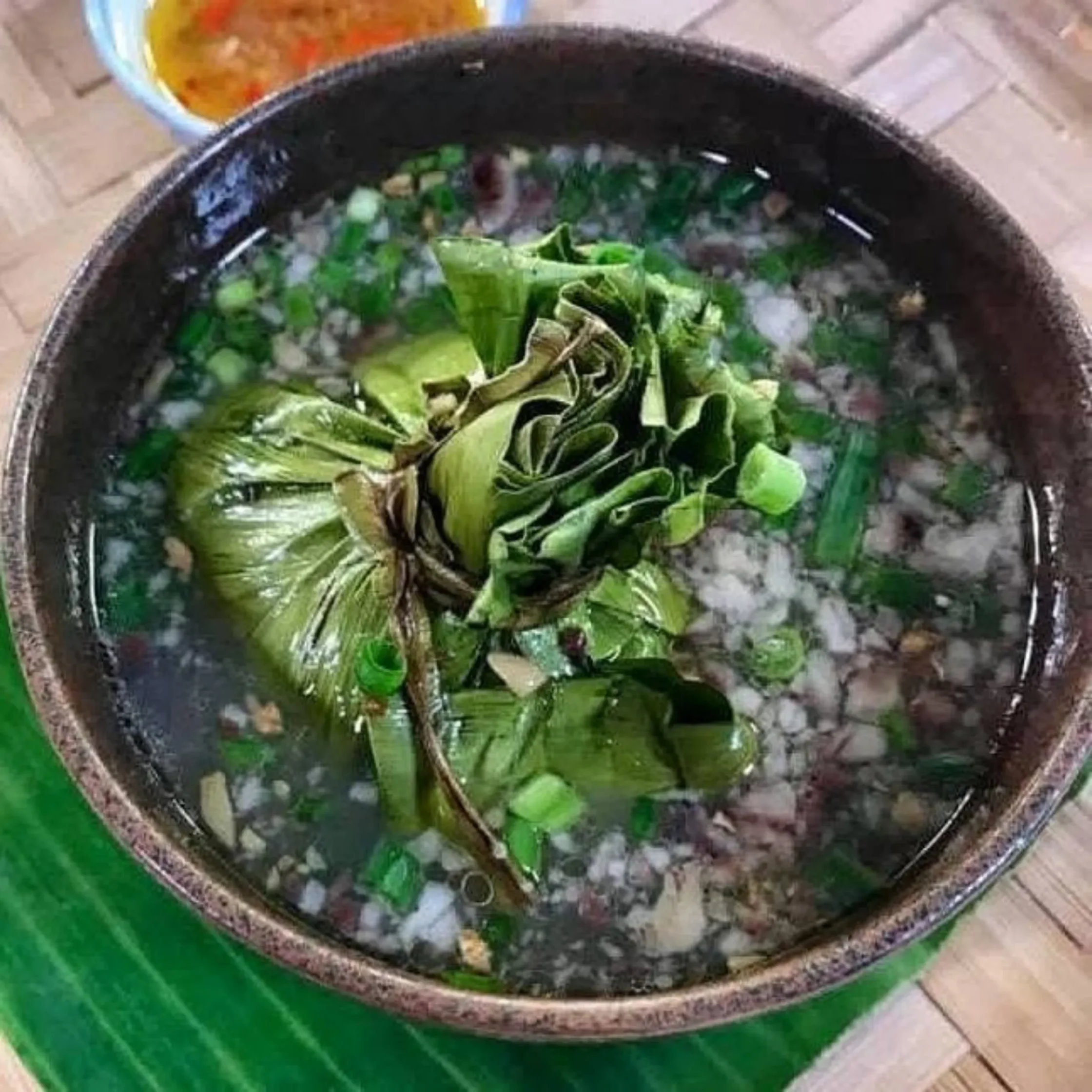
Despite its name, this dish has nothing to do with India. Instead, it takes its name from the turban-like shape of the banana leaf pouch, said to resemble the headwear worn by Sikh migrants who settled in the area a long time ago.
Nestled inside the pouch is a mixture of garlic, onion, ground pork, diced pork lungs, liver spread, eggs, breadcrumbs, garbanzos, and cubed potatoes. It is sealed using buntal fiber then dropped in a vat of pork bone broth seasoned with corn, mushrooms, and sweet potato shoots to boil for approximately an hour.
Typically, it is served in the broth it’s cooked in and guests are advised to slice it open themselves to reveal a dumpling-like mass swimming in flavorful soup. This is believed to tame a hangover.
2. Pirihil
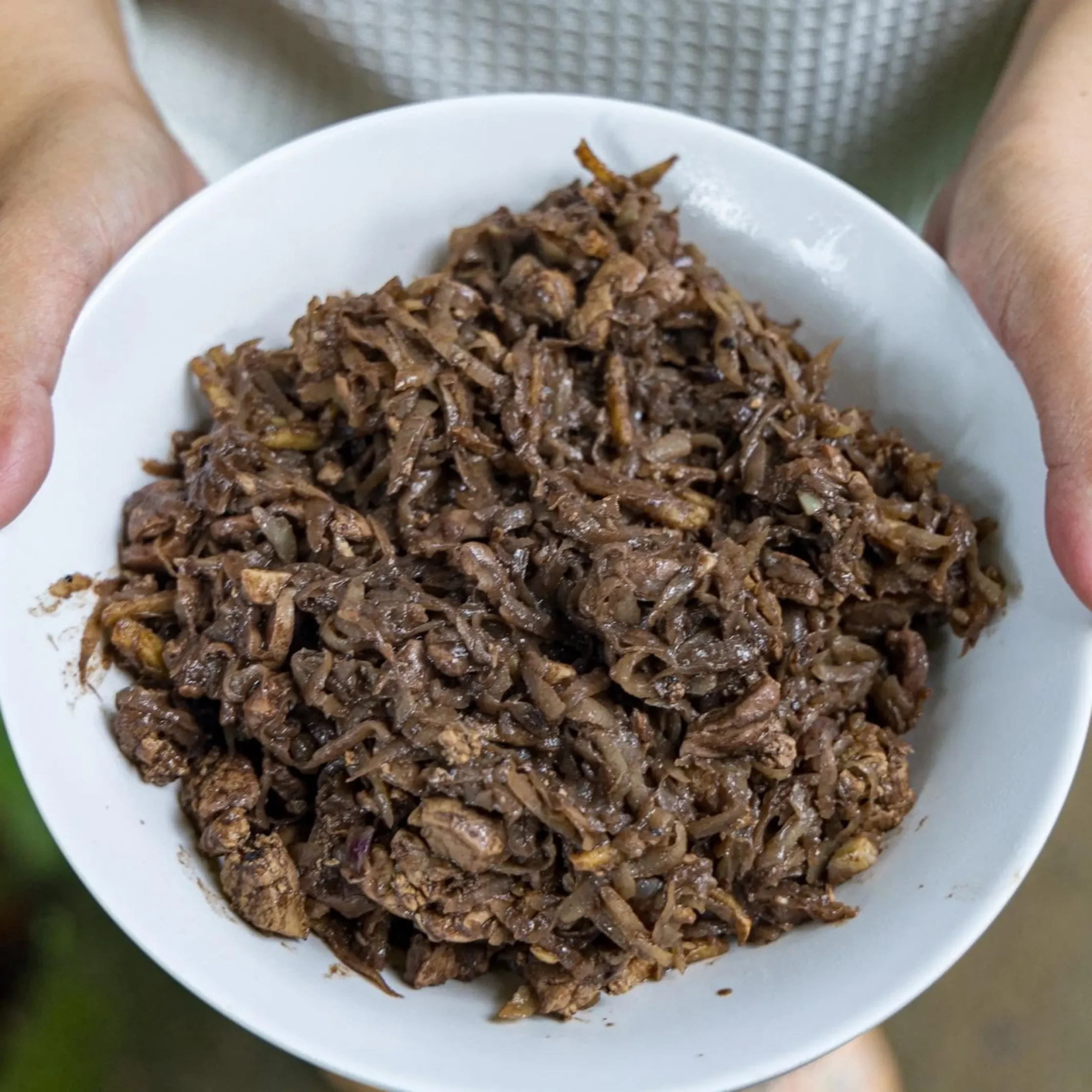
It’s like the chicken version of dinuguanDinuguanA rich, savory Filipino stew of pork simmered in seasoned pork blood, vinegar, garlic, and long green chilies. Sometimes nicknamed chocolate meat for its dark color, dinuguan is best pairedGo to Dinuguan Glossary. The traditional delicacy not even features the meat but the innards—namely the gizzard, liver and heart—simmered in a rich stew of fresh blood (either chicken or pork), garlic, onion, ginger and vinegar.
Sometimes, vegetables like fried potatoes, sayote or grated unripe papaya are thrown into the mix with the intention of softening the dish’s intensity. Earthy, subtly tangy, and full-bodied, the pirihil certainly commands to be eaten with generous servings of rice.
3. Sinantomas
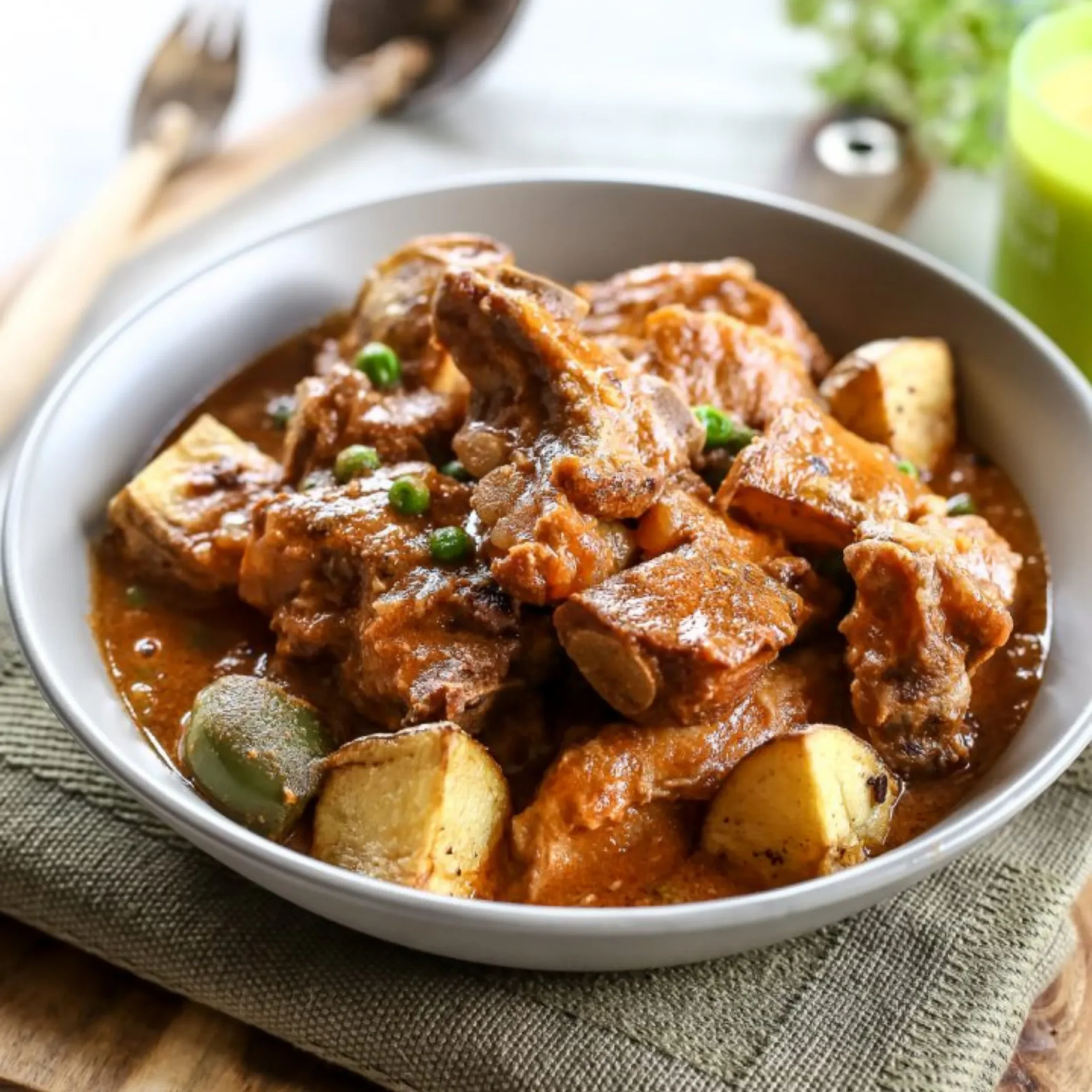
Think of this as a relative of kaldereta—the more well-rounded kind. Both are slow-cooked stews but while kaldereta can have some sort of heat, sinantomas leans more on flavor balance, marrying a good mix of sweet, savory and tangy.
Pork ribs or spareribs is first marinated in a pool of pineapple juice, soy sauce, and fish sauce, allowing it to both tenderize and absorb the flavors. It is then braised in a sauce built from the marinade itself, seasoned further with banana ketchup or tomato sauce and more pineapple juice.
To make it heartier, bell peppers, green peas, potatoes and sometimes even fried kamote are added. And just like kaldereta, a generous grating of cheese is folded towards the end for that creamy finish.
4. Pinais
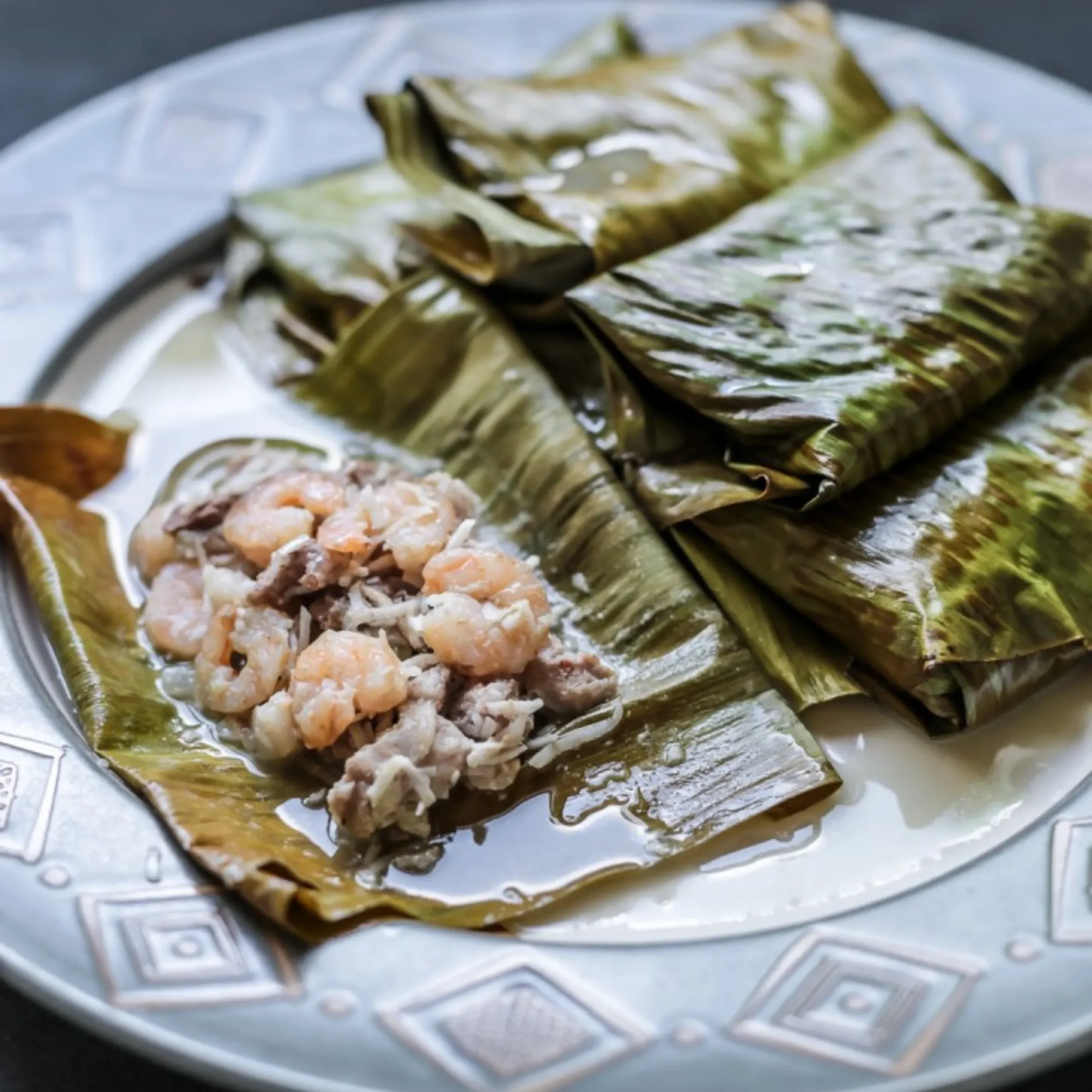
Taking roots from the towns of Tayabas and Sampaloc, pinais is somewhat similar to Aklan’s linapay where freshwater shrimps, aromatics and butong or grated young coconut are enveloped by a taro leaf then slow-cooked in coconut milk. Quezon’s version includes fatty pork in the filling then wraps them up in banana leaves. Sometimes, they finish off the parcels by placing them on hot charcoal to add that smoky, charred flavor.
5. Pancit Habhab
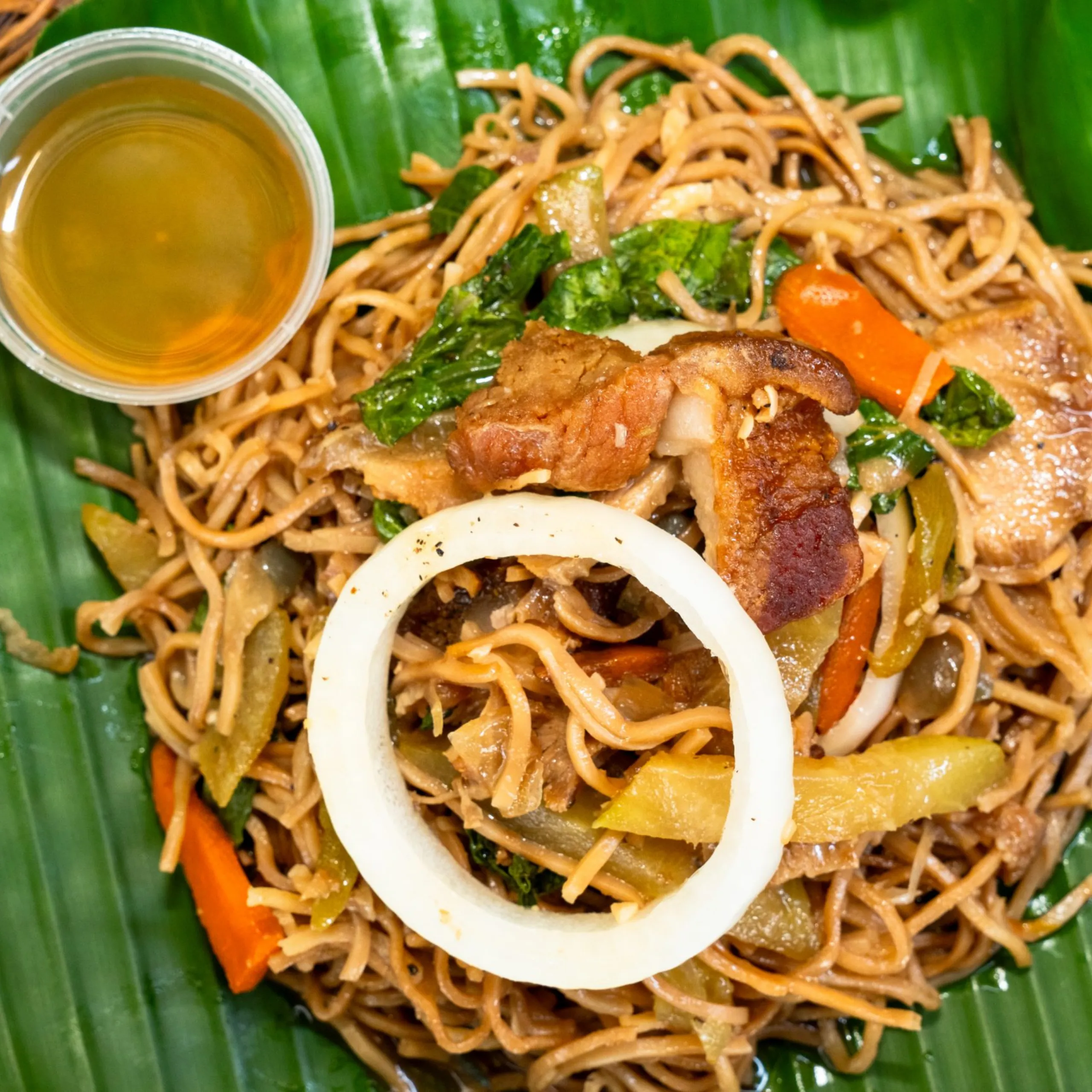
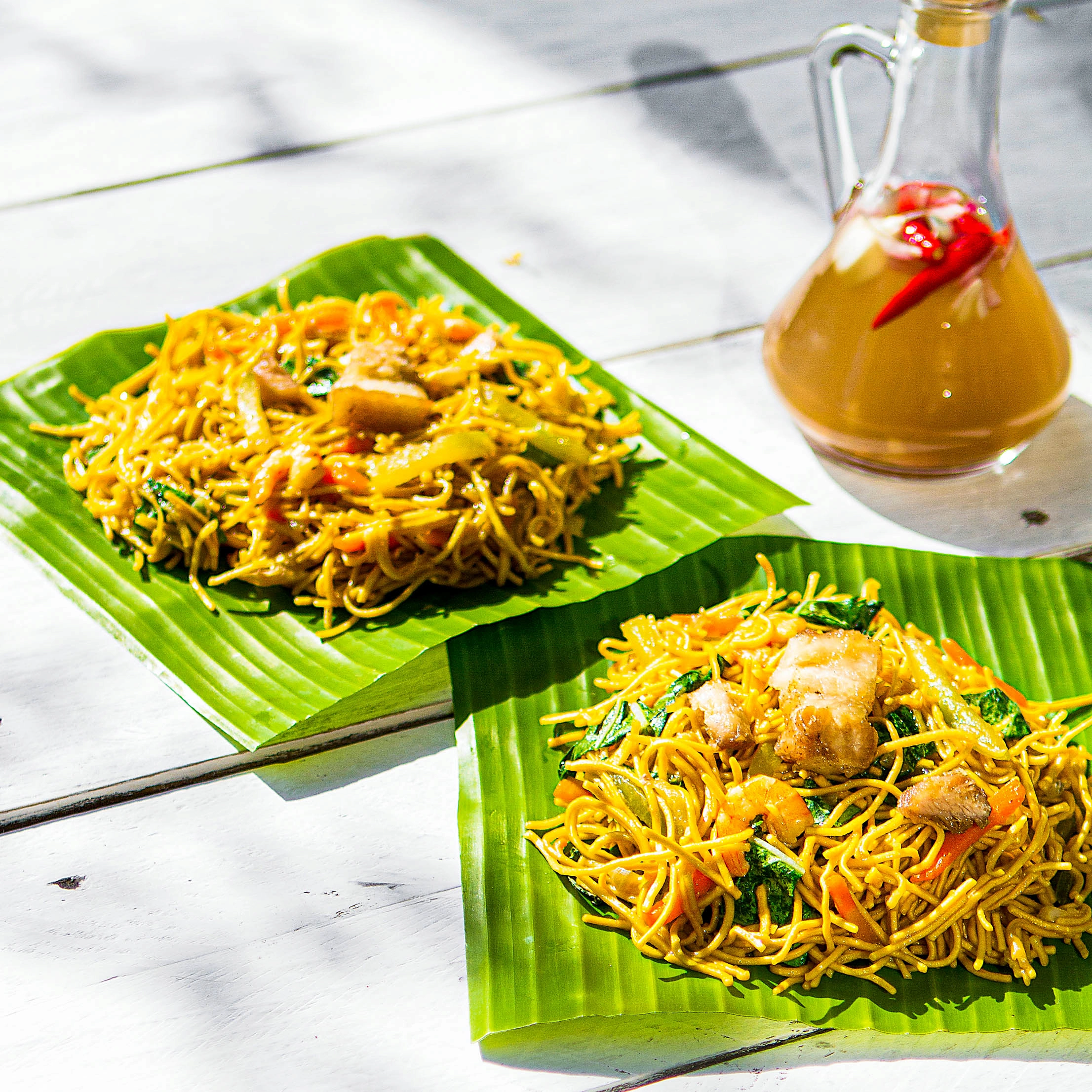
Also known as Pancit Lucban, this is perhaps the most iconic dish of Quezon province. With a thick and slightly firm flour noodle called miki Lucban, it’s tossed in a hot pan alongside pork, shrimp and vegetables, then served on a banana leaf instead of a plate.
That’s what sets it apart from the others—how it is eaten. First, give the dish a splash of sharp vinegar to cut through the richness. Then, without the use of utensils, people are encouraged to bring the leaf close to their mouth before slurping the noodles. That’s exactly what habhab means—to eat quickly.
6. Tinuto
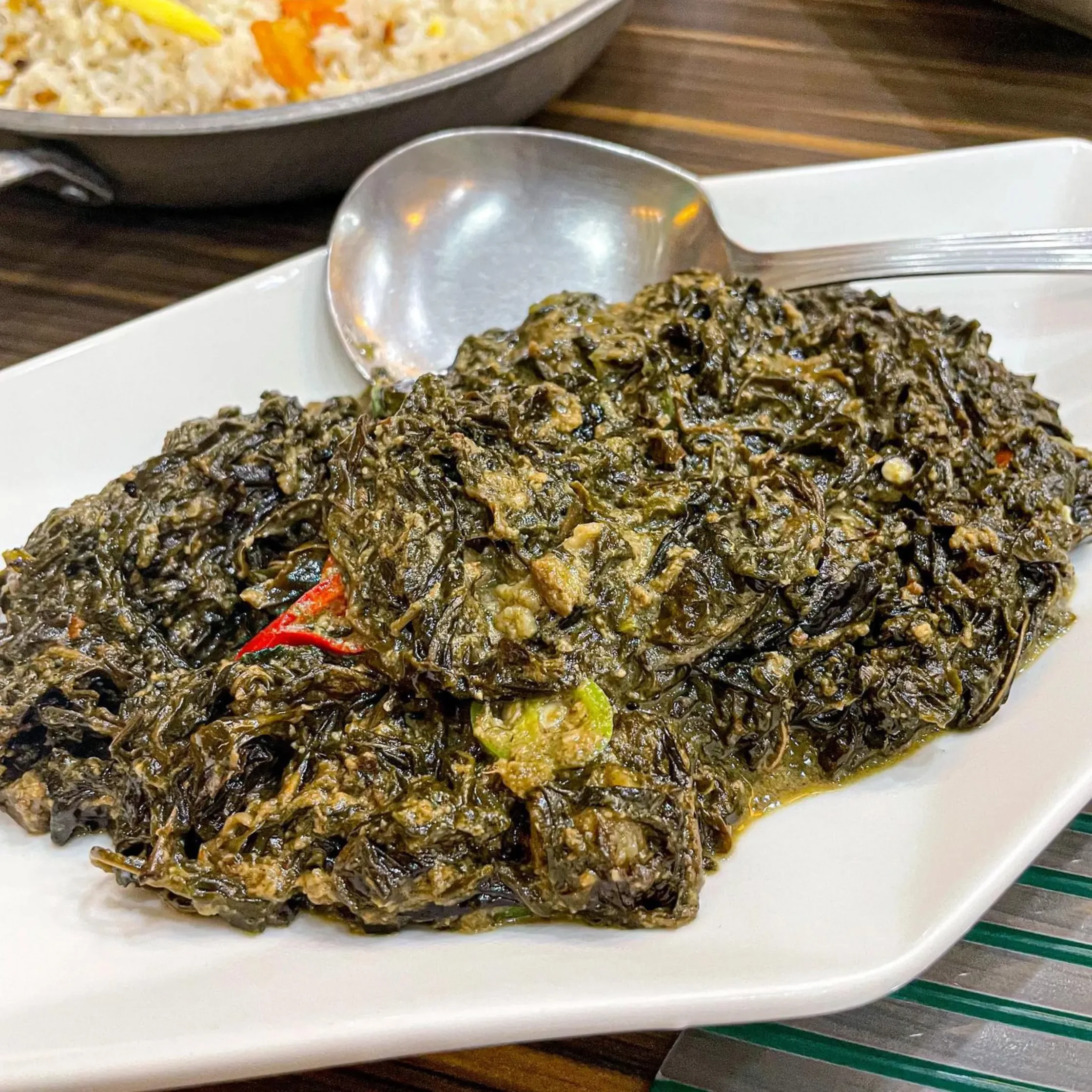
This is Quezon’s answer to laing; a delicious dish composed of two ingredients the province has an abundance of—coconut and gabi. Finely sliced taro leaves and stems are slowly simmered in coconut cream seasoned with aromatics such as garlic, ginger, lemongrass and chilies until it transforms into a thick stew.
Sometimes salted fish is mixed in to inject a distinct saltiness that will make the dish more savory. Tinuto is found in most homes, eaten as a daily meal as well as in grand celebrations, to be shared by many.
7. Sinulbot
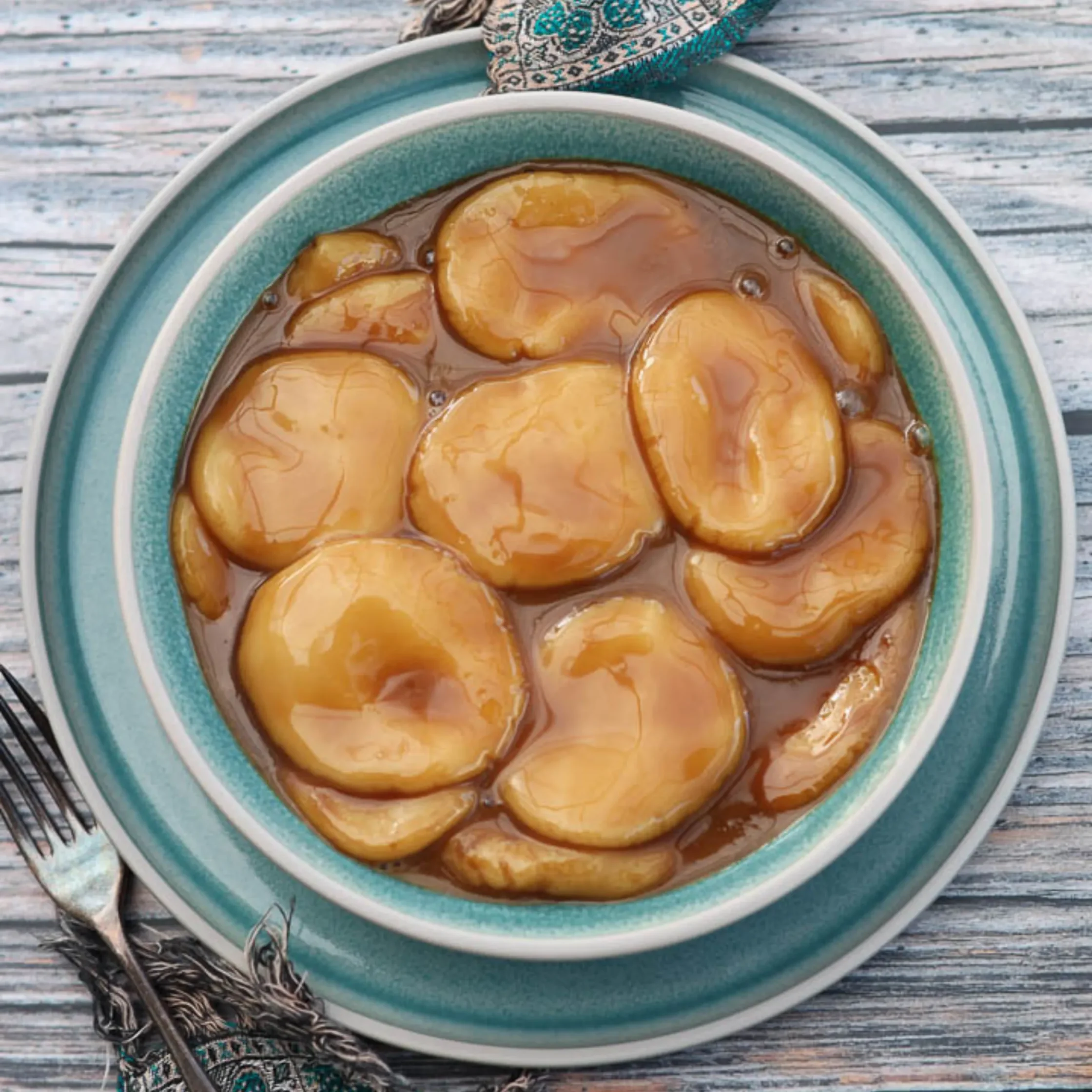
It also goes by other names, like patabol or pasulbot. Often found in roadside stalls and local markets in Tayabas, Candelaria and Sariaya, this kakanin is similar to kalamay, only with more body and form. Ground glutinous rice is slowly cooked in coconut milk with caramelized brown sugar until it reaches a creamy consistency that practically melts in the mouth. Oftentimes, it is topped with ripe jackfruit or latik for another layer of flavor.

Frequently Asked Questions
Quezon Province is located in the southeastern part of Luzon in the Calabarzon region or Region IV-A.
Quezon cuisine refers to the wide variety of dishes that originate from Quezon Province. These regional dishes are influenced by its many coconut plantations, access to coastal ingredients, and ancestral traditions.
Some hidden gems from Quezon cuisine include sinantomas, pirihil, tinuto, and pasulbot.