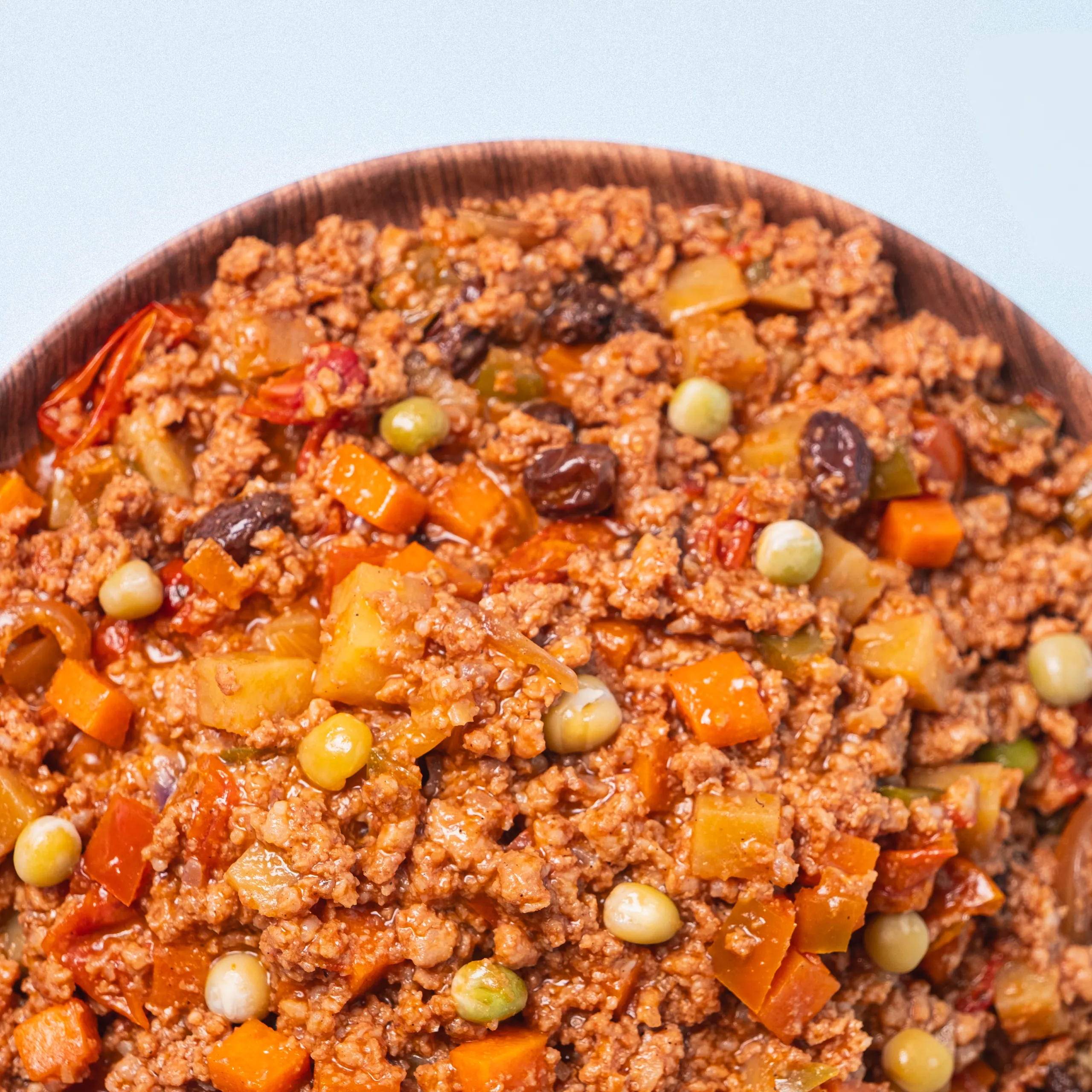


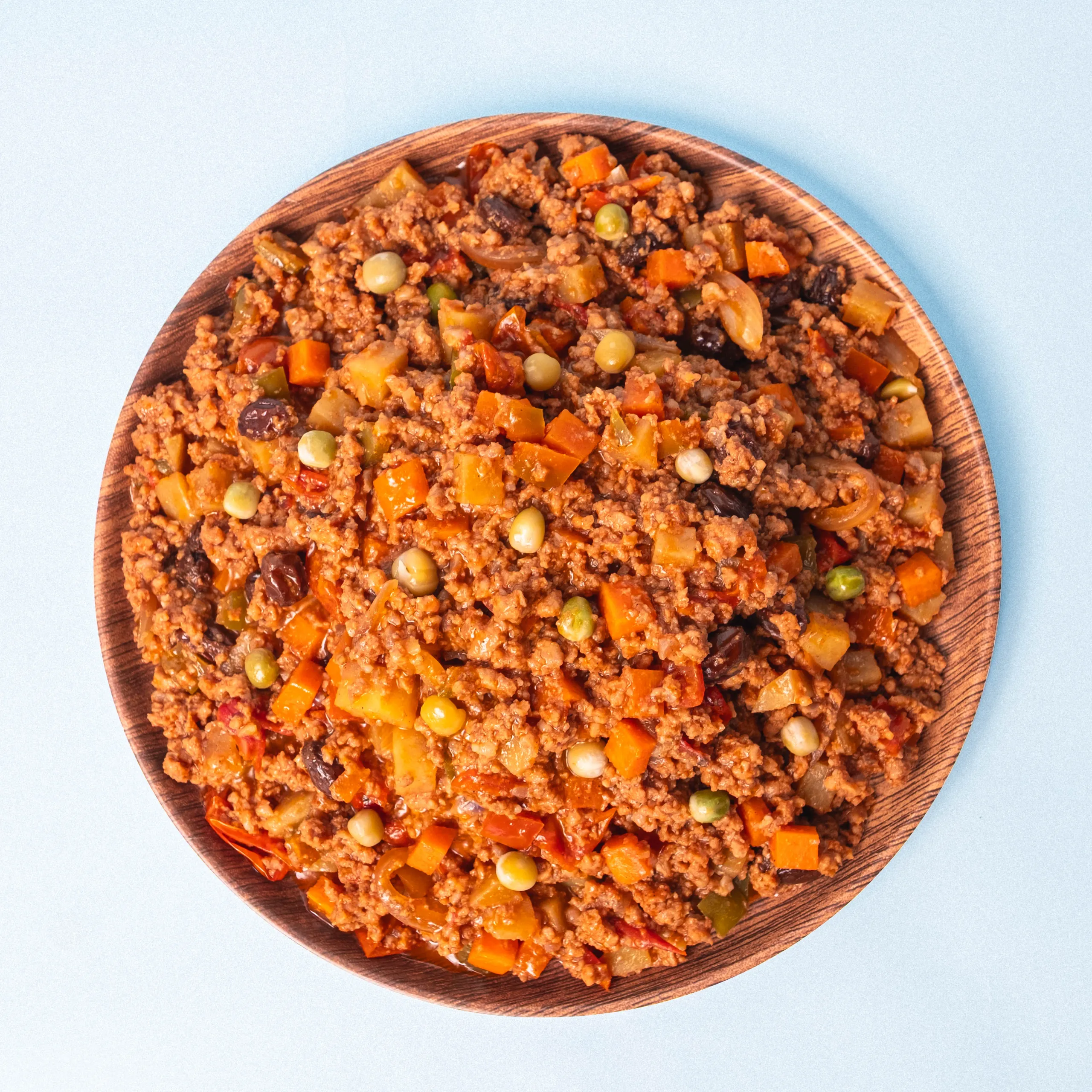
Pork giniling is one of those Filipino dishes that feels wonderfully familiar because it is the kind of food that often appears on the everyday family table. It is simple, hearty, colorful, and full of comforting flavors. Ground pork is cooked with garlic, onion, tomatoes, tomato paste, soy sauce, and fish sauce, then combined with small pieces of carrots, potatoes, bell peppers, peas, and sweet raisins. The result is a savory dish with just enough sweetness to make every spoonful interesting.
What makes pork giniling especially appealing is how practical it is. Ground pork cooks relatively quickly, and the vegetables can be diced into small pieces so that everything comes together in one pan. It is also an excellent dish for families because it can be stretched with vegetables, served generously over rice, and adjusted according to whatever ingredients are available in the kitchen.
There is something particularly comforting about the contrast of flavors in giniling. The pork provides richness, the tomato gives acidity, soy sauce and fish sauce create deep savory notes, and sugar and raisins provide gentle sweetness. Meanwhile, carrots and bell peppers add freshness and color, while potatoes make the dish more filling.
For many Filipino cooks, giniling is also a flexible recipe rather than a strict formula. Some versions include quail eggs or hard-boiled eggs, while others use peas, raisins, liver, or different vegetables. Some families prefer a saucier version, while others cook it until almost dry. This flexibility is one reason why giniling has remained a beloved part of Filipino home cooking.
History and Cultural Background
The word giniling comes from the Filipino term giling, which means to grind or mince. In this dish, the name directly describes the main ingredient: ground or minced meat.
Pork giniling belongs to the broader family of Filipino dishes influenced by Spanish-era cooking and adapted through generations of local preparation. Tomato-based meat dishes became established in Philippine cuisine through historical cultural exchange, but Filipino cooks gave these dishes their own flavor profiles by incorporating ingredients such as soy sauce, fish sauce, local vegetables, and sweet elements.
This combination of savory and sweet flavors is particularly characteristic of many Filipino dishes. In pork giniling, the sweetness may come from carrots, raisins, and sugar, while tomatoes, soy sauce, and fish sauce provide acidity, saltiness, and umami.
Giniling also reflects the resourcefulness of Filipino home cooking. Ground meat is easy to portion, relatively quick to cook, and can be combined with inexpensive vegetables to create a substantial family meal. Small quantities of meat can feed more people when combined with potatoes, carrots, peas, and rice.
Over time, different households developed their own versions. Some cooks add boiled eggs, which are often placed on top of the finished dish. Others add liver, hot dogs, green beans, or additional vegetables. Some recipes use fresh tomatoes, while others rely on tomato sauce or tomato paste.
Because of this, it is difficult to describe one version as the only authentic pork giniling. Filipino home cooking often evolves according to family preference, region, availability, and budget.
The recipe here focuses on a simple, flavorful version featuring tomatoes, vegetables, raisins, and a balanced combination of soy sauce and fish sauce.
Understanding the Ingredients
Ground pork
Ground pork is the main protein and provides the rich, savory foundation of the dish.
Its relatively small pieces allow it to cook quickly and absorb the tomato and seasoning mixture. Ground pork with a moderate amount of fat tends to produce a more flavorful and moist giniling, although leaner pork can be used if preferred.
Garlic
Garlic is one of the essential aromatics in Filipino cooking.
When gently fried in oil, it develops a fragrant, slightly nutty flavor that forms the foundation of the dish.
Onion
Onion provides sweetness and depth. Cooking it until soft allows its natural sugars to develop and blend with the garlic.
Tomatoes
Fresh tomatoes provide acidity, moisture, and natural sweetness.
They also give the dish a fresher tomato flavor than tomato paste alone.
If fresh tomatoes are unavailable, tomato sauce is a convenient alternative.
Tomato paste
Tomato paste intensifies the tomato flavor and gives the sauce greater body.
Because it is highly concentrated, a small amount can make the dish richer and more deeply colored.
Fish sauce
Fish sauce adds fermented umami and saltiness.
It is an important ingredient in creating the savory Filipino character of the dish.
Soy sauce
Soy sauce contributes saltiness, umami, and color.
The combination of soy sauce and fish sauce gives the pork a more layered savory flavor than either ingredient alone.
Carrot
Carrots provide natural sweetness, color, fiber, and texture.
Dicing them into small pieces allows them to cook evenly with the ground pork.
Potato
Potatoes make the dish more substantial and absorb the sauce beautifully.
They also provide carbohydrates, making giniling particularly satisfying when served with rice.
Bell peppers
Red and green bell peppers provide color, mild sweetness, and aroma.
The red pepper tends to be sweeter, while the green pepper provides a slightly sharper vegetal flavor.
Raisins
Raisins are one of the ingredients that give many Filipino-style meat dishes their characteristic sweet-savory contrast.
Their sweetness can seem surprising at first, but a small amount works beautifully with the salty and tomato-rich sauce.
Peas
Peas add color, sweetness, fiber, and small bursts of texture.
Frozen peas are convenient and can be added toward the end of cooking.
Sugar
Sugar balances the acidity of the tomatoes and rounds out the savory seasonings.
It should not make the dish taste like dessert. The goal is simply to create a harmonious sweet-savory flavor.
Recipe Tips
• Break the ground pork into small pieces. This gives the dish its characteristic texture and allows the sauce to coat the meat evenly.
• Cook the tomatoes properly. Allowing them to soften and reduce creates a richer sauce.
• Brown the pork sufficiently. Do not leave the meat overly wet or gray; allowing some moisture to evaporate creates more concentrated flavor.
• Dice vegetables evenly. Similar-sized pieces cook more consistently.
• Add vegetables in stages. Potatoes and carrots need more time than peas and bell peppers.
• Do not overcook the bell peppers. They are best when they remain slightly firm.
• Add raisins according to preference. They provide sweetness, so reduce the sugar if you prefer a less sweet giniling.
• Taste before adding salt. Fish sauce and soy sauce are already salty.
• Use moderate heat. Gentle simmering allows the flavors to blend without burning the tomato sauce.
• Do not make the sauce excessively watery. Giniling should have enough sauce to coat the ingredients but should not resemble soup.
• Let the dish rest before serving. A short resting period helps the flavors come together.
• Serve it with rice. The sauce is especially good mixed into steamed rice.
• Make extra. Giniling is one of those dishes that can be reheated easily and is often just as enjoyable the next day.
Ingredient Substitutions
Ground pork
Ground chicken or ground turkey can be substituted if you prefer a leaner meat.
Ground beef can also be used, although it will produce a different flavor and is closer to a beef giniling variation.
Tomatoes
Fresh tomatoes can be replaced with canned crushed tomatoes or tomato sauce.
If using tomato sauce, you may need less water because commercial tomato sauce already contains significant liquid.
Tomato paste
If tomato paste is unavailable, increase the amount of tomato sauce and allow it to reduce longer.
Fish sauce
Additional soy sauce can replace fish sauce, but the finished dish will lose some of its fermented depth.
For a different umami source, mushroom seasoning can be used.
Soy sauce
Reduced-sodium soy sauce can be used if you want to reduce the saltiness.
You can also adjust the balance between soy sauce and fish sauce according to your preference.
Potatoes
Sweet potato can be used for a sweeter variation.
You can also omit the potato and add more vegetables.
Carrots
Carrots can be replaced with additional bell pepper, green beans, corn, or other vegetables.
Bell peppers
You can use only red or only green bell pepper.
Other mild peppers can also work, depending on availability and desired flavor.
Raisins
Raisins can be omitted if you do not enjoy sweet elements in savory dishes.
Dried cranberries or chopped prunes can create a different but interesting variation, although they will change the traditional flavor.
Peas
Frozen peas, canned peas, or fresh peas can be used.
Green beans or corn can also provide a similar colorful vegetable element.
Sugar
Brown sugar can be used instead of white sugar for a slightly deeper flavor.
You can also reduce or omit the sugar if your tomatoes and raisins are already sweet enough.
Knowledge About Pork Giniling and Filipino Food
Pork giniling is a great example of Filipino cooking that combines savory, sour, and sweet elements in one dish.
The tomato provides acidity and fruitiness, soy sauce and fish sauce create savory depth, while raisins and sugar bring sweetness. The vegetables add their own natural flavors and textures.
This balance is one of the things that makes Filipino food distinctive. Filipino dishes often do not fit neatly into the categories of purely sweet or purely savory. Instead, several contrasting flavors are deliberately combined.
The raisins are a particularly interesting part of giniling. To someone unfamiliar with Filipino cuisine, the idea of adding raisins to a meat dish might sound unusual. However, dried fruit has long been used in various Filipino meat preparations to provide sweetness and contrast.
Pork giniling also demonstrates the importance of small cuts and ground ingredients in Filipino home cooking. Because the pork is already ground, it absorbs seasonings very efficiently.
The diced vegetables are similarly practical. Cutting them into small pieces allows them to cook quickly and makes it easy to get a little bit of everything in each spoonful.
Another reason giniling is popular is its versatility. It can be served simply with rice, used as a filling, paired with fried or boiled eggs, or incorporated into other dishes.
Some Filipino versions are made with liver, while others include quail eggs or hard-boiled eggs. Still others add hot dogs, green beans, corn, or different vegetables.
These variations reflect an important part of Filipino food culture: recipes are often passed down through families rather than followed as rigid formulas.
A grandmother’s giniling might taste different from a neighbor’s version, yet both can still be recognized as giniling.
Health Benefits and Nutritional Information
Pork giniling can provide protein, vegetables, and carbohydrates in one meal. However, its nutritional profile depends on the fat content of the pork, the amount of oil and seasonings used, and how much rice is served alongside it.
Pork
Pork provides high-quality protein, which supports muscle maintenance and tissue repair.
It can also provide nutrients such as thiamine, vitamin B6, selenium, zinc, and vitamin B12.
Choosing lean or moderately lean ground pork can reduce the amount of saturated fat in the dish.
Tomatoes
Tomatoes provide vitamin C, potassium, and lycopene.
Lycopene is a carotenoid responsible for much of the red color in tomatoes and is a naturally occurring antioxidant.
Carrots
Carrots are rich in beta-carotene, which the body can convert into vitamin A.
Vitamin A is important for normal vision, immune function, and healthy skin.
Potatoes
Potatoes provide carbohydrates for energy and contain potassium and vitamin C.
Because they absorb the sauce, they also help make giniling more satisfying.
Bell peppers
Bell peppers contribute vitamin C and various plant compounds.
Red bell peppers tend to be sweeter, while green bell peppers have a more vegetal flavor.
Using both provides variety in flavor and color.
Peas
Peas provide fiber, plant-based protein, vitamins, and minerals.
They also add texture and natural sweetness.
Raisins
Raisins contain naturally occurring sugars as well as some fiber, potassium, and other nutrients.
However, they are concentrated sources of sugar, so the amount used contributes significantly to the sweetness of the dish.
Garlic and onion
Garlic and onion contribute flavor while also providing various plant compounds.
Their strong flavors allow the dish to develop complexity without requiring excessive amounts of additional fat.
Soy sauce and fish sauce
Both ingredients contribute umami, but they can also be high in sodium.
If you are monitoring sodium intake, reduced-sodium soy sauce and smaller amounts of fish sauce can be used.
Sugar
Sugar provides sweetness and calories but relatively few nutrients. Its purpose in this dish is primarily to balance acidity and savory flavors.
Making pork giniling more balanced
To make the meal more vegetable-forward, increase the amount of carrots, peas, and bell peppers.
You can also use lean ground pork and control the amount of added oil.
Serving the giniling with a reasonable amount of rice and adding a fresh vegetable side can create a more balanced meal.
Final Words
Pork giniling is a wonderful example of why Filipino comfort food remains so memorable. It does not depend on expensive ingredients or elaborate cooking techniques. Instead, it takes ground pork and combines it with everyday vegetables, tomatoes, garlic, onion, and familiar Filipino seasonings to create something hearty and satisfying.
The charm of the dish is in its balance. The pork provides richness, the tomatoes provide acidity, the soy sauce and fish sauce bring savory depth, and the carrots, raisins, and sugar contribute gentle sweetness. Potatoes make the dish substantial, peas add freshness, and red and green bell peppers bring color and aroma.
It is also a dish that welcomes personal touches. You can add eggs, liver, more vegetables, or chili. You can make it saucier or drier, sweeter or more savory, depending on what your family enjoys. That flexibility is not a weakness; it is one of the reasons giniling belongs so naturally in Filipino home cooking.
Another beautiful quality of pork giniling is how practical it is. A modest amount of ground meat can be transformed into a meal that feeds a family when combined with vegetables and rice. It is economical, easy to prepare, and adaptable to whatever ingredients happen to be available.
And perhaps that is the heart of the dish. Filipino cooking has always had a strong connection to making the most of what is on hand. Giniling takes simple ingredients and gives them enough time and seasoning to become something comforting and familiar.
Served hot over freshly cooked rice, with the tomato-rich sauce soaking into the grains, pork giniling becomes more than just a meat dish. It becomes the kind of meal that feels appropriate for a busy weekday dinner, a family gathering, or a quiet meal at home.
Ultimately, pork giniling is a reminder that good home cooking does not need to be complicated. With a few humble ingredients, thoughtful seasoning, and a little patience, you can create a dish that is colorful, flavorful, filling, and deeply connected to Filipino culinary tradition.